Exploring Portugal: The Perfect Porto 3-Day Itinerary
Day 1 covers Porto's UNESCO Ribeira district: São Bento tiles (free), Livraria Lello entry voucher (€8), Clérigos Tower climb (€6), Palácio da Bolsa guided tour (€14), and a Francesinha dinner on the waterfront (€14–€18).
Day 2 visits the Serralves Museum (€20), Crystal Palace Gardens (free), and Foz do Douro by historic tram (€4.50); Day 3 crosses to Gaia for Port wine cellar tours (€18–€20) and a Six Bridges Douro cruise (€15–€18).
Porto rewards three days with an intensity few European cities can match. Spend Day 1 in the UNESCO-listed Ribeira riverside quarter and the bookshop-studded old town, Day 2 exploring world-class contemporary art and the Atlantic coast at Foz do Douro, and Day 3 crossing the Dom Luís I Bridge to Vila Nova de Gaia for Port wine cellar tours through Portugal's most celebrated wine region. Budget roughly €80–€120 per person per day, including accommodation, transport, meals, and entry fees.
The Andante reloadable transit card (€0.60 to buy, single metro zone trip €1.50 in 2026) is the single most useful purchase you can make on arrival. It covers the metro from the airport, all bus lines, and the historic trams — eliminating the need for taxis on most days.
Day 1: Exploring the Historic Old Town
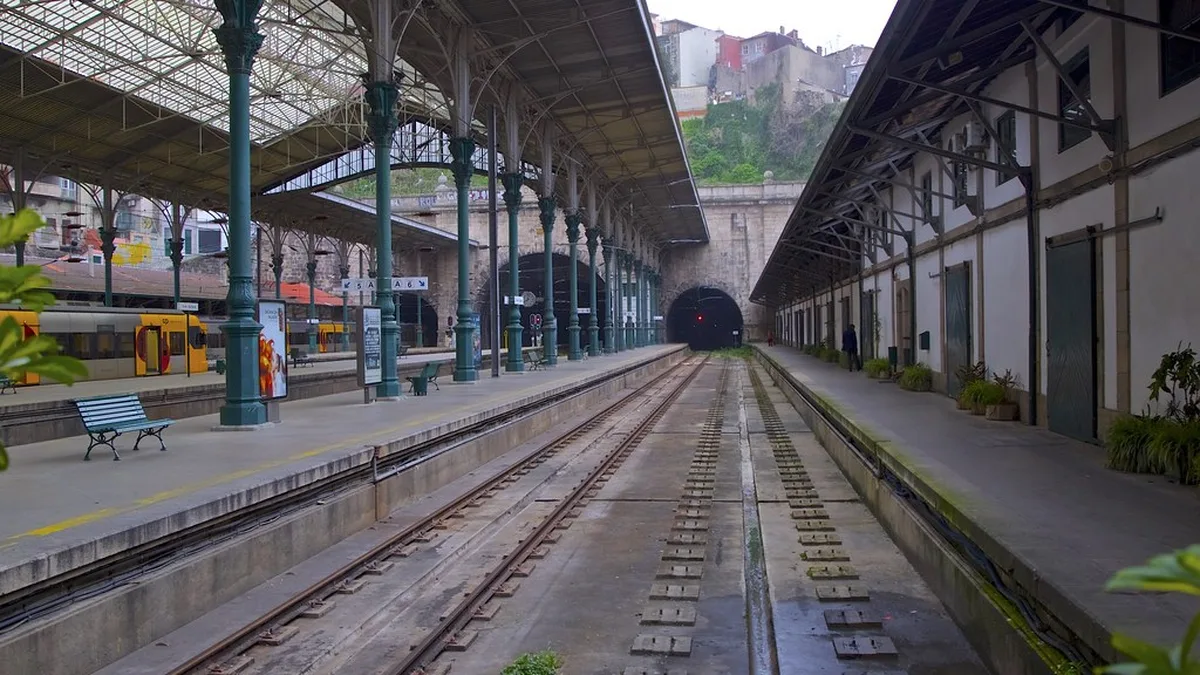
Start your morning at the São Bento Train Station to admire the stunning blue tilework. These azulejos narrate the history of Portugal through twenty thousand intricate hand-painted ceramic tiles completed between 1905 and 1916. Entrance to the main atrium is completely free, making it an effortless first stop for photography enthusiasts at any hour. Arriving before 9:00 AM helps you capture the tilework without the heavy commuter crowds that descend after rush hour. The station is still fully operational, so you will share the space with locals commuting to and from the suburbs — a reminder that this is a living monument, not a museum set piece.
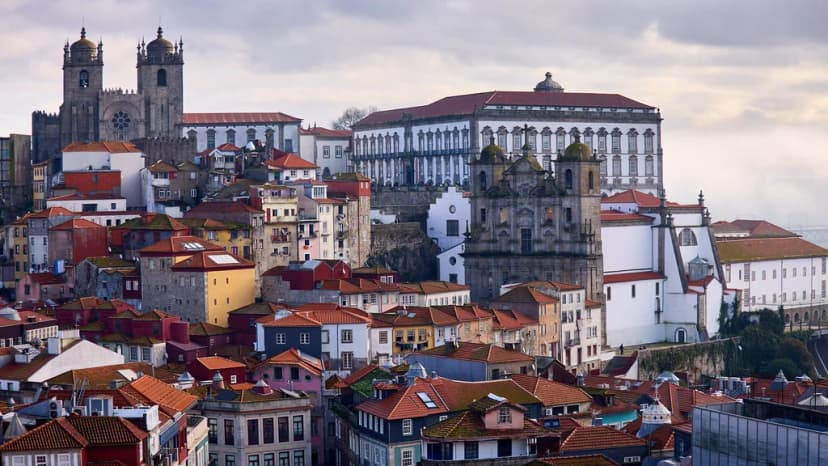
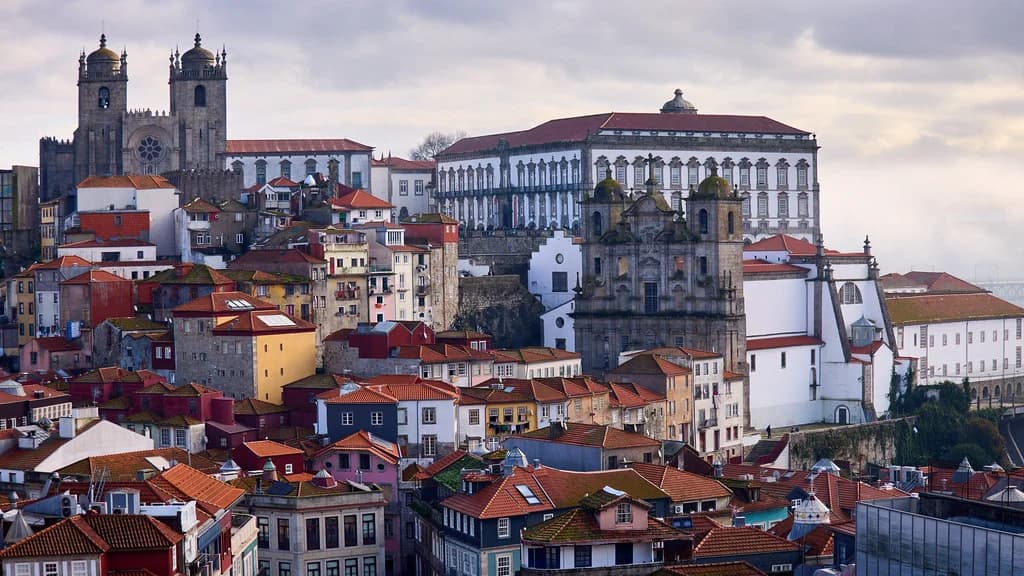
Walk uphill toward the Porto Cathedral (Sé do Porto) for panoramic views over the terracotta rooftops of the city. The Romanesque structure dates back to the 12th century and admission to the cloister costs €3 in 2026. The cloisters are lined with 18th-century azulejo panels depicting scenes from the Song of Solomon, and the terrace above them offers an unobstructed view across the river. From the cathedral square, hidden staircases lead down into the heart of the Ribeira district — a scramble of pastel-colored townhouses, drying laundry, and restaurants spilling onto the cobblestones. Allow around 40 minutes here before moving on.
Visit Livraria Lello bookstore but remember to book your entry voucher online in advance. In 2026 the ticket costs €8, which converts into a voucher redeemable against book purchases at the till. The Neo-Gothic interior is celebrated for its split crimson staircase and the light well that floods every level — photography is permitted and the queues are best avoided by choosing a slot before 10:00 AM or after 4:00 PM. The bookshop is frequently cited as an influence on J.K. Rowling during her years teaching in Porto in the 1990s, though Lello predates her visit by nearly a century.
After Livraria Lello, walk two minutes to the Clérigos Tower and Church. Climbing the 225 baroque steps to the summit costs €6 in 2026 and rewards you with the best 360-degree rooftop panorama of the city — on clear days you can see across to the Atlantic. Book the sunset time slot if you want golden-hour light over the city. The church below is free to enter and worth five minutes of quiet exploration before or after the climb. The combination of Livraria Lello (€8) and Clérigos Tower (€6) makes for a compact morning that costs just €14 and covers two of Porto's most photographed interiors back to back.
Continue downhill to the Palácio da Bolsa, Porto's ornate former stock exchange. Guided tours run every 30 minutes (45-minute duration) and cost €14 per person in 2026 — entry is only possible with a guide since several rooms are still used for official functions. The highlight is the Arabian Room, a Moorish Revival hall completed in 1880 that took 18 years to build and is sometimes called the Alhambra of Portugal. Book at least the day before online or at the box office early in the morning; English-language tours fill up by midday in peak season. The nearby Church of São Francisco (€5 entry), just steps away, is worth combining into the same afternoon block — its gilded Baroque interior contains an estimated 200 kilograms of gold leaf applied over carved wood panels dating to the early 18th century.
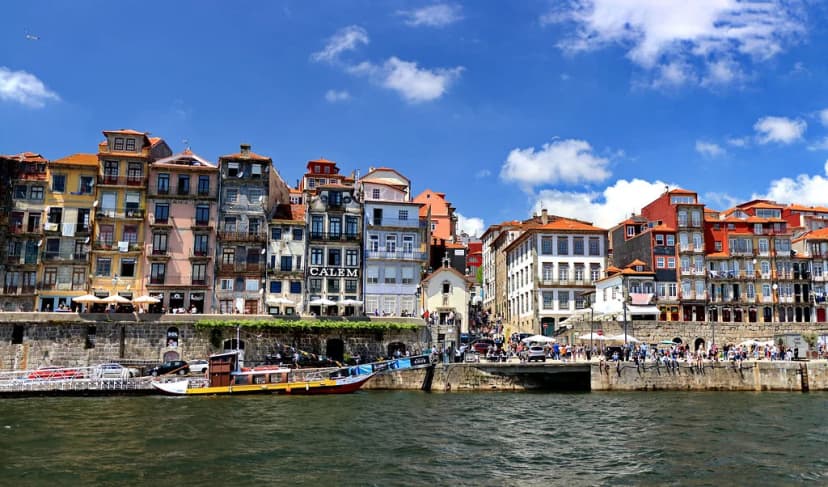
Finish your first day with a traditional dinner along the Cais da Ribeira waterfront. Try the Francesinha sandwich, a local specialty layered with ham, linguiça, and steak then smothered in a spiced beer-and-tomato sauce. Most riverside restaurants charge €14–€18 for a full Francesinha including a drink. Budget €20–€25 per person for a full meal with a glass of local Vinho Verde. Outdoor seats fill by 7:30 PM so arrive early or book ahead. For more detail on the streets surrounding the quay, the Porto old town guide covers every alleyway and viewpoint in the Ribeira district.
Day 2: Art, Gardens, and the Atlantic Coast
Head west by metro (Line B from Trindade, approximately 20 minutes) to the Serralves Museum of Contemporary Art for a dose of modern culture. The expansive 18-hectare estate was designed by Álvaro Siza Vieira and combines a 1939 Art Deco villa with a purpose-built 1999 white-marble museum building. In 2026, general admission covering both the museum galleries and the landscaped gardens costs €20 per adult, with discounts for students (€10) and children under 12 (free). Allow at least three hours to walk the treetop walkway, explore the kitchen garden, discover the farm buildings at the far end of the estate, and still spend meaningful time in the rotating exhibitions inside. The permanent collection includes major works by Louise Bourgeois and Alberto Carneiro. The estate café is reasonably priced (€4–€8 for lunch snacks) and the terrace looks out over the rose gardens.
Return toward the center by metro and walk to the Crystal Palace Gardens (Jardins do Palácio de Cristal) for spectacular Douro River vistas. Despite the grand name, the original 19th-century crystal palace was demolished decades ago and replaced by a functional sports dome — but the surrounding park remains one of the finest green spaces in Porto. Peacocks roam freely among the manicured lawns, wisteria pergolas, and seasonal flower displays throughout the year. Entry is free, providing a budget-friendly escape from the busy downtown streets. The four viewpoint belvederes along the park's western edge give unobstructed views of the river, the wine lodge rooftops of Gaia, and — on clear days — the Atlantic horizon. This is one of the best spots for families and photographers alike, and it pairs naturally with the Serralves visit to the west. The park is also a short walk from Rua de Miguel Bombarda, Porto's contemporary gallery district, where a cluster of free-entry commercial galleries occupies converted 19th-century townhouses.
Take historic Tram Line 1 from the Infante stop on the waterfront out to Foz do Douro, where the Douro meets the Atlantic. The vintage wooden carriages from the 1890s offer a nostalgic 30-minute ride along the riverbank. In 2026 a single ticket costs €4.50 (purchased on board in cash or by card). Check the timetable at the Infante stop — the last departure back toward the city is typically at 7:30 PM. The tram is popular and seating is limited; if it is full, take Bus 500 from the same stop, which runs the same route in about 20 minutes for €1.50 on an Andante card. The Porto funicular and cable car guide includes tram schedules and tips for riding the historic network without long waits.
Stroll along the promenade past the Felgueiras Lighthouse to feel the power of the Atlantic waves crashing against the granite sea wall. The promenade in Foz is lined with upscale cafés, gelaterias, and small sandy pockets that are busy with locals in the early evening. If you want fresh grilled seafood for dinner, Matosinhos is a 10-minute taxi ride (€8–€10) or a 20-minute ride on Bus 507 (€1.50). The fishing port neighborhood is where Porto residents go for the freshest sardines, robalo (sea bass), and amêijoas (clams) — prices are typically €12–€20 for a main course at a proper restaurant, cheaper at the market stalls along Rua Heróis de França. If you are curious about the beaches themselves along this stretch of coast, the Porto beach guide covers Praia de Matosinhos, Praia da Aguda, and the best swimming spots north and south of the river mouth with water quality ratings and access details.
Day 3: Port Wine Cellars and Gaia Views
Cross the upper pedestrian deck of the Dom Luís I Bridge on foot to reach Vila Nova de Gaia. The bridge was designed by Théophile Seyrig — a partner of Gustave Eiffel — and completed in 1886; walking the upper deck at 45 metres above the river takes about ten minutes and provides the most iconic photo opportunities of the Porto skyline from the Gaia side. Be aware that the metro also uses this upper deck: trains pass every few minutes and the pedestrian walkway is narrow, so stay on the designated walking lane. The walk leads directly to the hilltop Jardim do Morro garden, which has benches, shade, and one of the best free viewpoints in Porto. The panorama from Jardim do Morro looking back at Porto's tiered Ribeira waterfront is widely considered the definitive postcard image of the city — arrive just before golden hour for the best light.
Descend to the riverfront using the Gaia cable car (Teleférico de Gaia). In 2026 a one-way ticket costs €9 per adult; the 600-metre gondola ride descends over the wine lodge rooftops and delivers you directly to the Cais de Gaia quayside in about five minutes. A round-trip ticket is €15 if you want to return uphill without climbing. The Porto funicular and cable car guide has full schedules and booking tips for both the Gaia cable car and the Guindais funicular on the Porto side of the river. Alternatively, the steep staircase path descends in about 15 minutes for free if your knees are up to it.
Book a cellar tour at Graham's, Taylor's, or Sandeman to understand the Port wine-making process from harvest through barrel aging to blending. Tours typically last one hour and conclude with a structured tasting of three wines. In 2026, basic tours start at €18–€20 per person at most lodges, while premium tawny tastings (including 20- and 40-year-old tawnies) range from €35–€55. Book at least one week in advance — English-language time slots fill fast in summer, and most lodges cap tours at 10–12 people. After your tour, walk the stone-flagged Cais de Gaia quayside, where a dozen lodge tasting rooms are open without reservations for casual glasses starting at €4–€8 per pour. A relaxed lunch at one of the quayside restaurants costs €15–€22 for a main course and a glass of chilled white Port as an aperitif.
Round off your three days by gathering at Jardim do Morro at dusk to watch the sun dip below the horizon over the Atlantic. Street musicians often perform here, creating a festive atmosphere as the city lights begin to flicker across the Ribeira on the opposite bank. Small kiosks sell drinks and snacks for €3–€5. If you prefer a livelier evening send-off, the wine bar strip on Rua Afonso Lopes Vieira in Gaia stays open late and serves glasses from €4. For the full picture of Porto after dark, the Porto nightlife guide covers the Galerias de Paris bar district, live Fado houses, and the best late-night spots in both Porto and Gaia.
Day 3 Evening: Fado Houses and Douro River Cruises
After your afternoon in the wine lodges, two experiences stand out as the ideal evening capstone to a three-day Porto visit: a Fado music performance or a twilight Douro river cruise — and ideally both, since the cruise ends before most Fado shows begin.
Douro river cruises depart from both the Ribeira and Gaia quaysides throughout the day and into the evening. The most popular option is the Six Bridges cruise, which takes approximately 50 minutes and passes under all six bridges spanning the lower Douro within city limits. In 2026 tickets cost €15–€18 for a standard deck cruise and €20–€25 for a premium upper-deck sunset cruise with a complimentary glass of Port wine included. Book online at least one day ahead for sunset slots in summer — they sell out by mid-afternoon. Cruises run until approximately 8:00 PM depending on the season, so scheduling the boat trip before dinner works well logistically.
Fado in Porto (Fado do Porto) is a distinct tradition from the more globally famous Lisbon style — the Porto version uses a 12-string viola baixo rather than the classic guitarra portuguesa and tends toward a rawer, more melancholic sound. Several intimate Fado houses operate in the São Bento, Miragaia, and Bonfim neighborhoods. Expect a cover charge of €10–€20 per person that typically includes one drink; a full dinner-with-Fado package runs €35–€50 at established houses. Shows begin at 9:00 PM or 9:30 PM and last 90 minutes. Reserve directly with the venue at least two days in advance during spring and summer. If you prefer a free taster, the Casa da Guitarra on Avenida Dom Afonso Henriques hosts free short performances on weekend afternoons — check their schedule online before you arrive.
Combining the sunset Douro cruise (departing around 6:30 PM, returning by 7:30 PM) with a 9:00 PM Fado show leaves a comfortable window for dinner in the Ribeira. A simple meal of bacalhau à Brás (shredded salt cod scrambled with eggs and potatoes, €12–€16) or grilled regional trout (€14–€18) fuels you well before the performance. This sequencing — wine lodges in the afternoon, cruise at sunset, Fado at night — is the most memorable way to close a Porto trip.
Day Trips and Half-Day Escapes from Porto
If you can extend beyond three days — or if you want to swap one Porto afternoon for a regional excursion — the city sits within easy reach of several outstanding destinations. The Douro Valley wine region begins roughly 100 kilometres east of Porto and is reachable by train from São Bento station in about 1 hour 45 minutes to Pinhão (trains from €12 each way in 2026). The river valley scenery from the train window — steep terraced vineyards dropping to the river, whitewashed quintas perched on ridgelines — is itself worth the fare. Arrive at Pinhão by 10:00 AM and you have time to tour one quinta, enjoy a river cruise on the upper Douro (€15–€25 per person), and catch a late-afternoon train back to Porto.

Guimarães, Portugal's birthplace and a UNESCO World Heritage city, is 50 minutes from Porto by train (Campanhã station, trains from €3.50 each way). The medieval castle where the first King of Portugal was born stands largely intact above the old town, and admission costs €2 in 2026. The surrounding pedestrian streets are lined with granite arcaded buildings, azulejo-faced chapels, and family-owned tascas serving affordable regional dishes — a three-course lunch with wine costs under €12. The town is compact enough to cover in a half-day, making it ideal as a morning excursion before returning to Porto for the evening. Braga, Portugal's religious capital, is 50 minutes by train in the opposite direction and pairs well with Guimarães on the same day trip.
The coastal town of Viana do Castelo, 70 kilometres north of Porto in the Minho region, is reachable in just over an hour by train (from €5). The town cathedral, the hilltop Santa Luzia basilica (reached by funicular for €1.50 each way), and the wide Atlantic beach at Cabedelo make it the most rewarding coastal day trip from Porto. Locals crowd the fish restaurants along the harbor front — grilled sea bass and percebes (barnacles, a Minho delicacy) are typically €14–€20 for a generous main course. For a complete list of the best day trips from Porto, ranked by travel time, cost, and suitability for different travel styles, the day trips from Porto guide covers all of the above destinations plus the Peneda-Gerês National Park, the beach towns of Espinho and Ofir, and the pilgrimage route to Bom Jesus do Monte.
If you are weighing whether to base yourself in Porto or Lisbon for a wider Portugal trip, the Porto vs Lisbon comparison guide examines both cities across cost, culture, food, nightlife, and day-trip potential — helping you decide where to spend more nights. Many visitors ultimately choose Porto for its tighter, more walkable scale and the genuine neighbourhood feel that Lisbon's tourist-heavy districts have largely lost.
Practical Tips: Andante Card, Transport, and Getting Around
The Andante reloadable card is the cornerstone of affordable Porto transport and should be your first purchase on arrival. In 2026 the card itself costs €0.60 at any metro ticket machine or at the Andante Shops found in major metro stations. A single zone-1 trip (which covers most central journeys) costs €1.50; a zone-2 trip to the airport costs €2.00. An all-day pass (Andante 24) costs €4.15 and is excellent value if you make four or more journeys. The card works on the metro, STCP city buses, the historic Tram Line 1, and the Funicular dos Guindais — making it a genuine all-in-one transport solution for visitors.
The Metro Line E (violet) runs from the airport (Aeroporto station) to the city center (Trindade station) in approximately 30 minutes with departures every 15 minutes from early morning to midnight. A zone-2 single costs €2.00 on an Andante card versus €25–€35 for a taxi covering the same route — the metro saving is significant, especially for a group. From Trindade, Line D (yellow) and Line C (green) connect you to the main tourist areas including Bolhão, Aliados, and São Bento. The timetable and a route map are available in English on the Metro do Porto website and at all station machines.
Safety is rarely a major concern for visitors in this welcoming city. Petty theft (phone snatching, bag dipping on crowded trams) does occur — keep your belongings secure in the Ribeira, on Tram Line 1, and at Livraria Lello. For a full briefing on current conditions and neighbourhood-by-neighbourhood risk levels, the is Porto safe for tourists guide is updated annually. Most central neighbourhoods remain lively and well-lit late into the night, and lone female travelers routinely report feeling comfortable throughout the city.
Driving into the city center is not recommended for tourists. The old town streets are narrow, steep, and frequently closed for pedestrianization works. If you arrive by car, the parking in Porto guide lists the main public garages near the historic core with 2026 rates: expect €12–€20 per day in covered garages in the Aliados and Boavista areas. Street parking in the Ribeira and Bonfim is restricted to residents. Staying outside the old town and using the metro or Andante-covered buses for day trips is the most stress-free approach for drivers.
Avoiding the Porto Vertical Trap
Many tourists underestimate the physical demand of Porto's incredibly steep cobblestone streets. Walking from the Ribeira riverfront back up to the city center — a vertical climb of roughly 60 metres — can be exhausting, particularly in summer heat. Wearing flimsy sandals often leads to sore feet or slips on the polished stones. Pack sturdy walking shoes with good grip to handle the vertical climbs comfortably throughout your three days.
Strategic use of the metro, funicular, and cable car can save your knees on a long day. The Funicular dos Guindais connects the Ribeira directly to the Batalha square area for €4.00 per ride in 2026 — a far better option than the sweaty stair climb after a full day of sightseeing. The cable car in Gaia (€9 one-way) eliminates the descent from the Dom Luís bridge viewpoint to the quayside. Using these transport options allows you to see more sights without burning out by mid-afternoon. The general rule: walk downhill whenever possible and pay €4–€9 to ride uphill — your energy budget will thank you.
Local shops, pharmacies, and family-run cafes in the older residential neighbourhoods often close for 1–2 hours between 1:00 PM and 3:00 PM for a traditional lunch break. Major tourist attractions and restaurants remain open all day, but if you want to browse independent boutiques or pick up homemade pastries from a neighbourhood padaria, plan those stops for the morning. The Bolhão covered market — recently restored and reopened — is open Monday–Saturday from 8:00 AM and is the best indoor food market in the city for local produce, preserved fish, and regional cheeses at prices well below the tourist restaurants.
Porto's hills also mean that weather affects comfort significantly. On overcast or rainy days, the cobblestones become extremely slippery and the funicular and cable car queues disappear — making wet days surprisingly pleasant for climbing. Carry a compact waterproof jacket even in summer; Atlantic fronts can arrive quickly and pass just as fast. The average high in September is 22°C, making early autumn the most comfortable season for walking-heavy itineraries.
Frequently Asked Questions
Is 3 days enough for Porto?
Yes, three days is enough to visit Porto's main historic sites — São Bento station, the Ribeira district, Livraria Lello (€8), Clérigos Tower (€6), and the Palácio da Bolsa (€14) on Day 1; the Serralves museum (€20) and the Atlantic coast at Foz do Douro on Day 2; and the Port wine lodges in Vila Nova de Gaia (from €18) on Day 3. A fourth day adds breathing room for day trips to nearby destinations such as the Douro Valley wine region or the university city of Guimarães, both reachable in under two hours by train.
What is the best month to visit Porto in 2026?
Late spring (May–June) and early autumn (September–October) offer the best balance of warm weather, manageable crowds, and lower accommodation prices. May averages 18°C with long daylight hours; September averages 22°C and is ideal for walking Porto's steep hills without the intense heat of July and August. July and August are the busiest months — Livraria Lello and the Port wine lodges sell out days in advance, and accommodation prices peak. December through February is off-peak and the cheapest time to visit, though rainy days are frequent.
Do I need to book Port wine tours in advance?
Yes. Book Port wine cellar tours at Graham's, Taylor's, or Sandeman at least one week in advance in 2026, especially for English-language time slots. Tours start at €18–€20 for a basic one-hour tasting of three wines and rise to €35–€55 for premium aged tawny experiences. Most lodges cap tours at 10–12 people. If you miss the window for a reserved tour, walk-in tasting bars along the Cais de Gaia quayside serve individual pours from €4 without any booking required.
How do I get from Porto airport to the city center?
The Metro Line E (violet line) runs directly from Porto Francisco Sá Carneiro Airport (OPO) to Trindade station in the city center in approximately 30 minutes. In 2026 a single zone-2 trip on an Andante card costs €2.00 (the card itself is €0.60 to buy). Trains run from around 6:00 AM to midnight with departures every 15–20 minutes. A licensed taxi covers the same route in 20–25 minutes and costs €25–€35 depending on traffic and luggage. Uber and Bolt also operate from the airport and are generally €18–€28 for the city center.
How much does a Douro river cruise cost in Porto?
In 2026, the standard Six Bridges cruise (50 minutes, passing all six Douro bridges within city limits) costs €15–€18 per person for a standard deck ticket. Sunset upper-deck cruises with a complimentary glass of Port wine cost €20–€25. Cruises depart from both the Ribeira quayside and the Cais de Gaia. Book online at least one day ahead for the evening departure — those slots sell out fastest. Children under 4 typically travel free and children aged 4–12 receive a 50% discount.
What does a Livraria Lello entry ticket cost and how do I book it?
In 2026 a Livraria Lello entry voucher costs €8 per person, purchased online at livrarialello.pt in advance. The voucher is redeemable as an €8 discount on any book purchase at the till — so if you buy a book worth €8 or more, your entry is effectively free. Walk-in entry is not available during peak hours; a timed slot reservation is required. The least crowded slots are before 10:00 AM and after 4:00 PM on weekdays. Photography inside is allowed. The bookshop is open Monday–Saturday 10:00 AM–7:30 PM and Sunday 11:00 AM–7:00 PM.
Is Porto worth visiting compared to Lisbon?
Porto and Lisbon offer very different experiences. Porto is more compact, hillier, and often feels more authentically Portuguese — the wine culture, azulejo-covered facades, and working-class neighbourhood character are more concentrated. Lisbon has more museums, a larger nightlife scene, and better connections to the Algarve and Alentejo. Accommodation and dining costs in Porto are typically 10–20% lower than Lisbon for equivalent quality. If you have time for only one city in 2026, Porto is the better choice for a three-day itinerary; Lisbon rewards five or more days. The Porto vs Lisbon guide breaks down the comparison across eight categories including food, cost, beaches, and day trips.
Porto offers a magical experience that stays with you long after the trip ends. Following this itinerary ensures you balance the famous landmarks with authentic local experiences. From the historic tilework of São Bento and the Neo-Gothic wonder of Livraria Lello to the riverside wine lodges of Gaia, every corner holds a new discovery. Enjoy your journey through the heart of northern Portugal in 2026.
Remember to take it slow and soak in the atmosphere of the Douro River. The city's charm lies as much in its quiet moments — a glass of tawny Port watching the sun set from Jardim do Morro, the raw emotion of a Fado performance in a tiled back room — as in its grand monuments. Safe travels as you explore everything this beautiful destination has to offer.