Is Porto Safe for Tourists? Essential Safety Tips for 2026
Porto is safe for tourists in 2026 — the UK FCO issues no travel warnings for Portugal. Petty theft near Ribeira stairs is the main risk. Call 112 (police/ambulance/fire, free, English-speaking) in any emergency.
Metro rides cost EUR 2.10 with an Andante card; taxis from the airport run EUR 20–28. Porto ranks among Europe's ten safest cities for solo travel, with violent crime against tourists extremely rare.
Porto is world-famous for its delicious port wine and its iconic iron bridges. Many travelers wonder if Porto is safe for tourists when planning their first trip to Portugal. This guide explores current 2026 safety trends, neighbourhood-by-neighbourhood breakdowns, updated scam alerts, and transport advice to help you plan a worry-free visit to northern Portugal.
Is Porto Safe for Tourists? Current Safety Overview 2026
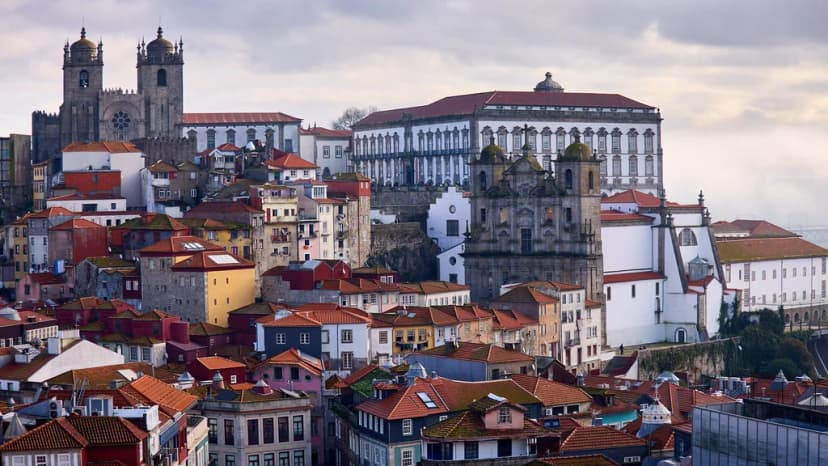
Porto consistently ranks as one of the safest cities in Europe for international visitors in 2026. Violent crime is extremely rare and almost never targets tourists in central areas. You will likely feel very comfortable walking through the cobblestone streets during the daytime. Local police — GNR and PSP — maintain a visible presence in the most popular parts of the city, and tourism police offices operate in Ribeira and near Avenida dos Aliados throughout the summer season.
The UK Foreign, Commonwealth and Development Office (FCO) rates Portugal as an overall safe destination for British nationals and advises only standard travel precautions. No parts of Porto appear on the FCO's list of areas requiring extra caution as of 2026. The US State Department similarly issues no travel advisory above Level 1 (Exercise Normal Precautions) for Portugal, meaning Porto is considered safer than the majority of global tourist destinations. Travellers deciding between the country's two main cities will find both equally safe — our Porto vs Lisbon comparison covers safety alongside culture, cost, and transport differences. These government advisories are reviewed quarterly and reflect the city's consistently low crime index.
Petty crime — primarily opportunistic pickpocketing and bag-snatching — is the real risk tourists face. The highest-incidence zones are Ribeira riverfront stairs during summer evening crowds, Tram 22 and Tram 18 routes (where thieves target distracted passengers), and the area immediately outside Lello Bookstore where queues form daily. A simple combination of a front-pocket wallet, a zipped bag carried across your body, and basic situational awareness eliminates most risk entirely.
Emergency services are fast and English-speaking. Dialling 112 (free from any mobile or landline) connects you to integrated police, fire, and ambulance dispatch. Response times in the city centre average under eight minutes. The main hospital serving tourists is Hospital de Santo António near the Cordoaria gardens, with a dedicated international patient desk open weekdays. Porto also has multiple 24-hour pharmacies marked by illuminated green crosses, where staff speak English and can advise on minor ailments without an appointment.
Preparing for your trip involves more than just booking a hotel and checking the weather. Having the right information at your fingertips can prevent many common travel headaches. Porto is very welcoming but being ready for any situation is always a smart move. Understanding how the city works will help you navigate the streets with more confidence. Safety often comes down to being informed and staying aware of your surroundings.
- Emergency Contact Information for Visitors 2026
- Dial 112 for police, fire, or medical — free from any phone.
- English-speaking operators available 24/7.
- Tourism Police Office: Rua Clube dos Fenianos 11 (near Avenida dos Aliados).
- Hospital de Santo António: international patient desk, weekdays.
- Most Secure Transportation Methods
- Use Metro do Porto, licensed taxis, or Uber/Bolt apps.
- Official apps display driver ID and registration plate.
- Avoid unlicensed drivers offering rides outside arrivals.
- Metro stations are well-lit and patrolled until last service.
- Safest Central Neighbourhoods to Explore
- Ribeira waterfront (busy, well-lit, tourist police present).
- Foz do Douro (affluent western suburb, very low crime).
- Bonfim (authentic local neighbourhood, relaxed atmosphere).
- Cedofeita (arts district, active evenings, safe for all).
Porto Neighbourhood Safety Guide 2026
Understanding how safety varies across Porto's neighbourhoods helps you plan your itinerary confidently. The city is compact enough that most tourist areas are within walking distance of each other, but the character of streets changes noticeably from one district to the next, particularly after sunset. Here is a neighbourhood-by-neighbourhood breakdown current as of 2026.
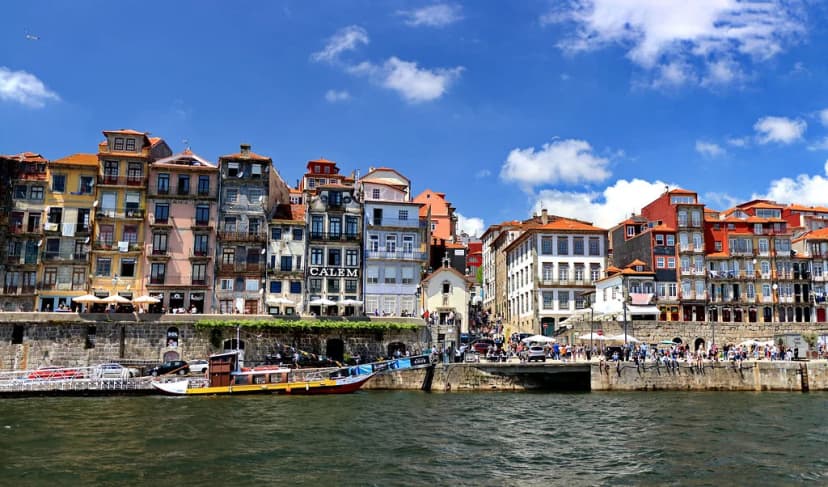
Ribeira is Porto's most visited area and one of its safest for daytime exploration. The UNESCO-listed waterfront fills with tourists, street musicians, and café diners from morning until late evening, creating a natural safety-in-numbers effect. However, the narrow medieval staircases connecting the river level to the upper city — particularly Escadas do Barredo and Rua dos Bacalhoeiros steps — are pickpocket hotspots during busy summer evenings. Keep your wallet in a front pocket and your phone out of sight when navigating these tight passages at peak hours. Restaurants along Cais da Ribeira are legitimately touristy and safe, though check menus for prices before sitting — premium outdoor tables can cost EUR 3–5 more per dish than identical indoor seats.
Bonfim is an up-and-coming residential district directly east of the historic centre, increasingly popular with young professionals and digital nomads. It is a safe, local neighbourhood with no specific tourist-facing concerns. Crime rates are low and the area feels lived-in rather than polished for visitors, meaning locals go about their evenings comfortably. Independent restaurants, wine bars, and bakeries line Rua de Bonfim and the streets around Praça de Miguel Bombarda. If you are staying in this area you will find it quieter than Ribeira but equally safe at any time of day.
Fontainhas — Porto's old Moorish quarter perched on a hillside above the Douro — is safe during daylight hours and rewards exploration with colourful azulejo tile façades and sweeping river views. In the evening the area becomes noticeably quieter as most visitors leave, and some of the steep, poorly-lit lanes see very little foot traffic after 10 PM. Solo travellers should complete their Fontainhas wandering before dusk or stick to the main viewpoint terrace (Miradouro da Arrábida direction) where people linger longer. There is no elevated crime risk here; it is simply a case of quiet streets at night.
Batalha and the Anjos-adjacent streets (the area around Praça da Batalha and stretching toward the back streets north of Marquês) warrant extra caution if you are out alone late at night. These blocks sit between the historic centre and less-touristed residential areas and see less foot traffic after midnight. Minor incidents of opportunistic theft and occasional aggressive begging have been reported in the area around Bus Station Campo 24 de Agosto after 11 PM. During the day and early evening the zone is perfectly fine — Batalha square itself is an active bus hub and feels entirely normal. Simply avoid lingering alone in the quiet backstreets here after midnight.
Foz do Douro is Porto's most affluent neighbourhood, stretching along the Atlantic coast where the Douro River meets the sea. Crime rates here are among the lowest in the city. Wide, well-lit promenades run along the waterfront, beach bars operate safely until late, and the residential streets feel calm at all hours. Families, joggers, and couples walk the Foz promenade daily. The beaches nearby are excellent — see the Porto beach guide for full details on the safest swimming spots. A taxi or Uber from the city centre costs approximately EUR 8–12 and takes around fifteen minutes.
Safe Neighborhoods and Areas to Watch
Ribeira is the heart of the tourist zone and stays busy until late evening. Safety levels in this district are high due to the constant volume of people. Many visitors enjoy dining along the riverfront while watching the sunset over the Douro. The PSP tourism police unit patrols Ribeira actively during peak season, typically May through October, and officers speak English and are approachable for any concern including lost property or suspicious behaviour.

The Baixa district serves as the city's commercial center and remains safe during business hours. Some alleys near the São Bento station can feel darker after the shops close for the night, particularly the narrow passages between Rua das Flores and Mouzinho da Silveira. Stay on the main thoroughfares like Avenida dos Aliados and Rua de Santa Catarina in the evenings to avoid any potential discomfort. Both streets have street lighting upgrades completed in 2025 and now feel notably brighter after dark.
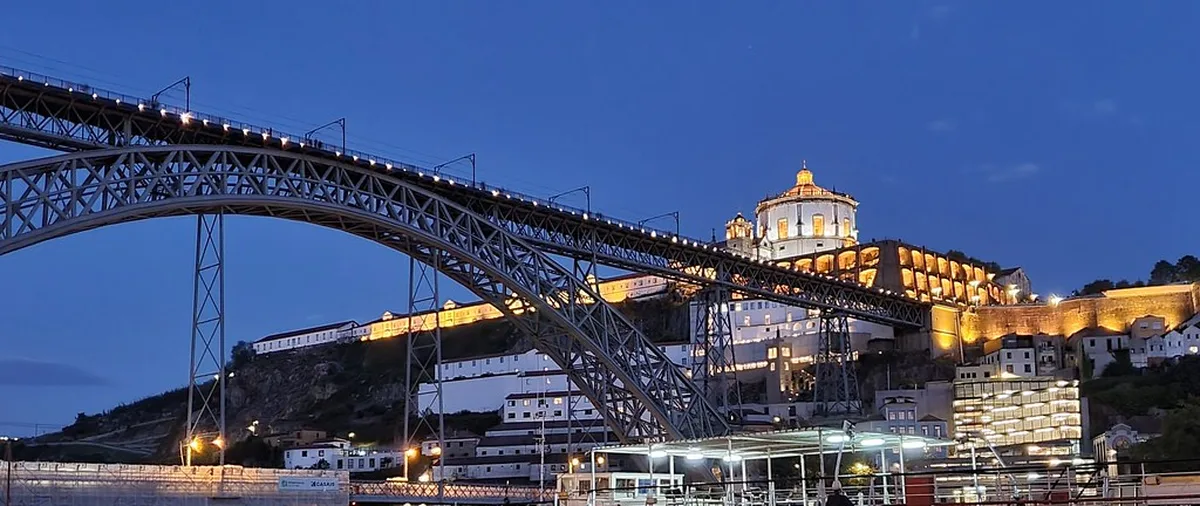
Vila Nova de Gaia is located just across the Douro River and is home to the famous port wine cellars where you can tour and taste for EUR 15–30 per person at most lodges. Walking across the top deck of the Luís I Bridge offers great views but requires attention to your belongings, as the narrow walkway concentrates pedestrian traffic and creates ideal conditions for pickpockets to operate. Stick to the lower level bridge crossing if you prefer a more relaxed walk, and secure your phone in a bag rather than holding it out for photos on the upper deck.
The Campanhã area, home to Porto's main railway station for intercity trains, can feel less welcoming late at night. There is no serious danger here, but the streets immediately surrounding the station have fewer people after the last evening trains depart. If you are arriving on a late train from Lisbon, arrange your transfer in advance or take an Uber directly from the station rather than walking to your accommodation.
Exploring the Porto old town guide will lead you through many safe and charming streets lined with azulejo-tiled buildings, hidden courtyards, and independent bookshops. Local residents often sit outside their homes and add to the neighbourhood's secure feeling. Keep your map or phone handy to ensure you stay on the correct path, and note that Google Maps street-level data for some of the older lanes can be slightly out of date due to ongoing pedestrianisation works.
Common Scams and Petty Crime in Porto 2026
Opportunistic theft is the most likely issue you will face while exploring the city centre in 2026. Pickpockets often work in pairs near the entrance of tram stops and on crowded buses, particularly Line 500 between the airport and the city centre. The area immediately outside Lello Bookstore on Rua das Carmelitas consistently generates the highest density of pickpocket reports in the city during summer months. Keep your wallet in a front pocket, hold your bag in front of you in crowds, and do not hang your bag on the back of a chair at outdoor restaurants.
Fake taxi operators have returned as a reported issue at Francisco Sá Carneiro Airport since 2025. Only use the official taxi rank outside arrivals (marked with clear signage), or pre-book a licensed transfer via Uber, Bolt, or a hotel shuttle. Rogue drivers typically approach passengers inside the terminal and quote flat rates that are two to three times higher than metered fares. The legitimate metered fare from the airport to the city centre is approximately EUR 20–28 depending on traffic and time of day.
Street performers sometimes ask for money after you take a photo or watch their show, which is standard practice throughout Europe. Politely decline and walk away if you do not wish to contribute. A more targeted approach involves individuals near Sé Cathedral who offer to guide tourists to a viewpoint for a "free" tour and then demand EUR 10–20 at the end. Official licensed guides wear a badge and are registered with RNAAT (Portugal's national tourism register); ask to see the badge before agreeing to any paid tour.
Restaurant couvert charges remain a common surprise for first-time visitors. Waiters bring bread, olives, butter, and sometimes pâté to the table automatically before your order arrives. You are charged only if you eat from the basket; the total is usually EUR 1.50–3.50 per person. Simply ask the waiter to remove the basket if you do not want to pay for it — this is accepted practice and will not cause any offence.
Ticket scams occur near major attractions including the Clerigos Tower, Lello Bookstore, and the Casa da Música. Third-party resellers operating on Booking.com and Viator occasionally oversell Lello tickets at EUR 25–35 when the official bookstore charges EUR 8 (redeemable as a book purchase discount). Always purchase entry passes from official websites, the Lello Bookstore counter, or authorised kiosks inside the venues. QR-code tickets purchased directly from official sources are the safest option and show the correct EUR pricing without markups.
ATM skimming devices are periodically found on machines in high-tourist-density areas including Rua de Santa Catarina and near the Mercado do Bolhão. Use ATMs attached to bank branches rather than standalone street machines, check for loose card readers before inserting your card, and consider using contactless payments where possible. Most Porto shops, restaurants, and trams now accept contactless payment up to EUR 50 without a PIN.
Transport Safety and Parking Tips 2026
The Metro do Porto is one of the cleanest and most reliable transit systems in Southern Europe, covering six lines including the direct Airport Line (Violet) to Trindade in approximately 35 minutes for EUR 2.10 with an Andante card. Trains run frequently from around 6 AM until 1 AM on most lines, with extended hours on major public holidays. Security guards patrol the main interchange stations including Trindade, Campanhã, and Bolhão to ensure passenger safety, particularly during late-night services. The system uses an open platform design, which means fare evasion does occur, but inspectors operate regularly and fines for travelling without a valid ticket are EUR 120.
Taxis and ride-sharing apps like Uber or Bolt are widely available and very affordable for short trips within the city. A journey from Ribeira to the Serralves Museum, for example, typically costs EUR 7–10 via app and under EUR 12 by metered taxi. Drivers are generally professional and meters are mandatory for standard fares. Always confirm the driver starts the meter as soon as your trip begins, and cross-check the Uber or Bolt in-app price estimate before confirming your booking. Night fares apply after 9 PM and on weekends, which adds approximately 20% to standard daytime rates.
Walking remains the primary way to explore Porto and its many hidden gems. Some sidewalks are made of traditional calçada portuguesa limestone cobbles, which become extremely slippery when wet — and Porto receives significant rainfall even in shoulder seasons. Wear shoes with good grip to avoid falls on the steep inclines. Several staircases connecting lower and upper city levels, including the famous climb beside Escadas do Barredo, are not lit at all hours, so keep a phone torch handy for evening descents. The city council has been progressively installing non-slip metal grip strips on the most hazardous steps as of 2026.
For car travel, Porto's historic centre has strict low-emission zone restrictions and narrow one-way streets that confuse first-time drivers. If you are parking in Porto, use secure underground garages such as Garagem do Parque da Cidade, Estacionamento do Bom Sucesso, or the multi-storey facility near the VCI ring road rather than leaving your car on an unmonitored street. These facilities have 24-hour surveillance cameras and are located near major hotels, shopping areas, and metro stations. Daily parking rates range from EUR 12 to EUR 22 in central facilities, with some offering validated parking deals when you spend EUR 20 or more at partner restaurants.
Nightlife Safety and Evening Walks 2026
Porto's nightlife scene is vibrant, diverse, and generally friendly for visitors of all ages and backgrounds. For a full breakdown of venues, cover charges, and safe late-night transport, see our Porto nightlife guide. The primary nightlife corridor runs along Rua Galeria de Paris and the adjacent Rua Cândido dos Reis in the Cedofeita district, where dozens of bars stay open until 3–4 AM on weekends. A second cluster operates around Rua da Firmeza and Bonfim, which has a mellower craft-beer-and-vinyl-record atmosphere popular with locals. Both areas are safe: foot traffic remains high until well after midnight, and the mix of restaurants, bars, and late-night cafés creates a continuous presence of people on the streets throughout the night.
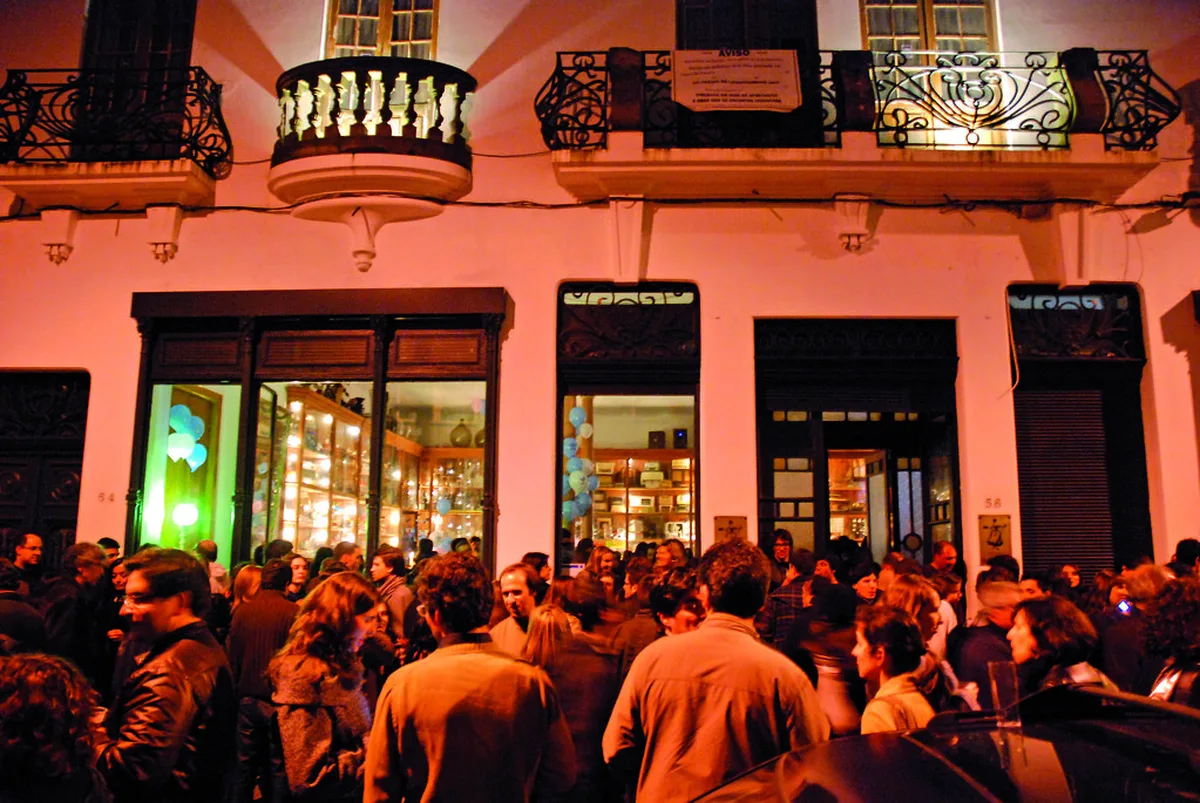
Crowds in the Galerias de Paris corridor become dense during Friday and Saturday nights, especially in the summer months. Keep a close eye on your drinks and never leave them unattended at a bar or club table — drink spiking, while rare, has been reported at a small number of venues across the city. Most bars and clubs have visible security at the entrance, and door staff at legitimate venues are authorised to refuse entry to intoxicated individuals. If you ever feel uncomfortable inside a venue, approach bar staff directly — they are trained to assist and can call a taxi or security without drawing attention.
Walking back to your hotel or apartment after an evening out is usually safe if you stay in the central districts and on well-lit main streets. The route from Galerias de Paris toward Ribeira, for example, passes through busy, well-lit areas the entire way. Avoid shortcuts through the Bairro da Sé backstreets or the quieter upper lanes of Miragaia after midnight, where foot traffic drops significantly. If your accommodation is in a quieter area outside the centre — Paranhos, Ramalde, or northern residential zones — book a ride-share app rather than walking, as the streets become very quiet after 1 AM. Uber and Bolt typically have sub-five-minute pickup times in the central area even on busy nights.
Solo Traveler and Female Safety Insights 2026
Women travelling alone in 2026 generally find Porto to be a respectful and safe environment for independent exploration. Catcalling is uncommon compared to many Southern European cities, and most locals will leave you alone as you go about your day. You can comfortably enjoy a solo meal at most cafés and restaurants — sitting at the counter in a tascas (traditional taverna) is a perfectly normal practice that locals and visitors alike do without any social awkwardness. Several women-only tour groups operate out of Porto and are bookable through Airbnb Experiences and GetYourGuide if solo travellers prefer group company for evening activities.
Joining a walking tour is a great way to meet people and experience things to do in Porto safely, with the added benefit of a knowledgeable local guide who knows exactly which streets to avoid at each time of day. Walking tours depart from Praça da Liberdade daily at 10 AM and 3 PM (tip-based), and private paid tours can be booked for smaller groups of two to six people for approximately EUR 20–35 per person for a two-hour walk. These activities provide a social atmosphere while you learn about local history, architecture, and food culture in a safe, structured way.
Following a Porto 3-day itinerary helps you remain in populated and safe zones throughout your trip by naturally routing you through the high-traffic tourist areas during peak daytime hours. A structured approach ensures you visit the most popular landmarks — Ribeira, Sé Cathedral, Livraria Lello, Ponte de Luís I — during the busiest visitor periods, reducing the chances of finding yourself on an empty street. Planning your route in advance also reduces the need to stop and look at your phone constantly, which itself reduces your visibility as a potential pickpocket target.
The Porto funicular and cable car system offers a safer and less exhausting way to travel between the lower riverfront level and the upper city without negotiating the steep, sometimes poorly-lit staircases. The Funicular dos Guindais runs from Batalha (upper) to Ribeira (lower) and costs EUR 2.60 per ride. Using this transport option means you avoid the narrow staircase passages that are more susceptible to opportunistic crime. Tickets can be purchased at the funicular entrance with card or cash, and the ride takes less than two minutes with spectacular views of the bridge and river throughout.
Phone and Digital Safety in Porto 2026
Smartphone theft has become the fastest-growing category of petty crime in Porto over the past two years, overtaking traditional wallet pickpocketing in reported incidents during summer 2025. Thieves specifically target tourists who hold their phones out to take photos or check Google Maps while walking through crowded areas such as the Ribeira waterfront, the Lello Bookstore queue, and the busy pedestrian stretches of Rua de Santa Catarina. The most common method involves a quick grab-and-run by a passing individual or a cyclist — the interaction lasts under two seconds and leaves no opportunity to react. Porto police have issued public advisories recommending that tourists use a wrist strap or lanyard attachment on their phones whenever they are in high-density areas.
If your phone is stolen, report it immediately to the PSP Tourism Police office on Rua Clube dos Fenianos 11 (near Avenida dos Aliados). Officers will issue a crime report (participação) which your travel insurer requires for any claim. You should also remotely lock or wipe your device using Apple's Find My (iCloud.com) or Google's Find My Device (myaccount.google.com/find-your-phone) as soon as you access another device. Both services are free and work without the stolen device being connected to mobile data — Wi-Fi is sufficient. Many hotels and hostels in Porto's centre offer guest computers specifically for this purpose.
Public Wi-Fi networks in cafés, museums, and squares are convenient but carry real risks if used without protection. Avoid logging into online banking, email accounts with sensitive data, or any account where you reuse passwords while connected to open networks. A basic VPN app — many offer free tiers sufficient for short trips — encrypts your connection and prevents network-level interception. Consider using your mobile data plan (European roaming is free for EU/UK SIMs as of 2026) for any sensitive transactions rather than connecting to public Wi-Fi. Porto's 4G and 5G coverage is excellent throughout the historic centre, Bonfim, Foz do Douro, and all metro station areas.
ATM safety is closely linked to digital security in Porto. Card skimming devices — small readers fitted over legitimate ATM card slots — have been found on standalone street machines near Mercado do Bolhão and Rua de Santa Catarina in recent years. Always prefer ATMs physically built into bank walls rather than freestanding kiosks, cover the keypad with your hand when entering your PIN, and check for any loose or unusually bulky plastic around the card slot before inserting your card. Most shops, restaurants, and even the Metro now accept contactless payment up to EUR 50 without a PIN, making it possible to complete most tourist spending without using an ATM at all. If you must withdraw cash, the BPI, Millennium BCP, and Caixa Geral de Depósitos branch ATMs on Avenida dos Aliados are the most monitored in the city.
Travel insurance with device cover is strongly recommended before visiting Porto in 2026. Replacement costs for flagship smartphones typically exceed EUR 800–1,200, which significantly outweighs the cost of a travel policy covering electronics up to EUR 1,500. Before leaving home, photograph all your important documents — passport, travel insurance policy, hotel confirmations, airline booking references — and store them in a cloud folder accessible from any browser. This ensures that even in the unlikely event of losing your phone and wallet simultaneously, you can access critical information from a hotel computer or borrowed device without delay. Keep a backup of your emergency contact numbers written on paper stored separately from your phone and wallet.
Frequently Asked Questions
Is Porto safe for tourists at night?
Yes, Porto is very safe at night in 2026, especially in the lively Ribeira waterfront and Galerias de Paris bar district where crowds linger well past midnight. Stick to well-lit main streets and avoid walking alone through deserted parks or the quiet upper lanes of Miragaia after 1 AM. Most visitors feel completely comfortable walking back to their hotels after a late dinner or a fado performance. Uber and Bolt are available within five minutes if you prefer not to walk.
Are there specific areas to avoid in Porto?
No area of Porto requires strict avoidance, but exercise extra caution in the backstreets around Batalha and the area near Campo 24 de Agosto bus station late at night, where foot traffic drops significantly after midnight. Campanhã railway station and its surrounding streets are best navigated by taxi or Uber after 10 PM rather than on foot. The historic centre, Ribeira, Bonfim, and Foz do Douro are safe at all hours. Stick to main streets in any unfamiliar area after dark.
Is the tap water safe to drink in Porto?
Yes, tap water in Porto is perfectly safe to drink and meets EU drinking water standards. You can refill a reusable water bottle at public fountains — called chafarizes — throughout the city, or in your hotel room. This saves approximately EUR 1.50–2.50 per bottle compared to buying still water from cafés or tourist shops, and reduces single-use plastic waste. Municipal water quality reports for Porto are published annually by Aguas do Porto and consistently show compliance with all EU parameters.
Is it safe to take day trips from Porto?
Yes, day trips from Porto to destinations such as the Douro Valley wine region, Braga, Guimarães, and Viana do Castelo are all very safe. Regional trains operated by CP (Comboios de Portugal) are modern, affordable (typically EUR 3–12 return), and well-maintained. Always check the return schedule in advance to avoid waiting at a quiet rural station late at night. Hiring a car for Douro Valley day trips is also popular and safe, with well-signposted N222 river road driving conditions.
What is the emergency number in Porto and Portugal?
The emergency number in Porto — and throughout Portugal — is 112. It is free to call from any mobile or landline, works without a SIM card or credit, and connects to an English-speaking dispatcher who can send police (PSP), ambulance (INEM), or fire brigade as needed. For non-emergency tourist assistance, the Tourism Police in Porto can be reached at their office on Rua Clube dos Fenianos 11, near Avenida dos Aliados, during daytime hours.
Is Porto safe for solo female travellers in 2026?
Porto is widely considered one of the most solo-female-friendly cities in Southern Europe in 2026. Harassment is uncommon, locals are respectful, and the compact city layout means popular attractions, restaurants, and transport links are rarely more than ten minutes apart on foot. The UK FCO and US State Department both issue no specific warnings for women travelling alone in Porto. Standard precautions — avoiding poorly-lit backstreets late at night, keeping valuables out of sight, and trusting your instincts — are sufficient for a safe and enjoyable independent trip.
Is it safe to use public Wi-Fi and ATMs in Porto?
Public Wi-Fi in Porto's cafés and squares is widely available but not secure for banking or sensitive logins — use a VPN or your mobile data plan (EU roaming is free for EU/UK SIMs in 2026) for any sensitive transactions. For ATMs, stick to machines built into bank walls on Avenida dos Aliados or major bank branches; avoid standalone street kiosks where card skimming devices have occasionally been reported. Most Porto shops and the Metro accept contactless payments up to EUR 50 without a PIN, reducing the need for cash withdrawals. If your phone or card is stolen, call 112 and report to the Tourism Police at Rua Clube dos Fenianos 11 for a crime report your insurer will require.
Porto remains a top destination for safety-conscious travellers looking for a rich cultural experience in 2026. The combination of very low violent crime, an English-friendly environment, fast emergency response (dial 112), and a compact tourist-friendly layout makes it an ideal European city break. The UK FCO issues no travel warnings for Porto, and petty theft — manageable with basic precautions — is the only realistic concern for the vast majority of visitors.
Taking a few simple precautions will ensure your trip to this historic Portuguese city is successful and secure. Keep your wallet in a front pocket, use official taxis or app-based transport at night, and stay on well-lit main streets after midnight in less-touristed neighbourhoods. Porto is ready to welcome you with its unique charm, world-class port wine, and deservedly safe atmosphere for tourists of every background.