The Ultimate Bergamo Walking Tour: A Local's Guide
The classic Bergamo walking tour follows Via Gombito from Porta Sant'Agostino into Piazza Vecchia — roughly 350 metres, 5 minutes on foot, with free entry to the square and Venetian Walls.
Combine the funicular (1.70 EUR) with the Campanone bell tower (5 EUR) for a 4–6 hour Città Alta loop covering the Basilica of Santa Maria Maggiore, Colleoni Chapel, and UNESCO walls — a compact 1.2 km circuit.
Bergamo offers a unique blend of medieval charm and modern Italian life just north of Milan in one of Italy's most picturesque regions. Many travelers miss this gem because they rush toward the nearby lakes or busy fashion districts. A well-planned Bergamo walking tour reveals hidden courtyards and stunning views that cars simply cannot reach. This guide helps you navigate the steep terrain while uncovering the most significant historic landmarks.
Navigating the Climb to Upper Bergamo
Most visitors start their journey in the modern lower city, known as Città Bassa, near the train station on Piazza Marconi. Walking toward the funicular station on Viale Vittorio Emanuele II takes about fifteen minutes through wide, shop-lined avenues. The funicular lower station sits at the end of Via Pignolo, roughly 900 metres from the main rail station. You can choose to ride the historic cable car or tackle the scenic brick staircases that zigzag up the hillside.
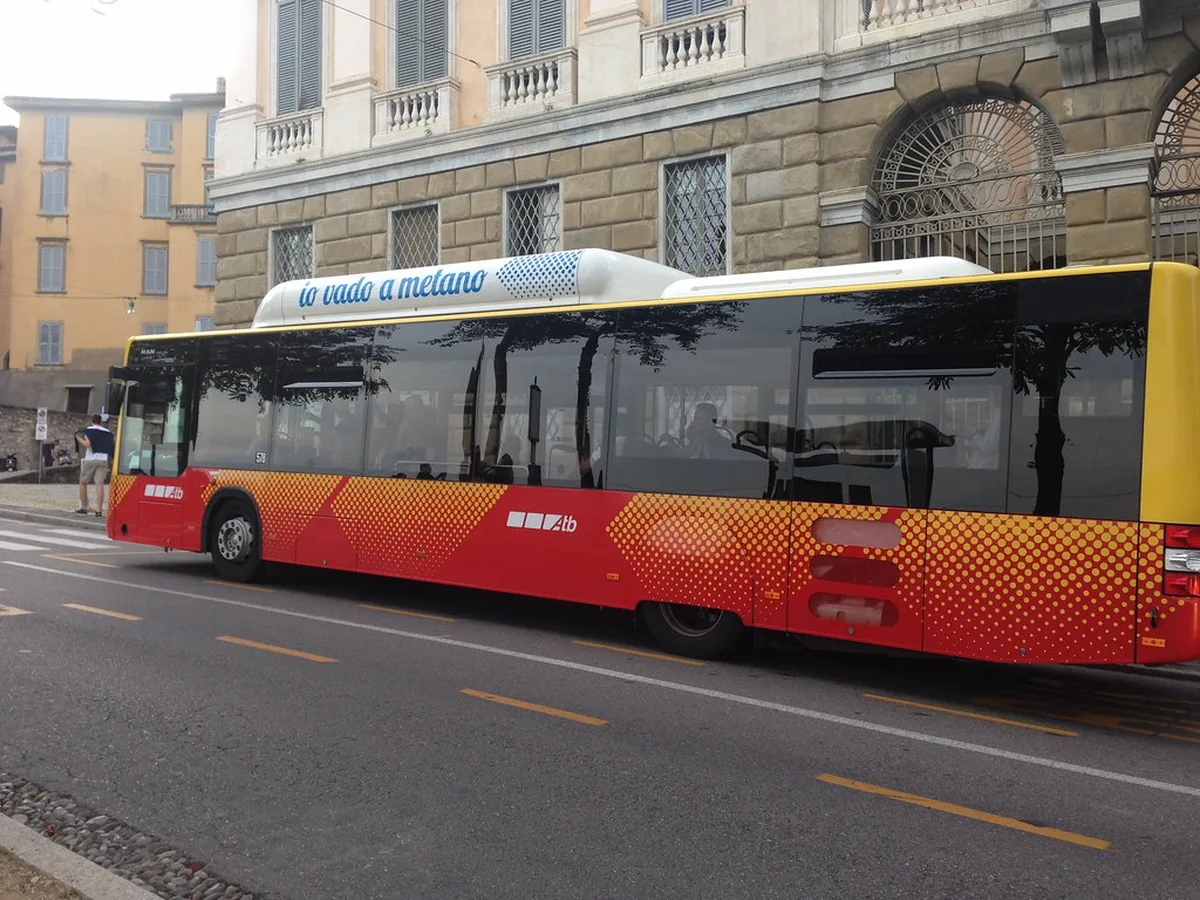
Using the Bergamo funicular guide ensures you understand the ticketing system before reaching the turnstiles. A single ticket costs around 1.70 EUR and remains valid for ninety minutes across the local transit network. The short two-minute ride covers a vertical rise of approximately 85 metres, delivering you straight to the Porta di Sant'Agostino gateway in the upper walls. Expect shorter wait times during weekday mornings, typically before 10:00, compared to the busy weekend afternoons when queues can stretch 20 minutes.
If you prefer a physical challenge, the Salita della Scaletta offers a quiet alternative to the crowded funicular. The stone path begins just south of the funicular lower station and winds past private gardens and ivy-draped walls for roughly 600 metres. It provides a peaceful entry into the historic district through the old Porta Sant'Alessandro gate. Wear sturdy, rubber-soled shoes because the centuries-old cobbles can be slippery even in dry weather. Reaching the top on foot takes roughly twenty minutes of steady uphill walking, gaining about 80 metres of elevation.
Once through any of the gates, you emerge onto Via Gombito — the main pedestrian spine of Città Alta. This narrow street runs approximately 350 metres west to Piazza Vecchia and is lined with gelato shops, boutiques, and medieval tower houses. The walk from funicular exit to Piazza Vecchia takes under five minutes on flat cobblestones. Orienting yourself at the beginning of Via Gombito makes the rest of the route intuitive. The street itself is a living museum of medieval Lombard architecture, with ground-floor arches dating back to the twelfth century still framing modern café entrances.
Before committing to the full tour, consider your total budget for the day. The funicular return trip costs 3.40 EUR, the Campanone tower is 5 EUR, and the Rocca di Bergamo museum is 3 EUR. The Basilica of Santa Maria Maggiore has free entry on weekdays. Total admission for the key paid sites comes to approximately 11–12 EUR per person — a very reasonable investment for a full day of sightseeing across one of Northern Italy's finest medieval towns.
Exploring the Historic Piazza Vecchia
Once you enter the Upper Town, the narrow streets of Via Gombito lead naturally toward the majestic Piazza Vecchia. This central square, measuring roughly 55 by 40 metres, has served as the social and political heart of the community for many centuries. Architecture lovers often compare this space to the most beautiful urban squares in all of Europe — Le Corbusier famously called it "the most beautiful square in Europe." The harmonious layout features buildings from the Renaissance and medieval periods arranged around the fifteenth-century Contarini Fountain at its centre.
The Palazzo della Ragione stands as a centerpiece with its open ground floor and sun-drenched marble columns. Constructed in the twelfth century and later renovated, it is considered the oldest public building in Lombardy still standing. Look for the ancient sundial embedded in the pavement near the fountain, which still tracks the solar noon with surprising accuracy. You can climb the Campanone bell tower — just 20 metres away from the Palazzo — for panoramic views of the Alps and the Po Valley stretching south. Entry to the tower costs 5 EUR and access is by a narrow 200-step staircase or a small elevator. Local residents often gather here in the evening around 19:00 to enjoy the cooler air and social atmosphere.
Adjacent to the square, the Cathedral of Sant'Alessandro and the Basilica of Santa Maria Maggiore showcase incredible artistic wealth in a combined footprint that takes about 30–40 minutes to explore properly. The Basilica entrance faces Piazza del Duomo, which connects directly to Piazza Vecchia through a small arch. Entry to the Basilica is free Monday through Friday but requires a modest donation on weekends; the intricate Flemish tapestries from the sixteenth century and gilded baroque ceilings justify any wait. Remember to dress modestly by covering your shoulders and knees before entering these sacred religious sites — a wrap or light scarf is sufficient.
The nearby Colleoni Chapel, positioned on the north side of Piazza del Duomo, features a stunning polychrome marble facade designed by Giovanni Antonio Amadeo and completed in 1476 — it is considered a masterpiece of the Italian Renaissance and is free to view from outside at all hours. Inside, the funerary monument of Bartolomeo Colleoni and frescoes by Giovanni Battista Tiepolo are among the finest in all of Lombardy. For context on the full old-town layout and how the square fits into the broader cluster of monuments, the Bergamo old town guide maps the key sites clearly and recommends a logical walking sequence that avoids doubling back.
Allow at least 45 minutes in this square cluster before moving on. Photographers will find the best light on Piazza Vecchia between 08:00 and 10:00, when the morning sun illuminates the Palazzo della Ragione from the east and the tourist crowds have not yet arrived. In 2026 the square also hosts a weekend open-air market on the first Sunday of each month from April through October, when local artisans sell ceramics, textiles, and Bergamasque food products directly on the cobblestones beneath the Palazzo arches.
Walking the UNESCO Venetian Walls
The Venetian Walls represent a massive defensive system built between 1561 and 1588 under the Republic of Venice, earning a spot on the UNESCO World Heritage list in 2017 alongside other Venetian defence works across the Mediterranean. Stretching for just over six kilometres around the entire perimeter of Città Alta, these fortifications offer a wide, tree-lined promenade roughly four to six metres across — perfect for a sunset stroll or morning run. Local residents often use this path for their daily exercise, and it is free to walk at all hours. The construction of these walls in the sixteenth century required the demolition of over a hundred ancient houses and the repositioning of several churches.
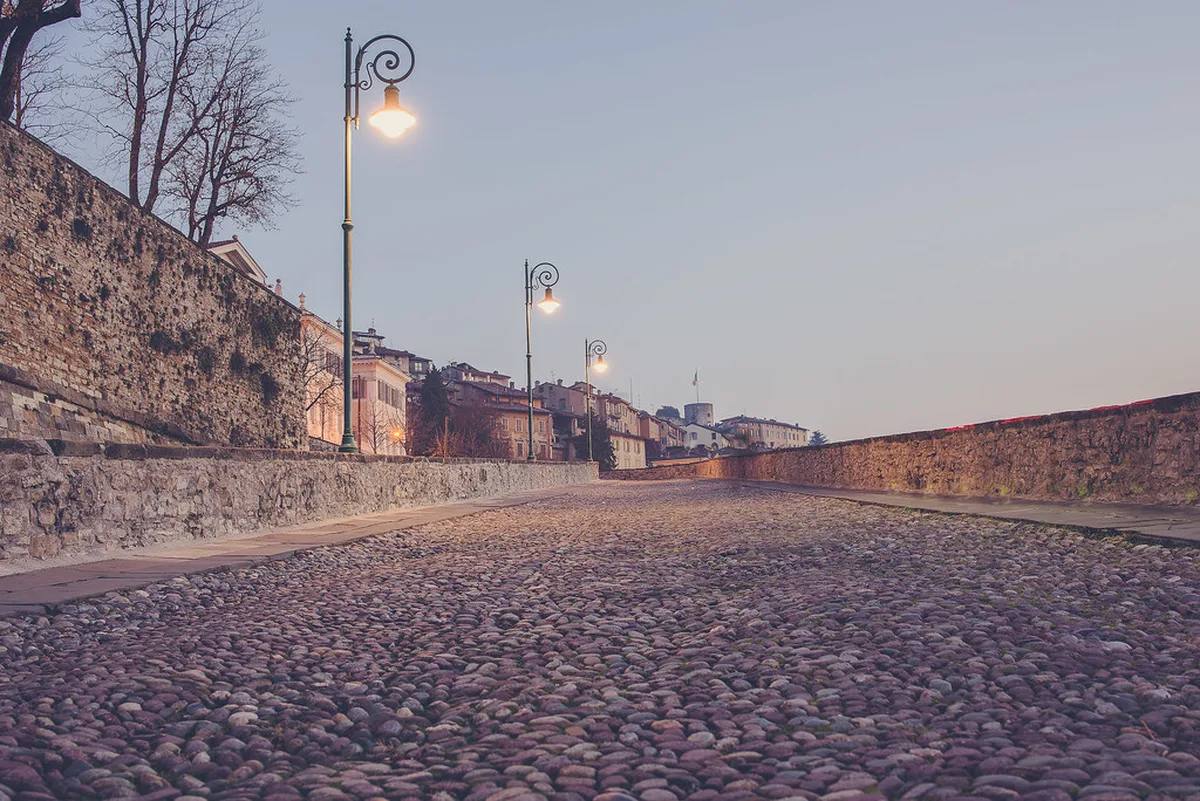
You can access the walls through several monumental gates. Porta San Giacomo on the eastern side is the most photogenic, with its white Istrian stone facade and bridge over the dry moat. From the Porta San Giacomo entrance, turn left (south) and follow the walls along the Baluardo di Sant'Andrea, a large polygonal bastion with benches and gardens about 200 metres from the gate. Walking the entire perimeter takes roughly ninety minutes at a relaxed pace, covering around 6.2 kilometres with modest elevation changes. The elevated path provides the best vantage points for seeing both the snow-capped Orobie Alps to the north and the Milan skyline visible on clear days some 50 kilometres to the south.
Information plaques at each bastion explain the military history and construction techniques used during the sixteenth century, including the distinctive star-shaped bastions designed to deflect cannon fire — Baluardo di San Giovanni, Baluardo di Sant'Andrea, and Baluardo della Fara are the most impressive. Many visitors find that the walls offer a welcome breath of fresh air away from the cramped medieval alleys. Check the weather forecast before starting, as the exposed path offers little shade during the hot afternoon hours between 12:00 and 16:00 from May to September. The southern section near Porta Sant'Agostino is particularly popular for watching the sun dip below the horizon; plan to be there around 30 minutes before sunset for the best colour.
For a shorter walls experience, the stretch from Porta San Giacomo west to Porta Sant'Alessandro covers about 1.5 kilometres and takes 25–30 minutes one-way, passing all three major bastions along the northern face. This section overlooks the lower city and the valley below, offering the most dramatic views of the walk without committing to the full perimeter circuit. Families with children typically find this northern half the most accessible portion, as the path surface is well-maintained and relatively flat. Benches are spaced every 300–400 metres, making it easy to pause and enjoy the view without rushing.
If you plan to explore beyond the old town after completing the walls walk, the day trips from Bergamo guide covers train connections to Lake Como, Brescia, and the Orobie foothills — all reachable within 75 minutes from Bergamo Centrale station. The UNESCO walls circuit pairs naturally with a half-day excursion to one of these destinations if you have two full days in the region.
Via Colleoni and the Upper Town Craft Quarter
Via Colleoni runs westward from Piazza Vecchia toward the Porta Sant'Alessandro gate and the upper funicular station, covering approximately 300 metres of gently descending cobblestone. Named after the condottiere Bartolomeo Colleoni — whose family chapel dominates the adjacent Piazza del Duomo — this street is the cultural and artisanal heart of Città Alta. Unlike the tourist-heavy Via Gombito running parallel to the east, Via Colleoni retains a distinctly local flavour even at peak season, with a mix of longstanding family-run pasticcerie, independent ceramicists, and small wine bars that cater to Bergamasque residents as much as visitors.
The most celebrated stop along Via Colleoni is the Pasticceria Cavour at number 14, operating since 1948. Here you can buy Polenta e Osei — the signature Bergamasque sweet, a sponge cake topped with almond paste and shaped to resemble small birds, priced at around 3–4 EUR per piece. The shop also sells Torta Donizetti, a rum-soaked brioche cake named after the city's most famous son, composer Gaetano Donizetti, typically 4 EUR per slice. Both make excellent edible souvenirs that pack flat and keep for several days at room temperature.
At the western end of Via Colleoni, just before the Porta Sant'Alessandro gate, the small Piazza Mascheroni opens up with a fountain and several shaded café terraces. This quieter square is often missed by visitors following the main tourist route and provides a peaceful spot to rest before tackling the upper funicular to San Vigilio. The 300-metre walk from Piazza Vecchia to Piazza Mascheroni along Via Colleoni takes no more than 6 minutes without stops but rewards those who linger at shop windows and read the historical plaques embedded in the stone walls at eye level.
Look for the ceramic workshop at Via Colleoni 22, one of only three remaining traditional Bergamasque pottery studios operating in the Upper Town. Handmade pieces decorated with the characteristic red-and-gold geometric patterns start at 8 EUR for a small tile and rise to 60–80 EUR for larger decorative plates. The workshop also accepts commissions for custom pieces. Whether or not you make a purchase, watching the craftspeople work at the wheel offers an authentic glimpse of a trade that has been practised in this quarter since at least the fifteenth century, as documented in the Venetian guild records displayed in the Palazzo della Ragione archive.
Via Colleoni connects directly to the Bergamo old town guide circuit and the second funicular departure point for San Vigilio, making it a natural transition stop between the central monuments and the hilltop viewpoint. Budget approximately 20–30 minutes for a leisurely walk through the craft quarter, adding extra time if you plan to shop or stop for coffee. The street becomes livelier after 16:00 when day-trippers from Milan thin out and local residents emerge for the early evening passeggiata.
Hidden Gems and Local Nuance
A frequent mistake travelers make is attempting to drive directly into the Upper Town during peak hours. Traffic restrictions are strictly enforced daily between 08:00 and 20:00, and finding a parking spot inside the walls can be nearly impossible for those without local permits. Reviewing tips for parking in Bergamo helps you find secure lots in the Lower Town — the Piazzale della Malpensata garage near Via Torquato Tasso has 800 spaces and costs around 1.50 EUR per hour. Shuttle buses from the lower town and the funicular provide much more efficient access to the historic core and eliminate the stress of narrow medieval streets.
Many tourists also forget that most shops and some smaller churches close for a riposo, typically between 12:30 and 15:00. Plan your walking tour to visit the major monuments in the morning before 12:30 or in the late afternoon from 15:00 onward to avoid locked doors. The quiet midday pause is the perfect time to enjoy a long lunch featuring local casoncelli pasta at a side-street trattoria. This traditional stuffed pasta is a Bergamasque speciality, typically filled with sausage meat and cheese, and served with melted butter, sage, and crispy pancetta bits — expect to pay 10–14 EUR for a generous portion at a neighbourhood restaurant away from the main tourist strip.
Do not ignore the smaller side streets that branch off from the main tourist thoroughfare of Via Gombito. Vicolo Sant'Agata runs north off Via Gombito midway between the funicular exit and Piazza Vecchia; it leads to a quiet overlook terrace with an unobstructed view of the lower city. Finding these quiet corners allows you to experience the authentic atmosphere that defined the city before modern tourism transformed the main drag. Local bakeries along Via Colleoni often sell Polenta e Osei, a sweet almond-paste cake shaped like a bird that is specific to Bergamo and makes an excellent edible souvenir to take home.
The area north of the Rocca di Bergamo fortress, accessible via Via della Rocca from Piazza Mercato delle Scarpe, is almost entirely free of tourist crowds even in peak season. A small park surrounds the medieval castle tower and offers shaded picnic benches with views east over the Valle Seriana. Entry to the Rocca and its military history museum costs 3 EUR and takes about 45 minutes to explore at a relaxed pace. The fortress grounds are free to enter and the park area is open sunrise to sunset without a fee, making it the best zero-cost viewpoint in the city away from the main tourist circuit.
For anyone planning to expand their Lombardy itinerary, the Lombardy region travel guide covering Bergamo and Brescia provides a broader framework that connects the Città Alta walk with the medieval old town of Brescia and the lake villages of the Iseo shoreline — all within a 60-kilometre radius of Bergamo Centrale station.
Essential Stops on Your Bergamo Walking Tour
Including specific landmarks ensures your itinerary covers the most important cultural and historical aspects of the city. Each site offers a different perspective on how the community evolved from a Roman settlement to a Venetian stronghold and then into a modern Lombardy city. You should prioritize locations that offer both historical depth and impressive visual appeal. Start at the funicular station, move east to west through Città Alta, and finish at San Vigilio for the best flow and minimal backtracking.
- The Historic Campanone Bell Tower
- Height: Fifty-two metres tall; 200 steps to the top
- Cost: 5 EUR entry fee; elevator available
- View: Full city panorama including the Alps and Po Valley
- Access: Located directly on Piazza Vecchia, adjacent to Palazzo della Ragione
- Tip: Visit before 10:00 for no queue and the best morning light for photography
- The Medieval Rocca di Bergamo Fortress
- Type: Fourteenth-century military castle with a square tower
- Feature: Historical and Risorgimento museum inside; 3 EUR entry
- Best for: Panoramic views east over the Valle Seriana and north toward the Alps
- Location: Via della Rocca, 5 minutes east of Piazza Mercato delle Scarpe
- San Vigilio Castle and Viewpoint
- Elevation: Highest accessible point in the city at 549 metres above sea level
- Access: Second funicular line from Porta Sant'Alessandro; 1.70 EUR each way
- Cost: Standard transit ticket valid 90 minutes
- Vibe: Quiet and romantic; almost no tourists beyond the immediate funicular stop
- Tip: A small bar at the top serves cold drinks; the terrace is the best spot in the city for sunset views
- The Donizetti Museum of Music
- Focus: Gaetano Donizetti, the famous opera composer born in Bergamo in 1797
- Where: Via Arena 9, a five-minute walk south of Piazza Vecchia
- Cost: Variable entry prices; check in advance for special concerts and events in 2026
- Tip: Great for rainy days; exhibits include original scores and period instruments
Between stops, the walk from Piazza Vecchia to the second funicular station at Porta Sant'Alessandro is approximately 450 metres along Via Colleoni and takes around 8 minutes on flat cobblestone. If you are short on time, skip the Rocca and prioritise the Campanone tower and San Vigilio for the most rewarding views-per-hour ratio.
For a broader overview of what the Lombardy region around Bergamo offers, the Lombardy region travel guide covers day trips to Brescia and the lake district that pair well with a Bergamo walking day.
Free Walking Tours in Bergamo 2026
Bergamo has a small but growing free walking tour scene in 2026, centred primarily on Città Alta. The most established operator is Free Walking Tour Italia, which runs daily tours departing from Piazza Vecchia at 10:00 and 15:00. Tours are tip-based, with a suggested contribution of 5–10 EUR per person depending on your budget and satisfaction. The 10:00 departure is generally smaller and allows more interaction with the guide.
The Free Walking Tour Italia itinerary covers roughly 2 hours on foot and takes in all the major Città Alta landmarks: Piazza Vecchia and the Contarini Fountain, the Basilica of Santa Maria Maggiore and Colleoni Chapel, a section of the UNESCO Venetian Walls near Porta San Giacomo, and a brief overview of the funicular system and how to use it independently. The tour operates in English; Italian and German language tours run on selected days — check the Free Walking Tour Italia website for the current 2026 schedule and to register (registration is free but helps the guide estimate group size).
Alternative paid guided tours range from 20 to 35 EUR per person and typically offer smaller groups of 6–12 participants, extended running times of 3 hours, and access to sites that require advance booking such as the Donizetti Museum or the Campanone tower. Local agencies including Bergamo e Dintorni and several Airbnb Experiences hosts offer these premium options. Private guided tours for groups cost from around 120 EUR for a two-hour session and can be tailored to specific interests such as Venetian military architecture, Bergamasque food culture, or the life of Gaetano Donizetti.
For self-guided walkers who want audio commentary, the Rick Steves Audio Europe app and the Explore Bergamo app (available free on iOS and Android) both feature Città Alta walking routes with stop-by-stop narration and offline maps. These are particularly useful if the daily free tour schedule does not align with your arrival time.
Planning Your Visit and Logistics
Timing your visit is crucial for experiencing the best weather and smallest crowds in Northern Italy. Spring (April–June) and early autumn (September–October) offer the most comfortable temperatures — typically 15–22°C — for walking several miles across uneven terrain. Avoid the peak weeks of July and August when temperatures in the Lower Town regularly exceed 30°C and Città Alta is at its most crowded, especially on weekends. You should allocate at least one full day to see the main highlights without feeling rushed or exhausted. Mornings before 10:00 are consistently the best time for photography before the light becomes too harsh and coach tour groups arrive from Milan.
If you have extra time, consider looking into various day trips from Bergamo to explore the nearby lakes or mountains. The city serves as an excellent base for travelers who want to see more of the Lombardy region. Regular train connections make it easy to reach Milan Centrale in under an hour or Lake Como in about 75 minutes by train via Lecco. Booking regional Trenord tickets in advance saves a modest amount during peak travel seasons in 2026 and guarantees a seat on popular routes.
For accommodation, hotels and B&Bs inside Città Alta command a premium of roughly 30–50% over equivalent Lower Town options but allow you to experience the historic core after the day-trip crowds have departed. The neighbourhood around Via Gombito and Piazza Vecchia empties noticeably after 20:00 in the off-season, creating a peaceful evening atmosphere that day visitors never see. Check the official Bergamo tourism website VisitBergamo.net for any temporary monument closures scheduled for 2026 and for updated transport timetables, as the funicular periodically undergoes maintenance with bus replacement services.
Frequently Asked Questions
Is Bergamo walkable for most travelers?
Yes, the city is highly walkable, though the Upper Town features steep hills and cobblestone streets. Most visitors find that using the funicular (1.70 EUR single fare) for the initial climb makes the rest of the journey manageable. Wear comfortable walking shoes with good ankle support to handle the uneven historic pavements safely. The flat Via Gombito corridor through Città Alta is fully accessible to those with limited mobility if the funicular is used for the ascent and descent. The entire core circuit — funicular exit to Piazza Vecchia, along Via Colleoni to Porta Sant'Alessandro — is approximately 700 metres one-way.
How long does a full Bergamo walking tour take?
A comprehensive tour of Città Alta typically takes between four and six hours depending on your pace and how many sites you enter. This timeframe allows for museum visits, a relaxed lunch break of around 60–90 minutes, and plenty of time for photography along the Venetian Walls. A faster-paced highlights tour covering only Piazza Vecchia, the Campanone tower (5 EUR), and a short section of the walls takes around two hours. Adding the San Vigilio funicular extension adds approximately 45 minutes to the total itinerary.
Are there free walking tours in Bergamo?
Yes. Free Walking Tour Italia operates daily tours departing from Piazza Vecchia in Città Alta at 10:00 and 15:00. The tours are tip-based, with a recommended contribution of 5–10 EUR per person. Each tour lasts approximately two hours and covers Piazza Vecchia, the Basilica of Santa Maria Maggiore, the Colleoni Chapel, and a section of the UNESCO Venetian Walls. No advance booking is required — arrive at the Contarini Fountain 5 minutes before departure. English is the primary language; Italian and German tours run on selected days in 2026.
How long does it take to walk Bergamo Old Town?
Walking the main spine of Bergamo's Old Town — from the funicular exit at Porta Sant'Agostino along Via Gombito to Piazza Vecchia and then west along Via Colleoni to the second funicular at Porta Sant'Alessandro — covers roughly 700 metres and takes about 10 minutes without stops. Add 25–30 minutes to walk a partial stretch of the Venetian Walls, and 45–60 minutes per major monument you visit. Most visitors spend 3–4 hours in the Old Town on a focused sightseeing visit. The full perimeter walk of the UNESCO Venetian Walls adds another 90 minutes at a relaxed pace over 6.2 kilometres.
Are there guided walking tours available in Bergamo?
Local tourism offices and private companies offer several guided options in multiple languages throughout the year. Paid guided tours cost 20–35 EUR per person for small-group sessions of 6–12 participants and up to 120 EUR for a private two-hour tour. These tours provide deep historical context on the Venetian Walls, the Colleoni Chapel, and Bergamasque food culture that is often missed when exploring solo. Many specialist guides focus on specific topics such as Venetian military architecture, the life of composer Donizetti, or the local food and wine scene. Book at least one day in advance during peak season (June–August).
What should I wear for a walking tour in Bergamo?
Comfortable footwear with good grip is the most important requirement due to the extensive cobblestone paths, stairs, and occasionally wet or mossy surfaces throughout Città Alta. Bring a light jacket as the Upper Town can be noticeably cooler than the Lower Town by several degrees, especially in the morning and evening. Pack a scarf or small wrap to cover your shoulders and knees when visiting the Basilica of Santa Maria Maggiore or the Cathedral — modest dress is required for entry and is strictly enforced by volunteers at the door.
What does a Bergamo walking tour cost in total?
The main paid attractions add up to approximately 11–12 EUR per person: funicular return trip 3.40 EUR, Campanone bell tower 5 EUR, Rocca di Bergamo museum 3 EUR. The Basilica of Santa Maria Maggiore, UNESCO Venetian Walls, Colleoni Chapel exterior, and all public squares are free to enter at any time. A free walking tour with a 5–10 EUR tip, one funicular ride, and the Campanone tower gives an excellent full-day experience for under 20 EUR per person excluding food.
Can I do day trips from Bergamo after the walking tour?
Bergamo is an excellent base for day trips across Northern Italy. From Bergamo Centrale station you can reach Milan Centrale in under 60 minutes (from 4 EUR by regional Trenord), Lake Como via Lecco in around 75 minutes, and Brescia in 35 minutes. The nearby Orobie Alps foothills are accessible by bus in 30–40 minutes and offer hiking trails at elevations above 1,000 metres. If you complete the Città Alta walking tour in the morning, you have sufficient time for a half-day excursion to one of these destinations in the same trip.
A Bergamo walking tour is the most rewarding way to experience the layered history of this Lombardy treasure.
From the soaring heights of San Vigilio to the bustling squares of the Old Town, every step offers something new.
Planning your route ahead of time ensures you balance physical activity with cultural discovery.
We hope this guide helps you create unforgettable memories in one of Italy's most beautiful historic cities in 2026.