Exploring the Lombardy Region: Travel Guide to Bergamo, Brescia and the Lakes (2026)
Bergamo and Brescia are the twin cultural capitals of Lombardy, each reachable from Milan in under one hour by Trenord regional train for €4.50–€9.00, with Lake Iseo day trips accessible from Bergamo for around €5.50 return.
In 2026, Lombardy's UNESCO Venetian Walls in Bergamo and the Roman Capitolium temple in Brescia are the region's two standout heritage sites, with entry costs ranging from free to €10.00 and combined lake day trips to Como, Garda, or Iseo costing under €12.00 in public transport.
Lombardy provides a stunning mix of history, culture, and natural scenery for every traveler visiting Northern Italy in 2026. Most visitors focus only on Milan, but the nearby cities of Bergamo and Brescia offer a more authentic Italian experience. These historic gems sit at the foot of the Alps and feature incredible architecture, Roman ruins, and delicious local food. Planning a visit here allows you to see a side of Italy that many tourists often overlook.
Planning Your Lombardy Trip: Bergamo, Brescia, and Beyond
Deciding how to split your time between these two cities depends on your personal interests and travel pace. Bergamo often charms visitors with its romantic hilltop atmosphere and narrow cobblestone streets that feel like a medieval fairytale. Brescia, which was named the Italian Capital of Culture in 2023, offers a grander urban feel with massive Roman ruins and elegant squares from the Renaissance era.
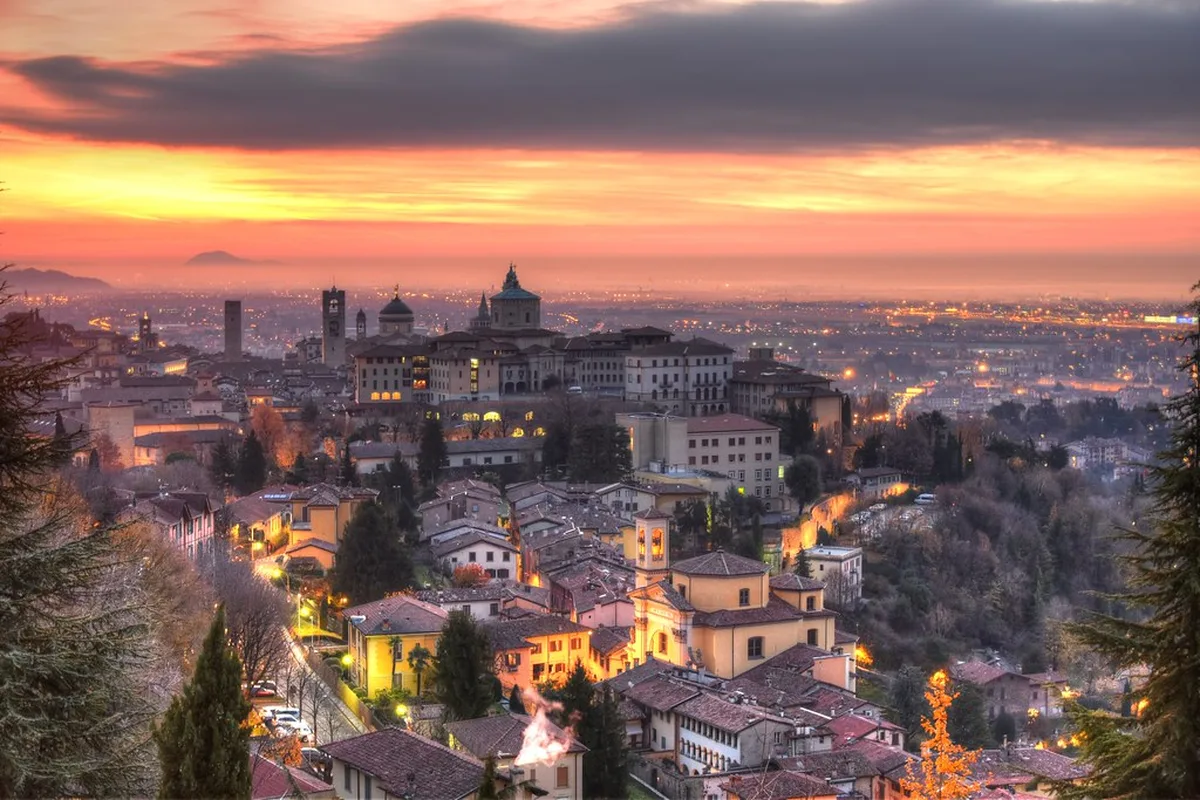
A three-day itinerary usually allows enough time to see the main highlights of both historic locations comfortably. You might spend two days exploring the vertical layers of Bergamo before taking a quick regional train east to Brescia in approximately 50 minutes for €5.00. Day one in Bergamo covers the Città Alta upper city, including the Piazza Vecchia, Basilica di Santa Maria Maggiore, and the historic funicular that connects the two city levels for just €1.30 per single ride. Day two adds a lake excursion to Iseo or Como — both reachable for under €6.00 in train fare. Day three is devoted to Brescia's archaeological treasures, including the Capitolium and Santa Giulia Museum on a combined €10.00 pass, and Franciacorta wine country just south of the city.
Travelers often find that these cities serve as excellent bases for exploring the nearby Italian lakes and mountain valleys. Brescia sits very close to Lake Garda — Sirmione is just 1.5 hours from Brescia by bus or 45 minutes by car — while Bergamo offers easy access to Lake Iseo in about one hour by regional train. For a comprehensive overview of the best excursions by train and car, our day trips from Bergamo guide covers the most worthwhile destinations in detail. Combining urban history with natural beauty makes this part of Lombardy a versatile choice for any 2026 vacation, whether you have two days or two weeks.
Milan Bergamo Airport (Orio al Serio) is served by Ryanair, Wizz Air, and easyJet, making it the most convenient low-cost arrival point for your regional exploration. A shuttle bus connects the airport to Bergamo train station in just 15 minutes for €2.80, giving you immediate access to the Trenord network and the wider Lombardy region. This excellent transport connectivity makes Bergamo one of the most cost-effective entry points into northern Italy for budget-conscious travelers in 2026.
Exploring Bergamo: The Medieval Gem of Lombardy
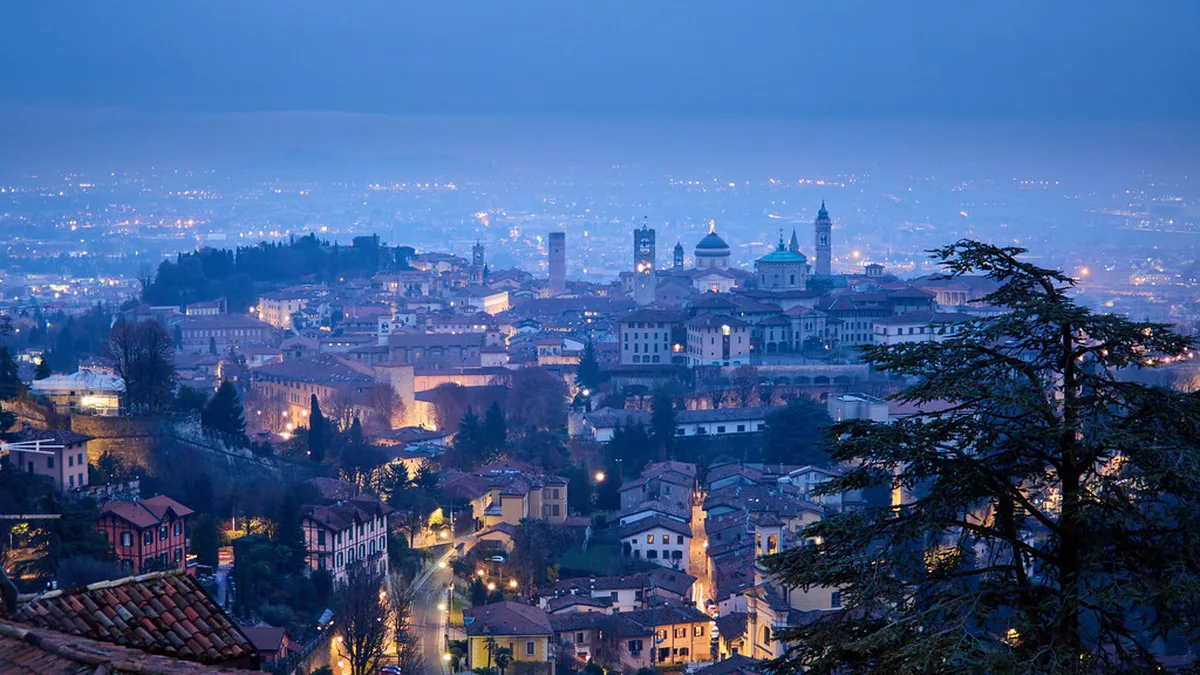
Bergamo splits into two distinct levels known as the Città Alta (Upper City) and the more modern Città Bassa (Lower City). The Upper City sits behind massive Venetian walls, stretching over six kilometers, that are recognized as a UNESCO World Heritage site. You can reach this historic center by taking the historic Bergamo funicular — a charming cable railway that has been running since 1887 and costs just €1.30 per single ride in 2026. The funicular covers the 240-metre height difference between Lower and Upper City in under four minutes, departing every seven minutes from 7:00 AM to 12:30 AM daily.
Piazza Vecchia serves as the heart of the Upper City and features some of the most beautiful civic architecture in the region. The Palazzo della Ragione and the tall Campanone bell tower dominate this square with their impressive medieval stone facades. Climbing the Campanone tower costs €3.00 in 2026 and provides a sweeping panoramic view of the red-tiled rooftops and the distant Alpine peaks stretching toward Switzerland. The view is particularly spectacular at sunset when the low light catches the terracotta tiles and distant lake glimmers.
Walking along the Venetian Walls at sunset is a favorite activity for both locals and visiting tourists. These fortifications, built by the Venetian Republic between 1561 and 1588, offer clear views over the lower plains toward Milan and serve as a free, open-air park enjoyed by joggers and families alike. The walls stretch for six kilometers and can be walked in their entirety in about 90 minutes, passing through several historic bastions and gates including the Porta San Giacomo and Porta Sant'Agostino. For a deeper exploration of the funicular, the upper city's medieval lanes, and the Venetian fortifications, see our dedicated Bergamo funicular and cable car guide.
The Basilica di Santa Maria Maggiore stands next to the octagonal Cappella Colleoni, the lavish Renaissance mausoleum of Bartolomeo Colleoni commissioned in 1472. The basilica's interior is lined with intricate gold tapestries and contains the tomb of Gaetano Donizetti, the famous 19th-century opera composer who was born in Bergamo. Entry to the basilica is free, with a small donation suggested, and the combination of Romanesque exterior and ornate Baroque interior makes it one of the most visually compelling churches in Lombardy. Our Bergamo walking tour guide covers a full self-guided route through the Città Alta's highlights, including all distances and estimated walking times between each landmark.
- The Bergamo Funicular Experience
- Type: Historic cable railway (operating since 1887)
- Best for: Scenic city access, Città Alta arrival
- Where: Lower City (Viale Vittorio Emanuele II) to Upper City
- Cost: €1.30 single / €2.40 return (2026)
- Basilica di Santa Maria Maggiore
- Type: Romanesque church
- Highlights: Intricate gold tapestries, Donizetti tomb
- Entry: Free (small donation suggested)
- Tip: Check afternoon hours in shoulder season
- Campanone Tower
- Type: Medieval bell tower
- Highlights: Panoramic views of Alps and plains
- Entry: €3.00 per person (2026)
- Tip: Go at golden hour for best photos
- Cappella Colleoni
- Type: Renaissance mausoleum (1472)
- Highlights: Ornate polychrome marble facade, Tiepolo ceiling fresco
- Entry: Free
- Location: Adjacent to the Basilica di Santa Maria Maggiore
Discovering Brescia: Roman History, Renaissance Art, and Italy's 2023 Capital of Culture
Brescia often stays off the main tourist radar, which makes it a perfect quiet getaway for history lovers. This city holds one of the best-preserved Roman archaeological areas in all of Northern Italy and was celebrated as Italy's Capital of Culture in 2023 alongside Bergamo, bringing significant investment in museum upgrades and pedestrian zones that remain accessible to visitors in 2026. The city's Via dei Musei — an ancient Roman road that is still in use today — runs through the heart of the archaeological zone and connects the main monuments in a logical walking sequence.
The Capitolium is a first-century Roman temple dedicated to the Capitoline Triad — Jupiter, Juno, and Minerva — and stands remarkably intact on Via dei Musei. The adjacent Brixia Roman park, opened during the 2023 Capital of Culture year, allows visitors to walk among excavated Roman houses and mosaics for a combined ticket price of €10.00 in 2026. The Santa Giulia Museum, housed within an ancient Benedictine monastery built over Roman houses, is included in the same pass and takes at least three hours to explore properly. Its permanent collection traces human presence in the Brescia area from the Bronze Age through the Lombard era and includes the extraordinary Winged Victory of Brescia, a gilded Roman bronze dating to the first century AD.
Piazza della Loggia showcases the Venetian influence on the city with its elegant white marble buildings and an astronomical clock dating to 1546. This square is the perfect place to enjoy an evening aperitivo with a glass of local Franciacorta sparkling wine — available by the glass for around €5.00–€8.00 — while watching local life unfold. The Castello di Brescia sits on a hill above the city and contains a weaponry museum and a planetarium, both within the castle grounds. Entry to the castle grounds is free; the weaponry museum costs €5.00 in 2026. Brescia is also home to the Mille Miglia Museum on Viale della Bornata, which displays dozens of original race cars from the legendary historic 1,000-mile road race held annually every May since 1927.
- The Capitolium of Brescia
- Type: First-century Roman temple ruins
- Best for: Ancient history and Roman archaeology
- Where: Via dei Musei, Brescia
- Cost: €10.00 combined Brixia park pass (2026)
- Santa Giulia Museum
- Type: UNESCO-listed monastery and museum complex
- Highlights: Prehistory through Lombard era in one building; Winged Victory bronze
- Entry: Included in the €10.00 Brixia combined pass
- Tip: Allow a full afternoon; audio guide available
- Castello di Brescia
- Type: Medieval hilltop fortress
- Highlights: Weaponry museum and planetarium inside
- Access: Steep walk up or take the park road
- Cost: Castle grounds free; museum €5.00 (2026)
- Piazza della Loggia
- Type: Renaissance square with Venetian architecture
- Highlights: 1546 astronomical clock, marble loggia
- Entry: Free
- Best time: Evening for aperitivo hour and local atmosphere
The Lombardy Lakes: Como, Garda, and Iseo
One of the greatest advantages of basing yourself in Bergamo or Brescia is the easy access to three of Italy's most beautiful lakes — each with a distinct personality and crowd level. Lake Como, Lake Garda, and Lake Iseo can all be reached as day trips by public transport, giving you alpine scenery, lakeside villages, and crystal-clear water without the need for a private car.
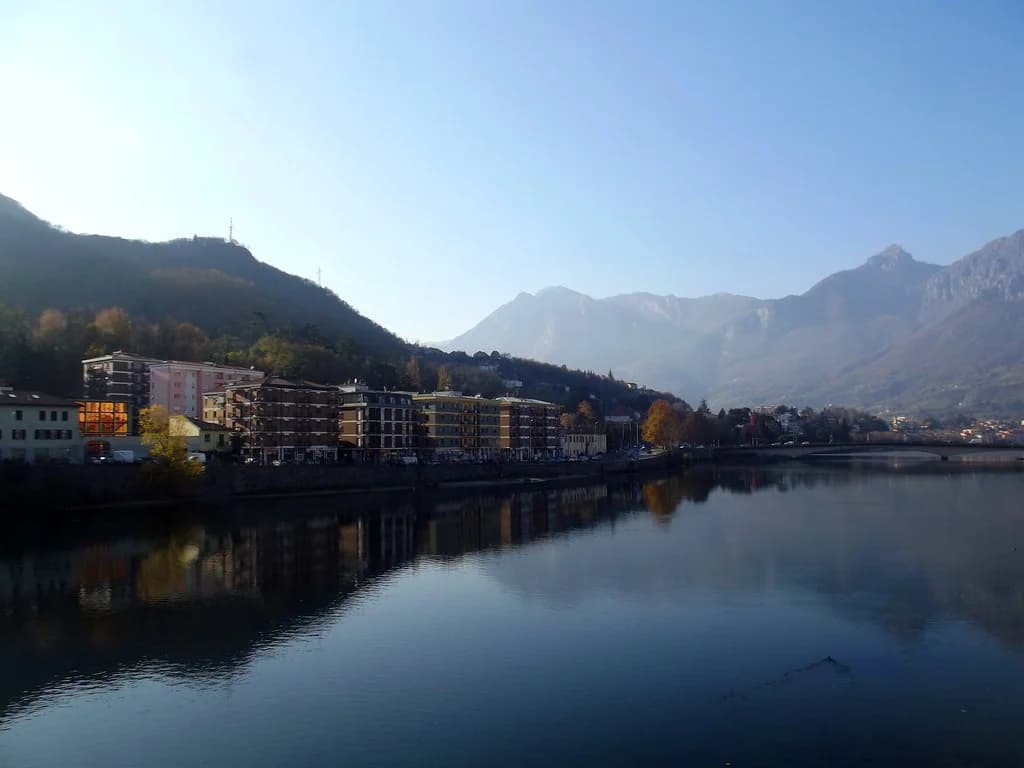
Lake Como from Bergamo is more accessible than most travelers realize. Take the Trenord regional train from Bergamo Centrale to Lecco (on the eastern arm of Lake Como) in approximately 40 minutes, with tickets priced at €4.90–€5.80 in 2026. From Lecco you can hop on a ferry to Varenna or Bellagio, the two most photogenic villages on the lake. Bellagio ferry tickets from Varenna cost around €5.00 each way. Arriving via Lecco rather than Como city itself gives you a far less crowded experience with the same mountain-framed lakeside views. Spend the afternoon exploring the lakeside promenade of Varenna, visiting Villa Monastero (€8.00 entry) and watching the ferries crisscross the deep blue water below the towering Alps.
Lake Iseo is the best-kept secret in Lombardy and sits just one hour from Bergamo by regional train (change at Palazzolo sull'Oglio; total fare roughly €5.50 in 2026). The lake is significantly less crowded than Como or Garda, yet it contains Monte Isola — the largest lake island in the Alps — reachable by a €3.00 ferry from Sulzano or Sale Marasino. Monte Isola has no cars, a handful of trattorias serving freshwater fish and local salumi, and walking trails with panoramic views. Lake Iseo is also the gateway to the Franciacorta wine region, meaning you can combine a lake swim with a winery visit on the same day trip. The road from Iseo town to Corte Franca passes through several Franciacorta DOCG estates that offer tastings from around €12.00 per person.
Lake Garda is the most popular of the three and is best reached from Brescia. The Roman town of Sirmione, perched on a narrow peninsula, is roughly 1.5 hours from Brescia by bus or 45 minutes by car. Sirmione's Scaligeri Castle charges €9.00 to enter (2026) and the Roman ruins of Grotte di Catullo cost €6.00. For a full lake day, take the Brescia–Desenzano train (30 min, €3.50 in 2026) and then a lake ferry from Desenzano to Sirmione or Limone sul Garda. Lake Garda is best visited in May or October to avoid the peak summer crowds that descend on Sirmione from July through August.
- Lake Iseo Day Trip (from Bergamo)
- Train: Bergamo → Palazzolo → Iseo; ~1 hour; ~€5.50 (2026)
- Monte Isola ferry: €3.00 return from Sulzano
- Crowd level: Low; best before 11 AM on weekends
- Lake Como Day Trip (from Bergamo)
- Train: Bergamo → Lecco; ~40 min; €4.90–€5.80 (2026)
- Ferry Varenna–Bellagio: ~€5.00 one way
- Crowd level: Moderate in spring, high July–August
- Lake Garda Day Trip (from Brescia)
- Train: Brescia → Desenzano; ~30 min; ~€3.50 (2026)
- Sirmione ferry: available from Desenzano pier
- Crowd level: High June–September; quieter in May and October
Franciacorta: Lombardy's Answer to Champagne
Tucked between Brescia and Lake Iseo, the Franciacorta DOCG wine zone is one of Italy's most prestigious sparkling wine regions and remains one of the best-kept secrets for wine lovers visiting Lombardy in 2026. The name Franciacorta refers simultaneously to the geographic area, the production method, and the wine itself — a combination that signals the region's deep pride in its product. Like Champagne, Franciacorta wines are made using the traditional méthode champenoise, with secondary fermentation taking place inside each individual bottle rather than in a tank, resulting in fine, persistent bubbles and exceptional complexity.
The Franciacorta DOCG zone covers approximately 3,000 hectares of hills and morainic soils deposited by ancient glaciers near Lake Iseo. The dominant grape variety is Chardonnay, often blended with Pinot Nero and Pinot Bianco. Leading estates in the area include Bellavista, Ca' del Bosco, Berlucchi, and Ricci Curbastro — all of which offer cellar tours and tastings. Most estates charge between €12.00 and €25.00 for a guided tasting of three to five wines, typically including a Satèn (creamy, low-pressure cuvée) and a Rosé version alongside the classic Brut.
Getting to Franciacorta from Brescia is straightforward by car — the main SS510 road heads north from Brescia toward Iseo and passes through the core wine villages of Erbusco, Adro, and Paratico in under 30 minutes. By public transport, take the Trenord train from Brescia toward Iseo (journey time approximately 45 minutes, ticket approximately €4.00 in 2026) and alight at Corte Franca or Paratico-Sarnico, which are both within easy cycling or walking distance of several estates. Some Franciacorta estates also arrange shuttle pickups from Iseo town for group bookings, making it feasible to combine a Monte Isola ferry trip with an afternoon wine tasting without a rental car.
The best time to visit the Franciacorta region is late September during harvest (vendemmia), when the rows of vines glow golden in the autumn light and many estates host open-cellar days. The Franciacorta Festival held every September in Erbusco is the most popular public event, drawing thousands of visitors to taste wines from dozens of producers for a single entry ticket of around €20.00. Spring visits in May are equally enjoyable, as the vines are green and budding and the estates are far less crowded than in late summer. If you are pairing a Franciacorta visit with a Lake Iseo day trip from Bergamo, budget a full day to do both comfortably — morning on Monte Isola and afternoon at a winery makes for an ideal Lombardy combination.
Local Flavors: What to Eat in Bergamo and Brescia
The culinary traditions in this part of Lombardy are hearty and rely heavily on local ingredients like butter, corn, and freshwater fish from the nearby lakes. Casoncelli is the most famous pasta dish you must try when visiting either Bergamo or Brescia. These stuffed pasta pockets contain a savory-sweet filling of meat, amaretti cookies, and raisins, served with crispy pancetta, sage, and melted butter. In the Città Alta, several family-run trattorias serve authentic casoncelli alla Bergamasca for around €12.00–€16.00 per portion as a starter or main dish. Look for restaurants along Via Colleoni and the streets around Piazza Vecchia for the best examples of this traditional preparation.
Brescia is the gateway to the Franciacorta wine region, which produces Italy's finest sparkling wines using the same méthode champenoise as Champagne. Many local restaurants offer Franciacorta by the glass from around €5.00–€8.00 to pair with local cheeses like Bagoss — a hard, aged mountain cheese with a striking saffron-yellow interior — or the creamy, washed-rind Taleggio DOP produced just north of Bergamo. The Slow Food–listed Formai de Mut, a raw-milk mountain cheese from the Brembana valley above Bergamo, is another local specialty worth seeking out at the covered markets in Bergamo's lower city.
Polenta serves as a staple side dish and appears in many different forms across local menus, from grilled slabs topped with local sausage to creamy porridge paired with slow-braised game from the Alpine valleys. In Bergamo, look for the sweet version called Polenta e Osei, which is actually a celebration cake made of sponge and marzipan designed to mimic traditional cornmeal topped with small chocolate birds. The city's famous gelato shop Ristorante La Marianna in the Città Alta claims to have invented Stracciatella gelato in 1961 — the chocolate chip variation that is now served worldwide — making it one of Lombardy's most delicious culinary contributions to the world. A double-scoop cone at the original location costs around €3.50 in 2026 and remains one of Bergamo's most satisfying small indulgences.
Essential Logistics for Your Lombardy Adventure in 2026
Getting around the Lombardy region is simple thanks to the efficient Trenord railway network that connects most major towns. Regional trains travel between Bergamo and Brescia in about 50 minutes for a ticket price of approximately €5.00 in 2026. From Milan Centrale, Bergamo is just 35 minutes by regional train (€4.50–€5.00) and Brescia is 50 minutes (€8.50–€9.00), making both cities ideal day trips or overnight extensions from Milan.
Milan Bergamo Airport, also known as Orio al Serio, is a major hub for low-cost carriers across Europe, served by Ryanair, Wizz Air, and easyJet. This airport sits just outside Bergamo, making it the most convenient arrival point for your regional exploration. Shuttle buses connect the airport to both the Bergamo train station (15 min, €2.80) and the city center of Milan (about 50 min, €6.00–€10.00 depending on operator). If you are arriving with a vehicle, our detailed parking in Bergamo guide covers all the main car parks in both the Upper and Lower City, including the funicular car park at Viale Vittorio Emanuele II that costs around €1.50 per hour.
Spring and fall are the best times to visit for pleasant walking weather and fewer crowds at major sites. July and August can become quite hot in the valley lowlands, and some smaller local shops may close for summer holidays in mid-August. Planning your trip for May or September ensures you enjoy the outdoor squares, lake promenades, and mountain parks at their very best. For travelers looking to extend beyond Bergamo and Brescia into the broader Puglia or southern regions, Italy's high-speed rail network connects Brescia to Bologna in under two hours, opening the door to a wider multi-city itinerary as detailed in our Bologna old town guide.
Frequently Asked Questions
Is Bergamo or Brescia better for a day trip from Milan?
Bergamo is the better choice for a single day trip because its Città Alta (Upper City) is very compact, scenic, and easy to explore on foot in half a day. The historic funicular at €1.30 per ride whisks you into the medieval hilltop district within minutes of leaving the train station. Brescia is ideal for history enthusiasts who want to walk through a first-century Roman archaeological park and the UNESCO-listed Santa Giulia Museum, both covered by a combined €10.00 ticket. Both cities are reachable from Milan Centrale in under one hour, with Bergamo tickets starting at €4.50 and Brescia at €8.50 in 2026.
How do I get from Bergamo to Brescia by public transport?
The best way to travel between Bergamo and Brescia is by Trenord regional train. Trains run frequently throughout the day from Bergamo Centrale to Brescia Centrale and the journey takes approximately 50 minutes. Tickets cost around €5.00 in 2026 and can be purchased at station kiosks or via the Trenord app. No reservation is required for regional trains. Brescia city center is about a 15-minute walk from the main train station, or you can take a local bus or taxi for the final stretch.
What is the most famous food to eat in Bergamo?
Casoncelli alla Bergamasca is the signature dish of the city — stuffed pasta pockets filled with meat, amaretti cookies, and raisins, topped with crispy pancetta and sage butter. Expect to pay €12.00–€16.00 per portion at trattorias in the Città Alta. You should also try the local Stracciatella gelato, reportedly invented in Bergamo in 1961 at Ristorante La Marianna in Piazza Vecchia (double scoop approximately €3.50 in 2026). For the sweet tooth, the marzipan and sponge cake called Polenta e Osei is the city's traditional celebratory dessert.
Are Bergamo and Brescia safe cities for tourists in 2026?
Both cities are generally very safe for tourists and have a welcoming, community-oriented atmosphere. Bergamo's Città Alta is particularly relaxed — the limited vehicle access and compact pedestrian layout make it one of the safest urban environments in Northern Italy. Standard travel precautions should still be taken in crowded areas like train stations and main squares in both city centers to avoid opportunistic pickpockets. Most neighborhoods are well-lit and walkable after dark, and the cities' relatively small size compared to Milan makes them easy to navigate confidently.
How do I travel from Bergamo to Lake Como in 2026?
Take a Trenord regional train from Bergamo Centrale to Lecco, on the eastern arm of Lake Como, in approximately 40 minutes. Tickets cost €4.90–€5.80 in 2026. From Lecco station, walk five minutes to the ferry pier and take a boat to Varenna (about 20 min, €5.00) and then on to Bellagio. This Lecco approach is less crowded than arriving at Como city and gives equally stunning alpine lake scenery. A full Como day trip including train and ferry costs approximately €20.00–€25.00 per person in 2026, making it one of the most affordable lake days from Bergamo.
What is Brescia most famous for?
Brescia is most famous for three things. First, it holds one of the finest Roman archaeological sites in Northern Italy — the first-century Capitolium temple and the UNESCO-listed Santa Giulia Museum, both covered by a combined €10.00 pass. Second, Brescia was named Italy's Capital of Culture in 2023 alongside Bergamo, spurring major museum upgrades and urban improvements still visible in 2026. Third, Brescia is home to the legendary Mille Miglia historic car race and its dedicated museum on Viale della Bornata, which displays dozens of original race cars from the event's 1927–1957 golden era. The city is also the gateway to the Franciacorta sparkling wine region just south of town.
What is Franciacorta wine and where can I taste it near Brescia?
Franciacorta is Italy's premium sparkling wine, produced using the traditional méthode champenoise (secondary bottle fermentation) in a DOCG zone located between Brescia and Lake Iseo. The main grape varieties are Chardonnay, Pinot Nero, and Pinot Bianco. Major estates open for tastings include Bellavista, Ca' del Bosco, and Berlucchi, all located near the village of Erbusco, roughly 20 km north of Brescia by car. Guided cellar tastings cost approximately €12.00–€25.00 per person in 2026 and typically include three to five wines. By public transport, take the Trenord train from Brescia toward Iseo (about 45 min, €4.00) and alight at Corte Franca station, within walking distance of several estates.
The Lombardy region offers much more than the high-fashion streets of Milan for curious travelers heading to Northern Italy in 2026. Exploring Bergamo and Brescia allows you to step back in time through Roman ruins, medieval funiculars, UNESCO Venetian walls, and Romanesque churches. These cities also serve as perfect launchpads for lake day trips to the stunning shores of Lake Iseo, Lake Como, and Lake Garda, all reachable for under €12.00 in train and ferry fares.
Whether you are riding the €1.30 funicular in Bergamo's Città Alta, examining first-century mosaics in Brescia's Capitolium for a combined €10.00 museum pass, sipping Franciacorta bubbles in an estate vineyard south of Brescia, or watching the sun set over Monte Isola from a Lake Iseo ferry, Lombardy will surprise and delight you at every turn. Use this guide to plan your next adventure into the heart of Lombardy for a truly memorable 2026 trip. These authentic Italian destinations are waiting to show you a side of the country that most tourists miss entirely.