Belgium Travel Guide 2026: Cities, Tips & Top Things to Do
Belgium uses the Euro (EUR). The three main tourist cities are Bruges, Ghent, and Antwerp — all connected by train in under 1 hour for €7–17. Best travel months: April–June and September–October. Mid-range budget: €80–120/day.
Belgium's train network makes city-hopping effortless: Bruges to Ghent costs around €7 (30 min), Ghent to Antwerp around €10 (30 min), and Bruges to Antwerp around €17 (70 min). No rental car needed.
Belgium packs an astonishing density of medieval masterpieces, world-class museums, and gastronomic riches into a small country that most visitors pass through on the way to Paris or Amsterdam. Bruges enchants with its canal-laced historic centre — a UNESCO World Heritage site often called the Venice of the North. Ghent balances living-city energy with a perfectly preserved medieval core. Antwerp is a fashion-forward diamond capital with Baroque architecture, cutting-edge contemporary art, and one of Europe's best bar scenes.
This guide covers the best of Belgium — including Bruges, Ghent, Antwerp — with expert tips on old towns, transport, budgeting, food, and travel planning for 2026.
Bruges: Medieval Masterpiece
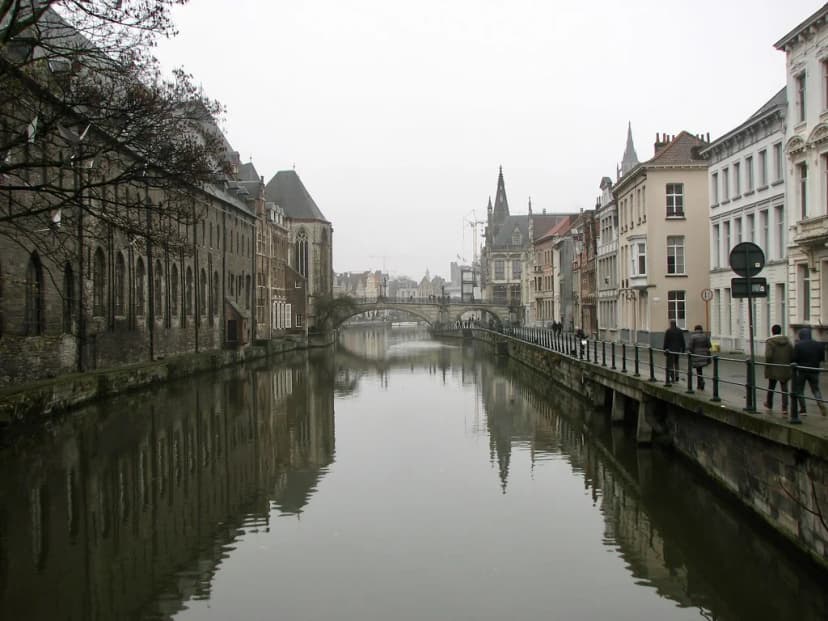
Bruges' historic centre is one of Europe's most complete medieval cities, and it remains the single most popular destination in Belgium for international tourists. The entire old town is a UNESCO World Heritage site — a tightly woven grid of cobbled lanes, humpback bridges, and mirrored canals that has changed little in six centuries. Arriving by train, visitors step almost immediately into the heart of this perfectly preserved world.
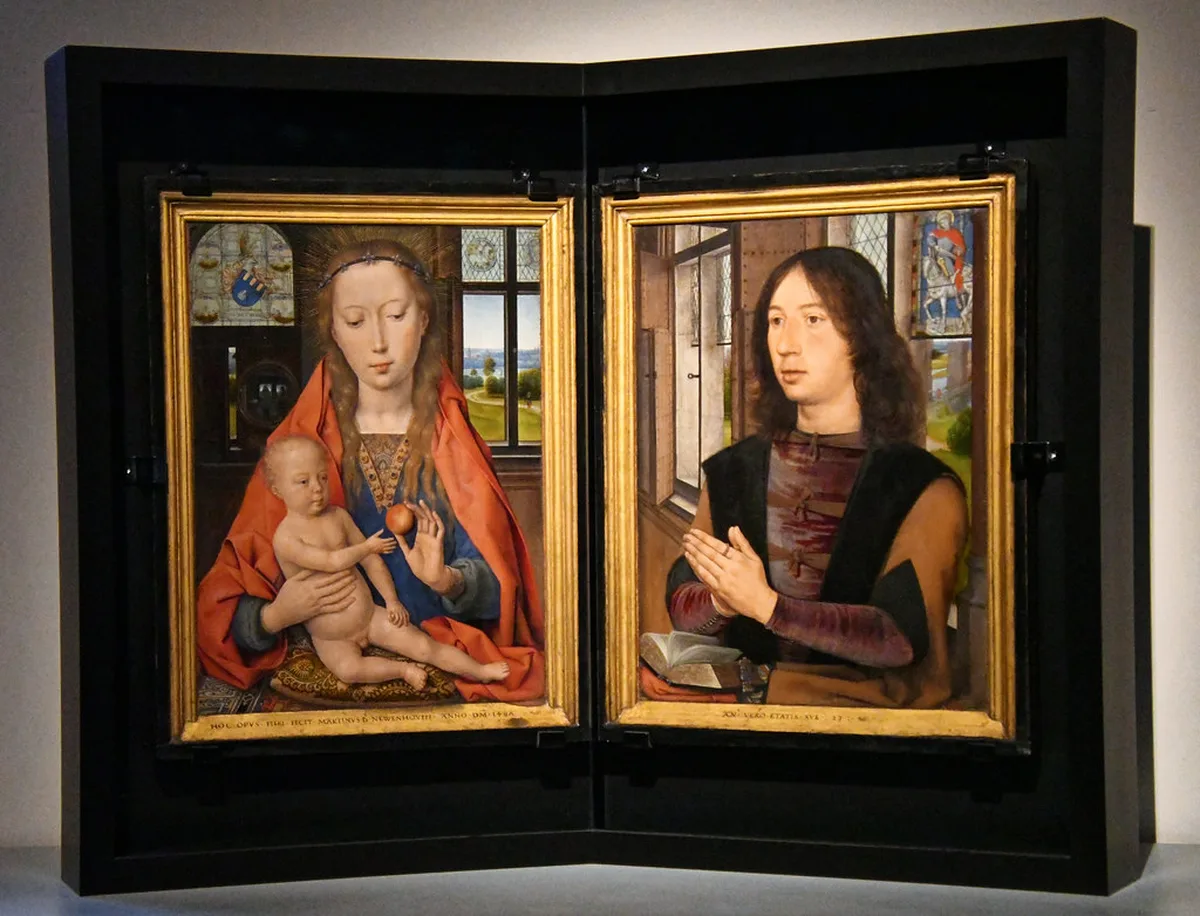
The iconic Belfry tower dominates the Markt square and rewards the 366-step climb with panoramic views across rooftops and waterways all the way to the North Sea. The Groeningemuseum holds one of the world's finest collections of Flemish Primitive painting, including Jan van Eyck's luminous masterworks. Canal boat tours depart from several jetties near the Rozenhoedkaai — the most photographed corner of the city — and offer a different perspective on the medieval cityscape.
Beer lovers can visit the De Halve Maan brewery, the only working brewery still inside Bruges city centre, for guided tours and tastings of Brugse Zot and Straffe Hendrik. The Choco-Story chocolate museum traces Belgium's legendary cocoa heritage, and the city's chocolatiers — many concentrated along Katelijnestraat and Simon Stevinplein — invite extended browsing and tasting. In spring and autumn the crowds thin just enough to make wandering the quieter backstreets genuinely magical.
Day-trippers from Brussels or Ghent often arrive by mid-morning and leave by early evening, so staying overnight gives you Bruges at its most atmospheric: early morning canals with no tour groups, and the Markt square glowing after dark. For an in-depth exploration of the old town's highlights, lanes, and hidden gems, see our Bruges Old Town Guide.
Planning multiple days? Our Bruges 3-Day Itinerary maps out a structured route covering all the essential sights without feeling rushed, including a recommended day trip from Bruges to the Belgian coast or to Ghent.
Ghent: Living Medieval City
Ghent is Belgium's best-kept secret — a medieval city of comparable grandeur to Bruges that remains genuinely inhabited by students, artists, and locals rather than preserved purely for visitors. The result is a city that feels both historic and alive, with world-class monuments sharing space with independent bookshops, vinyl record stores, and some of the finest vegetarian restaurants in northern Europe.
The Gravensteen — a full-scale Flemish feudal castle complete with moat, towers, and a dungeon museum — rises from the city centre in improbable perfection. St Bavo's Cathedral houses the van Eyck brothers' extraordinary Ghent Altarpiece, the most stolen artwork in history and now displayed in its own dedicated climate-controlled chapel after decades of restoration. The Patershol neighbourhood, a warren of cobblestone lanes lined with excellent restaurants, is the best place in Belgium for a long dinner.
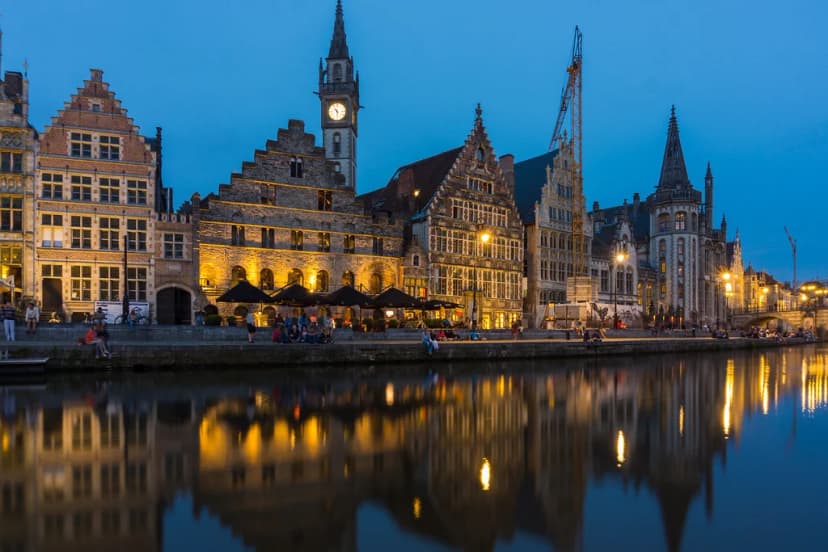
Ghent's student population (the university is one of Belgium's largest) means the city's bars and cafés stay busy year-round without the tourist seasonality that empties Bruges in winter. The Korenmarkt and Graslei quaysides are particularly dramatic at golden hour, when the medieval guild halls reflect in the Leie river. Evening boat tours depart from here and are often quieter than those in Bruges.
Parking is heavily restricted in the car-free historic centre — see our Parking in Ghent guide for the best garage options on the edges of the zone. For the full sightseeing breakdown, consult our detailed Ghent Old Town Guide. The city also makes an excellent base for day trips: our Day Trips from Ghent article covers nearby Antwerp, Brussels, and the Flemish countryside.
Antwerp: Fashion & Diamonds
Antwerp is Belgium's most cosmopolitan city — a port metropolis that has been reinventing itself for five centuries and shows no signs of stopping. Home to Europe's second-largest port, the global diamond trade, a world-famous fashion academy, and a Baroque cathedral that rivals those of Paris and Cologne, Antwerp offers a density of world-class experiences that surprises visitors who arrive expecting a smaller version of Brussels.
The Cathedral of Our Lady (Onze-Lieve-Vrouwekathedraal) anchors the medieval core with its soaring Gothic spire and houses four Rubens altarpieces — the artist was born in Antwerp and his work dominates the city's cultural identity. The Rubenshuis, his former home and studio, has been restored to 17th-century splendour and is one of Belgium's most memorable house museums. The adjacent Grote Markt, lined with gilded guild houses and dominated by the Brabo fountain, is among the finest market squares in northern Europe.
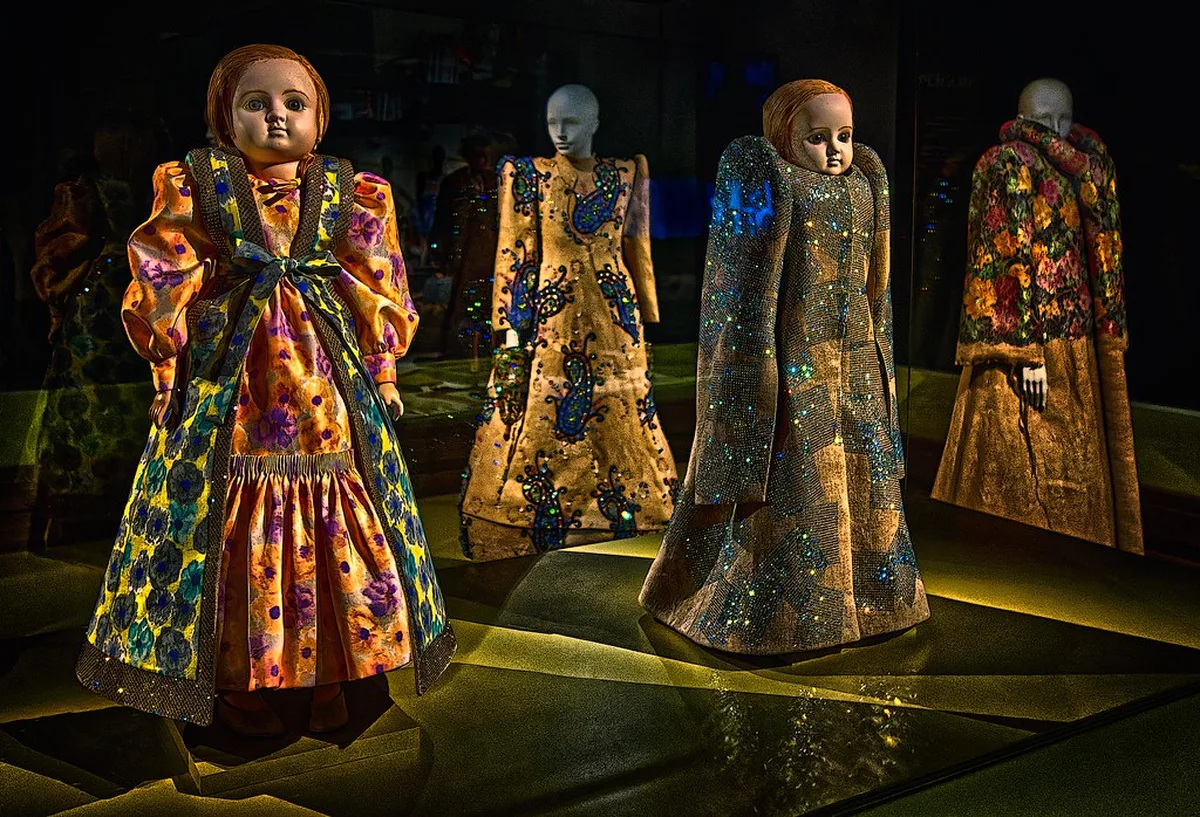
The MoMu (Fashion Museum) charts the legacy of the Antwerp Six — the generation of Belgian designers who revolutionised international fashion in the 1980s — and sits in the heart of the fashion district. The Diamondland district, just east of Central Station, is where 80% of the world's rough diamonds are traded; organised tours offer a glimpse into the cutting and polishing workshops. Central Station itself, an extraordinary Beaux-Arts railway palace, is considered one of the most beautiful train stations in the world and is worth visiting even if you're not catching a train.
For a full exploration of the historic centre, medieval streets, and essential sights, see our Antwerp Old Town Guide. Wondering whether the city is a safe destination? Our Antwerp safety guide covers neighbourhoods, practical tips, and what to be aware of in 2026.
Belgium Travel Budget 2026: What to Expect in Bruges, Ghent and Antwerp
Belgium sits in the moderate tier of Western European travel costs — more affordable than Switzerland or Scandinavia, broadly comparable to the Netherlands, and slightly pricier than Portugal or Central Europe. Understanding where your money goes by city helps with realistic planning.
Accommodation: Budget hostel dorms in all three cities run €25–40/night. Mid-range hotels with private rooms cost €90–150/night in Bruges and Antwerp; Ghent is slightly cheaper at €75–130/night. Bruges commands a premium due to limited hotel stock in the UNESCO centre — booking 6–8 weeks ahead is recommended for spring and summer.
Food and drink: A sit-down lunch (two courses, beer included) in a mid-range restaurant costs €18–28. Street frites with sauce cost €3–5 from a proper Belgian chip shop (frituur). Belgian draught beer is typically €3–5 for a 25cl glass in a café. A Michelin-starred dinner starts at €90–120 per person. Budget travellers can eat well on €25–35/day combining supermarket lunches, frituur stops, and one restaurant meal.
Sightseeing: Many of Belgium's best experiences are free or low-cost. Bruges Belfry entry is €15; Groeningemuseum €14; De Halve Maan brewery tour €16. In Ghent, the Gravensteen costs €14 and St Bavo's Cathedral is free (Ghent Altarpiece viewing €5). Antwerp's Cathedral entry is €8; Rubenshuis €15; MoMu €15. The Antwerp City Pass (€29/1 day) bundles top museums and is worth it if you plan 4+ attractions.
Transport between cities: Belgian rail (SNCB/NMBS) is efficient and reasonably priced. Bruges–Ghent: €7.60, approx 30 min. Ghent–Antwerp: €10.60, approx 30 min. Bruges–Antwerp: €17.30, approx 70 min direct. Go Pass 10 (€95 for 10 single journeys, anyone can use) is excellent value for multi-city trips. Within cities, walking covers most sights; trams and buses are €2.50/ride or €6/day.
Overall daily budgets (mid-range, per person): Bruges €95–130; Ghent €80–110; Antwerp €85–120. A 5-day Belgium trip covering all three cities costs a realistic €600–900 all-in excluding flights, assuming mid-range accommodation and a mix of self-catering and restaurant meals.
Getting Around Belgium: Trains, Trams & Practical Tips
Belgium's compact geography and well-maintained rail network make it one of the easiest countries in Europe to navigate without a car. All three major tourist cities are connected by direct IC (intercity) trains running at least twice an hour throughout the day. The national rail operator is SNCB (French) / NMBS (Dutch) — both names refer to the same service. Tickets can be bought at station ticket offices, automated machines, or online at belgiantrain.be.
The Weekend Ticket offers two single journeys for the price of one on Saturday and Sunday — excellent value if you're doing city-hopping at the weekend. The Go Pass 10 (€95 for 10 single journeys, valid 1 year, shareable with anyone) is the best-value option for travellers making multiple inter-city journeys. Day passes cost €12.40 for domestic unlimited travel and can pay off if you're doing 3+ legs in a day.
Within Bruges: the medieval centre is compact and almost entirely car-free, making walking the primary mode of transport. Bicycles can be rented from the train station for €12/day — the city is flat and has dedicated cycle paths. Canal boats offer a relaxing sightseeing alternative (€12/30-min tour). Within Ghent: trams cover the broader city; the historic centre is best explored on foot. Within Antwerp: the pre-metro (underground tram) and surface trams connect the train station to the old town and port in minutes.
Driving in Belgium is straightforward outside city centres, but parking inside Bruges and Ghent's historic zones is severely restricted and expensive. If arriving by car, use the designated P+R (park and ride) facilities on the city outskirts and take a shuttle or tram in — this saves both time and money. Full details on the best options are in our Parking in Bruges guide.
Brussels Airport (Zaventem) and Brussels South Charleroi Airport (budget airlines) both connect to the rail network. From Brussels Midi/Zuid station: Bruges is 60 min, Ghent 30 min, Antwerp 40 min by direct IC train. Brussels is not covered in this guide as it falls outside the three-city cluster focus, but it makes a logical gateway for international arrivals.
Belgian Food & Beer: What to Eat and Drink in 2026
Belgium's culinary credentials go far beyond the tourist-friendly trinity of waffles, chocolate, and frites — though all three are outstanding when consumed in their authentic local forms. Belgium is home to more Michelin stars per capita than France, has the most beer styles of any country in the world, and produces chocolates that many confectioners argue are unmatched anywhere on earth.
Frites (Belgian chips): Belgians will tell you — correctly — that they invented the chip. A proper Belgian frituur fries twice in beef tallow, producing a crisp exterior and fluffy interior quite unlike fast-food versions. Order with andalouse, samurai, or the classic pickles-and-onion-based sauce américaine. A cone costs €3–5 and should be eaten standing up at the counter.
Waffles: Two types dominate. The Liège waffle is dense, sticky, and caramelised — eaten plain, at room temperature, from a street stall. The Brussels waffle is lighter, crispier, and topped at tourist cafés with cream and fruit. Locals eat the Liège version; the Brussels version is largely for visitors but is still good. Avoid outlets near major tourist sights that pre-make them hours ahead.
Moules-frites: Mussels steamed in white wine, shallots, and herbs, served with a mountain of frites, is Belgium's national dish. Best eaten September–February when mussels are in season. A generous pot costs €22–32 in a decent restaurant. Ghent and Antwerp have the best mussels restaurants; Bruges's tourist-facing spots can be overpriced.
Beer: Belgium produces over 1,500 distinct beers across styles ranging from pale golden Tripels to pitch-black Stouts, sour Lambics, and oak-aged Quadrupels. Trappist beers — brewed in monasteries — are among the most prized: Westmalle, Westvleteren, Chimay, and Orval are the names to know. In Bruges, try Brugse Zot at De Halve Maan. In Ghent, the Dulle Griet bar stocks over 500 Belgian beers. In Antwerp, the craft beer scene has exploded along the Kloosterstraat and Graanmarkt.
Chocolate: Belgian chocolate uses a minimum 35% cocoa content by law — significantly higher than most mass-market chocolate. Neuhaus (Brussels), Leonidas (chain, good value), and local artisan chocolatiers in all three cities offer pralines, ganaches, and truffles. Budget €10–25 for a quality gift box. In Bruges, avoid the tourist-trap shops on the main drag and seek out Pierre Marcolini or The Old Chocolate House for quality.
Frequently Asked Questions about Travelling to Belgium
What is the best city to visit in Belgium?
Bruges is the most iconic for its medieval canals and UNESCO-listed architecture. Ghent offers similar beauty with fewer crowds and more authentic local life. Antwerp suits travellers who want art, fashion, and nightlife alongside historic sights. For a first visit, Bruges is the essential starting point — but Ghent consistently wins over those who go deeper into Belgian culture.
How many days do you need in Belgium?
3–4 days lets you visit Bruges, Ghent, and Antwerp comfortably. All three cities are within 1 hour of each other by train, making day trips easy from any Belgian base. A full week gives you time to slow down, take day trips to the Ardennes or the coast, and genuinely explore beyond the top sights. For Bruges alone, 2 full days is ideal.
When is the best time to visit Belgium?
April–June and September–October are ideal — mild weather, fewer crowds, and no Christmas-market chaos. July–August brings warm weather but heavy tourist volumes in Bruges especially. December is magical for Bruges and Ghent's Christmas markets but hotels fill fast and prices spike. January–February is the quietest period; expect cold weather but excellent hotel deals and uncrowded museums.
Is Belgium expensive to visit?
Belgium is moderately priced by Western European standards. A realistic mid-range daily budget is €80–120 per person, covering accommodation, food, local transport, and entry fees. Bruges runs slightly higher than Ghent or Antwerp due to limited hotel supply. Budget travellers can reduce costs to €50–70/day by staying in hostels and self-catering for some meals. The currency is the Euro (EUR).
Do I need a car to travel around Belgium?
No — Belgium's train network connects all major cities efficiently and cheaply. Bruges, Ghent, and Antwerp are all easily reached by IC train, and city centres are best explored on foot or by bike. Driving into Bruges or Ghent's historic cores is restricted and costly. A car is only useful for exploring the Ardennes countryside, the North Sea coast, or rural Wallonia between visits to cities.
Is Belgium safe for tourists?
Yes — Belgium is a safe destination for tourists. Bruges and Ghent have very low levels of street crime. Antwerp is safe in its tourist areas, though Molenbeek and the far north of the city warrant standard big-city caution after dark. Petty theft (pickpocketing) can occur on busy summer days near the Bruges Markt and Antwerp Central Station. Standard urban awareness applies throughout. For city-specific detail, see our dedicated Antwerp safety guide.
Should I visit Bruges or Ghent?
Visit both if you can — they're only 30 minutes apart by train. Bruges is more fairy-tale beautiful and better suited to a short visit or first-time trip. Ghent is more diverse, more affordable, less crowded, and has a better nightlife and food scene. For a full comparison, see our Bruges vs Ghent guide — it covers sights, cost, crowds, and which city suits different travel styles.
Belgium offers an extraordinary breadth of experiences in a country small enough to explore thoroughly in a week. Bruges enchants with its UNESCO-listed medieval canals, Ghent rewards those who dig deeper into Flemish culture, and Antwerp delivers cosmopolitan energy alongside world-class art and architecture. With the Euro as the shared currency, efficient rail connections between all three cities, and a mid-range daily budget of €80–120, Belgium is one of the best-value and most rewarding destinations in Western Europe for 2026. Use the city guides below to plan your route in detail.