How to Spend 3 Days in Bruges: The Ultimate 2026 Itinerary
Three days in Bruges in 2026 costs roughly €60–80/day on a budget, €100–140/day mid-range, or €200+/day for luxury — all-in including accommodation, food, and entry fees like the Belfry (€14), canal boat (€12), Groeninge Museum (€14), and De Halve Maan Brewery (€16).
Bruges has no parking inside the ring canal — book a P+R lot before you arrive or pay €3–5/day at one of the city-run Park and Ride sites with free bus transfers included. Arriving by car without a plan wastes hours and ruins the first morning.
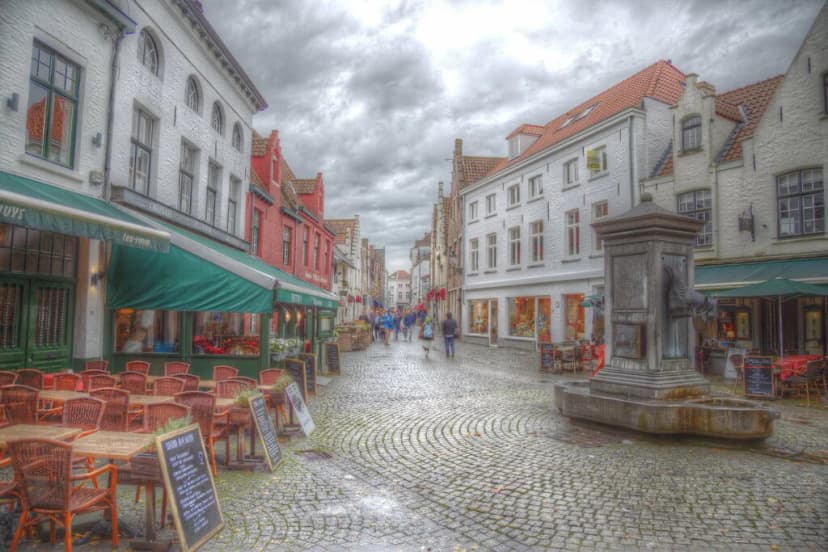
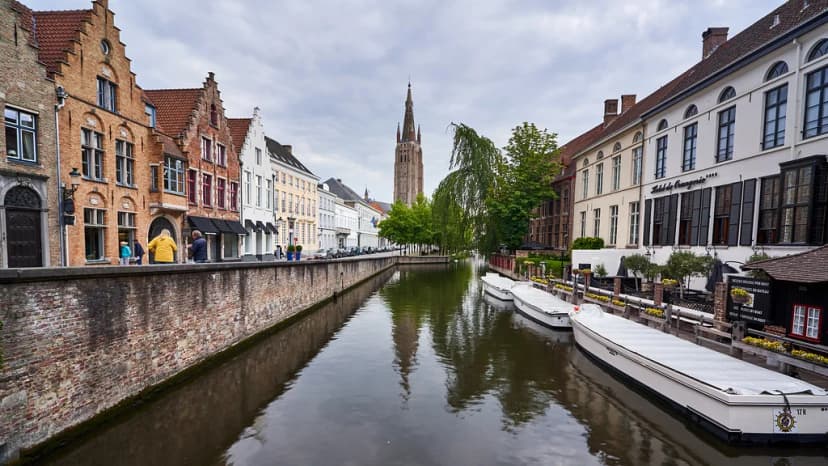
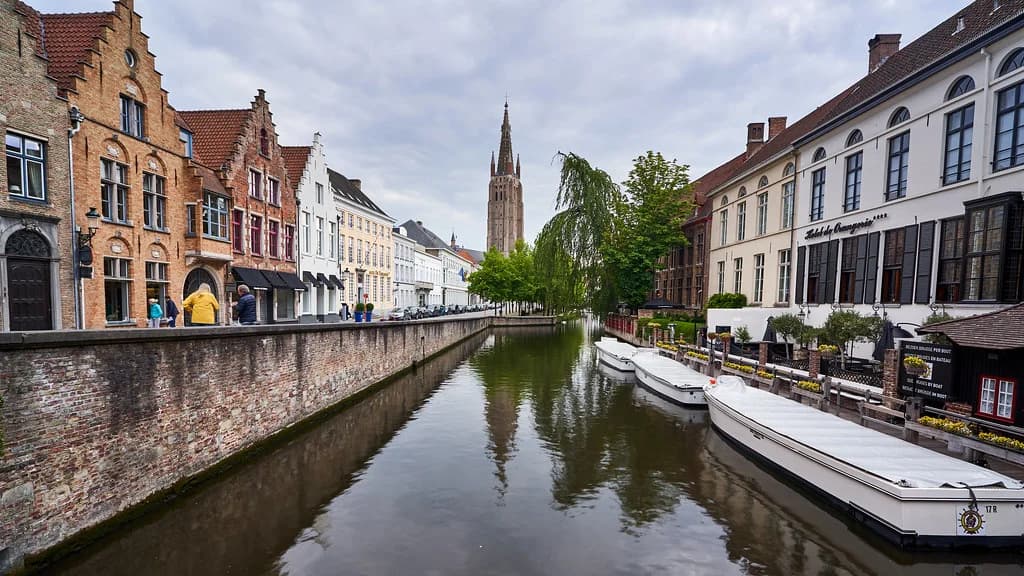
Bruges feels like a medieval fairy tale brought to life with its winding canals and cobblestone streets. This Bruges 3-day itinerary helps you navigate the historic center while discovering hidden gems along the way. You will find a perfect balance between famous landmarks and quiet residential corners during your stay in 2026. Planning your route in advance ensures you experience the best of Belgium without feeling rushed.
The city serves as a living museum where every corner tells a story of golden age prosperity. Visitors often fall in love with the ornate architecture and the scent of fresh waffles in the air. Three days provide enough time to see the main sights and enjoy a slower pace of life. Prepare for a journey through time as you explore one of Europe's best-preserved historic cities.
Day 1: Historic Landmarks and Canal Views
Your first day focuses on the iconic heart of the city where most historic events unfolded over centuries. The morning, afternoon, and evening each bring a different atmosphere to Bruges, so pacing yourself across all three is essential to getting the most from Day 1.
Morning: Markt Square and the Belfry
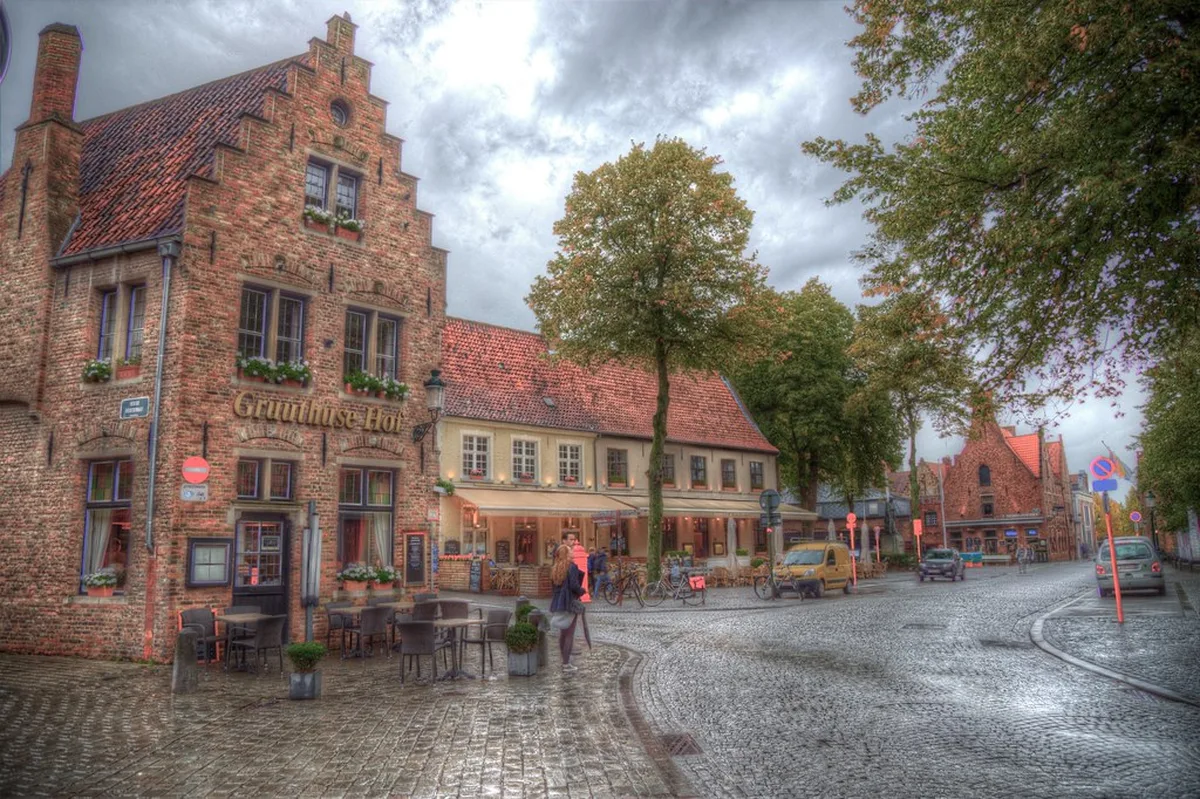
Start your morning at the Markt, which has functioned as the central trading hub since the 10th century. The square is surrounded by colorful guild houses and the imposing provincial court building, and entry to the square itself is completely free. Many visitors gather here early to capture photos before the midday crowds arrive — aim to be there before 9:00 AM if you want an unobstructed view of the facades. The horse-drawn carriage rides that depart from the Markt cost €60 per carriage for a 35-minute circuit around the historic core, making them a worthwhile splurge for couples or families who want a narrated overview of the city's layout before exploring on foot.
The Belfry tower dominates the skyline and offers a challenging but rewarding climb for those seeking panoramic views. You must navigate 366 narrow stone steps to reach the top of the 83-meter structure, so comfortable shoes are essential. Tickets in 2026 cost €14 per adult and should be booked online at least a day in advance to secure a specific time slot, as capacity is strictly limited. The carillon bells ring on the quarter-hour and the full set of 47 bells performs programmed concerts several times per week — check the schedule posted at the entrance. The view from the top stretches across the entire ring canal, giving you a useful bird's-eye orientation before the rest of your explorations. Budget around 90 minutes in total including the queue, climb, and descent.
Afternoon: Canal Cruise and Burg Square
A canal cruise is an essential part of any visit to the Bruges old town. These boat tours last about 30 minutes and cost €12 per adult at the various boarding docks around the Dijver and Rozenhoedkaai areas. You will see hidden gardens, arched stone bridges, and the backsides of medieval merchant houses that are invisible from street level. Boats operate daily from March through mid-November and depart continuously with no reservation needed — simply join the queue at the nearest dock. The Rozenhoedkaai dock is the most photogenic boarding point, with a classic view of the Peperbus spire reflected in the water. Consider doing the cruise late morning or early afternoon to avoid the longest queues, which can stretch to 45 minutes on weekends.
After the cruise, walk to Burg Square to see the Basilica of the Holy Blood and the City Hall. This area showcases a stunning mix of Gothic, Renaissance, and Baroque architectural styles in one compact space. Entry to the lower chapel of the Basilica is completely free, making it one of the best no-cost experiences in the city; the upper chapel and small museum cost €5 per adult. The relic of the Holy Blood is displayed for veneration on Friday afternoons and during special religious events — visiting on a Friday adds a layer of living tradition to the experience. The ornate gold statues on the City Hall facade are particularly striking in the late afternoon sun, and the Gothic Hall inside costs just €6 to enter and contains some of the finest carved vaulted ceilings in Belgium. Allow 45 minutes at the Burg before heading to dinner.
Evening: Dinner Near the Markt
For dinner on Day 1, head to one of the brasseries just off the Markt on Breidelstraat or Sint-Amandsstraat. A two-course set menu with a Belgian beer typically costs €25–35 per person. Avoid the restaurants directly on the Markt itself, which charge a premium for the view without a corresponding improvement in quality. A Bruges waffle from a street stand — either the soft, yeasted Brussels style or the denser, caramelized Liège style — costs €3–5 and makes an ideal afternoon snack between the Belfry and the canal cruise. The illuminated guild houses around the Markt at dusk are among the most memorable sights in all of Belgium and cost nothing to admire.
- Markt Square
- Entry: Free
- Best time: Before 9:00 AM for photos
- Carriage rides: €60 per carriage, 35 min
- Climbing the Belfry Tower
- Cost: €14 per adult (2026)
- Steps: 366 narrow stairs
- Best for: Panoramic orientation
- Tip: Book online at least 1 day ahead
- Canal Boat Cruise
- Duration: 30 minutes
- Price: €12 per adult
- Season: March to November
- Best dock: Rozenhoedkaai
- Basilica of the Holy Blood
- Lower chapel: Free
- Upper chapel and museum: €5
- City Hall Gothic Hall: €6
Day 2: Flemish Art, Chocolate, and Belgian Beer
Day 2 is devoted to Bruges's cultural and culinary identity — world-class Flemish painting in the morning, artisanal chocolate at midday, and Belgium's most famous craft brewery in the afternoon. Evening meals in this city average €15–25 per person at a side-street brasserie, making it easy to round off a full day without overspending.
Morning: Groeninge Museum and Begijnhof
Devote your second morning to the Groeninge Museum to witness the brilliance of the Flemish Primitives. This gallery houses a world-renowned collection including masterworks by Jan van Eyck — including the extraordinary Portrait of Margaret van Eyck — and Hans Memling's detailed altarpieces. Admission in 2026 is €14 per adult and includes an audio guide for most major displays, a very good deal for a museum of this caliber. Allow at least two hours to fully appreciate the intricate details of these 15th-century paintings without rushing. The museum also holds strong holdings of Symbolist and Expressionist works from the 19th and early 20th centuries that are often overlooked by visitors focused solely on the Flemish Primitives. Arrive at opening time (9:30 AM Tuesday–Sunday) to beat school groups that typically arrive mid-morning. Photography without flash is permitted in most galleries.
Just a short walk from the Groeninge, the Begijnhof offers a glimpse into a unique communal living arrangement founded in the 13th century. This tranquil walled courtyard is filled with white-washed houses and tall poplar trees that create a serene, almost monastic environment. Entry to the courtyard itself is free, though you must maintain silence while walking through the grounds to respect the Benedictine sisters who still reside here. The small museum on-site costs €2 and shows how the original Beguines — independent laywomen who lived in community without taking formal vows — organized their daily lives across several centuries. Visit between 10:00 AM and noon for the best morning light on the white facades. The Begijnhof is only a five-minute walk from Minnewater Park, so it pairs naturally as a morning circuit.
Afternoon: Chocolate and the Halve Maan Brewery
After the museum circuit, Bruges is a paradise for food lovers, especially those with a passion for artisanal chocolate. You can find dozens of specialized shops along Wollestraat and Steenstraat that offer unique flavor combinations far beyond standard milk chocolate truffles. Many chocolatiers provide live demonstrations where you can watch the tempering and molding process — look for shops displaying the "Bruges Chocolatier" certification mark. Expect to pay €12–30 for a high-quality box of hand-made pralines, depending on quantity and brand. For a more immersive experience, the Choco-Story chocolate museum on Sint-Janstraat offers a 75-minute self-guided tour for €12 per adult, ending with a chocolate-making demonstration and tasting. This is particularly worthwhile if you are visiting with children. Before your trip, explore Visit Flanders for broader regional planning.
The De Halve Maan Brewery offers a fascinating look into the local beer culture of Belgium. Their guided tour explains how beer is brewed on-site and pumped through a 3.2-kilometer underground pipeline directly to the bottling plant outside the ring canal — an engineering solution that resolved a decades-long logistical headache while preserving the historic brewery building. Tours in 2026 cost €16 and conclude with a refreshing glass of Brugse Zot in the brewery courtyard, one of the best ways to spend a sunny afternoon. It is wise to reserve your spot online at least 48 hours ahead during weekends between May and September, when tours sell out consistently. The brewery also offers a premium "Extended Brewery Experience" for €26 that includes a second beer and access to the roof terrace. Non-drinkers can substitute the beer with a locally brewed sparkling water at no extra charge.
Evening: Canal-Side Dining in the Jan van Eyck Quarter
As the sun sets, the city takes on a different character that is perfect for evening exploration. Walk toward the illuminated Jan van Eyck Square for a peaceful evening atmosphere away from the main tourist drag. The reflection of the historic buildings in the still canal water at Spiegelrei creates a magical scene that photographers chase at dusk. For dinner on Day 2, consider a traditional Flemish stew (stoofvlees) or mussels at one of the restaurants on the quieter streets east of the Markt, where set menus typically run €22–32 per person. Pair with a glass of local white wine or a Trappist ale for the full Belgian experience. Average meal costs in Bruges run €15–25 per person at a mid-range establishment, making this a genuinely affordable city for food lovers.
- Groeninge Museum
- Entry: €14 per adult (audio guide included)
- Highlights: Jan van Eyck, Hans Memling
- Opens: 9:30 AM, closed Mondays
- Time needed: 2 hours minimum
- Begijnhof
- Courtyard: Free
- Museum: €2
- Note: Silence required in courtyard
- Best time: 10:00 AM for morning light
- Chocolate Shopping / Choco-Story Museum
- Shop pralines: €12–30 per box
- Museum: €12 per adult
- Includes: Making demonstration + tasting
- De Halve Maan Brewery
- Tour cost: €16 (includes one beer)
- Premium tour: €26 (two beers + roof terrace)
- Feature: 3.2 km underground beer pipe
- Booking: Strongly recommended online
Day 3: Minnewater, Windmills, and a Day Trip Option
Your final day takes you away from the tourist core and into the quieter, more local side of Bruges. The morning focuses on the scenic southern edge of the city; the afternoon gives you the choice between a short train excursion or additional museums; and the evening is best spent in the Saint Anne district before departure.
Morning: Minnewater Park and the Windmills
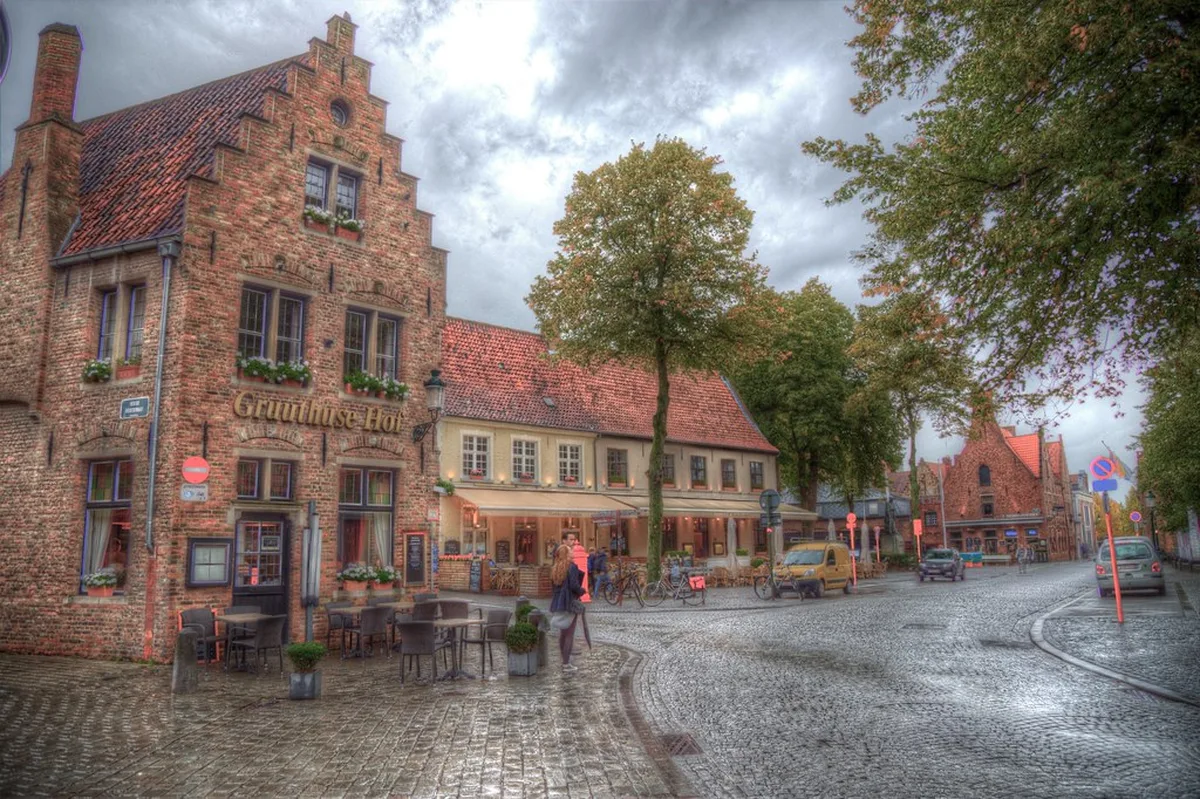
Start your final day with a morning walk to Minnewater Park, often called the Lake of Love. This scenic area features a beautiful stone bridge and dozens of swans swimming in the calm water of the old medieval harbour basin. It provides a peaceful escape from the bustling market squares and is completely free to visit at any time of day or night. Couples often visit this spot for romantic photos against the backdrop of the old watchtower, which dates from the 15th century and once served as part of the city's water-management system. The park is at its most atmospheric in the early morning, when mist rises off the water and the swans gather near the bridge arch. Budget 30–45 minutes here before walking to the Begijnhof nearby if you missed it on Day 2.
A walk along the eastern ramparts should include the historic windmills that still stand on the grass embankments at the edge of the old city — a highlight of any Bruges walking tour. You can visit the Sint-Janshuismolen, which is the only mill in the city that still grinds grain commercially using wind power. Admission to go inside the mill is €5 per adult and is available during the warmer months from April through September, Tuesday to Sunday. The four windmills visible along this stretch — Sint-Janshuismolen, Bonne Chiere, Koelewei, and Sint-Pietersmolen — are spread across about 800 meters of walking path, making a pleasant circuit of roughly one hour. The surrounding grassy embankment is perfect for a relaxed midday picnic with local cheese and bread purchased from one of the Katelijnestraat delicatessens on your way out from the Begijnhof. Renting a bike for the day costs €12–15, a smart option for reaching the windmills and the Damme towpath with minimal effort.
Afternoon: Ghent Day Trip or Smaller Museums
After the windmill walk, use your afternoon for a day trip from Bruges to Ghent — the single best use of a free afternoon during a three-day stay. The train runs several times per hour and takes just 24 minutes; a standard return ticket costs €6 in 2026 if booked via the NMBS app with a weekend or off-peak reduction, or around €12 at full fare. Ghent's Graslei and Korenlei canal-side streets are architecturally richer than anything comparable in Bruges, and the Ghent Altarpiece (Adoration of the Mystic Lamb) at Saint Bavo's Cathedral costs €16 and is arguably the most important painting in Northern European art history. Alternatively, if you prefer to stay in Bruges, spend the afternoon visiting one of the smaller museums: the Memling Museum in Sint-Janshospitaal (€14), the Groeningemuseum annex at Arentshuis (€6), or the Volkskundemuseum for local folklore (€6).
Evening: Saint Anne District and Final Farewell
End your three-day journey by exploring the quiet residential streets of the Saint Anne district before catching your train or retrieving your car. This neighborhood feels much more local than the tourist core and features charming lace shops, traditional brown pubs, and the intimate Church of Our Lady of Blindekens. You might find a quiet spot to enjoy a final Belgian beer away from the main tourist paths at one of the neighborhood bars, where a pint of draft Jupiler or a local Bruges blond costs €3–4 rather than the €5–6 charged at Markt-facing terraces. The slower pace here allows you to reflect on your time in this historic city before making your way to the station, a pleasant 15-minute walk from the Saint Anne district.
- Minnewater Park
- Entry: Free, open 24 hours
- Best time: Early morning for mist and swans
- Nearest attraction: Begijnhof (5-min walk)
- Sint-Janshuismolen (Windmill)
- Entry: €5 per adult
- Season: April–September, Tue–Sun
- Circuit: All 4 windmills ≈ 1 hour walk
- Bike Rental
- Cost: €12–15/day
- Best for: Windmill circuit and Damme towpath
- Ghent Day Trip (optional)
- Train: €6 return (NMBS app, off-peak)
- Journey: 24 minutes each way
- Top sight: Ghent Altarpiece, €16
3-Day Bruges Budget Breakdown 2026
Understanding your likely spend per day helps you decide where to splurge and where to save. Bruges is a mid-range European destination, but prices inside the ring canal are noticeably higher than in comparable Belgian cities like Ghent. The costs below cover a solo traveler across all three days; couples benefit from shared accommodation but can expect similar food and entry-fee costs per person.
Budget Traveler: €60–80/day
On a budget of €60–80 per day, you would stay in a hostel or small guesthouse outside the ring canal (€25–40/night per person in a shared or budget double), eat lunch at a brasserie side-street set menu (€12–16), grab a waffle for a snack (€3–5), and cook dinner or eat at a takeaway frites stand (€8–12). Entry fees should focus on the free sites: Markt, Minnewater, Begijnhof courtyard, lower chapel of the Holy Blood. Fit in one paid entry per day — the Belfry (€14) on Day 1, the canal cruise (€12) on Day 2, or the windmill (€5) on Day 3. Three-day total on this budget: approximately €180–240.
Mid-Range: €100–140/day
At the mid-range level of €100–140 per day, you stay inside the ring canal at a three-star hotel or characterful B&B (€70–100/night in a double, divided between two people comes to €35–50 per person), eat a full restaurant lunch (€15–20) and dinner (€25–35), and do two paid attractions per day without stress. This bracket covers all the itinerary recommendations in this guide — Belfry €14, canal boat €12, Groeninge €14, Historium €18, brewery tour €16, bike rental €12–15/day — and leaves room for a beer or two at a sit-down bar (€5–6 per Trappist). Three-day total on this budget: approximately €300–420.
Splurge: €200+/day
The luxury bracket of €200+ per day covers boutique canal-view hotels (€150–250/night per room), multi-course tasting menus at one of Bruges's Michelin-starred restaurants such as Sans Cravate or The Olive Tree (€80–120 per person), private guided tours, premium brewery or chocolate experiences, and wine pairings throughout. Bruges has a surprisingly strong fine-dining scene given its size, and a special-occasion dinner here can rival anything in Brussels for quality. Three-day total at this level: €600 or more per person.
Quick Cost Reference
- Belfry Tower: €14/adult
- Historium (medieval Bruges experience): €18/adult
- Canal boat cruise: €12/adult
- Bike rental: €12–15/day
- Average restaurant meal: €15–25/person
- Groeninge Museum: €14/adult
- De Halve Maan Brewery tour: €16/adult
- P+R parking: €3–5/day (bus transfer included)
- Brussels–Bruges train return: €15–18
- Budget traveler (3 days): ~€180–240 total
- Mid-range (3 days): ~€300–420 total
- Luxury (3 days): €600+ total
Practical savings: the NMBS app for train tickets always offers lower prices than counter tickets; the Museumpassmusées card (€80/year) gives unlimited access to over 200 Belgian museums including the Groeninge and Memling; and buying chocolates at Leonidas chain shops rather than boutique chocolatiers saves 30–40% for largely comparable quality. Free attractions — Markt, Minnewater, Begijnhof, all canal-side walking — are genuinely among the highlights of the city, so a budget trip loses nothing essential.
Bruges Logistics: Parking, Trains, and Where to Stay
Many travelers struggle to decide if they should stay overnight or visit as a day trip from Brussels. Staying for three days allows you to see the city after the large tour groups depart at around 5:00 PM, revealing a much quieter and more atmospheric city in the evenings. You can explore the Bruges nightlife guide recommendations for cozy brown pubs and illuminated evening canal walks. The city feels much more intimate and magical when the historic buildings are lit up at night and the day-trippers have gone.
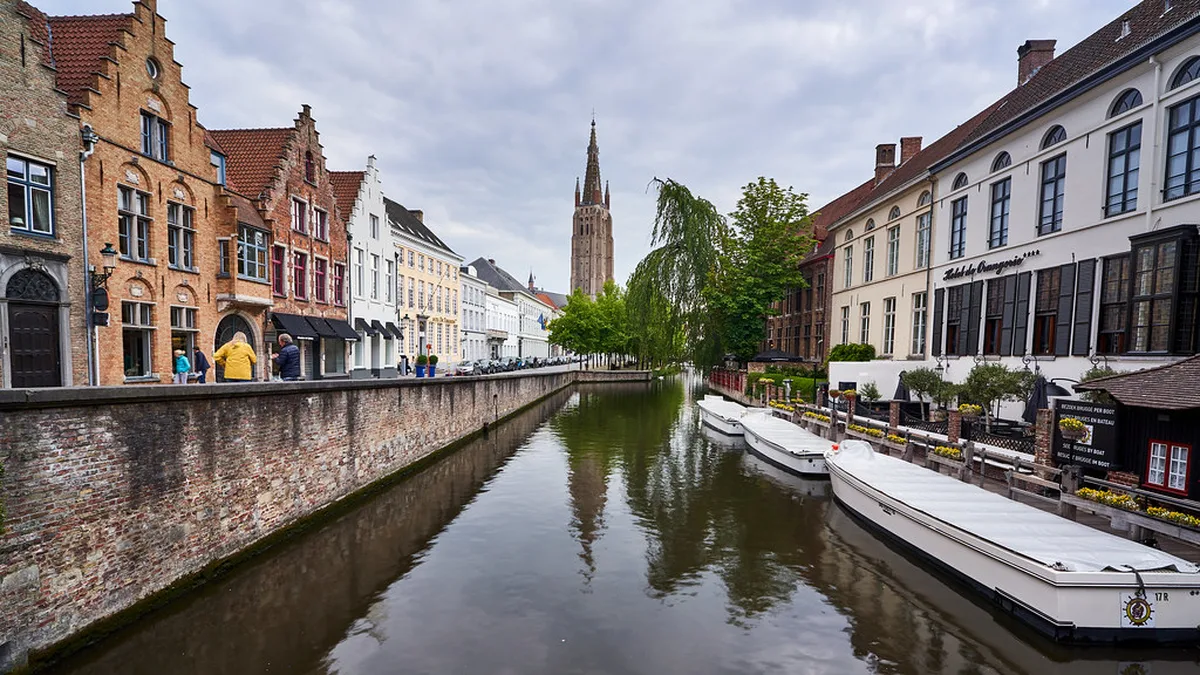
Parking in Bruges requires planning because there are no public parking spaces inside the ring canal — the historic streets are simply too narrow and too precious to dedicate to cars. The city operates several Park and Ride (P+R) lots at the edge of the ring, with free bus transfers included in the flat parking fee of €3–5 per day, depending on the lot. The P+R 't Centrum on Buiten Katelijneveststraat is the closest to the main sights and fills quickly on weekend mornings. Read the full breakdown at our dedicated parking in Bruges guide before you drive. If you are arriving by train from Brussels, the journey takes just under an hour and costs €15–18 return; the Bruges station is a 15-minute walk from the Markt.
Hotels inside the ring canal command a significant premium — a three-star room on a canal-view street can easily run €130–180/night in high season. Budget travelers should look at small guesthouses and B&Bs just outside the ring, where prices drop to €60–90/night while still keeping you within a 15-minute walk of every major attraction. If you have extra time, the day trips from Bruges to Ghent, Antwerp, and the Belgian coast are all feasible from a central Bruges base — each destination is under 40 minutes by train. Cyclists will enjoy the flat terrain between Bruges and the nearby village of Damme, a 7-kilometer towpath ride that passes through open polder landscape very different from the city's enclosed medieval streets.
Budget travelers should consider staying just outside the historic ring to find more affordable lodging options. Walking into the center takes only 15 to 20 minutes from most peripheral neighborhoods, and the streets you walk through are themselves attractive residential Bruges rather than generic urban outskirts. You will still have easy access to all the main attractions while saving €40–60 per night on your accommodation. Planning your stay this way provides a good balance between convenience and cost-effectiveness without sacrificing the experience of sleeping in Bruges itself.
Practical Tips for Your Bruges Visit in 2026
Timing your visit is crucial for avoiding the heaviest crowds and finding better accommodation deals. Spring (April–May) and autumn (September–October) offer mild weather, blooming canal-side gardens, and significantly fewer tourists than the peak summer months of July and August, when the city can feel genuinely overwhelmed. You can read more about the best time to visit Bruges to plan your perfect seasonal trip. Winter is also popular for the festive Christmas markets that fill the main squares from late November through early January, and the shorter queues at museums mean you can see more in less time.
Bruges is a very compact city that is best explored on foot or by renting a bicycle at €12–15/day. Most central streets have limited car access to preserve the historic cobblestones and medieval atmosphere. If you are arriving by car, research the parking in Bruges situation before you arrive to find the best rates and avoid wasting time on arrival. The P+R lots near the station and Katelijnepoort gate offer flat-rate all-day parking with free bus transfers into the center — the most stress-free option for drivers.
Public toilets are available at the station, the Belfry, and several other central locations for a small fee. Carry some small change as most facilities cost €0.50–1.00 per use. Many cafes expect you to be a paying customer before using their private restrooms. Planning your breaks around meal times is usually the most convenient strategy for travelers who want to avoid the toilet fee.
Learning a few basic phrases in Dutch can go a long way, though almost everyone in the tourism industry speaks excellent English. A simple "Goedemorgen" (good morning) or "Dank u wel" (thank you) is always appreciated by local shopkeepers and waitstaff. Respecting the local quiet zones in residential areas helps maintain the city's charm for everyone — keep voices low when walking through the Begijnhof and the Saint Anne district late at night. Always check the latest opening hours on official websites before heading to specific museums or attractions, as seasonal closures and Monday shutdowns affect several of the major galleries.
Frequently Asked Questions
Is 3 days enough for a Bruges itinerary?
Yes, three days is the ideal amount of time for Bruges. Day 1 covers the Markt, Belfry (€14), and a canal cruise (€12). Day 2 fits the Groeninge Museum (€14), Begijnhof (free), De Halve Maan Brewery (€16), and chocolate shopping. Day 3 adds Minnewater, the windmills (€5), and an optional Ghent day trip by train (€6 return). You leave having seen every major attraction without feeling rushed.
What is the best way to get around Bruges?
Walking is the best way to get around Bruges because the entire historic center fits within a 2-kilometer radius and most streets are pedestrianized. Renting a bicycle costs €12–15 per day from shops near the station and is excellent for reaching the windmills and the Damme towpath outside the center. You rarely need public transport within the ring canal; buses serve the P+R parking lots and peripheral neighborhoods.
How expensive is a trip to Bruges in 2026?
Budget travelers spend €60–80 per day in Bruges in 2026, mid-range visitors €100–140 per day, and luxury travelers €200 or more. A typical restaurant meal costs €15–25 per person. Museum entries run €5–18 each. The canal cruise costs €12, the Belfry €14, the Historium €18, the Groeninge Museum €14, and De Halve Maan Brewery tour €16. Free highlights — Markt, Minnewater, Begijnhof courtyard, lower chapel of the Holy Blood — mean budget travelers miss nothing essential.
Can I visit other cities from Bruges?
Yes, Bruges connects easily to Ghent (24 min, €6 return off-peak), Antwerp (70 min, €18 return), Brussels (55 min, €15 return), and the Belgian coast at Ostend (15 min, €7 return) via the NMBS national rail network. Trains run multiple times per hour. All these destinations work as day trips from a Bruges base, and the day trips from Bruges guide covers the best options in full.
Is there parking in Bruges for visitors arriving by car?
There is no public parking inside Bruges's ring canal. Visitors arriving by car must use one of the city's Park and Ride (P+R) lots at the edge of the historic center, which charge €3–5 per day and include free bus transfers. The P+R 't Centrum on Buiten Katelijneveststraat is closest to the main sights. Book or plan your P+R lot before arriving, as the most popular lots fill by mid-morning on weekends between May and September. See the full parking in Bruges guide for all lot locations and rates.
Is Bruges worth visiting compared to Ghent?
Bruges and Ghent are both worth visiting, but they offer different experiences. Bruges is smaller, more overtly touristy, and better preserved as a medieval showpiece — ideal for a romantic first visit to Belgium. Ghent is larger, more lived-in, and has stronger contemporary culture alongside comparable medieval architecture. The Bruges vs Ghent comparison guide covers both cities in detail to help you decide which suits your travel style.
What is the Historium in Bruges and is it worth visiting?
The Historium is an immersive historical experience located on the Markt that transports visitors back to medieval Bruges through multimedia sets, actors, and virtual reality. Entry in 2026 costs €18 per adult. It is especially worthwhile for first-time visitors who want an engaging introduction to Bruges's golden age before exploring the real city streets, and for families with older children. Budget around 75 minutes for the full experience. The rooftop bar at the top offers one of the best views of the Markt and the Belfry.
Bruges offers a unique blend of medieval history and modern Belgian culture that captivates every visitor in 2026. Following this Bruges 3-day itinerary ensures you see the most important landmarks while finding time to relax and let the city reveal itself at its own pace. The city's charm lies in its quiet canal-side walks and its vibrant, historic market squares, and the combination of world-class Flemish art, artisanal chocolate, and excellent beer makes it unlike anywhere else in Europe.
Take your time to wander off the main paths and discover the local side of the city in Saint Anne, along the eastern windmill embankments, and in the early-morning Markt before the crowds arrive. Whether you are a history buff, a food lover, or simply someone who wants to spend three days somewhere genuinely beautiful, this Belgian gem delivers. Enjoy every moment of your 2026 journey through the heart of Flanders. Safe travels as you explore one of the most beautiful destinations in Western Europe.