The Ultimate Bruges Nightlife Guide for 2026
Bruges has over 300 Belgian beers on tap and in bottles across its historic bars. Beer costs €3–5 at most neighborhood pubs; specialist bars like 't Bruges Beertje (Kemelstraat 5, open until 1AM) charge €4–7 for rare regional brews.
The unmissable beer bar circuit: 't Bruges Beertje (300+ beers), De Garre (Garre 1, house Tripel de Garre €5.50), and Cambrinus (Philipstockstraat 19) — all walkable within 10 minutes in the medieval center.
Bruges transforms into a golden fairy tale once the sun sets over its medieval canals and cobblestone streets. While many day-trippers leave before dusk, staying for the evening reveals a cozy and vibrant side of the city. This bruges nightlife guide helps you find the best spots for world-class Belgian beer and late-night dancing. Unlike Antwerp or Brussels, Bruges operates on a smaller, more intimate scale — the entire nightlife circuit is walkable within twenty minutes, and the quality of the beer culture here is genuinely world-class. Prepare for a night of historic charm perfectly blended with the warmth of modern Belgian hospitality.
Best Neighborhoods for a Night Out in Bruges
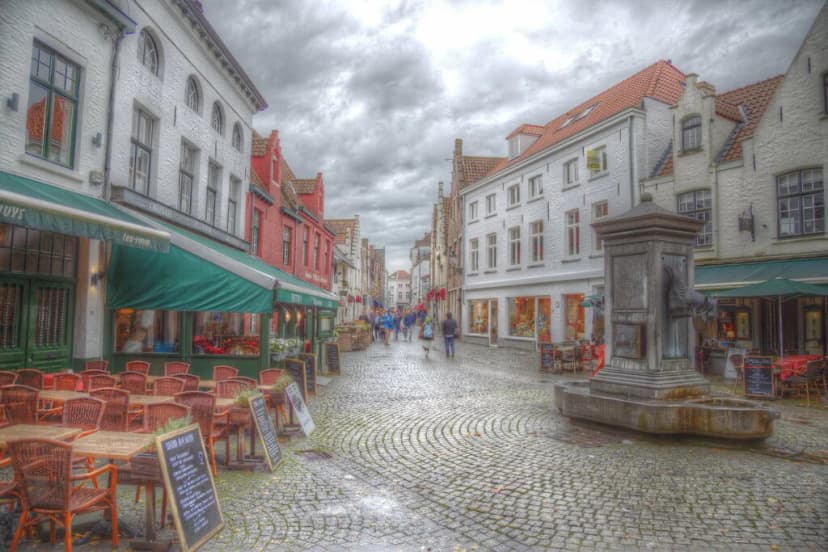
Most evening activity centers around the Markt and the smaller squares tucked behind the historic Belfry tower. The Eiermarkt square serves as the primary hub for younger crowds looking for lively pubs and outdoor terraces that stay busy from 8 PM through midnight. Walking between these central spots takes less than five minutes, making it easy to sample different atmospheres without ever needing a taxi. Consult a Bruges old town guide to navigate the winding alleys between these nightlife clusters before your evening begins.
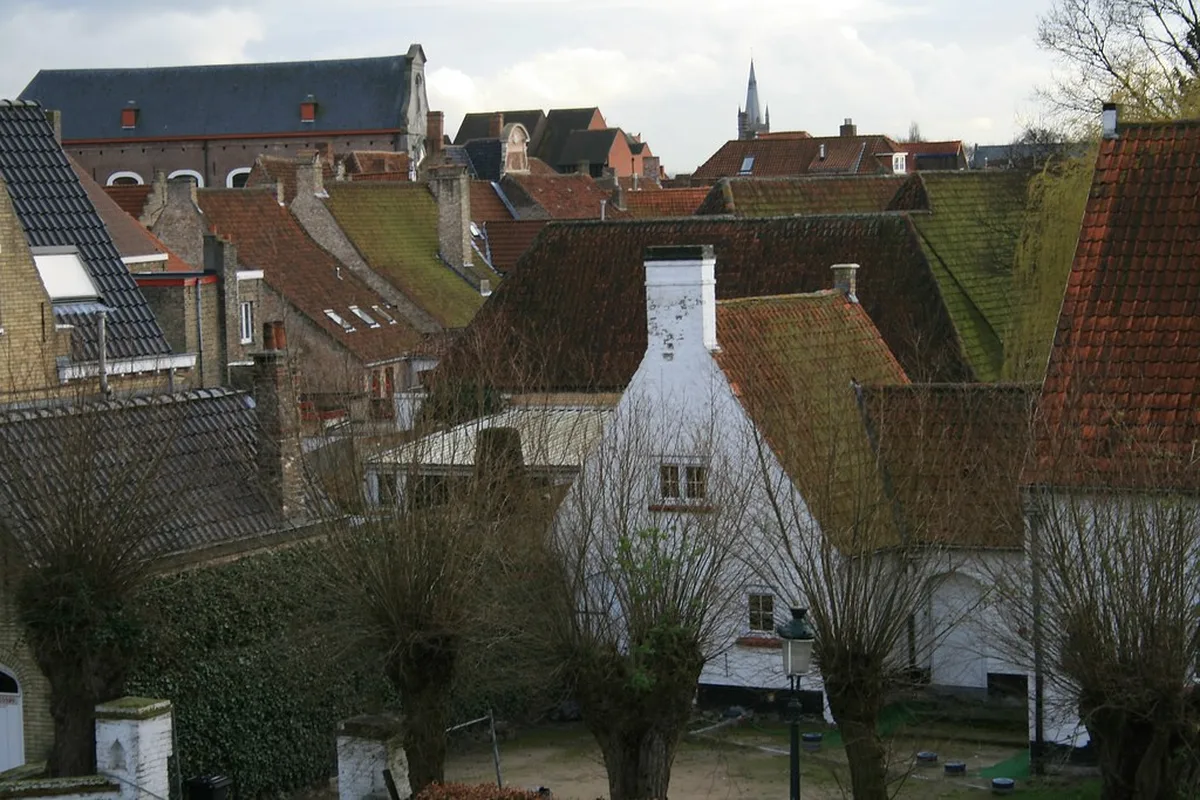
Sint-Jakobsstraat offers a more alternative vibe with bars that cater to locals and savvy travelers alike. This street hosts several intimate venues where the music ranges from jazz to indie and classic rock, and the general atmosphere is noticeably more relaxed than the tourist-heavy Markt area. Expect a more casual dress code here: clean jeans and a decent shirt are perfectly adequate. Finding a seat on a Friday night usually requires arriving before 9 PM to beat the local rush, and arriving early has the added benefit of letting you chat with the bartenders when things are quiet enough for conversation.
The area around the Langestraat provides a quieter alternative for those who prefer a traditional brown café experience. These wood-paneled pubs are where Bruges residents go for a slow evening of conversation and regional spirits — particularly genever, a traditional juniper gin — rather than for dancing or tourist spectacle. Prices in this district are often slightly lower than those found directly adjacent to the major tourist landmarks — expect to pay €3.50–5 for a standard Belgian draft, compared to €5–8 near the Markt. Travelers seeking an authentic Belgian evening will find the atmosphere here incredibly welcoming and unpretentious, particularly on weeknights when the tourist flow drops significantly.
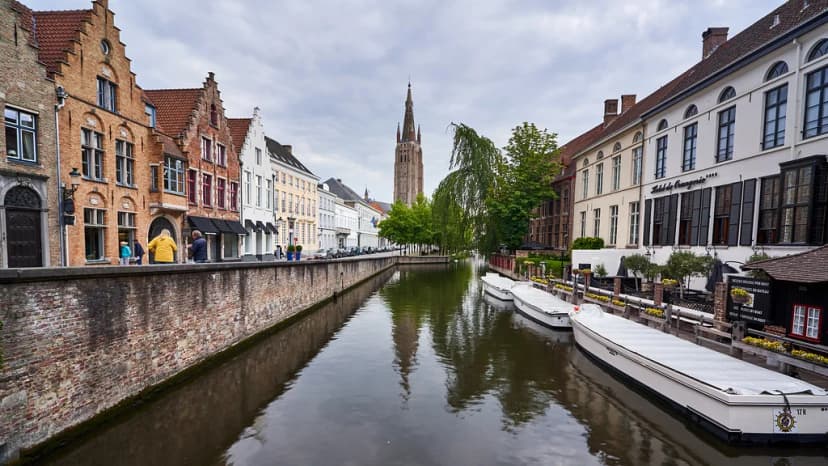
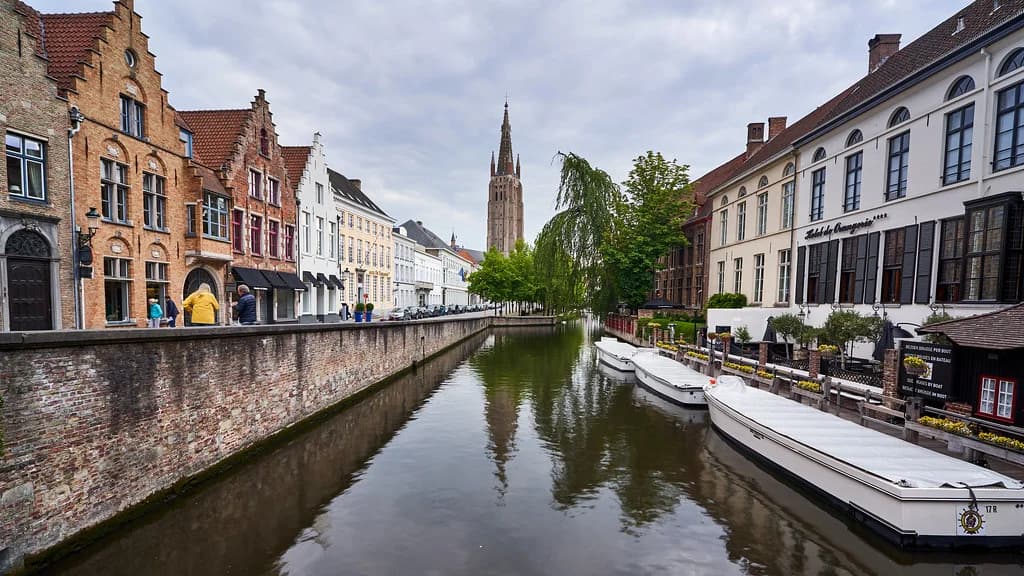
Canal-side bars offer the most romantic settings for an evening drink under the soft glow of streetlamps. Many of these venues feature heated terraces that allow visitors to enjoy the water views even during cooler months, typically using gas heaters and wool blankets to keep patrons comfortable from October through April. Reserve a table in advance if you plan to visit a popular spot for late-night drinks — walk-ins are usually possible on weeknights but not guaranteed on Friday and Saturday evenings. These locations often serve as the perfect starting point before heading toward the louder clubs near the center, giving your evening a relaxed opening chapter before the energy picks up.
The hidden alley off Breidelstraat leading to De Garre is one of the most rewarding micro-locations in Bruges nightlife. The single-street access means the bar never becomes truly overcrowded, but it fills quickly after 9 PM. If you arrive and find the main room at capacity, the upper floor usually has tables available. This pocket of the old town rewards walkers who explore beyond the main tourist drag and is the kind of place that becomes a permanent fixture on your Bruges mental map after the first visit.
Iconic Beer Bars and Historic Pubs
Belgium is world-famous for its brewing heritage, and Bruges remains a top destination to sample rare Trappist ales and artisan craft beers that rarely appear outside the country. Many bars in the city center stock well over 100 different varieties, ranging from crisp pilsners to heavy dark dubbels aged in oak barrels. Expect to pay between €4 and €9 for a high-quality craft beer in most specialized establishments, with rare or vintage bottles reaching €12–15. Understanding the things to do in Bruges should always include at least one session in a dedicated beer bar, where the menu is as complex and rewarding as a wine list at a Michelin-starred restaurant.
't Bruges Beertje (Kemelstraat 5) is the single most important beer destination in Bruges, and arguably one of the most significant beer bars in the world. Open since 1983, this small brown café stocks over 300 Belgian beers, with an emphasis on rare regional breweries that rarely distribute internationally. The walls are covered in vintage beer signs and ceramic tap handles, creating a museum-like atmosphere that somehow still feels lived-in and genuinely local. Beers range from €4 for a standard draft to €7 for premium specialty bottles. The staff — particularly the long-serving owners — are exceptionally knowledgeable and will guide you through the menu with patience and genuine enthusiasm. Arrive before 8 PM to guarantee a seat; this small space fills completely by 9 PM on weekends, and the queue outside is real. The bar closes around 1 AM most nights, giving you a solid four-hour window if you arrive early.
De Garre sits at the end of a narrow alley off Breidelstraat, accessible only to those who know to look for the small sign and the tight passage between medieval buildings. This hidden location is not accidental: De Garre has operated as a specialist beer café for decades and has cultivated an atmosphere of quiet expertise that crowds would destroy. Their house beer, the De Garre Tripel, is brewed exclusively for the bar at 11.5% ABV and costs €5–7 per glass, served with a small snack. The menu lists around 150 beers, and the two-story interior is all exposed brick and candlelight. This is the ideal second stop after 't Bruges Beertje, once your palate is warmed up and you are ready to slow down and linger.
Café Vlissinghe (Blekersstraat 2) is the oldest café in Belgium, operating continuously since 1515. Five centuries of beer service means the building itself tells the history of the country: low beamed ceilings, a sand-covered floor in the garden section, and a bar that has been worn smooth by generations of hands. Beer prices here are among the most reasonable in the city at €3–4 for a draft, reflecting a local rather than tourist clientele. The outdoor garden area is exceptional in summer; in winter the interior becomes a genuinely cozy refuge. This is not a place to rush — order a Bruges Tripel, sit by the window, and stay for a while.
Le Trappiste (Kuipersstraat 33) occupies a stunning 13th-century cellar with vaulted brick ceilings that date to the city's medieval peak. The cool, subterranean atmosphere provides a unique refuge from the bustling streets above during peak summer nights, with temperatures several degrees lower than street level. They offer an extensive selection of international craft beers and traditional Belgian favorites on tap and in bottles, with Trappist ales as the centrepiece. Staff members are knowledgeable and can provide excellent recommendations based on your flavor preferences — dark and malty, fruity and sour, or light and sessionable. Expect to pay €5–8 for most pours.
- 't Bruges Beertje — Kemelstraat 5 — 300+ beers — €4–7 — closes ~1 AM
- De Garre — Garre alley off Breidelstraat — house tripel €5–7 — ~150 beers
- Café Vlissinghe — Blekersstraat 2 — oldest café in Belgium (est. 1515) — €3–4
- Le Trappiste — Kuipersstraat 33 — 13th-century cellar — €5–8
- Staminee De Garre — quiet alternative in the same old-town pocket
The Best Belgian Beer Bars in Bruges: A 2026 Guide
No trip to Bruges is complete without doing the iconic beer bar circuit — a walkable route through the medieval center that takes in the finest specialist beer cafés in Belgium. Belgium produces over 1,500 distinct beers across abbey ales, lambics, saisons, and strong golden ales, and Bruges is home to several bars that stock the widest and rarest selections in the country. Set aside at least three hours for this circuit and pace yourself — many of these beers exceed 8% ABV.
't Brugs Beertje at Kemelstraat 5 is the undisputed anchor of any serious beer evening in Bruges. Open since 1983, this intimate brown café stocks over 300 Belgian beers with a focus on smaller regional breweries rarely found outside their home provinces. Hours run from approximately 4 PM to 1 AM most nights, and the room seats fewer than 40 people — arrive before 8 PM on weekends or expect a queue. Draft beers start at €3, with bottled specialty ales ranging from €4 to €7. The encyclopedic paper menu is organized by style, and the long-serving staff can walk you through it with genuine expertise and patience. It is one of the only bars in Belgium where you are likely to find all five of the core Trappist ales on the menu simultaneously.
De Garre (Garre 1, off Breidelstraat) is the city's most rewarding hidden gem. The entrance is a narrow alley easily missed at street level; look for a small wooden sign between two medieval facades. Inside, exposed brick walls, candlelight, and two floors of quiet expertise define the atmosphere. Their house beer, the Tripel de Garre, is brewed exclusively for this bar at 11.5% ABV and costs €5.50 per glass, served with a small snack. The menu lists approximately 150 beers. De Garre opens around noon and typically closes at midnight on weekdays, 1 AM on weekends. This is the ideal second stop after 't Bruges Beertje — the contrast between the two bars' atmospheres is itself part of the Bruges beer experience.
Cambrinus at Philipstockstraat 19 is the largest and most accessible of the major beer bars, with a grand interior of dark wood, brass fittings, and high ceilings that recalls a classic Belgian brasserie. Open from 11 AM to midnight daily, it stocks over 400 beers and pairs a full food menu with the beer selection — making it the best option if you want a meal alongside your drinking. Belgian classics such as rabbit in kriek cherry beer (€18–22) and carbonade flamande beef stew (€17–20) are available. Beer prices run €3–6 for drafts and €5–9 for premium bottle selections. The kitchen stays open until 11 PM, later than almost anywhere else in the city center.
Café Vlissinghe (Blekersstraat 2), Belgium's oldest continuously operating café since 1515, rounds out the essential circuit. The walk from the main tourist core takes about eight minutes — past the Church of Our Lady and through quieter residential streets — but the reward is one of the most authentic beer experiences in the country. Draft prices here are among the lowest in Bruges at €3–4, because the clientele is genuinely local rather than tourist-facing. The sand-covered garden operates in warmer months. Order a Bruges Tripel, find a bench by the original wooden bar, and stay as long as you need.
The recommended circuit order for a Friday or Saturday evening: start at Cambrinus for dinner and early drinks (7 PM), walk to 't Bruges Beertje for a focused beer tasting session (9 PM), then navigate the alley to De Garre for a final house tripel nightcap (10:30–11 PM). Each stop is within a ten-minute walk of the next, and the progression moves naturally from lively and food-focused to increasingly quiet and contemplative — a perfect arc for a Belgian beer evening.
De Halve Maan Brewery: Tours and Taproom
De Halve Maan is the only active family brewery remaining within the historic walls of Bruges, and it is one of the most rewarding stops on any evening itinerary. The brewery produces the Brugse Zot and Straffe Hendrik ranges — both well-regarded in the global craft beer world — and the on-site taproom lets you drink both directly from the source, which noticeably improves their freshness and carbonation compared to bottled versions purchased elsewhere. A Brugse Zot Blond in the courtyard as the evening light fades over the rooftops is one of the genuinely memorable experiences this city offers.
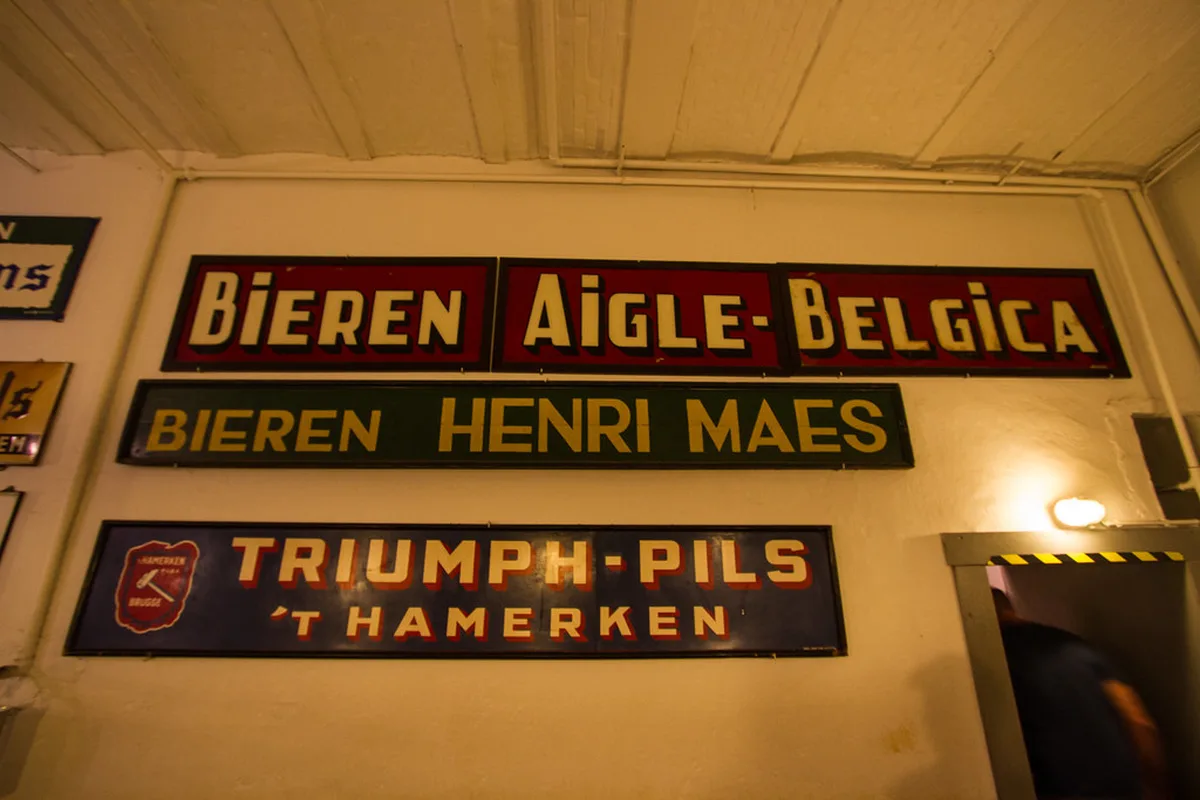
The guided brewery tour runs at €16 per person in 2026 and includes a tasting at the end. Tours operate several times daily and typically last 45 minutes. Booking online in advance is strongly recommended because popular evening slots sell out several days ahead during the summer peak season from June through August. The tour covers the full production process from malt to bottle, and the rooftop section provides exceptional panoramic views of Bruges that are worth the price of admission on their own. Children are admitted to the tour but cannot participate in the tasting; families typically visit during the day rather than the evening.
The taproom and courtyard stay open until 9 PM most evenings, making this an ideal first stop that bridges daytime sightseeing and evening bar-hopping. Pairing the brewery visit with a walk to 't Bruges Beertje fifteen minutes away creates a natural opening chapter to your nightlife evening — you begin with the technical story of how the beer is made, then move on to the encyclopedic selection of bars that stock hundreds of other breweries' work. The brewery also runs a restaurant if you need to eat before the evening proper begins; the kitchen closes at 8 PM.
Note that De Halve Maan is also famous for its underground beer pipeline, a 3.2-kilometer stainless steel pipe that runs from the brewery to a bottling plant outside the historic center. The pipeline was installed in 2016 to eliminate hundreds of tanker truck journeys through Bruges's narrow medieval streets each year, and it now moves 6,000 liters of beer per hour. This engineering story resonates with visitors who approach beer as a cultural artifact rather than just a refreshment.
Jazz Bars, Live Music, and Lokkedize
Bruges has a genuinely active live music scene concentrated in a handful of intimate venues that operate below the radar of most tourist guides. Lokkedize (Korte Vulderstraat 33) is the best-known jazz and folk venue in the city, hosting live acts most Thursday through Saturday evenings from around 8 PM. The room is small — perhaps 60 covers — which means even when the act is unfamiliar, the proximity to the musicians creates an intensity that larger concert venues cannot replicate. Entry is typically free or involves a small cover of €2–5 depending on the act, and drinks are priced at normal Bruges bar rates of €4–6. Lokkedize also has an excellent selection of Belgian whiskey-adjacent spirits if you want to step away from beer for a session.
The bar opens early enough for dinner, and the kitchen serves simple but well-executed Belgian dishes until around 10 PM. Arriving for dinner gives you the best chance of securing a table before the live music draw brings in the evening crowd. The playlist between live sets leans toward classic jazz, acoustic folk, and soul, which keeps the atmosphere relaxed even at peak occupancy. This is the venue most likely to result in a conversation with local Bruges residents — the tourist-to-local ratio here is much more balanced than at the Markt-adjacent bars.
Beyond Lokkedize, the 2be Beer Wall on Wollestraat provides a different kind of entertainment: an entire wall of Belgian beers available for take-away or on-site drinking on a large waterfront terrace. This is a more casual, daytime-into-evening experience than a dedicated music venue, but the atmosphere on a warm evening with views across the canal is hard to beat. The selection covers over 500 Belgian beers available to purchase retail, and staff will explain the differences between them if you ask. It operates more like a beer shop with seating than a traditional bar, but the terrace functions as an informal gathering point for early-evening drinking before the proper bar circuit begins.
Retsin's Lucifernum on Twijnstraat deserves a mention for sheer eccentricity: this private club-like bar operates within a Gothic building and features a deliberately theatrical interior of religious iconography, taxidermy, and candlelight. It is not always open to the public and operates irregular hours, making it the kind of discovery that rewards spontaneous evening walks. When it is open, the atmosphere is unlike anywhere else in Bruges — genuinely strange, memorably atmospheric, and staffed by people who take their aesthetic extremely seriously.
Cocktail Lounges and Contemporary Hangouts
If you need a break from heavy ales, the city offers several sophisticated lounges specializing in mixology that provide a stylistic counterpoint to the medieval beer-cellar aesthetic. Groot Vlaenderen stands out as the premier destination for high-end cocktails in a refined, elegant setting that feels genuinely cosmopolitan rather than tourist-facing. The bartenders treat drink preparation as an art form, using premium spirits and fresh, locally sourced ingredients to create cocktails priced at €13–17 each. Including a stop here in your Bruges 3 day itinerary adds a touch of luxury that provides welcome contrast to the rustic beer culture.
Modern design fans will appreciate B-In, a sleek lounge located right along the scenic Minnewater canal. The minimalist interior and ambient lighting create a trendy atmosphere that feels distinct from the medieval surroundings outside, and the terrace is one of the best seats in the city on a clear evening. They offer a wide range of gin and tonic pairings that are particularly refreshing during the summer months, with premium gins priced at €12–15 depending on the label. The cocktail program changes seasonally, and the bar manager keeps pace with broader European mixology trends, meaning the menu in 2026 includes a strong selection of low-ABV aperitif-style drinks that are increasingly popular with health-conscious travelers.
The peak time for these contemporary spots usually falls between 10 PM and midnight on weekends, after the dinner crowd has dispersed and before the late-night dance club patrons arrive. Many locals dress up slightly more for these venues than they would for a standard neighborhood pub — smart casual is the operative standard, and trainers are generally fine as long as they are clean and not sports-specific. Consider making a reservation if you are traveling with a group of four or more people, particularly on Friday and Saturday nights when demand for the better tables can be competitive. Small plates and appetizers are often available to accompany your drinks until the kitchen closes for the night, typically around 11 PM.
Liberty's offers a more casual but still modern environment for evening socializing, functioning as a reliable bridge between the quiet beer bars of the old town and the higher-energy dance clubs near the Eiermarkt. This spot is known for friendly service, a music selection that runs from soul and funk to current electronic, and an approachable price point of €8–11 for cocktails. It works particularly well as a third stop in an evening that begins at a historic beer bar and ends at a dance club, providing a mid-evening gear change in atmosphere without a sudden shift in energy level.
Late Night Dancing and Clubbing Options
Bruges is not a massive clubbing capital like Brussels or Antwerp, but it still offers several energetic dance floors that sustain genuine atmosphere into the small hours of the morning. The scale of the scene is actually a feature rather than a limitation: you are never more than ten minutes' walk from the next venue, and the compact geography means the whole late-night crowd funnels into a small number of good rooms rather than being diluted across dozens of mediocre ones. Ma Rica RoKK is a staple of the local scene, located conveniently near the Eiermarkt square in a spot that benefits from constant foot traffic from people moving between bars and clubs. The music here typically features a mix of current chart hits, classic dance anthems, and R&B tracks, with the DJ calibrating the set to the crowd rather than following a rigid format. Expect a young and enthusiastic crowd that keeps the party going until the early morning hours, with the room usually peaking in energy between 1 AM and 3 AM.
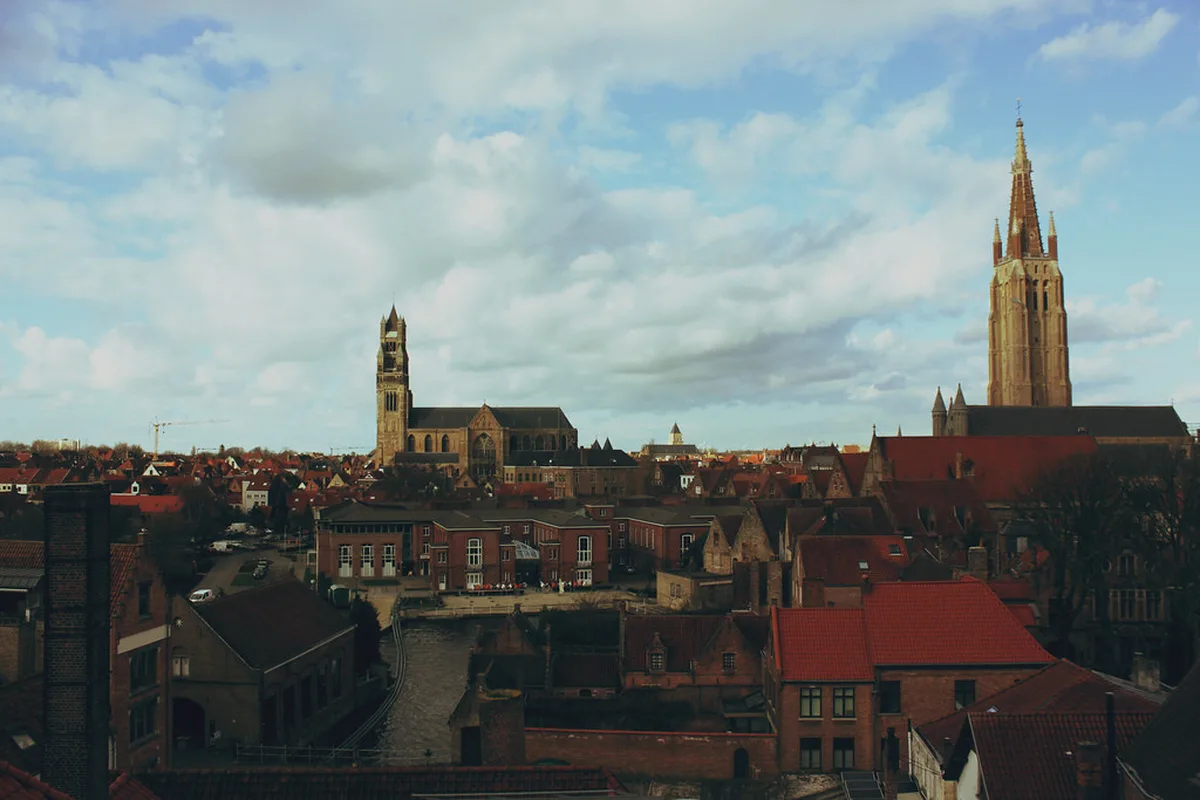
The Bras Café is another popular choice for those who enjoy a themed party atmosphere with frequent special events. They host DJ sets and themed nights that attract a diverse mix of students and tourists, and the programming is varied enough that visiting on consecutive weekends will feel like two different experiences. Entry fees in 2026 are usually modest — €3–6 for standard nights, rising to €8–12 for special events — making it an accessible option for budget-conscious travelers. If you are driving to Bruges for an evening out, check parking in Bruges before your night out to avoid steep late-night fines and understand which car parks have 24-hour access.
Dance venues in the city generally start to fill up after midnight once the pubs begin to wind down and people transition from sitting to moving. Closing times for these clubs typically extend to 4 AM or 5 AM on Friday and Saturday nights, with weeknights finishing earlier around 2 AM or 3 AM. Security is present at most entrances to ensure a safe environment for all patrons throughout the night, and the general standard is professional and low-drama. Keep your identification ready as age checks are standard practice for anyone appearing under 25, and Belgian law requires venues to enforce a minimum age of 18 for alcohol service without exception.
Navigating back to your accommodation after a night out is straightforward as the city remains well-lit and walkable throughout the night. A self-guided Bruges walking tour completed during the day is the best way to learn the layout before your night out, so you are not consulting a map at 3 AM. There is no Uber in Bruges, and while taxis are available at designated stands near the Markt, they are expensive — expect €10–15 for a short ride within the historic center and €15–25 to a hotel outside the walls. Most travelers find that the compact nature of the city makes taxis unnecessary unless their hotel is genuinely remote or weather is severe.
Late-Night Food: Waffles, Frites, and After-Bar Eating
One of the most pleasant surprises in Bruges nightlife is the quality of late-night food available to sustain an evening of beer drinking. Belgian waffles sold from street stalls and dedicated waffle shops near the Markt are available until midnight on most nights and until 1–2 AM on weekends, with prices of €4–6 for a standard Liège waffle with toppings. The Liège waffle — denser, sweeter, and cooked from a yeasted dough rather than a batter — is the version worth eating after dark, as it holds heat better and fills the stomach more effectively than the thinner Brussels-style waffle. Toppings range from plain and sugar-dusted at €4 to full chocolate and fruit arrangements at €6–8.
Belgian frites remain the definitive late-night food. The fritkot near the Markt typically operates until 2 AM on weekends, selling paper cones of double-fried frites with a wide selection of Belgian sauces that extend well beyond ketchup and mayonnaise to include andalouse, samurai, and the region-specific cocktail sauce. A standard portion costs €3–4, making this the most economical late-night option in the city. The quality is consistently high because Belgian frite culture treats the dish with genuine seriousness: the potatoes are cut fresh, fried twice, and served immediately rather than sitting under a heat lamp.
Most restaurant kitchens stop serving food by 9:30 PM or 10 PM at the latest, which catches visitors from late-dinner cultures by surprise. If you plan to eat a proper meal during your evening, build your schedule around this constraint rather than assuming you can find restaurant food after 10 PM. A few pizza and döner establishments near the Langestraat and Eiermarkt keep later hours — some serving until midnight or beyond — but these are casual options rather than sit-down dining. Planning a dinner reservation at 7 PM before your bar circuit begins is the most reliable approach, leaving the rest of the evening free for bar-hopping without the logistical pressure of finding late food.
Bar snacks are available at most specialized beer bars and are often complimentary or inexpensive. 't Bruges Beertje serves small portions of local cheese and charcuterie that pair well with Belgian ales, typically costing €5–8 for a small plate. De Garre's house tripel comes with a small snack included in the price. These small bites across multiple bars can effectively replace a formal meal if you pace your evening correctly, arriving at each bar hungry enough for a snack and leaving before you need a full dish.
Local Nuance and Common Nightlife Mistakes
Bruges enforces a strict quiet city policy to protect the peace of residents living in the historic center. This means that shouting or loud behavior on the streets between bars is strictly discouraged by local authorities, and police patrols are common in the late-night hours. Officers will politely but firmly remind groups to keep their volume down when walking through residential zones, and persistent noise violations can result in formal warnings. Respecting this local nuance ensures that the city remains a welcoming place for future travelers and that the resident population does not build political pressure to close venues earlier — a dynamic that has already constrained nightlife in some other Belgian cities.
The city becomes genuinely quiet after midnight. Unlike Amsterdam or Brussels, Bruges does not have a 24-hour economy or the density of people needed to sustain late-night street life beyond the immediate vicinity of the dance clubs. If you leave a club at 3 AM and walk two streets away from the Eiermarkt, you will find yourself entirely alone in a medieval city lit only by streetlamps and canal reflections. This is actually extraordinary — do not mistake it for danger. The city is safe; it is simply sleeping. Walk slowly, look at the buildings, and enjoy the rare experience of having a UNESCO World Heritage Site entirely to yourself.
Tipping etiquette in Belgian bars is straightforward: service charges are typically included in the price of your drink. Rounding up to the nearest Euro is appreciated but not mandatory for standard bar service. For exceptional table service in a cocktail lounge, a small additional tip of 5–10 percent is generous and will be genuinely appreciated. Most venues now accept contactless payments including Visa, Mastercard, and Apple Pay, but carrying €20–30 in cash remains useful for smaller traditional pubs, some of which still operate cash-only or charge a surcharge for card payments below €10.
Sunday through Wednesday nights are significantly quieter than the bustling weekends. Some smaller bars close on Mondays or Tuesdays, and the dance clubs rarely open at all mid-week. Check the official social media pages of specific venues if you have your heart set on a particular spot during a weekday visit. Mid-week travelers can still find plenty of open pubs, and the atmosphere is often more conducive to genuine conversation with locals than the louder weekend scene. The beer bars — 't Bruges Beertje, Café Vlissinghe, Le Trappiste — are generally open seven days a week, so even a quiet Tuesday can be an exceptional evening if your focus is Belgian beer culture rather than dancing.
Getting back to Brussels or your next destination the following morning is straightforward. Direct trains run from Bruges station to Brussels Midi every 30 minutes and take approximately 60 minutes, with tickets costing €15–20 in 2026. The first departure is around 5:30 AM, meaning a very late night is still compatible with an early morning connection. Ghent is only 25 minutes away by train, making it an easy half-day addition if you are extending your time in Belgium after your Bruges night out.
Frequently Asked Questions
What time do bars usually close in Bruges?
Most traditional pubs and beer bars in Bruges close between midnight and 2 AM on weeknights. On weekends, lively spots near the Eiermarkt square and dance clubs stay open until 4 AM or 5 AM. Historic beer bars like 't Bruges Beertje typically close around 1 AM seven days a week. Always check the specific venue's social media page as hours vary by season — some extend summer hours and reduce winter hours by 60–90 minutes.
Is the nightlife in Bruges safe for solo travelers?
Yes, Bruges is considered one of the safest cities in Europe for nightlife. The historic center is well-lit throughout the night, police patrols are regular, and the city enforces a strict quiet hours policy that keeps street behavior civil. Solo travelers should stick to populated areas near the Markt and Eiermarkt after 2 AM. The city becomes genuinely quiet after midnight — this is normal and reflects Bruges's small resident population, not any safety concern.
Are there any dress codes for clubs in Bruges?
Most bars and clubs in Bruges operate a casual or smart-casual dress code. Clean jeans and a decent shirt or blouse are perfectly acceptable everywhere in the city, including cocktail lounges. Avoid sportswear, dirty trainers, or beachwear for evening venues. The beer bars have no dress code whatsoever — Café Vlissinghe has been welcoming people in work clothes since 1515. Dance clubs near the Eiermarkt may enforce a slightly stricter door policy on busy weekend nights.
What is the best time of year for nightlife in Bruges?
Summer (June to August) offers the most vibrant atmosphere with outdoor canal-side terraces, evening festivals, and the highest concentration of visitors keeping bars busy seven nights a week. Winter, especially December during the Bruges Christmas Market, provides a magical cozy atmosphere with heated pub interiors and festive decorations. Shoulder months (April–May and September–October) offer the best balance of good weather, manageable crowds, and fully operational venues. Check the best time to visit Bruges to align your trip with specific festivals.
How do I get back to my hotel after a night out in Bruges — is there Uber?
There is no Uber in Bruges. Taxis are available at designated stands near the Markt square and are metered — expect €10–15 for a ride within the historic center and €15–25 to hotels outside the walls. The good news is that Bruges is genuinely walkable; most hotels inside the historic center are within a 15-minute walk of the main nightlife cluster. Walking at night is safe, the streets are well-lit, and the city is compact enough that getting lost simply means discovering another canal.
How much should I budget for a night out in Bruges in 2026?
Budget approximately €20–35 for a relaxed evening of Belgian beers at specialist bars, assuming 4–5 drinks at €4–7 each. A cocktail lounge evening costs more — plan €40–60 for cocktails at €12–17 each plus a snack. Dance club entry adds €3–8. Late-night waffles or frites add €4–6. A full evening starting at De Halve Maan (brewery tour €16), moving through the beer bars, and ending at a dance club runs €50–80 all-in, which is excellent value compared to equivalent nights in Amsterdam or Paris.
Bruges offers a nightlife scene that is genuinely unique in Europe: world-class Belgian beer culture concentrated in medieval buildings within a walkable historic center that enforces the quiet and safety that makes the evening feel civilized rather than chaotic. By starting at De Halve Maan for a brewery tour at €16, moving to 't Bruges Beertje for a beer education at €4–7 per pour, discovering De Garre's hidden alley for a legendary tripel at €5–7, and finishing at a canal-side cocktail lounge or dance club near the Eiermarkt, you can build an evening that covers the full range of what this extraordinary city offers after dark. Respect the quiet city policy, grab a late waffle at €4–6, and walk back to your hotel through streets that have been doing this for five hundred years.