Finding the Best Time to Visit Bruges for Every Traveler
Best months to visit Bruges: April–May and September–October. Temperatures hit 12–17°C, crowds are manageable, and hotels average €90–€140/night. Avoid July–August when this UNESCO canal city draws 8M+ visitors/year and canal boat queues top 60 minutes.
December is worth the cold for the free Winter Glow Christmas Market at Markt and Simon Stevinplein — mulled wine costs €4/cup, the ice rink at 't Zand charges just €5 skate hire, and the illuminated Belfry makes this Bruges's most photogenic month.
Bruges resembles a beautiful storybook setting regardless of the specific month you choose to arrive. Finding the best time to visit Bruges ultimately depends on whether you prefer warm canal tours or snowy Christmas markets, tulip bloom walks or festival-filled summer evenings. Spring offers blooming daffodils while winter brings a festive glow to the medieval streets of this UNESCO World Heritage city. Every season provides a unique perspective on this historic Belgian treasure — the key is matching your priorities with the right month on the calendar.
Month-by-Month Weather, Crowds, and Hotel Prices
Understanding Bruges by the month lets you match your trip to your exact tolerance for cold, crowds, and cost. The city sits in maritime Belgium, which means mild winters and rarely scorching summers — a forgiving climate for travel year-round.
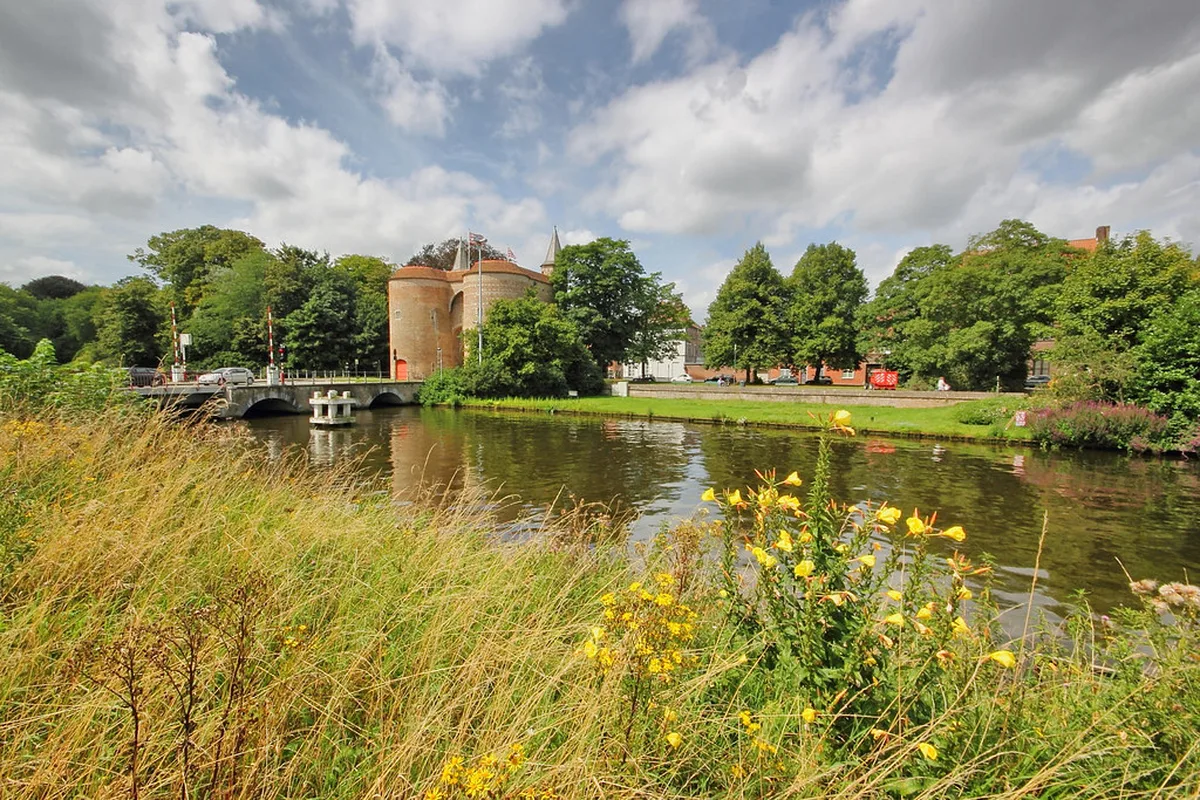
January (avg 3°C, lows 0°C): The quietest month of the year. Hotels in the old town drop to €60–€90/night for 3-star properties. The Christmas market has closed but the city is still decorated through early January. Canal fog lingers into mid-morning, creating atmospheric photography conditions. Major attractions have no queues.
February (avg 4°C, lows 1°C): Still off-season pricing at €65–€95/night. Every two years (next: February 2026), the Bruges Beer Festival fills the Hallengebouw — a 600-beer showcase that draws enthusiasts from across Europe. Book accommodation 3–4 months ahead for festival weekend. Chocolate shops and waffle houses are at their most relaxed.
March (avg 8°C, lows 3°C): The shoulder season begins. Prices tick up to €80–€110/night as Easter approaches. The Begijnhof daffodils emerge in late March. Days lengthen noticeably and the first organized guided tours resume.
April (avg 12°C, lows 5°C): One of the best months overall. Tulips bloom across Belgium and the Dutch border regions; a day trip into the polders west of Bruges rewards with swaths of colour. Hotel rates €90–€120/night. The Ascension Day Procession of the Holy Blood (UNESCO-recognised, held Thursday after the 5th Sunday of Easter) falls in May but late April preparations add atmosphere to the city.
May (avg 15°C, lows 8°C): The Procession of the Holy Blood (2026 date: 14 May) is the city's most iconic festival — a 2,000-person medieval pageant carrying a relic of Christ's blood through the streets. Viewing is free from the route edges; grandstand seats cost €15–€20 and sell out months in advance. Rates €100–€130/night.
June (avg 18°C, lows 11°C): Tourist numbers climb but haven't reached peak. Long evenings (sunset after 9:30 PM) allow full-day exploration. Canal boat queues run 20–30 minutes at midday. Rates €120–€150/night.
July–August (avg 21–22°C, lows 13°C): Peak season. Hotels average €150–€220/night in the historic centre; budget options outside the ring road run €90–€120. Canal boat queues reach 45–60 minutes between 11 AM and 4 PM. Book accommodation at least 3 months in advance. The upside: maximum daylight, outdoor terraces fully open, and the full calendar of summer concerts.
September (avg 17°C, lows 10°C): Arguably the finest month to visit. Summer warmth lingers, crowds thin dramatically after the first week, and rates drop to €110–€140/night. Ivy on the Rozenhoedkaai buildings begins turning amber by late September.
October (avg 13°C, lows 7°C): Autumn colour peaks. Rates fall to €90–€110/night. Rain becomes more frequent but a quality waterproof jacket keeps all itineraries on track. The light is warm and low, ideal for canal photography in the late afternoon.
November (avg 7°C, lows 3°C): The Christmas market opens in late November, typically the last weekend of the month, at Markt and Simon Stevinplein. Entry is free. Rates €80–€100/night in the quiet early weeks, rising for December.
December (avg 4°C, lows 1°C): The most visually spectacular month. Lights, market chalets, hot gluhwein at €4–€5/cup, and an ice rink at 't Zand (skate hire €5). Rates €110–€160/night during the market period. Book by September for December weekend stays.
Spring in Bruges: Flowers and Fewer Crowds
March marks the beginning of spring when the city slowly wakes up from its quiet winter slumber. Daffodils carpet the historic Begijnhof area during late March, creating a stunning yellow landscape for visitors to photograph. Temperatures typically range between 8°C and 15°C, making it ideal for a Bruges walking tour through the cobbled alleys. Expect fewer tourists compared to summer, though the Easter weekend often sees a sudden spike in local visitors driving hotel rates up by 20–30%.
April is arguably the most underrated month for photography. Morning light arrives earlier each day, and the canal water reflects pastel-coloured facades with no punter traffic until after 9 AM. The Minnewater Lake — the so-called Lake of Love — is framed by cherry blossom trees in early April, typically peaking around the first or second week. A round-trip walk from the Markt to Minnewater and back through the Begijnhof takes around 90 minutes and costs nothing beyond coffee along the way.
For tulip enthusiasts, April also opens the Belgian and Dutch borderlands to spectacular colour. The area around Damme, just 7 km northeast of Bruges by bicycle (a flat, traffic-free path along the canal), features tulip fields that rival the famous Keukenhof displays at a fraction of the price. Admission to Keukenhof is €23 in 2026; the Damme route is free, and you can rent a bicycle in Bruges city centre for €10–€15/day. The riding season typically peaks in the second and third weeks of April.
The Procession of the Holy Blood in May is the city's most prestigious annual event. This UNESCO-recognised procession, held on Ascension Day, dates to 1291 and draws around 40,000 spectators lining the route through the historic centre. The procession features 2,000 participants in medieval and biblical costumes, ending at the Basilica of the Holy Blood on the Burg square. In 2026 the procession falls on 14 May. Arrive by 9:30 AM to secure a pavement spot; the route is 1.5 km long. Grandstand tickets at €15–€20 per person can be purchased via the official city tourism website from January.
- Begijnhof Daffodil Bloom
- Type: Nature event
- Best for: Photography
- Where: Begijnhof Ten Wijngaerde
- Cost: Free access (Begijnhof courtyard entry free; museum inside €4)
- Peak: Late March to early April
- Procession of the Holy Blood
- Type: UNESCO-recognised religious parade
- Best for: Culture, history
- Where: Burg Square to Markt and surrounding streets
- Cost: Free route viewing; grandstand €15–€20
- 2026 Date: 14 May (Ascension Day)
- Damme Tulip Cycling
- Type: Countryside excursion
- Best for: Nature, cycling
- Where: Canal path north to Damme
- Cost: Bike hire €10–€15/day
- Peak: Second and third week of April
Summer Splendor: Peak Season Activities
Summer brings the warmest weather with averages reaching a comfortable 21–22°C during July and August. Long daylight hours — sunset approaches 10 PM at the solstice — allow travelers to explore the city until late in the evening. The terraces along the Rozenhoedkaai fill with diners, jazz drifts from pub doorways in the Langestraat quarter, and the canal reflects gold at dusk. These are genuinely beautiful evenings, but they come with a trade-off: this is also when Bruges is at its most congested.
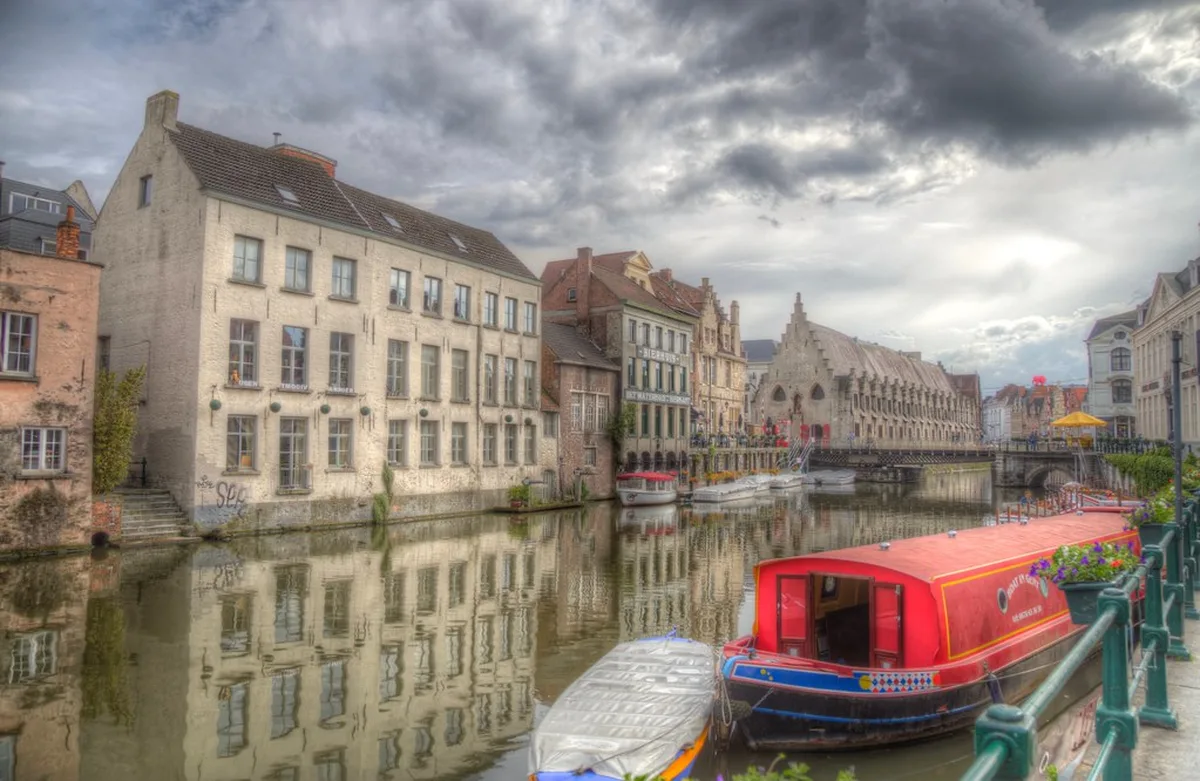
Canal boat tours are the city's most popular activity during summer, though queues often exceed 45 minutes at the central departure points near Rozenhoedkaai and Dijver between 11 AM and 4 PM. The solution is simple: book the first departure of the day, which runs at 10 AM from most operators. Tickets cost €10 per adult, €6 for children under 12 in 2026. Each boat carries 12–16 passengers and tours last 30 minutes. Three operators compete for business along the Dijver, so if one has a queue, walk 200 metres to the next.
Hotel rates in the historic centre peak at €150–€220/night for 3-star properties from late June through August. The same rooms in September drop by 20–30%. If your dates are flexible, the first two weeks of June offer near-summer weather at shoulder prices (€120–€150/night). For budget stays, the hotels and B&Bs on the western side of the ring canal, a 10-minute walk from the Markt, run €90–€120 even in peak season.
Bruges does not host a major summer music festival of its own, but the city sits within easy reach of several Belgian festival sites. The Bruges summer concert series takes place in the courtyard of the Gruuthuuse Museum on select July and August evenings (tickets €25–€35, programme published in May). The courtyard seats 200 and sells out fast. Separately, the Zomer van Antwerpen festival, a 90-minute train ride away, runs July–August with free outdoor stages — a viable day excursion from a Bruges base.
Visiting major attractions: the Belfry tower (€14 in 2026, 366 steps, cash and card accepted) has a 30-minute wait on average in July mornings and up to 90 minutes in the early afternoon. The Groeningemuseum (€14, closed Tuesdays) rarely queues but sell-out blockbuster exhibitions do happen — check ahead online. The Memling in Sint-Jan museum (€15 in a combined ticket with the main hospital) is off the main tourist drag and typically wait-free even in peak season.
Autumn Gold: Romantic Canals and Crisp Air
September remains mild at 17°C and offers a peaceful transition as the heavy summer crowds depart the city centre. This is when many seasoned Bruges visitors deliberately time their return — the city is still warm enough for outdoor dining, but canal boats run with no queues and the Belfry has no line after 10 AM. Hotel rates drop to €110–€140/night from the July–August peak, and the quality of light improves considerably for photography as the sun tracks lower in the sky.
The ivy covering many historic buildings turns deep shades of red and orange by the middle of October, transforming familiar canal views into something extraordinary. The Groenerei canal, lined with medieval almshouses, is particularly spectacular in mid-October when the overhanging trees turn gold. Photographers who arrive at 8 AM before the first tourist boats catch still water reflections under soft autumn light — a combination that is impossible to replicate in the busy summer months.
October cooling (average 13°C) makes outdoor activity more comfortable for those who find Mediterranean-style heat draining. Walking the full circuit of the city walls — 7 km along the ring canal path — is a pleasure in autumn temperatures that would be tiring in July. The path passes four of the city's original windmills, of which three are still operational and open for visits (entry €5 each). The Sint-Janshuis mill at the eastern edge of the ramparts operates on weekend afternoons until end of October.
Cooler evenings are perfect for diving into the local Bruges nightlife guide to find cozy beer cellars. The Belgian lambic and Trappist ales are best appreciated in a proper bruin kroeg — a dark-panelled old bar — and autumn gives them a contextual rightness that summery terrace drinking lacks. t'Brugs Beertje on Kemelstraat stocks over 300 Belgian beers; half-pints start at €3.50, larger pours at €5–€7. No reservation needed outside of peak festival weekends.
For those visiting in November, the city transitions gracefully into its Christmas persona. The Christmas market typically opens on the last weekend of November and runs through 1 January. Early visitors — arriving in the first week of the market before word spreads — find the wooden chalets fully stocked, the mulled wine warm, and the Instagram-famous ice rink at 't Zand uncrowded. November hotel rates of €80–€100/night make this an excellent value window.
Winter Magic: Christmas Markets and Cozy Vibes
December transforms Bruges into what many visitors consider its most photogenic form. The Bruges Christmas Market — officially the Winter Glow — runs from late November through 1 January and is entirely free to enter. In 2026 the market spans two main sites: the Markt square, dominated by a large decorated Christmas tree and surrounded by wooden chalets selling crafts, chocolate (€4–€8/bag), pralines, and mulled wine (€4–€5/cup); and Simon Stevinplein, where the ice rink operates daily (skate hire €5, rink entry free for spectators). A third cluster of stalls near the Minnewater adds a quieter, more romantic dimension away from the busiest crowds.
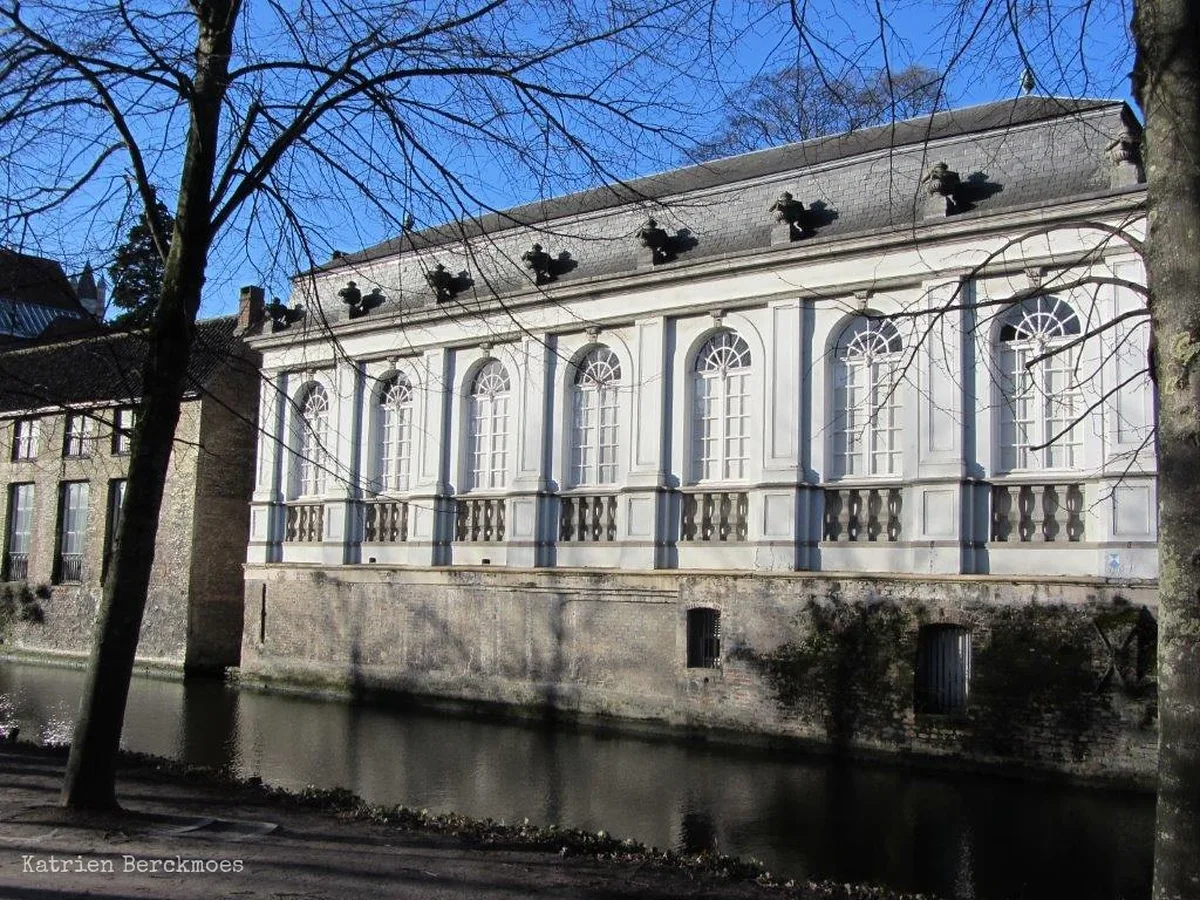
The lighting scheme for the Christmas period is genuinely spectacular and unique. Bruges uses a city-wide warm-white LED canopy system along the main shopping streets, while the Markt Belfry is illuminated in changing seasonal colours from dusk. The best time for the iconic shot — Markt square with the illuminated Belfry, foreground chalets, and no obstructing tourists — is between 5:30 PM and 6:00 PM on a weekday, just as traders light up but before the evening restaurant crowd arrives. Weekends require earlier timing (5:00–5:30 PM).
Hotel rates during the Christmas market period range from €110–€160/night for central 3-star options, representing reasonable value given the demand. Weekday stays in early December (before the 15th) are measurably cheaper than weekend stays; a Thursday check-in for two nights can save €40–€80 versus a Friday–Sunday booking for the same property. Most central hotels are within a 10-minute walk of the main market site.
January and February are the quietest months, offering the lowest prices for a Bruges 3-day itinerary at just €60–€90/night in the off-season. January averages 3°C with daytime highs rarely above 6°C, so dressing in layers is essential — but the reward is a city that belongs almost entirely to locals. The Groeningemuseum and Memling in Sint-Jan museum have no queues whatsoever. Canal reflections on still winter water, framed by bare willow branches, are a favourite subject for architectural photographers who visit specifically in January and February for exactly this reason.
The Bruges Beer Festival, held every two years in the Hallengebouw, is the winter calendar's most significant specialist event. The festival runs over a single weekend in February and showcases around 600 Belgian beers from 80+ breweries. Entry costs €15 in advance (€18 on the door) and includes a branded tasting glass. The 2026 edition falls in February — check visitbruges.be for the exact weekend. Hotel rates spike 25–40% over Beer Festival weekend in an otherwise rock-bottom month, so book early.
Be prepared for rain or occasional sleet, as temperatures frequently hover around 3–4°C during the short winter days. A good waterproof jacket, waterproof walking shoes, and gloves are essential kit from November through March. Fog, while infrequent, creates a genuinely eerie and photogenic atmosphere when it settles over the canals — experienced photographers check the weather forecast and specifically plan around foggy mornings for once-in-a-trip images.
Strategic Timing: How to Avoid the Day-Trip Rush
Bruges experiences a significant influx of day-trippers from Brussels and cruise ships between 11 AM and 4 PM, particularly from April through October. The Bruges train station is just a 15-minute walk or 5-minute bus ride from the Markt, and direct trains from Brussels run every 30 minutes (journey time 55 minutes, single fare €14–€17 in 2026). Cruise ships dock at Zeebrugge, 15 km away, with shuttle buses depositing passengers in the city centre around 10 AM — their returns typically leave at 4–5 PM, creating a predictable ebb and flow.
Staying overnight allows you to experience the Bruges old town in near silence after the sun sets. The Markt square after 8 PM on a summer evening is a genuinely different city from the midday chaos. Restaurant tables become available without reservations, canal boat operators offer evening sunset tours (where available, typically May–September, last boat around 7 PM), and the Belfry carillon rings on the quarter-hour with no competing crowd noise. If you can only do one thing differently from a day visitor, staying overnight is it.
Early morning walks before the first trains arrive provide the best opportunities for crowd-free photos of the Belfry tower and the Rozenhoedkaai. In summer, aim for 7:00–8:30 AM. In spring and autumn, 8:00–9:30 AM works well. The city wakes up slowly — most tourist shops and cafes open between 9:30 and 10:30 AM — so an early riser has the cobblestones essentially to themselves. The light on the eastern-facing facades of the Markt is best in the morning, which aligns perfectly with this timing.
If you arrive by car, understanding the rules for parking in Bruges will save you time during these busy hours. The historic centre is almost entirely car-free; the main paid parking facilities are at the 't Zand underground car park (€2.50/hour, maximum €10/day) and the Katelijnepoort car park (€1.50/hour). Both have shuttle connections to the Markt. Arriving before 9 AM guarantees a space in peak season; arriving after 10:30 AM on a summer weekend may mean a 15-minute wait for a bay.
For those planning multiple Belgian city visits, Bruges pairs naturally with Ghent (25 minutes by train, single fare €9) and Antwerp (75 minutes, €18). A 3-city Belgian itinerary with Bruges as the overnight base allows day trips to both without duplicate hotel moves. You can compare cities directly in our Bruges vs Ghent comparison to decide which deserves the longer stay. Day-trippers arriving in Bruges from both cities contribute to the midday peak, so overnight Bruges guests who begin their days early have a significant quality advantage.
Bruges Crowd Levels by Season: What 8 Million Annual Visitors Mean for Your Trip
Bruges receives over 8 million visitors per year — an extraordinary number for a city with a permanent population of just 120,000. That ratio (roughly 67 tourists per resident) puts Bruges among the most visited small cities in Europe by density, alongside Venice and Dubrovnik. Understanding how those 8 million arrivals are distributed across the year is the single most useful piece of planning information you can have before booking.
Winter (January–February): The quietest period by a significant margin. Crowd pressure drops to its annual low point. Canal boat operators reduce frequency; some close entirely in January. Major attractions — Belfry, Groeningemuseum, Memling in Sint-Jan — have no queues. The Markt square is spacious enough to cross without navigating tourist clusters. Hotel rates reflect this: €60–€90/night for central 3-star rooms. If experiencing the authentic daily life of Bruges is your priority, January is your month. The Bruges Beer Festival in February (every two years; next 2026) creates a brief spike — hotel prices jump 25–40% over that specific weekend — but crowds are still far below summer levels.
Spring (March–May): Crowd levels build progressively. March remains manageable; April sees a noticeable uptick as European school holidays align with the Easter period. The Procession of the Holy Blood on 14 May 2026 draws 40,000 spectators for a single-day event — canal access near the Burg is restricted and accommodation within the historic core fills months in advance. Outside that single event, May is still well below peak summer pressure. Canal boat queues run 15–25 minutes at midday, compared to 45–60 minutes in July.
Early Summer (June): The transition month. Crowds are building but haven't yet reached peak saturation. Day-tripper trains from Brussels (55 minutes, every 30 minutes from Brussels-Midi) start filling up on weekends. Canal boat queues reach 20–35 minutes. The benefit: June offers near-summer warmth with somewhat better crowd dynamics than July or August. Hotel rates in the €120–€150/night range represent the last shoulder window before peak pricing kicks in.
Peak Summer (July–August): This is when the full weight of 8 million annual visitors concentrates. Day-tripper buses from Zeebrugge cruise ship terminals, coach parties from Amsterdam and Paris, school holiday families, and weekend visitors from Brussels all converge simultaneously. The Markt square between 11 AM and 3 PM in August is genuinely congested — navigating between the Belfry and the canal takes twice as long as at any other time of year. Canal boat queues hit 45–60 minutes. Key attractions require pre-booking: Belfry tickets should be reserved a week ahead on peak weekends to secure a specific time slot. Hotel rates peak at €150–€220/night.
The practical workaround for summer visitors: structure your days to front-load sightseeing before 9:30 AM and shift to cafes, museums, or Bruges old town exploration after 5 PM when day-trippers retreat to their buses. The city transforms after 7 PM — canal boats return to their moorings, the Markt empties, and the evening terrace culture emerges. Overnight guests have access to this quieter Bruges that no day-tripper will ever see.
Early Autumn (September–October): The single best crowd-to-weather ratio of the entire year. After the first week of September, day-tripper volume drops sharply as European school terms resume. Canal boat queues fall to under 10 minutes. The Belfry is walk-up accessible with no pre-booking required. Hotel rates drop to €90–€140/night while temperatures remain comfortable at 13–17°C. October adds autumn foliage along the canal banks — the Groenerei and Rozenhoedkaai in mid-October with their amber tree canopy attract photographers specifically for this colour combination.
Late Autumn and Christmas (November–December): The Christmas Market (Winter Glow, late November to 1 January) creates a distinct crowd pattern — moderate but festive. Weekend evenings in December, particularly from 10 to 24 December, are the busiest non-summer period. Weekday afternoons in early December remain pleasantly uncrowded. The Pageant of the Golden Tree — a spectacular historical procession held every five years in the city's historic centre — next occurs in 2027, so 2026 visitors will miss it, but its reputation gives a sense of the extraordinary events Bruges stages on a cycle. For 2026 December visitors, the Christmas Market itself is the anchor: two sites, free entry, and a Belfry lit in seasonal colours from dusk make this the most atmospheric low-budget visit available anywhere in Belgium.
Bruges for Photographers: Fog, Light, and Timing by Season
Photography is one of the most compelling reasons to choose a non-peak travel window in Bruges, and the city's canal-laced architecture rewards those who understand seasonal light. This is a dimension almost entirely absent from the standard tourist literature but critical for travellers who care about images.
Winter fog — most common December through February — is arguably Bruges's most dramatic photographic condition. When low pressure systems sweep in from the North Sea overnight, morning fog settles over the canals and doesn't lift until 10–11 AM. The result is a scene of remarkable atmosphere: the Belfry emerging from white mist, swans gliding through still water, gas-style lamp posts glowing amber in soft grey light. The Groenerei canal between the Meestraat bridge and the Peerdenbrug is the single best vantage point for this shot. Fog days are unpredictable but January has the highest frequency — 4–6 foggy mornings per month on average.
Winter also brings the longest shadows and lowest sun angle, which gives the medieval stone facades of Bruges a texture and warmth impossible to achieve in the flat overhead light of midsummer. Photographers specifically targeting the Belfry's ornamental stonework find that the low winter sun at around 2–3 PM casts the carved details into sharp relief. In July, the same shot at that hour is washed out by near-overhead light. The trade-off is short working days: December sunset is around 4:15 PM, giving just a few golden hours of usable light per day.
Spring light from mid-April onward is the most balanced: long enough days to have both morning and late afternoon golden hours, with the canal-side vegetation providing green context that is absent in winter. The Bonifacius Bridge — the city's most-photographed single structure — is framed by overhanging rose branches in late May and early June, adding a layer of natural foreground interest unavailable at other times.
Summer evening light (July–August) from 7:00 PM onward is the most popular with social media travellers: warm, golden, reflecting off canal water with maximum saturation. The Rozenhoedkaai at 8:30 PM in July is beautiful but competitive — expect 10–30 other photographers at any given moment. The solution is arriving at 7:00 AM before sunrise, when the same canal is empty and the morning light equally warm from the opposite direction.
Autumn's advantage is colour: the ivy and deciduous trees lining the canal banks turn gold and red from mid-October, adding foreground interest that the bare-stone architectural shots of winter lack. The Groenerei in mid-October at 3 PM, with falling leaves and amber tree canopy, is among the most painterly views the city offers. Autumn also has a 15–20% higher chance of clear skies compared to winter, making it the most reliably photogenic season overall.
Frequently Asked Questions
When is the best time to visit Bruges for Christmas markets?
The Bruges Christmas Market (Winter Glow) runs from late November through 1 January and is free to enter. Two main sites operate at the Markt and Simon Stevinplein. The ice rink at 't Zand costs €5 for skate hire. For the quietest, most atmospheric experience, visit on a weekday in early December before 19 December when peak holiday crowds arrive. Hotel rates are €110–€160/night during the market period.
What is the cheapest month to visit Bruges?
January and February are the cheapest months to visit Bruges. Central 3-star hotel rates drop to €60–€90/night compared to €150–€220/night in July and August. All major attractions remain open. The Bruges Beer Festival in February (every 2 years, next in 2026) briefly raises prices over its specific weekend, but the rest of the month remains at rock-bottom rates. Pack waterproof layers for 3–4°C temperatures and short daylight hours.
Is Bruges too crowded in summer?
Summer Bruges (July–August) is crowded between 11 AM and 4 PM, when day-trippers from Brussels and cruise ship passengers from Zeebrugge fill the central squares. Canal boat queues can reach 45–60 minutes at peak hours. The solution: arrive before 9 AM or stay overnight to enjoy the city after 6 PM when day visitors leave. Overnight guests have access to a genuinely quieter city that day-trippers never experience.
What are the main festivals in Bruges in 2026?
In 2026, the key Bruges festivals are: the Bruges Beer Festival in February (600 beers, Hallengebouw, entry €15–€18); the Procession of the Holy Blood on 14 May (Ascension Day, UNESCO-recognised, free route viewing, grandstand seats €15–€20); and the Christmas Market from late November through 1 January (free entry, ice rink €5). Every two years the Beer Festival occurs — 2026 is a festival year, making February 2026 a particularly worthwhile winter visit.
What are typical hotel prices in Bruges by season?
In 2026, Bruges central hotel rates by season: January–February €60–€90/night; March–April €80–€120/night; May–June €100–€150/night; July–August €150–€220/night (peak); September–October €90–€140/night; November €80–€100/night; December (Christmas market) €110–€160/night. Budget B&Bs outside the ring canal cost 20–30% less in any season. Always book 3+ months ahead for July–August and the Christmas market period.
Is Bruges worth visiting in winter outside the Christmas market?
Yes — January and February are genuinely rewarding for visitors who prioritize atmosphere and value over warmth and crowds. Hotel rates drop to €60–€90/night, all museums are open with no queues, and the canal fog unique to winter creates photography conditions unavailable in any other season. The Groeningemuseum, Memling in Sint-Jan (€15 combined ticket), and the Belfry (€14) all have minimal wait times. Bring warm, waterproof clothing for 3–5°C temperatures.
How crowded does Bruges get, and when is it least crowded?
Bruges receives over 8 million visitors per year for a city of 120,000 residents — one of the highest tourist-to-resident ratios in Europe. Peak congestion hits July–August when canal boat queues reach 45–60 minutes and the Markt square is densely packed from 11 AM to 4 PM. The least crowded months are January and February (near-empty streets, no queues) followed by September–October (post-summer, warm temperatures, short waits). Arriving before 9 AM or staying overnight extends access to an uncrowded Bruges that day-trippers never experience.
Choosing the best time to visit Bruges depends entirely on your personal preferences for weather, crowd levels, and budget. Spring (April–May) and early autumn (September) offer the finest overall balance: comfortable temperatures, manageable crowds, and hotel rates well below peak. Winter delivers extraordinary atmosphere at the lowest prices, while summer rewards those willing to structure their days around the crowds with long evenings and full festival calendars.
Spring visitors in late April may want to see our Bruges walking tour to map the most photogenic canal routes. Those planning a longer stay can compare nearby destinations in our Bruges vs Ghent guide. For a structured multi-day plan whatever your season, the Bruges 3-day itinerary covers the essential sights with realistic timing. Those looking to escape the city for a day should explore the options on our day trips from Bruges page. Regardless of the month you choose, this UNESCO-listed city promises an experience that stays with you long after leaving.