The Ultimate Bruges Old Town Guide for 2026
Bruges Old Town is a UNESCO World Heritage medieval city in Belgium. In 2026, top paid attractions include the Historium (€18), Belfry Tower (€14), Groeningemuseum (€14), and the Gothic City Hall (€7); free highlights include the Basilica of the Holy Blood, Begijnhof courtyard, and the Markt square.
Canal boat tours depart from Rozenhoedkaai and cost €12 per adult in 2026. Tours run 30 minutes daily from approximately 10:00 AM to 6:00 PM — no advance booking required. Children aged 4–12 pay €6; under 4s ride free.
Bruges Old Town remains one of the most remarkably preserved medieval urban landscapes in Western Europe today. Visitors exploring in 2026 will find a city that balances its historical heritage with modern traveler comforts. The UNESCO World Heritage designation protects the historic integrity of these stunning medieval brick buildings. Navigating the cobblestone streets requires a bit of planning to avoid the busiest peak-hour crowds.
Exploring the Iconic Market Square and Burg
The Markt is the beating heart of Bruges Old Town and the best place to start any visit. The square itself is completely free to enter, making it one of the finest no-cost experiences in Belgium. Encircling the square are the brightly coloured guild houses and the Provincial Court facade, whose neo-Gothic towers frame perfect photographs at almost every angle. Horse-drawn carriage rides depart directly from the Markt and cost approximately €50 for a 30-minute circuit of the old town — a romantic splurge that gives you a driver's-eye view of streets too narrow for most vehicles.
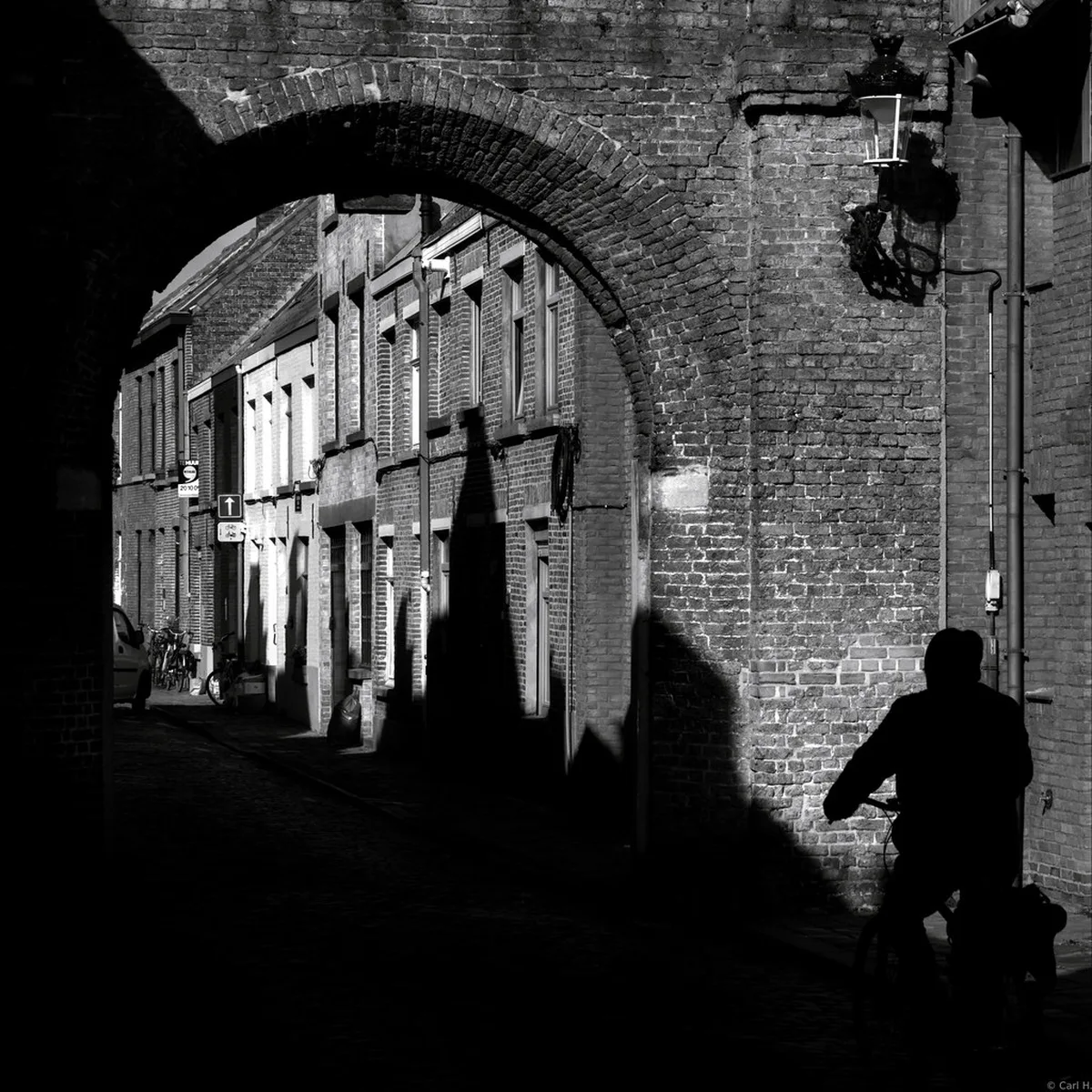
Towering above everything is the 83-meter Belfry, or Belfort, whose 47-bell carillon still chimes the hours as it has for centuries. Climbing its 366 spiral stone steps to the top costs €14 per adult in 2026 and rewards you with a sweeping panoramic view across the red-tiled rooftops all the way to the flatlands of the Flemish countryside. The climb is moderately strenuous and takes around 20 minutes at a comfortable pace. There is a narrow viewing platform at the top, so be prepared for some close quarters with other visitors during summer afternoons. Arriving before 10:00 AM or after 4:00 PM helps you avoid the longest queues — tickets can be bought at the base of the tower.
Just a short walk away, the Burg square displays the architectural evolution of the city across several centuries in a single glance. The ornate Gothic Town Hall — one of the oldest in the Low Countries — charges €7 for adults and includes an audio guide that reveals the vivid medieval paintings inside the Gothic Hall. Directly beside it, tucked into a surprisingly unassuming doorway, sits the Basilica of the Holy Blood. Entry to the lower Romanesque chapel is free, while a small donation is welcomed. The venerated relic — a cloth said to contain drops of Christ's blood — is displayed in the upper chapel daily between 1:30 PM and 5:30 PM, with a brief morning session from 9:30 AM to noon.
Another must-see on Burg square is the Historium Bruges, a multi-sensory experience museum that transports visitors back to medieval Bruges through theatrical sets, period costumes, and immersive audiovisual storytelling. Entry costs €18 per adult in 2026, and the rooftop bar — open separately — offers one of the most dramatic views of the Markt square from above. The Historium is open daily from 10:00 AM to 6:00 PM, making it a practical indoor option if the weather turns wet.
Booking a Bruges walking tour is the most efficient way to link these two squares together with meaningful historical context. Knowledgeable guides explain how the Markt functioned as the primary cloth-trading hub during the 13th and 14th centuries, when Bruges was among the wealthiest cities in the known world. Most organised tours depart from the central fountain and cover both squares comprehensively in about two hours. Self-guided visitors can download free audio commentary from the Visit Bruges app before arrival.
- The Belfry of Bruges
- Height: 83 meters
- Steps: 366 total
- Cost: €14 per adult (2026)
- Best time: before 10:00 AM or after 4:00 PM
- Historium Bruges
- Style: Immersive medieval experience museum
- Location: Markt square
- Entry: €18 per adult (2026); open daily 10:00 AM–6:00 PM
- The Historic Bruges City Hall
- Style: Gothic architecture
- Location: Burg Square
- Entry: €7 per person, audio guide included
- The Basilica of the Holy Blood
- Type: Religious site
- Feature: Relic displayed 1:30–5:30 PM daily
- Entry: Free (donations welcomed)
- Horse-drawn carriage rides
- Departure: Markt square
- Duration: 30 minutes
- Cost: €50 per carriage
Navigating the Famous Canals of Bruges
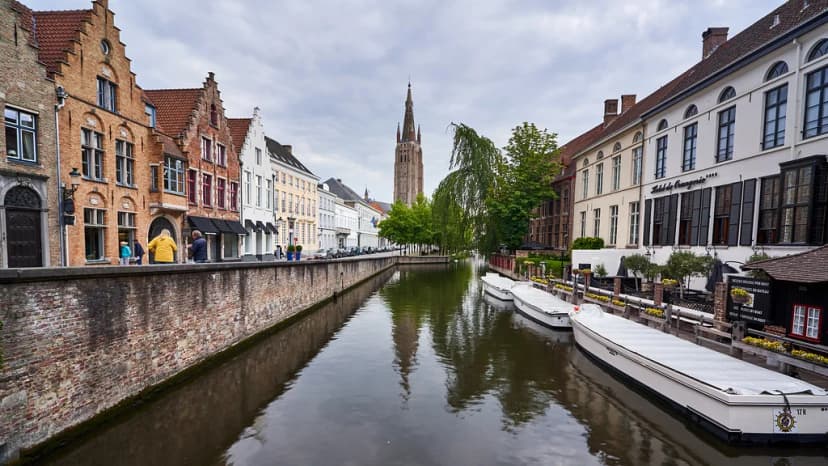
Seeing the city from the water is the single experience that most separates Bruges from every other medieval European destination. The network of canals that once carried Flemish wool and cloth to the markets of Europe now carries open wooden boats filled with curious visitors, and the perspective from water level is entirely different from anything you see on foot. Boat tours depart from five specific landings throughout the old town and typically last a pleasant 30 minutes of narrated sightseeing. In 2026 the standard adult fare is €12, with children aged 4 to 12 paying €6 and children under 4 riding free. Most operators accept both cash and contactless card payments at the dock, and no advance booking is required — simply queue at any landing.
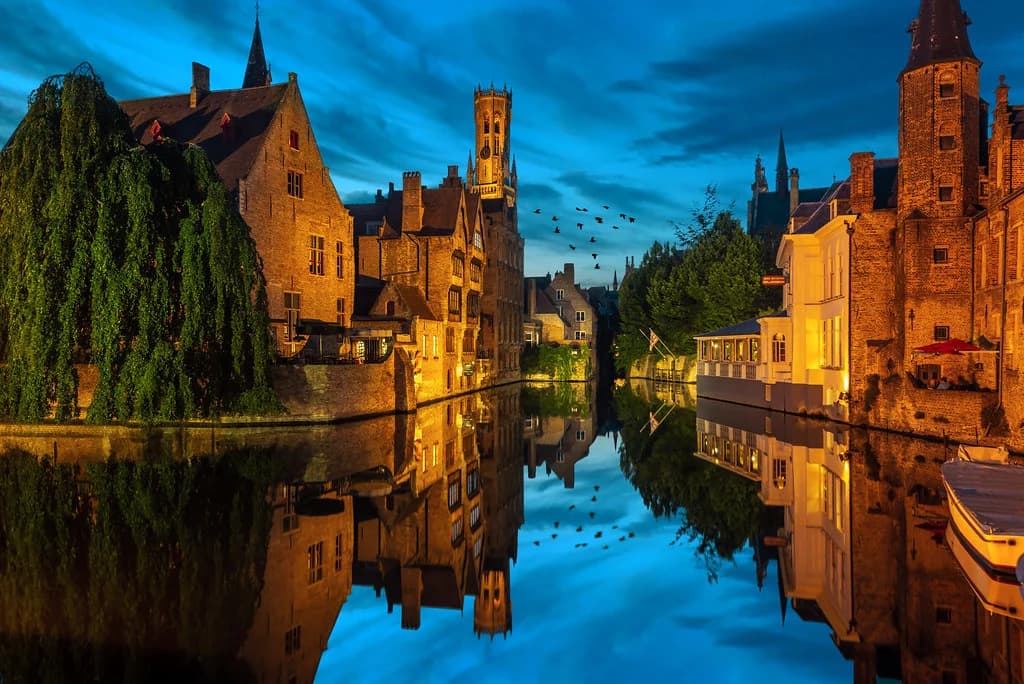
The most popular and most photographed departure point is Rozenhoedkaai, the Quay of the Rosary, where the canal bends just enough to frame the Belfry perfectly in the background. Photographers should plan to be here at golden hour — around 7:30 PM in summer — when the low-angled light turns the canal water amber and the medieval facades glow. A wide-angle lens or a smartphone in portrait mode both work well. Even if you are not a dedicated photographer, simply standing on the stone bridge above Rozenhoedkaai for five minutes gives you the quintessential Bruges postcard view at no cost whatsoever.
Once your boat excursion is complete, walking toward the Begijnhof provides a peaceful transition away from the busier commercial streets. The Minnewater, known poetically as the Lake of Love, lies just beyond the Begijnhof gate and offers free access to a serene parkland where swans glide across glassy water surrounded by willows and old stone bridges. This is one of the most tranquil spots in Bruges and well worth 20 to 30 minutes of slow wandering. There are benches along the waterfront that make an ideal spot for a mid-afternoon rest.
Boat captains typically deliver commentary in Dutch, French, and English, sharing anecdotes about the guild houses, the windmills on the eastern ramparts, and the quirky local legends that have grown up around specific canal bridges. Each 30-minute tour covers a different loop of the canal network depending on which landing you board from, so dedicated visitors sometimes take two separate tours from different points to see a fuller portion of the waterways. The experience is entirely different in each season: tulips and blossoms line the banks in April, summer brings lush green foliage, and winter trips show the bare bones of the architecture with stark clarity.
Art Masterpieces at the Groeningemuseum
The Groeningemuseum is Bruges' premier art museum and one of the most important collections of Flemish Primitive painting anywhere in the world. Entry costs €14 per adult in 2026, with concession rates available for seniors and students. The museum is compact enough to explore thoroughly in 90 minutes yet rich enough to absorb an entire afternoon if you allow the works to pull you deeper.
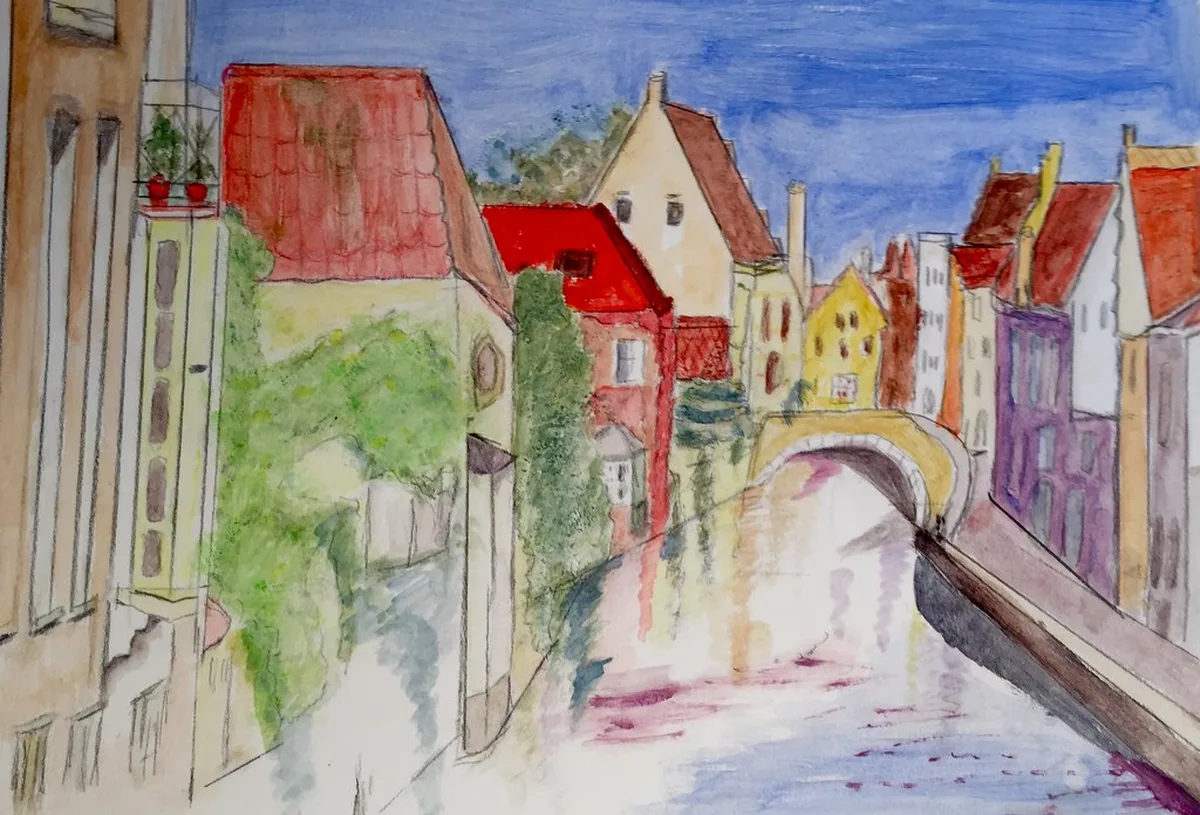
The undisputed centrepiece is Jan van Eyck's Madonna with Canon van der Paele (1436), a work of near-miraculous technical precision that rewards close examination — the reflected details in the armour alone have been analysed by art historians for decades. Alongside it hangs Hans Memling's Moreel Triptych and Hugo van der Goes' tightly composed panels, all painted within a few kilometres of where you now stand. The Flemish Primitives earned their name not because they were unsophisticated but because they worked before the full flowering of Renaissance technique — and yet in finish and psychological depth they rival anything produced in Italy during the same period.
Beyond the medieval rooms, the museum also holds a worthwhile collection of Symbolist and Expressionist Belgian work from the 19th and early 20th centuries, including pieces by James Ensor whose grotesque carnival masks were deeply influential on later Surrealism. Audio guides are available at the front desk for an additional €3 and add substantial context to each room. The museum is closed on Mondays throughout 2026, so plan your visit for Tuesday through Sunday. Combined tickets pairing the Groeningemuseum with the nearby Gruuthusemuseum offer a modest saving worth checking at the ticket desk.
The museum sits on Dijver street, just a two-minute walk from the main canal boat landing at Dijver itself. Slotting a museum visit into the late morning after a canal tour creates a natural rhythm: water first, then art, then lunch in the surrounding neighbourhood. Several small lunch spots on Dijver and the parallel Groeninge street serve sandwiches and soup for €8 to €14, making it easy to refuel without straying far from the cultural heart of the old town.
The Begijnhof and Minnewater Park
The Princely Beguinage Ten Wijngaerde, universally known as the Begijnhof, is one of the most serene and historically layered sites in all of Bruges. Founded in 1245, it is a UNESCO-recognised monument within the already UNESCO-listed city and entry to the outer courtyard is completely free. The Begijnhof was originally home to Beguines — devout lay women who lived communally but did not take formal religious vows — and today it is occupied by a community of Benedictine nuns who maintain the same quiet spirit.
Stepping through the arched gate feels immediately different from the bustle of the Markt. The central courtyard is a broad green lawn edged by whitewashed houses and tall poplar trees. In spring, daffodils carpet the grass between the trees in dense yellow drifts. Visitors are asked to maintain a respectful quiet inside the walls, and most people naturally lower their voices without being asked — the atmosphere demands it. A small museum inside one of the historic houses costs €2 to enter and gives a thoughtful account of Beguine life through period furniture and daily objects.
A two-minute walk south brings you to Minnewater, the Lake of Love, which is entirely free to visit and open at all hours. The lake was historically the inner harbour of the city's canal system, where barges unloaded goods before they were transferred to smaller boats for transport through the narrower waterways. Today it is a willow-fringed park where swans nest on the island in the centre of the lake and couples walk the stone-paved paths. The stone Minnewater bridge at the northern end of the lake is a favourite spot for engagement photographs — you will almost always find someone posing there.
Together, the Begijnhof and Minnewater make a natural 45-minute to one-hour loop that pairs beautifully with a canal boat tour departure from the nearby Katelijnestraat landing. The southern end of the old town where these sites cluster is quieter and less commercialised than the Markt area, and the neighbourhood streets between the two sites contain some of Bruges' most photogenic almshouse facades and hidden garden courtyards. This is the part of the city that rewards slow walking and genuine curiosity.
Chocolate Shops, Lace, and the Secret Alleys
Exploring the narrow side streets that branch off the Markt and Burg reveals a layered world of artisan chocolate shops, traditional Belgian lace boutiques, and independent craft stores. Bruges produces some of the finest handmade chocolate in the world and the best shops offer free tastings as a matter of course — you are not expected to buy in order to sample, though it is hard to leave empty-handed. Premium praline boxes typically cost between €15 and €30 depending on size and filling, with specialist ganaches and single-origin bars at the higher end. Look for the "Handmade in Brugge" certification displayed in the window to ensure you are buying from a true local producer rather than a reseller of mass-market Belgian chocolate. The shops on Katelijnestraat, Simon Stevinplein, and the alleys immediately north of the Burg tend to offer better quality and slightly lower prices than the flagship stores directly on the Markt.
Lace making has been central to Bruges' economic and cultural identity for centuries and remains a living craft rather than a museum piece. The Lace Museum on Balstraat provides live demonstrations on weekend afternoons that showcase the extraordinary patience this hand-made art demands — a single centimetre of intricate bobbin lace can take a skilled maker an hour to complete. Admission costs approximately €6 and includes access to several floors of historical lace displays covering pieces from the 16th century to the present. Authentic Flemish handmade lace is substantially heavier and more dimensional than machine-made imitations. Price points for handmade pieces start at around €20 for small decorative items and rise well above €100 for complex collars and tablecloths. Visiting the smaller specialist shops in the northern quarter of the old town, particularly around Gistelse Steenweg, typically yields the best combination of authenticity and price.
Belgian waffles are an unavoidable and thoroughly worthwhile street food pleasure. The Bruges-style waffle is a rectangular, crispy-edged affair quite different from the round Liège variety — it is best eaten plain or with a light dusting of icing sugar rather than buried under cream and fruit. Fresh waffles from a proper street bakery cost €3 to €5 plain and €6 to €8 with toppings. The key quality indicator is smell: a genuine fresh-baked waffle has a caramelised, slightly yeasty aroma. If you cannot smell it being baked, it has likely been reheated from a batch prepared hours earlier.
Beyond the well-known craft categories, the alleys around Hoogstraat and Academiestraat conceal vintage bookshops, antique map dealers, and small ceramics studios that most day-trippers never discover. These streets are at their quietest before 10:00 AM and after 5:00 PM, when the tour groups have moved on and the shopkeepers have time for unhurried conversation. Picking up a genuinely unique piece from one of these studios costs comparable to or less than the tourist-oriented souvenir shops — and the story it carries is considerably more interesting.
Bruges Chocolate and Beer Scene
Beyond the souvenir-shop praline boxes, Bruges has a genuinely deep chocolate culture worth exploring at a slower pace. The city is home to more than 50 chocolate boutiques concentrated in a compact area, and many of them offer bean-to-bar or small-batch production that puts them firmly in the artisan category. The Choco-Story Museum on Wijnzakstraat is the most comprehensive introduction: entry costs €14 per adult in 2026, and the visit covers cocoa's history from Aztec origins through to Belgian praline innovation. The museum includes a live demonstration by a chocolatier and a tasting session at the end — making it one of the better-value paid experiences in the old town. Children and adults alike find the hands-on elements engaging, and the shop at the exit sells the freshest chocolate in Bruges at fair prices.
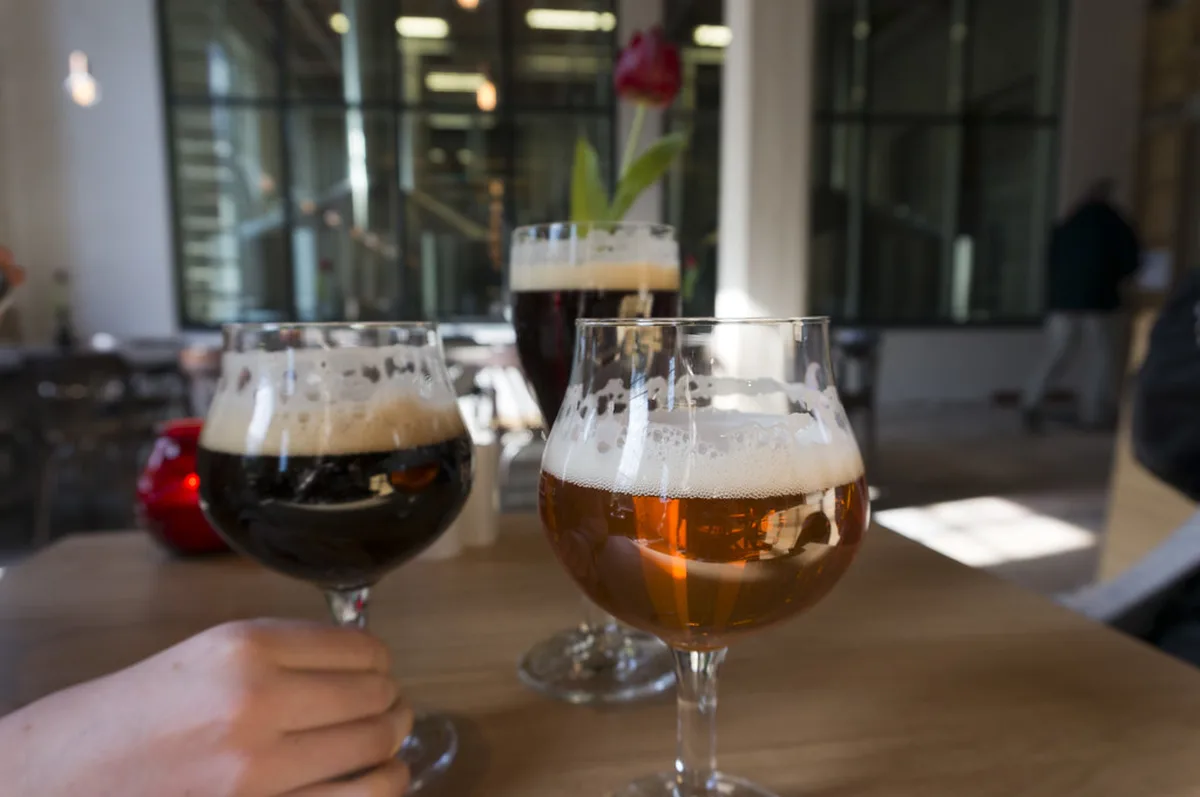
For a focused tasting experience without the museum structure, the Dumon family shop on Eiermarkt has been producing handmade truffles and ganaches since 1992. A mixed selection of six truffles costs approximately €8, and the staff will walk you through the flavour profiles if you ask. De Clerck on Simon Stevinplein and The Chocolate Line on Simon Stevinplein — whose founder Dominique Persoone is known as the "shock-o-latier" for unconventional flavour pairings — are also worth adding to a self-guided chocolate walk. Budgeting €20 to €30 for tastings and a small purchase across two or three shops gives you a thorough introduction.
Belgian beer culture in Bruges is equally rich and centred on a handful of historic establishments. The Bruges Beer Experience museum on the Markt charges €16 per adult in 2026 and includes three beer tastings plus access to four floors of interactive brewing history. For drinking rather than studying, the 't Brugs Beertje on Kemelstraat is a legendary specialist beer bar that stocks more than 300 Belgian ales, with prices ranging from €4 to €9 per glass depending on rarity and ABV. De Garre, hidden down a narrow alleyway off the Breidelstraat between Markt and Burg, serves its own exclusive triple-fermented house beer at 11.5% ABV for €5 a glass — it is genuinely one of the best beers you will drink in Belgium. The alley is so narrow it is easy to miss: look for the sign reading "De Garre" set back from the street. Most traditional Bruges pubs open by noon and close around midnight, with Friday and Saturday evenings getting lively from around 9:00 PM. Pairing a Belgian abbey ale with a plate of local cheese (kaasplankje, typically €12) is one of the most satisfying low-cost pleasures the city offers.
For visitors who want to see where the beer is actually made, the Halve Maan Brewery on Walplein offers guided tours daily at €16 per adult in 2026 (€10 for children), including a tasting at the end. The tour covers the full brewing process for their Brugse Zot and Straffe Hendrik ales and includes a fascinating section on the underground beer pipeline installed in 2016 to transport finished beer from the brewery to the bottling plant outside the city walls — the only beer pipeline in Bruges and one of the few in the world. Tours run on the hour from 11:00 AM to 4:00 PM on weekdays and until 5:00 PM on weekends. Book online in advance during summer, as tours sell out by early afternoon.
Essential Logistics for Your Old Town Visit
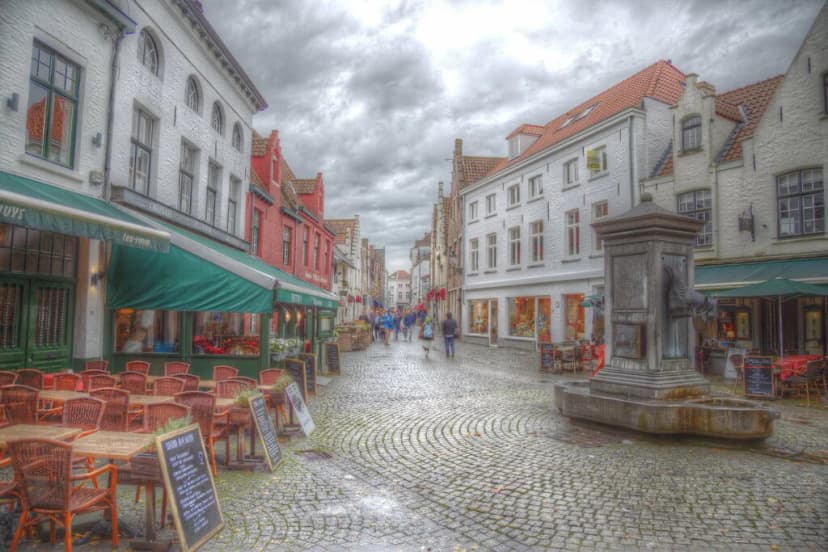
Navigating the historic centre is almost exclusively a walking experience — the streets are narrow, many are pedestrianised, and the distances between major attractions are short enough that walking is nearly always faster than any alternative. The entire old town fits within a roughly 2 km by 2 km footprint, meaning you can walk from the Markt to the Begijnhof in around 15 minutes at a relaxed pace. Sturdy walking shoes with good ankle support are strongly recommended because the centuries-old cobblestones are uneven and can become slippery in wet weather. A light rain jacket is essential kit in Belgium at any time of year — the weather shifts quickly and an umbrella becomes unmanageable on narrow windy streets.
Drivers must understand that parking in Bruges old town is severely restricted and actively enforced. The most practical solution is the large underground parking garage at the train station, which offers long-stay rates of approximately €6 per day. The station is a 15-minute flat walk from the Markt, or a short ride on the free shuttle bus that runs in a loop between the car parks and the city centre. Alternatively, the 't Zand square underground car park is more central but costs considerably more. Cycling into the old town is possible on designated routes but bikes are prohibited in the core pedestrian zones.
Public transportation within and around the old town consists of De Lijn bus services, with tickets at approximately €2.50 per single journey purchasable via the De Lijn smartphone app or at roadside machines. Most visitors find that walking between major attractions is entirely preferable to waiting for a bus, but buses become useful for reaching the train station or the outskirts. Bruges railway station connects directly to Brussels (1 hour, trains every 30 minutes, approximately €15 to €20 second class), Ghent (30 minutes), and Antwerp (90 minutes), making it straightforward to combine Bruges with a broader Belgian itinerary. Check our guide to day trips from Bruges for ideas on how to pair the city with Ghent, Antwerp, or the Belgian coast.
Planning your route in advance saves significant time inside the old town, where many streets look similar at first glance. The Visit Bruges official app includes offline maps, opening hours updated for 2026, and a route planner that can sequence your attractions to minimise backtracking. The physical tourism office on the Markt also distributes an excellent fold-out paper map with highlights and walking distances marked clearly. Both the digital and paper versions are free. The opening hours for major paid attractions in 2026: Belfry 9:30 AM–6:00 PM (last entry 5:15 PM); Groeningemuseum 9:30 AM–5:00 PM, closed Mondays; City Hall 9:30 AM–5:00 PM daily; Historium 10:00 AM–6:00 PM daily.
Avoiding the Common Day-Tripper Mistake
The most common strategic error visitors make is arriving by coach at 11:00 AM and departing by 4:00 PM — a window that coincides precisely with the peak crowd hours and offers no experience of the city's quieter, more atmospheric character. The tour buses that deliver the majority of Bruges' day-tripper volume typically arrive mid-morning and depart in the mid-afternoon, meaning the Markt is at its most congested between 11:00 AM and 3:00 PM. Visitors who arrive before 9:00 AM or linger past 5:00 PM experience a fundamentally different — and far more rewarding — city. The city truly comes alive after the large tour coaches depart and the cobblestones regain their quiet charm.
Planning a Bruges 3-day itinerary ensures you have enough time to experience the city across different times of day and in genuinely relaxed fashion. An overnight stay transforms the experience completely. By evening, the golden light on the canal water and medieval facades creates an atmosphere that photographs simply cannot replicate, and the restaurant terraces around the Burg fill with locals rather than tourists. The Bruges nightlife guide covers the best candlelit cellar bars and Belgian ale houses — most historic pubs serve a wide variety of Belgian ales, with prices ranging from €5 to €9 per glass. Some cellars stock 200 or more different beers.
Early morning walks between roughly 7:00 AM and 9:00 AM offer the opportunity to photograph the famous landmarks in near-total solitude and to appreciate the architectural detail of the merchant houses without craning around other people's heads. Bakeries open by 7:30 AM and a fresh pastry costs around €3. The canal boat landings are empty at this hour and the water is glassy and still, making Rozenhoedkaai look like a painting. The Begijnhof courtyard is particularly moving in the early morning light, when the nuns sometimes move quietly between buildings and the only sound is birdsong.
Choosing a hotel within the old town walls provides the most immersive experience. Many historic merchant houses and canal-side buildings have been converted into boutique hotels that offer modern luxury in a medieval setting. Rates for a central room in 2026 typically start at approximately €140 per night during the shoulder season (March to May, September to October) and rise to €200 and above in July and August. Booking three or more months in advance is strongly recommended for summer stays. If budget is a priority, check whether your visit coincides with a local event — rates spike sharply during the Bruges Beer Festival in February and the Canal Festival in August.
For visitors weighing up which Belgian city to prioritise, our Bruges vs Ghent comparison lays out the key differences clearly. Bruges is more polished, more touristic, and more immediately picturesque; Ghent is larger, grittier, and arguably more authentically lived-in. Both are worth a day each, and the train between them takes only 30 minutes.
Frequently Asked Questions
How much does a canal boat tour cost in Bruges in 2026?
A canal boat tour in Bruges costs €12 per adult in 2026. Children aged 4 to 12 pay €6, and children under 4 ride free. Tours last 30 minutes and depart from five landings throughout the old town — the most popular departure point is Rozenhoedkaai. No advance booking is needed; simply queue at the dock. Most operators run daily from approximately 10:00 AM to 6:00 PM.
How much does it cost to climb the Bruges Belfry?
Climbing the Bruges Belfry costs €14 per adult in 2026. The tower is 83 meters tall with 366 spiral steps. The panoramic view from the top covers the entire old town and extends to the surrounding Flemish countryside on clear days. The Belfry is open daily from 9:30 AM to 6:00 PM, with last entry at 5:15 PM. Arrive before 10:00 AM or after 4:00 PM to avoid the longest queues.
What is the best time to visit Bruges Old Town?
The best times to visit Bruges Old Town are spring (April to May) and early autumn (September to October), when temperatures are mild, crowds are manageable, and hotel rates are lower than in peak summer. Within any given day, arriving before 9:00 AM gives you the streets almost entirely to yourself. Midday between 11:00 AM and 3:00 PM is the most crowded period because tour coaches typically arrive in the morning and depart in the afternoon. For a full seasonal breakdown, see the best time to visit Bruges guide.
Is the Begijnhof in Bruges free to visit?
Yes, entry to the Begijnhof courtyard in Bruges is free and open throughout the day. The Begijnhof is a UNESCO-recognised Beguinage founded in 1245 and today houses a community of Benedictine nuns. The outer courtyard with its lawn, white-washed houses, and poplar trees is freely accessible. A small museum inside one of the historic houses charges €2. Visitors are asked to observe respectful quiet within the walls.
How much does the Historium Bruges cost in 2026?
The Historium Bruges costs €18 per adult in 2026. This immersive medieval experience museum on the Markt square takes visitors back to 14th-century Bruges through theatrical sets, period costumes, and audiovisual storytelling. It is open daily from 10:00 AM to 6:00 PM. The rooftop bar at the Historium can be visited separately for drinks and offers an exceptional aerial view of the Markt square below.
Is Bruges Old Town accessible for visitors with mobility issues?
Bruges Old Town presents genuine accessibility challenges. The historic cobblestone streets are uneven and can be difficult for wheelchairs and pushchairs. The Belfry's 366-step spiral staircase has no lift. However, major museums including the Groeningemuseum and the City Hall have modern ramps and elevators. Canal boat tours are generally not wheelchair accessible. The Visit Bruges tourism office on the Markt distributes a detailed accessibility map that identifies the most manageable routes and which facilities have adapted access.
What is the best photo spot in Bruges?
The best photo spot in Bruges is Rozenhoedkaai (the Quay of the Rosary), where the canal curves to frame the Belfry perfectly in the background. The ideal time to shoot is golden hour — around 7:00 to 7:30 PM in summer — when the low-angled light turns the canal water amber and the medieval facades glow. The spot is free to access, requires no admission, and is a five-minute walk from the Markt. A wide-angle lens or a standard smartphone camera both capture the composition well.
Exploring Bruges Old Town in 2026 is as rewarding as ever — provided you go in with a plan. Prioritise the Belfry (€14), the Historium (€18), and a canal boat tour (€12) in the morning, spend an unhurried hour in the Groeningemuseum (€14), and let the afternoon dissolve in the lanes around the Begijnhof and Minnewater. Stay overnight if at all possible, because the city after dark is a different place entirely. Consider planning some day trips from Bruges if you have more than two days to spare — Ghent and Antwerp are both within easy reach by train. This medieval Belgian city rewards the visitor who slows down, wanders off-route, and allows the cobblestones to set the pace.