Bruges vs Ghent Which to Visit: A Complete Comparison Guide
Choose Bruges for romance and medieval UNESCO atmosphere — cobblestone canals, horse carriages, and fairytale architecture draw over 5 million visitors a year. Hotels average €120–180/night. Both cities are just 30 minutes apart by train (€9).
Choose Ghent for authentic local life, a thriving student scene, and one of Belgium's best food and beer cultures — hotel costs run €90–150/night, roughly 25% cheaper than Bruges. The same 30-minute train (€9) makes it easy to visit both.
Choosing between the two most famous Flemish cities often presents a difficult challenge for travelers visiting Belgium. Bruges offers a fairytale setting that feels frozen in time, while Ghent provides a gritty and energetic atmosphere. Both cities feature stunning canals and medieval architecture, yet they serve very different types of holiday experiences. This guide breaks down the essential differences — crowds, prices, nightlife, family-friendliness, authenticity, and ease of access — to help you decide which destination fits your personal travel style in 2026.
Travelers frequently wonder if they should spend their limited time in the quiet streets of West Flanders. Others prefer the lively university vibe found in the heart of East Flanders where locals outnumber the tourists. Understanding the nuances of each city ensures you make the most of your European adventure this year.
Bruges vs Ghent: At-a-Glance Comparison Table
Before diving into the details, this side-by-side table covers the six factors that most travelers care about when choosing between these two Flemish cities. Numbers are based on 2026 averages compiled from booking platforms, official tourism boards, and on-the-ground research.
| Factor | Bruges | Ghent |
|---|---|---|
| Crowds | Very high (peak summer: 5–8M visitors/year) | Moderate (locals outnumber tourists most days) |
| Hotel prices (peak) | €120–180/night (3-star) | €90–150/night (3-star) |
| Nightlife | Quiet — most bars close by 23:00 | Lively — bars, clubs, jazz until 03:00+ |
| Family-friendliness | Excellent — compact, walkable, safe | Good — more trams required, still very safe |
| Authenticity | Low in tourist core — feels like a museum | High — real city with 260,000 residents |
| Train from Brussels | 60–70 min, ~€15 return | 30 min, ~€10 return |
The table makes the core trade-off immediately clear: Bruges wins on romance and visual perfection, Ghent wins on value, authenticity, and access. Neither city is objectively "better" — they reward different kinds of travelers, which is exactly why this guide goes deeper on each category below. For a deep dive into what makes the medieval heart of Bruges so compelling, see our Bruges old town guide.
Comparing the Vibe and Atmosphere
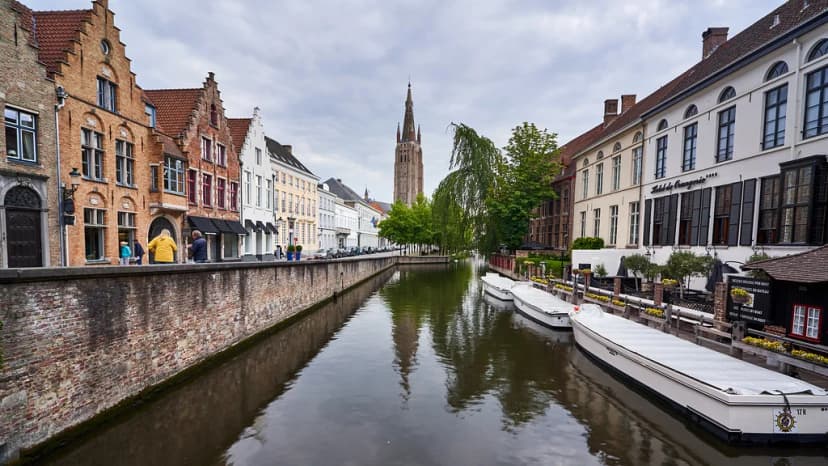
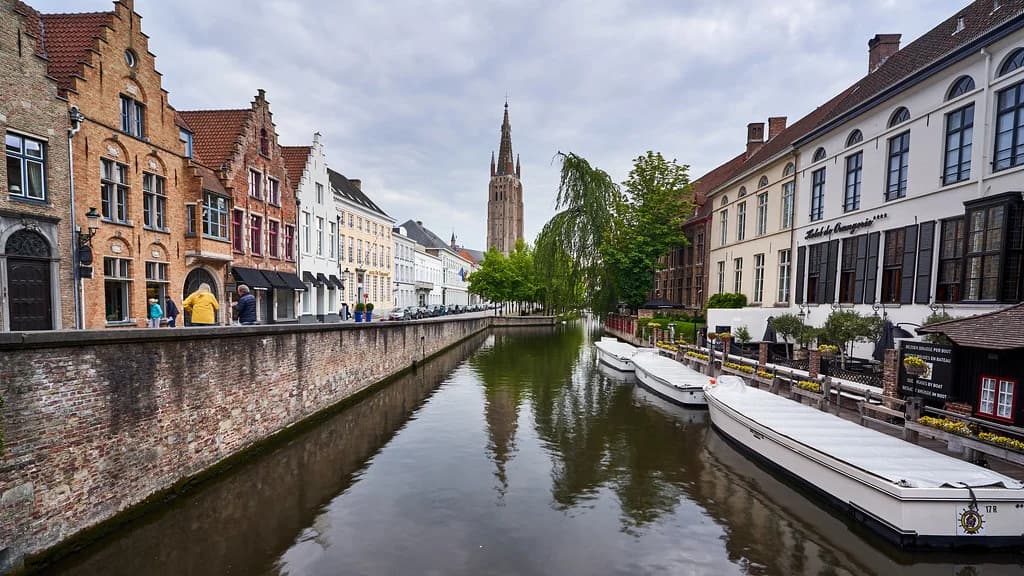
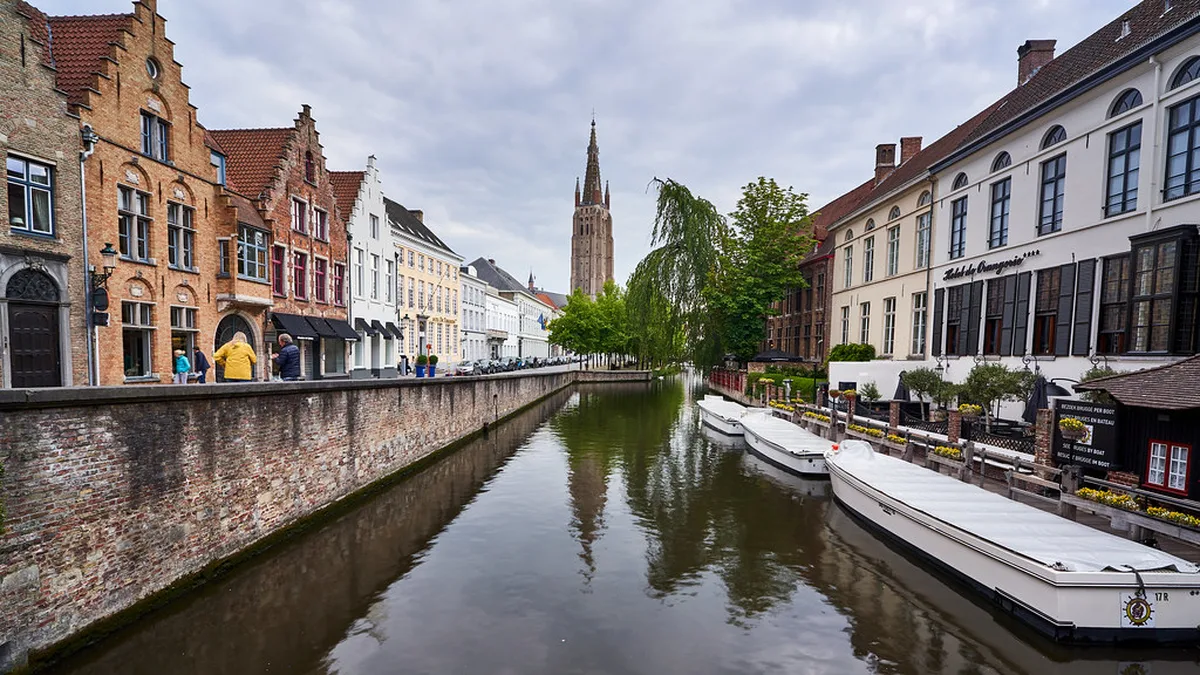
Bruges feels like an open-air museum where every corner reveals a perfectly preserved piece of medieval history. Walking through the cobblestone streets often feels like stepping into a painting from the fourteenth century. The city maintains a quiet and romantic charm that appeals strongly to couples and photography enthusiasts. Expect to see horse-drawn carriages and quiet swans gliding along the peaceful waters of the Minnewater. The entire historic centre is a UNESCO World Heritage Site, a designation that explains both its extraordinary visual consistency and the strict preservation rules that have kept it intact for centuries.
That fairytale quality, however, comes with a caveat: Bruges attracts between five and eight million visitors per year despite having a permanent population of just 20,000 in the historic core. On a busy July afternoon the Market Square (Markt) can feel more like Disneyland than a lived-in Belgian city. Cruise ships docking at the nearby port of Zeebrugge — just 14 km away — deposit hundreds of day-trippers who flood the center between 10:00 and 17:00. Arriving early (before 09:00) or staying overnight lets you reclaim the cobblestones for yourself, as the dreamy canals under morning mist are genuinely magical and nearly crowd-free.
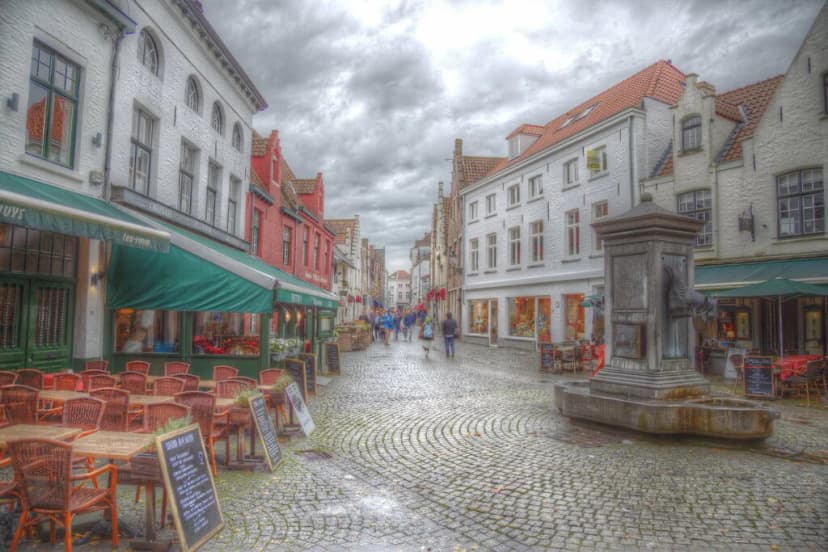
Ghent offers a stark contrast by blending its ancient stone towers with a modern and edgy urban culture. The large student population of roughly 75,000 enrolled at Ghent University keeps the city feeling youthful and busy throughout the entire calendar year. Visitors will notice more graffiti art and contemporary shops nestled beside the historic Graslei and Korenlei quays. Such a mix creates a dynamic environment where history feels lived-in rather than just carefully displayed. Exploring the Ghent old town reveals medieval guildhalls, ancient grain warehouses, and working cafes that serve both students and visitors side by side.
Crowd levels play a significant role in how you might perceive the atmosphere of these two locations. Ghent usually feels more spacious and authentic because it caters to residents as much as it does to tourists — locals grocery-shop, cycle to lectures, and eat lunch at the same spots where visitors line up for photos. The city is also home to the Gentse Feesten, a massive ten-day street festival held each July that draws nearly a million visitors for free live music, theatre, and street food. Outside of that window, Ghent operates at a relaxed and manageable pace that most travelers find refreshing after the intensity of Bruges.
For solo travelers and younger groups, Ghent's authentic local energy is frequently cited as the deciding factor. For couples seeking an immersive romantic escape, Bruges delivers an atmosphere that is almost impossible to recreate elsewhere in Europe. Both have their place, and the good news is that you do not need to choose one or the other if your schedule has flexibility — the Ghent–Bruges train (30 minutes, €9 single) makes combining both entirely realistic even on a tight itinerary.
Top Attractions in Bruges and Ghent
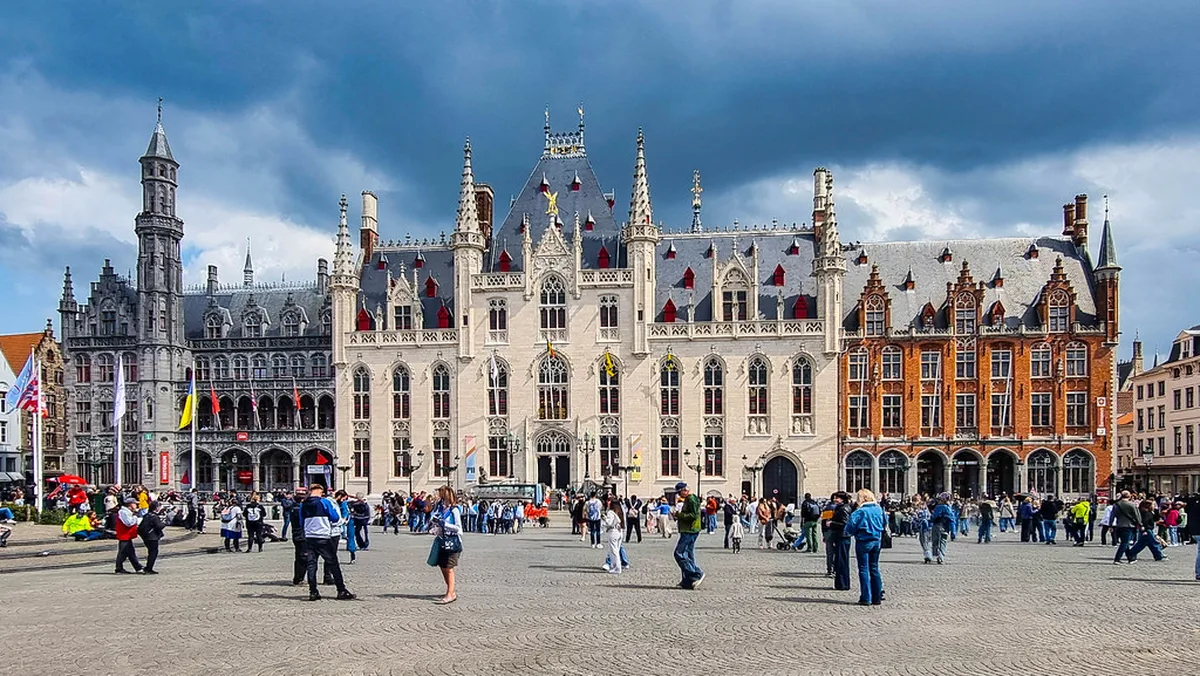
The landmarks in Bruges center around the impressive Market Square and the towering Belfry that overlooks the city. Climbing the 366 steps of the Belfry provides a panoramic view across the medieval rooftops and canals that justifies the €16 adult entry fee in 2026. The Basilica of the Holy Blood on Burg Square remains a spiritual highlight, housing a medieval relic venerated since the twelfth century — entry is free, though a small donation is customary. A self-guided Bruges walking tour is one of the best ways to move between these sights at your own pace while discovering the quieter residential lanes that guided bus tours skip entirely.
The Groeningemuseum is another essential stop that often gets overlooked in favor of the canal boat tours. This compact municipal gallery houses one of the finest collections of Flemish Primitive paintings in the world, including Jan van Eyck's Madonna with Canon van der Paele. Entry costs €14 for adults in 2026 and the museum is rarely as crowded as outdoor landmarks, making it a good refuge on rainy afternoons. The Minnewater park — the so-called Lake of Love — provides a picturesque free walk lined with willow trees and inhabited by the famous Bruges swans, and is particularly enchanting in early morning light.
Ghent boasts the imposing Gravensteen Castle, which features a moat and a fascinating collection of historical torture devices alongside a well-narrated audio guide. Admission is €13 for adults in 2026, making it slightly cheaper than Bruges attractions of comparable scale. St. Bavo's Cathedral houses the world-famous Adoration of the Mystic Lamb altarpiece, a twenty-four panel masterpiece by Jan and Hubert van Eyck that was recently restored and is considered one of the great art treasures of medieval Europe. Cathedral entry is free, but viewing the altarpiece in its dedicated chapel costs €8.
The three towers of Ghent — St. Bavo's Cathedral, St. Nicholas' Church, and the Belfry — create a skyline that is arguably the most impressive in all of Belgium. All three can be seen from the Korenlei and Graslei quays, where the guild facades along the water's edge represent the finest surviving example of a medieval commercial port in northern Europe. A self-guided Ghent walking tour links all three towers and the Graslei waterfront in a single two-hour loop that requires no map app and covers the highlights efficiently. Canal tours remain a staple activity in both cities. Bruges boat trips last about thirty minutes and focus on the quiet back gardens of old merchant houses, with tickets priced at €10–12 per adult. Ghent boat tours offer a broader view of the industrial heritage and the grand guild facades, at a similar price of €10–12 per adult for a 40-minute journey.
- The Belfry of Bruges
- Type: Medieval bell tower (UNESCO World Heritage)
- Best for: Panoramic city views
- Steps: 366 narrow stairs
- Cost: €16 adults (2026)
- Tip: Book online to skip queues in summer
- Gravensteen Castle, Ghent
- Type: 12th-century fortress with moat
- Best for: Medieval history and interactive audio guide
- Cost: €13 adults (2026)
- Tip: Last entry one hour before closing
- St. Bavo's Cathedral, Ghent
- Type: Gothic cathedral
- Best for: The Ghent Altarpiece by van Eyck
- Cost: Cathedral free; Altarpiece chapel €8
- Tip: Arrive when it opens (09:30) to avoid groups
- Groeningemuseum, Bruges
- Type: Fine art museum — Flemish Primitives
- Best for: Art lovers seeking world-class medieval painting
- Cost: €14 adults (2026)
- Tip: Combined museum tickets save €4–6
Bruges vs Ghent: Which City Wins for Food and Beer in 2026?
Food and drink are central to any visit to Flanders, and the two cities deliver very different experiences on both counts. Bruges has a well-earned reputation for high-end dining and artisanal chocolate, while Ghent has quietly built one of the most progressive and diverse food scenes in Belgium. If your holiday revolves around eating and drinking well, this section will be the most important factor in your decision.
Bruges is a paradise for chocolate lovers. The city centre is home to over 50 dedicated chocolate shops, many of them artisanal producers using single-origin cocoa and traditional Belgian tempering techniques. Prices range from €8–15 for a box of six handmade pralines, and several shops offer free tastings when you walk in. The tradition of Brugse Zot beer is equally distinctive — brewed at the De Halve Maan brewery right in the historic centre, it is one of the few beers in Belgium that can claim a genuinely hyper-local origin. Brewery tours run daily at €14 per adult and include a tasting glass on the rooftop terrace overlooking the canals. Restaurants in central Bruges tend to target the tourist market: a two-course dinner with wine averages €45–65 per person at a mid-range brasserie, rising to €80–120 at Michelin-level establishments. Quality is generally high, but value is inconsistent in the most tourist-heavy streets around the Markt.
Ghent dominates when it comes to food diversity, local authenticity, and value. The city is internationally recognised as the vegetarian capital of Europe, having pioneered Veggie Thursday (Donderdag Veggiedag) in 2009 — every Thursday restaurants citywide offer dedicated plant-based menus, and the tradition has made vegetarian and vegan food mainstream rather than niche. The Patershol neighbourhood, a tangle of medieval lanes just west of Gravensteen Castle, is the place to eat in Ghent: restaurants here serve traditional Flemish stew (waterzooi), rabbit in beer sauce, and grilled North Sea fish at prices that average €18–28 for a main course — noticeably lower than comparable dishes in Bruges tourist restaurants.
On the beer front, Ghent offers something Bruges cannot match: variety. The city's bar culture, fuelled by 75,000 students, supports a huge range of specialist beer bars stocking hundreds of labels from across Belgium and the world. The Gruut brewery is Ghent's most distinctive local producer — it uses a blend of herbs instead of hops to bitter its beers, a technique dating back to the medieval period before hops became standard. Brewery tours and tastings cost €12–15 and are substantially less crowded than the De Halve Maan experience in Bruges. Street food in Ghent is also a highlight: the Cuberdon candy sellers near Sint-Baafsplein are a Ghent institution, selling cone-shaped violet-flavoured jellies at €5–8 per bag, while the Saturday Groentenmarkt draws local producers selling cheeses, cured meats, and seasonal vegetables at prices that undercut the tourist shops of Bruges by a wide margin.
The verdict for food and beer: Ghent wins on diversity, authenticity, and value. Bruges wins on chocolate and premium dining. If beer is your priority, Ghent's student-driven bar scene and the herb-based Gruut brewery offer a more adventurous experience. If you want a box of the world's finest pralines to take home, Bruges is unrivalled. For travelers who care about both, the 30-minute, €9 train between the two cities makes it entirely practical to eat dinner in Ghent's Patershol and spend the next morning doing a Bruges chocolate tour — the best of both worlds without compromise.
Practical Logistics and Getting Around
Reaching either city from Brussels is remarkably easy thanks to the efficient Belgian national railway (NMBS/SNCB) system. In 2026 trains to Bruges depart Brussels-Midi every thirty minutes and the journey takes 60–70 minutes; a standard second-class single costs approximately €15, with the return ticket around €22. The journey to Ghent Saint-Pieters station is considerably faster — only 30 minutes from Brussels-Midi — and a single costs roughly €10, making Ghent noticeably cheaper and quicker to reach. Both cities are therefore viable as day trips from Brussels, though overnighting in either is strongly recommended for the full experience. Between the two cities themselves, direct trains run frequently and the journey takes around 30 minutes for €9 single.

Bruges station sits about 1.5 km south of the Markt, outside the historic canal ring. Most visitors walk this distance in 20–25 minutes along a pleasant path through the Minnewater park, or take Bus 1 (€2.40 single, Lijnpass tap-to-pay accepted) which drops you at the center in five minutes. The historic core of Bruges is almost entirely pedestrianised and compact enough to cover on foot — no trams or taxis needed once you are inside the ring. This makes Bruges exceptionally easy for families with pushchairs or travelers with limited mobility, provided cobblestones are not an issue.
Ghent Saint-Pieters station is 2.5 km from the Graslei waterfront, which is too far for most visitors to walk while carrying luggage. Tram 1, 2, or 4 from the station will drop you at Korenmarkt in about ten minutes for €2.40 per single journey. Ghent is a larger, more spread-out city, and the tram network is genuinely useful for getting between the station area, the medieval centre, and the university quarter. Bicycle rentals are popular in both cities — Blue-bike stations accept a subscription of €12/year plus €3/day — and offer the fastest way to explore the outer districts and parks.
Accommodation prices in 2026 reflect the demand gap between the two cities clearly. A mid-range three-star hotel in central Bruges averages €120–180 per night in the peak summer months of June through August, rising to €200+ for canal-facing rooms. The same category of property in Ghent averages €90–150 per night in peak season. Bruges also commands a premium during the Christmas market period (late November to early January), when the Market Square hosts one of Belgium's most photogenic winter markets and rooms sell out months in advance. Ghent offers significantly more hostel and budget hotel inventory thanks to the student economy, with private rooms available from €60–80 per night even in summer.
Early booking is essential for both cities if you plan to visit between June and August or during the Christmas season. Cancellation policies on central Bruges properties have tightened in recent years, so read the fine print carefully. For most travelers on a mixed budget, a practical strategy is to book two or three nights in Ghent (lower cost base) and make Bruges a day excursion, which dramatically reduces overall accommodation spend without sacrificing the Bruges experience.
Which City Is Right for You? A Traveler-Type Breakdown
The most useful way to approach the Bruges vs Ghent decision is not by ranking one city as objectively superior, but by matching each city's strengths to a specific type of traveler. Competitors frequently offer a binary verdict, but the reality is more nuanced — both cities are outstanding, and the "right" answer depends almost entirely on why you are traveling and what you want to feel when you arrive.
Day trippers from Brussels or Amsterdam should choose Bruges. The compact, walkable historic centre means you can see the canal district, climb the Belfry, grab a waffle, and visit a chocolate shop all within five hours — there is no wasted transit time between sights. Ghent is rewarding too, but its more spread-out layout means a day trip feels slightly less complete. Bruges delivers an almost cinematic payoff even on a short visit.
Couples seeking a romantic escape should strongly favour Bruges, particularly if they can afford to stay overnight. The mist on the canals at dawn, horse-drawn carriage rides through lit-up medieval lanes in the evening, and the concentration of excellent restaurants make Bruges one of the most romantic city-break destinations in all of Europe. Budget €200–300 per couple per night (room + dinner) for a genuinely special experience.
Families with children will find Bruges easier to navigate — the pedestrianised core, the swans, the horse carriages, and the boat tours are immediately engaging for kids of all ages. Ghent's Gravensteen Castle, with its interactive torture chamber exhibit, is arguably more exciting for older children (10+) than anything comparable in Bruges. Both cities are very safe for families; Belgium consistently ranks in the top ten safest countries in Europe for tourists.
Foodies who prioritise variety and value should pick Ghent without hesitation. The vegetarian scene is unmatched in Belgium, the Patershol neighbourhood offers some of the finest Flemish cooking in the country at mid-range prices, and the craft beer culture is more innovative and experimental than in Bruges. Bruges has more Michelin stars per capita, but you pay a steep premium for them.
Party-goers and nightlife seekers belong in Ghent. Bruges is essentially silent after midnight, with only a handful of bars remaining open past 23:00. Ghent's student population fuels a genuine nightlife economy with live music, club nights, and late-night bars concentrated around Overpoort Street and the Vlasmarkt. Entry to most clubs costs €5–10, and the bar scene is affordable by Belgian standards.
Solo travelers generally prefer Ghent for its social, open atmosphere. The hostel scene is stronger (beds from €22/night in well-rated properties), and it is easy to meet locals and other travelers at the Graslei bars. Bruges can feel isolating for solo visitors in the evenings once the day-tripping crowds have departed and most cafes have closed.
The "Do Both" Itinerary — 4 Days in Bruges and Ghent
If your schedule allows at least four days in Belgium, visiting both cities is strongly recommended. They are only 30 minutes apart by direct train (€9 single, no advance booking required), making it entirely practical to base yourself in one and day-trip to the other, or to split your nights between both. Here is a balanced four-day structure that most travelers find works well in 2026.
Day 1 — Arrive Ghent, explore the city centre. Check in to your Ghent hotel (budget €90–150/night) in the afternoon. Walk from the station to the Graslei via Tram 1. Explore the three towers and take a canal boat tour (€10–12). Have dinner in Patershol neighbourhood — try Vrijdagmarkt restaurants for authentic Flemish stew at €16–22 per main. Evening drinks on Graslei.
Day 2 — Full day in Ghent. Morning at St. Bavo's Cathedral to see the van Eyck altarpiece (€8). Afternoon at Gravensteen Castle (€13). Late afternoon: browse the Groentenmarkt or the Design Museum Ghent (€12). If visiting in July, check whether the Gentse Feesten festival is running — it is entirely free and transforms the entire city into an open-air concert hall for ten days.
Day 3 — Day trip or overnight to Bruges. Take the 30-minute train from Ghent-Sint-Pieters to Bruges (€9). Arrive before 09:00 to beat the cruise-ship crowds. Walk to the Markt, climb the Belfry (€16), take a canal boat tour (€10–12), and visit De Halve Maan brewery (€14 with tasting). Afternoon: chocolate shop hopping — budget €10–20 for tastings and purchases. If staying overnight in Bruges, check in to a canal-side hotel (€120–180) and enjoy the evening atmosphere after the day-trippers leave.
Day 4 — Final morning in Bruges, return journey. Morning: Minnewater park walk and the Groeningemuseum (€14). Early afternoon: pick up Speculoos biscuits as souvenirs (€4–8) and head to the station for trains back to Brussels (€15) or onward to your next destination.
This itinerary gives you the authentic living-city experience of Ghent (where your money goes further) combined with the best of Bruges's visual drama — without doubling your accommodation budget by staying in the more expensive city for all four nights.
Making the Final Decision: Bruges vs Ghent for Your Trip
The final decision often depends on whether you prefer a polished fairytale or a vibrant living city. Bruges is the superior choice for a romantic getaway where the scenery takes centre stage at all times. Photographers will find endless inspiration among the perfectly preserved buildings and the reflective waters of the canals, particularly at sunrise before the tour groups arrive. If you decide on Bruges, a self-guided Bruges walking tour helps you uncover the quieter streets and hidden courtyards that most visitors miss entirely when following the main tourist trail.
Ghent is better for travelers who want to see how Belgians actually live, work, and socialise in 2026. Solo travelers and younger groups often find the social scene in Ghent more welcoming and varied, with genuine local interaction that is harder to find in Bruges's tourist-saturated centre. The city offers a sense of discovery that feels less curated than the experience found in its neighbour. History buffs will appreciate the layers of industrial and medieval heritage that define the Ghent landscape — including the fact that Ghent, not Bruges, was Belgium's most powerful city during much of the medieval period, a history reflected in the scale of its three towers. The Ghent old town guide covers the guild quarter, the castle, and the cathedral in detail to help you plan your visit efficiently.
If your schedule allows, visiting both cities is highly recommended as they are only 30 minutes apart by direct train at a cost of €9. You can easily base yourself in Ghent for lower accommodation costs and take a day trip to see Bruges in its best morning light. Both destinations offer a unique glimpse into the rich culture of the Flanders region. Whichever you choose, the stunning architecture and delicious food will make for a memorable European trip.
Frequently Asked Questions
Is Bruges or Ghent better for a day trip from Brussels?
Bruges is better for a day trip from Brussels because its compact historic centre packs the key sights — the Belfry, canal boat tour, and chocolate shops — into a walkable 5-hour loop. The train takes 60–70 minutes from Brussels-Midi and costs about €15 return. Ghent is closer (30 minutes, €10 return) and also rewarding, but its attractions are more spread out and benefit more from a longer stay.
Which city is more expensive for tourists in 2026?
Bruges is more expensive across every category. In 2026 a mid-range hotel in central Bruges averages €120–180 per night at peak versus €90–150 in Ghent. Restaurant meals run 15–20% higher in Bruges's tourist core, and most museums charge similar entry fees (€13–16). Ghent's large student population keeps everyday costs — street food, bars, coffee — noticeably lower than in Bruges.
Can I see both Bruges and Ghent in one day?
Technically yes — the direct train between the two cities takes just 30 minutes and costs €9 single. But seeing both in one day will feel rushed. You would have only 2–3 hours in each city, enough for the canal waterfront and one attraction but not the full atmosphere. Dedicating a full day to each gives a far more satisfying experience. If time is very tight, base yourself in Ghent for two nights and use one morning for a Bruges excursion.
Which city has better canals for boat tours?
Bruges wins for canal charm — the narrow waterways wind through quiet residential gardens and under low stone bridges, creating intimate 30-minute tours for €10–12 per adult that are among the most scenic in Europe. Ghent's canals are wider and more industrial, offering a different but equally interesting perspective of the city's trading history over 40 minutes for a similar price. Both are worth doing if you visit both cities.
When is the Gentse Feesten festival and is it worth visiting?
Gentse Feesten runs for ten days each July (typically the second weekend through the third) and transforms Ghent's entire city centre into a free open-air festival with live music, street theatre, and food stalls. Entry to all street stages is completely free. In 2026 hotel prices in Ghent rise by 20–40% during this period and rooms sell out months in advance — book early. It is one of the best free cultural events in Belgium and a compelling reason to choose Ghent over Bruges for a July visit.
Is Bruges or Ghent safer for solo travelers?
Both Bruges and Ghent are very safe for solo travelers — Belgium consistently ranks among the safest countries in Europe for tourists. Ghent is considered slightly more solo-friendly for the evening hours because its active nightlife, affordable hostels (from €22/night), and busy student bars make it easy to socialise and meet other travelers. Bruges is equally safe but can feel quiet and isolated for solo visitors after 22:00 when the day-trippers have left and most cafes are closed.
What is the best food to try in Ghent vs Bruges in 2026?
In Bruges, prioritise artisanal chocolate (€8–15 for a box of pralines), moules-frites at a Markt brasserie (€22–28), and Brugse Zot beer at De Halve Maan brewery (€14 with tour). In Ghent, try waterzooi (traditional Flemish chicken stew, €18–22), Cuberdon violet candy from the Sint-Baafsplein sellers (€5–8/bag), and herb-hopped Gruut beer at the Gruut brewery (€12–15 with tasting). Ghent also offers the most vegetarian and vegan options of any Belgian city — especially on Veggie Thursdays when dedicated plant-based menus are available across the city.
Both Bruges and Ghent represent the very best of Belgian history and culture in their own unique ways. Bruges will satisfy your craving for a fairytale escape with its perfectly preserved canals and world-class chocolate — plan to spend €120–180 per night on accommodation at peak and arrive early to beat the crowds. Ghent will impress you with its cool and modern energy, a genuinely vibrant food and nightlife scene, and hotel prices that are typically 25–30% lower at €90–150 per night.
The single most practical piece of advice: use the 30-minute, €9 train connection to visit both. Base yourself in Ghent for affordable authenticity and spend one full day in Bruges for the fairytale visuals. Whether you are a day-tripper from Brussels, a couple on a romantic break, a foodie hunting vegetarian restaurants, or a party-goer chasing Ghent's July festival, both cities deliver experiences that you simply cannot find anywhere else in Europe. Pack your walking shoes, pre-book your Belfry tickets online, and prepare for a trip through some of the finest medieval architecture on the continent.