Exploring Antwerp Old Town: A Complete Local Guide
Cathedral of Our Lady charges €8 for adults (Monday–Friday 10AM–5PM) and houses Rubens' monumental "Descent from the Cross" triptych — the city's single most important artwork, painted 1612–1614 specifically for this Gothic nave.
Antwerp's Plantin-Moretus Museum is a UNESCO World Heritage Site costing €8 entry, containing the world's oldest surviving printing presses and the former workshop of 16th-century printer Christophe Plantin — regularly undervisited despite being among Europe's finest museums.
Antwerp's historic center blends medieval charm with a vibrant modern atmosphere that captivates every visitor. This Antwerp old town guide helps you navigate the winding cobblestone streets and iconic squares efficiently. You will find stunning architecture and hidden courtyards around every corner of this Belgian gem. The area rewards slow exploration — each side street reveals a new layer of the city's Golden Age heritage, from ornate guild facades to tucked-away courtyards that most visitors walk straight past.
Most travelers arrive via the majestic Central Station before heading toward the river Scheldt. Walking through the pedestrian zones allows you to discover unique boutiques and local chocolate shops without traffic noise. Keep your camera ready for the intricate guild houses that line the main market square. This area remains the soul of the city for both locals and international travelers alike. The district offers a wealth of culture ranging from world-class art to legendary local legends. Exploring these streets reveals the rich history of a city that once led the world in trade. Prepare for an unforgettable journey through one of Europe's most beautiful urban centers.
Iconic Landmarks of the Grote Markt
The Grote Markt stands as the majestic heart of the historic center and defines the city's skyline. You will see rows of 16th-century guild houses that display intricate gold statues on their rooftops, each representing the trade guild that funded the building's construction — butchers, crossbowmen, and archers among them. These buildings reflect the immense wealth Antwerp gained during its Golden Age as a global trading hub, when it was arguably the most important commercial city in Europe. Entry to the square itself is completely free, making it one of Belgium's finest no-cost attractions in 2026.
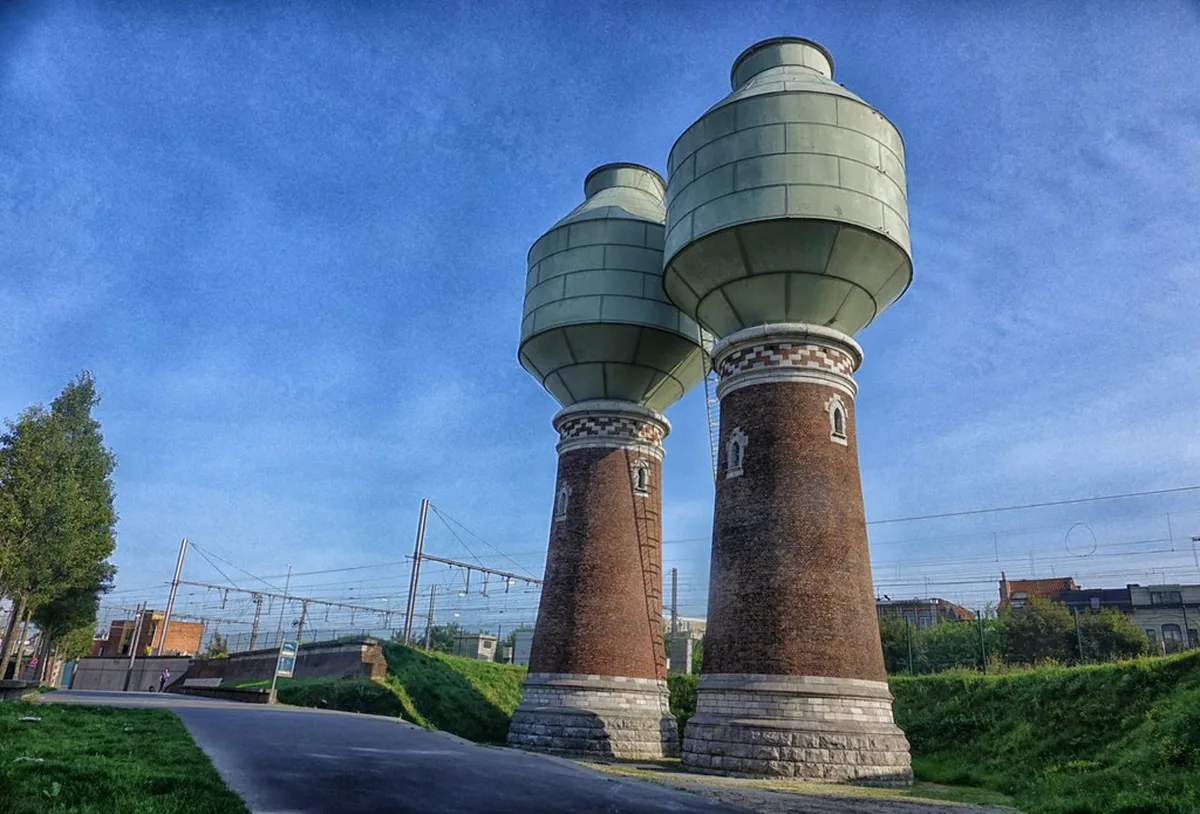
At the center of the square, the Brabo Fountain tells the legendary story of the city's origin. Legend says a young Roman soldier named Silvius Brabo defeated the giant Druon Antigoon, who had been cutting off the hands of sailors who refused to pay his toll, and threw the giant's severed hand into the Scheldt river — giving Antwerp its name from the Dutch "hand werpen" (hand throwing). The bronze fountain, unveiled in 1887, remains one of Belgium's most photographed monuments. This central location provides a perfect starting point for any Antwerp walking tour through the narrow streets.
The Renaissance-style City Hall (Stadhuis) dominates the western side of the square with its impressive facade blending Flemish and Italian Renaissance styles. Construction finished in 1565, making it one of Belgium's finest examples of Renaissance civic architecture. The building is a UNESCO World Heritage Site along with the surrounding guild houses. Entry to the grand council chambers inside costs €4 per adult in 2026, though the exterior and courtyard can be explored for free. Visitors often gather here to admire the architecture before heading toward the nearby riverfront.
Local cafes and brasseries line the edges of the square, offering prime views of the historic buildings and bustling crowds. Expect to pay €4–6 for a Belgian draft beer on these terraces, slightly higher than the quieter side streets, but the setting justifies the premium. In summer months, the square hosts outdoor events and food markets that bring extra energy to the already lively space. Sitting on a terrace during a sunny afternoon with a Duvel or Tripel Karmeliet remains a favorite pastime for both locals and tourists. Early mornings between 7:00 and 9:00 AM are ideal for photography when the square is quiet and the gilded statues catch the rising light.
The Cathedral of Our Lady and Rubens Art
The Cathedral of Our Lady (Onze-Lieve-Vrouwekathedraal) is a Gothic masterpiece that took nearly 170 years to complete, with construction beginning in 1352 and the finishing touches added in 1521. Its soaring spire reaches 123 meters, making it the tallest church tower in the Benelux and a landmark visible from across the old town. Walking the exterior costs nothing — the intricate stone facades and flying buttresses are worth a full circuit before you enter. In 2026, adult admission to the interior is €8, with children under 12 entering free. Opening hours are Monday to Friday 10AM–5PM, Saturday 10AM–3PM, and Sunday 2PM–5PM.
Inside, you will find four world-famous paintings by the Flemish master Peter Paul Rubens, all created specifically for this cathedral. The "Descent from the Cross" (1612–1614) is considered the masterpiece of the collection, a monumental triptych that occupies the north transept. Its counterpart, the "Elevation of the Cross," hangs in the south transept. The "Resurrection of Christ" and "Assumption of the Virgin" complete the quartet. These works are not reproductions — seeing the scale and brushwork in person is a genuinely moving experience that reproductions cannot convey.
Many visitors consider the "Descent from the Cross" to be the most moving piece in the collection, with its luminous whites and the tender arrangement of figures clearly influenced by Italian masters Rubens studied during his years in Rome. The painting was famously depicted in the Victorian novel "A Dog of Flanders," in which a dying young boy named Nello finally gets to see the painting he had longed to view his whole life. This story gives the cathedral an extra layer of emotional resonance for literary visitors.
The surrounding square, known as Handschoenmarkt (Glovemakers' Market), features a charming bronze statue of Nello and Patrasche from the famous tale, installed in 1986 as a gift from Japan. The square also contains a 16th-century well decorated with an ornamental iron canopy — one of the most photographed details in the old town. It provides a peaceful atmosphere despite being just steps from the main tourist thoroughfares. Architecture enthusiasts should pay close attention to the intricate stone carvings on the exterior, including gargoyles, saints, and biblical scenes that wrap around the entire perimeter. Evening lighting makes the cathedral look particularly magical after the sun sets over the river, with spotlights picking out the tracery of the upper windows.
Finding the Vlaeykensgang Secret Alley
Hidden behind an easily-missed wooden door on Oude Koornmarkt street lies the Vlaeykensgang, a secret medieval alleyway dating back to 1591. This narrow passage transports you back in time with its white-washed walls, irregular brick paving, and quiet ivy-covered courtyards. It was originally home to shoemakers and the city's poorest residents during the Middle Ages, a sharp contrast to the wealthy guild houses visible just meters away on the main streets.
The entrance is at Oude Koornmarkt 16, marked by a small wooden gate that blends into the surrounding facade. Many visitors walk straight past it even after reading about the alley, so look carefully between the buildings. The best strategy is to start from the Grote Markt, walk south down Oude Koornmarkt, and watch the right side of the street. There is no admission charge — the alley is technically semi-private but open to respectful visitors during daylight hours.
Today, the alley hosts upscale apartments and an exclusive restaurant called "Den Engel" that offers one of the most atmospheric dining experiences in Antwerp. Reservations at the restaurant are recommended well in advance, particularly for weekend evenings. The silence inside the courtyard provides a stark contrast to the lively energy of the Grote Markt, just a two-minute walk away — the acoustic difference is remarkable given the proximity.
Walking through these passages allows you to see how the city looked before modern developments changed the landscape. The courtyards open onto one another in a chain, each slightly different in character — some with small gardens, others with stone wells or religious wall niches. You might hear the faint sound of carillon bells from the nearby cathedral tower drifting over the rooftops while you explore the nooks and crannies. Photographers often visit early in the morning between 7:00 and 9:00 AM to capture the soft warm light hitting the ancient brickwork before the tourist crowds arrive. This hidden gem represents the layers of history that make an Antwerp old town guide essential for curious travelers. It remains one of the most romantic and serene spots in the city.
MAS Museum, Het Steen, and Waterfront Highlights
The Museum aan de Stroom (MAS) is one of Antwerp's most striking modern landmarks — a ten-story tower of red sandstone and glass that rises from the old harbor district, about a ten-minute walk north of the Grote Markt along the Scheldt riverbank. The building itself is a piece of architecture worth seeing regardless of the exhibitions inside. The rooftop panorama terrace offers a 360-degree view across the city, the Scheldt river, and the port — and it is completely free to access in 2026. Simply take the glass escalators or lift to the top floor without paying for any ticket. This is one of the best free viewpoints in Belgium.
The permanent collection inside covers Antwerp's history as a global trading center across four themed floors. Adult admission to the permanent collection costs €10 in 2026, with under-19s entering free. Temporary exhibitions carry separate pricing, typically €14–18. The collection includes artifacts from the port's 16th-century Golden Age, items from Antwerp's colonial trade networks, and a striking collection of world cultures brought together through the city's merchant history. Plan at least two hours to do the permanent collection justice.
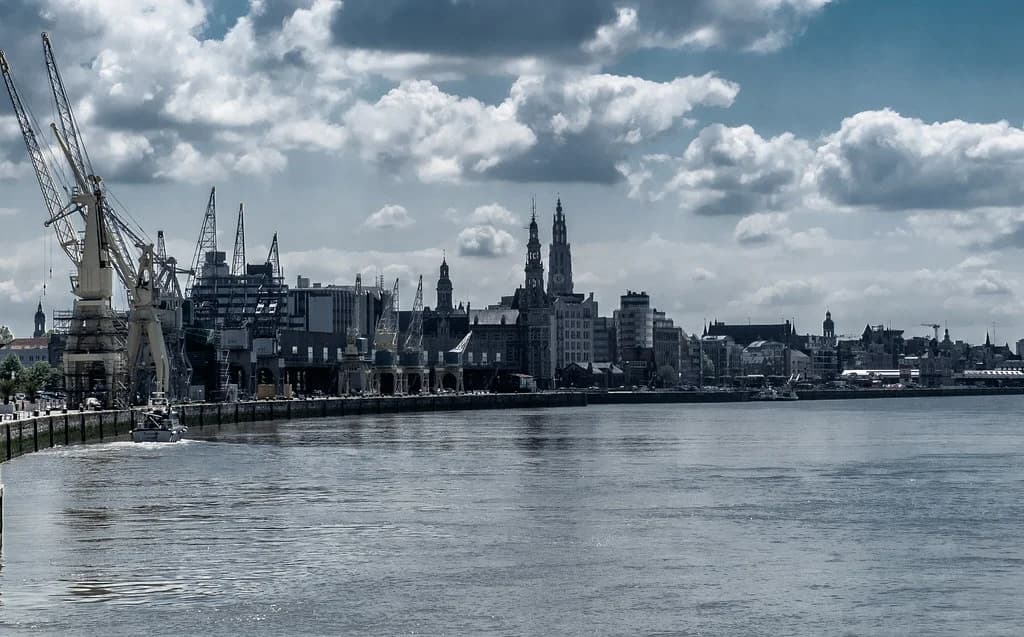
Het Steen is the oldest surviving building in Antwerp, a medieval stone fortress sitting directly on the Scheldt riverbank between the MAS and the Grote Markt. Its foundations date to the 9th century, though the current structure was largely rebuilt in the 13th century. Entry to Het Steen itself is free in 2026 — you can walk around and through the building to access the waterfront promenade. The Scheldt riverside walkway stretching from Het Steen southward is one of the finest urban riverside promenades in Belgium, lined with historic cranes, terrace cafes, and views across to the Left Bank district.
The wider waterfront area between Het Steen and MAS is a pleasant 20-minute stroll with several stops worth making. The red-brick Hanzestedenplaats square hosts weekend markets and outdoor events. The historic pilot's house (Loodswezen) building nearby is a 19th-century curiosity that now contains a restaurant. For travel between Antwerp and other Belgian cities, the waterfront area also connects to day trips easily accessible from the old town — check the day trips from Antwerp guide for Ghent, Bruges, and Brussels options reachable within 30–60 minutes by train.
The Diamond District and Plantin-Moretus Museum
Antwerp is the undisputed diamond capital of the world — approximately 80% of the world's rough diamonds and 50% of all polished diamonds are traded here every year. The diamond district, known as the Diamantkwartier, clusters around four streets adjacent to Central Station: Pelikaanstraat, Schupstraat, Hoveniersstraat, and Rijfstraat. Walking through the district is completely free and one of the most unique urban experiences in Belgium. You will see fortified shopfronts behind bulletproof glass, Orthodox Jewish merchants in traditional dress, and Indian and Lebanese diamond traders conducting billion-euro deals in shops the size of small offices.
The DIVA museum (Diamond and Jewelry Museum), located a short walk from the district at Suikerrui 17, provides context for the industry's history in Antwerp. Adult admission is €12 in 2026, with an excellent collection of historical jewelry, tools used by cutters for centuries, and interactive displays on how rough stones become polished gems. Allow 90 minutes for a thorough visit. The museum's gift shop sells certified Antwerp-cut diamond jewelry at a range of price points if you are considering a purchase.
The Plantin-Moretus Museum, a UNESCO World Heritage Site located at Vrijdagmarkt 22 (about a five-minute walk from the Grote Markt), is one of the most extraordinary museums in Europe and regularly undervisited by tourists focused on the cathedral. This was the home and workshop of Christophe Plantin, the 16th-century printer who ran the largest publishing house in the world from this address. The museum contains the oldest printing presses still in existence, dating from the 1580s, along with the original typeset, woodblocks, copper plates, and an extraordinary library of early printed books. Adult admission is €8 in 2026, children under 18 free.
The building itself is a beautifully preserved Renaissance merchant's house with a quiet interior courtyard and original painted leather wall coverings — a luxury material in the 16th century. Plantin's press produced bibles, scientific works, and maps for buyers across Europe. The eight printing presses in the ground floor workshops are intact and occasionally demonstrated during special events. This museum rewards those with a genuine interest in the history of communication and the book trade. It typically takes 60–90 minutes and is rarely crowded even during peak tourist season.
Rubens' Antwerp: The Baroque Master's City
Peter Paul Rubens (1577–1640) is inseparable from Antwerp's identity, and the city wears this heritage with pride. Born in Siegen but raised and trained in Antwerp from the age of ten, Rubens became the most celebrated painter in Europe — appointed court painter to the Spanish Habsburg governors, diplomat to the courts of England and Spain, and a wealthy merchant in his own right. Understanding where Rubens lived, worked, and painted transforms a visit to Antwerp's old town from a pleasant stroll into a meaningful encounter with European artistic history.
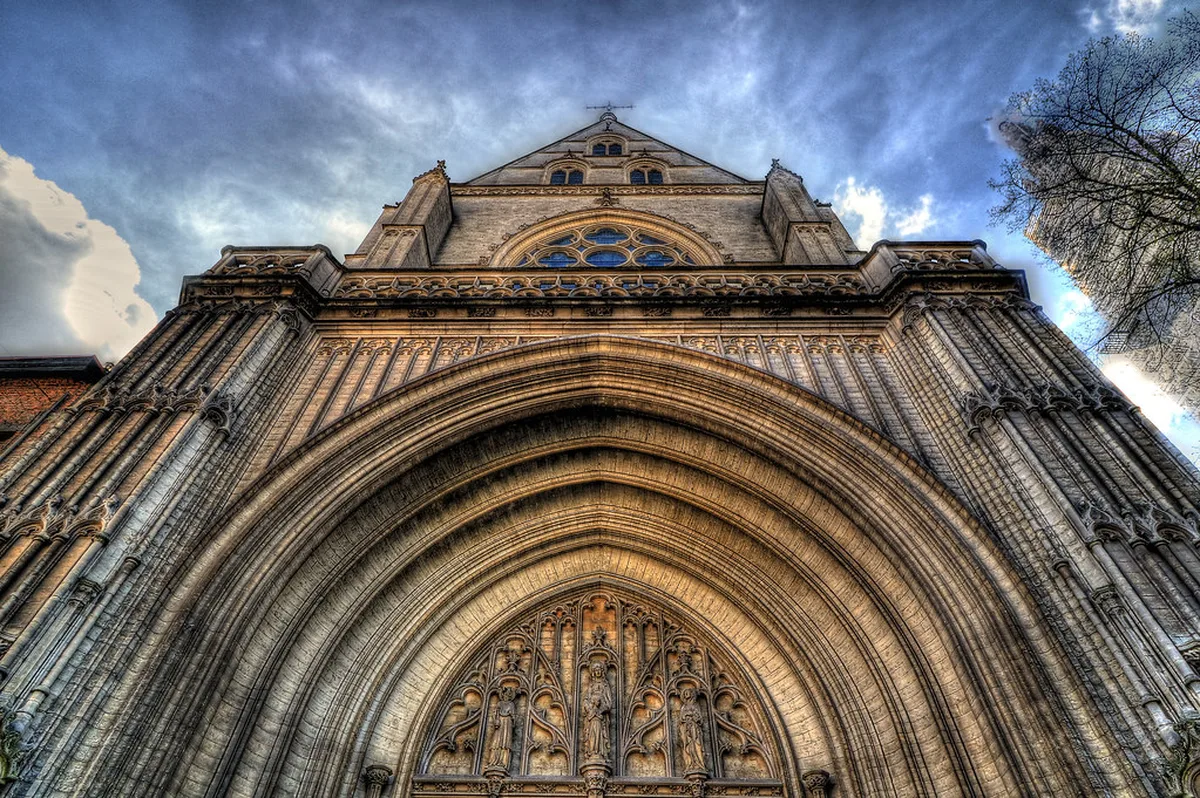
The Rubens House (Rubenshuis) at Wapper 9, just east of the Meir shopping boulevard, is the restored Renaissance palace where Rubens designed, lived, and ran his vast workshop from 1611 until his death. The building contains original paintings, period furniture, and reconstructed studio spaces where assistants worked alongside the master. Adult admission is €14 in 2026, with under-18s free. Allow 90 minutes minimum; the ornate portico arch in the central courtyard, designed by Rubens himself in the Italian Baroque style he absorbed during his Rome years, is one of Antwerp's finest architectural details.
Beyond the Cathedral of Our Lady (€8, Mon–Fri 10AM–5PM) with its four Rubens masterpieces, several other Antwerp churches contain original paintings by the master that attract far fewer visitors. Sint-Carolus Borromeuskerk on Hendrik Conscienceplein contains ceiling paintings attributed to Rubens and is free to enter. Sint-Pauluskerk on Sint-Paulusstraat houses a remarkable series of 17th-century paintings including works by Rubens, Jordaens, and Van Dyck — all free to view. These quieter alternatives allow you to experience Flemish Baroque painting without the Cathedral crowds.
Antwerp's fashion district radiates from Nationalestraat southward into the area known as the Zuid (South) quarter. This neighborhood is where internationally acclaimed Belgian fashion designers — the "Antwerp Six" including Dries Van Noten, Ann Demeulemeester, and Martin Margiela — launched their careers from the Royal Academy of Fine Arts. Today Nationalestraat and the surrounding streets house boutiques, concept stores, and vintage shops alongside the flagship stores of Dries Van Noten and other alumni. Browsing is free; expect prices at designer boutiques to range from €80 for accessories to several hundred euros for signature garments. The area also contains the Royal Museum of Fine Arts (KMSKA) at Leopold de Waelplaats, which reopened after a full renovation and charges €20 adult admission in 2026 — one of the finest collections of Flemish masters and Belgian modernists outside Brussels.
The connection between Rubens and the fashion world is not accidental — Antwerp's creative culture has always drawn energy from its mercantile confidence and cosmopolitan trading past. Rubens himself was known for his elegant dress and sophisticated manners. Visiting the Rubens House in the morning, then walking south through the Nationalestraat fashion corridor to the KMSKA in the afternoon, creates a coherent narrative arc from 17th-century artistic dominance to contemporary design innovation. This route takes approximately four hours at a relaxed pace and covers some of the most rewarding streets in the entire city.
Essential Practical Tips for Visitors
Navigating the historic center is easiest on foot because most of the area consists of pedestrian-only zones. Wear comfortable shoes with good arch support as the cobblestone streets can be uneven and tiring during long walking days — the stones around the Grote Markt in particular are large and irregular. Most major landmarks sit within a fifteen-minute walk of each other in this compact district, so a full day on foot is easily achievable without relying on trams or taxis.
Consider purchasing an Antwerp City Pass to save money on museum entries and public transportation. The 24-hour pass costs €29 in 2026, the 48-hour version costs €39, and the 72-hour version costs €49. The pass includes unlimited access to over 15 museums including the Cathedral, MAS Museum, Rubens House, Royal Museum of Fine Arts, and Plantin-Moretus. It also includes unlimited use of the tram, bus, and metro network within the city. For visitors planning to visit three or more paid attractions, the pass saves money compared to individual tickets. You can find details in the Antwerp City Pass guide or purchase it at the tourism office on Grote Markt.
Most shops in the old town open from 10:00 AM to 6:00 PM, though the Meir shopping boulevard and major chains sometimes extend to 8:00 PM. Many independent boutiques close on Sundays, but the first Sunday of each month sees most shops open for a special shopping day. Plan your shopping trips for Friday or Saturday to ensure you have access to the full range of local boutiques and specialty stores. Restaurants typically serve lunch between 12:00 and 2:30 PM, then reopen for dinner from 6:00 PM onward. A set lunch menu (dagschotel) at a mid-range Belgian brasserie costs €12–18 in 2026 and often includes a soup or starter, main course, and coffee.
Public toilets can be found near the Grote Markt and inside major museums, but street-level facilities typically charge €0.50. Carrying a small coin purse saves frustration. Free Wi-Fi is available in most public squares and in the main shopping streets. The main tourist information office is located at Grote Markt 13, open Monday–Saturday 9:00 AM–5:30 PM, and Sunday 10:00 AM–5:00 PM. Staff speak English, French, Dutch, and German and can provide updated opening hours for all city attractions. Additional resources are available on visitantwerpen.be before your trip.
- Choosing the best footwear
- Type: walking shoes or trainers with cushioning
- Surface: uneven cobblestones throughout old town
- Benefit: prevents foot fatigue on all-day walks
- Tip: avoid thin-soled sandals and high heels
- Managing your travel budget
- Tool: Antwerp City Pass (€29/24h, €39/48h, €49/72h)
- Saving: covers Cathedral, MAS, Rubens House, Plantin-Moretus, KMSKA + 10 more
- Extra: unlimited public transport included
- Where to buy: online or tourist office at Grote Markt
- Navigating shop opening hours
- Standard: 10am to 6pm, Mon–Sat
- Sunday: mostly closed, open first Sunday of the month
- Meir boulevard: some stores open until 8pm
- Late shopping: Friday evenings in some boutiques
Best Places for Local Flavors and Drinks
No visit to the old town is complete without sampling traditional Belgian waffles, artisanal chocolates, and craft beer. Antwerp has a particularly strong chocolate culture — the city has dozens of specialist chocolatiers within the historic center, many of which produce bean-to-bar creations using cacao from carefully sourced origins. Local brands like Del Rey and Chocolatier Goossens on Frankrijklei offer handcrafted pralines from approximately €4 per 100g. If you want the full immersive chocolate experience, Chocolate Nation museum at Ledeganckkaai 50 provides a tasting-led tour of Belgian chocolate history for €18 per adult in 2026.
For a savory meal, try the famous Belgian fries (frieten) served with a variety of unique mayonnaise-based sauces — the classic frituur stands around the old town serve a large portion for €4–6. The local specialty in Antwerp is "Mechelse koekoek," a regional chicken breed served in many traditional Belgian restaurants. A sit-down set lunch (dagmenu) at a brasserie near the Grote Markt runs €12–18 including soup and a main. For a more atmospheric dining experience, the Pelgrom subterranean tavern in a 16th-century cellar near the Grote Markt serves traditional Flemish stews and a wide selection of Trappist ales from €4.50 per glass by candlelight.
Beer lovers will find that Antwerp has an outstanding pub culture centered around Belgian abbey ales, lambic beers, and local craft breweries. The historic t'Elzenveld beer garden and the Kulminator bar (Vleminckveld 32) are beloved institutions — Kulminator stores over 700 different Belgian beers, including bottles dating back decades. For the nightlife scene extending from late afternoon into the evening, the Antwerp nightlife guide covers the best historic pubs, jazz bars, and late-night venues in the city center.
Coffee culture is thriving in the historic district with many independent specialty roasters opening cozy cafes in former merchants' houses. Normo Coffee on Sint-Jansvliet and Caffènation on Hopland are two of the most respected third-wave coffee shops within walking distance of the old town. These spots often use locally roasted single-origin beans and serve traditional Speculoos cookies alongside every cup. Many cafes double as quiet workspaces during morning hours, making them ideal stops to plan your next attractions before the crowds build.
Frequently Asked Questions
Is Antwerp old town safe for solo travelers?
Antwerp old town is generally very safe for solo travelers day and evening. The pedestrianized streets around the Grote Markt, Cathedral, and Meir are well-lit and busy throughout the day. Exercise standard awareness of your belongings in crowded market areas and on trams. The Antwerp safety guide for tourists covers neighborhood-by-neighborhood risk levels and specific tips for solo visitors in 2026.
How much time should I spend in the historic center?
One full day covers the Grote Markt, Cathedral of Our Lady, Vlaeykensgang alley, Het Steen, and MAS Museum rooftop comfortably. Two days allow you to add the Plantin-Moretus Museum (€8), DIVA diamond museum, a leisurely lunch, and the diamond district walk without rushing. Three days suit travelers who want to explore every neighborhood, visit the Rubens House (€14), the Royal Museum of Fine Arts (€20), and take an evening food tour.
What is the best way to get to the old town?
Antwerp Central Station is the main arrival point and a landmark in itself — its ornate interior is worth 10 minutes of exploration before you leave. From Central Station, the old town Grote Markt is a 20-minute walk straight down the pedestrian De Keyserlei and Meir boulevard, or a 5-minute tram ride on lines 3, 5, or 9. From Brussels, direct trains run every 30 minutes and take approximately 35–45 minutes, with a ticket costing €8–15 in 2026.
How much does it cost to visit Antwerp old town attractions in 2026?
Walking the Grote Markt, Vlaeykensgang alley, Het Steen exterior, and MAS rooftop terrace is completely free. Cathedral of Our Lady entry costs €8 for adults (Mon–Fri 10AM–5PM). MAS Museum permanent collection costs €10. Plantin-Moretus Museum (UNESCO) costs €8. DIVA Diamond Museum costs €12. Rubens House costs €14. Royal Museum of Fine Arts (KMSKA) costs €20. The Antwerp City Pass (€29 for 24 hours, €39 for 48 hours) covers most paid attractions and is good value if you plan to visit three or more museums.
What is Antwerp old town famous for?
Antwerp old town is famous for three things above all: the 16th-century guild houses and Brabo Fountain on the Grote Markt (free entry), the Cathedral of Our Lady (€8) with four original Rubens masterpieces including the "Descent from the Cross" triptych, and its historic role as the commercial capital of Europe during the Golden Age. It is also the world's diamond trading capital — Antwerp handles approximately 80% of the world's rough diamond trade, centered in the diamond district near Central Station. The fashion district along Nationalestraat adds a contemporary creative dimension to the historic core.
Are there good day trips from Antwerp old town?
Ghent is 30 minutes by direct train (€8–11 in 2026) and offers a comparable medieval city center with the famous Ghent Altarpiece. Bruges is 75 minutes from Antwerp by train (€14–18) and is one of the best-preserved medieval cities in Europe. Brussels is 35–45 minutes away and makes an easy half-day excursion. The day trips from Antwerp guide covers routes, timings, and what to prioritize at each destination.
What is the Nationalestraat fashion district and why should I visit?
Nationalestraat is Antwerp's premier fashion street, stretching south from the old town into the Zuid quarter and home to boutiques by graduates of the renowned Royal Academy of Fine Arts — including Dries Van Noten and Ann Demeulemeester. The area is completely free to browse and walk. It sits adjacent to the Royal Museum of Fine Arts (KMSKA) which charges €20 adult admission in 2026. Combined with a visit to the Rubens House (€14) to the north, the Nationalestraat walk creates a rewarding half-day cultural itinerary connecting Antwerp's Baroque past to its contemporary creative present.
Antwerp's historic district offers a perfect blend of architectural beauty, world-class art, and culinary delights for every traveler in 2026. This Antwerp old town guide has highlighted the essential spots — from the golden guild houses of the Grote Markt to the medieval printing presses of the Plantin-Moretus Museum (€8, UNESCO World Heritage Site) — that make the city truly unique. You will leave with lasting memories of the free MAS rooftop view, the Rubens paintings inside the Cathedral (€8), and the quiet magic of Vlaeykensgang alley.
Plan your visit during spring (April–May) or early autumn (September–October) to enjoy the most pleasant weather for walking and the best balance of manageable crowds with comfortable outdoor temperatures. Check the latest opening times for museums before you start each day, as public holidays can bring unexpected closures. For evening entertainment, the Antwerp nightlife guide and the Antwerp walking tour route will help you make the most of every hour in this remarkable Belgian city.