The Ultimate Antwerp Nightlife Guide for Travelers (2026)
Antwerp has Belgium's best nightlife outside Brussels: Café d'Anvers (Verversrui 15) runs techno until 6 AM for €8–12 entry, Red & Blue is the city's top LGBTQ+ club, and 't Zuid's cocktail bars pour craft drinks for €12–16. Beer costs €3–5 anywhere.
The Stadsfeestzaal area and Leysstraat are Antwerp's densest bar strips; 't Zuid (Zurenborg side) draws a design-conscious local crowd to independent bars and late-night lounges open until 3–4 AM on weekends.
Antwerp transforms into a vibrant hub of energy once the sun sets over the Scheldt River. The city offers everything from historic beer cellars to modern electronic dance floors. Local residents take their socializing seriously and welcome visitors with open arms.
Finding the right spot requires a bit of local knowledge about the different neighborhoods. This Antwerp nightlife guide helps you navigate the best venues for every taste and budget in 2026. Whether you want a quiet pint or an all-night rave, the city delivers exceptional variety.
Most evening activities center around the historic heart, the trendy art district of 't Zuid, and the northern docklands at Eilandje. Prepare for a night of Belgian charm and world-class entertainment. The diverse scene ensures that every traveler finds a rhythm that suits their personal style.
Best Districts for Nightlife in Antwerp
The historic Old Town serves as the primary starting point for most evening adventures. Cobblestone streets lead to hidden courtyards filled with cozy bars and traditional pubs. You can explore the Antwerp Old Town guide to find the best architectural gems during your crawl. Most venues in this area stay open until 3 or 4 AM on Friday and Saturday nights, and the area around Groenplaats and Handschoenmarkt square packs out with a sociable mixed crowd from around 9 PM onwards.
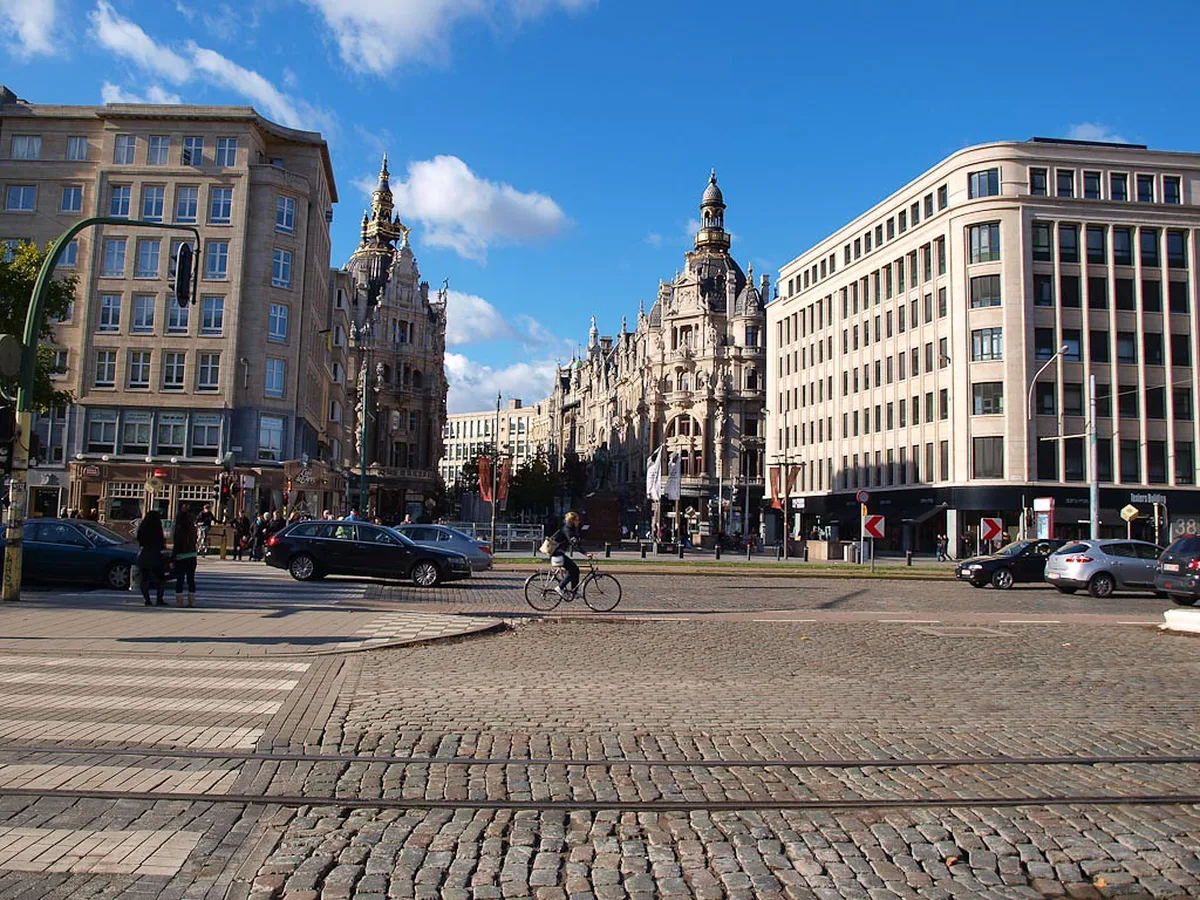
't Zuid (Het Zuid) is arguably the hippest corner of Antwerp in 2026 and deserves its own evening entirely. This southern art district — known for its galleries, design studios, and independent restaurants — morphs beautifully into cocktail bar territory after dark. Bars like Dogma Cocktails and Bar Botanique draw a stylish, design-conscious crowd. Expect to pay €12–16 for a carefully crafted cocktail here; that's the going rate in a neighbourhood where bartenders treat mixology as seriously as the local architects treat facades. The vibe is louder and more convivial than the tourist-heavy Old Town, making it an ideal choice if you want to drink alongside actual Antwerp residents rather than tour groups.
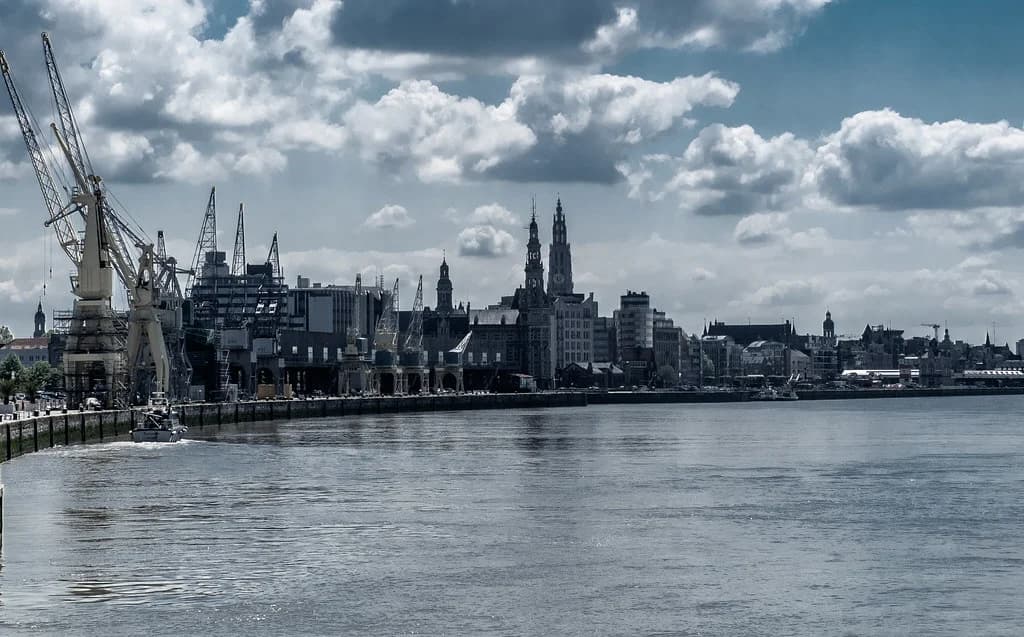
Eilandje provides an industrial backdrop for the city's most modern nightlife experiences. Located near the MAS museum, this former dockland area now houses massive warehouses converted into clubs. The vibe is gritty yet fashionable, appealing to fans of electronic music and modern art. Ampere and Pekfabriek both call this district home, and on a summer Friday night the waterfront terraces fill up from around 9 PM. Entry to clubs here runs €10–20 depending on the event; check ahead for pre-sale discounts that can cut €5 off the door price.
The Latin Quarter (around Vrijdagmarkt and the streets south of the Old Town) is the student heartland. Small, unpretentious bars charge €3–5 for a pint of local lager, and the atmosphere is reliably lively from Thursday onwards. It is the perfect place to meet young locals, try obscure Belgian amber ales, and experience a more casual side of the city without spending a fortune. This area is also walkable from the Stadswaag square, where summer tables spill onto the cobbles on warm evenings.
Leysstraat and Melkmarkt form the city's primary bar street, a compact strip running near the main shopping zone. You'll find a rapid succession of pubs, sports bars, cocktail lounges, and late-night clubs in a single block, making it ideal for a spontaneous bar crawl without needing a map. Prices here sit in the mid-range — draught beers at €4–6, cocktails at €9–12 — and the strip stays buzzing until the early hours. It is also easy to reach from Central Station on foot in about 15 minutes, making it a natural starting point for an evening out.
De Roma on Turnhoutsebaan is a beautifully restored Art Deco venue in the Borgerhout district that hosts live concerts, DJ sets, and theatrical performances throughout the year. It's a neighbourhood institution that locals are genuinely proud of, seating around 1,400 people in a grand gilded interior. Ticket prices vary by event, typically €15–30, and the venue is accessible on tram line 10 from the city centre. If a major act is passing through, De Roma is usually where they'll play. Check deromanantwerp.be for the current programme before your visit.
Checking the Antwerp City Pass guide before you travel is worthwhile: the pass covers public transport and several daytime attractions, helping you save money for the evening entertainment budget.
Top Belgian Beer Bars and Brown Cafes
Beer lovers must visit the traditional brown cafes that define Belgian drinking culture. These establishments get their name from the dark wood interiors and decades of amber patina. They offer a warm, welcoming environment where conversation is more important than loud music, and the bartender is likely to recommend a specific glass for whichever beer you choose. Most brown cafes feature an extensive list of local Trappist and Abbey beers — Antwerp is close enough to Westmalle and Westvleteren to stock them fresh and at fair prices. A standard Duvel or Chimay costs €4–5; rarer cellared bottles climb considerably higher.
Kulminator on Vleminckveld is the definitive destination for serious beer enthusiasts. The owners have been cellaring rare vintage bottles since 1977, and the menu runs to hundreds of Belgian beers including vintages from the 1980s. A standard specialty beer costs €5–8, but rare aged bottles can push €20–40 for a small pour — worth it if you are genuinely curious about what a fifteen-year-old Trappist tastes like. The decor is gloriously unchanged: mismatched wooden furniture, handwritten chalkboard lists, and absolutely no music louder than conversation. Open Tuesday to Saturday from 4 PM; it fills up fast on weekend evenings so arrive by 6 PM to guarantee a seat at this legendary establishment.
De Muze is a legendary jazz cafe located in the heart of the city centre on Melkmarkt. Live music performances begin at 9 PM on most nights and create a fantastic atmosphere, with the multi-level seating providing good views of the stage from nearly every angle. The beer list focuses on Belgian classics rather than the exotic rarities Kulminator stocks, with most pints priced at €4–6. Arrive by 8:30 PM on Fridays and Saturdays to secure a good spot — the venue is small enough that latecomers often end up standing at the back near the bar. The live jazz sets typically run until midnight, after which DJs take over until closing at 3 AM.
Beerlovers Bar on Sint-Jacobsmarkt is a newer addition that has quickly become a favourite with visiting craft beer fans. The rotating taps feature Belgian microbreweries alongside international guests, and the staff are enthusiastic about helping you choose a style that suits your palate. Prices are honest for the quality: €5–7 for a 33cl pour of something genuinely interesting. The bar is deliberately small, with seating for around 40 people, which gives it an intimate atmosphere quite different from the larger brown cafes nearby. Opening hours run from 4 PM on weekdays and from noon on weekends.
Café Beveren near the Eilandje docks is an old-school brown cafe with accordion music sessions on Friday evenings and one of the longest lists of genever (Belgian gin) in the city. A glass of aged genever costs €4–6, and the atmosphere is authentically local — this is not a tourist spot but a neighbourhood institution that has been welcoming regulars since the 1950s. The beer prices are among the cheapest in the central area at €3–4 for a pint of standard lager, making it an excellent warm-up venue before hitting the clubs in Eilandje, a short walk away.
Ordering a beer in Antwerp is an art form that requires a little patience. Each beer comes in its own specific glass designed to enhance the flavor and aroma. Bartenders take pride in the perfect pour and the requisite finger of foam; do not be surprised if your drink takes a few minutes to arrive. Carrying some cash is wise for small bars that still prefer it, though most accept card payments for tabs over €10.
Antwerp's Legendary Clubbing and Dance Scene
Electronic music fans will find Antwerp to be one of Europe's most underrated clubbing destinations. The city has a long history of pioneering new sounds in techno and house, and its club culture takes cues from Berlin and Brussels without simply copying either. Major clubs host international DJs who perform until 6 AM, and the sound systems and lighting in the top venues are genuinely world-class. Antwerp also has a strong local DJ and producer community, so even mid-week nights can deliver quality programming that rivals bigger cities.
Café d'Anvers (Verversrui 15) is the historic anchor of Antwerp's club scene and deserves pride of place on any nightlife itinerary. Housed in a converted 19th-century church in the red-light district, the venue has been running legendary techno and house nights since 1989. Entry is €8–12 on Friday and Saturday nights, with doors opening at midnight and the energy peaking between 2 and 4 AM. The main room holds around 600 people under soaring vaulted ceilings, and the sound system is calibrated to fill every corner without becoming brutal. Check the monthly programme at cafedanvers.com — themed nights and guest DJs sell out quickly, so buying tickets a week ahead is strongly advisable. The club is open Thursday through Saturday from midnight, and occasionally runs special Sunday sessions during major events.
Red & Blue on Lange Schipperskapelstraat is Antwerp's flagship LGBTQ+ club and one of the most inclusive, longest-running venues in the city. Open since 1991, it hosts themed nights ranging from drag extravaganzas to hard techno sets, with entry typically €8–14 depending on the event. The interior spans two floors with a main dancefloor, a darkroom level, and a rooftop terrace that opens in summer. Friday nights tend toward house and pop, while Saturdays go harder with techno and industrial sounds. The door policy is broadly welcoming, and the crowd is diverse in age, background, and gender identity. Check redbluantwerp.be for the weekly programme and ticket pre-sales.
Ampere is Antwerp's most talked-about sustainable club, built beneath the railway tracks near Central Station. The industrial concrete setting perfectly matches the underground techno programming, and the club has earned a reputation for booking artists who haven't yet played bigger Benelux venues. Entry costs €15–25 depending on the night, with some special events hitting €30 for internationally renowned headliners. The sound system — a custom point-source rig — is widely considered one of the best in Belgium. Queues form from about 1 AM on busy nights; arriving before midnight often means no queue and sometimes reduced cover during the opening hour.
Club Vaag offers a more intimate alternative experience. Located in a basement in Eilandje, the venue seats around 300 people in a dark, immersive environment that suits the alternative and industrial sounds it programmes. Entry is €8–12, making it one of the more affordable club options in the city for the quality on offer. The crowd skews younger and more student-heavy than Café d'Anvers, and the atmosphere is deliberately low-key — no velvet rope theatrics or aggressive door policy, just music and a well-designed dancefloor that keeps the energy contained and intense.
Pekfabriek near Park Spoor Noord brings a warehouse party feel to the city's more affordable end of clubbing. House, disco, and funk dominate the programming, and the outdoor terrace makes it a particularly enjoyable destination in summer. Entry varies by event, generally €8–18. The venue is popular with the creative and arts crowd and often hosts record fairs and market events during the day before transforming into a club at night. Doors typically open at 11 PM, with the main acts starting around 1 AM.
General entry fees for major clubs in Antwerp fall between €8 and €25 for standard nights. Special events or famous headliners can push higher and require advance tickets. Most clubs prefer a casual but presentable appearance; trainers are fine at Vaag and Pekfabriek, while Café d'Anvers and Ampere have a slightly more selective door. Peak energy happens after 2 AM — bars are the warm-up, clubs are the main event in Antwerp's nocturnal ecosystem.
Antwerp's 't Zuid District: The Hip Neighbourhood for Bars and Restaurants
't Zuid (pronounced "t zoud") is the neighbourhood that Antwerp locals consistently recommend when visitors ask where to go for drinks away from the tourist circuit. The district sits south of the Old Town and is bookended by the Royal Museum of Fine Arts (KMSKA) and the Scheldt waterfront, giving it an atmosphere that feels genuinely urban and artsy without being pretentious. Unlike Eilandje's industrial club scene or the Old Town's tourist-heavy pubs, 't Zuid is where Antwerp's designers, architects, and creative professionals actually spend their evenings.
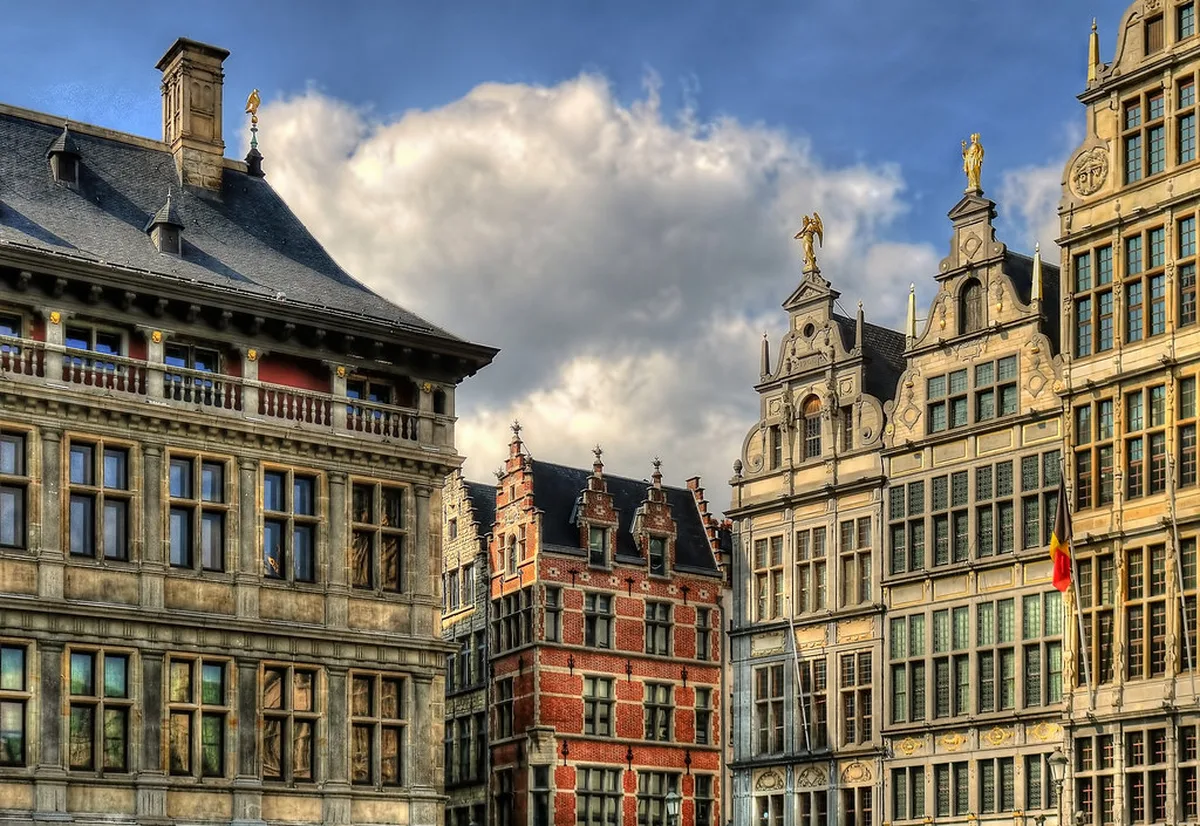
The bar scene here centres on a handful of streets — Nationalestraat, Leopoldplaats, and the side streets leading to the KMSKA museum — where you'll find a mix of wine bars, cocktail lounges, natural wine shops with bar seating, and all-day cafes that stay open late. Most cocktail bars in 't Zuid price their drinks at €12–16, reflecting the neighbourhood's higher rents and design-focused clientele. That may sound steep by Belgian standards, but the quality of the bartending here genuinely justifies the premium: expect fresh-pressed juices, house-infused spirits, and menus that change seasonally to reflect what's available from local producers and importers.
Dogma Cocktails is the area's most celebrated cocktail bar, regularly appearing on Belgian "best bar" lists and drawing visitors from Brussels and Ghent specifically for its programme. The menu is concise and changes every few months, with each cocktail built around a specific Belgian spirit, local botanical, or seasonal ingredient. Expect to pay €13–15 per cocktail. The space is small — maybe 30 seats — which means an intimate atmosphere but also a real risk of not finding a table on Friday evenings without arriving by 8 PM. The bar opens Tuesday through Saturday from 6 PM.
Bar Botanique inside the Botanic Sanctuary hotel on Leopoldplaats is a more spacious option with a greenhouse aesthetic and a long list of low-ABV and non-alcoholic cocktails alongside the full spirits menu. Prices run €12–16. The hotel bar stays open until at least 1 AM and has a relaxed door policy, making it a reliable choice if you arrive late and other spots in the neighbourhood are full. The wine list is particularly strong on natural and biodynamic producers from France and Belgium, with glasses from €8.
Café Horta on Leopoldplaats is a grand Art Nouveau-inspired brasserie that serves Belgian comfort food alongside an extensive beer and wine list. Dinner mains run €18–28, and the kitchen stays open until 11 PM on weekends. As a bar, it's open until 1 AM. The interior is worth visiting for its architecture alone: soaring ceilings, ornate ironwork, and stained glass panels that make it feel like drinking inside a museum piece. It's an ideal first stop in 't Zuid before moving on to Dogma or Bar Botanique for the late-night portion of the evening.
La Bohème on Karel Oomsstraat is a wine bar with a strong focus on natural and organic wines from small producers. The selection changes weekly depending on what the owner finds interesting at wine fairs and producer visits. A glass costs €6–10, and the bar offers small plates of cheese, charcuterie, and seasonal bites for €8–14. Open from 5 PM on Tuesday through Saturday, closing around midnight on weekdays and 1 AM on weekends. The atmosphere is conversational and unhurried — this is not a place for DJs or loud music but for genuine discussion over interesting bottles.
Several of the art galleries in 't Zuid also host evening openings and vernissage events, particularly on the first Thursday of the month — these are free to attend and often serve wine and small bites, making them an excellent and very local way to spend an early evening before heading to a bar. Check the visit.antwerpen.be events calendar for listings before your trip. The neighbourhood is easily walkable from the Old Town (about 15 minutes south along the river) or a short tram ride on line 8 or 24. Last tram from 't Zuid back to the city centre runs around midnight, after which a taxi or rideshare takes around 10 minutes and costs €8–12.
't Zuid Art District: Cocktail Bars and Late-Night Lounges
't Zuid is the neighbourhood that Antwerp locals consistently recommend when visitors ask where to go for drinks away from the tourist circuit. The district sits south of the Old Town and is bookended by the Royal Museum of Fine Arts and the waterfront, giving it an atmosphere that feels genuinely urban and artsy without being pretentious. This section dives deeper into the late-night lounge culture that makes 't Zuid special for visitors arriving after 10 PM.
After midnight, the cocktail bars in 't Zuid operate at a lower volume and more intimate pace than the clubs of Eilandje. The neighbourhood rewards slow exploration: turn off Nationalestraat into any side street and you'll likely find a candlelit wine bar, a jazz record shop doubling as a bar, or a neighbourhood café that serves local regulars until 2 AM. This is the antidote to Antwerp's louder club scene — equally alive, but on a different frequency entirely.
Bar Paniek on Nationalestraat is a cult favourite among young Antwerp creatives, known for its chaotic, deliberately rough-around-the-edges aesthetic and a programme of indie, post-punk, and experimental music nights. Entry is free on most evenings, and drinks are priced at the lower end for the area: beers at €4–5, cocktails at €9–12. It opens at 8 PM and runs until 3 AM on weekends. The crowd is young, tattooed, and fiercely local — this is not a tourist spot but a genuinely beloved neighbourhood institution that welcomes curious outsiders as long as you're not looking for cocktail menus with branded logos.
Botanic Sanctuary's Library Bar is at the opposite end of the 't Zuid spectrum: a hushed, book-lined retreat inside the five-star Botanic Sanctuary hotel that serves rare whisky flights (€18–35 for three pours), vintage cognac, and old-fashioned cocktails to a well-dressed clientele. The bar is small and exclusive-feeling without being actively unwelcoming. If you want to try a 25-year Glenfarclas in a leather armchair while listening to low jazz, this is your spot in Antwerp. Open daily from 5 PM to 1 AM.
The neighbourhood is at its most atmospheric on summer evenings from June through August when restaurants push tables onto the pavement and the streets around Leopoldplaats fill with outdoor dining until 11 PM. The transition from dinner to drinks is seamless — most restaurants in 't Zuid continue serving wine after the kitchen closes, effectively becoming bars in their own right until 1 AM. If you're planning a full evening here, arrive for dinner at 7 PM and let the night unfold naturally without moving more than a few hundred metres.
Boat Parties and Summer Nightlife on the Scheldt
From late May through September, Antwerp's nightlife moves partially onto the water. The Scheldt River forms a dramatic backdrop for boat parties that have become one of the city's most distinctive warm-weather traditions. Several operators run dedicated party cruises that depart from the Eilandje quays and cruise the river for two to four hours while DJs play on deck. Tickets typically cost €20–35 per person including one or two welcome drinks, with additional drinks at bar prices (beer €4–6, cocktails €10–12 on board).
The atmosphere on these cruises is consistently described by participants as more sociable and less intimidating than a regular club — the open deck, the river views, and the absence of a dancefloor queue create a naturally relaxed mood. Most boats have a capacity of 100–200 people, so the experience feels genuinely intimate compared to a large club night. The season runs roughly June through August with the highest frequency, tapering to weekends only in May and September. Booking ahead through the operator websites is essential as boats sell out weeks in advance in peak summer. The departure point is typically the Steen quay or the Willemdok in Eilandje, depending on the operator — confirm the exact meeting point when you book.
Beyond the formal cruises, the Eilandje waterfront itself comes alive in summer with pop-up bars and terraces that operate under temporary licences. These change year to year, but the area around Willemdok and Kattendijkdok reliably fills with outdoor seating from June onwards. Drinks here are priced similarly to indoor bars — €4–6 for beer, €9–12 for cocktails — and the informal atmosphere makes them ideal for an early evening drink before heading to a club. Check local event pages on social media (Facebook events, visitantwerp.com) for the current season's terrace locations and opening dates.
Sportpaleis in Merksem (north of the city centre, accessible on tram line 12) is Antwerp's largest indoor arena and hosts major touring acts, DJ festivals, and stadium-scale concerts throughout the year. With a capacity of up to 23,000, this is where international headliners from Beyoncé to Armin van Buuren play their Belgian dates. Ticket prices vary widely by event — floor tickets for a major DJ festival typically run €45–75, while seated concert tickets range from €35–90. Always book directly via sportpaleis.be or authorised ticket partners; third-party resellers frequently overprice. The venue has its own tram stop (Sportpaleis) and is a 20-minute ride from Central Station.
The Antwerp walking tour route passes through Eilandje, so doing it during the day will help you get your bearings for the evening when the waterfront looks very different lit up after dark.
Practical Tips for Late-Night Transport and Getting Home
Getting home after a night out in Antwerp requires a little planning since regular public transport winds down earlier than the nightlife does. The standard De Lijn tram network operates until around midnight on most lines — line 2, 6, and 9 cover the main nightlife corridors from the Old Town toward Central Station and the university area. If you plan to stay out past midnight, you need to account for the switch to the night bus network.
De Lijn operates night buses on Friday and Saturday nights (and on nights before public holidays) from around 12:30 AM until approximately 5 AM. The night bus routes cover the main residential neighbourhoods and connect back to Central Station, which is the primary hub. A standard De Lijn ticket costs €3 for a single journey purchased on board; the Lijnkaart app or a day pass are more economical if you're making multiple trips. Note that some night buses run only hourly, so check the De Lijn app for the exact timetable before you set out for the evening — particularly if you're staying in Borgerhout, Berchem, or Hoboken, which are served by less frequent routes.
Taxis and rideshare services are readily available throughout the centre and nightlife districts. Official taxi ranks sit near Groenplaats, the Central Station forecourt, and the Meir shopping street. Using the Uber or Bolt apps is generally faster on busy weekend nights than flagging a street taxi, and you'll have a fixed price before you commit. Expect a short wait of 5–10 minutes during peak hours (2–4 AM), with typical fares of €8–15 for trips within the central districts. Between the Eilandje clubs and 't Zuid, a rideshare typically costs €10–14 and takes around 12 minutes, even at 3 AM.
Walking remains a viable option if your accommodation sits within the central districts. The city centre is compact — from the Old Town to Eilandje is about 25 minutes on foot, from 't Zuid to the Old Town around 15 minutes. Stick to well-lit main roads when navigating back to your hotel late at night. Cyclists should note that the Velo city bike system has hundreds of stations across the urban area; a day pass costs around €4 and gives access to 30-minute hops, though cycling after heavy drinking is both dangerous and illegal under Belgian traffic law. Velo stations can be found near all major nightlife districts, making them a useful sober-morning-after option for getting back to retrieve a hired bike.
If you're planning a full night that ends at the clubs at 6 AM, the most economical option is to wait for regular trams to resume at around 6:30 AM and take the first service home. A coffee and a croissant at one of the bakers near Central Station that opens at 6 AM rounds off the night perfectly and costs €3–5.
Late-Night Food: Fritkots and Post-Club Eats
No Antwerp night out is complete without a visit to a fritkot — the Belgian take-away fries stand that is as much a cultural institution as any brown cafe. Antwerp has several fritkots that stay open into the small hours specifically to serve the post-club crowd, and the standard of Belgian fries here is genuinely excellent: thick, twice-fried in beef fat, served in a paper cone with your choice of sauce.
Prices at a fritkot are mercifully low: a large portion of fries (groot friet) costs €3–5 depending on the stand, with sauces adding €0.50–1 each. The classic choice is andalouse (a tangy tomato-pepper mayo) or the straight fritessaus (Belgian mayo, thicker and richer than the French version). The most famous fritkot in Antwerp is Frituur No. 1 on Hoogstraat, which has been serving fries since 1958 and stays open until 3 AM on weekends. A second well-regarded spot is Fritkot Max near the Meir, also open late on Fridays and Saturdays until 4 AM. Both are cash-preferred; bring a few euros in coins for the late-night rush queue.
Beyond fries, the Groenplaats area has several kebab shops and a Moroccan snack bar that serve hot food until 4 AM. If you want something more substantial, a handful of all-night pizza-by-the-slice spots operate near Central Station, with a slice running €3–4. The area around Falconplein in Eilandje has a small cluster of late-night Turkish and Middle Eastern restaurants that stay open until 3 AM and serve full sit-down meals — a bowl of lentil soup or a lamb wrap for €7–10 is exactly what you need after several hours on a dance floor.
O'Marrakech on Falconplein serves Moroccan tagines and harira soup until 2 AM on weekends and is a favourite with club staff from the nearby venues who know where to eat well at 1 AM. A full meal with bread and mint tea costs €12–18, making it among the better value sit-down options in the vicinity of Eilandje. For something quicker, the banh mi shop on Lange Kievitstraat near Central Station operates until midnight on weekdays and 2 AM on Fridays and Saturdays, with filled baguettes at €6–8.
Planning your night to end near one of these spots rather than walking 20 minutes out of your way is worth a look at the map before you head out. The fritkot on Hoogstraat is conveniently close to both Café d'Anvers and the Groenplaats taxi rank, making it a natural final stop before heading home after a night at the clubs.
Safety and Etiquette for International Visitors
General safety in Antwerp is high by European standards, but travelers should remain aware of their environment in busy nightlife areas late at night. Pickpocketing can occur in very crowded bars or near the main tourist attractions after midnight, particularly around the Grote Markt and the Meir shopping street. The Antwerp safety guide for tourists has a full breakdown of neighbourhoods and practical precautions. Keep your phone and wallet in front pockets and use a crossbody bag rather than a backpack in crowded clubs.
Alcohol consumption in Belgium is centred around quality rather than sheer quantity. Local residents appreciate visitors who can enjoy strong beers without becoming overly disruptive or loud. Many bars have strict policies regarding intoxicated behavior and will refuse service without hesitation. Respect the staff, follow house rules, and remember that Belgian beers are frequently 7–12% ABV — significantly stronger than the standard lagers most visitors drink at home. Pacing yourself with a glass of water between rounds is both medically sound and locally respected practice.
Tipping is not mandatory in Belgian bars, but rounding up the bill is a common and appreciated gesture. If you receive exceptional table service, leaving €1–2 extra is perfectly appropriate. Most people pay for drinks as they order at the bar; for table service, wait for the server to bring the final bill. Card payments are widely accepted, even for small amounts, though a few old-school brown cafes still prefer cash for tabs under €10.
Noise regulations are enforced in residential areas near popular nightlife spots. Be mindful of your volume when moving between venues or waiting for a taxi outside a club. Local police may issue on-the-spot fines for excessive noise in residential streets after midnight. Keeping a low profile while moving through the city helps maintain the good relationship between residents and the nightlife industry that keeps the scene so vibrant. The neighbourhood associations around 't Zuid and the Latin Quarter are particularly active in reporting disturbances, so take the quiet streets of these residential areas seriously.
If you're visiting as part of a larger group or stag/hen party, some clubs in Antwerp operate formal booking systems for group entry — particularly Café d'Anvers and Ampere, which limit large groups without reservations on peak weekend nights. Email the venue in advance if you're arriving with more than eight people to confirm the process and any group cover charge. This avoids frustrating queue situations at 1 AM when the energy is high and the door is selective.
Frequently Asked Questions
What is the legal drinking age in Antwerp?
The legal drinking age in Belgium is 16 for beer and wine, and 18 for spirits. Most bars and clubs will ask for identification if you look younger than the required age. Always carry a valid passport or national ID card when visiting nightlife venues in Antwerp, as bouncers at clubs like Café d'Anvers and Ampere regularly check at the door before midnight entry.
What time do bars usually close in Antwerp?
Most bars in Antwerp stay open until 3 or 4 AM on Friday and Saturday nights. Clubs like Café d'Anvers (Verversrui 15) and Ampere typically run until 6 AM. Brown cafes and neighbourhood pubs in the Old Town usually close between 1 and 3 AM. There is no single legal closing time — venues close when the last customers leave or when noise curfew conditions require it.
Is there a dress code for Antwerp nightlife?
Most bars and brown cafes in Antwerp have no dress code — jeans and a clean shirt are perfectly fine. Cocktail bars in 't Zuid attract a stylish crowd, so smart casual is appropriate. Major techno clubs like Café d'Anvers and Ampere operate a selective door: avoid sports shorts, football shirts, or overly casual athletic wear. A neat, dark outfit is the safest choice. Red & Blue (LGBTQ+) is welcoming to all styles and expressions.
How much does a night out in Antwerp cost?
Budget €40–70 per person for a full evening in Antwerp in 2026. A pint in a student bar costs €3–5, a cocktail in 't Zuid runs €12–16, and club entry ranges from €8 (Club Vaag) to €25 (Ampere on big nights). Add €3–5 for late-night fries at Frituur No. 1 on Hoogstraat and €8–15 for a taxi or Bolt rideshare home. Staying in the University Quarter or Latin Quarter and drinking draught lager keeps costs significantly lower.
How do I get home from Antwerp clubs after midnight?
De Lijn operates night buses on Friday and Saturday nights from around 12:30 AM to 5 AM, connecting main nightlife areas to residential districts via Central Station. A single ticket costs €3 on board. Taxis and rideshare apps (Uber, Bolt) are available around the clock with typical fares of €8–15 within the city centre. The last regular tram on most lines runs around midnight — after that, night buses or rideshares are your options.
Are there boat parties in Antwerp?
Yes — Antwerp runs boat parties on the Scheldt River from late May through September, departing from the Eilandje quays or the Steen waterfront. Tickets cost €20–35 per person including one or two drinks, with cruises lasting two to four hours. Boats carry 100–200 passengers and sell out weeks ahead in summer, so book online in advance via visitantwerp.com or the operator's Facebook page for current season schedules.
What is the best LGBTQ+ nightlife venue in Antwerp?
Red & Blue on Lange Schipperskapelstraat is Antwerp's flagship LGBTQ+ club, open since 1991. It spans two floors with a main dancefloor, darkroom, and summer rooftop terrace. Entry is €8–14 depending on the night, with Friday focused on house and pop, and Saturday leaning toward techno and industrial. The door is welcoming to all identities. Check redbluantwerp.be for the weekly programme and advance tickets.
Where can I see live music in Antwerp?
De Muze on Melkmarkt hosts live jazz from 9 PM most nights with drinks at €4–6. De Roma in Borgerhout (tram line 10) is a restored Art Deco venue seating 1,400 for concerts at €15–30. Sportpaleis in Merksem (tram line 12) is the city's biggest arena for international acts, with tickets from €35–90. Check each venue's website for the 2026 programme before booking accommodation around a specific show.
Antwerp offers a diverse and exciting nightlife scene that caters to every type of traveler in 2026. From historic brown cafes and the legendary jazz sessions at De Muze, to 't Zuid cocktail bars and marathon techno nights at Café d'Anvers (Verversrui 15), the city provides endless entertainment options across every budget. Whether you're drawn to the inclusive energy of Red & Blue, the warehouse parties at Pekfabriek, or the intimate lounges of 't Zuid, planning your evening — knowing which district suits your mood and how you'll get home — ensures you make the most of your visit.
Remember to pace yourself when enjoying the strong local Belgian beers, eat well before heading out, and finish the night with fries from Frituur No. 1 on Hoogstraat. Safety and respect for local customs will help you have a memorable experience without incident. The city's unique charm is best experienced after the sun goes down.
Consider exploring some day trips from Antwerp to recover after a big night out, or plan a gentle morning at the Antwerp Old Town before the next evening begins. Your journey through the Antwerp nightlife scene will surely be a highlight of your trip to Belgium.