The Ultimate Ghent Nightlife Guide for Every Traveler (2026)
Ghent's nightlife is fueled by 49,000 Ghent University students. Beer costs €3–4.50 at local bars, Overpoortstraat packs 30+ pubs with drinks from €2, and clubs like Décadance (Voorhaven 83) charge €8–12 entry Thursday–Saturday.
Charlatan on Sint-Pietersplein hosts live music nightly with €5–15 entry. Kompass Klub runs techno until 8 AM (€12–20). The De Lijn night bus home costs €3 — Ghent is Belgium's most affordable city for a full night out.
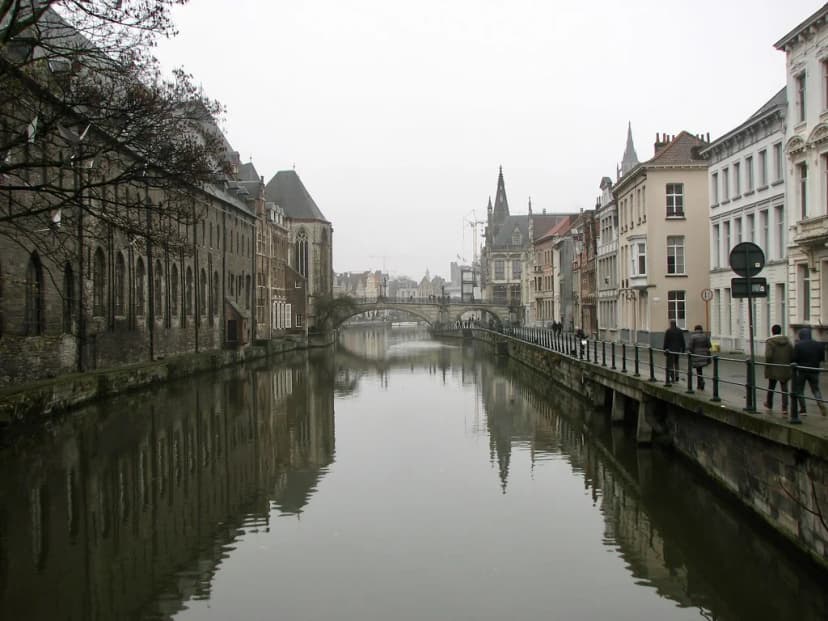
Ghent transforms into a vibrant playground once the sun sets over its medieval towers. This Belgian city offers a perfect mix of historic charm and modern energy for every traveler. You will find everything from quiet canal-side pubs to high-intensity techno clubs. Exploring the local scene is essential for a true Flemish experience.
The atmosphere here feels more authentic and less crowded than in larger European hubs. Students and locals mingle in cozy squares, creating a welcoming social environment for visitors. Most venues sit within walking distance of each other in the compact city center. This guide covers everything you need to know for a memorable night out in Ghent in 2026.
Best Areas to Explore Ghent Nightlife
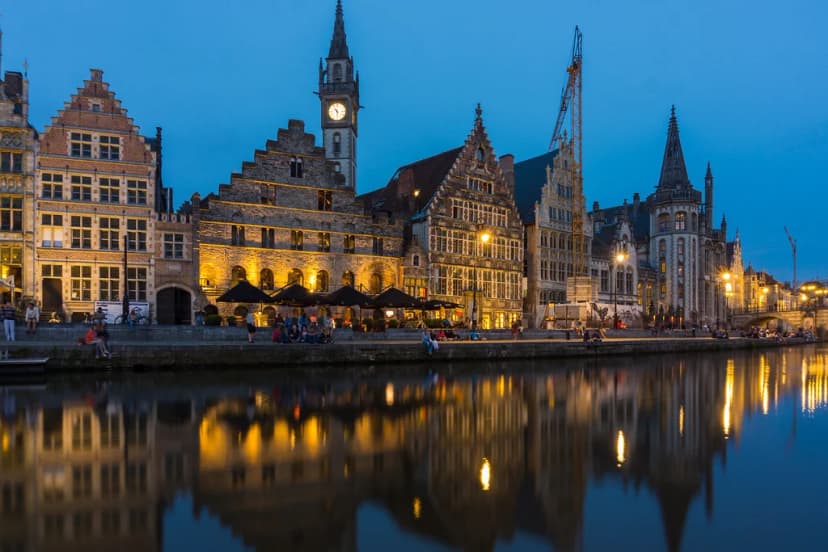
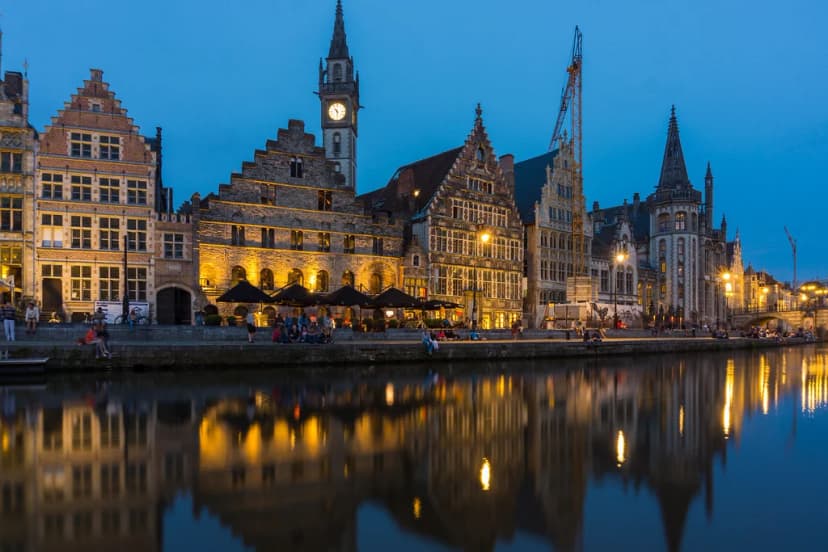
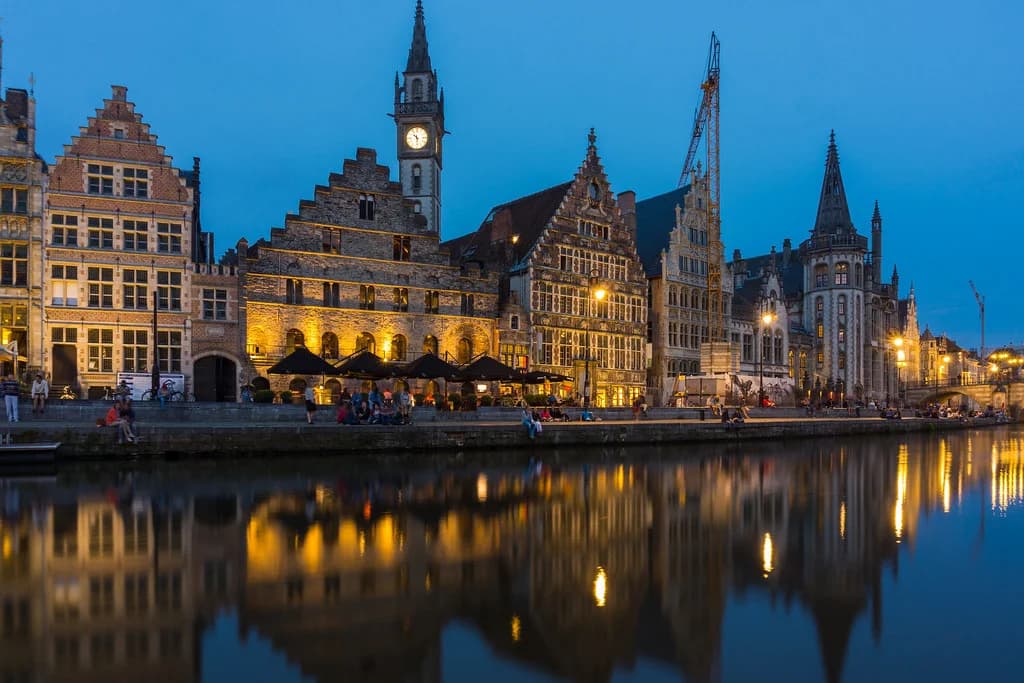
The historic center serves as the primary hub for evening entertainment and social gatherings. Many visitors start their night near the Graslei and Korenlei for stunning waterfront views. These scenic spots offer several upscale bars where a cocktail usually costs around €12–14 in 2026. Reading a Ghent old town guide can help you locate these hidden gems before your evening begins.
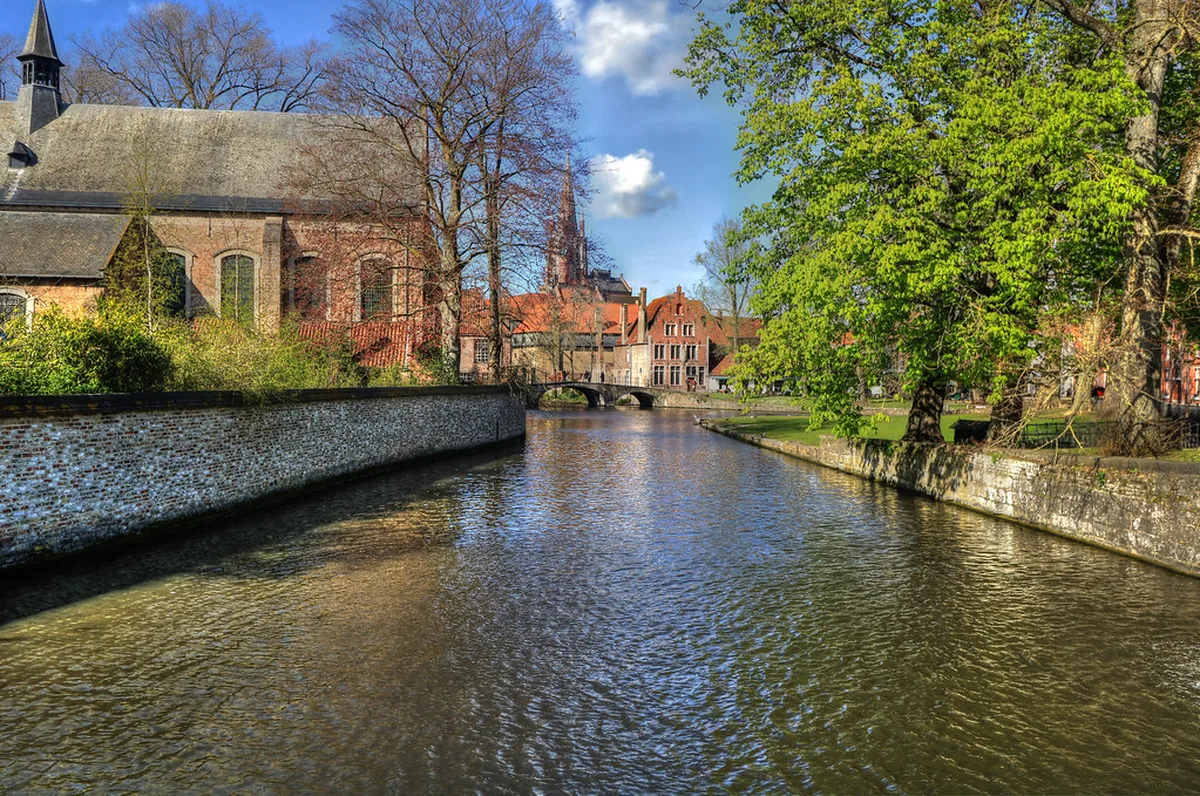
Vlasmarkt stands out as the legendary epicenter for alternative music and late-night revelry. This square truly wakes up after midnight when the rest of the city begins to quiet down. Many bars here stay open until the early morning hours on weekends, with some not closing until 5 or 6 AM. It is the best place to find a diverse crowd and a relaxed, unpretentious vibe that locals love.
Overpoortstraat is Ghent's premier student nightlife strip and arguably the busiest bar street in Flanders outside Brussels. This long boulevard packs in more than 30 bars and pubs within a short stretch, catering almost entirely to the 49,000-strong student population of Ghent University and neighboring institutions. Beer prices here are the most competitive in the city — expect to pay just €2–4 per pint, often for Belgian lagers or house drafts. Thursdays are the biggest nights as students celebrate before heading home for the weekend. The street fills up from 10 PM onward, with queues forming outside the most popular venues by midnight.
Patershol offers a more sophisticated and intimate setting for those who prefer quiet conversations over loud dance floors. This neighborhood features narrow cobblestone streets lined with specialty wine bars, craft beer cafés, and gourmet restaurants housed in beautifully preserved medieval buildings. Drinks are priced slightly higher here — a glass of Belgian abbey ale runs €5–7 — but the atmosphere is unmatched for a date night or a relaxed aperitivo. Most establishments close around midnight, making Patershol ideal as an elegant first act before moving to the livelier areas.
The Dampoort and Dok Noord districts have emerged as Ghent's creative nightlife fringe. Former warehouses and industrial spaces have been converted into pop-up bars, rooftop events, and underground club nights. Entry to events here typically runs €8–15, and the crowds tend to be slightly older, artistically inclined, and local-heavy. Check Ghent's online event calendars or Instagram pages for one-off events in these areas, which can change season to season.
Ghent's Student Bar Scene: Overpoortstraat and the Best Budget Nightlife
Overpoortstraat is the undisputed heart of student nightlife in Ghent and one of the most remarkable bar streets in Belgium. With Ghent University enrolling approximately 49,000 students — one of the largest universities in Flanders — the demand for affordable, high-energy venues is enormous. Overpoortstraat delivers on every count, packing over 30 bars into a single compact boulevard within walking distance of the main campus. On Thursday and Friday evenings from 9 PM onward, the street transforms into a full outdoor social corridor, with students spilling onto the pavement between venues.
Beer prices on Overpoortstraat are among the lowest in Ghent. Most bars charge €2–3.50 for a draft lager and €3–4.50 for premium Belgian ales. Some venues run happy hours between 6 and 9 PM offering pints as low as €2, making it possible to have a full evening out for under €20 including entry. The most popular spots include long-running student favorites with sticky floors and loud music, as well as a handful of slightly more polished bars offering table service and Belgian craft options alongside the standard lagers.
Décadance (officially spelled Décadance, located at Voorhaven 83) is the anchor club of the Overpoortstraat scene and the go-to dance venue for Ghent's student population. It operates Thursday through Saturday with entry priced between €8 and €12 — one of the most affordable club entry fees in the city for the size and energy it delivers. The main room pumps commercial dance, pop, and RnB at high volume, with a secondary bar area for those who want to take a breath between the dance floor. Décadance regularly hosts themed nights and student promotions, with free entry or reduced tickets available through student associations. Doors typically open at 10 PM, with peak energy from midnight to 3 AM.
Beyond Décadance, the Overpoortstraat strip offers a range of bar formats to suit different moods. Sports bars showing live football project screens visible from the street; shot bars run group drinking games; quieter pub-style venues at the ends of the street offer space for conversation above the noise. The social environment is open and welcoming to tourists, though most conversation will be in Flemish Dutch or English, as the international student community is large. For visitors who want to experience authentic Ghent student culture, a Thursday or Friday evening on Overpoortstraat is unmissable.
Practical note: the night bus connections from Overpoortstraat back to the city center and hotels are reliable on weekends. De Lijn night buses run from midnight to 5 AM at €3 per trip, and most journey times are under 20 minutes. Taxis and ride-sharing apps are also active in the Overpoortstraat area on weekends, typically costing €8–14 for rides to the city center. The area is well-lit and busy enough at night that personal safety is generally not a concern, though standard travel precautions — watching your belongings and staying in groups — always apply.
Top Bars and Pubs for Craft Beer
Belgium is world-famous for its brewing traditions, and Ghent is no exception to this rule. Local pubs often stock hundreds of different bottled beers alongside unique rotating drafts. Expect to pay between €4 and €7 for a standard craft pour in most central locations in 2026. Sampling these flavors is one of the most popular things to do in Ghent after dark, and even dedicated beer tourists rarely scratch the surface in a single visit.
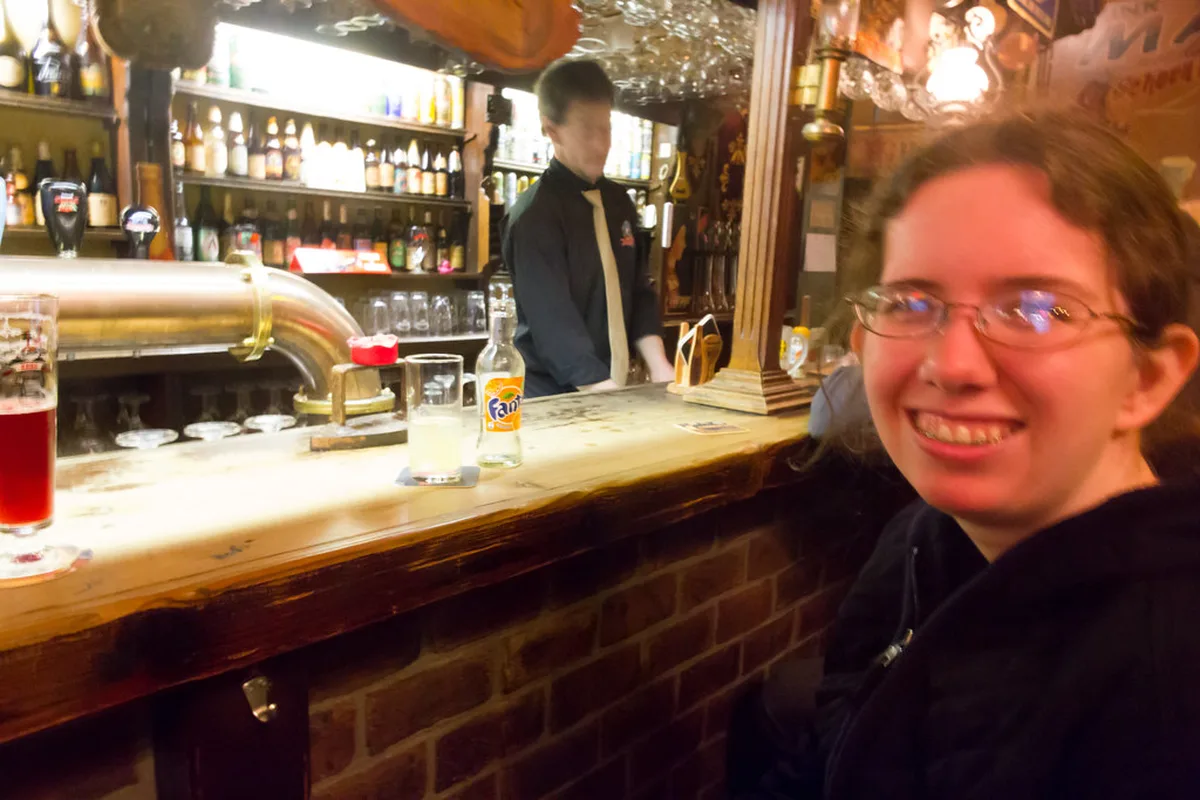
Many traditional taverns maintain a rustic atmosphere with wooden interiors, low-beamed ceilings, and candlelight that has been welcoming drinkers for decades or even centuries. These spots provide a cozy refuge during the cooler months and a sociable garden terrace during summer. Service is typically friendly, though bartenders take their time to pour each beer properly — with the correct glassware, the right temperature, and a careful head of foam. Patience is rewarded with a genuinely superior drinking experience.
Newer taprooms are also emerging across the city, focusing on modern craft styles like hazy IPAs, fruit sours, and imperial stouts. These venues often feature exposed brick and industrial decor alongside experimental flavor profiles for adventurous drinkers. You can commonly find tasting flights for €10–14 that let you try four or five small pours side by side. This is an excellent way to map your favorite Belgian beer style without committing to a full glass every time.
Waterhuis aan de Bierkant — literally "Water House at the Beer Side" — is one of Ghent's most famous canal-facing pubs and an essential stop for any beer enthusiast. Perched directly on the Graslei waterway, it stocks over 100 different Belgian beers, from Trappist ales like Westmalle and Rochefort to local Ghent breweries. The outdoor terrace provides one of the finest views in the city, especially on summer evenings when the medieval towers are illuminated. A standard pour runs €4.50–6.50, and the knowledgeable staff are happy to recommend something based on your taste profile. Arrive before 8 PM on weekends to secure a terrace seat.
- Dulle Griet on Vrijdagmarkt
- Type: Historic beer pub
- Specialty: Max beer ritual — order the Kwak (€9) and leave one shoe as deposit
- Cost: €5–10 per liter depending on beer type
- Tip: Visit on a weekday afternoon to avoid weekend queues
- Waterhuis aan de Bierkant
- Type: Scenic canal pub
- Best for: Outdoor terrace with Graslei waterfront views
- Selection: 100+ Belgian beers, from €4.50 per glass
- Vibe: Relaxed and popular with locals and tourists alike
- t'Galgenhuis in Patershol
- Type: Tiny medieval pub — one of the smallest in Ghent
- Feature: Stone cellar ambiance, centuries of history
- Atmosphere: Intimate and historic, perfect for a slow pint
- Tip: Arrive before 9 PM — it holds only 20–25 people comfortably
- Bar Bask
- Type: Craft cocktail and natural wine bar
- Vibe: Relaxed neighbourhood hangout with rotating drinks menu
- Price: Cocktails from €10, natural wines from €6 per glass
- Tip: Popular with Ghent's creative and arts community
Clubs and Music Venues in the City
Dance enthusiasts will find a healthy selection of clubs catering to various musical tastes across Ghent's neighborhoods. The city has a deep-rooted love for electronic music, ranging from melodic house to heavy industrial techno. Entry fees in 2026 vary between €8 and €25 depending on the headline act and venue prestige. Most major clubs do not reach peak capacity until well after 2 AM, so pacing yourself in the early hours pays off.
Charlatan is arguably the most beloved live music and club venue in Ghent, located directly on Sint-Pietersplein at the heart of the Vlasmarkt nightlife scene. It operates across multiple rooms spanning two floors, with different music styles running simultaneously — you might find indie guitar bands on the ground floor, electronic DJ sets in the basement, and rock playlists in the bar area. Entry typically costs €5–15 depending on whether a live act is headlining. Charlatan often hosts live bands earlier in the evening from around 9 PM before the DJ takes over for a full dance party from midnight. The crowd is wonderfully diverse: students, locals in their 30s and 40s, and curious tourists all share the same floor. On Fridays and Saturdays the queues form by 11 PM, so arrive early or check for pre-sale wristbands via their website.
Vooruit is one of the most culturally significant nightlife destinations not just in Ghent but across Belgium. Built in 1914 as a socialist arts and entertainment cooperative, this vast Art Nouveau complex now operates as a multi-use cultural centre hosting concerts, theatre, festivals, and club nights under one historic roof. Entry to club nights runs €10–20, and the main hall can accommodate over 1,500 people. The programming skews toward experimental electronic music, alternative rock, and world music — it is the kind of venue where you might discover your next favorite artist. Vooruit also runs a lively café bar that is open most evenings for drinks without a club ticket. Check their calendar at vooruit.be before visiting as events vary considerably week to week.
Kompass Klub provides a more underground experience for serious fans of industrial techno and hardcore electronic music. Located slightly east of the center in a converted industrial space, this venue regularly hosts international DJs and Belgian underground selectors for marathon sessions that run from midnight until 8 AM. Entry runs €12–20 with pre-sale tickets recommended as events regularly sell out. The club is known for its powerful Meyer Sound system, minimal lighting, and a no-phones culture on the main dance floor — a rare and welcome commitment to full immersion in the music.
Dambar is Ghent's leading LGBT+ friendly bar and club space, welcoming a diverse and inclusive crowd every weekend. Located near the city center, it runs themed nights ranging from drag performances to disco and pop club events. Entry is free on most nights, with occasional ticketed events costing €5–10. The bar serves affordable drinks starting at €4, and the atmosphere is famously warm and non-judgmental. It has been a cornerstone of Ghent's LGBT+ community for years and is open to all visitors.
Gentse Feesten: Europe's Biggest Free Outdoor Nightlife Festival
Every July, Ghent hosts the Gentse Feesten (Ghent Festivities) — a 10-day outdoor cultural festival that transforms the entire city center into one enormous free party. First held in 1843, it has grown into one of the largest free urban festivals in Europe, drawing over one million visitors every year. The festival runs from the third Friday of July for 10 consecutive days, covering more than 50 outdoor stages spread across the historic city center.
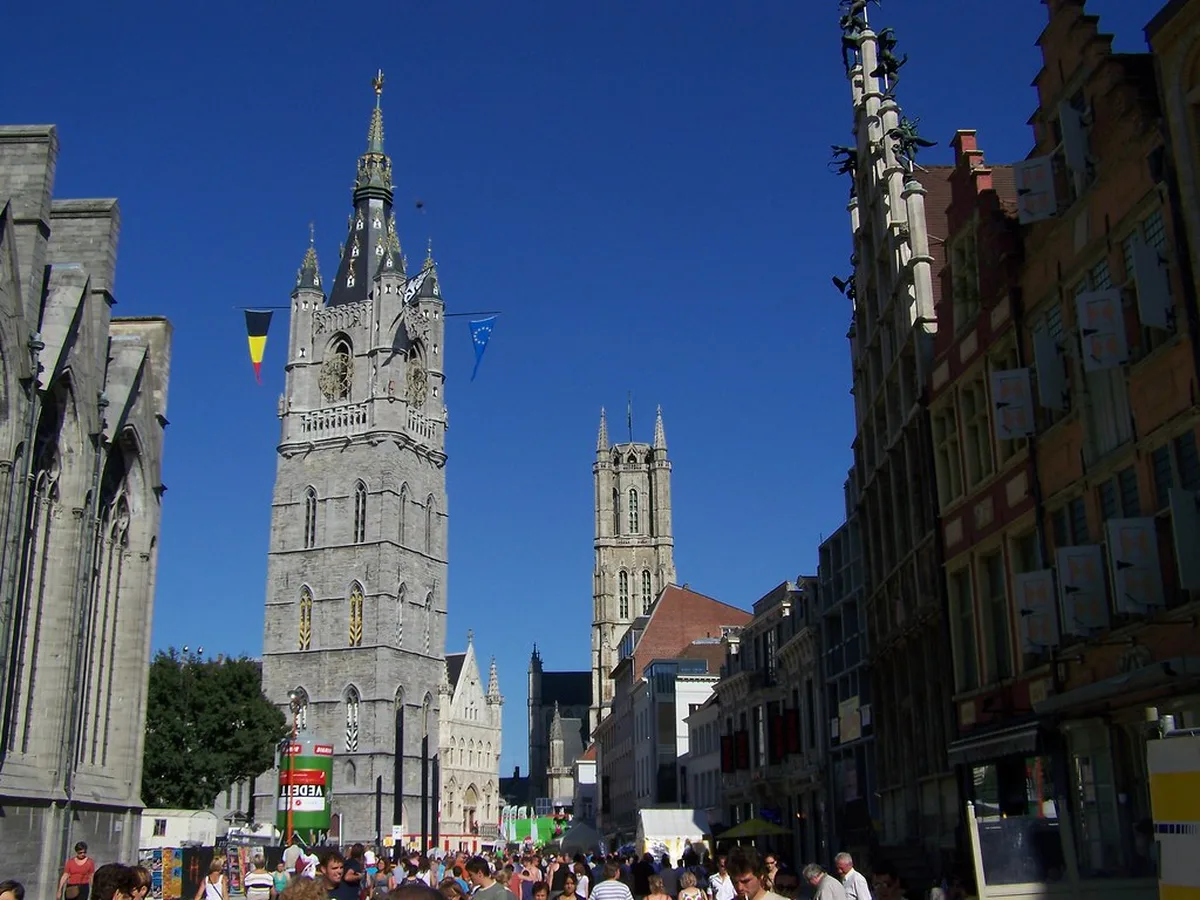
Every genre of live music is represented, from classical orchestras in the grand squares to punk bands in narrow alleyways, electronic DJs on temporary stages, and jazz ensembles by the canal. Nearly all performances are completely free — you simply walk from stage to stage following whatever sound catches your ear. Food stalls, temporary bars, and pop-up terraces open across the city, serving Belgian fries (€3–4), local beers (€3–5), and street food from dozens of vendors.
The logistical scale of Gentse Feesten is staggering. The city's permanent bars extend their opening hours significantly, with many venues staying open until sunrise throughout the festival. Public transport and night buses run extended schedules, and the pedestrian zones expand to give revelers more room to move safely between stages. Hotels book out months in advance at significantly elevated prices, so plan and reserve accommodation as early as possible — ideally six months ahead. If you can visit Ghent only once, timing your trip around the Gentse Feesten in July gives you the full, extraordinary energy of this city amplified to its absolute maximum.
Even outside festival week, the spirit of Gentse Feesten shapes Ghent's nightlife culture year-round. The city's live music infrastructure — stages, sound systems, promoter networks — that supports the festival also feeds a thriving weekly events calendar at Charlatan, Vooruit, and smaller venues throughout the year. Ghent's commitment to free and affordable culture is not an annual exception; it is a civic identity.
Local Insights for a Better Night Out
Timing your visit correctly is the most important factor for a successful night in Ghent. Monday and Tuesday nights are surprisingly quiet as many local bars observe shorter hours or weekly closures. If you visit during these times, focus on the Overpoortstraat student strip or Vlasmarkt, where the university crowd keeps things alive most nights of the week. A Ghent walking tour in the afternoon helps you spot which bars are buzzing and scope out the layout before dark.
Many travelers make the mistake of eating too early before heading out to the bars. Locals typically dine around 8 or 9 PM before starting their social rounds, which means the best bars only begin filling up around 10–11 PM. Adjusting your schedule to this local rhythm will help you avoid sitting in empty venues during the first hour and ensure you arrive when the atmosphere is genuinely lively.
Late-night hunger is easily solved by the many frituur (fry shops) scattered throughout the city center. A large portion of Belgian frites with your choice of sauce — mayonnaise, andalouse, or tartaar — costs €3–5 in 2026. These shops stay open until 4 AM or later, perfectly timed for the post-club crowd emerging from Charlatan and Kompass. Look for the busiest stands with the longest queues: that is the surest sign of the freshest potatoes and the most popular sauces. For something more substantial, late-night kebab shops near the student zones offer full meals for €5–8, with most open until 3–4 AM on weekends.
Understanding the local tipping culture will save you from awkward social moments. In Belgium, service is included in the price of your drinks and meals. While rounding up the bill is appreciated for exceptional service, large tips are neither expected nor customary at bars and clubs. This built-in service charge system makes budgeting for your night out much simpler — what you see on the menu is what you pay, with no mental arithmetic required.
Ghent versus Bruges nightlife is a comparison many visitors face when planning a Belgian city break. Bruges has beauty but relatively few late-night venues — most bars close by 1 AM and the city quiets considerably after dark. Ghent, by contrast, has an active student population, major clubs, live music venues, and genuine late-night culture running until sunrise. If nightlife matters to you at all, Ghent wins decisively. Bruges is unparalleled for daytime sightseeing; Ghent delivers on both fronts. For a longer look at this comparison, see our Bruges vs Ghent guide.
Practical Logistics and Safety Tips
Navigating Ghent at night is generally safe and straightforward for most visitors. The central districts are very compact, so walking between different venues is the most common and practical approach. Well-lit streets, a visible police presence, and an active student population keeping the pavements busy contribute to a secure environment for late-night strolls. Always stay aware of your surroundings and keep your belongings close in crowded areas, particularly on Overpoortstraat and around busy club entrances.
Public transport options change significantly after midnight on weekends. The De Lijn night bus (nachtbus) network operates on Friday and Saturday nights to connect the city center with outer suburbs and residential areas. In 2026, a single night bus trip costs €3 per ride, payable via the Lijn app or contactless card on board. Services typically run once per hour between roughly midnight and 5 AM, so check the latest timetables on the delijn.be website before your night out to avoid long cold waits at the bus stop. Night bus routes are numbered differently from daytime routes, so save the map to your phone in advance.
If you chose to drive to Ghent, finding a secure spot for your vehicle is a top priority before a night out. Our detailed guide on parking in Ghent provides specifics on the best underground garages and their rates. Many central streets are restricted to residents only after 7 PM, so park-and-ride lots at the city edge are often the safest and most affordable bet. Remember that Belgium has very strict drink-drive laws: the legal limit is 0.5‰ BAC (lower than the UK or the US), and enforcement is active on weekend nights. Always designate a non-drinking driver or use the night bus.
Taxis and ride-sharing services are available but can be quite expensive during peak night hours. A short ride across the city center might cost €12–22 depending on the time and distance. Calling a local Ghent taxi company (Taxi Snel or ABC Taxi are well-rated) is often faster and cheaper than waiting for an app-based service. Most drivers speak good English and can provide helpful recommendations for your next stop. Bicycle hire via Blue-bike or the city's rental network is another option for the first part of your evening before you start drinking.
Frequently Asked Questions
Is Ghent nightlife expensive for tourists?
Ghent is one of Belgium's most affordable nightlife cities. In 2026, a beer in a student bar on Overpoortstraat costs €2–4, craft beers in central pubs run €4–7, and cocktails range from €10–14. Club entry fees are typically €8–20. A full night out — drinks, club entry, and a late kebab — can cost as little as €25–35 if you stay in the student areas.
What is the best street for nightlife in Ghent?
Overpoortstraat is the busiest nightlife strip in Ghent, with over 30 bars in a single stretch and beer from €2–4. It is the liveliest street in Flanders outside Brussels and is busiest on Thursday and Friday nights. Vlasmarkt square is the best area for live music and alternative bars, while the Graslei canal offers upscale cocktail bars with canal views.
Where is Décadance club in Ghent and how much is entry?
Décadance is located at Voorhaven 83 in Ghent, near the Overpoortstraat student strip. It opens Thursday through Saturday, with entry priced between €8 and €12. It is the main student club in Ghent and one of the most affordable clubs in the city. Doors open at 10 PM, with peak energy from midnight to 3 AM. Student association promotions can reduce or waive entry on some nights.
What is the dress code for clubs in Ghent?
Most venues in Ghent have a relaxed or smart-casual dress code. Clean sneakers and jeans are acceptable in almost every bar and most clubs, including Charlatan and Vooruit. Some upscale cocktail lounges in Patershol may prefer a slightly more polished look. Avoid wearing sports jerseys or very baggy athletic wear to ensure smooth entry at busier venues.
How do I get home from clubs in Ghent at night?
De Lijn night buses run on Friday and Saturday nights from around midnight to 5 AM, costing €3 per trip in 2026. Pay via the Lijn app or contactless card. Taxis (Taxi Snel, ABC Taxi) are available across the city for €12–22 depending on distance. The city center is compact enough that many venues are within a 15-minute walk of major hotels.
When is the Gentse Feesten festival and is it free?
Gentse Feesten runs for 10 days every July, starting from the third Friday of the month. It is one of Europe's largest free urban festivals, with over 50 outdoor stages across the city center. Nearly all performances are completely free to attend. Food and drinks are available from street vendors at €3–5. Over one million visitors attend each year, so book accommodation six months ahead.
Is Ghent or Bruges better for nightlife?
Ghent is significantly better for nightlife than Bruges. Ghent has major clubs like Vooruit and Kompass Klub, a 30-bar student strip on Overpoortstraat, and live music venues like Charlatan (Sint-Pietersplein) that stay open until sunrise. Bruges has charm but most bars close by 1 AM and the city is very quiet after dark. For a night out, choose Ghent without hesitation.
Ghent provides a nightlife experience that perfectly balances its medieval history with a youthful, energetic spirit. Whether you prefer a quiet Belgian beer by the canal at Waterhuis aan de Bierkant, a live gig at Charlatan on Sint-Pietersplein, a cultural club night at Vooruit, dancing at Décadance on Voorhaven 83, or the full week-long free spectacle of Gentse Feesten, this city delivers at every level. The welcoming atmosphere and compact layout make it easy for any traveler to navigate on foot. Use these tips to plan your perfect evening in one of Belgium's most vibrant cities in 2026.
Remember to pace yourself and enjoy the world-class brewing culture at a steady rhythm. Respect the local neighborhoods by keeping noise levels down when walking between venues after 2 AM. Your journey through the bars and clubs of Ghent will surely be a highlight of any European trip. Enjoy the lights, the music, and the warm Flemish hospitality that makes this city so hard to leave.