The Ultimate Bergamo Old Town Guide for 2026 Travelers
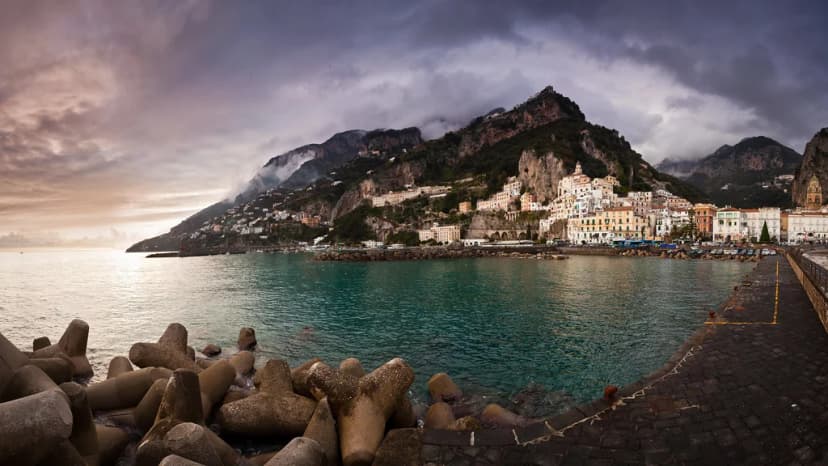
Bergamo's Città Alta is a UNESCO-listed hilltop district in Lombardy, Italy, enclosed by 16th-century Venetian walls, reached by funicular (€2.15 one-way, €4.10 return) from Viale Vittorio Emanuele II in the lower town.
Key 2026 entry fees: funicular €2.15 one-way / €4.10 return, Campanone bell tower €5, Cappella Colleoni €3, Basilica di Santa Maria Maggiore main nave free, Accademia Carrara €10 adults, Venetian walls free.
Bergamo stands as one of the most beautiful hilltop cities in northern Italy. The historic upper district, known as Città Alta, offers a perfect blend of medieval charm and Renaissance elegance. Travelers often visit this gem for its stunning architecture and breathtaking views of the Lombardy plains. This comprehensive Bergamo old town guide will help you navigate the cobblestone streets and discover hidden local treasures.
Most visitors arrive at the modern lower city before ascending to the ancient fortifications above. The contrast between the two areas provides a unique perspective on Italian urban development over several centuries. You will find that the old town retains a peaceful atmosphere despite its popularity with regional day-trippers. Planning your visit with the right logistical knowledge ensures a smooth and memorable experience in this historic destination.
Getting to the Upper City of Bergamo
Reaching the hilltop district is an adventure in itself thanks to the iconic funicular system. This cable car has connected the lower and upper cities since 1887 and remains one of the most charming ways to arrive. The ride takes only a few minutes and provides a scenic introduction to the steep Venetian walls above. See our Bergamo funicular guide for full timetables and ticketing details.
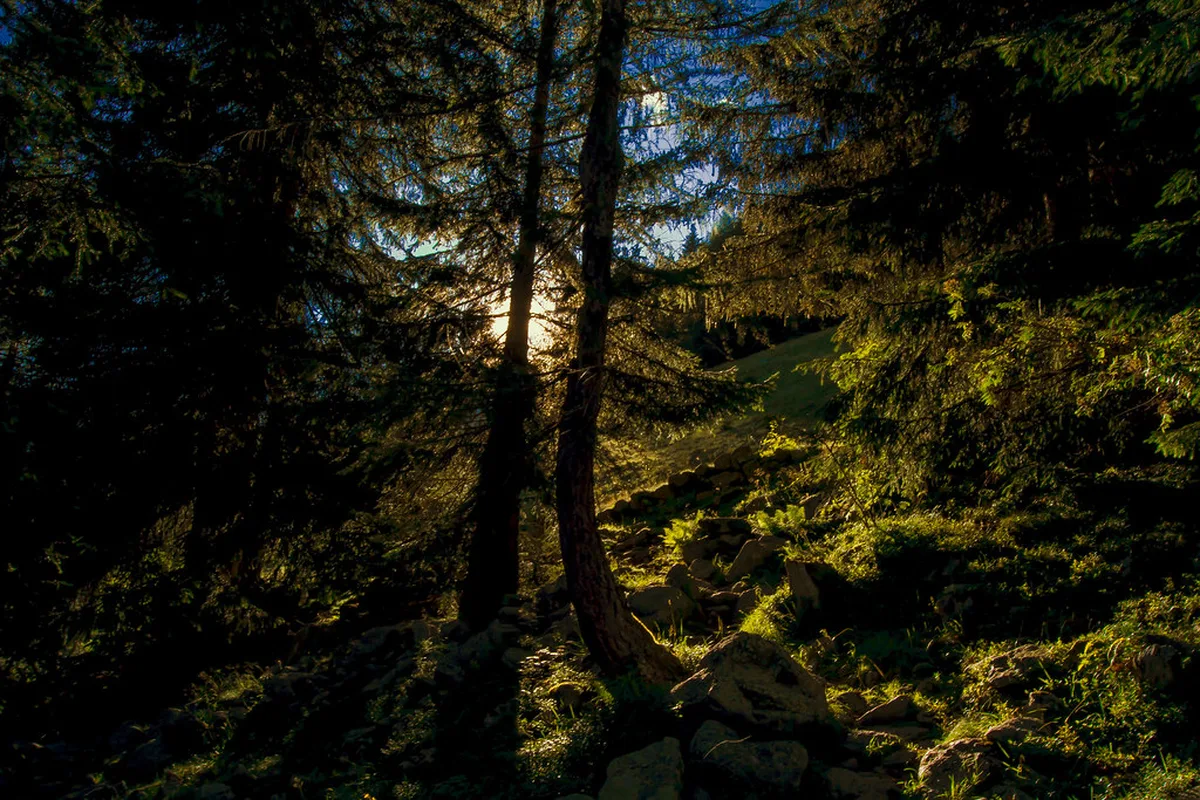
In 2026 the funicular costs €2.15 for a one-way ticket and €4.10 for a return. Tickets are sold at automated machines at the Viale Vittorio Emanuele II station in the lower city, or via the ATB mobile app. The lower funicular station is roughly a 10-minute walk from Bergamo railway station, or one stop on bus line 1. The upper station deposits you directly into Piazza Mercato delle Scarpe, just a 2-minute walk from Piazza Vecchia.
Walking remains a popular choice for those who enjoy a bit of light physical activity. Several ancient stone paths called scalette wind their way up the hillside through lush gardens. The most popular stairway, the Scaletta di Sant'Alessandro, starts near Via Vittorio Emanuele II and takes roughly 20–25 minutes to climb. These routes offer quiet spots to rest and take photos away from the main tourist crowds.
Public buses also run frequently between the train station and the historic center. Line 1 and Line 1A stop at the Porta Nuova gate in the lower city before continuing to various points in Città Alta. Tickets are affordable at around €1.50 and can be purchased at local newsstands or via mobile apps. Using the bus is often the best choice if you are carrying heavy luggage to your accommodation.
If you are arriving by car, the most practical approach is to park in the large Piazzale della Malpensata lot below the funicular station and then ride up. See the parking section below for ZTL rules and 2026 rates. Visitors planning day trips from Bergamo to nearby Lake Iseo or San Pellegrino Terme will find the train station convenient as a starting point.
Essential Sights in the Heart of the Town
Piazza Vecchia serves as the central hub where history and social life intersect in Bergamo. The square features the elegant Contarini Fountain, a white marble basin donated by the Venetian podestà Alvise Contarini in 1780, which has stood as a centerpiece for over two centuries. Surrounding buildings like the Palazzo della Ragione — the oldest communal palace in Italy still standing, dating to the 12th century — showcase the political power of the city's medieval rulers. Directly opposite stands the Biblioteca Civica Angelo Mai, a beautiful 16th-century Venetian-style building still functioning as a public library today.
The Campanone tower dominates the skyline and offers a historical connection to the city's defensive past. In 2026, visitors pay €5 to climb the 200-plus steps to the top, where the panoramic view stretches across the Lombardy plains as far as Milan on a clear day. Every evening at 10 pm, the bell rings one hundred times to signal the historic closing of the gates — a tradition that dates back to Venetian rule and remains a beloved part of the local daily routine. The tower is open daily from 9 am to 8 pm in summer (shorter hours October–March), with last entry 30 minutes before closing.
Directly adjacent to the square, the Cathedral of Saint Alexander (Duomo di Bergamo) stands as a testament to religious devotion. Its neoclassical facade hides a rich interior filled with impressive paintings and intricate marble decorations, including works by Giovanni Battista Tiepolo. Many travelers miss the small museum located beneath the cathedral floor during their first quick walk through. Exploring the crypt provides a deeper look into the Roman foundations that lie beneath the modern city. Entry to the Duomo is free.
The octagonal Baptistery is another unique structure that sits near the Basilica and the Duomo. This building was originally located inside the main church before being relocated to its current outdoor position in 1898. It represents a rare piece of 14th-century architecture by Giovanni da Campione, with intricate statues and red Verona marble details that make it a favorite subject for photographers. The structure is open to view from the outside at all hours at no charge.
Basilica di Santa Maria Maggiore and Cappella Colleoni
Standing side by side on Piazza del Duomo, these two buildings represent one of the most striking architectural contrasts in all of Lombardy. The Basilica di Santa Maria Maggiore is a masterpiece of Romanesque architecture, founded in 1137 and consecrated in the 12th century. Its exterior features ornate carved portals decorated with rearing lions, geometric marble inlays, and a delicate 14th-century porch on the north side designed by Giovanni da Campione. The apses are particularly impressive from Via Donizetti, where the tiered stonework rises in concentric arches above street level.
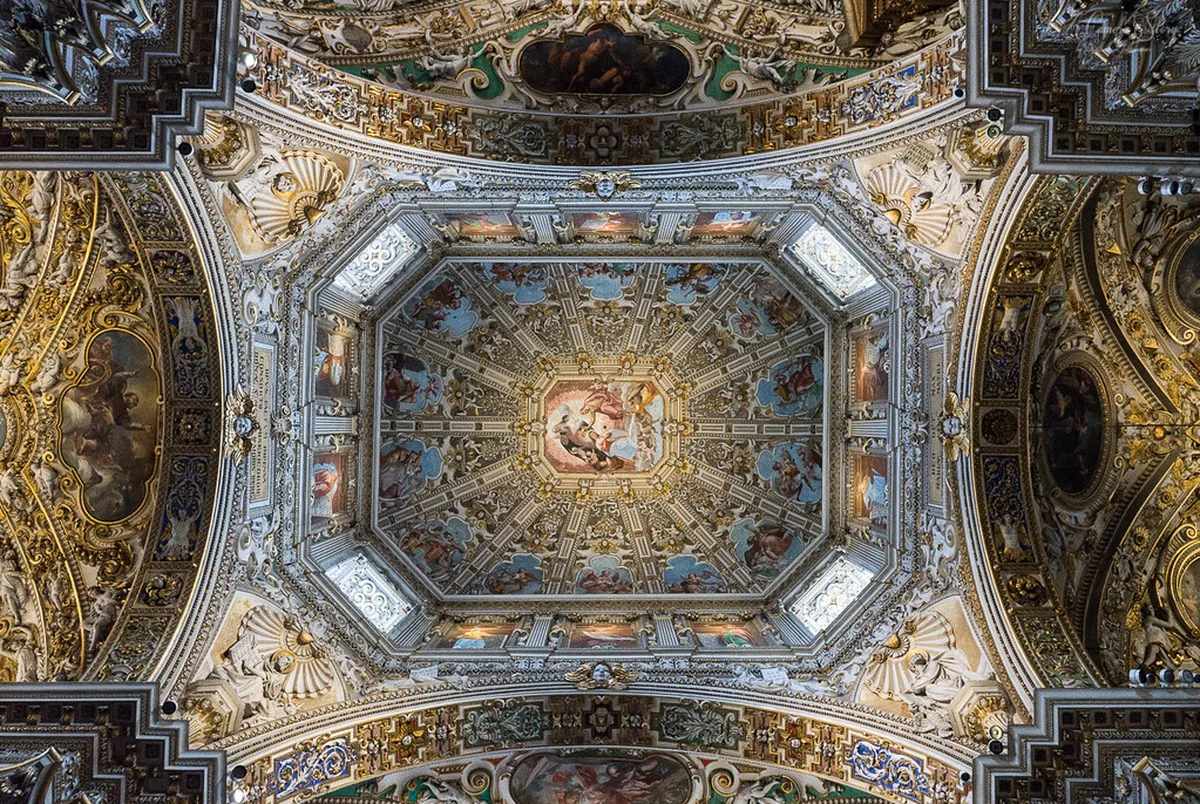
Step inside and the atmosphere transforms completely. The interior, remodelled from the late 16th century onward, is lavishly Baroque: walls and ceiling covered in tapestries, gilded stucco, and elaborate painted panels. Look down at the floor — it is paved with intricate inlay panels depicting biblical scenes in polychrome marble, a project completed over several centuries. The carved wooden choir stalls, dating to the 16th century, line both sides of the nave and feature detailed figurative panels. Entry to the main nave of the Basilica is free. Typical opening hours are 9 am to 12:30 pm and 2 pm to 5 pm (hours extend slightly in summer). Guided tours of the sacristy cost a small supplement.
Directly adjoining the Basilica is the Cappella Colleoni, built between 1470 and 1476 to serve as the mausoleum of the condottiere (mercenary captain) Bartolomeo Colleoni, who served the Republic of Venice. The chapel was designed by Giovanni Antonio Amadeo — the same architect responsible for the Certosa di Pavia — and is considered one of the finest examples of Early Renaissance decoration in northern Italy. The polychrome marble facade is encrusted with reliefs, medallions, and figurative friezes that blend Gothic intricacy with classical motifs. The interior houses Colleoni's tomb and equestrian monument, along with the smaller tomb of his daughter Medea. The coffered ceiling and painted walls complete an extraordinary ensemble.
Entry to the Cappella Colleoni costs €3 in 2026. It is open Tuesday to Sunday, 9 am to 12:30 pm and 2 pm to 5 pm (closed Mondays). Photography inside is permitted without flash. Even if you spend only 20 minutes inside, the contrast between the spare Romanesque stonework of the Basilica exterior and the jewel-box excess of the Cappella interior is one of the most memorable sightseeing moments Bergamo offers.
Walking the Venetian Walls and Gates
The Venetian Walls (Mura Veneziane) surround the old town and are recognized as a UNESCO World Heritage site, inscribed in 2017 as part of the Venetian Works of Defence. Commissioned by the Republic of Venice and built between 1561 and 1588, these massive fortifications stretch for over 6 kilometers and were designed by the Venetian engineer Bonaiuto Lorini to withstand cannon fire. Today the broad promenade on top of the walls is one of Bergamo's most beloved public spaces, with local families gathering at sunset to enjoy the fresh air and the distant skyline of Milan on clear evenings.
Porta San Giacomo is the most impressive entrance to the upper city from the east. The white Zandobbio stone gate, built in 1592, was once the main entry point for travelers arriving from the direction of Milan. A short drawbridge-style ramp and a defensive bastion frame the approach, giving the gate a formidable silhouette. Walking through the massive stone archway, you emerge into the Via della Fara, which leads directly toward the heart of Piazza Vecchia in under 10 minutes. Keep your camera ready as the view of the lower city and the distant plains from the bastion beside the gate is truly spectacular.
The wall circuit is entirely flat and paved, making it accessible for travelers of all fitness levels. Strategic benches are placed along the route so you can sit and enjoy the panoramic landscape, including clear views toward Lake Como and the Bergamo Alps to the north. Interpretive panels in Italian and English provide historical context about the engineering challenges involved in constructing these defenses. Entry to walk the walls is entirely free and the circuit is open at all hours. Plan to spend at least one hour walking the full loop; the section between Porta San Giacomo and Porta San Lorenzo offers the best uninterrupted views. Our Bergamo walking tour covers this circuit in detail.
Authentic Flavors and Dining Decisions
Dining in the upper city offers a chance to taste traditional dishes unique to the Lombardy region. Many restaurants pride themselves on using locally sourced ingredients from the nearby Brembana and Seriana valleys. Look for the "East Lombardy" certification on menus to find establishments committed to regional food traditions. Bergamo holds this designation alongside Brescia, Cremona, Mantua, and Pavia — a recognition of the area's outstanding gastronomic heritage. Reservations are highly recommended for dinner on Friday and Saturday nights to secure a good table in the old town.
Casoncelli alla Bergamasca is the signature pasta dish that every visitor must try at least once. This stuffed pasta features a savory filling of meat, raisins, and amaretto biscuits for a uniquely sweet-savory flavor profile. It is traditionally served with a rich sauce of melted butter, crispy sage leaves, and pancetta bits. Prices for a generous plate of casoncelli typically range from €12 to €16 in local trattorias in the upper city. Look for it on the menu at Osteria della Birra or Ristorante Ol Giopì e la Margì, two reliable spots in Città Alta.
Polenta e Osei is Bergamo's most famous sweet: a sponge cake shaped and decorated to look like the traditional hunting dish of polenta with small birds. Made with chocolate, almond paste, and yellow marzipan, it is sold at bakeries and pasticcerie throughout the old town for around €4–€6 per slice. For gelato, La Marianna on Largo Colle Aperto has been the city's legendary gelateria since 1955 and is widely credited with inventing stracciatella — the milk-cream gelato strewn with dark chocolate shards. A cone costs around €2.50–€3.50.
- Local Specialty: Polenta e Osei
- Type: Sweet dessert
- Flavor: Chocolate and almond
- Appearance: Yellow sponge cake
- Cost: €4–€6 per slice
- Iconic Treat: Stracciatella Gelato
- Origin: Invented in Bergamo
- Base: Milk and cream
- Texture: Crunchy chocolate bits
- Where: La Marianna, Largo Colle Aperto
For coffee, head to any bar in Piazza Vecchia and order a caffè or a bicerin — a local layered drink of espresso, hot chocolate, and cream. Afternoon aperitivo starts around 6 pm, with most bars offering free cicchetti (small snacks) alongside a spritz or glass of Valcalepio DOC wine from the local hills east of the city. A spritz typically costs €5–€7 in Città Alta bars.
Strategic Planning for Parking and Access
Driving into the old town is strictly controlled by the ZTL (Zona a Traffico Limitato) regulations. Cameras monitor every entrance gate and automatically issue fines to unauthorized vehicles during restricted hours, which typically run from 7 am to 8 pm daily. Most visitors find it much easier to park in the large lots located in the lower city. The most convenient option is the Piazzale della Malpensata car park directly beside the lower funicular station, which offers around 600 spaces. Consult our guide on parking in Bergamo for a full map and current rates.
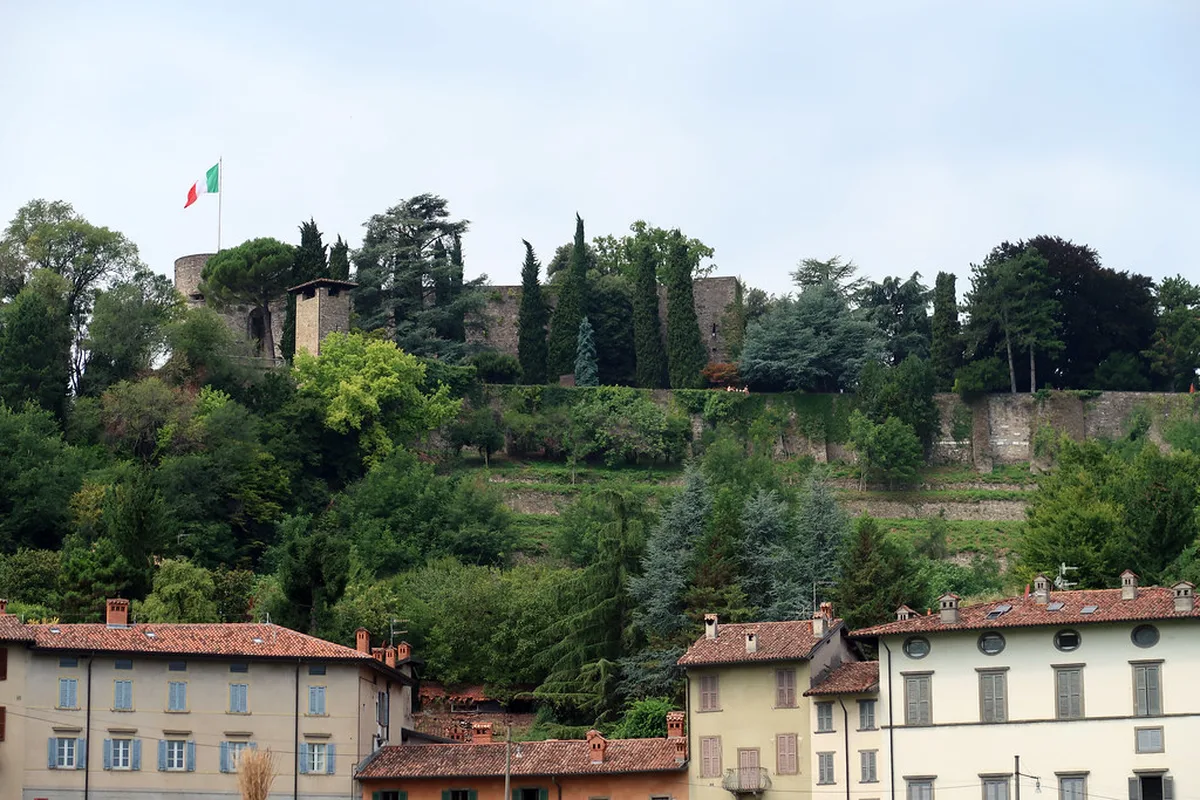
In 2026, rates at the Piazzale della Malpensata lot run approximately €2–€3 per hour, with daily maximum caps applying from around 9 am to 6 pm. The parking garage near the funicular station tends to fill up by 10 am on weekends during high season (June–September), so arriving before 9 am is advisable. Some hotels in the upper city provide special temporary ZTL permits for their guests to access the restricted zone by car. Always confirm your parking arrangements with your accommodation provider before you begin your journey to avoid unexpected fines.
If the central lots are full, consider using the park-and-ride facilities at Via Lunga or Porta Nuova on the outskirts of the city. Buses run frequently from these peripheral lots directly to the funicular station for a standard single fare of €1.50. This strategy saves time and reduces the stress of navigating narrow Italian streets during peak hours. Check the ATB transit website (atb.bergamo.it) for the most current shuttle schedules and real-time parking availability data before you set off.
Cyclists and motorcyclists have more flexibility — motorbikes are generally permitted in the ZTL and dedicated motorcycle parking bays are available near Porta Sant'Alessandro. Electric vehicle charging points are located in the lower city near Via Camozzi, with more infrastructure being added through 2026 under the city's mobility plan.
Exploring Beyond the Main Squares
Taking the second funicular from the upper city — the Funicolare San Vigilio — leads you further up to the San Vigilio hill, the highest accessible point above Bergamo. This upper funicular runs approximately every 15–30 minutes and costs €1.30 one-way. The hilltop features the ruins of the Castello di San Vigilio, where the Venetian governors once kept watch over the plains, and even more expansive views reaching toward the Orobie Alpine foothills. The atmosphere here is much quieter and more residential than the busy squares of the old town, with a handful of restaurants and a small bar perched at the summit making it an ideal spot for a long lunch.
Art enthusiasts should make time to visit the Accademia Carrara, located just outside the old walls at Piazza Giacomo Carrara, roughly a 10-minute walk from Porta Sant'Agostino. This gallery houses one of Italy's finest collections of Renaissance and Baroque paintings, including works attributed to Botticelli, Raphael, Lorenzo Lotto (a painter with deep Bergamo connections), and Giovanni Battista Moroni. Entry in 2026 is €10 for adults and €5 for reduced. The museum underwent a major renovation completed in 2015 and offers excellent lighting and bilingual wall panels. Allow at least two hours to fully appreciate the various wings and any temporary exhibitions on display during your visit.
If you have extra time, consider exploring the Lombardy region more broadly — Brescia is just 50 minutes by train and offers Roman ruins, a medieval castle, and a superb archaeological museum. These destinations are easily reachable by public transport and offer a very different look at the region's natural and cultural landscape.
Staying for multiple nights allows you to see the old town without the rush of a day-trip schedule. The city truly comes alive at night when the monuments are illuminated, the crowds thin out, and the restaurants fill with locals rather than tourists. The Campanone bell rings its nightly 100 chimes around 10 pm — a sound that carries beautifully across the darkened piazza.
Donizetti Heritage and Musical Bergamo
Bergamo is the birthplace of the celebrated opera composer Gaetano Donizetti (1797–1848), and the city wears this distinction with pride throughout the historic center. The Casa Natale di Donizetti, located on Borgo Canale at the bottom of the hillside, is the modest house where the composer was born and offers a small but moving museum of personal belongings, manuscripts, and period instruments. Entry costs €5 in 2026 and guided visits are available in Italian and English. Borgo Canale itself is a charming and often overlooked neighborhood that provides an authentic residential glimpse of the lower city.
Closer to the upper town, the Teatro Donizetti in the lower city (Piazza Cavour) is one of northern Italy's most prestigious opera houses. Rebuilt and reopened after a major restoration completed in 2021, the theatre hosts the annual Donizetti Opera Festival each November — a major event that draws opera enthusiasts from across Europe. Tickets for festival performances range from approximately €25 to €120 depending on seat category. Even outside festival season, the ornate interior and regular concert programming make an evening at the Teatro Donizetti a rewarding cultural experience. Check the official website for the 2026 season schedule before you book.
The Museo Donizettiano adjacent to the Biblioteca Civica Angelo Mai on Piazza Vecchia holds a permanent collection of the composer's letters, scores, and personal effects. Entry is typically free or included with a city museum pass. The library building itself, with its graceful Venetian colonnade, is a landmark in its own right and worth a brief visit to admire the architecture even if you do not go inside. A portrait of Donizetti by the Bergamo painter Francesco Coghetti hangs in the reading room and is considered one of the most accurate likenesses of the composer.
Street names throughout Città Alta reinforce this musical legacy: Via Donizetti runs along the southern flank of the Basilica di Santa Maria Maggiore, and several bars and restaurants carry the composer's name. In spring and summer, the city frequently hosts outdoor chamber concerts in Piazza Vecchia, with performances often beginning around 9 pm and continuing into the warm evening air — a wonderful way to experience Bergamo's cultural life at no cost. This combination of architectural grandeur and living musical tradition makes Bergamo's old town unlike any other hilltop destination in Lombardy.
Frequently Asked Questions
Is the Bergamo Old Town walkable for everyone?
Città Alta is largely pedestrian-friendly but features steep hills and uneven cobblestone streets between Piazza Mercato delle Scarpe and Piazza Vecchia. Travelers with mobility issues should use the funicular (€2.15 one-way) to reach the upper city and local buses to move between the main squares. Flat-soled shoes and frequent rest stops at the bench-lined Venetian wall promenade make the experience comfortable for most visitors.
How much time should I spend in Bergamo Alta?
A full day gives enough time to see Piazza Vecchia, the Campanone tower (€5), the Cappella Colleoni (€3), the Basilica di Santa Maria Maggiore (free nave), and walk a section of the UNESCO Venetian Walls. Staying overnight allows you to experience the peaceful atmosphere after day-trippers leave, enjoy the 10 pm Campanone bell ringing, and take the Funicolare San Vigilio (€1.30 one-way) to the castle ruins the next morning.
Can I drive into the Bergamo Old Town?
Private cars are strictly excluded from Città Alta during ZTL hours (typically 7 am–8 pm daily). Only residents and guests with hotel-issued ZTL permits may enter by car. The recommended approach is to park at Piazzale della Malpensata below the funicular station (approximately €2–€3 per hour in 2026) and ride the funicular up for €2.15 one-way. Motorcycles and bicycles have separate permitted access near Porta Sant'Alessandro.
Is Bergamo's Upper Town (Città Alta) free to visit?
Walking around Città Alta, strolling the 6-kilometer Venetian Walls circuit, and entering the Basilica di Santa Maria Maggiore's main nave are all free in 2026. Paid attractions include: funicular €2.15 one-way / €4.10 return, Campanone bell tower €5, Cappella Colleoni €3, Funicolare San Vigilio €1.30 one-way, and the Accademia Carrara art gallery €10 for adults / €5 reduced. The Duomo di Bergamo is also free to enter.
How do you get from Bergamo Lower Town to Upper Town?
The most popular option is the Funicolare Città Bassa–Città Alta, departing from Viale Vittorio Emanuele II every few minutes and costing €2.15 one-way or €4.10 return in 2026. Alternatively, city bus lines 1 and 1A stop at several gates for €1.50 per journey, or you can walk up via the Scaletta di Sant'Alessandro stairway in about 20–25 minutes. Tickets for the funicular and buses are available at ATB machines, local newsstands, or via the ATB mobile app.
What is the best time of year to visit Bergamo Old Town?
April through June and September through October offer the best combination of mild weather, clear views of the Orobie Alps, and manageable crowd levels. July and August bring peak heat (often above 30°C) and the largest influx of day-trippers from Milan. Winter visits are quieter and atmospheric, especially in December when Christmas markets fill Piazza Vecchia, though the Campanone tower and Cappella Colleoni operate on reduced hours from October to March.
Who was Donizetti and why is Bergamo associated with him?
Gaetano Donizetti (1797–1848) was one of the leading opera composers of the Romantic era, famous for works including Lucia di Lammermoor and L'elisir d'amore. He was born in Bergamo's Borgo Canale district, and the city has honored his memory with the Teatro Donizetti opera house in the lower town, an annual Donizetti Opera Festival each November (tickets €25–€120), and the Museo Donizettiano on Piazza Vecchia displaying original manuscripts and personal effects. Entry to the museum is free or covered by a city museum pass.
Bergamo's old town remains one of the most rewarding destinations in Northern Italy for history lovers and architecture enthusiasts alike. From the UNESCO Venetian walls and the ornate Cappella Colleoni to the quiet alleys leading up to San Vigilio and the musical legacy of Donizetti, there is always something new to discover. Using this Bergamo old town guide will help you make the most of every hour in this hilltop paradise in 2026. For a broader look at the surrounding region, explore our Lombardy region travel guide or plan your onward journey with our day trips from Bergamo overview.