Finding the Best Spots for Parking in Porto (2026 Guide)
Porto Zone 1 street parking costs €1.20–€1.50/hr in 2026; underground garages charge €2.00–€2.50/hr or €18–€25 per day. Street parking is free on Sundays and public holidays across all zones.
The cheapest covered garage near Ribeira is Parque Bom Sucesso (Rua de Júlio Dinis) at €0.90/hr and €9.00/day — 10 minutes' walk to Clérigos Tower. Estádio do Dragão park-and-ride is free for metro users.
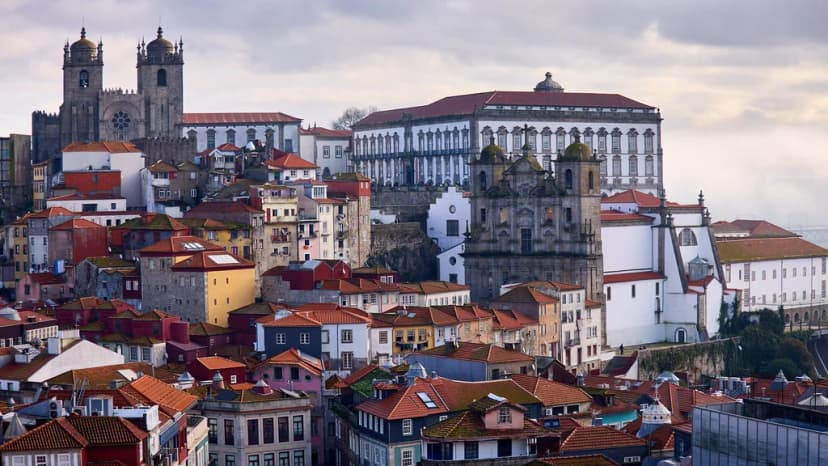
Finding reliable parking in Porto often feels like a challenge due to the city's ancient layout. Narrow cobblestone streets and steep hills make driving a complex task for many visitors traveling through Portugal. Drivers should plan their parking strategy before arriving to avoid unnecessary stress during their trip. This guide provides essential details on where to leave your vehicle safely while exploring the city in 2026.
Porto offers a mix of street spaces and modern underground garages to accommodate various budgets. Central districts prioritize residents and pedestrians, which limits the number of available roadside spots. Understanding the local regulations helps you avoid heavy fines or the risk of being towed. Strategic planning ensures you spend more time enjoying the sights and less time circling blocks.
Understanding Street Parking in Porto
Street parking in Porto is divided into specific colour-coded zones that determine the maximum permitted stay and the hourly rate. Blue zones are the most common across the city centre and typically require payment between 9:00 AM and 7:00 PM on weekdays. Some areas also charge for parking on Saturdays until 1:00 PM to manage weekend visitor crowds. Always check the nearest ticket machine to confirm the exact hours for that street before leaving your car.

Drivers must display their physical tickets clearly on the dashboard to avoid penalties from local traffic wardens (Polícia Municipal). Many machines now accept coins, but finding one that takes international credit cards can still be difficult in older neighbourhoods. You can simplify the process considerably by using the Telpark mobile application on your smartphone. This app allows you to pay digitally and extend your session remotely without returning to the vehicle.
While exploring the Porto old town, you will notice that street spots are extremely scarce. Most available spaces near the riverfront are reserved for local residents displaying special resident permits. Parking in these restricted zones without a permit will result in a wheel lock or an immediate fine starting at €60. Look for the blue 'P' signs with additional text indicating resident-only (residentes) restrictions before leaving your car.
Porto's street parking is managed by SMAP (Serviço Municipal de Atendimento ao Público) and split into three tariff zones. Zone 1 covers the historic core including Baixa, Bonfim, and Cedofeita, with rates of €1.20–€1.50 per hour in 2026. Zone 2 covers mid-ring streets at €0.90–€1.10 per hour, while Zone 3 on the outer ring costs €0.60–€0.80 per hour. Maximum stay limits are typically two hours in Zone 1 and four hours in Zones 2 and 3. Outside these hours and on Sundays, street parking is free across all three zones, which is a significant saving for those scheduling their sightseeing accordingly.
The Telpark app and the Parkare app are the two most widely used digital payment tools in Porto. Both are free to download and accept Visa, Mastercard, and MB Way payments. Using these apps also sends a reminder before your session expires, giving you time to extend without a penalty. If you prefer using cash at a meter, note that most Zone 1 machines only accept €0.10, €0.20, and €0.50 coins, so carry small change at all times.
Rates for street parking range from €0.60 to €1.50 per hour depending on which zone you are in and how close you are to the historic centre. Most Zone 1 spots have a maximum limit of two hours, making them unsuitable for all-day visits. If you plan to stay longer than two hours in a central area, an underground garage is a much more practical and cost-effective choice overall. These facilities offer better protection from the elements, CCTV monitoring, and no towing risk.
Top Public Parking Garages in the Centre
Underground garages provide the most reliable parking in Porto for tourists who want peace of mind. These facilities are usually well-lit, monitored by 24-hour cameras, and located near major transit hubs and attractions. The Saba Cardosas garage is a consistently popular choice because it sits right next to the São Bento station in the heart of the city. This location makes it easy to start your sightseeing journey immediately after parking without any additional commute.
In 2026, Saba Cardosas charges approximately €2.20 per hour for the first two hours, with a full 24-hour maximum capped at €22.00. Weekend rates drop slightly to around €1.80 per hour. Pre-booking via the Saba website can save up to 20%, making an advance reservation strongly advisable during the busy summer season from June to September. The garage has 341 spaces across multiple levels and is accessible from Rua das Flores.
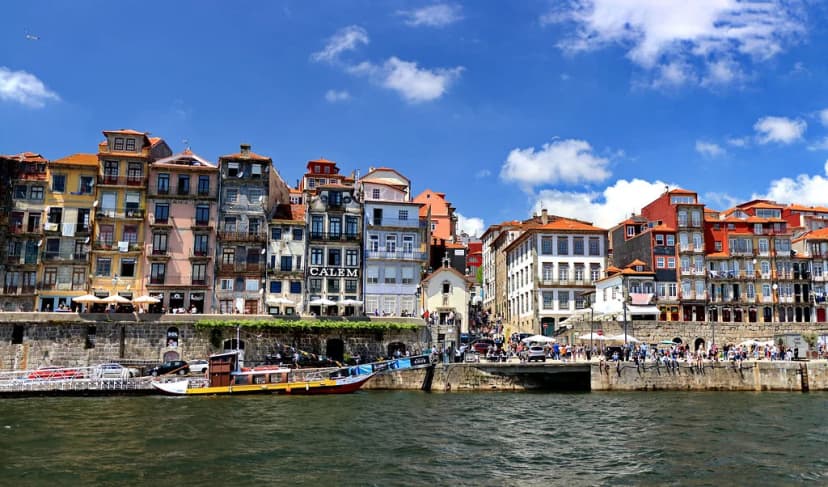
The Ribeira district features a large underground park located right beneath the main Praça da Ribeira square. It charges €2.00 per hour in 2026, with a daily maximum of €20.00 after four hours. Accessing this garage requires navigating some tight entrance ramps, so drivers with large SUVs or camper vans should exercise caution. The garage provides direct pedestrian access to the riverfront restaurants, the Dom Luís I bridge, and the iconic Porto wine lodges across the water in Vila Nova de Gaia.
Another excellent option is the Parque de Estacionamento Alfândega, located near the Alfândega do Porto congress centre and the World of Wine museum. It charges €1.60 per hour and offers a flat daily rate of €14.00, making it one of the better-value central options in 2026. The facility has more spacious bays compared to older garages and is suitable for larger vehicles. You can walk to the Ribeira waterfront in about eight minutes from here, or take a short taxi ride to the Clérigos or Bolhão areas.
Parque Bom Sucesso on Rua de Júlio Dinis is the best budget option for visiting the western cultural strip near the Serralves Museum and the Casa da Música. In 2026 it costs approximately €0.90 per hour with a daily cap of €9.00, significantly cheaper than city-centre garages. It is roughly a 10-minute walk from Clérigos Tower and about 15 minutes from Aliados. The park accepts Multibanco, credit card, and cash, making it accessible for most visitors.
For visitors arriving from the south and crossing the Dom Luís I bridge, the large surface car park on the Gaia side is an excellent free or low-cost alternative. Several private lots in Vila Nova de Gaia charge €3.00–€5.00 for the full day, which is far cheaper than anything on the Porto side. From there you can walk across the upper or lower deck of the bridge directly into the Ribeira in under five minutes. This cross-river strategy is increasingly popular among day-trippers who want to keep costs down.
- Saba Cardosas — Praça da Liberdade
- Type: Secure underground (341 spaces)
- Best for: Central sightseeing, São Bento access
- Rate (2026): €2.20/hr | €22.00 daily max
- Book ahead: saba.pt for up to 20% discount
- Parque Ribeira — Praça da Ribeira
- Type: Underground facility
- Best for: Riverfront dining, Douro access
- Rate (2026): €2.00/hr | €20.00 daily max
- Parque Alfândega — Rua Nova da Alfândega
- Type: Modern underground
- Best for: World of Wine, Alfândega Congress Centre
- Rate (2026): €1.60/hr | €14.00 daily flat
- Parque Bom Sucesso — Rua de Júlio Dinis
- Type: Budget underground
- Best for: Serralves, Casa da Música, Boavista
- Rate (2026): €0.90/hr | €9.00 daily cap
Free Parking Options Near the City
Finding free parking in Porto requires looking toward the outer residential districts or crossing to the opposite side of the Douro river. Many experienced travellers choose to park in Vila Nova de Gaia and walk across the Dom Luís I bridge into the centre. This free-parking strategy saves the cost of a central garage and can reduce your daily transport bill by €15–€20 or more. Residential streets further from the river in areas like Lordelo do Ouro, Campanhã, or Paranhos often have no meters and no time restrictions.
Metro park-and-ride stations offer a smart combination of free or very cheap parking with fast public transit access into the centre. The Estádio do Dragão station on the Blue Line has a large surface lot where parking is free for passengers using the metro. A single metro journey from Estádio do Dragão to Aliados costs €1.30 in 2026, meaning a full day's parking plus two trips costs under €3.00 total. This is the most cost-effective approach for visitors following a Porto 3-day itinerary who do not need a car every day.
Similarly, the Francos and Póvoa de Varzim metro stations on the Pink Line have large free surface lots. From Francos station you can reach São Bento in under 15 minutes on the metro, making it a seamless option for visitors staying outside the centre. The Campanhã rail station area also has paid surface parking at around €1.50 per day, far below central rates. From Campanhã you can take a direct train or metro to São Bento in about eight minutes.
Safety is a primary concern when choosing an unmonitored free spot on the street. While Porto is generally considered safe, leaving valuables in plain sight in a parked car can attract opportunistic theft. Read our guide on is Porto safe for tourists to learn more about protecting your belongings in the city. Using a paid covered garage for at least the overnight period is often worth the small extra cost versus leaving a car on an unlit street.
The University of Porto campus in the Asprela area sometimes has free spots during the summer holidays between July and September, when student demand drops sharply. However, these spaces are a 40-minute walk from the Ribeira or require two metro stops. Always calculate the true cost of a free spot by factoring in the return metro fare or ride-share cost. In many cases, the convenience of a central garage like Bom Sucesso at €9.00 per day outweighs the savings of parking three kilometres away for free.
Free time-limited parking (up to two hours) can also be found in the Boavista roundabout area on weekday evenings after 7:00 PM and all day on Sundays. Several wide avenues in the Foz do Douro neighbourhood near the Atlantic mouth of the river offer free roadside parking throughout the day. If you are planning a beach afternoon at Matosinhos or Foz, these coastal streets are an excellent parking base before heading back to the centre by bus or Uber.
Challenges of Parking in Porto Old Town
Driving into the historic Ribeira and Sé districts can be an intimidating experience for most visitors unfamiliar with Portuguese urban layouts. The streets were designed for horse-drawn carriages rather than modern rental cars or large SUVs. Many roads are one-way and can lead you several minutes off-course if you miss a single turn on the cobblestones. GPS signals frequently struggle between the tall granite stone buildings, compounding the navigation difficulty.
Large portions of the city centre are designated as Zonas de Acesso Condicionado (ZAC), or restricted access zones, enforced by ANPR cameras. These cameras scan licence plates and issue automatic fines to unauthorised vehicles entering the perimeter between 7:00 AM and 9:00 PM daily. Most hotels located within these zones will provide a temporary access permit code if you notify them in advance by email or phone. Always contact your accommodation before arrival to clarify their specific parking and road-access rules, as procedures vary between properties.
If you are planning day trips from Porto, the optimal strategy is to pick up your rental car on the departure day rather than keeping it in the city. Keeping a car in the city centre for several days without using it is expensive at €18–€25 per day and entirely unnecessary given Porto's excellent metro and bus network. Renting from a location near the airport or Campanhã station entirely bypasses city traffic and saves the first night's garage fee.
Steep inclines are another factor that makes parking in Porto unique and sometimes hazardous for inexperienced drivers. When parking on a hill, always turn your front wheels toward the curb and engage the handbrake firmly before leaving the car. Manual cars should additionally be left in first gear (pointing downhill) or reverse (pointing uphill) to provide an extra mechanical safety layer against rolling. These precautions are legally required in Portugal and you can receive a fine for failing to follow them on a gradient.
Narrow entrance ramps in older garages like Parque Ribeira require careful mirror management. The painted clearance width at the Ribeira entrance is 2.0 metres, which means most standard rental cars (typically 1.8–1.9 m wide including mirrors) can pass comfortably, but large SUVs and people carriers may struggle. If driving a wider vehicle, opt for Parque Alfândega, which has a more generous 2.2 m clearance and wider internal aisles. Height restrictions in most Porto garages are set at 1.9–2.0 m; campervans and high-roof vans are generally excluded from all underground facilities in the historic core.
Parking Near the Waterfront and Ribeira
The Ribeira waterfront is Porto's most photographed neighbourhood and consequently one of the hardest places to park. Street spaces along Cais da Ribeira are reserved exclusively for residents and delivery vehicles between 7:00 AM and 11:00 PM. Visitors attempting to park along the quay will almost certainly find a fine on the windscreen or, during peak summer months, a wheel clamp requiring a release fee of €75–€100 at the Polícia Municipal pound.
The best dedicated option for the waterfront is the Parque Ribeira underground garage beneath Praça da Ribeira, which costs €2.00 per hour and €20.00 for a full day in 2026. It connects directly to the riverside promenade via a pedestrian exit and places you within 30 seconds' walk of the main restaurants and the lower deck of the Dom Luís I bridge. The garage has 220 spaces and is accessible from Rua do Infante Dom Henrique on the western side of the square.
A widely used alternative is to park across the river in Vila Nova de Gaia and walk across the Dom Luís I bridge. The upper deck of the bridge is reserved for the Metro do Porto (yellow line), but the lower deck is open to pedestrians at all times. Several private car parks directly beside the cable car station in Gaia charge €3.00–€5.00 for a full day. Crossing to Porto takes about five minutes on foot, and the bridge walk itself offers some of the best panoramic views of the city's famous azulejo-tiled facades and terraced houses.
Timed surface parking is available along Rua Nova da Alfândega just west of the Ribeira at €1.60 per hour (Zone 1 rates, 2026) with a two-hour maximum. This strip is often the first place to try if you arrive early in the morning before the garages fill up. By 10:00 AM on summer weekends these spots are typically all occupied. The nearby Parque Alfândega garage is the reliable fallback at €1.60 per hour with no time cap.
Visitors planning to dine at the Ribeira restaurants in the evening will find parking considerably easier after 7:00 PM, when Zone 1 street enforcement ends. After that point, many of the metered bays along Rua Mouzinho da Silveira and Rua de São João become free-of-charge, and wardens do not patrol. Arriving by 7:30 PM for an evening meal allows you to park for free for the entire duration of dinner, one of the best-kept practical tips for saving money in Porto.
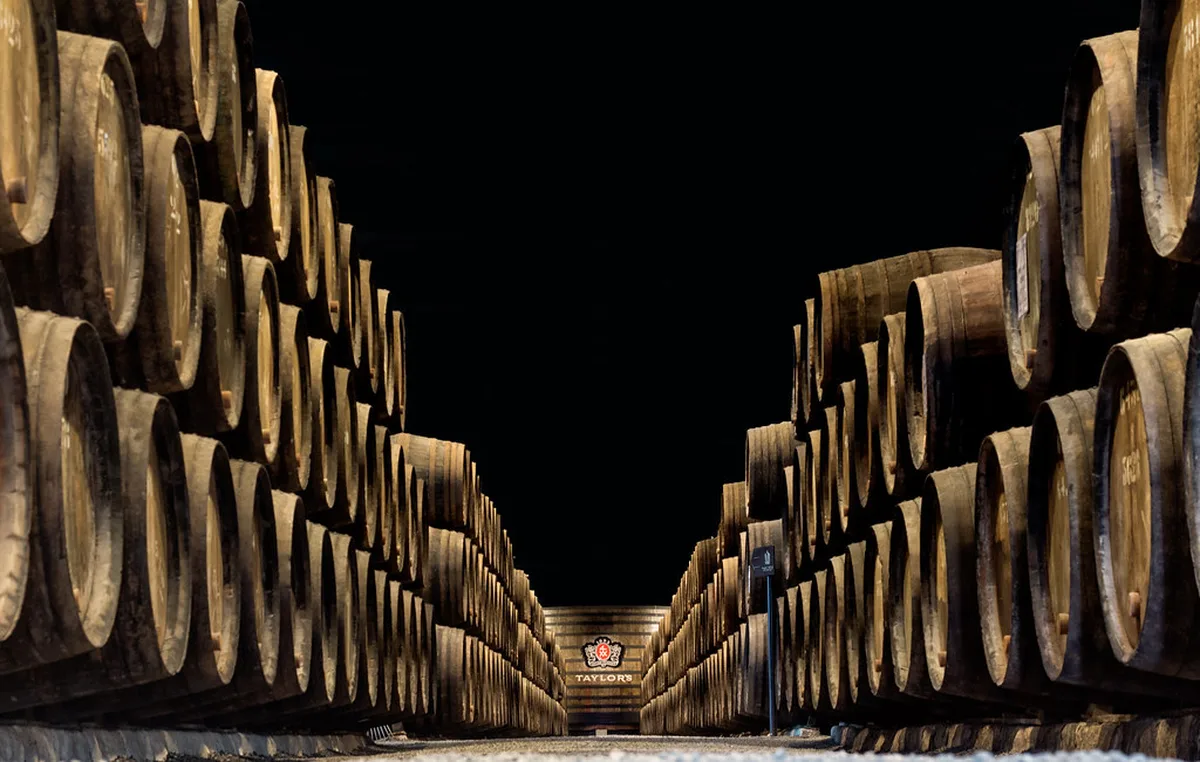
For those visiting the Sandeman, Graham's, or Taylor's wine lodges across the river in Gaia, the large publicly signposted Parque de Estacionamento Afurada on Avenida Ramos Pinto in Gaia charges €1.00 per hour and has over 400 spaces. It is a five-minute walk from the main lodge entrances. This is the recommended parking base if your afternoon is focused on the Gaia side of the Douro rather than Porto itself.
Fines, Enforcement Zones, and What to Do If You Are Towed
Porto's parking enforcement is handled jointly by the Polícia Municipal (municipal police) and SMAP-contracted wardens. Fines are issued as physical notices placed on the windscreen and must be paid within 30 days to avoid an administrative surcharge. In 2026, standard parking fines start at €60 for overstaying a metered zone and rise to €120 for parking in a prohibited zone or blocking a pedestrian crossing. Parking in a resident-only space without a valid resident permit attracts a fine of €80–€100.
Tow-truck operations are common in the city centre, particularly on Rua de Santa Catarina, Rua 31 de Janeiro, and along the main bus corridors. If your car is towed, you must contact the Polícia Municipal at their central depot on Rua do Heroísmo to locate the vehicle. In 2026, the tow fee is €120 plus €15 for each day of storage after the first 24 hours. You will need to present your driving licence, vehicle documents, and proof of insurance to collect the car.
Restricted access zones (ZAC) in the Sé and Ribeira historic core are enforced 24 hours a day using fixed ANPR cameras. Vehicles without a valid permit that enter these zones will receive an automatic fine of €80–€120 sent to the registered keeper within 14 days. If you are driving a rental car, the fine notice is forwarded to the rental company, who will charge it plus a €25–€35 administration fee to your credit card. The only way to access these zones legitimately is to have a time-limited permit code provided by a hotel or resident within the zone.
Blue-zone overstay is the most common offence for tourists. Wardens typically patrol Zone 1 streets between 9:00 AM and 7:00 PM and chalk or photograph tyres to detect overstayers. If you return to find a penalty notice on the windscreen, photograph it immediately before it blows away. Payment can be made online at the Câmara Municipal do Porto website, at any Multibanco ATM, or at the SMAP office on Rua Clube Fenianos during business hours.
If you are using a rental car and receive any fine, report it to the rental company immediately and keep a copy of the penalty notice. Many companies such as Hertz, Europcar, and Sixt add a fixed administrative fee (typically €25) on top of the fine value when processing payment on your behalf. Paying the fine directly within 15 days at a Multibanco avoids this fee entirely, provided you can match the registration to the booking and the rental company cooperates with the direct-payment process.
Safety Tips and Local Parking Nuances
One local nuance that surprises many visitors is the presence of informal parking attendants known as 'arrumadores'. These individuals often gesture toward empty spaces on the street and offer to guide you into position. While they hold no official status, it is common practice in Porto to give them a tip of €0.50–€1.00 after parking. This small gesture usually results in them keeping a watchful eye on your car while you are away.
Drivers should be aware that police enforcement in Porto is strict and consistent regarding illegal parking in transit corridors. Avoid parking on footways or blocking pedestrian crossings even for a few minutes while loading luggage or waiting for passengers. Tow trucks operate frequently in the Baixa district to keep the narrow bus and tram lanes clear. Having your car towed and then retrieved from the impound costs €120 for the tow plus daily storage fees, making prevention far cheaper than the cure.
Using a Via Verde transponder in your rental car is a great way to handle parking payments automatically in garages that support the system. Several modern Porto garages, including Parque Bom Sucesso and the AXA underground park in Boavista, have dedicated Via Verde lanes that read the tag as you enter and exit. The fee is then charged directly to the credit card linked to your rental agreement. This system eliminates waiting at payment machines and is particularly useful when leaving a dark underground garage late at night.
Before leaving your vehicle anywhere in Porto, double-check that no bags, jackets, cameras, or electronic devices are visible through the windows. Even an empty rucksack left on the back seat can attract a smash-and-grab in a busy tourist area around the Ribeira or Clérigos. Always use the boot to conceal belongings before you arrive at your parking destination rather than transferring items in plain view at the car park. These basic precautions apply equally to expensive central garages and free outer-ring street spots.
Overnight parking in underground garages is generally safe throughout Porto. The safest facilities for overnight stays are those with 24-hour attendants or live CCTV monitoring: Saba Cardosas, Parque Ribeira, and Parque Alfândega all meet this standard. Street overnight parking in residential areas is common and generally trouble-free, but always confirm there are no weekly street-cleaning restrictions — many Porto streets have a no-parking window of 8:00–10:00 AM on one weekday for cleaning, marked by a small yellow roadside sign.
Airport and Long-Term Parking in Porto
Porto Airport (Aeroporto Francisco Sá Carneiro) is located approximately 11 kilometres northwest of the city centre in Maia, and it has four distinct parking zones suited to different trip lengths. P1 and P2 are the covered multi-storey car parks immediately adjacent to the departures terminal. P1 charges €2.50 per hour with a daily cap of €24.00 in 2026, while P2 is slightly cheaper at €2.00 per hour with a €20.00 daily maximum. Both are connected to the terminal via a short covered walkway, making them the most convenient option for passengers with heavy luggage or tight connections.
For trips longer than three days, the open-air long-stay lot known as P3 (Parque de Longa Duração) is by far the most cost-effective choice at the airport. P3 charges a flat €6.00 per day in 2026, with a seven-day maximum of €35.00 — a significant saving over P1 or P2's cumulative daily rates. A free shuttle bus runs every 10 minutes between P3 and the terminal from 5:00 AM until midnight, adding only about four minutes to your transit time. Booking P3 online in advance via the ANA Aeroportos website can reduce the rate further to €4.50 per day during promotional windows.
Private off-airport parking companies operate on Estrada da Circunvalação and nearby streets around the airport perimeter and typically undercut the official ANA rates by 20–30%. Firms such as ParqueJá and Airport Shuttle Porto offer fully covered spaces at €5.00–€6.00 per day, with a complimentary pickup and drop-off shuttle service included. These providers require an advance booking of at least 24 hours and accept credit card or PayPal. While reputable companies operate safely, always read recent reviews on Google or TrustPilot before committing to an independent operator, as quality varies.
Travellers who prefer using public transport to reach the airport can combine free park-and-ride with the Metro Line E (violet line), which runs directly from Estádio do Dragão to the airport terminal in approximately 35 minutes. Parking at Estádio do Dragão is free for metro passengers, and a single metro ticket to the airport costs €2.00 in 2026, or €1.30 with an Andante rechargeable card. For a week-long trip, this strategy saves €28–€35 compared with parking at P2 and is entirely stress-free given the metro's reliability. Visitors planning day trips from Porto to northern Portugal can also use this park-and-ride base as a practical starting point each morning.
Rental car return at Porto Airport is handled at the dedicated car return zone on Level 0 of the P1 multi-storey, clearly signposted from the N107 approach road. All major companies — Hertz, Europcar, Sixt, Avis, and Budget — have returns there. Aim to arrive at least 30 minutes before check-in close to allow time for the fuel check and inspection walk-around. If you collect a rental on arrival, the car collection desks are located on the Arrivals level of the terminal beside the luggage carousels, and the keys are handed over in the P1 car park via a short agent escort.
For those combining an airport arrival with plans to explore the Douro Valley wine region or head directly to Sintra, renting a car at the airport and driving straight out of the city rather than parking centrally is the most efficient strategy. Porto's ring road, the VCI motorway (Via de Cintura Interna), links the airport to the A1 (Lisbon), A3 (Braga), and A4 (Amarante/Douro) without requiring any city-centre navigation. This route bypasses the historic core entirely, saving both time and the daily garage cost for nights when a car is parked but not needed in the city.
Frequently Asked Questions
Is street parking in Porto free on Sundays?
Yes, street parking in all municipal blue zones in Porto is free on Sundays and public holidays in 2026. Time restrictions and hourly charges are suspended across Zone 1, Zone 2, and Zone 3 on these days. However, resident-only spaces (marked with a white 'R' on a blue background) remain off-limits to non-residents seven days a week. Always check the physical sign on the specific street to confirm there are no special event restrictions in force, particularly during Festa de São João in June and other large city festivals.
How much does a parking garage cost in Porto per day in 2026?
Daily rates for secure underground garages in Porto's city centre range from €9.00 to €25.00 in 2026, depending on location and facility. Parque Bom Sucesso on Rua de Júlio Dinis is the most affordable at €9.00 per day. Saba Cardosas near São Bento charges a daily maximum of €22.00, while Parque Ribeira caps at €20.00. Parque Alfândega is a mid-range option at €14.00 for the full day. Pre-booking via the operator's website can reduce costs by 15–20% during peak summer months.
Can I park my rental car in the Ribeira district?
Street parking in the Ribeira is restricted to local residents and not available to rental car drivers during enforcement hours (7:00 AM – 11:00 PM). The only practical option for visiting the area is the Parque Ribeira underground garage beneath Praça da Ribeira, which costs €2.00 per hour and €20.00 for the day in 2026. A popular free alternative is to park in Vila Nova de Gaia on the south bank of the Douro (€3.00–€5.00/day in private lots) and walk across the lower deck of the Dom Luís I bridge, a five-minute walk into the heart of the Ribeira.
What is the fine for illegal parking in Porto?
Standard parking fines in Porto start at €60 for overstaying a metered blue zone in 2026. Parking in a prohibited zone, on a footway, or blocking a pedestrian crossing carries fines of €120. Entering a restricted access zone (ZAC) without a permit triggers an automatic ANPR fine of €80–€120. If your car is towed, recovering it from the Polícia Municipal depot costs €120 for the tow plus €15 per day of storage. Rental companies typically add an administration fee of €25–€35 on top when processing fines on your behalf — paying the fine directly at a Multibanco within 15 days avoids this surcharge.
Where is the best free parking near Porto city centre?
The best free parking near Porto city centre in 2026 is the large surface lot at Estádio do Dragão metro station on the Blue Line, where parking is free for metro passengers. A return metro journey to Aliados costs €2.60, making a full day's parking plus public transit under €3.00 total. Alternatively, several surface lots in Vila Nova de Gaia on the south bank of the Douro charge €3.00–€5.00 for the whole day, with a five-minute walk across the Dom Luís I bridge into the Ribeira. Free unlimited street parking is also available in residential streets in the Campanhã and Paranhos districts, though these require a short metro or bus journey to the centre.
What app should I use for street parking in Porto?
The Telpark app is the most widely used street parking app in Porto and is accepted at all municipal blue-zone meters in 2026. It supports Visa, Mastercard, and MB Way, sends automatic expiry reminders, and allows you to extend sessions remotely without returning to the car. The Parkare app is an equally valid alternative and covers the same zone network. Both apps are free to download on iOS and Android. For underground garages, many facilities offer pre-booking via their own websites (e.g., saba.pt for Saba Cardosas) at discounted rates of 15–20% below the walk-in price.
How much does parking cost at Porto Airport in 2026?
Porto Airport (Aeroporto Francisco Sá Carneiro) offers several parking zones in 2026. The covered P1 multi-storey directly beside the terminal charges €2.50 per hour with a daily cap of €24.00. The slightly cheaper P2 costs €2.00 per hour with a €20.00 daily maximum. For longer trips, the long-stay open-air P3 lot charges a flat €6.00 per day with a seven-day cap of €35.00 and a free shuttle to the terminal every 10 minutes. Private off-airport operators on the perimeter road typically charge €5.00–€6.00 per day including a complimentary shuttle, and advance booking online can reduce ANA's own P3 rate to €4.50 per day during promotional periods.
Navigating the world of parking in Porto in 2026 requires a bit of research and a clear plan before you arrive. Choosing a secure underground garage such as Parque Bom Sucesso (€9.00/day) or Parque Alfândega (€14.00/day) is almost always the best option for visitors staying in or near the centre. These choices protect your vehicle and save you from the stress of narrow cobblestone street navigation and resident-zone fines. You can then focus on exploring the many things to see in Porto without logistical worry.
Always remember to hide your valuables in the boot and respect local resident-only parking signs, particularly in the Ribeira and Sé districts. Using modern apps like Telpark removes the need to carry coins and lets you extend your street session from anywhere. For the most cost-effective approach, combine free park-and-ride at Estádio do Dragão with a day metro pass. With a solid plan in place, your driving experience in this beautiful city will be smooth, affordable, and largely stress-free.