A Complete Guide to Finding Stress-Free Parking in Lisbon in 2026
Best central garages: Restauradores Underground (Praça dos Restauradores, €2.50/hr, 300 m from Rossio), Martim Moniz Lot (€1.80/hr, 700 m from Alfama), and Parque Atrium Saldanha (€1.50/hr, 2.5 km from Baixa via metro).
Street parking costs €0.80–€3.50/hr by zone; EMEL's 2026 dynamic pricing pushed Baixa-Chiado brown-zone peak rates to €3.50/hr. Underground daily caps range from €16 (Saldanha) to €35 (Restauradores). Sundays are free on most streets.
Navigating the steep hills and narrow alleys of the Portuguese capital requires patience and local knowledge. Finding reliable parking in Lisbon often feels like a puzzle for many first-time visitors and residents. The city offers a mix of street zones, secure garages, and suburban park-and-ride options to suit different needs.
Many travelers choose to rent a vehicle for exploring the wider region or visiting various landmarks during their stay. Understanding the local regulations helps you avoid heavy fines or the frustration of being towed by authorities. Street spaces remain limited in historic districts, making underground facilities a popular choice for peace of mind.
Successful parking depends on recognizing color-coded signs and utilizing modern mobile applications for payment. Our guide breaks down the costs, locations, and strategic tips to make your driving experience much smoother in 2026. Prepare for your journey by learning how the EMEL system operates across different neighborhoods this year.
Understanding Lisbon Parking Zones and EMEL Rules
The municipal company EMEL manages most street parking in Lisbon through a strict color-coded system. Drivers must identify the color on the nearest parking meter or sign before leaving their vehicle unattended. Each zone features different hourly rates and maximum stay durations to manage city congestion effectively.
Green zones serve as the most affordable option and are typically found in residential or peripheral areas. In 2026, green-zone street parking costs €0.80 per hour with a generous four-hour maximum limit per session. These areas are common in neighborhoods such as Telheiras, Carnide, and outer Benfica, where demand is lower and locals tend to compete for spaces. The low cost makes green zones attractive for visitors planning long stops near metro stations before continuing into the city center by public transport. If you are sightseeing and want to minimize parking costs while exploring multiple neighborhoods on foot, positioning your car in a green zone in Telheiras and boarding the Green metro line is one of the most economical strategies available in 2026.
Yellow zones cover intermediate areas where demand for spaces increases during regular business hours. These spots cost €1.20 per hour in 2026 and allow a maximum stay of two hours. Common yellow-zone areas include parts of Campo de Ourique, Avenidas Novas, and stretches of Avenida da República, which are roughly 1.5–2 km from the historic center. Enforcement officers regularly rotate through these areas between 10:00 and 18:00, so unpaid sessions are caught quickly. Drivers lingering beyond the two-hour maximum will receive a €60 fine, so setting a phone reminder is strongly recommended when using yellow-zone spaces.
Red zones represent the high-demand central districts where finding an open space is often quite difficult. Hourly rates in these prime locations are €1.60 per hour and usually limit parking to two hours. Red-zone streets are widespread in Intendente, Mouraria's periphery, and along major access roads near Baixa — typically within 500–800 m of popular landmarks like Praça do Comércio. Many visitors targeting Alfama or Rossio end up in red-zone streets simply because they are the closest available option, and the zones see the highest foot traffic of any metered area outside Baixa.
Brown zones are the most expensive and restrictive, located in the busiest commercial hearts of the city. The standard 2026 rate is €3.00–€3.50 per hour in Baixa-Chiado under the new dynamic pricing model introduced in January 2026, which means a two-hour stay at peak times can cost as much as €7.00. Maximum stay in brown zones is typically one hour, with strict enforcement during business hours. Enforcement officers patrol these streets with high frequency, and digital fines are issued via license plate recognition cameras in addition to physical meter checks. Brown zones are concentrated within 200–400 m of popular spots such as Rua Augusta, Praça do Rossio, and the Santa Justa Lift.
Standard payment hours usually run from 09:00 to 19:00 on weekdays in most neighborhoods. Some central districts extend these hours to include Saturdays or even late-night periods for resident protection. Always check the specific signage on your street to confirm the exact active hours for that block. Failure to display a valid ticket or start a digital session can lead to immediate wheel clamping. Fines for unpaid parking in 2026 start at €60 for minor violations and rise to €120 for repeat offenders or parking in restricted zones. If your vehicle is towed, expect a recovery fee of approximately €150–€180 plus the outstanding fine before you can retrieve it from the EMEL impound lot on Rua Eça de Queirós.
Residents with local permits (known as títulos de residente) can park for free in their assigned color zones outside of restricted periods. These permits are not available to tourists, so rental car drivers must always pay standard rates. If you are staying in Lisbon for more than a week and parking regularly, consider budgeting €10–€20 per day for on-street or garage parking as a realistic baseline. Cross-referencing your itinerary with the zone map available on the EMEL website before each outing is the single most effective way to avoid surprises.
Best Underground Parking Garages in Central Lisbon
Underground garages provide the highest level of security for those concerned about vehicle safety or long-term stays. Many visitors ask is Lisbon safe for tourists when leaving rental cars overnight on the street. Securing your car in a monitored facility reduces the risk of minor scratches or opportunistic theft in busy areas. These facilities also offer protection from the intense Portuguese sun during the peak summer months.
Central hubs like Restauradores and Chiado feature large multi-story parks that are easy to access from main roads. In 2026, hourly rates in central garages range from €2.00 to €3.50 per hour depending on location and time of day. Daily maximum caps for garages in the Baixa-Chiado area typically fall between €20 and €35, making them competitive with prolonged on-street stays in red or brown zones. Booking a space in advance through Parclick or EasyPark can sometimes yield discounts of 15–25% for multi-day reservations, which adds up significantly over a week-long trip. Most modern garages accept international credit cards, Apple Pay, and Google Pay at automated kiosks near the pedestrian exits.
Travelers planning to enjoy the Lisbon nightlife guide should prioritize garages near Cais do Sodré or Bairro Alto. Walking through these hilly districts is much easier when your vehicle is parked in a nearby designated structure. Many of these facilities remain open 24 hours a day to accommodate late-night returns from dinner or events. Ensure you keep your entry ticket safe, as lost ticket fees can be as high as €50 at some central Lisbon garages in 2026 — well above the daily parking maximum, so always photograph your ticket on arrival.
For day visitors combining a Lisbon 3-day itinerary with a driving leg to Sintra or Cascais, consider leaving your car in a mid-priced garage in Marquês de Pombal or Saldanha. Hourly rates there average €1.80–€2.50 with daily caps around €18–€22, saving €10 or more per day compared to Baixa. From those areas you can take the metro or bus into the historic center in under 15 minutes. The Marquês de Pombal area sits roughly 2 km north of Rossio and is one of the most practical base points for drivers visiting central Lisbon on a budget.
- Restauradores Underground Parking Garage
- Location: Praça dos Restauradores — 300 m from Rossio Square, 600 m from Santa Justa Lift
- Best for: Baixa sightseeing and airport transfer drop-offs
- Access: 24/7 entry
- 2026 rate: ~€2.50/hr, daily cap ~€28
- Parque Praça da Figueira
- Location: Near Rossio Square — 400 m from Rua Augusta pedestrian zone
- Best for: Shopping trips and Baixa exploration
- Access: Central city entrance, wide ramps
- 2026 rate: ~€2.20/hr, daily cap ~€25
- Martim Moniz Underground Lot
- Location: Martim Moniz Square — 700 m from the heart of Alfama, 400 m from Mouraria
- Best for: Alfama access and Mouraria exploration
- Access: Wide entry ramps, easy for larger vehicles
- 2026 rate: ~€1.80/hr, daily cap ~€20
- Parque Atrium Saldanha
- Location: Praça Duque de Saldanha — 2.5 km from Baixa, 5 min by metro
- Best for: Budget-conscious visitors using metro into the center
- Access: Adjacent to Saldanha metro (Yellow + Red lines)
- 2026 rate: ~€1.50/hr, daily cap ~€16
- Parque das Amoreiras (Centro Comercial Amoreiras)
- Location: Avenida Engenheiro Duarte Pacheco — 1.8 km from Praça do Marquês de Pombal
- Best for: Shopping mall visits and Jardim das Amoreiras
- Access: Free first hour with validated mall receipt
- 2026 rate: €2.00/hr after first hour, daily cap ~€22
- Parque El Corte Inglés (Chiado)
- Location: Rua do Crucifixo — 250 m from Largo do Chiado, 500 m from Cais do Sodré
- Best for: Chiado shopping, Bairro Alto nightlife, and Cais do Sodré dining
- Access: Validated parking with El Corte Inglés purchases (first 2 hours free with €25 spend)
- 2026 rate: ~€3.00/hr without validation, daily cap ~€32
Free Parking Options and Park-and-Ride Hubs
Finding free parking in Lisbon requires moving away from the historic center into residential or industrial suburbs. Savvy travelers often leave their cars near major metro stations to avoid the stress of inner-city traffic. This strategy is particularly effective when planning day trips from Lisbon to nearby coastal towns or mountains. Using public transit for the final leg of your journey saves both money and significant amounts of time.
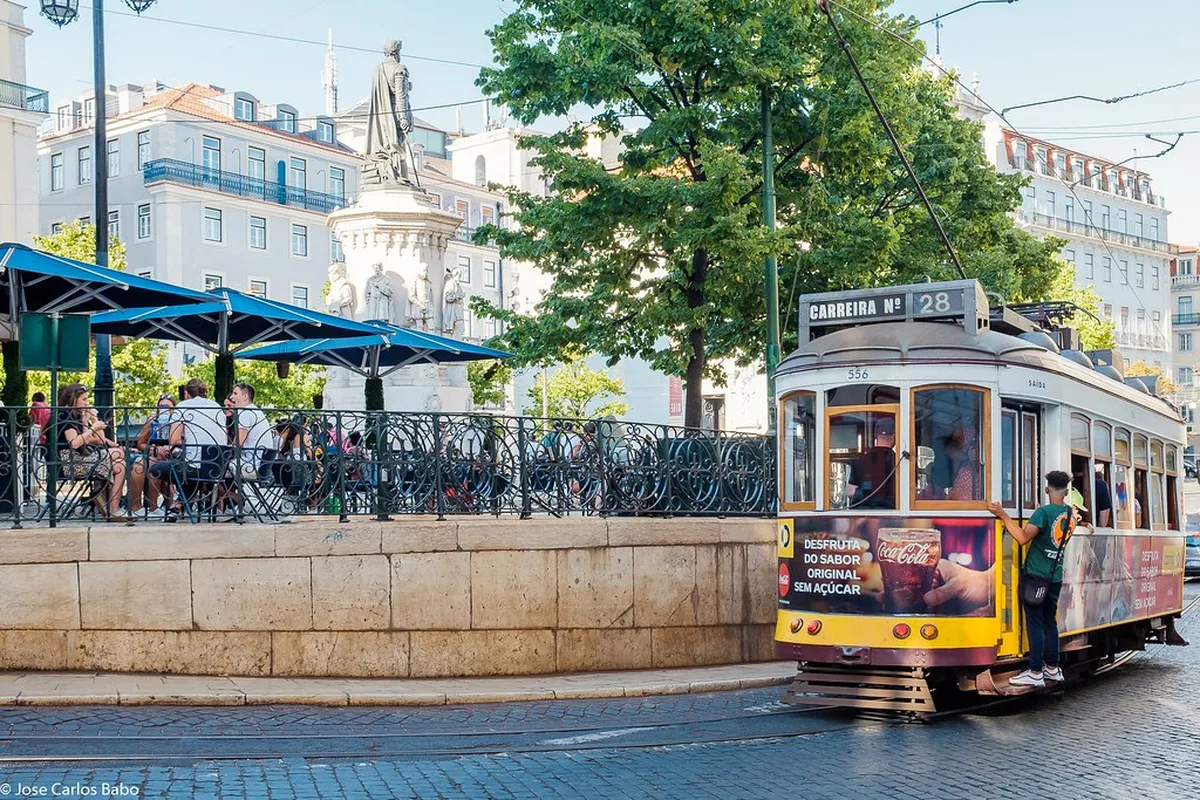
The Telheiras and Pontinha neighborhoods offer several areas where street parking remains free of charge in 2026. Telheiras lies at the northern terminus of the Green metro line, approximately 7 km from Rossio, and offers wide residential streets with unrestricted parking on most side roads. Locating a spot in these districts allows you to hop on the Green or Blue metro lines easily within a five-minute walk. Many commuters use these areas daily, so arriving before 08:30 in the morning increases your chances of finding an open space. Always ensure you are not blocking residential driveways or narrow access points for emergency vehicles, as EMEL actively patrols even peripheral free zones and issues fines starting at €60 for any obstruction.
CARRIS Metropolitana and the Lisbon Metropolitan Area operate official park-and-ride (P+R) lots at several locations on the city's outskirts. The Odivelas P+R lot provides free parking with a combined day-travel pass starting at €2.00 return on the Yellow metro line into the city center, delivering passengers to Rato or Marquês de Pombal in around 25 minutes. Similarly, the Boa Hora P+R near the A5 motorway charges €2.50 per day including a bus connection to Marquês de Pombal, which is ideal for drivers arriving from the Cascais or Estoril direction. These facilities are ideal for weekend visitors or anyone who has driven from outside the city and wants to avoid congestion charges in the center. In 2026 the Lisbon city authority expanded the Odivelas lot to 850 spaces after chronic weekend overflows, so availability is generally good if you arrive before 10:00. The combined P+R ticket is available via the Viva Viagem card at any metro ticket machine.
Parque das Nações features some free pockets further away from the main shopping mall and aquarium structures. Walking ten to fifteen minutes from the northern end of this modern district can reveal unrestricted street spaces on wider boulevards approximately 1.5 km from the Oceanarium entrance. This area provides far easier maneuvering compared to the cramped alleys of the old town, and nearby tram and bus lines connect to Oriente station quickly. Check for any temporary event signs that might restrict parking here on weekends, as large concerts and trade fairs regularly fill the Altice Arena and surrounding streets. Beachgoers can also combine free Parque das Nações parking with easy access to the best beaches near Lisbon via public transport from Oriente station. The Oriente hub connects to trains along the Cascais line, giving access to beaches like Cascais, Estoril, and Carcavelos without needing to move your car at all.
Lisbon Airport Parking: Best Options Near Humberto Delgado Airport
Parking at Humberto Delgado Airport (Aeroporto de Lisboa) deserves its own dedicated planning, as costs and logistics differ significantly from city-center garages. The airport sits just 7 km north of the Lisbon city center and is served by multiple official and off-airport parking operators in 2026. Understanding your options before arrival saves both money and the anxiety of searching for a bay when you have a flight to catch.
The official ANA-operated car parks directly at the terminal offer maximum convenience but at the highest price. Park 1 (multi-story, directly attached to Arrivals) and Park 2 (covered, 3-minute walk via covered walkway) are the two main covered official options. In 2026, both charge €3.50/hr for the first four hours, with a daily cap of €42 for Park 1 and €38 for Park 2. Pre-booking through the ANA website typically reduces the daily rate by €6–€10 per day — a meaningful saving on a week-long trip. Park 3 is an open-air surface lot roughly 500 m from the terminal with a free shuttle running every 10 minutes; its 2026 rate is €1.80/hr with a daily cap of €22, making it far more budget-friendly for stays longer than 24 hours.
Off-airport operators such as LowCostParking Lisboa and Airparks Portugal offer pre-booked covered or open spaces from approximately €7–€12 per day, with shuttle transfers to the terminal running every 15–20 minutes. These are best suited to trips of three or more days where the price difference compounds significantly. Always confirm shuttle frequency and allow an extra 30 minutes on the return journey to account for wait times and check-in queues when using off-airport providers.
For short stays — meeting an arriving passenger or a domestic flight under two hours — using the terminal's drop-off zone (free for the first 15 minutes) or the Kiss & Fly area is the most practical approach. These zones are clearly signed on the airport access road and are monitored by attendants to prevent misuse. If your stop extends beyond 15 minutes, the fee jumps to €3.50 for the next 30 minutes, so timing matters. Drivers connecting Lisbon Airport with a road trip toward the Algarve can also reference the Portuguese Coast travel guide from Lisbon to Algarve for a full route overview before committing to an airport parking duration.
Metro access is an important alternative to consider if you are dropping off or picking up without a vehicle full of luggage. The Red metro line connects Aeroporto station to Alameda (interchange with Green and Blue lines) and central Lisbon in around 25 minutes, with a single journey costing €1.80 on a Viva Viagem card in 2026. For visitors already parked in a central Lisbon garage with a few days remaining on a daily cap agreement, taking the metro to the airport instead of moving the vehicle is often the most cost-effective strategy, especially for short inbound or outbound trips.
Parking Apps, EasyPark, Parclick, and Digital Payment Methods
The e-park application by EMEL is the most convenient tool for managing street parking in Lisbon in 2026. Users can start, extend, or stop their parking sessions directly from a smartphone without visiting a physical meter. This digital method ensures you only pay for the exact minutes your vehicle occupies a street space. Registration requires a valid phone number and a linked payment method; as of January 2026, the app supports Visa, Mastercard, Apple Pay, and Google Pay, removing any barrier for international visitors who no longer carry euro coins.
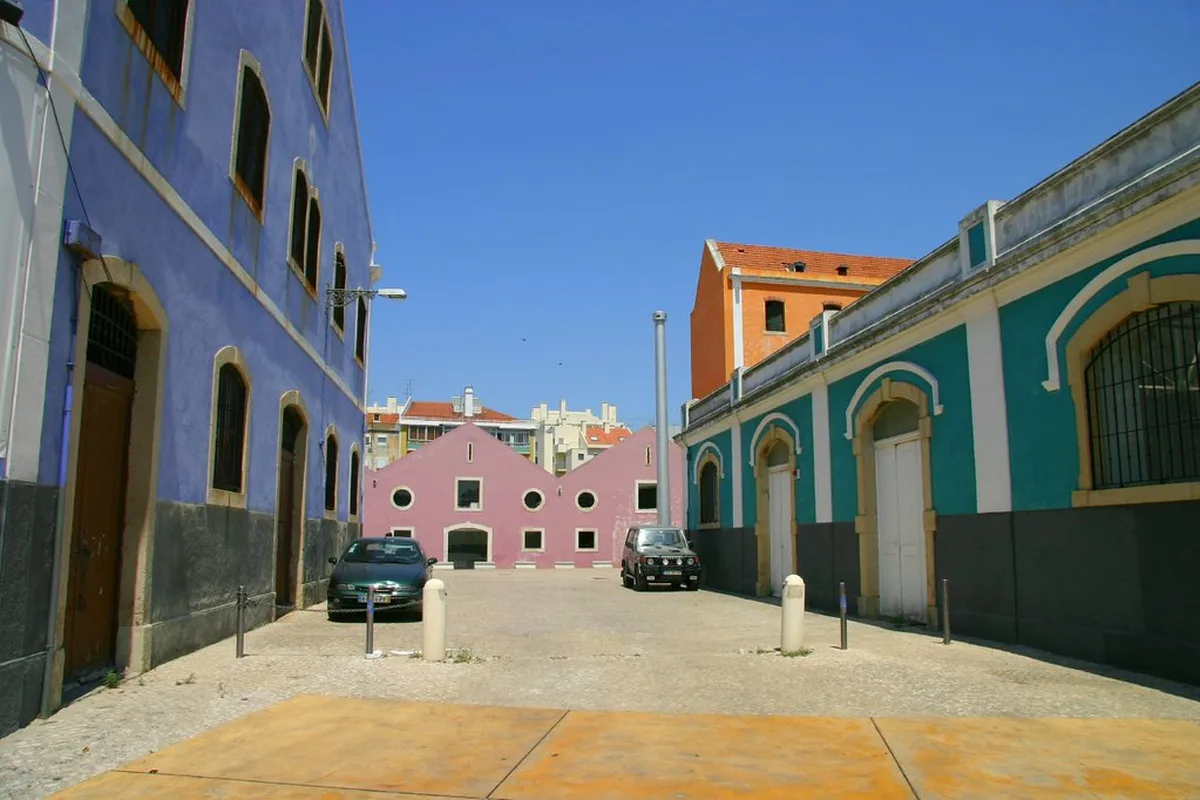
EasyPark is a pan-European parking app that covers EMEL zones in Lisbon alongside hundreds of private garages and on-street zones across Portugal. It is particularly useful for travelers who already use EasyPark in other European cities, as the same account and saved payment methods work seamlessly. The app shows real-time zone availability on an interactive map, color-coded to match the physical EMEL signage. EasyPark charges a small convenience fee (typically €0.10–€0.15 per session) on top of the standard municipal rate, but many drivers consider it worthwhile for the added clarity and session extension reminders.
Parclick is the best choice for booking garage spaces in advance. The platform lists over 40 garages in Lisbon with real-time availability, pre-booking discounts, and instant confirmation. Booking 24 hours ahead through Parclick for a central garage typically saves 10–25% compared to walk-in rates — for example, a full day in a Baixa garage at walk-in rates of €30 might cost only €22–€24 when pre-booked. Parclick also lists monthly subscription rates for long-stay visitors or remote workers, with some garages offering €90–€140 per month in 2026. Drivers planning to explore beyond Lisbon during their stay can use the same Parclick account for garages in Porto or Sintra, keeping all reservations centralized in one app. This is especially useful if you are following a Porto vs Lisbon comparison itinerary and need pre-booked parking in both cities.
Via Verde is another vital system that many rental cars in Portugal come pre-equipped with. This electronic device allows for automatic payment at highway tolls and many underground parking garage entrances. Look for the green 'V' symbol at garage barriers to use this seamless touchless entry and exit system. Charges are billed later to your rental agency or directly to your bank account; just confirm with your rental company whether Via Verde usage incurs an additional daily fee (typically €1.50–€3.50/day from most major providers).
Physical parking meters still exist on most streets for those who prefer traditional payment methods with coins or contactless cards. Most machines installed since 2022 accept NFC debit cards and smartphones. Remember to place the printed receipt clearly on your dashboard if you use a physical machine. Digital sessions through the e-park or EasyPark apps are linked to your license plate and do not require a paper ticket, which means you can extend your session remotely without returning to your car. Regardless of which payment method you choose, always start your session before walking away from your vehicle — EMEL enforcement cameras log arrival times and will issue fines for any gap between arrival and session start.
Navigating Local Nuances and Avoiding Common Mistakes
Drivers in Lisbon frequently encounter arrumadores, who are unofficial individuals offering to help you find a spot or watch your car. These people expect a small tip of €1–€2 in exchange for their guidance or surveillance. While not official employees, many locals pay them to maintain a friendly relationship and avoid potential vehicle damage. Politely declining is entirely acceptable; most will move on without incident. However, in high-demand areas near beach access roads or popular viewing points, some arrumadores are more insistent — simply lock up and walk away calmly.
Steer clear of the extremely narrow streets in Alfama or Mouraria unless you are an expert at tight maneuvering. Many of these roads are reserved for residents and can result in significant fines for unauthorized tourist vehicles. Consulting the Lisbon funicular and cable car guide can help you understand the steep gradients found in these historic areas and why walking or using public transport is far more practical. Parking on a steep incline requires turning your wheels toward the curb and applying the handbrake firmly to prevent any roll risk on Lisbon's famously hilly streets. The Tram 28 route navigates much of Alfama and Mouraria, making it the best substitute for any driver reluctant to test a rental car's width on medieval alleyways.
Enforcement in Lisbon is remarkably efficient, and tow trucks operate throughout the day in the city center. Parking in front of a garage entrance or on a yellow curb line will lead to rapid vehicle impoundment. Recovering a towed car in 2026 involves traveling to the municipal lot on Rua Eça de Queirós and paying approximately €150–€180 in towing fees plus the original parking fine before you can retrieve your vehicle. The process can consume three to four hours of your day. Always double-check curb markings — yellow paint means no stopping at any time, blue indicates metered zones, and white or no markings typically mean standard rules apply. If your car is parked correctly but has been hit or scratched, check whether the area has EMEL CCTV coverage, as footage requests can be made through the EMEL customer service portal within 48 hours of the incident.
If you are visiting Lisbon as part of a broader Portugal road trip that also includes parking in Sintra, plan your strategy in advance. Sintra's historic town center sits 28 km west of Lisbon and introduces its own one-way systems and seasonal overflow lots during summer — the Portela de Sintra train station car park is the recommended base for most visitors. Similarly, drivers heading north to parking in Porto will find a largely similar color-zone system but with different daily cap limits and a greater concentration of affordable garages in the Ribeira district. Familiarity with the EMEL model in Lisbon transfers well to other Portuguese cities, making it a valuable skill for any multi-city itinerary.
Frequently Asked Questions
How much does parking in Lisbon cost in 2026?
Street parking in Lisbon in 2026 costs €0.80/hr in green zones (peripheral areas like Telheiras), €1.20/hr in yellow zones (mid-city areas like Campo de Ourique), €1.60/hr in red zones (near-center areas like Intendente), and €3.00–€3.50/hr in brown zones (Baixa-Chiado, dynamic pricing introduced January 2026). Underground garages charge €1.50–€3.50/hr with daily maximums ranging from €16 (outer garages like Parque Atrium Saldanha) to €35 (prime central locations like Restauradores). Pre-booking via Parclick typically saves 10–25% off walk-in garage rates.
Is street parking free in Lisbon on weekends?
Most on-street parking in Lisbon is free on Sundays and public holidays throughout the city. Many zones also offer free parking on Saturdays after 13:00 or all day, but certain high-demand central areas — particularly in Baixa-Chiado and along the waterfront — may still require payment on Saturday mornings. Always read the specific street signs before leaving your vehicle, as the hours are posted on each meter post. Failing to check can lead to a €60 fine even on a Saturday if the local zone operates extended paid hours.
Can I park my rental car in the Alfama district?
Parking in Alfama is extremely difficult and largely restricted to local residents with special municipal permits. The neighborhood's streets are too narrow for most standard rental cars to maneuver safely, and unauthorized parking in resident zones carries fines starting at €60. The recommended alternative is to park at the Martim Moniz underground garage (€1.80/hr, daily cap ~€20, located 700 m from Alfama's heart) or the Portas do Sol area surface lot and walk into Alfama from there — the uphill walk takes around 10 minutes. Trams 28 and 12 also serve the district from multiple lower-city stops.
What should I do if my car is clamped in Lisbon?
If you find a yellow wheel clamp, look for the EMEL sticker placed on your windscreen. It will display a phone number and the reference code for your case. Call the number, pay the fine by card over the phone or via the EMEL website, and an officer will typically arrive within one to three hours to remove the clamp. The standard clamping fine in 2026 is €60–€120 depending on the violation type. Do not attempt to remove the clamp yourself — doing so incurs a separate criminal damage charge. Prevention is far easier: always start an e-park or EasyPark session before leaving your vehicle.
Which parking app works best for Lisbon street parking?
The official EMEL e-park app is the most cost-effective choice for on-street parking in Lisbon — it charges the exact municipal rate with no added fee and now supports Apple Pay and Google Pay as of January 2026. EasyPark is the best option for visitors who want a single app covering both EMEL street zones and private garages across Portugal (small €0.10–€0.15 convenience fee per session applies). For pre-booking garages at a discount, Parclick is the clear winner, often 10–25% cheaper than walk-in rates. All three apps are free to download and link to standard payment cards; you do not need a Portuguese phone number to register.
Are there park-and-ride options near Lisbon city centre?
Yes. Lisbon has several official park-and-ride (P+R) lots on the city's outskirts in 2026. The Odivelas P+R (Yellow metro line, 850 spaces after a 2026 expansion) offers free parking with a combined travel pass from €2.00 return, reaching the city center in about 25 minutes. The Boa Hora P+R near the A5 motorway charges €2.50 per day including a bus connection to Marquês de Pombal. Pontinha (Blue line) and Telheiras (Green line) also have free on-street parking within a short walk of their metro stations. These are ideal for weekend visitors or anyone arriving by car from outside Lisbon who wants to avoid congestion and expensive central garage rates.
How much does parking at Lisbon Airport cost in 2026?
Official ANA car parks at Humberto Delgado Airport charge €3.50/hr for Park 1 (attached to Arrivals) and Park 2 (covered, 3-minute walk), with daily caps of €42 and €38 respectively. The open-air Park 3 (500 m from terminal, free shuttle every 10 minutes) costs €1.80/hr with a €22 daily cap — the best value for stays over 24 hours. Pre-booking via the ANA website saves €6–€10 per day. Off-airport operators like LowCostParking Lisboa and Airparks Portugal offer covered or open-air spaces from €7–€12 per day with shuttle transfers. The Red metro line from Aeroporto station to the city center costs €1.80 one-way and takes about 25 minutes — a practical alternative to driving when you don't need your vehicle at the airport.
Mastering the art of parking in Lisbon in 2026 allows you to explore the city and its surroundings with much greater freedom. Choosing secure garages over risky street spots often provides a better experience for those with valuable rental cars, especially overnight. Modern tools like the e-park app, EasyPark, and Parclick simplify the payment process and help you avoid common administrative headaches.
Always prioritize legal spaces to ensure your holiday remains stress-free and within your planned travel budget. The city's dynamic pricing model is evolving quickly, so staying informed about current EMEL rates and zone boundaries is highly recommended for any 2026 visit. Check our Lisbon City Pass guide for more transport and sightseeing savings, or browse the best restaurants in Lisbon to plan your dining stops around your parking strategy. Drivers continuing their Portugal journey can also read our guide to parking in Evora before heading inland, or plan the coast with our parking in Nazare overview for beach towns along the way.