Portuguese Coast Travel Guide: Lisbon to Algarve Road Trip 2026
From Lisbon, Cascais is 40 minutes by train (€4.60 one-way) and Sintra 40 minutes by train (€2.40), making both the perfect first stops before heading south to Nazaré (€12 by bus) and the Algarve (€30–€60 by train).
The full coastal drive from Lisbon to Faro covers 320 km via the scenic N120 route through Setúbal, Comporta, Milfontes, and the Vicentine Natural Park — budget €35–€45 in fuel and €6–€12 in tolls for a compact car in 2026.
Driving from Lisbon to the Algarve offers some of the most stunning views in Europe along Portugal's dramatic coast. This route follows the rugged Atlantic coastline through traditional fishing villages and wild beaches. You will find that the Alentejo region provides a slower pace compared to the busy cities. Our guide helps you navigate every scenic turn, from the first bend south of Setúbal all the way to the golden cliffs of Lagos.
Travelers often rush through this drive in just a few hours on the A2 highway. Taking the slower coastal roads reveals hidden gems that many tourists miss entirely. Ancient cliffs and crystal-clear waters define this unique stretch of the Iberian Peninsula. Prepare for an adventure that balances relaxation with breathtaking natural beauty. Whether you are planning a five-day escape or a two-week deep dive into Portuguese culture, this guide covers every kilometre worth knowing.
Cascais and Estoril: The Atlantic Gateway South of Lisbon
Before committing to the long drive south, many road-trippers make Cascais their first overnight stop — and for good reason. Cascais sits just 40 km west of Lisbon along the Estoril coast, reachable in 40 minutes from Cais do Sodré station on the Comboios de Portugal suburban line for just €4.60 per person in 2026. If you prefer to drive, the A5 or the scenic coastal EN6 road takes 45–55 minutes from central Lisbon. Free parking is available at the Cidadela car park (Avenida D. Carlos I) during off-peak months; in July and August expect to pay €1.50–€2.00 per hour in blue-zone bays near the town centre.
The Cascais old town is compact, walkable, and genuinely charming. The harbour is lined with colourful fishing boats, traditional azulejo-tiled facades, and outdoor café terraces where a coffee and pastel de nata costs €1.80–€2.20. The pedestrianised Rua Frederico Arouca leads past boutique shops and family-run restaurants to the Museu do Mar (entry €3/person), which tells the story of Cascais as a royal retreat and fishing hub. Three beaches — Praia da Rainha, Praia da Ribeira, and the larger Praia do Guincho 9 km further west — cover every taste from sheltered harbour swimming to open Atlantic kite-surfing. Our dedicated Cascais beach guide maps all three with current water quality ratings.
Estoril, the adjacent resort town 2 km east of Cascais, is home to the Casino Estoril — the largest casino in Europe, which inspired Ian Fleming's fictional Casino Royale. Day admission to the gaming floor is free; entrance to the slots room costs €5. The Palace Hotel Estoril dates from 1930 and remains the grandest address on the Estoril coast (rooms from €220/night in peak season). Budget travellers can find excellent guesthouses in Cascais old town for €80–€120/double. A full seafood lunch at a harbour-side tasca in Cascais costs €18–€26 with a glass of regional Adega de Cascais white wine — a worthy splurge before heading south. For further day excursions from this stretch of coast, see our complete day trips from Cascais guide.
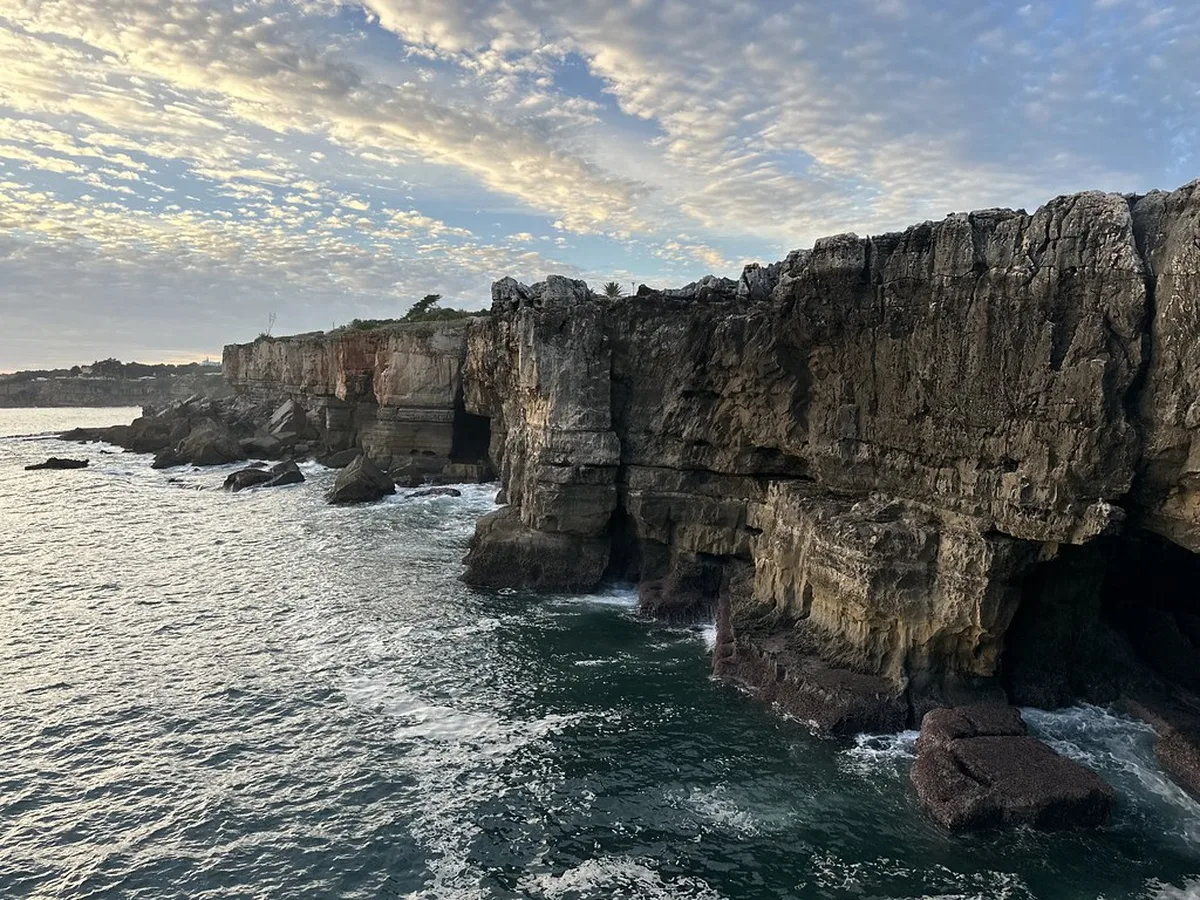
Boca do Inferno — Hell's Mouth — is a dramatic coastal rock arch 1 km west of Cascais centre, accessible by a free clifftop walk along the Passeio Marítimo seafront promenade. The arch is most impressive at high tide in winter when Atlantic swells crash inside the cave with a thunderous roar, but it is photogenic year-round. The walk itself runs 8 km from Cascais marina all the way to Praia do Guincho and passes through the natural reserve; the return bus (line 405, €3 single) runs every 45 minutes from Guincho back to Cascais. Altogether, Cascais rewards one full day and night before the southward coastal drive begins in earnest.
Planning Your Portuguese Coast Road Trip
Renting a car is the most efficient way to explore these remote coastal areas. Most major rental agencies — Europcar, Hertz, and local operator Guerin — operate at Lisbon Humberto Delgado Airport for convenient pickup upon arrival. In 2026 expect to pay €40–€60 per day for a compact, or €65–€90 per day for a small SUV which handles unpaved beach-access tracks more comfortably. Booking six to eight weeks in advance through aggregator sites like Rentalcars or AutoEurope typically saves 20–30% versus walk-up rates.
The A2 motorway is the fastest route south but misses all the beautiful coastal scenery. Instead, choose the N120 and the CM1072 to stay close to the Atlantic. These smaller roads are well-maintained but require more concentration due to winding curves and occasional single-lane bridges. Allow at least three full days to cover the distance comfortably; five days is ideal for anyone wishing to swim, hike, and eat well at every stop.
Fuel prices in Portugal in 2026 range from €1.75 to €1.90 per litre for unleaded 95 and €1.65–€1.80 for diesel. For a 320 km coastal trip in a compact car (6 l/100 km average), budget roughly €35–€45 in fuel. Electronic tolls on the A2 and Via do Infante cost an additional €6–€12 depending on how many motorway segments you use; the Via Verde transponder is included in most rentals — confirm this at the desk. On the purely coastal N120 route, tolls are minimal or zero.
Navigation is straightforward with offline Google Maps downloaded before departure, but always carry a paper atlas as a backup for the natural park interior. Portuguese road signage is clear, distances are in kilometres, and speed limits are 50 km/h in villages, 90 km/h on national roads, and 120 km/h on motorways. Parking at most coastal villages is free in off-peak months; in July–August, beach car parks charge €2–€5 per day. For shorter coastal excursions near the capital, see our guide to day trips from Lisbon.
- Essential Road Trip Logistics
- Best Time: May or September for weather and value
- Vehicle Type: Compact or small SUV with Via Verde transponder
- Navigation: Offline Google Maps + paper backup
- Fuel Budget: €35–€45 for the full coastal route
- Toll Budget: €6–€12 if using motorway segments
Day-by-Day Itinerary: Lisbon to Algarve in 5 Days
This competitor-tested itinerary mirrors the routing used by experienced coastal road-trippers and fills the gap that most generic guides leave open. It accounts for realistic driving times on the coastal N120 rather than motorway estimates, and includes 2026 accommodation price ranges at each stop.
Day 1 — Lisbon to Setúbal / Arrábida (80 km, ~1.5 hrs driving). Leave Lisbon early and drive south across the 25 de Abril Bridge or the Vasco da Gama Bridge to avoid peak-hour traffic. The Arrábida Natural Park offers dramatic limestone cliffs and turquoise water that rivals the Caribbean. Stop at Portinho da Arrábida beach (parking €5/day in summer) for a swim before pressing on to Setúbal for the night. A comfortable guesthouse in Setúbal costs €70–€100/night in peak season. Dinner at a riverside taberna averages €14–€20 with wine. For a focused deep-dive into the wider Lisbon coast, our Lisbon beach guide covers Arrábida and Sesimbra in detail.
Day 2 — Setúbal to Comporta / Melides (120 km, ~2 hrs driving). Head south through the Tróia Peninsula (ferry from Setúbal: €4 per person, €15 per car, runs every 30 min) to reach the Comporta plain. This is one of Portugal's most fashionable yet serene coastal stretches — long dune-backed beaches, rice paddies, and no high-rise hotels. Beach bars in Comporta charge €4–€6 for a Super Bock and €12–€18 for a toasted fresh fish sandwich. Overnight in a simple guesthouse in Alcácer do Sal (€65–€85) or splurge on one of Comporta's boutique retreats (€180–€350).
Day 3 — Melides to Vila Nova de Milfontes (90 km, ~1.5 hrs driving). The road hugs the coast through the Sines industrial outskirts — a brief detour inland avoids this — before arriving at the jewel of the Alentejo coast: Vila Nova de Milfontes, where the Mira River meets the Atlantic. Allow the full afternoon here: swim on the river side for calm conditions, or brave the Atlantic side if waves suit your mood. Accommodation ranges from €80–€130 for a river-view room in high season. The Pastelaria Celeste serves the best pastel de nata outside Lisbon at €1.20 each.
Day 4 — Milfontes to Zambujeira do Mar / Odeceixe (60 km, ~1 hr driving). This is the shortest driving day and the most scenically intense. Porto Covo's cobblestone streets deserve a one-hour wander before continuing south into the Vicentine Natural Park. Zambujeira do Mar cliffs are dramatic at sunset; arrive before 17:00 to secure a spot in the free cliff-edge car park. Cross the Odeceixe River estuary — the unofficial border into the Algarve — and overnight in Odeceixe (guesthouses €75–€110).
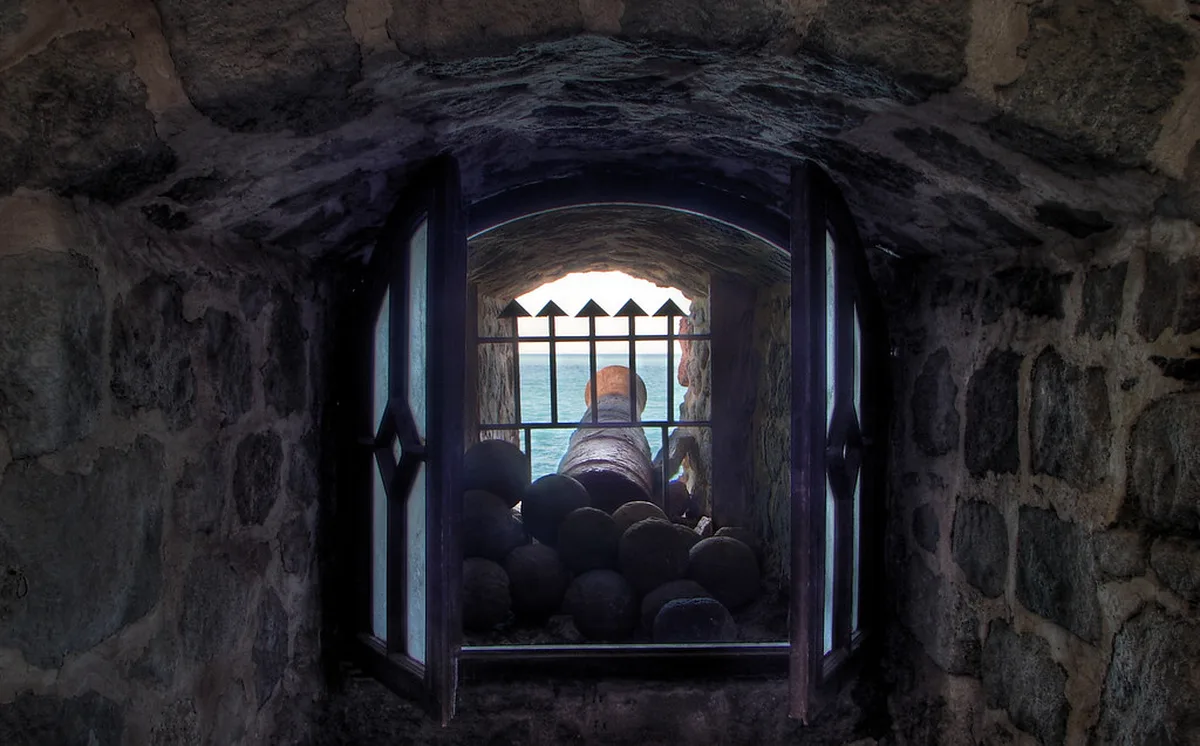
Day 5 — Odeceixe to Lagos / Sagres (100 km, ~2 hrs driving). Drive through Aljezur and stop at Praia da Amoreira for a final Alentejo-coast surf beach before crossing into the Algarve proper. Sagres Fortress (€3/person) and Cape Saint Vincent lighthouse reward a two-hour stop. From Sagres it is a smooth 30 km drive east to Lagos along the N125. Check into Lagos — double rooms €90–€160 in peak season — and celebrate with a boat tour through the Ponta da Piedade sea arches (€20/person, departs hourly from Lagos marina). Total driving for the five days: ~450 km including detours, fuel cost approximately €50–€60.
Nazaré and the Silver Coast: Atlantic Drama North of Lisbon
While the classic coastal road trip runs south from Lisbon toward the Algarve, many travellers build in a northern extension to Nazaré before reversing course. Nazaré sits 123 km north of Lisbon on the Costa de Prata (Silver Coast) and is reachable by Rede Expressos bus from Sete Rios terminal in approximately 1 hour 45 minutes for around €12 per person in 2026. If driving, take the A8 motorway north and exit at Torres Vedras or Caldas da Rainha; tolls for the return round trip cost approximately €8–€10.
Nazaré is world-famous for producing the largest surfed waves on the planet. Between October and March, the Praia do Norte receives Atlantic swells amplified by the 5 km-deep Nazaré Canyon, generating walls of water exceeding 20–30 metres during big swell events. The best free viewpoint is the Fort of São Miguel Arcanjo lighthouse at the top of the Sítio clifftop neighbourhood, accessible by funicular (€2 single, €3.20 return) from the lower town beach. On big wave days, the clifftop fills with spectators from 08:00 onwards; arrive early to secure a clear sightline on the viewing platform. Our comprehensive Nazaré beach guide covers all three of the town's beaches — Praia da Nazaré, Praia do Norte, and Praia do Sítio — with seasonal wave forecasts and swimmer safety ratings.
The lower town beach (Praia da Nazaré) stretches 3 km and is one of the widest in Portugal, with fine golden sand and excellent facilities including showers, lifeguard posts (May–September), and beach rental chairs (€4 each in 2026). The seafront promenade is lined with restaurants specialising in caldeirada (fish stew, €14–€18) and grilled carapau (horse mackerel, €10–€13). Dried and salted fish — bacalhau and carapau — are hung from wooden racks on the seafront and sold at market prices of €8–€15 per kg; they make excellent lightweight gifts.
The Sítio clifftop neighbourhood above the town contains the 17th-century Sanctuary of Nossa Senhora de Nazaré (free entry), a lively market square, and panoramic ocean views from every vantage point. The funicular runs every 15 minutes from 07:00 to 24:00 and has connected the two levels since 1889. Guesthouse prices in Nazaré range from €70–€110/double in May and September, rising to €130–€180 in peak July–August. Budget travellers should book two to three months ahead for summer — Nazaré accommodation sells out faster than almost any other coastal town in Portugal. Parking in town follows blue-zone rules (€1.20/hour 08:00–20:00) or use the free peripheral car parks signposted on the approach roads and walk 10 minutes to the beach. See also our day trips from Nazaré guide for nearby Alcobaça Monastery, Batalha, and Óbidos circuit options.
Essential Stops Along the Alentejo Coast
Vila Nova de Milfontes serves as a perfect overnight base for the mid-section of this road trip. The town sits where the Mira River meets the Atlantic in a dramatic natural harbour. Locals love the calm river beaches for swimming during warm summer afternoons, while the open Atlantic side draws bodyboarders and surfers. Walk through the narrow whitewashed streets lined with bougainvillea to find authentic seafood restaurants; a plate of grilled corvina (croaker fish) with vegetables costs €14–€18 in 2026. The town's market runs every Saturday morning and sells local honey, smoked sausage, and handmade ceramics at prices well below Lisbon souvenir shops.
Porto Covo offers a charming atmosphere with its blue-and-white painted houses clustered around a small square facing the sea. The village is compact enough to explore on foot in 90 minutes. Nearby Praia da Samoqueira features unique basalt rock formations and turquoise tidal pools that are ideal for snorkelling at low tide. Parking on the road above the beach is free outside summer; in July and August a small fee of €2–€3/day applies and the lot fills by 9:30 AM on weekends. A coffee and pastel de nata at Café Central costs €1.80 — among the cheapest on the coast.
Zambujeira do Mar is famous for its 60-metre cliffs dropping straight to a pristine beach and for hosting the NOS Sudowest music festival each August. Tickets for the festival weekend pass in 2026 start at €85. Outside festival week, the village is peaceful, with a handful of restaurants serving fresh percebes (barnacles) for €8–€12 per portion — a true taste of the Alentejo. Guesthouse prices range from €85–€130 per night in peak season, dropping to €55–€70 in May, September, and October. The chapel on the cliff above the beach provides one of the best sunset photo points on the entire coast.
Odeceixe straddles the Alentejo–Algarve border and is often overlooked by travellers rushing south. The river estuary beach here — a sheltered lagoon on one side, open Atlantic surf on the other — is ideal for families with small children who want both safe paddling and wave-watching. Free parking is available 400 m from the beach; a shuttle minibus (€1/person each way) runs in July and August. The village itself is steep, quiet, and lined with locally-owned cafes charging €8–€12 for a full lunch special.
- Top Coastal Villages to Visit
- Porto Covo: Cobblestone charm, tidal pools
- Milfontes: River and sea junction, Saturday market
- Zambujeira: Cliffside views, NOS festival
- Odeceixe: Border town, estuary lagoon
Exploring the Wild Vicentine Coast
The Southwest Alentejo and Vicentine Coast Natural Park (Parque Natural do Sudoeste Alentejano e Costa Vicentina) is the largest and best-preserved coastal park in southwestern Europe, protecting 110 km of shoreline from Sines in the north to Burgau in the south. Strict planning regulations introduced in 1995 have successfully kept large hotel chains and development out, meaning the landscape today looks almost identical to how it appeared a century ago. Entry to the park itself is free; parking at designated beach access points costs €3–€5/day in summer 2026.
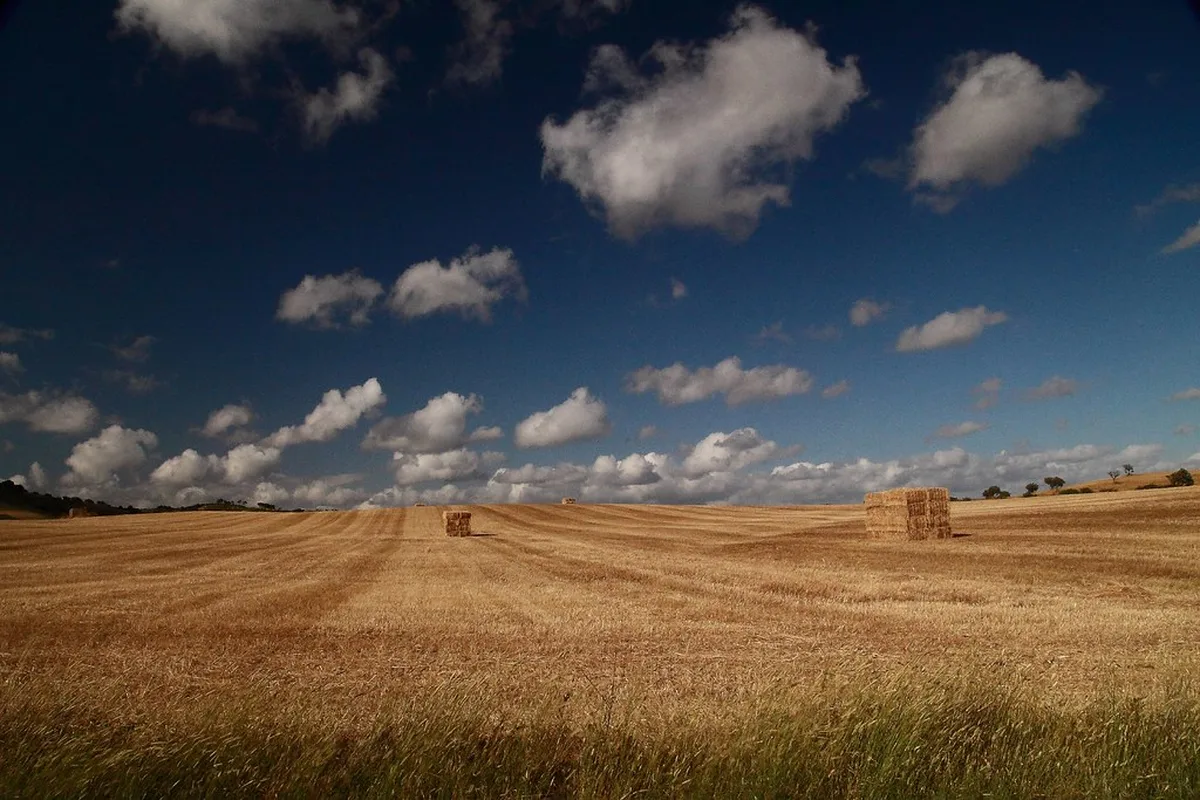
Hiking is the best way to experience the park interior. The Rota Vicentina comprises two long-distance footpaths: the Fishermen's Trail (Trilho dos Pescadores, 226 km total) follows the clifftop coastline, while the Historical Way (Caminho Histórico, 230 km) cuts inland through cork-oak forest and traditional villages. Day-walkers can join and leave these trails at village access points. The most rewarding standalone day walk runs from Odeceixe to Zambujeira (22 km, ~6 hrs), with dramatic cliff views throughout and no significant elevation gain. Carry at least 1.5 litres of water — there are no shops between the two villages on the coastal path.
Surfers flock to Arrifana beach for its consistent left-hand reef break and dramatic scenery. The beach sits at the base of high cliffs accessible by a switchback road; parking is €4/day in season. Surf schools in the Aljezur area offer two-hour lessons starting at €35 per person in 2026, with board and wetsuit hire adding €15–€20 for a half-day. Wetsuits are not optional: water temperatures on the west-facing Vicentine coast average 16–19°C even in August, compared to 22–24°C on the sheltered south coast. Praia do Castelejo near Vila do Bispo is another excellent surf beach with fewer crowds and a good beach café (grilled sardines €9).
Birdwatchers should plan a visit to Cape Saint Vincent and the cliffs near Sagres during late September–October for the southernmost European raptor migration. Honey buzzards, black kites, short-toed eagles, and booted eagles funnel through this narrow land corridor in huge numbers. Rare species like the white stork also nest directly on sea stacks visible from the cliff path. The Sagres Fortress (€3/person) grounds offer some of the best vantage points without specialised equipment, though a pair of 8×42 binoculars will dramatically improve the experience.
Navigating the Transition into the Algarve
Sagres marks the southwestern tip of continental Europe and feels genuinely like the edge of the world. The Sagres Fortress (Fortaleza de Sagres) charges €3 per person in 2026 and is well worth an hour or two: the huge wind compass (rosa dos ventos) carved into the ground is thought to date to the 15th-century Age of Discovery. Winds here regularly reach 40–60 km/h even in summer, making it feel 5–8°C cooler than inland towns. Cape Saint Vincent lighthouse, 6 km west of Sagres village (free access, no entry fee), is the traditional spot to watch the Atlantic sun set into what feels like infinity. Parking at the cape is free; the kiosk near the lighthouse sells espresso for €0.90 and sandwiches for €3.50.
Lagos is the first major city you encounter when entering the central Algarve from the west, approximately 30 km east of Sagres along the N125. In the old town, historic walls, mosaic pavements, and whitewashed churches reward a two-hour walking tour. Ponta da Piedade — the limestone sea-arch complex 3 km south of the town centre — is the most photographed location in the western Algarve. Small boat tours depart from Lagos marina from 09:00 to 17:00 and cost €20–€25 per adult in 2026; the 45-minute tour passes through seven sea arches and three sea caves. Parking near the marina costs €1.50/hour in the blue-zone street bays or €5/day in the covered car park on Avenida dos Descobrimentos.
Water temperatures begin to warm as you move east of Lagos toward Albufeira and Faro. The calmer, south-facing coastline loses the Atlantic swell influence and gains sheltered sandy coves popular with families. Carvoeiro, Ferragudo, and Alvor all offer excellent mid-range accommodation (€90–€140/night double) without the package-holiday crowds of Albufeira. Hiring a kayak (€20–€30 for two hours, single; €30–€45 tandem) is the best way to explore the smaller sea caves independently. For comparable beach options near Portugal's northern capital, our Porto beach guide covers the Minho and Costa Verde coastline.
Driving distances from Sagres to key eastern Algarve towns: Lagos 30 km (25 min), Portimão 50 km (40 min), Albufeira 95 km (1 hr 10 min), Faro 120 km (1 hr 20 min), Tavira 160 km (1 hr 45 min). The Via do Infante motorway (A22) runs parallel to the N125 and shortens journey times by 15–25 min at a toll cost of €3–€7 depending on the segment used. Both roads are well-maintained; the N125 passes through more town centres and is preferable for those wanting to stop spontaneously.
Local Nuance: West Coast vs South Coast Decisions
Choosing where to allocate your limited days depends primarily on your tolerance for wind and your preferred pace of travel. The West Coast (Alentejo and Vicentine sections) is consistently windy and cool — average high temperatures of 22–25°C in July versus 30–34°C on the south coast. Surfers, hikers, bird-watchers, and those seeking unspoiled nature almost always prefer the west. The south coast (Lagos to Tavira) delivers warmer water, calmer seas, and softer sandy beaches that suit families, couples, and visitors who want resort infrastructure without sacrificing scenic quality.
Dining costs vary significantly between the two coastlines. A full three-course meal with a half-litre of house wine in a local tasca in the Alentejo village costs €13–€18 per person in 2026. The same meal at a tourist-facing restaurant in Lagos or Albufeira runs €22–€32. Look for the daily special — prato do dia — which typically includes soup, main course, bread, and a drink for €9–€12. Seafood is universally excellent along the entire route; grilled sea bass (robalo) and gilthead bream (dourada) are €14–€20 per portion at most coastal restaurants, while barnacles (percebes) cost €8–€15 depending on the season's catch.
Accommodation strategy is equally important. West-coast guesthouses and rural turismo de habitação properties book out early for July–August; reserving two to three months ahead is advisable. South-coast Algarve has more inventory and aggregator sites like Booking.com frequently offer last-minute deals (10–15% off) for arrivals within three days. If budget is a priority, consider shoulder season: May, early June, late September, and October offer near-identical weather to peak summer, guesthouse prices 25–40% lower, and zero queues at beaches and attractions.
Mobile signal varies considerably inland. Vodafone and NOS both offer good 4G coverage along the coastal road, but deep valleys in the natural park have dead spots. MEO has the best rural coverage in southern Portugal if you are specifically buying a local SIM card. Download offline Google Maps tiles for the Alentejo coast before leaving Lisbon; the file size is modest (under 1 GB) and prevents navigation stress on dirt tracks to remote beaches. Most cafes along the route offer free Wi-Fi; ask for the code (código Wi-Fi) at the counter. Always carry €20–€30 in cash for small rural shops, beach parking, and café stops that do not accept international cards reliably. Travellers wishing to combine this coastal drive with an inland detour through Roman ruins and medieval walls should consult our day trips from Évora guide, as Évora sits within 90 minutes of several coastal access points.
Frequently Asked Questions
How long does it take to drive from Lisbon to the Algarve?
The direct drive on the A2 highway from Lisbon to Faro takes about 2 hours 40 minutes (280 km). Following the scenic coastal N120 route through the Alentejo and Vicentine coast adds roughly 40 km and 60–90 minutes of pure driving time, not counting stops. Most road-trippers plan 3–5 days to enjoy the route properly, covering 60–120 km of coastal road per day.
Is the Portuguese coast road trip safe for solo travellers?
Yes. Portugal consistently ranks among the safest countries in Europe for solo travellers, including women travelling alone, according to the Global Peace Index 2026. The N120 coastal road is well-signed, petrol stations are spaced 30–50 km apart, and locals in Alentejo villages are generally very helpful. Standard precautions apply: do not leave valuables visible in your car at remote beach car parks, and keep a note of your rental car's breakdown assistance number.
When is the best month for a Lisbon to Algarve road trip?
May, June, and September are the best months in 2026. Temperatures range from 22–28°C on the west coast and 24–30°C on the south coast, crowds are manageable, and accommodation prices are 20–35% lower than July–August peaks. July and August are very hot inland, beaches are packed, and guesthouses on the Alentejo coast book out weeks in advance. October is excellent for surfers and hikers — water is still warm (18–20°C) and the Vicentine coast is nearly empty.
Do I need an International Driving Permit in Portugal?
Drivers holding a valid EU, US, Canadian, UK, or Australian licence do not need an International Driving Permit (IDP) to rent and drive a car in Portugal in 2026. Non-EU drivers with licences written in non-Latin scripts (e.g. Arabic, Chinese, or Thai) should obtain an IDP from their home country before travelling. Always carry your original driving licence plus your passport; both documents are required by Portuguese traffic police and rental agreements.
How much does the Lisbon to Algarve road trip cost in 2026?
A 5-day coastal road trip from Lisbon to Lagos in 2026 costs approximately €600–€900 per person (two people sharing). This breaks down as: car hire €200–€300 total (€40–€60/day compact), fuel €45–€60, tolls €6–€12, accommodation €300–€500 (€60–€100/person/night), and meals €150–€200 (€30–€40/person/day). Solo travellers face higher per-person costs for accommodation unless booking private rooms in guesthouses. Travelling in May or September cuts accommodation costs by 20–30%.
What is the Via Verde toll system and do rental cars have it?
Via Verde is Portugal's electronic toll system. Sensors read a transponder mounted on your windscreen and deduct tolls automatically — there are no toll booths on the A2 or A22 (Via do Infante). Most rental cars in Portugal include a Via Verde transponder as standard equipment; confirm this at the rental desk. If the car lacks one, you can pay tolls online within 5 days at www.pagamentodeportagens.pt using your car's number plate, or purchase a pre-paid Toll Pass card at the airport. The A2 from Lisbon to Lagos via the A22 costs approximately €10–€14 in 2026 tolls for the full one-way journey.
Can I reach Cascais and Sintra by public transport before starting the road trip?
Yes. Cascais is 40 minutes from Lisbon's Cais do Sodré station by suburban train for €4.60 per person in 2026. Sintra is 40 minutes from Lisbon's Rossio or Oriente stations for €2.40 per person. Both make excellent first-day stops before picking up a hire car at the airport for the southward coastal drive. Bus services from Cascais to Sintra (line 403, €2.75 single, 40 min) connect the two towns directly without returning to Lisbon.
Is Nazaré worth a detour from the Lisbon to Algarve coastal route?
Absolutely, especially between October and March when giant waves at Praia do Norte can exceed 20 metres. Nazaré is 123 km north of Lisbon, reachable by bus for approximately €12 (1 hr 45 min) or by car via the A8 motorway (€8–€10 round-trip tolls). Even in summer, Nazaré's 3 km beach, clifftop funicular (€2 single), seafront seafood restaurants, and traditional black-shawled fisherwomen culture make it a rewarding one- to two-night extension before or after the southward drive.
The journey from Lisbon to the Algarve is more than a simple transfer between two tourist hubs. It is an opportunity to see a side of Portugal that remains genuinely wild, unhurried, and deeply local. From the Atlantic gateway towns of Cascais and Estoril, south through the sculpted cliffs of Arrábida, the dune-backed beaches of Comporta, the river mouth at Milfontes, the dramatic Vicentine Natural Park, and finally the golden limestone sea arches of Lagos, the variety of landscape, culture, and cuisine packed into this coastal route is extraordinary. A northern extension to Nazaré adds big-wave drama and Silver Coast charm that no travel lover should skip.
Plan your overnight stops in advance for July and August; leave them flexible for any other month and you will be rewarded with spontaneous discoveries and empty beaches. Pack a light windproof jacket for west-coast evenings, reef shoes for tidal-pool exploring, and plenty of cash for rural cafés. With 2026 fuel costs around €1.80/litre and car hire from €40/day, this remains one of Europe's most accessible and rewarding coastal road trips. Safe travels along the Portuguese Atlantic.