Amazing Day Trips from Nazaré to Discover the Silver Coast
The best day trips from Nazaré in 2026 include Batalha Monastery (20 km east, bus €3.50 return, entry €8), Alcobaça Monastery (22 km north-west, bus €2.50 return, entry €6), and Óbidos walled village (45 km south, bus €5 return, free walls). All three are reachable within one hour from Nazaré town centre.
A combined ticket covering both Batalha (€6 adult, free under 30) and Alcobaça (€6 adult) costs €12 per adult in 2026, saving €0 versus buying separately at discounted rates. Fátima Sanctuary (55 km east, bus €7 return) is free to enter year-round and takes 45 minutes by car via the A8 and A15 motorways.
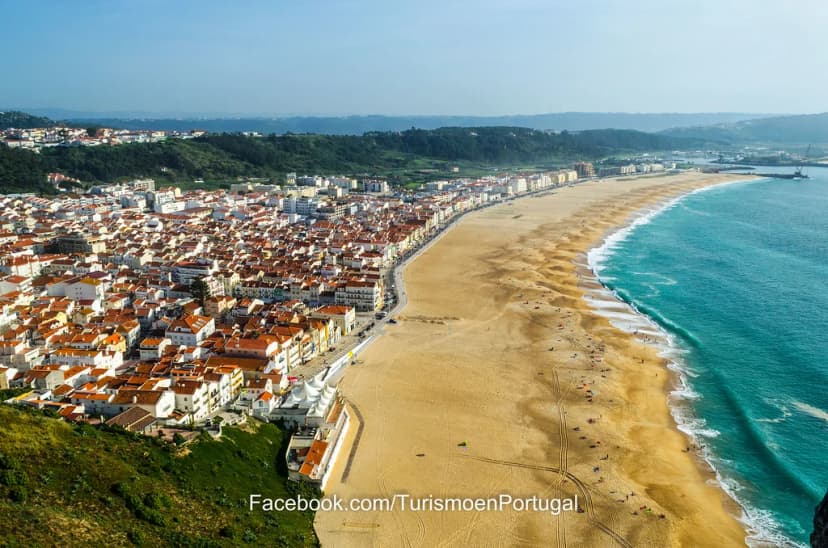
Nazaré serves as a perfect hub for exploring the diverse landscapes of Portugal's central coast. Travelers often use this fishing village as a base to reach historic monasteries and medieval towns. The surrounding region offers a rich blend of spiritual heritage and rugged natural beauty. Planning a few day trips from Nazaré allows you to see the best of the Silver Coast.
Most major attractions sit within a sixty-minute drive of the main beach area. Efficient road networks connect the coast to inland treasures like Batalha and Fátima. Visitors should consider renting a car from around €30 per day to maximize flexibility during these excursions. Local buses provide an affordable alternative for those who prefer not to navigate the winding roads.
Batalha Monastery: A UNESCO Day Trip from Nazaré
The Mosteiro de Santa Maria da Vitória in Batalha is one of Portugal's greatest architectural triumphs and a UNESCO World Heritage Site, located just 20 km east of Nazaré. King João I ordered its construction in 1386 to fulfil a vow made before the decisive Battle of Aljubarrota, where a smaller Portuguese army defeated a much larger Castilian force and secured Portuguese independence. The resulting church took over a century to complete and blends late Gothic with early Manueline styles in a way that is unmatched elsewhere in the country.
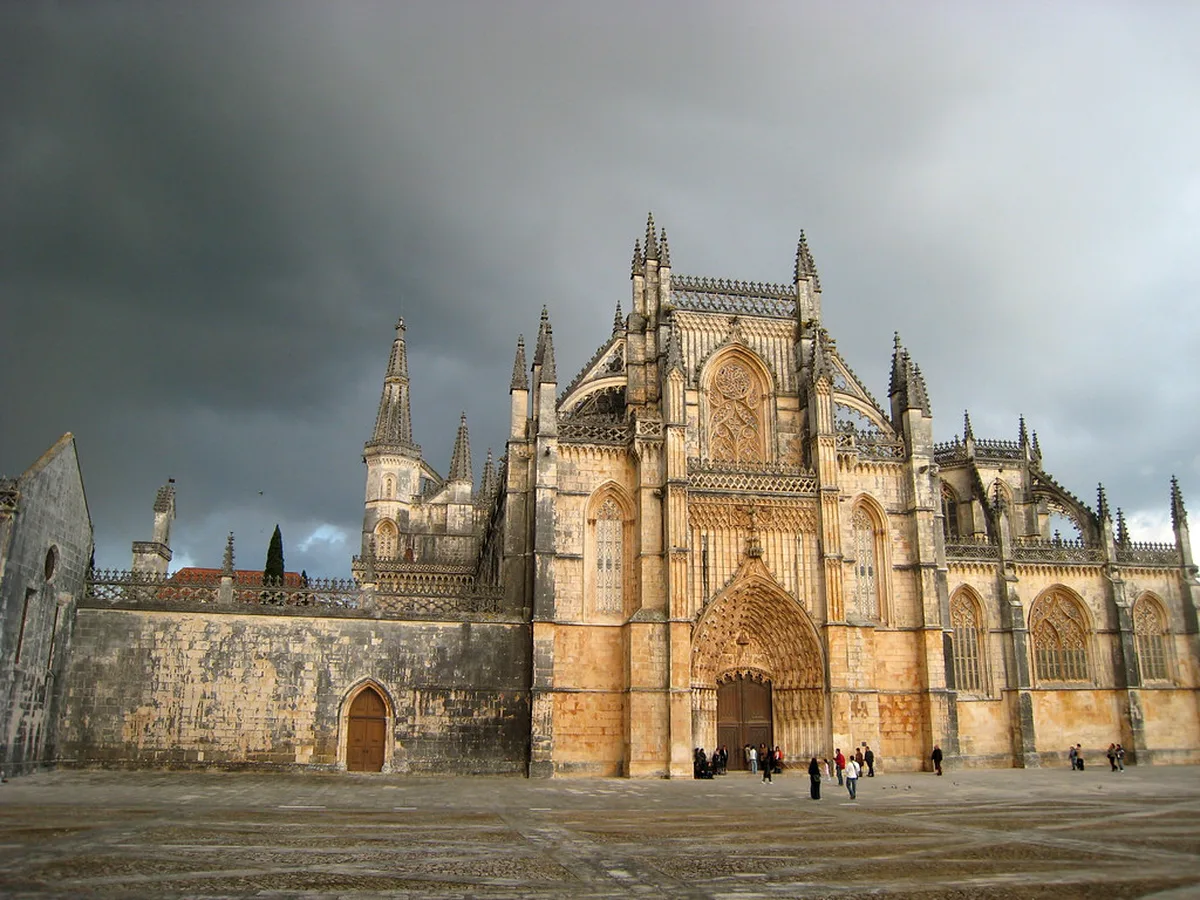
In 2026 the adult entry fee to Batalha Monastery is €6. Visitors under 30 years of age enter completely free, which makes this one of the best-value UNESCO sites in Europe for younger travellers. A combined ticket covering both Batalha and nearby Alcobaça Monastery is priced at €12 per adult. The monastery is closed on Mondays; on the first Sunday of each month entry is free for all EU residents, which significantly increases visitor numbers.
Getting here from Nazaré without a car is straightforward. Rede Expressos and regional Rodoviária do Oeste buses run several times daily from Nazaré bus terminal to Batalha village. The return bus fare is approximately €3.50 and the journey takes around 30 minutes. By car via the N8 the drive is 25 to 30 minutes with free parking in the large municipal lot beside the monastery.
Allow at least one hour inside the monastery to do it justice. The Founder's Chapel (Capelas do Fundador) contains the tomb of King João I and his English queen, Philippa of Lancaster, as well as the tomb of Prince Henry the Navigator — the man who launched Portugal's age of oceanic exploration. The Unfinished Chapels (Capelas Imperfeitas), commissioned by King Duarte in 1437 but never roofed, are among the most hauntingly beautiful ruins in Portugal: seven radial chapels whose elaborate Manueline doorway remains incomplete, open to the sky. The Royal Cloister (Claustro Real) is a masterpiece of lace-like stone carving that repays careful study.
Batalha village itself is small but pleasant. Lunch at one of the half-dozen restaurants on Largo do Município runs €15–20 for a full meal with wine. The most popular dish locally is arroz de pato (duck rice), which pairs well with the regional Bairrada red wines. After lunch, the short drive or bus ride to Alcobaça Monastery (14 km north-west, about 20 minutes) makes for a natural afternoon pairing on the same day trip. For more coastal activities to combine with your inland excursion, see our Nazaré beach guide for timing tips around the tides.
Discovering the Gothic Splendour of Batalha and Alcobaça Together
Combining Batalha and Alcobaça into a single day is one of the most rewarding excursions from Nazaré, and the €12 combined ticket makes it the economical choice. The Alcobaça Monastery (Mosteiro de Santa Maria de Alcobaça) is located 22 km north-west of Nazaré, a 20-minute drive via the N8-2. It was founded by Portugal's first king, Afonso Henriques, in the 12th century as a gift to the Cistercian order after the capture of Santarém. Like Batalha, it carries UNESCO World Heritage status. Entry is €6 per adult individually or €12 for the Batalha–Alcobaça combined ticket.
Where Batalha dazzles with decorative complexity, Alcobaça impresses with austere Cistercian grandeur — vast whitewashed naves stripped of ornament to encourage contemplation. The church houses the elaborately carved Gothic tombs of King Pedro I and his murdered lover Inês de Castro, arguably the most moving funerary sculptures in Portugal. Pedro famously exhumed Inês after her assassination and had her crowned queen posthumously; the tombs face each other so that, on the Day of Judgement, they will be the first sight each sees. The medieval kitchen, through which monks diverted a branch of the River Alcoa to keep fresh fish always on hand, is one of the most extraordinary domestic spaces in any European monastery.
Regional buses connect Nazaré to Alcobaça (fare approximately €2.50, journey 20 minutes). From Alcobaça you can continue to Batalha by local bus (about 30 minutes, €2.50) or taxi (€15 one-way). Parking near both UNESCO sites is generally free in designated lots. Local cafes surrounding the Alcobaça plaza serve pastéis de nata and other traditional pastries for €1.50–€2.50 each. Budget two hours for each monastery; starting at Batalha in the morning and finishing at Alcobaça in the early afternoon leaves time to return to Nazaré for a sunset dinner on the beach.
- Batalha Monastery (Mosteiro de Santa Maria da Vitória)
- Distance from Nazaré: 20 km east
- Bus fare: ~€3.50 return from Nazaré
- Drive: 25–30 minutes via N8
- Entry: €6 adult; free under 30; combined with Alcobaça €12
- Highlights: Unfinished Chapels, Founder's Chapel, Royal Cloister, Prince Henry the Navigator tomb
- Alcobaça Monastery
- Distance from Nazaré: 22 km north-west
- Bus fare: ~€2.50 return from Nazaré
- Drive: 15–20 minutes via N8-2
- Entry: €6 adult; combined with Batalha €12
- Highlights: Tombs of Pedro I and Inês de Castro, medieval kitchen
Exploring the Medieval Charm of Óbidos
Óbidos remains one of Portugal's most picturesque walled villages and a firm favourite for day trippers from Nazaré. The town lies 45 km south of Nazaré — roughly a 40-minute drive via the A8 motorway, or about 55 minutes on the N8 to avoid tolls. Regional buses from Nazaré to Óbidos depart several times daily; the return fare in 2026 is approximately €5 and the journey takes around 50 minutes. Entry to the village and its medieval walls is completely free throughout the year.
The town was traditionally given as a wedding gift to Portuguese queens for several centuries, earning it the nickname "the wedding present town". Strolling along the narrow cobblestone streets reveals white-washed houses draped in vibrant bougainvillea. Expect to spend three to four hours exploring the nooks, artisan shops, and independent galleries. Walking the perimeter of the ancient castle walls provides breathtaking views over local vineyards and the Óbidos lagoon; these walls have no safety railings in several sections, so watch your step and keep children close.
Sampling Ginjinha is a mandatory experience when visiting this historic hilltop village. Vendors serve this local cherry brandy in edible chocolate cups for approximately €2 each in 2026. The most atmospheric spot to try it is at one of the tiny bars built into archways along the main street, Rua Direita. Small galleries and bookshops tucked into old stone buildings offer unique souvenirs. Photography opportunities are abundant, particularly in the early morning before tour buses arrive around 10:30 AM.
Peak tourist hours fall between 11:00 AM and 3:00 PM during summer months, so aim to arrive before 10:00 AM or after 3:30 PM. Free parking is available in a large gravel lot just outside the main town gate, Porta da Vila. Several cafes and restaurants on and near Rua Direita serve lunch for €12–18 per person; the local specialty is migas (a bread-based dish with pork) paired with Óbidos white wine. A visit to the 12th-century castle, now operating as a state-run pousada, allows non-guests to walk through the gateway and enjoy views from the battlements at no charge. Combine Óbidos with a stop at Peniche (25 km west) for a full coastal day. If you are planning your broader Central Portugal itinerary from a different base, our day trips from Lisbon guide covers many of the same sites from a southern perspective.
- The Medieval Village of Óbidos
- Distance from Nazaré: 45 km south
- Bus fare: ~€5 return from Nazaré
- Drive: 40 minutes via A8
- Entry: Free (castle walls)
- Highlights: Castle walls, Rua Direita, Ginjinha in chocolate cups (~€2)
- Tip: Arrive before 10 AM; wear non-slip shoes on the ramparts
Spiritual Journeys to the Fátima Sanctuary
Fátima attracts millions of pilgrims annually as one of the most significant Catholic pilgrimage sites in the world, rivalling Lourdes and Santiago de Compostela. The vast Sanctuary of Fátima is located 55 km east of Nazaré — about 45 minutes by car via the A8 and A15 motorways. Regional buses from Nazaré bus terminal serve Fátima several times daily; in 2026 the return fare is approximately €7 and the journey takes around 60 minutes. Entry to the sanctuary grounds and both basilicas is completely free for all visitors throughout the year.
The prayer square (Recinto de Oração) is larger than Saint Peter's Square in Vatican City, built to accommodate the crowds of up to 100,000 pilgrims who gather on the 13th of each month between May and October — the anniversaries of the reported Marian apparitions of 1917. Two distinct basilicas anchor the ends of the plaza: the neoclassical Basilica of Our Lady of the Rosary (completed 1953) and the modern Basilica of the Holy Trinity (completed 2007, capacity 8,700). Quiet reflection is encouraged throughout, especially near the Chapel of the Apparitions (Capelinha das Aparições), which marks the exact spot of the first vision.
The toll roads in this region (A8 and A15) are efficient but require a transponder or manual payment at booths. Rental cars from agencies in Nazaré generally come equipped with a transponder; budget around €3–5 each way for motorway tolls. Prefer free roads? The N242 and N113 are toll-free but add 20–25 minutes to the journey. A full visit including both basilicas, the Little Chapel, and the museum typically takes 2.5 to 3 hours.
The surrounding town of Fátima offers dozens of shops selling religious souvenirs, candles, and locally made ceramic tiles. The Museu de Cera (Wax Museum) nearby provides historical context about the visions reported by the three shepherd children — Lúcia, Francisco, and Jacinta — in 1917; entry is €7 per adult. Cafeterias near the sanctuary serve affordable set lunch menus for €10–13. Plan your visit on a weekday outside of the 12th–14th of each month to avoid the very large pilgrimage gatherings. Evening candlelit processions on pilgrimage days are the most moving part of any visit to Fátima, typically beginning at 9:30 PM.
Coastal Adventures in Peniche and Berlengas
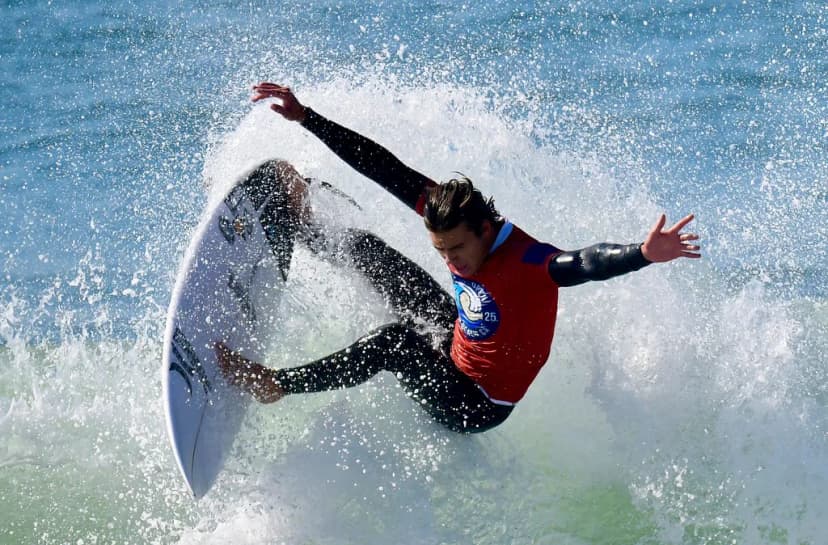
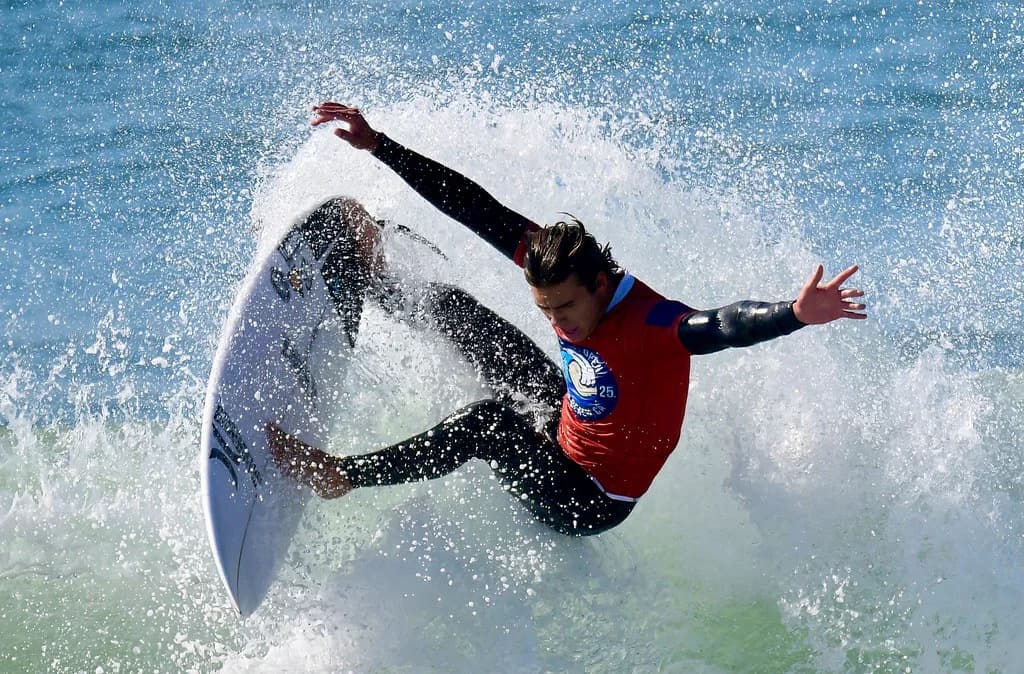
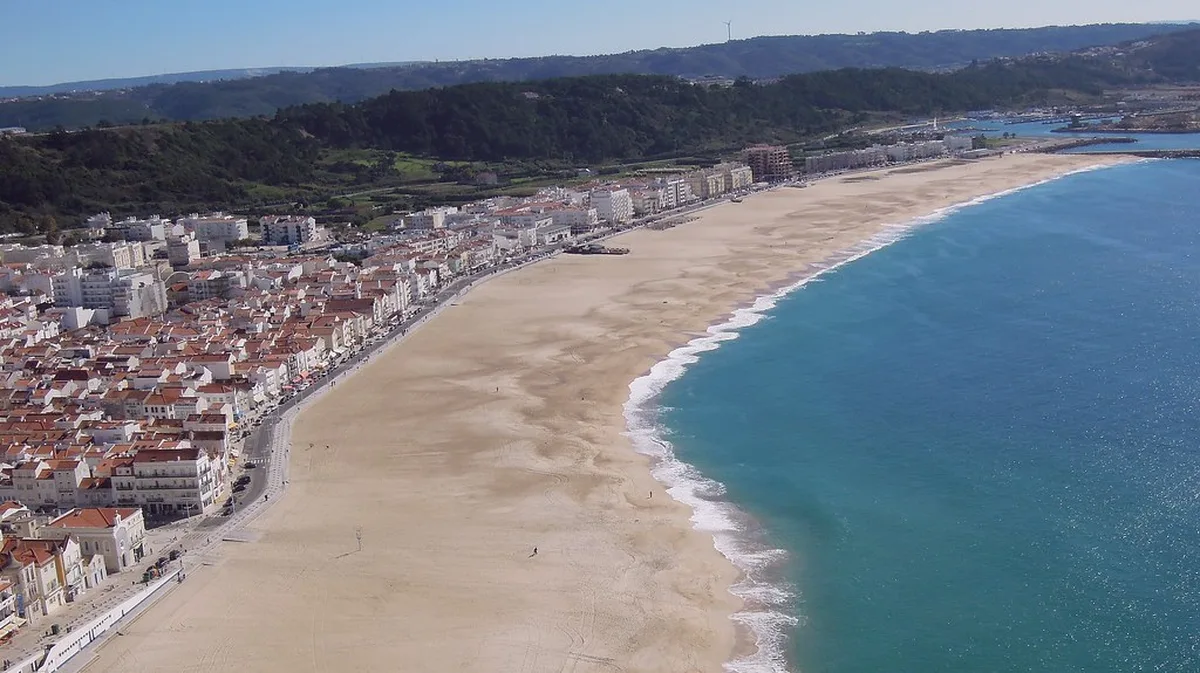
Peniche sits on a rugged Atlantic peninsula 50 km south of Nazaré and serves as a major hub for the Portuguese fishing industry. The town is famous for the 'Supertubos' wave, which hosts the MEO Rip Curl Pro surfing competition annually, attracting the world's best surfers each October. Getting there from Nazaré takes about 50 minutes by car via the A8 (toll approximately €2 one-way) or around 70 minutes on the free N8 and IC1 roads. Regional buses connect Nazaré and Peniche with a return fare of approximately €9 in 2026, taking about 80 minutes with one change at Óbidos or Caldas da Rainha.
Walking along the limestone cliffs at Cabo Carvoeiro on the western tip of the peninsula offers dramatic views of sea stacks and the open Atlantic. The 17th-century Peniche Fortress (Fortaleza de Peniche) operated as a political prison under the Salazar dictatorship and now houses a museum with €3 adult entry. The fish market (Lota de Peniche) opens early each morning and is one of the most authentic fishing-industry experiences on the Silver Coast. For beach comparisons close to home, see our Nazaré beach guide — the surf break at Supertubos and the giant waves at Praia do Norte are on a different scale entirely.
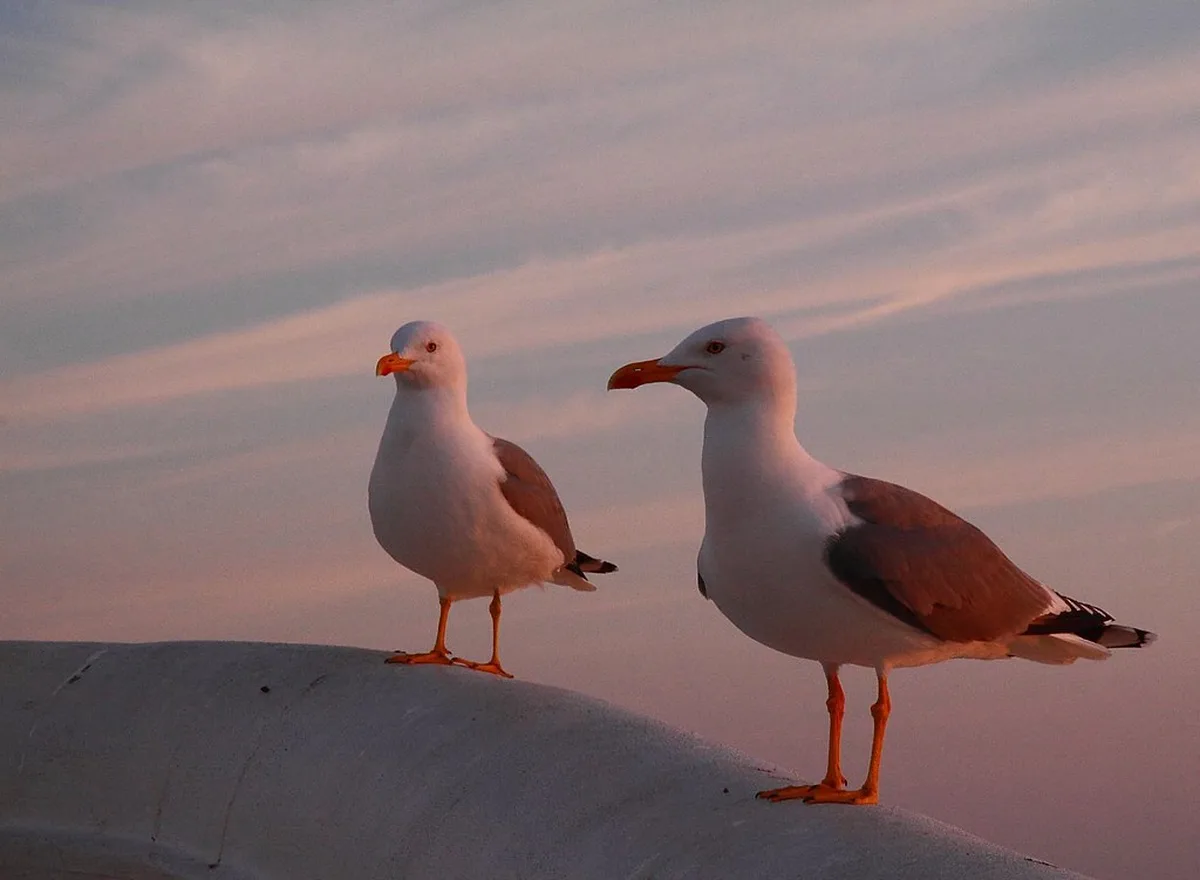
The Berlengas Islands are a protected UNESCO Biosphere Reserve located 12 km off the Peniche coast. Viamar ferries depart from Peniche harbour from mid-May to mid-September; the 2026 return fare is €22 per adult and the crossing takes about 45 minutes. Daily visitor numbers are capped at 1,000 to protect the fragile ecosystem, so booking tickets at least three to four days in advance online is strongly recommended. On the main island, Berlenga Grande, visitors can explore the 17th-century Fort of São João Baptista (entry free, exterior only) and snorkel in extraordinarily clear blue-green waters with visibility exceeding 15 metres. Hiking trails cross through colonies of yellow-legged gulls and rare sea campion plants found nowhere else. Pack a light windproof jacket for the return boat trip as the Atlantic breeze intensifies in the late afternoon.
Return to Peniche harbour by 5:00 PM to catch the last ferry and allow time for fresh grilled fish at one of the harbour-front restaurants, where a full seafood meal typically costs €18–25 per person. The combination of the dramatic peninsula scenery and the Berlengas island reserve makes this the most adventurous day trip available from Nazaré.
Caldas da Rainha: Spa Town and Ceramic Arts Day Trip
Caldas da Rainha lies just 30 km south of Nazaré — a 30-minute drive via the N8 or a 35-minute regional bus journey (return fare approximately €3.80 in 2026). This lively market town is best known as the birthplace of Portugal's irreverent erotic ceramics tradition, launched in the 16th century by local potter Rafael Bordalo Pinheiro. The Museu de Cerâmica on Rua Dom Dinis houses the definitive collection; entry is €3 per adult, free under 12. Expect to spend 45 minutes inside among the grotesque figurines, cabbage-leaf tableware, and satirical political sculpture that made Caldas da Rainha famous throughout the Lusophone world.
The town's thermal spa heritage is equally compelling. Caldas da Rainha ("Queen's Hot Springs") takes its name from Queen Leonor of Portugal, who reportedly stumbled upon the natural sulphurous springs in 1484 while travelling south and found them so beneficial that she ordered a hospital and bathhouse built on the spot. The original Hospital Termal (Thermal Hospital) still functions today. Visitors cannot enter the hospital wards, but the neoclassical facade on Praça Dom Luís I and the adjacent public thermal park (Parque Dom Carlos I) are free to explore and picturesque at any time of year. The park contains peacocks, a small lake, and shaded benches — an ideal lunchtime pause.
The Praça da Fruta (Fruit Market) at the town centre operates every morning except Sunday and is one of the most authentic local produce markets in Central Portugal. Stalls sell regional cheeses, smoked sausages, fresh vegetables, and the locally made Caldas biscuits (biscoitos de Caldas) flavoured with lemon and fennel — a bag of 12 costs around €2.50. The open-air market stalls around Praça 25 de Abril sell hand-painted azulejo tiles and Bordalo Pinheiro reproduction ceramics at prices significantly lower than Lisbon gift shops.
Restaurants on and around Rua Almirante Cândido dos Reis serve traditional lunch menus for €11–15 including soup, main course, bread, and a small carafe of house wine. The local pastry of note is the Bola de Berlim (Portuguese doughnut filled with egg cream), sold at most bakeries for €1.20–€1.50 each. Caldas da Rainha pairs naturally with Óbidos (only 6 km south), making a logical morning–afternoon loop from Nazaré: Caldas market in the morning, Óbidos walls and Ginjinha in the afternoon, back in Nazaré for sunset.
- Caldas da Rainha
- Distance from Nazaré: 30 km south
- Bus fare: ~€3.80 return from Nazaré
- Drive: 30 minutes via N8
- Museu de Cerâmica entry: €3 adult; free under 12
- Highlights: Bordalo Pinheiro ceramics, Parque Dom Carlos I, Praça da Fruta morning market
- Best combo: Pair with Óbidos (6 km south) for a full-day loop
Avoiding Common Mistakes on Your Day Trips
Many visitors underestimate the time needed to navigate the narrow roads between small villages in Central Portugal. The national 'N' roads are free but often add twenty to thirty minutes to any journey compared with the motorways. The A8 is the main motorway serving this corridor and uses Via Verde electronic tolls; expect to pay €2–5 per leg depending on distance. If your rental car lacks a transponder, use the manual lanes marked 'NORMAL/MANUAL' — they accept cash and cards. Consult our parking in Nazaré guide before you leave to ensure a stress-free return to the village.
Attempting to visit three major sites in a single day consistently leads to travel fatigue and rushed experiences. The most effective structure for 2026 day trips from Nazaré is: one primary destination in the morning (arriving as early as 9:00 AM), one smaller stop in the afternoon (no more than 30 minutes' additional drive), and back in Nazaré by 6:30 PM for dinner. Summer temperatures inland regularly reach 34–38°C, significantly higher than the cool Atlantic breezes on the coast, so carry at least 1.5 litres of water per person and wear sun protection.
Always carry small change — €1 and €2 coins — for parking meters and public restrooms in smaller towns; some car parks in Óbidos and Batalha are pay-and-display with no card option. Booking monument tickets online in advance saves 20–30 minutes of queuing at peak times; the Mosteiro da Batalha and Berlengas ferry both have online purchase options. Most historic sites in Central Portugal close on Mondays and on public holidays, so plan your week accordingly. Lunch service in traditional Portuguese restaurants ends sharply at 3:00 PM in most villages; if you miss it, the nearest petrol station café is often your only option until 7:00 PM. Checking the local 2026 event calendar helps you anticipate unexpected road closures — the Óbidos Medieval Market (July) and the Fátima pilgrimage days (13th of each month, May–October) both cause major traffic build-up. If you are extending your stay in Central Portugal, our Portuguese coast travel guide from Lisbon to the Algarve maps out the full Silver Coast corridor.
Frequently Asked Questions
What is the best way to travel from Nazaré to Óbidos?
Driving is the fastest option — approximately 40 minutes via the A8 motorway (tolls ~€2 each way). Regional buses also run from Nazaré bus terminal to Óbidos several times daily in 2026, with a return fare of approximately €5 and a journey time of around 50 minutes. Entry to Óbidos village and castle walls is completely free. Buses are less frequent on Sundays, so check the Rede Expressos timetable before your trip. Walking Rua Direita and sampling Ginjinha cherry brandy in an edible chocolate cup (€2) is the highlight.
Can I visit Fátima and Batalha in a single day trip?
Yes. Batalha Monastery and Fátima Sanctuary are only 20 km apart (about 20 minutes by car). In 2026, start at Batalha at 9:00 AM (entry €6 adult, free under 30); allow 1.5 hours for the Unfinished Chapels, Founder's Chapel, and Royal Cloister. Drive to Fátima for a midday visit — entry to both basilicas and the sanctuary grounds is free year-round. Return to Nazaré by 6:00 PM. This combined route is 75 km round-trip from Nazaré; expect to pay around €5 in motorway tolls if using the A8 and A15.
Are there tolls on the roads around Nazaré?
Yes. The A8 (Nazaré–Lisbon direction) and A15 (towards Fátima) use Via Verde electronic tolls. Rental cars usually come with a transponder that charges tolls automatically; budget €2–5 per motorway leg. If you prefer to avoid tolls entirely, the N8 and N242 national roads are free but slower — typically adding 20–25 minutes per leg. There are no tolls on roads within Nazaré village itself. Our parking in Nazaré guide has details on where to leave your car before and after day trips.
How much do entry tickets for the monasteries cost in 2026?
In 2026, standard adult entry to Batalha Monastery is €6 and to Alcobaça Monastery is €6. A combined ticket covering both sites costs €12. Visitors under 30 years old enter Batalha completely free of charge. EU seniors (65+) receive a 50% discount at most state-run monuments. Both sites offer free entry for all visitors on the first Sunday of each month, though crowds are noticeably larger on those days. Óbidos village walls are free to enter at all times. Fátima Sanctuary entry is free year-round.
How do I get to the Berlengas Islands from Nazaré in 2026?
Travel from Nazaré to Peniche first — about 50 minutes by car or 80 minutes by bus (return fare ~€9). From Peniche harbour, Viamar ferries sail to Berlenga Grande island from mid-May to mid-September. The 2026 return ferry fare is €22 per adult; the crossing takes 45 minutes. Daily visitors are capped at 1,000 to protect the UNESCO Biosphere Reserve, so book your ferry ticket online at least three to four days in advance. On the island, the 17th-century Fort of São João Baptista is free to view from the exterior.
What is the cheapest day trip from Nazaré by public bus in 2026?
Caldas da Rainha is the cheapest full day trip by bus in 2026 — return fare approximately €3.80 and Museu de Cerâmica entry just €3 adult. Alcobaça Monastery is close behind: return bus fare ~€2.50, entry €6 (or €12 combined with Batalha). Óbidos has completely free village and wall entry with a ~€5 return bus fare. Fátima is free to enter year-round and costs about €7 return by bus. Batalha Monastery is free for visitors under 30 with a ~€3.50 return bus fare.
What is the best day trip from Nazaré for families with children?
Óbidos is the best family day trip from Nazaré in 2026. Entry to the village and medieval walls is completely free. The short walk along the castle ramparts is exciting for children, though parents should supervise closely as some sections lack railings. Ginjinha in edible chocolate cups (€2) delights all ages, and non-alcoholic versions are available. The 30 km drive via the N8 takes 40 minutes. Caldas da Rainha (30 km south) is an excellent half-day add-on, with its Bordalo Pinheiro ceramics museum (€3 adult, free under 12) providing a hands-on cultural stop.
Exploring the region surrounding Nazaré reveals the true heart of Portuguese culture and history. Each destination — from the Manueline grandeur of Batalha to the Atlantic wildness of the Berlengas Islands, the ceramic arts of Caldas da Rainha, and the medieval walls of Óbidos — offers a unique perspective on Central Portugal's heritage. Planning logistics carefully, booking ferry and monument tickets in advance, and travelling early in the day ensures a smooth experience. With bus fares from €2.50 and monastery entries from €6, this corner of the Silver Coast remains outstanding value for travellers in 2026. Before you set out, check our Portugal travel guide for a broader overview of what to see across the whole country.