The Ultimate Nazare Beach Guide for Your Portugal Trip
Nazaré has two main beaches: Praia Grande (the vast main beach, calm and family-friendly) and Praia do Norte (1 km north, home of world-record big waves exceeding 30 m). Sun-lounger sets cost €8–15/day in 2026.
The Sítio funicular costs €1.20 one-way (€2.60 return) in 2026 and takes four minutes to the clifftop. Buses from Lisbon reach Nazaré in about 2 hours for €12–14 return via Rede Expressos.
Welcome to one of the most famous and culturally rich coastlines in all of Portugal. Nazaré offers a unique mix of traditional fishing heritage and record-breaking extreme sports. You will find golden sands and towering cliffs waiting for your arrival this year.
This Nazare beach guide helps you navigate the two distinct sides of the historic town. Whether you want a relaxing swim or to watch 80-foot waves, this destination delivers. Plan your visit carefully to make the most of every scenic coastal moment.
Praia Grande (Praia da Nazaré): The Golden Heart of Town
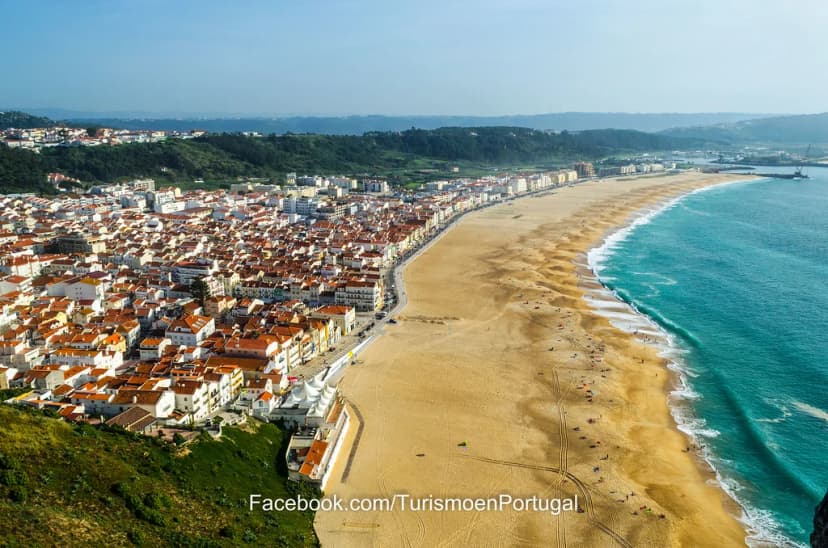
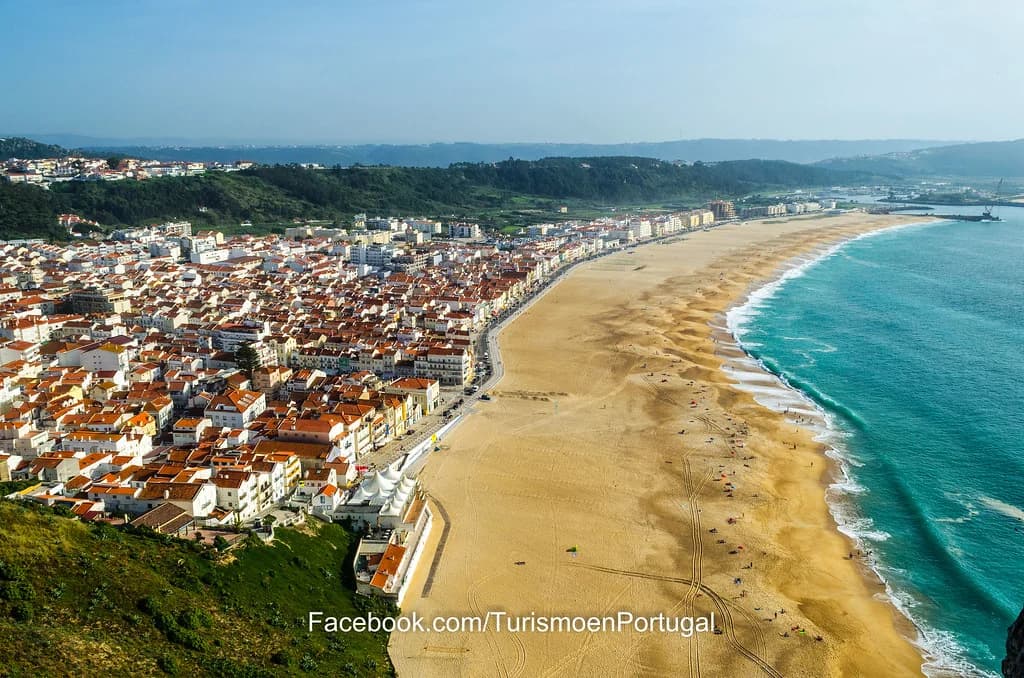
The main beach — locally referred to as Praia Grande for its generous sweep of sand — sits directly in front of the historic town center and its promenade. Its wide crescent shape provides shelter from some of the strongest northern Atlantic winds. Families often prefer this area for its calm atmosphere and proximity to modern amenities along the seafront Avenida da República. The beach stretches roughly 3 km from north to south, making it one of the longer Atlantic-coast beaches in central Portugal.
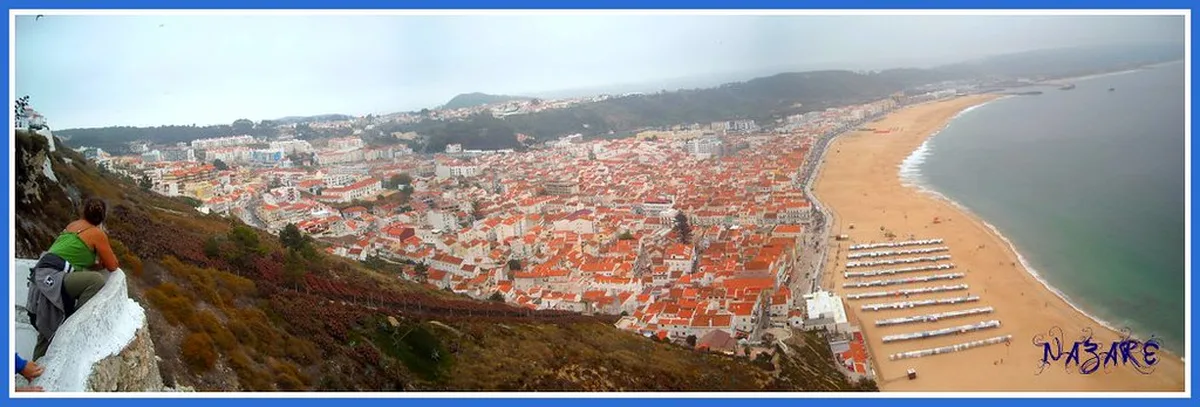
You can watch local women in traditional seven-layered skirts drying horse mackerel on wooden racks near the southern end of the promenade. This ancient practice remains a vital part of the local economy and heritage today. A small bag of dried fish costs roughly €2–3 from street vendors; it makes an authentic and lightweight souvenir. The drying racks are most active in the morning hours before the midday heat becomes intense, so an early visit gives you the best chance of seeing the tradition in full swing.
Walking along the promenade reveals dozens of excellent seafood restaurants. Most local eateries serve the fresh catch of the day starting around 12:00 PM. Expect to pay €18–30 per person for a sit-down meal with grilled sea bass, caldeirada fish stew, and a glass of local Óbidos wine. Budget spots like Tasca do Zé serve a daily fish menu for €12–14 including bread and a drink. Many restaurants display the catch on ice in their window each morning so you can see exactly what is available before you sit down.
Sun-lounger sets — one lounger and a parasol — rent for €8–10 on weekdays and €12–15 at weekends and in July–August. Traditional striped canvas beach tents, which offer better shade and storage space, cost €10–15 per day. Arrive before 09:30 AM in peak season to secure the best spots near the central promenade. The beach stretches roughly 3 km so there is always room further south if the central section fills up.
A compact outdoor shower and changing-room block sits at the northern end of the main beach near the funicular base station. Using the showers is free. The nearest ATM is a two-minute walk inland on Avenida da República. Mobile network coverage is excellent across the entire beach, so navigation apps work without issue. The beach is fully accessible by wheelchair along a dedicated mat path that runs 200 m from the promenade to the water's edge, installed in 2025.
For a full list of things to do beyond the sand, see the day trips from Nazaré guide, which covers Alcobaça Monastery, Batalha, and the Berlengas Islands — all within 50 km. If you plan to drive, the parking in Nazaré guide has a full map of paid and free zones including the large overflow lot on Avenida do Município (free, 800 m walk to the beach).
Praia do Norte: Watching World-Record Waves in 2026
Praia do Norte lies just 1 km north of Nazaré town centre and is one of the most dramatic natural spectacles in Europe. The beach itself is wide and exposed, backed by the Sítio cliffs where free public viewpoints give you a bird's-eye view of the swells rolling in from the North Atlantic. No ticket, no booking — simply walk to the Farol cliff edge at Sítio do Nazaré and watch.
To reach the clifftop, take the Sítio do Nazaré funicular from the lower town. In 2026 a return ticket costs €2.60 — the one-way fare is €1.20 — still excellent value for the views alone. The journey takes about four minutes. Alternatively, walk the steep cobbled path from the town centre in approximately 20 minutes. The path is well-signposted but gets slippery after rain, so wear grip-sole shoes.
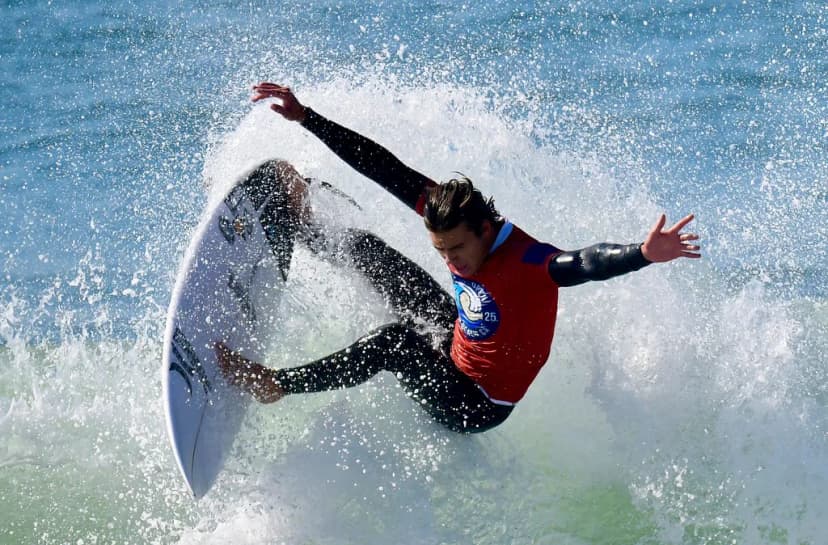
The big wave season runs October through March, driven by powerful North Atlantic low-pressure systems. The underwater Nazaré Canyon — stretching 230 km out to sea and plunging 5,000 m deep — focuses and amplifies these swells as they hit the beach, creating waves that can top 30 m. American surfer Garrett McNamara first put Praia do Norte on the global map in 2011 when he rode a verified 24 m (78 ft) wave, setting a Guinness World Record. That record has since been challenged and refined but McNamara's 2011 ride remains one of the most iconic in surfing history.
In 2026 the WSL Big Wave Challenge is scheduled for Praia do Norte, with exact competition dates announced on a 24–48 hour notice window when swell forecasts meet the minimum threshold. Monitor the WSL website and the local Câmara Municipal de Nazaré social channels for activation alerts. During competition days the clifftop viewpoints become extremely crowded; arrive at least 90 minutes before the predicted start window to secure a good spot on the Farol promontory.
The best photography position is the Farol cliff itself, at the lighthouse (Farol de Nazaré). Stand level with or slightly above the wave face to capture the full scale. A zoom lens of 200–400 mm is ideal; wide-angle lenses make waves look deceptively small. Shoot in burst mode — the critical moment when a surfer drops the face lasts under three seconds. Early morning (08:00–10:00) gives the cleanest light with fewer tourists in the foreground.
If you want a closer connection to the surf culture, local operators offer dedicated spectator and photography tours during big wave season. These typically cost €40 for a half-day (around 4 hours), include transport from the town centre, a briefing on surf forecasting, and a guide positioned at the best viewing spots. Some tours include access to the fort terrace at São Miguel Arcanjo, which adds another angle. Book at least 48 hours ahead as group sizes are capped at 12 people.
Swimming at Praia do Norte is prohibited year-round. Red flags fly permanently and surf rescue boats patrol the channel during active swell events. Even in summer, rip currents along the base of the canyon make the water here unsuitable for recreation. The beach is for watching, not wading — respect the barriers and stay on designated cliff paths at all times.
São Miguel Arcanjo Fort and Surf Museum
The small 17th-century fort at the base of the Sítio cliffs houses a dedicated surf museum that chronicles Nazaré's rise from sleepy fishing village to big-wave capital. Entry costs approximately €2 per adult in 2026, with under-12s free. The museum displays the original boards ridden by Garrett McNamara during record attempts, vintage wetsuits, and a timeline of significant swell events measured at the canyon since the 1990s.
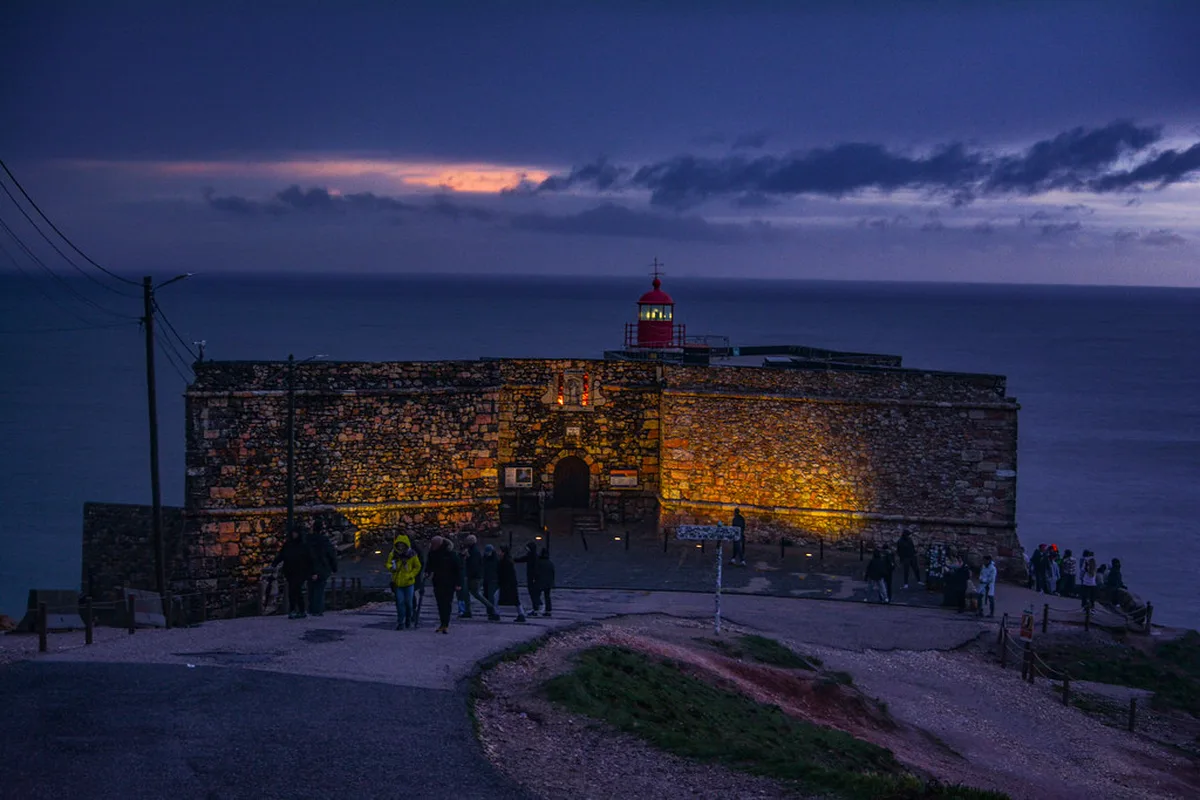
Plan 30–45 minutes for the museum. The fort terrace overlooks the water at a lower angle than the Farol cliff viewpoint, making it ideal for wider composition photography that captures both the wave and the surrounding landscape. A small café at the fort entrance sells espresso for €1.00 and sandwiches for €3.50–4.50 — useful if you're spending several hours waiting for swell sets.
The fort's interior also includes a small exhibition on the Nazaré fishing tradition, showing how the canyon that creates the famous waves also historically provided some of the richest fishing grounds along the Portuguese coast. Interpretive panels are available in English, Portuguese, and Spanish. The combined fort-and-museum visit pairs naturally with the clifftop walk from the funicular station; budget a half-morning to see both the fort and the Farol viewpoint without rushing.
Getting there on foot from the lower town takes about 25 minutes along the coastal path north of the main beach. The route passes several miradouros (viewpoints) that overlook the main beach from a different angle. You can also reach the fort by driving to the Sítio upper district and descending the cliff path, which takes around 10 minutes and involves some uneven stone steps. There is no dedicated car park at the fort itself; use the Sítio upper car park (free) and walk down. Combine the fort visit with the day trips from Nazaré for a full cultural itinerary including nearby Alcobaça and Batalha monasteries.
Beginner Surf Lessons and Surf Schools in Nazaré
While Praia do Norte is strictly off-limits for anyone other than elite big-wave surfers, Praia Grande (the main beach) and the nearby beaches at Lagoa de Óbidos (15 km south) offer ideal conditions for beginners and intermediate surfers, especially outside peak summer when swells are more consistent. Several licensed surf schools operate in and around Nazaré, catering to visitors with zero experience up to those looking to advance their technique.
A standard two-hour beginner group lesson on Praia Grande costs €30–40 per person in 2026, including board and wetsuit rental. Private one-to-one tuition runs €55–70 for the same duration, which makes significantly faster progress possible if you have never stood on a board before. Most schools offer multi-day packages: a five-session pack typically costs €120–150, saving 20–25% over individual lesson pricing. Surf NazaréWave and Sol Surf School are two well-reviewed operators that offer English-language instruction and have been active for over a decade.
The best surf conditions on the main beach occur during the spring and autumn shoulder seasons (March–May and September–November), when swell heights of 1–2 m are common and water temperatures sit between 15–19°C. Summer (June–August) is calmer and warmer (20–21°C) but less consistent for surfing. Boards can be rented independently without a lesson for €15–20 per half-day if you are already a confident rider and just need equipment. Wetsuit rental adds €5–8 for a 3/2 mm suit appropriate for Atlantic water temperatures.
Nazaré's surf school scene also extends to bodyboarding and stand-up paddleboarding (SUP), which are popular alternatives at the sheltered northern end of the main beach. SUP rental costs €20 per hour. Kids aged 8 and up are welcome in most beginner surf programmes, and several schools run dedicated junior camps during July and August with morning sessions starting at 09:00 before the midday heat and crowds arrive. Booking in advance during summer is strongly recommended as popular slots fill up within days of opening.
For visitors combining a surf trip with wider coastal exploration, the Portuguese coast travel guide from Lisbon to the Algarve covers surf beaches south of Nazaré including Peniche, Ericeira, and Cascais, all accessible by road within two hours. Ericeira in particular holds World Surfing Reserve status and is worth adding as a day extension if you have surf on the agenda.
Essential Practical Tips for Your Nazare Beach Visit
Parking near the waterfront becomes very difficult during the peak summer holiday months of July and August. Arriving before 09:30 AM gives you the best chance of finding a free or low-cost space on the seafront. The official Parque de Estacionamento da Praia car park on Avenida Marginal charges €1.20/hour with a daily maximum of €8.00. Street parking on adjacent roads is free after 19:00 and before 08:00. See the dedicated parking in Nazaré guide for a full map of paid and free zones, including the large overflow lot on Avenida do Município (free, 800 m walk to the beach).
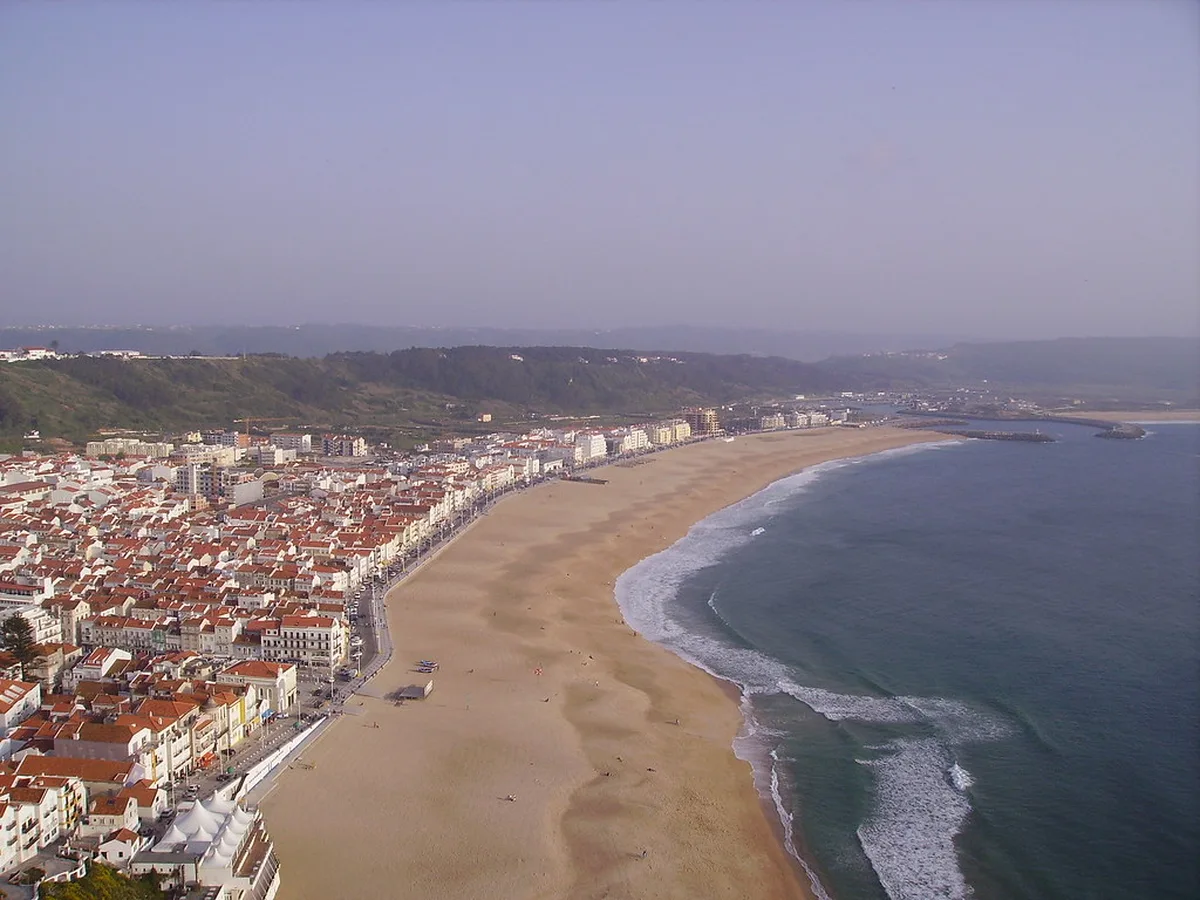
The Sítio funicular — connecting the lower beach area with the clifftop Sítio district — runs daily from approximately 07:00 to 24:00 in summer (07:30–20:00 off-season). A return ticket costs €2.60 in 2026 (€1.20 one-way). The journey takes roughly four minutes and departs every 10–15 minutes during peak hours. Queue times in July and August can reach 20 minutes at midday; an early morning or late evening ride avoids the wait and rewards you with near-empty cliff views.
Getting to Nazaré by public transport from Lisbon is straightforward. Rede Expressos coaches depart from Lisbon's Sete Rios terminal and reach Nazaré in roughly 2 hours. Return fares cost €12–14 in 2026. The bus drops you in the town centre, a short five-minute walk from the main beach. If you are arriving from Porto, a combination of train to Caldas da Rainha (1h 45 min, from €15) and a local bus connection (30 min, €3) is the most practical route. Drivers from Lisbon follow the A8 motorway north and take the exit towards Nazaré; journey time is about 1 hour 15 minutes.
Consider visiting in the shoulder seasons — May to early June or September to October — for the best overall experience. Accommodation rates in Nazaré drop by 30–40% outside July and August. A mid-range guesthouse (pensão) costs €65–90 per night in shoulder season versus €110–150 in peak. The water temperature in May is around 16–17°C (cool but manageable in a wetsuit), rising to 20–21°C by September, which many swimmers prefer to the cooler peak-summer Atlantic. Restaurants have shorter queues and most menus stay the same price year-round.
- Use the Sítio Funicular for Views
- Type: Public Transport
- Best for: Panoramic Photos & North Beach Access
- Where: Town Center Base Station, Avenida da República
- Cost: €2.60 Return / €1.20 One-Way (2026)
- Hours: 07:00–24:00 (summer); 07:30–20:00 (off-season)
- Rent a Traditional Beach Tent or Sun-Lounger Set
- Type: Beach Amenity
- Best for: Sun Protection and Gear Storage
- Where: Praia Grande, Central Section
- Cost: Sun-lounger set €8–15/day; Canvas tent €10–15/day
- Visit the Fish Drying Area and Market
- Type: Cultural Site
- Best for: Local Heritage and Photography
- Where: Southern Promenade, near Avenida Manuel Remígio
- Cost: Free to view; dried fish €2–3/bag
- Eat at a Local Seafood Restaurant
- Type: Dining
- Best for: Fresh Catch and Caldeirada Stew
- Where: Along Avenida da República and side streets
- Cost: €18–30/person for a full meal
Safety and Local Nuance: Navigating the Tides
Understanding the difference between the two main beaches is crucial for your personal safety. While Praia Grande is generally safe for swimming, the Atlantic Ocean is always powerful. Always follow the beach flag system: green means safe to swim, yellow means exercise caution, and red means stay out of the water entirely. Orange flags indicate dangerous currents in specific zones.
Lifeguards (nadadores-salvadores) patrol Praia Grande during the official bathing season from June 15 to September 15, typically from 10:00 to 18:00. They are stationed every 300–400 m along the beach and carry radio communication and rescue boards. The southernmost 500 m of the main beach is designated as a calmer family zone, well-suited for children and non-confident swimmers. Water depth shelves gently to 1.5 m within 20 m of the shore in this zone.
Many visitors underestimate the shore break on the main beach, even on seemingly calm days. Backwash from incoming waves can knock adults off their feet in knee-deep water, especially at mid-tide. Keep children within arm's reach at all times. Secure your belongings under a tent peg or inside a dry bag; rogue waves occasionally reach 15–20 m up the beach during unexpected swell events even in summer. Valuables left unattended on towels are an easy target for opportunistic theft in crowded peak-season conditions — use the paid locker facilities (€2.00/4 hours) at the northern shower block.
For driving visitors, Nazaré town centre has a low-emission zone in force from 10:00–18:00 in summer. Diesel vehicles registered before 2010 are prohibited. Electric vehicle charging points are available at the Parque de Estacionamento da Praia (4 points, Type 2 connectors, €0.30/kWh). Off-peak evening visits after 19:00 avoid both congestion and the LEZ restrictions.
Sun protection is essential from April through September. The Atlantic coast can be deceptively breezy, masking UV intensity. UV index regularly reaches 9–10 (Very High) at midday in July and August. Apply SPF 50+ every 90 minutes, seek shade between 12:00 and 15:00, and bring plenty of water — beachside café water costs €1.50–2.50 per bottle, so a refillable bottle saves money over a multi-day visit. Combining Nazaré with a broader coastal itinerary? The Cascais beach guide and Lisbon beach guide cover the best Atlantic beaches within easy reach of the capital.
Frequently Asked Questions
When is the big wave season in Nazaré?
The big wave season in Nazaré runs from October through March. The Nazaré Canyon amplifies North Atlantic swells to heights exceeding 20 m during this period, attracting elite big-wave surfers from around the world. Watch from the free Farol cliff viewpoints at Sítio do Nazaré for the best spectator experience. The WSL Big Wave Challenge is scheduled for 2026 with activation dates announced 24–48 hours in advance via the WSL website and local municipal channels.
Is Nazaré beach safe for swimming with children?
Praia Grande (the main beach) is generally safe for families during the supervised bathing season from June 15 to September 15. Lifeguards are on duty from 10:00 to 18:00. Stick to the designated family zone at the southern end of the beach, where water shelves gently and currents are weakest. Always check the flag colour: green means safe, yellow means exercise caution, red means no swimming. Praia do Norte is never safe for swimming — it is for spectators only, with red flags flying year-round.
How do I get to the Nazaré clifftop viewpoints?
Take the Sítio funicular from the lower town for €2.60 return (€1.20 one-way) in 2026 — the journey takes about four minutes and drops you near the Sítio district. From the top station, it is a short five-minute walk to the Farol cliff and lighthouse. Alternatively, walk the steep cobbled path from the town centre in approximately 20 minutes. The lighthouse and cliff-edge viewpoints are free to visit and open year-round. Queue times at the funicular can reach 20 minutes in summer midday — go early or late to avoid waits.
How much does it cost to visit Nazaré beach in 2026?
The beach itself is free to enter. Sun-lounger sets (one lounger and parasol) rent for €8–15 per day depending on season. The Sítio funicular costs €2.60 return. The São Miguel Arcanjo Surf Museum charges around €2 per adult, with under-12s free. A seafood meal at a mid-range restaurant costs €18–30 per person. Budget around €30–50 per day for a comfortable beach visit including transport, equipment rental, and one restaurant meal.
Who holds the world record for the biggest wave surfed at Nazaré?
American surfer Garrett McNamara surfed a verified 24 m (78 ft) wave at Praia do Norte in November 2011, setting a Guinness World Record. The record has since been challenged by other surfers at Nazaré, cementing the beach's reputation as the global home of big-wave surfing. McNamara's original boards are on display at the São Miguel Arcanjo Fort surf museum near the beach, entry approximately €2 per adult in 2026.
What is the best time of year to visit Nazaré in 2026?
The best time depends on your priorities. For big waves and surf spectating, visit October–March. For swimming and beach relaxation, visit June–September, with peak crowds in July and August. For the best balance of good weather, manageable crowds, and lower prices, visit in May–June or September–October. Shoulder-season accommodation in Nazaré runs €65–90 per night, compared to €110–150 in peak summer.
Can beginners take surf lessons at Nazaré in 2026?
Yes. While Praia do Norte is reserved for elite big-wave surfers, Praia Grande (the main beach) is suitable for beginners and intermediates, especially outside peak summer. Licensed surf schools offer two-hour group lessons for €30–40 per person including board and wetsuit rental. Private lessons cost €55–70. The spring and autumn seasons offer the most consistent beginner-friendly swells. Kids aged 8 and up are welcome in most junior programmes. Book in advance during July and August as popular slots sell out quickly.
Nazaré remains one of the most captivating and beautiful coastal towns in all of Europe. The blend of extreme sports and quiet traditions creates a truly unique travel atmosphere. Every visitor finds something to love along these golden and historic Portuguese shores.
Use this Nazare beach guide to plan your 2026 trip with total confidence. From the world-record giant waves of Praia do Norte to the fresh seafood and golden sands of Praia Grande, adventure awaits at every turn. Pack your sunscreen, budget for a funicular ride, and get ready for an unforgettable Atlantic experience.