The Ultimate Guide to the Best Day Trips From Evora
Top day trips from Évora in 2026: Monsaraz (50 km, ~40 min drive, free castle), Elvas (75 km, ~55 min, UNESCO forts from €3), Megalithic Circuit (15 km, free), Vila Viçosa (55 km, Ducal Palace €7).
Renting a car from Évora costs €35–55/day in 2026; most routes are under 80 km each way with fuel of €8–15 per trip. Buses serve Estremoz (€4.50, ~1 hr) and Arraiolos (€3.20, ~40 min).
Évora serves as the perfect gateway to the rolling plains and golden landscapes of the Alentejo region. While the city itself offers incredible history, the surrounding countryside hides fortified villages and prehistoric wonders. Planning several day trips from Évora allows you to experience the authentic soul of rural Portugal. Before heading out, explore the Évora old town guide to make the most of your base. For a broader look at the country, see our Portugal travel guide.
Discovering the Medieval Charm of Monsaraz
Monsaraz sits high on a hill overlooking the Spanish border and the vast Alqueva reservoir, 50 km east of Évora. This whitewashed village remains one of the most picturesque spots in the entire Alentejo region, its schist-paved lanes rising steeply to a 13th-century castle whose walls frame sweeping views of the water below. In 2026 you can still walk the full perimeter of the castle walls at no charge — entrance to the battlements is free and open daily from sunrise to dusk.
The drive from Évora to Monsaraz takes around 40 minutes on the IP2 and EN256, with no reliable direct bus service available. Fuel costs from Évora average €10–12 return for a standard petrol car. Parking in the village is free in the dedicated lot just below the main gate. Most visitors spend two to three hours wandering the narrow schist streets, visiting the castle tower, and browsing the handful of craft shops selling hand-painted tiles and Alentejo pottery.
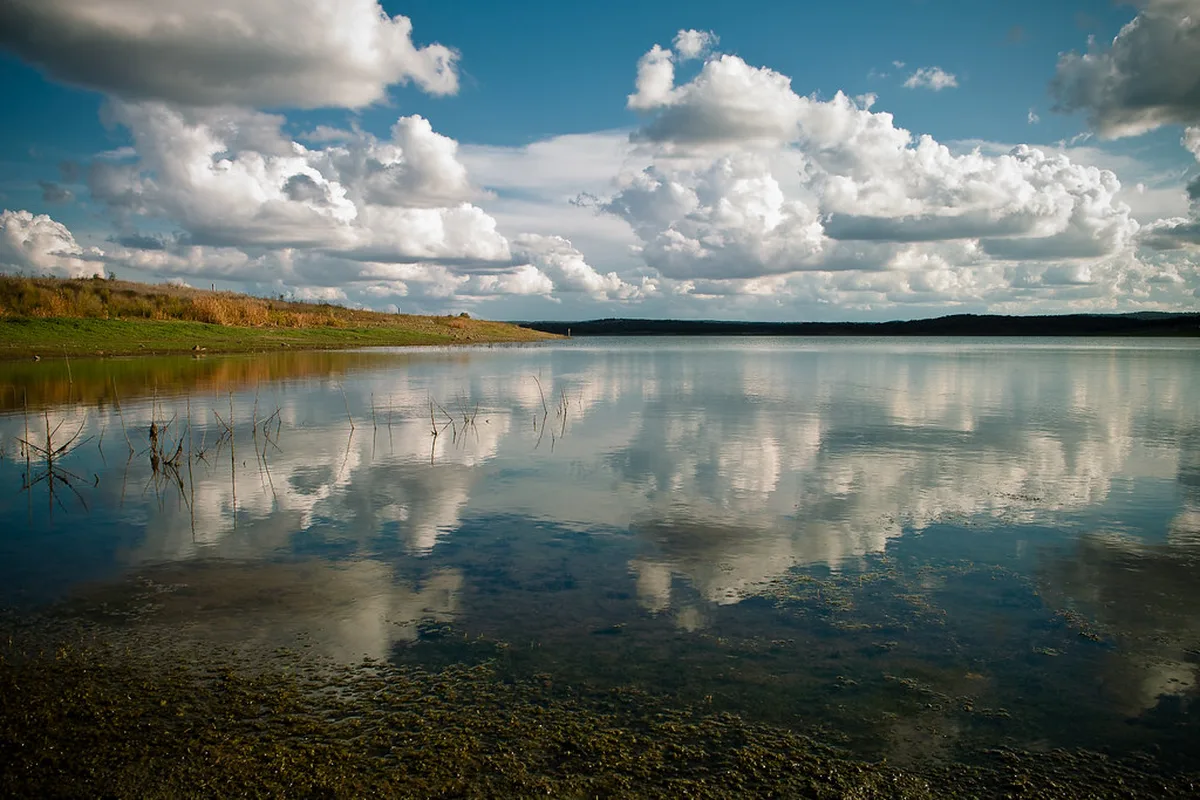
Alqueva Lake, visible from every high point in Monsaraz, is the largest artificial lake in Western Europe. The reservoir was formed in 2002 when the Alqueva Dam was completed, flooding the old village of Aldeia da Luz. Boat trips on the lake depart from the Marina do Alqueva, 5 km below the village, and cost €12–18 per person for a one-hour cruise in 2026. The surrounding area has been officially certified as one of Europe's top dark-sky reserves by the Starlight Foundation. Organised stargazing tours from Monsaraz and nearby Reguengos de Monsaraz run nightly from April to October and cost €15–25 per person depending on the duration and whether a telescope guide is included.
Wine lovers should factor in a stop at one of the Reguengos de Monsaraz cooperative cellars on the way back toward Évora. Cellar tours with tasting of four to six Alentejo wines cost €10–15 per person in 2026 and last about 45 minutes. The region's full-bodied Aragonez and Trincadeira reds pair especially well with the local cured meats sold in the village. A sit-down Alentejo lunch in Monsaraz — carne de porco à alentejana (clams and pork), migas, and a glass of house red — costs €15–22 per person at the village's main restaurants.
- Monsaraz Castle and Walls
- Type: Medieval fortification
- Best for: Panoramic views over Alqueva reservoir
- Where: Village summit
- Cost: Free entry; walls open sunrise to dusk
- Alqueva Lake Viewpoints and Boat Trips
- Type: Natural scenery / water activity
- Best for: Photography, dark-sky stargazing (€15–25)
- Where: Eastern village edge; Marina do Alqueva 5 km below
- Cost: Viewpoints free; boat trip €12–18
- Reguengos de Monsaraz Wine Cellars
- Type: Wine tourism
- Best for: Alentejo red wine tasting
- Where: Reguengos de Monsaraz town, 8 km west of Monsaraz
- Cost: Cellar tour + tasting €10–15
Exploring the Military History of Elvas
Elvas holds the title of the largest fortified dry-ditch system in the world and carries UNESCO World Heritage status, awarded in 2012. The city is famous for its star-shaped forts that once protected the Portuguese border from Spanish invasion across the Rio Guadiana plain. Walking along the massive walls provides a clear view of the complex Vauban-inspired military engineering used in the 17th and 18th centuries. Most travelers spend a full day here to see both the city center and the outlying forts — the drive from Évora is 75 km west, taking about 55 minutes on the A6 motorway.
In 2026, the main entry ticket covering Forte de Santa Luzia and access to the wall circuit costs €3 per adult. Forte de Nossa Senhora da Graça, situated 3 km north of the city on a separate hill, charges €5 per adult and is open Tuesday to Sunday. The aqueduct of Amoreira, which stretches for 7.5 km and stands up to 31 metres tall, is free to view from the road and walkways beside it. The cathedral, known as the Sé de Elvas, charges no entry fee and its Gothic interior is worth at least 20 minutes of your time.
The city center holds several good lunch options along Praça da República. A two-course set lunch with wine costs €12–16 at most local restaurants in 2026. Elvas is also famous for its sugar-coated plums — ameixas de Elvas — sold in decorated boxes at pastry shops near the main square. The Saturday market near the city walls runs from 7:00 to 13:00 and offers fresh Alentejo produce, honey, and handmade ceramics at competitive prices.
Transport to Elvas from Évora by bus operates via Rede Expressos. Buses depart twice daily from Évora bus terminal at Rua Eduardo Augusto Saraiva and the journey takes approximately 1 hour 40 minutes with a change at the A6 services or Estremoz. A direct return ticket costs around €16 in 2026. Given the limited public transport frequency, hiring a car (€35–55/day from Évora agencies in 2026) remains the most practical option for visitors planning to combine Elvas with a second stop such as Vila Viçosa on the same day.
- Forte de Nossa Senhora da Graça
- Type: Star-shaped fort (Vauban)
- Best for: Military history and panoramic views
- Where: 3 km north of Elvas center
- Cost: €5 adults; open Tue–Sun 10:00–18:00 (2026)
- Amoreira Aqueduct
- Type: Historical infrastructure (16th–17th century)
- Best for: Iconic photography
- Where: Western city entrance; 7.5 km total length
- Cost: Free to view at all times
- City Walls Circuit
- Type: UNESCO fortification
- Best for: Walking history, panoramic views
- Where: Surrounding the old town
- Cost: €3 adults (2026)
The Marble Wonders of Estremoz and Vila Viçosa
The Alentejo is home to a unique marble triangle where local stone appears in every building, pavement, and garden wall. Estremoz, 45 km northeast of Évora (approximately 35 minutes by car on the N18), features a stunning upper town built almost entirely from gleaming white marble, crowned by a medieval tower that served as a royal palace in the 13th century. The Museu Municipal de Estremoz, housed in the restored Convento das Maltesas, charges €3 per adult and contains an impressive collection of painted clay figurines unique to the town.
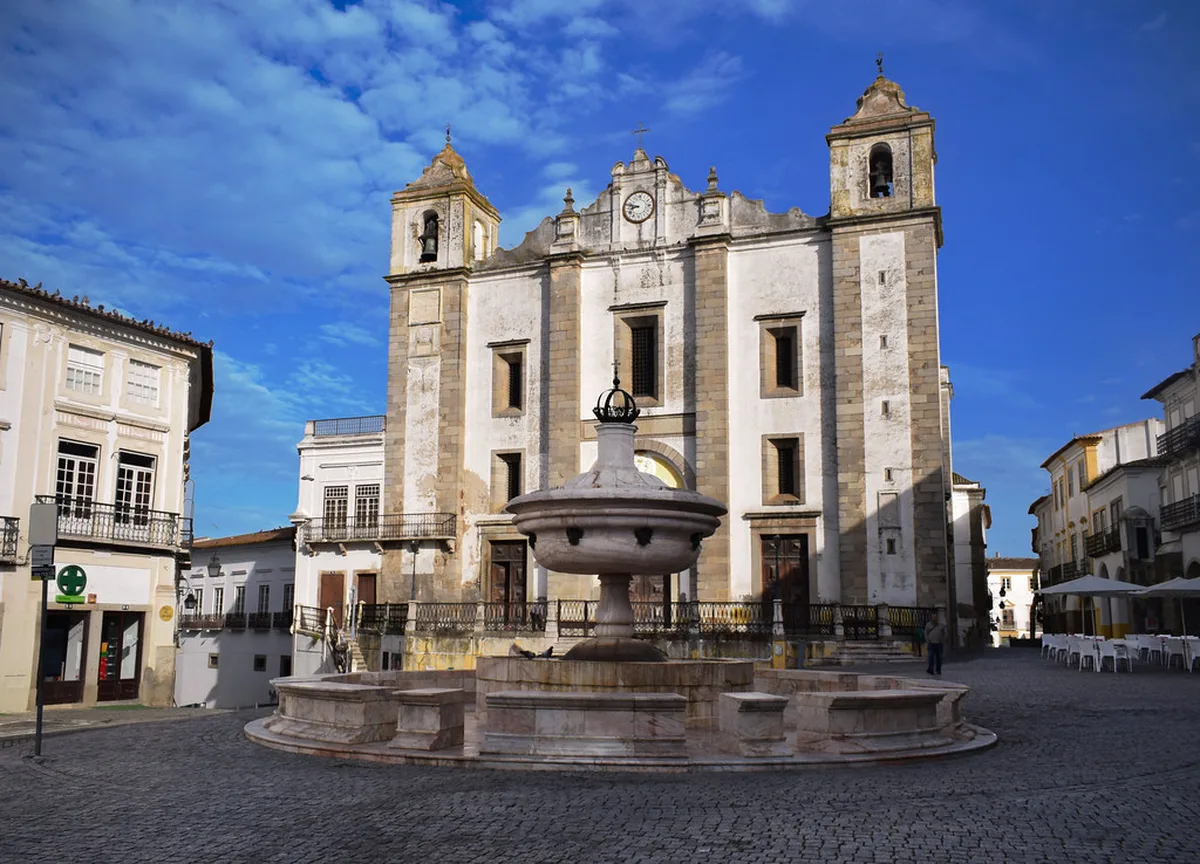
Visit Estremoz on a Saturday morning to experience one of the most traditional markets in Portugal. The Rossio Marquês de Pombal fills with farmers, artisans, olive oil producers, and antique dealers from 7:00 to 14:00. Entry to the market square is free. Local specialties to buy include Estremoz red and white marble chess sets (€20–50), regional ewes' cheese (queijo de ovelha, €6–10 per round), and hand-painted pottery. Parking on the Rossio is free on market days but fills quickly — arrive before 9:00.
Vila Viçosa lies 55 km east of Évora, around 40 minutes on the A6 and EN4. The town is dominated by the Ducal Palace of Vila Viçosa, the ancestral seat of the House of Bragança and home to Portugal's royal family for 150 years. In 2026, the palace entrance fee is €7 per adult; this includes a guided tour of the state rooms (mandatory, runs every 30 minutes, tour lasts 45 minutes). Photography is not permitted inside the palace apartments. The adjacent armoury and coach museum are covered by the same ticket. Allow a full morning for the palace and town combined.
Vila Viçosa town itself has a pleasant central square lined with orange trees, several craft shops selling locally quarried marble souvenirs, and traditional restaurants serving the Alentejo speciality açorda (bread soup). A lunch of açorda de alho, grilled black pork, and local wine costs €14–19 per person in 2026. Combining Estremoz (Saturday market) and Vila Viçosa into a single loop trip from Évora is feasible if you arrive at the Estremoz market early and leave by noon — total driving time for the loop is under 2 hours.
- Ducal Palace of Vila Viçosa
- Type: Royal residence
- Best for: Opulent interiors, Bragança dynasty history
- Where: Vila Viçosa center
- Cost: €7 adults; guided tours every 30 min (2026)
- Estremoz Saturday Market
- Type: Open-air traditional market
- Best for: Local crafts, marble souvenirs, regional food
- Where: Rossio Marquês de Pombal, Estremoz
- Cost: Free access; open Sat 07:00–14:00
- Museu Municipal de Estremoz
- Type: Regional museum
- Best for: Clay figurines, Alentejo folk art
- Where: Convento das Maltesas, Estremoz upper town
- Cost: €3 adults (2026)
Ancient Secrets of the Megalithic Circuit
The area surrounding Évora contains some of the oldest and most significant prehistoric sites in Europe, predating Stonehenge by more than 1,000 years. The Almendres Cromlech (Cromeleque dos Almendres) features 95 standing granite stones arranged in an oval pattern estimated to be 7,000 years old. The site lies 15 km west of Évora near the hamlet of Guadalupe, reached by a 3.5 km unsurfaced but driveable track off the EN114. The drive takes about 20 minutes from Évora's city centre through beautiful cork oak forests, olive groves, and cistus scrubland.
Entry to Almendres Cromlech is entirely free and the site has no fencing or opening hours — it can be visited at any time of day. There are no entry charges for the Menhir dos Almendres either, a solitary 4-metre standing stone located 2 km from the cromlech along the same track. Parking at both sites is free in small gravel lay-bys. Early morning visits before 9:00 are especially atmospheric in spring and autumn: the low light catches the granite stones' quartz inclusions and the surrounding cork trees are often misty.
The Great Dolmen of Zambujeiro (Anta Grande do Zambujeiro) is the largest megalithic tomb in the Iberian Peninsula, with a chamber height of 6 metres. It sits 13 km southwest of Évora near Valverde village. The site is free to enter and a metal viewing cage allows visitors to look into the chamber; the original capstone leans against the side. Allow 45 minutes to combine both the cromlech and the Zambujeiro dolmen in a single morning circuit — total driving time for the loop is under one hour from Évora.
In 2026, a self-guided megalithic map booklet in English is available from the Évora tourist office on Praça do Giraldo for €2. Guided half-day tours combining both sites with a knowledgeable archaeologist depart daily from Évora at 09:00 and cost €28–35 per person including transport and entry. These tours typically include a stop at the Cromeleque dos Almendres, the Zambujeiro dolmen, and the smaller Anta de Pavia (near Mora, 35 km north). Booking 24 hours in advance is recommended in April–June when spaces fill quickly.
- Cromeleque dos Almendres
- Type: Stone circle (95 stones, ~7,000 years old)
- Best for: Archaeology, prehistoric atmosphere
- Where: 15 km west of Évora near Guadalupe
- Cost: Free entry; no opening hours restriction (2026)
- Great Dolmen of Zambujeiro
- Type: Megalithic tomb (largest in Iberian Peninsula)
- Best for: Ancient history, photography
- Where: 13 km southwest near Valverde
- Cost: Free entry; viewing cage on site (2026)
- Guided Megalithic Half-Day Tour
- Type: Guided excursion
- Best for: Deeper context, no navigation stress
- Where: Departs Évora 09:00 daily
- Cost: €28–35 per person including transport (2026)
Traditional Crafts in the Village of Arraiolos
Arraiolos is world-famous for its hand-embroidered wool rugs — tapetes de Arraiolos — that date back to the 15th century. The distinctive cross-stitch carpets, originally inspired by Persian designs brought by trade routes, are recognised across Europe for their geometric patterns and warm ochre, terracotta, and indigo colour palettes. You can watch local artisans working on these intricate designs in small workshops throughout the town; most workshops are open to visitors Monday to Saturday from 09:00 to 13:00 and 14:30 to 18:00 at no charge. A hand-embroidered rug measuring 50×80 cm starts at €80–120 in 2026 depending on complexity.
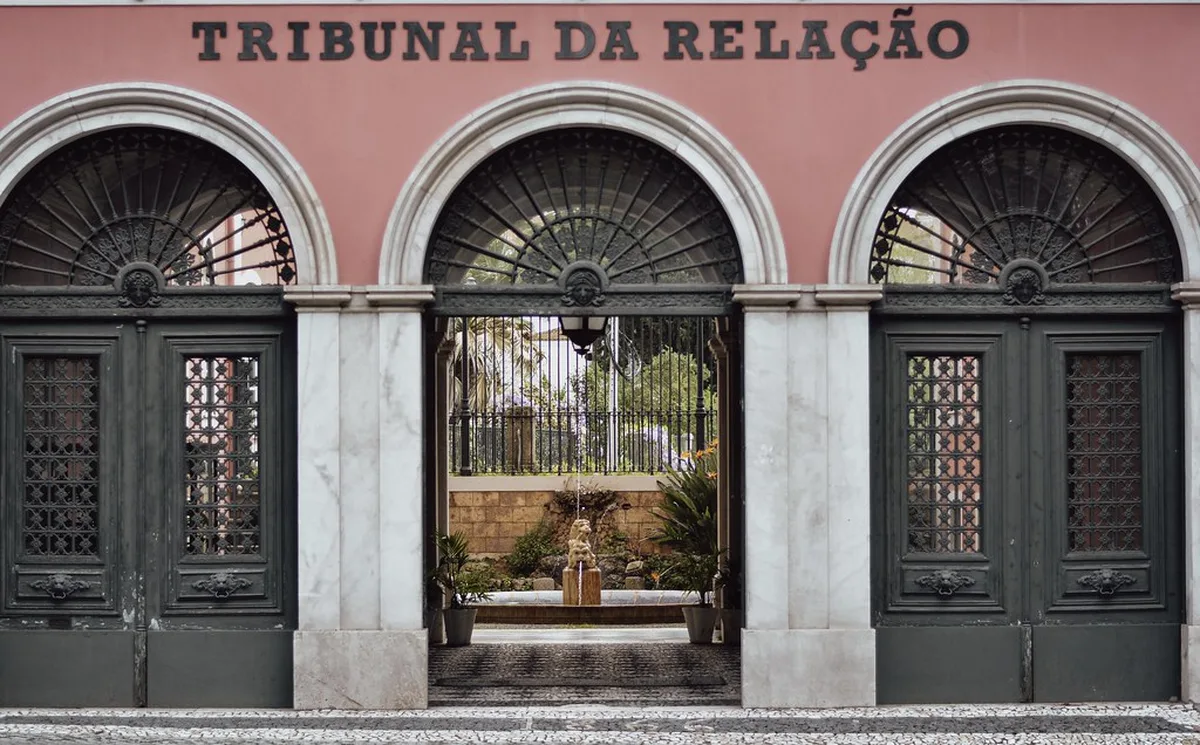
Arraiolos lies 22 km north of Évora on the N370, a journey of about 25 minutes by car. There is a daily bus service operated by Rede Expressos departing from Évora bus station at 08:00 and 14:30; the fare is €3.20 one-way and the journey takes 35–40 minutes. Return buses leave Arraiolos at 10:30 and 17:00 — the schedule suits a comfortable half-day visit. The village has free parking in the main square beside the church.
The village also boasts a rare circular castle perched on a hilltop above the whitewashed houses. The Arraiolos castle ruins are freely accessible and the walk from the centre takes 10 minutes along a paved path. From the top, the views stretch across the rolling Alentejo plains, dotted with cork oaks, olive trees, and the occasional whitewashed quinta. The castle is particularly photogenic in the late afternoon light when the stone walls glow amber against the blue sky.
Stopping for lunch in Arraiolos allows you to try the famous local pastries known as Pastéis de Toucinho — small oval cakes made with lard, almonds, and egg yolk that originated in the town's convents. The local cafes and pastelarias sell them for €1.20–1.80 each. For a full lunch, Alentejo migas (fried bread with garlic and pork fat), sopa de cação (dogfish soup), and a half-bottle of house Alentejo wine will cost around €12–16 per person in 2026. Several carpet workshops also double as small shops selling local olive oil, queijo de ovelha, and Alentejo honey — good gifts to take home.
Serpa: Walled Town and Olive Oil Capital of the Alentejo
Serpa is one of the Alentejo's most rewarding yet undervisited towns, sitting 60 km south of Évora along the EN258 and IP2 — approximately 50 minutes by car. The town is best known for its pungent, creamy Queijo de Serpa, a raw ewes' milk cheese protected by a PDO designation, and for the sprawling 13th-century walls that still encircle the old town almost intact. The crumbling aqueduct arch that leans dramatically over the Rua dos Arcos is one of the most photographed details in the entire Alentejo region.
Entry to the medieval town walls and the Museu da Cidade de Serpa costs €2 per adult in 2026. The museum displays Roman-era mosaics, Moorish ceramics, and a large collection of agricultural implements that tell the story of olive and wheat farming in the deep Alentejo. The Castelo de Serpa above the town is freely accessible and the views from its tower take in the rolling wheat fields stretching to the Spanish border at Badajoz, 30 km to the east.
The town's small but excellent market at Largo do Corro runs on Wednesday and Saturday mornings from 07:00 to 13:00. Here you'll find locally produced Queijo de Serpa sold by the wedge (€4–7 per 200 g), fresh chouriço and farinheira sausages, and Alentejo extra-virgin olive oil (€6–9 per litre). Several dedicated Serpa cheese producers offer free tastings from their market stalls — a pairing of young and aged Serpa with a small glass of regional wine costs nothing but rewards with powerful flavour contrasts.
Lunch in Serpa's traditional restaurants on Rua dos Arcos and Praça da República runs €13–18 per person in 2026 for a full Alentejo spread: sopa de cação (shark soup), migas com entrecosto (fried bread with spare ribs), and a dessert of sericaia (egg custard with plums). There is no direct bus from Évora to Serpa in 2026 — the route requires a change at Beja (total journey 2 hours 30 minutes, combined fare ~€11 one-way). A hire car makes Serpa viable as a standalone day trip or as a southern extension combined with a stop in Beja town centre. Serpa pairs particularly well with the Évora day trip circuit if you have two full days to dedicate to southern Alentejo exploration.
- Castelo de Serpa
- Type: Medieval fortification
- Best for: Panoramic views over wheat plains and Spain
- Where: Summit of Serpa old town
- Cost: Free entry (2026)
- Museu da Cidade de Serpa
- Type: Regional museum
- Best for: Roman mosaics, Moorish ceramics, agricultural history
- Where: Within old town walls
- Cost: €2 adults (2026)
- Serpa Wednesday/Saturday Market
- Type: Traditional produce market
- Best for: Queijo de Serpa tastings, olive oil, charcuterie
- Where: Largo do Corro
- Cost: Free to browse; cheese from €4–7 per 200 g
Planning Your Alentejo Logistics and Transport
Public transportation between small Alentejo villages is limited and often requires careful timing. The Rede Expressos bus network connects Évora to Estremoz (€4.50 one-way, approximately 1 hour, 3–4 departures daily), Arraiolos (€3.20, 40 minutes, 2 departures daily), and Elvas (€8.00, approximately 1 hour 40 minutes with a change, 2 departures daily). However, for Monsaraz, the megalithic circuit sites, and Vila Viçosa, there is no practical direct bus service in 2026 — a hire car or guided tour is necessary.
Renting a car in Évora in 2026 costs €35–55 per day for a compact car including basic insurance, from agencies such as Europcar and Sixt on Rua da República. Fuel prices in the Alentejo average €1.72 per litre for unleaded 95 petrol and €1.55 per litre for diesel in April 2026. A full day loop covering Monsaraz, Reguengos wine tasting, and Elvas uses approximately 8–10 litres, bringing fuel costs to €14–17 return. Parking at all day-trip destinations described in this guide is free or costs no more than €1.50 per hour in central Estremoz.
Organised full-day tours from Évora covering multiple Alentejo day-trip destinations are available from Évora Guia and Evolução agencies. A shared group tour covering Monsaraz and Elvas costs €45–60 per person in 2026 including transport, guided entry, and a set lunch. Private tours covering a custom itinerary cost €120–180 for up to four passengers. Booking 48 hours ahead is recommended during the April–June high season.
Renting a car remains the most efficient way to maximise your time when exploring the region. Check our guide to parking in Évora before your return trip to avoid delays. If Évora is part of a wider Portugal road trip, you might also look at day trips from Lisbon for ideas further north. Keep in mind that many small museums and monuments close for a long lunch break from 12:30 to 14:30 in 2026, and most sites are closed on Mondays. Carry cash for smaller villages — card payments are not accepted at some megalithic site car parks or rural craft workshops.
Frequently Asked Questions
What is the best day trip from Évora without a car?
The best car-free day trips from Évora in 2026 are Arraiolos (€3.20 by bus, 40 min, buses at 08:00 and 14:30) and Estremoz (€4.50 by bus, 1 hr, 3–4 departures daily from Évora bus station on Rua Eduardo Augusto Saraiva). Both towns are walkable and have cafes, craft shops, and free sights. Monsaraz and the megalithic sites have no reliable bus service and require a car or guided tour (€45–60 per person shared).
How much time do I need for a day trip to Monsaraz?
Allow at least five to six hours for a full Monsaraz day trip from Évora in 2026. This covers the 40-minute drive each way, one to two hours exploring the free castle and village lanes, a one-hour lunch in the village (€15–22 per person), and optionally a 45-minute wine tasting at Reguengos de Monsaraz cellars (€10–15). If you add a stargazing tour in the evening (€15–25), the excursion becomes a full day and evening trip.
Are the megalithic sites near Évora worth visiting?
Yes — Almendres Cromlech and the Great Dolmen of Zambujeiro are among the most significant prehistoric sites in Europe and both are completely free to visit in 2026. Almendres is older than Stonehenge by over 1,000 years and offers an intimate, uncrowded experience. The two sites can be combined in a single morning circuit (under 1 hour driving) departing from Évora at around 08:30 to beat any crowds and enjoy the best morning light.
How much does it cost to visit Elvas from Évora in 2026?
In 2026, the UNESCO city walls circuit in Elvas costs €3 per adult and Forte de Nossa Senhora da Graça costs €5. The Amoreira Aqueduct and cathedral are free. A bus return ticket from Évora is €16 (1 hr 40 min journey with a change). If driving, the 75 km each way on the A6 motorway uses around 7–8 litres of petrol (€12–14 total fuel). Budget €35–45 per person for transport, entry, and a set lunch in Elvas.
What is the Alqueva Dark Sky Reserve near Monsaraz?
The Alqueva Dark Sky Reserve is a Starlight Foundation-certified area around the Alqueva reservoir, one of the darkest night-sky zones in Europe due to minimal light pollution. In 2026, organised stargazing tours from Monsaraz cost €15–25 per person, run from April to October, and last one to two hours. Guides use professional telescopes and laser pointers to identify constellations, planets, and deep-sky objects. Book in advance, especially on weekends in spring and summer.
Can I combine multiple Alentejo day trips in one day from Évora?
Yes — two destinations pair well together in one day. Estremoz Saturday market (morning) plus Vila Viçosa Ducal Palace (afternoon) works as a 130 km return loop taking 5–6 hours including stops. Similarly, the Megalithic Circuit (Almendres + Zambujeiro, morning) pairs with Arraiolos (lunch and carpet workshops, afternoon) in under 5 hours total. Monsaraz and Elvas are each best as solo full-day trips given the drive times involved. Avoid combining more than two stops — Alentejo's appeal is its slow pace.
Is Serpa worth visiting as a day trip from Évora?
Yes — Serpa is a rewarding 60 km drive south of Évora (about 50 minutes by car) and is ideal for travellers who want to combine medieval walls with regional food culture. The castle is free to enter, the Museu da Cidade de Serpa costs €2, and the Wednesday and Saturday markets (07:00–13:00) offer the best Queijo de Serpa cheese tastings in the region. There is no direct bus from Évora; driving is essential. Budget €30–40 per person including entry, lunch, and fuel for a self-driven day trip.
Choosing the right day trips from Évora will turn a standard holiday into an unforgettable cultural journey. From the marble palaces of the east to the ancient stones of the west, the Alentejo offers endless variety across distances easily covered in a single day. Whether you go for the UNESCO military architecture of Elvas, the free prehistoric wonder of Almendres, the walled cheese town of Serpa, or the dark-sky stargazing above Monsaraz's Alqueva reservoir, every excursion rewards those willing to leave the city walls behind. If you are planning a longer stay in the region, our Évora old town guide and guide to parking in Évora will help you organise your base. Take your time to drive the backroads and stop at small roadside cafes — a coffee and a pastel de nata costs under €2 anywhere in the Alentejo — for the best experience of this sun-drenched corner of Portugal.