Your Essential Evora Old Town Guide for 2026
Évora's top paid sites in 2026: Chapel of Bones at Igreja de São Francisco costs €5, Sé Cathedral entry is €4.50, and the Roman Temple on Largo do Conde de Vila Flor is free, all within 15 minutes' walk.
Getting there fast: Rede Expressos buses from Lisbon's Sete Rios terminal reach Évora in 1 hour 30 minutes for €15–18 return; trains from Oriente take similar time with fewer daily departures.
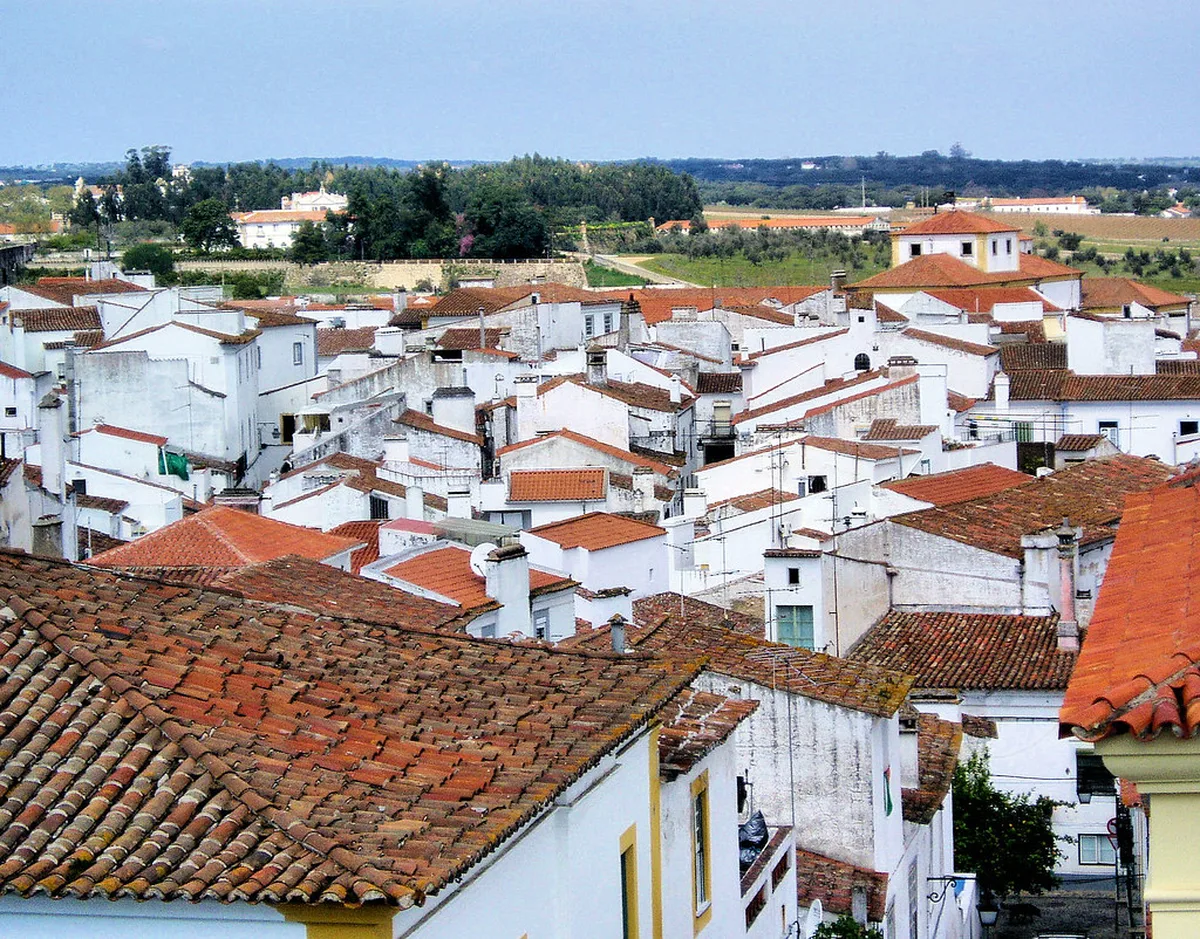
Walking through the cobblestone streets of Évora feels like stepping back into a forgotten chapter of Portuguese history. This UNESCO World Heritage site serves as a living museum where Roman ruins sit beside medieval walls and Gothic spires. Visitors often find themselves captivated by the whitewashed houses and the slow, rhythmic pace of the Alentejo region. Our comprehensive guide helps you navigate the narrow alleys and discover the most significant landmarks within the city walls.
Ancient civilizations left their mark on every corner of this walled city over thousands of years of continuous occupation spanning Roman Empire to medieval times. You will encounter layers of history ranging from Roman rule to the golden age of Portuguese maritime discovery. Planning a visit requires understanding the layout of the historic center to maximize your time in this compact destination. Most travelers start their journey at the central square before branching out to the various architectural wonders nearby.
Alentejo culture shines through the local gastronomy and the warm hospitality found in every small cafe and boutique shop. Taking the time to understand the local customs will greatly enhance your experience while exploring the old town's secrets. Whether you have one day or a full weekend, this city offers a unique blend of mystery and Mediterranean beauty. Follow this expert advice to ensure your trip to one of Portugal's most beautiful cities is truly unforgettable.
Historic Roman and Gothic Landmarks
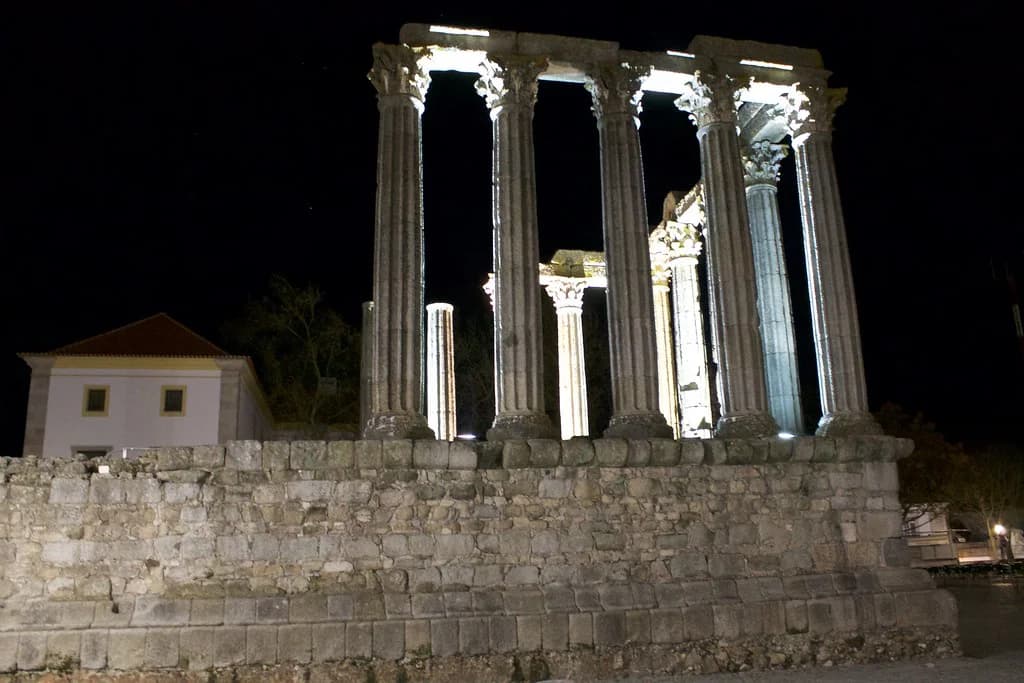
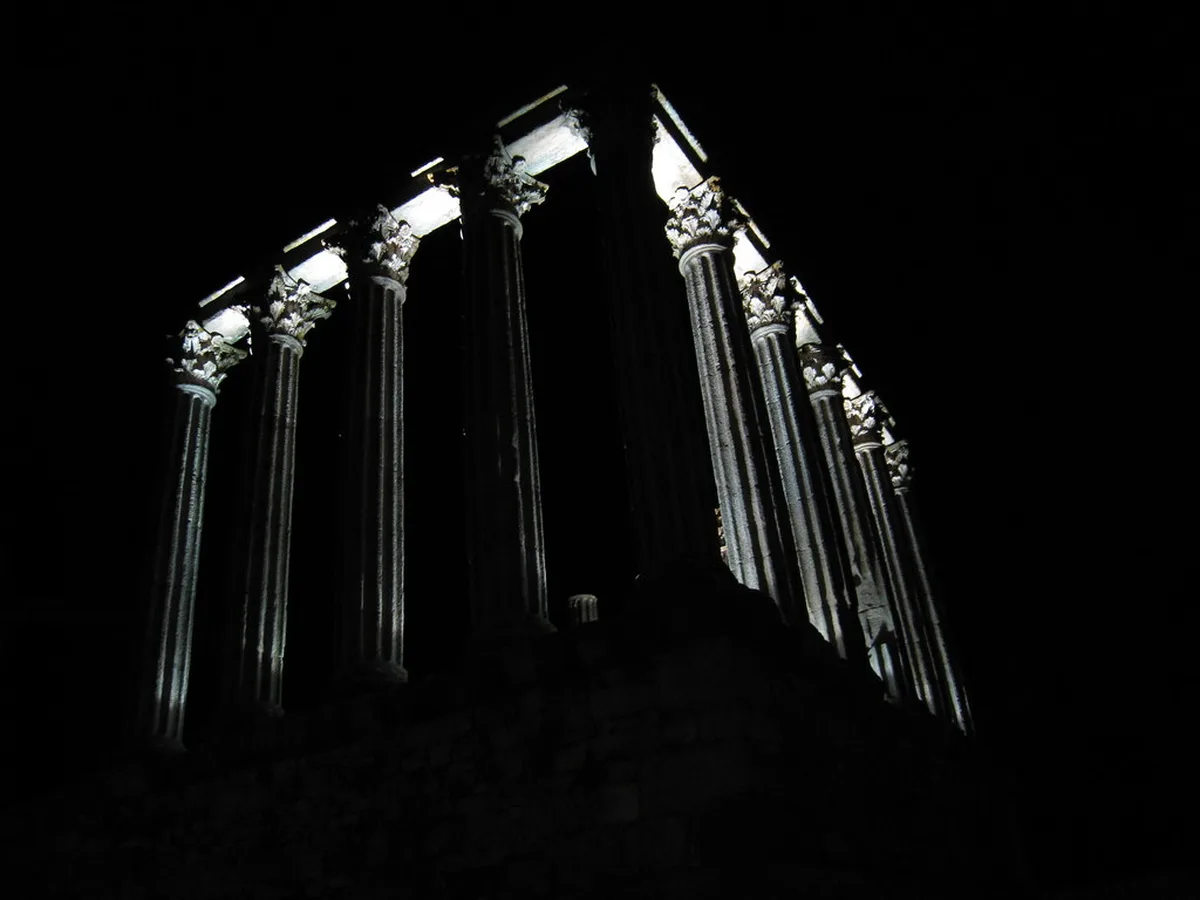
The Roman Temple stands as a proud reminder of the city's ancient past within the historic center of the old town. Constructed in the first or second century AD and long misidentified as a Temple of Diana, these Corinthian columns remain remarkably intact despite centuries of urban development and changing rulers. Access to the platform and surrounding Largo do Conde de Vila Flor square is free at all hours, seven days a week — there are no gates or timed-entry restrictions. Early morning light, particularly in the golden hour before 9:00 AM, provides the best opportunity for photography before midday crowds fill the surrounding plaza.
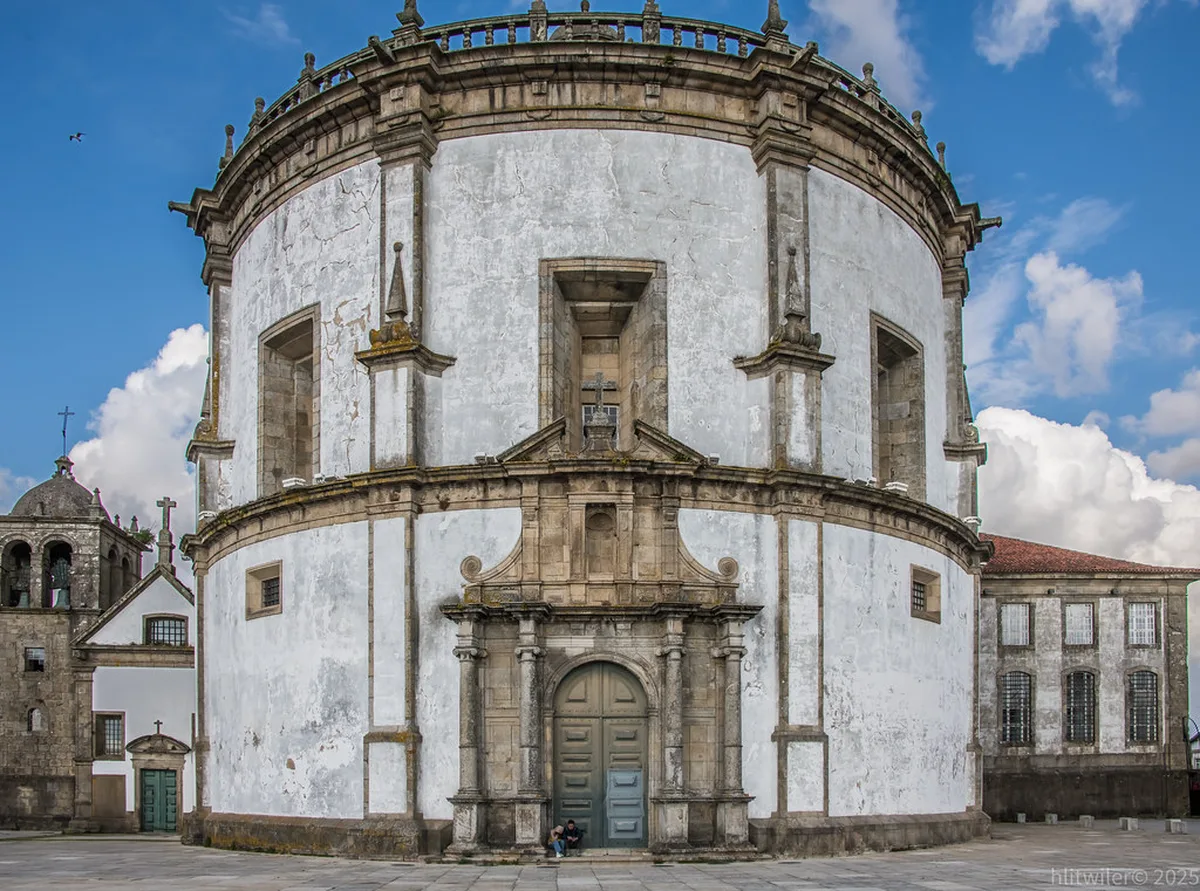
Just a short walk away, the Sé de Évora Cathedral dominates the skyline with its massive granite towers and fortress-like appearance. This Gothic masterpiece began construction in 1186 and represents one of the finest Romanesque-Gothic transitions in Portugal. In 2026, the admission structure is tiered: the nave and cloister combined ticket costs €4.50, and the rooftop terrace — which delivers the best panoramic view in the city — can be added for an extra €1. The cathedral is open Monday to Saturday 09:00–12:30 and 14:00–17:00, and Sunday 14:00–17:00; it closes on public holidays. Allow at least 75 minutes to explore the interior, climb to the roof, and photograph the cloister's elegant Gothic arches at leisure.
Exploring the narrow streets surrounding these monuments reveals the intricate masonry and decorative azulejo tiles that define the local architecture. Many visitors miss the smaller details, such as the colorful window frames and the hanging flower pots on traditional balconies. Walking these paths requires comfortable shoes as the uneven stones can be challenging for those with limited mobility. The medieval city walls, which still encircle most of the historic district, are free to walk at any time and offer a 2 km circuit with excellent views back toward the cathedral towers and Roman Temple. Several gates — Porta de Alconchel, Porta de Aviz, and Porta da Lagoa — provide entry points into the heart of the city, each with its own unique history and architectural character.
Local guided walking tours depart from Praça do Giraldo at 10:00 AM and 15:00 PM daily (except Sundays from November to March) and cost approximately €12 per adult in 2026. These tours typically last 90 minutes and cover the Roman Temple, cathedral exterior, aqueduct, and a selection of residential streets that independent visitors commonly overlook. Booking 24 hours in advance through the tourist office on the square is strongly recommended in the busy spring and autumn seasons. The tourist office also stocks free bilingual maps that mark all major monuments with precise opening hours and 2026 entrance fees.
- Roman Temple of Évora
- Type: Ancient ruin (2nd century AD)
- Best for: Photography, free exploration
- Where: Largo do Conde de Vila Flor
- Cost: Free, open 24/7
- Sé de Évora Cathedral
- Type: Gothic cathedral (begun 1186)
- Best for: City views, cloister, rooftop
- Where: Largo do Marquês de Marialva
- Cost: €4.50 combined nave + cloister / €1 rooftop terrace
- Hours: Mon–Sat 09:00–12:30 & 14:00–17:00, Sun 14:00–17:00
The Bone Chapel and Religious History
The Capela dos Ossos, or Chapel of Bones, remains one of the most provocative and famous sites in all of Portugal. Franciscan monks built this small chapel in the 17th century using the skeletal remains of approximately 5,000 people exhumed from local cemeteries. A famous inscription at the entrance — "Nós ossos que aqui estamos, pelos vossos esperamos" (We bones that are here, await yours) — warns visitors that their own bones are waiting to join those on the walls. This site serves as a powerful memento mori, encouraging reflection on the temporary nature of human life and existence.
The chapel is located within the larger Church of St. Francis (Igreja de São Francisco), found on Praça 1 de Maio, which features impressive Manueline and Baroque design elements. In 2026, the entry ticket costs €5 for adults and €3 for children aged 6–12; children under 6 enter free. The ticket includes access to the church museum, the nativity scene collection, and the memorial garden. Opening hours are Monday to Saturday 09:00–17:30 and Sunday 10:00–17:30, with last admission 30 minutes before closing. The chapel is closed on Christmas Day and New Year's Day. Most guests spend between 45 and 60 minutes inside the chapel and the adjoining museum areas to fully absorb the history and read the extensive interpretive panels.
Visiting during the late afternoon, particularly after 15:30 from Tuesday to Thursday, often results in shorter queues and a more quiet, contemplative atmosphere. Photography is permitted inside the chapel, but visitors must remain respectful of the somber nature of the human remains displayed. The museum upstairs provides essential context about the religious orders and their theological motivation for constructing such a striking space. You will find various artifacts ranging from sacred paintings to everyday items used by the monks in their daily lives, with detailed bilingual labels in Portuguese and English added during a 2024 renovation that reopened in early 2025.
Religious architecture throughout the old town reflects the immense wealth and influence of the Catholic Church during the Middle Ages. Smaller chapels and hidden oratories can be found in many residential buildings, often marked by small crosses or stone carvings above doorways. The Hermitage of São Brás on the road toward the bus station is a rarely-visited 15th-century Gothic church that is free to enter and worth a 20-minute detour. Many of these sites are still active places of worship, so check the service schedules before planning your interior visit, particularly on Sunday mornings when the main doors of the Church of St. Francis may be temporarily restricted for Mass at 11:00 AM. Taken together, the religious heritage of Évora spans more than 800 years of continuous Catholic tradition, making it one of the most theologically significant small cities in the Iberian Peninsula.
Navigating Praça do Giraldo and Local Life
Praça do Giraldo serves as the vibrant heart of the city and the main gathering point for locals and tourists alike. The square features a beautiful Renaissance fountain (Chafariz de Giraldo, 1571) made of white marble with eight spouts representing the eight main arteries of the old town. Arcaded buildings line the sides of the plaza, providing shade for the many outdoor cafes and traditional pastry shops. Sitting here with a bica (espresso) at one of the square's historic cafes, such as Café Arcada or Pastelaria Conventual Pão de Rala, is the perfect way to observe the daily rhythms of Alentejo life at a cost of roughly €1.20–1.50 for a coffee in 2026.
Local dining options around the square range from quick snacks to elaborate traditional meals featuring regional specialties like black pork secretos (€18–22), açorda alentejana bread soup (€9–12), and migas with lamb (€15–19). Prices in the main square run approximately 15–20% higher than in the side streets, but the atmosphere and shade make it worthwhile during warm months. Many establishments close for a siesta between 14:30 and 19:00, so plan your lunch between 12:30 and 14:00. Dinner usually starts later in the evening, with most locals heading out to eat after 20:00 for a social meal. The side streets Rua de Burgos and Rua do Cano offer the best value-to-quality ratio for sit-down meals.
Shopping in this area offers a chance to purchase high-quality cork products, which are a major export of the surrounding Alentejo countryside. You will find everything from cork handbags to bottle stoppers, placemats, and fashion accessories crafted from this sustainable and versatile local material, with prices ranging from €3 for small items to €80+ for premium bags. Boutique stores also sell regional wines — particularly the robust reds from the Alentejo DOC — and single-estate olive oils that make excellent souvenirs, typically priced at €6–12 per bottle. Supporting these local artisans helps preserve the traditional crafts that have sustained the community for many generations.
Seasonal events and markets regularly animate the square. The Feira de São João on 24 June brings local food producers, live folk music, and artisan stalls to the entire historic center. The weekly Saturday morning market near the public gardens sells fresh regional produce, cheeses, and chouriço sausages at prices well below supermarket rates. Check the local tourism office on the square for updated schedules of festivals happening during your specific visit dates. The square is also an ideal meeting point before heading out on day trips from Évora to the nearby Almendres Cromlech megalithic site (11 km west, free access). Staying near the center allows you to enjoy the evening ambiance when the buildings are beautifully illuminated after sunset. For visitors arriving by car, the nearby lots on Avenida Gulbenkian and Rossio are the most convenient drop-off points before entering the pedestrian historic core.
Évora Roman Temple and University Quarter
The Roman Temple — still frequently called the Temple of Diana despite scholars confirming it was dedicated to the imperial cult rather than any deity — is the single most photographed landmark in Évora. Built in the 2nd century AD during the reign of one of the Flavian emperors, 14 of the original Corinthian columns survive largely intact, their white marble capitals standing roughly 9 metres high. Entry costs nothing: the temple occupies an open public esplanade at Largo do Conde de Vila Flor and can be viewed from the street at any hour. It adjoins the Loios Convent (now a Pousada luxury hotel, doubles from €220/night) and sits directly opposite the Roman Forum archaeology museum, making the whole block a remarkable layering of Roman, Visigothic, Moorish, and medieval Portuguese history within 100 metres.
A short walk east from the temple brings you to the University of Évora, founded in 1559 by Cardinal Henrique and among the oldest universities on the Iberian Peninsula. The main courtyard — Pátio das Arcadas — is freely accessible to the public during university hours (weekdays 08:00–20:00, Saturdays 09:00–13:00) and features an extraordinary set of 18th-century azulejo tile panels lining the arcade walls. Each panel depicts scenes from ancient history and classical allegory, functioning as a kind of illustrated textbook for students of the era. The Sala dos Actos (ceremonial hall) is occasionally open during academic events; admission is free when the door is unlocked. The university library, housed in the former Jesuit college, contains rare illuminated manuscripts but is restricted to researchers — the exterior cloister, however, is worth pausing at through the iron gate.
The Sé de Évora Cathedral stands at the top of Largo do Marquês de Marialva, the wide square that connects the Roman Temple precinct with the university quarter. This is the best orientation point in the historic center: from the cathedral steps you can see the Roman columns to the southwest, the bishop's palace to the east, and the university bell tower to the northeast — all within 200 metres. The combined cathedral ticket (€4.50 in 2026, covering nave + cloister) is the best-value entry in town; the separate rooftop terrace (€1) is essential for understanding the city's spatial layout from above.
Completing the quarter is a circuit of the medieval walls. The best-preserved stretch runs north from the cathedral along the edge of the Roman Temple, passing through the Porta de Dona Isabel gate and continuing toward the Porta da Lagoa. The full perimeter walk is approximately 2 km and takes 25–35 minutes at a relaxed pace. Entry is free and the walls are accessible at all times. Along the route you will pass the remains of the Roman aqueduct (Silver Water Aqueduct, 15th-century reconstruction) where it enters the city at Rua do Cano — a street that famously runs along the top of the aqueduct arches for 400 metres, with houses built directly against the structure. This section of the walls is largely absent from popular tourist photography and is one of the most memorable walks in the old town.
Alentejo Food and Wine: What to Eat and Drink in Évora
Évora is the unofficial culinary capital of the Alentejo, and eating here is as much a highlight as any monument. The region's cuisine is built on a handful of exceptional ingredients: the acorn-fed black Iberian pig (porco preto), hand-harvested sea salt from Alcácer do Sal, single-cultivar olive oils pressed from centuries-old trees, and some of the most concentrated red wines in Portugal. Visiting without sitting down for at least one proper Alentejo meal is a genuine missed opportunity.
Begin at Restaurante Tasquinha do Oliveira on Rua Cândido dos Reis, the definitive address for traditional Alentejo cooking in the old town. A meal of açorda alentejana (egg and bread soup with coriander, €9–12) followed by borrego assado (roasted lamb, €17–21) is the standard local progression. At Restaurante O Antão on Rua João de Deus, the black pork presa with migas costs €19 in 2026 and is widely considered the best single dish in the city. For a lighter budget, the Mercado Municipal on Rua de Machede sells local cheese (queijo de Évora, small round at €2.50), chouriço (€3.50 per 200 g), and freshly pressed olive oil (€8 per litre) directly from Alentejo producers Tuesday to Saturday 08:00–13:00.
Wine is inseparable from a meal in Évora. The Alentejo DOC produces structured reds from Aragonez, Trincadeira, and Alicante Bouschet grapes; bottles from estates such as Herdade do Esporão, Mouchão, and Cortes de Cima cost €7–18 in local wine shops. Vinho tinto from the house carafe at most traditional tascas runs €2–3 for a 20 cl measure. The Évora Wine Bar on Rua 5 de Outubro offers 12 Alentejo wines by the glass (€3–7 each) with a guided tasting flight of four wines for €14 — ideal for building a basic literacy in Alentejo varietals before selecting a take-home bottle. Fortified wines such as Adega de Borba moscatel make an excellent digestif at around €2 per glass.
Pastries and sweets in Évora draw on the convent tradition common throughout southern Portugal. Pastelaria Conventual Pão de Rala on Rua do Cano, named after a traditional almond and egg-yolk sweet, sells individual portions of pão de rala (€2.20), queijadas (€1.80 each), and the marzipan-rich Dom Rodrigo from the Algarve (€2.50). Savour these alongside a galão (milky coffee, €1.50) at one of the streetside tables. The sweet shop Doces Conventuais Celeste near the Cathedral is another dependable stop, open Monday to Saturday 09:00–18:00, and sells gift-wrapped boxes of mixed Alentejo sweets from €8 upward — the most compact souvenir available in the old town.
Practical Logistics and Parking Tips
Reaching the old town from Lisbon is straightforward, with both bus and train services making the trip in approximately 1 hour 30 minutes each way. Rede Expressos operates multiple daily bus departures from Lisbon's Sete Rios terminal; in 2026, a return ticket costs €15–18 when booked online at least 24 hours in advance, rising to €20–22 for same-day purchase at the counter. The bus terminal in Évora is located on Avenida de São Sebastião, roughly 600 metres from Praça do Giraldo — about an 8-minute walk. Comboios de Portugal (CP) trains depart from Oriente or Entrecampos stations; the Évora train station sits just outside the walls at the southern end, a pleasant 10–12 minute walk to the cathedral. Return train tickets typically cost €15–19 in 2026 but frequency is lower than the bus, with no Sunday evening service back to Lisbon.
Driving inside the walled city is strongly discouraged due to the extremely narrow streets and designated restricted access zones for non-residents. Many alleys measure barely 2.5 metres wide, and navigation apps frequently misroute drivers into dead ends. If you are arriving by car, leave your vehicle in one of the larger surface lots outside the walls before proceeding on foot. Read our detailed guide on parking in Évora to find the most convenient, safe, and cost-effective locations near each city gate.
Parking zones near the city gates vary in price. The Parque de Estacionamento do Rossio, located near the Jardim Público on the southern side, charges approximately €0.60 per hour with a daily maximum of €5. The free parking area near the Silver Water Aqueduct on Avenida de Calouste Gulbenkian requires a 12-minute walk to the Roman Temple but is completely free with no time restriction. Paid underground parking at the Parque Ravessa dos Cucos costs €1.10 per hour with a clearly signed maximum. Ensure you do not leave any valuables visible in your car regardless of the lot. Many visitors combine a day in Évora with wider regional exploration; if planning excursions to Cromeleque dos Almendres or the Alqueva lake, a car is the most practical option and the lots outside the walls provide a convenient base.
Public transportation within the city includes a small electric minibus service (linha circular) that loops through the main historic streets. This service is particularly useful for those with mobility difficulties or heavy luggage. In 2026, a single ride costs €1.80, purchased directly from the driver; a day pass costs €4. However, given that the distance from the Chapel of Bones to the Roman Temple is only 650 metres, most visitors find that walking remains the fastest and most enjoyable way to move between all major sites. A full circuit of the five key attractions — Praça do Giraldo, Cathedral, Roman Temple, University, and Chapel of Bones — covers under 1.5 km of ground. If you are planning to extend your stay and venture beyond the city walls, check our overview of day trips from Évora for the most accessible routes to nearby megalithic sites, cork forests, and Alqueva Dark Sky Reserve.
Avoiding Common Tourist Mistakes in Évora
Underestimating the intense heat of the Alentejo summer is a frequent mistake made by many first-time visitors to the region. Temperatures in July and August routinely exceed 38°C, with recorded highs above 42°C in recent years, making outdoor sightseeing genuinely dangerous during the middle of the day. The old town's marble and granite surfaces radiate stored heat in the afternoon, making it feel several degrees warmer than the ambient temperature. Plan your outdoor walks for before 10:30 AM or after 18:00 PM when the air is cooler and the light is softer. Always carry at least 1.5 litres of water per person — the tap water in Évora is safe to drink, and the marble fountain in Praça do Giraldo is a functioning source. Wear a broad-brimmed hat and apply SPF 50 sunscreen before stepping outside.
Many tourists fail to account for the traditional siesta period when many shops and smaller attractions close for several hours. Between 13:00 and 15:00 on weekdays, and frequently until 16:00 on Saturdays, the streets often become very quiet. The Cathedral, Chapel of Bones, and the University courtyard all remain open through the afternoon in 2026, but independent bookshops, cork stores, and most restaurants shut their doors firmly during this window. Use the siesta time to enjoy a long, relaxed lunch in a shaded courtyard restaurant, visit the cool interior of the cathedral, or rest at your accommodation before the afternoon sightseeing session.
Trying to see the entire city in just two hours is another common error that leads to a rushed and stressful experience. While the walkable perimeter is small — roughly 2 km from wall to wall — the wealth of historical detail inside each building requires a slower pace to truly appreciate. Visitors who allow a full day for Évora consistently rate it more highly than those who treat it as a quick stopover. Consider staying overnight to experience the city after the day-trippers have left; the evening light on the Roman Temple columns between 20:00 and 21:30 in summer is spectacular. Budget accommodation within the walls starts at around €40 per night for a guesthouse room in 2026.
Wearing sandals or thin-soled shoes on the historic cobblestones can lead to sore feet after just an hour of walking. The granite and marble stones are often polished smooth by centuries of use and can become dangerously slippery when wet after rainfall or morning dew. Sturdy walking shoes with a non-slip rubber sole are the best choice for navigating the inclines near the Cathedral and the uneven surfaces throughout the old town. Prioritizing comfort over fashion will ensure you can explore every hidden courtyard, rooftop terrace, and winding alley without physical discomfort or the risk of a fall on the polished stone surfaces. Visitors planning to extend their Portugal itinerary beyond Évora will find useful planning resources in our guide to day trips from Lisbon and the Portugal travel overview.
Frequently Asked Questions
Is one day enough to see Évora old town?
One full day (8–9 hours) is enough to visit all five main sites: Praça do Giraldo (free), Roman Temple on Largo do Conde de Vila Flor (free), Sé Cathedral nave + cloister (€4.50 combined), University of Évora courtyard (free), and Chapel of Bones at Igreja de São Francisco (€5). Total paid admission budget: approximately €9.50 per adult in 2026. Staying overnight allows you to enjoy the evening illuminations and explore quieter back streets without time pressure.
What is the best month to visit Évora?
April, May, and October offer the ideal combination of mild temperatures (18–24°C), lower crowds, and excellent light for photography. Avoid July and August: Alentejo regularly records Portugal's highest temperatures, often above 40°C. March is pleasant for walking and wildflowers but some smaller attractions keep reduced winter hours until mid-April.
How much does it cost to visit Évora's main attractions in 2026?
In 2026, the Chapel of Bones at Igreja de São Francisco costs €5 for adults, the Sé Cathedral nave + cloister combined ticket is €4.50 (add €1 for the rooftop terrace), and the University of Évora courtyard and Roman Temple at Largo do Conde de Vila Flor are both free. A full day covering all paid sites costs roughly €9.50–10.50 per adult. The bus from Lisbon's Sete Rios terminal costs €15–18 return, making Évora one of Portugal's most affordable day trips.
Can I drive my rental car into the old town?
Driving inside the historic center is not recommended because the streets are narrow — some under 2.5 m wide — and mostly reserved for residents and deliveries. Park in the surface lots just outside the walls: Parque do Rossio charges €0.60/hour (max €5/day), while free parking near the Silver Water Aqueduct on Avenida Gulbenkian has no time limit. Most major sites are within a 10-minute walk of any gate.
How do I get from Lisbon to Évora by bus in 2026?
Rede Expressos buses depart from Lisbon's Sete Rios terminal (Metro: Jardim Zoológico, blue line) roughly every 1–2 hours daily. The journey takes 1 hour 30 minutes. Return tickets cost €15–18 when booked online in advance and €20–22 at the counter on the day. Évora's bus terminal on Avenida de São Sebastião is an 8-minute walk from Praça do Giraldo. No reservation is needed for off-peak weekday travel, but book ahead for weekends in spring and autumn.
Is the University of Évora free to visit?
Yes. The Pátio das Arcadas (main courtyard) of the University of Évora is free and open to the public on weekdays 08:00–20:00 and Saturdays 09:00–13:00. The courtyard's 18th-century painted azulejo tile panels depicting classical history are among the finest examples of Portuguese tile art outside Lisbon. The Sala dos Actos ceremonial hall opens occasionally for academic events at no charge. The library requires researcher accreditation to enter.
What traditional food should I try in Évora?
Évora's must-try dishes are açorda alentejana (bread and egg soup with coriander, €9–12), black pork presa with migas (€17–21) at Restaurante O Antão on Rua João de Deus, and borrego assado (roasted lamb, €17–21) at Restaurante Tasquinha do Oliveira on Rua Cândido dos Reis. Pair any meal with an Alentejo DOC red wine (€7–18 per bottle in shops, €2–3 per glass in tascas). Finish with pão de rala almond pastry (€2.20) from Pastelaria Conventual Pão de Rala on Rua do Cano.
Are there good day trips accessible from Évora?
Yes. The Cromeleque dos Almendres megalithic site (11 km west, free access) is Évora's most popular excursion and reachable by taxi (approximately €15 one-way) or car. The Alqueva Dark Sky Reserve and dam lake are 60 km east, ideal for an afternoon drive. The walled village of Monsaraz sits 55 km southeast and makes an excellent half-day stop. For a full regional itinerary, see our guide to day trips from Évora with distances, costs, and transport options.
Évora remains one of the most enchanting destinations in Portugal for travelers seeking history and authentic regional culture. From the haunting beauty of the Chapel of Bones (€5) at Igreja de São Francisco to the ancient Roman columns on Largo do Conde de Vila Flor and the azulejo-lined corridors of the university, the city offers an extraordinary density of architectural and historical treasures within its 2 km of medieval walls. Taking the time to wander through the whitewashed streets will reveal the true soul of the Alentejo province. We hope this guide helps you plan a memorable journey to this remarkable UNESCO World Heritage site in 2026.
Remember to pack comfortable walking shoes and prepare for the warm Alentejo sun that defines this beautiful part of Portugal. Respect the local rhythms — embrace the siesta, linger over lunch, and time your visit to the Roman Temple for golden hour. Budget around €9.50–10.50 for paid admissions, €15–18 for the return bus from Lisbon's Sete Rios terminal, and expect to cover no more than 3 km of walking in a full day. Every corner of the old town tells a story that has been centuries in the making. Safe travels as you explore the historic wonders and vibrant life found within the ancient walls of Évora.