Top Day Trips From Verona for an Unforgettable Italy Escape
Venice by Frecciarossa high-speed train is the best day trip from Verona in 2026 — 70 minutes each way from Porta Nuova, departures every 30 minutes, round-trip from €20 booked in advance.
Lake Garda's Sirmione peninsula costs just €4.30 each way by LN026 bus from Porta Nuova, with Scaligero Castle entry at €6 and the Grotte di Catullo Roman ruins at €10 in 2026.
Verona serves as an ideal base for exploring Northern Italy due to its central location and robust rail network. Many travelers choose this historic city because it offers a quieter atmosphere than nearby Milan or Venice. Planning a few day trips from Verona allows you to see diverse landscapes without changing hotels frequently. You can easily reach sparkling lakes, medieval towns, and coastal wonders within ninety minutes of the city center.
The city sits at the crossroads of major train lines connecting the Adriatic coast to the Alpine regions. Most excursions begin at the Verona Porta Nuova station, which handles thousands of commuters and tourists every day. Before heading out, ensure you have explored the things to do in Verona's old town to maximize your stay. Proper planning helps you balance your time between urban exploration and the tranquil Italian countryside.
Exploring Lake Garda from Verona
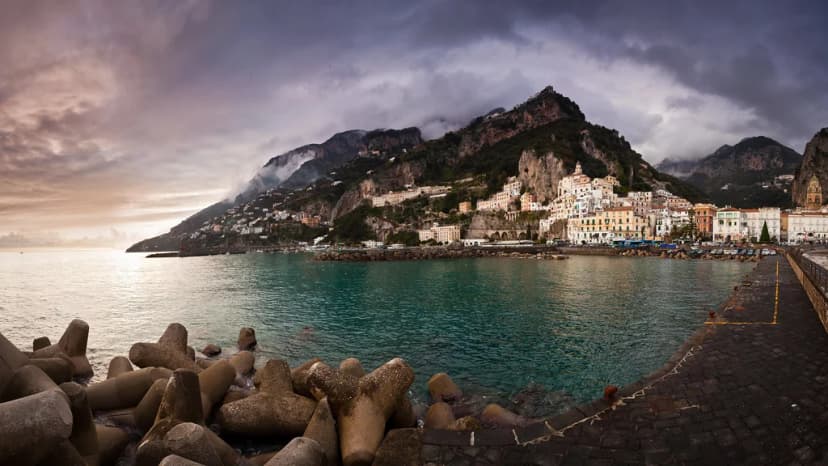
Lake Garda is the most popular choice for day trips from Verona because it sits just 30 km west of the city center. Sirmione remains the crown jewel of the southern shore with its narrow medieval streets, thermal spa complex, and turquoise shallows. The journey by car takes roughly 30 minutes via the A4 motorway when traffic is light, though weekends in summer can double that. Travelers often prefer the LN026 bus which departs hourly from Porta Nuova station; the 2026 single fare is €4.30 and the journey takes about 45 minutes.
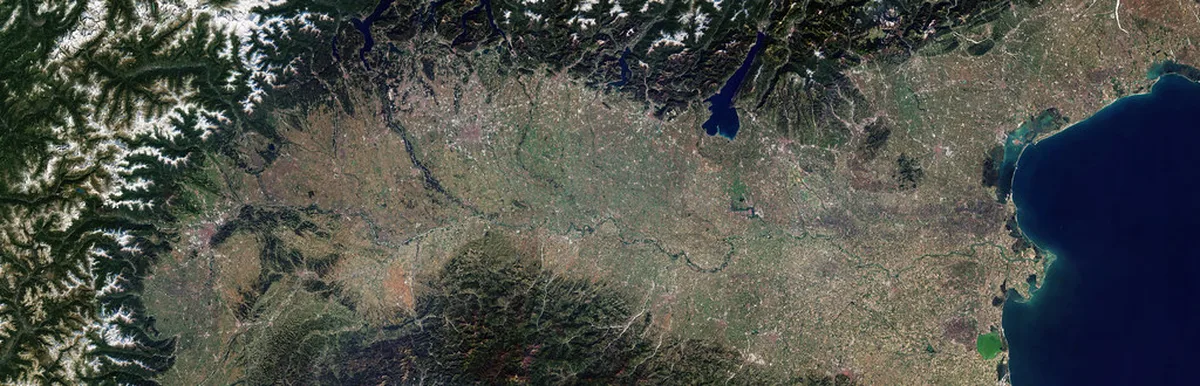
Once you arrive in Sirmione, the Scaligero Castle greets visitors with its impressive lakeside fortifications and drawbridge. Entry to the castle costs €6 for adults in 2026 and provides sweeping panoramic views of the turquoise water from the battlements. Walking through the Grottoes of Catullus, a vast Roman villa ruin at the tip of the peninsula, costs €10 and takes around 90 minutes. Allow at least four to five hours total in Sirmione before catching a ferry to other villages along the shore.
The northern part of the lake offers a dramatically different landscape with steep cliffs dropping into deep cobalt water — perfect for windsurfing and kitesurfing. Malcesine is reachable by taking a regional train to Peschiera del Garda (€3.50, 12 minutes) and then transferring to a scenic Navigarda ferry. A round-trip ferry ticket in 2026 costs between €18 and €32 depending on the distance; a day pass covering the whole lake runs €35. The Monte Baldo cable car from Malcesine adds €25 return but delivers one of the finest views in Northern Italy.
Bardolino and Lazise provide excellent alternatives for those seeking local wine tasting and lakeside promenades. These towns are famous for Bardolino DOC wine and charming harbour-side cafes serving freshwater lake fish such as lavarello and tench. Parking near the lake is €2–3 per hour in peak months, so arriving before 10 am or arriving by bus is strongly advisable. Check the official Navigarda ferry schedules on navigarda.it before departure to avoid missing the last boat back to Peschiera.
For anyone planning a longer stay in the Veneto region, combining Lake Garda with Verona's own architectural highlights makes for an ideal multi-day programme. Families with children particularly enjoy the theme parks clustered around the lake's southern shore, including Gardaland (from €42 per person in 2026) and Caneva Aquapark (from €29). The lake's sheer variety — from Roman ruins and medieval castles in the south to Alpine-framed fishing villages in the north — means that a single day on Garda rarely feels sufficient. Many visitors return for a second excursion focused exclusively on the northern villages of Limone sul Garda and Riva del Garda.
- Sirmione Peninsula Visit
- Travel: LN026 bus from Porta Nuova (€4.30) or car via A4 (30 min)
- Duration: 45 minutes each way
- Highlight: Scaligero Castle (€6), Grotte di Catullo (€10)
- Malcesine and Monte Baldo
- Travel: Train to Peschiera (€3.50) + Navigarda ferry (€18–32 return)
- Duration: 90 minutes each way
- Highlight: Monte Baldo cable car (€25 return)
A Perfect Day Trip to Venice
The floating city of Venice is an essential addition to any list of day trips from Verona. High-speed Frecciarossa trains depart Verona Porta Nuova every 30 minutes and reach Venice Santa Lucia in just 70 minutes; advance tickets cost €14–22 in 2026 depending on booking lead time. Regional Regionale Veloce trains are the budget option at €9–11 one way but take 95–110 minutes. Always book Frecciarossa seats in advance on trenitalia.com as peak departures sell out by Thursday for weekend travel.
Arriving at Santa Lucia station places you directly on the Grand Canal with immediate access to water buses and gondola stations. A single vaporetto ACTV ticket costs €9.50 in 2026, so a 24-hour ACTV day pass at €25 offers better value if you plan to use water transport more than three times. Walking from the station to Piazza San Marco takes about 35 minutes through the winding alleys of Sestiere Santa Croce and San Polo — one of the best free experiences in the city. Keep your route on a downloaded offline map as mobile data can be unreliable in narrow calli.
Venice can feel overwhelming at peak hours, so focusing on one or two neighborhoods helps maintain a relaxed pace. The Cannaregio district, just 10 minutes walk from Santa Lucia, offers a more authentic glimpse into local life away from the heavy tourist tracks around Rialto and San Marco. Stop at a local bacaro for cicchetti — small Venetian bar snacks priced at €1.50–3 each — paired with a €1.50 ombra of house white. Note that in 2026 Venice charges a €5 day-entry fee on selected high-season days (announced on the cda.venezia.it portal); book your slot online to skip the turnstile queue.
Evening departures from Venice let you experience the city at dusk when the day-trip crowds have largely left and the calli glow amber. The last Frecciarossa back to Verona departs around 9:10 pm; regional trains run until 11 pm. Always verify your platform on the electronic boards inside Santa Lucia as the station can be congested near closing time. Keep a digital copy of your return ticket on your phone and arrive at the platform at least 10 minutes early. Murano glass workshops are open most mornings and offer free demonstrations, making a 45-minute detour to the island worthwhile if you board the number 4.1 vaporetto from Fondamente Nove (€9.50 vaporetto ticket valid for 75 minutes).
Mantua: Verona's Most Rewarding Day Trip
Mantua, located 50 km southwest of Verona, is often overlooked by first-time visitors but remains one of the most beautiful UNESCO-listed cities in Lombardy. The direct Trenord train from Verona Porta Nuova departs roughly every 60–90 minutes and arrives in 40–45 minutes; a 2026 single ticket costs €5–7 depending on time of day. The city is entirely encircled by three artificial lakes — Lago Superiore, Lago di Mezzo, and Lago Inferiore — which create an ethereal misty atmosphere on autumn mornings and a shimmering blue backdrop in summer. Exploring Mantua's compact centro storico is effortless on foot or by rented bicycle (€8–12/day from shops near the station).
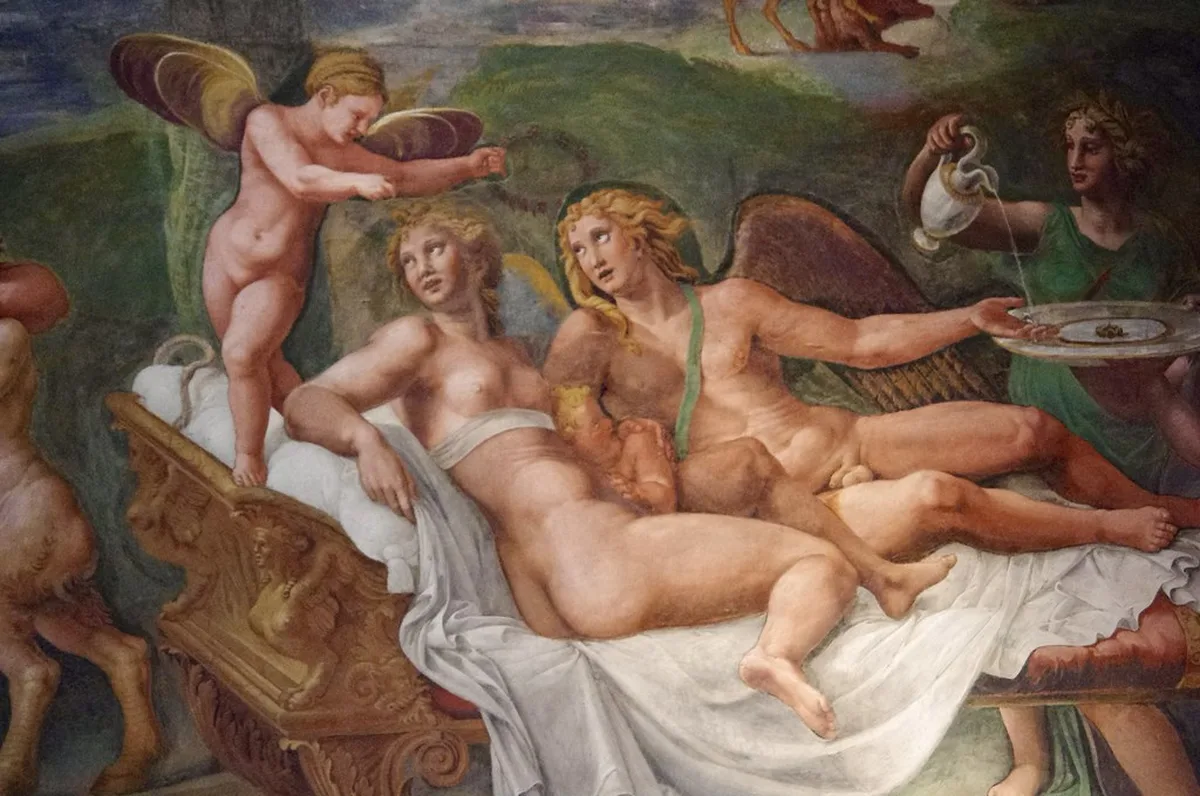
The Palazzo Ducale is one of the largest palace complexes in Europe, featuring over 500 rooms and astonishing Renaissance frescoes. Its crown jewel is the Camera degli Sposi painted by Andrea Mantegna in 1474 — timed entry slots are mandatory and should be reserved at least two weeks in advance on the official ticketing portal. In 2026 the full palace ticket costs €15 for adults, with the Camera degli Sposi visit included in that price. Allow two to three hours to do the complex justice without rushing past the gilded reception rooms and ducal chapels.
The city's most theatrical attraction after the Palazzo Ducale is Palazzo Te, built in the 1520s as a summer retreat for Federico II Gonzaga. The Sala dei Giganti (Room of Giants) is its centrepiece — a floor-to-ceiling fresco of tumbling titans that envelops every surface including the ceiling, creating an immersive sensation that no photograph adequately captures. Entry in 2026 costs €15 for adults; a combined ticket covering both Palazzo Ducale and Palazzo Te costs €23 and saves you queuing at each desk separately. The Fish Market island — Piazza delle Erbe's historic covered fish hall — is free to wander and dates to the 1300s.
Dining in Mantua is a highlight for food lovers. Tortelli di zucca — pasta pockets filled with butternut squash, amaretti, and mostarda — is the city's signature dish, and you will find it in virtually every traditional trattoria along Via Fratelli Bandiera. Risotto alla pilota, made with local Vialone Nano rice cooked in a distinctive dry-toasting method, is the second unmissable order. A three-course lunch at a mid-range trattoria runs €28–38 per person including a carafe of house Lambrusco. The lake surroundings are best appreciated on a 45-minute boat tour (€12 per person) that circumnavigates the three artificial lakes and offers views of the city's medieval towers rising from the water. Most trattorias offer a fixed-price pranzo lunch menu for €22–28 including primo, secondo, and a small carafe of wine — extraordinary value for a UNESCO World Heritage city.
Vicenza and the Palladian Villas
Vicenza is a UNESCO World Heritage city and a paradise for fans of classical architecture and the works of Andrea Palladio. It sits just 60 km east of Verona — a 30-minute regional train ride that costs €5.50 in 2026, with departures every 30 minutes throughout the day. No advance booking is needed for this short hop, and the train journey itself skirts the Lessinia foothills with attractive rural views. Travelers frequently find the city streets far less crowded than Venice or Florence despite hosting an equally remarkable architectural heritage.
The Teatro Olimpico, completed in 1585, is the oldest surviving indoor theater in the world and a must-see even for visitors who have little interest in stage design. Its trompe-l'œil perspective scenery — an elaborate painted backdrop that fakes a long street receding into the distance — was revolutionary in the Renaissance and remains visually stunning today. In 2026 admission costs €11 for adults and includes entry to the Museo Civico di Palazzo Chiericati next door, giving you two major collections in a single ticket. Arrive at opening time (9 am Tuesday–Sunday) to photograph the stage without tour groups obscuring the view.
Walking the full length of Corso Palladio, the city's elegant main boulevard, takes you past nearly two dozen palaces designed by or attributed to Palladio over a comfortable 20-minute stroll. The Basilica Palladiana on Piazza dei Signori — not a church but a civic building with a copper-domed rooftop loggia — offers a terrace café with panoramic views over the entire city; rooftop entry is €3 extra. For villa enthusiasts, a 20-minute walk (or €8 taxi) brings you to Villa La Rotonda on the southeastern outskirts, the building that inspired Thomas Jefferson's Monticello. The villa's gardens are open year-round (€5), though the interior is only accessible on Wednesday and Saturday afternoons (€10); confirm opening times on villalarotonda.it before visiting.
Combining a morning in Vicenza with an afternoon in Padua is achievable if you board the Vicenza–Padua regional train (14 minutes, €3.20) by 1:30 pm. Padua's Scrovegni Chapel, housing Giotto's complete fresco cycle, requires an advance booking (€15 in 2026, time-slot entry strictly enforced, maximum 25 visitors per slot). The chapel visit is capped at 15 minutes inside, so the surrounding Eremitani Museums (included in the same ticket) provide essential context. Between Vicenza's Palladian grandeur and Padua's Giotto masterwork, this twin-city excursion packs more art history per square kilometre than almost any other route accessible from Verona in a single day.
Bergamo: A Dual-City Escape from Verona
Bergamo is one of Northern Italy's most visually dramatic cities and deserves a firm place on any shortlist of day trips from Verona. The journey takes approximately 75–90 minutes by regional train via Milan Centrale or by a direct Trenord service, with 2026 single fares running €9–14 depending on the routing. The city divides cleanly into two tiers: Città Bassa (lower city) surrounds the modern commercial centre and the airport, while Città Alta (upper city) perches on a hilltop inside intact Venetian defensive walls — a UNESCO World Heritage Site since 2017. Most visitors make straight for the upper city, which is reached by the historic Funicular of Bergamo, operating daily from 7 am to midnight with a single ticket costing €1.40 in 2026.
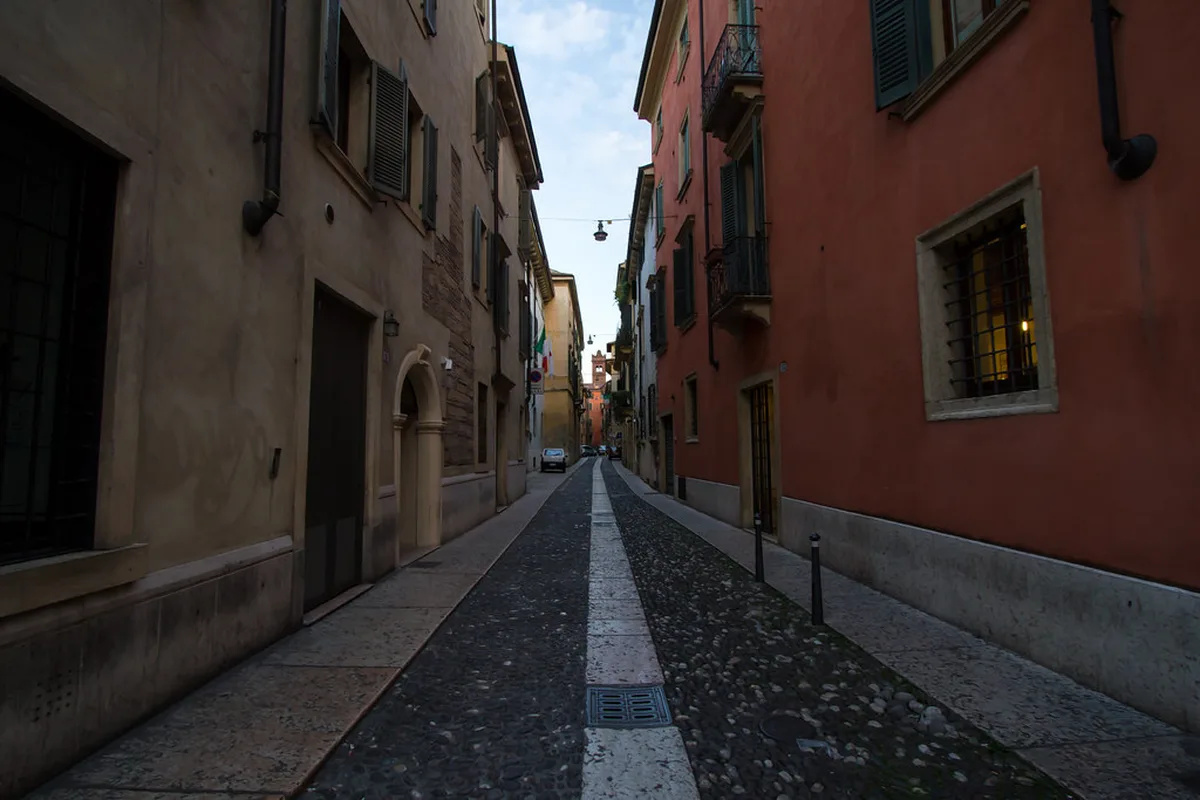
Inside the upper city walls, Piazza Vecchia is arguably the finest medieval civic square in Lombardy. The Palazzo della Ragione (Civic Palace) forms the square's dominant backdrop, while the Torre Civica bell tower can be climbed for €5 and delivers sweeping views across the Lombardy plain toward the Alps. The Colleoni Chapel, tucked beside the Cathedral of Sant'Alessandro, is a riot of polychrome marble and considered one of the finest examples of early Renaissance decorative architecture in Italy; entry is free. Allow a full morning simply wandering the lanes of the upper city before lunch — they are narrow enough that even peak-summer Bergamo feels intimate compared with Venice or Lake Como.
Lunch in Città Alta centres on Piazza Vecchia's surrounding restaurants, where the local specialty casoncelli alla bergamasca (pasta pillows stuffed with meat, raisins, and amaretti, finished with sage butter and pancetta) typically costs €14–18 as a primo. Polenta with local braised meats or cheese is the archetypal secondo, reflecting Bergamo's Alpine and agrarian heritage. A sit-down two-course lunch with local wine runs €28–38 at mid-range osterias such as Ristorante Colleoni & dell'Angelo on Piazza Vecchia. After lunch, the lower city's Accademia Carrara art gallery (€10 adults) houses an exceptional collection of Raphael, Botticelli, and Mantegna paintings that rivals galleries in cities five times Bergamo's size.
Those who want to understand the broader Lombardy region in a single day will find Bergamo pairs well with nearby Brescia, 40 minutes further east by train (€5.20). Brescia's Roman ruins, medieval Broletto complex, and Pinacoteca Tosio Martinengo art gallery (€8) give a contrasting flavour of Lombard civic culture. For practical tips on getting to and around both cities, the Lombardy region travel guide covering Bergamo and Brescia covers transport links, parking, and recommended itineraries in detail. Day-trippers arriving from Verona should aim to leave Bergamo no later than 7 pm to guarantee a comfortable connection home without rushing the final hours of exploration.
Essential Logistics for Verona Excursions
Driving to nearby towns requires careful knowledge of the ZTL, or Limited Traffic Zones, enforced in virtually every Italian city centre. Entering these zones without a permit will result in heavy fines — typically €80–€200 — that arrive months after your trip via post to your home address. Reviewing the parking options near Verona Porta Nuova station before your trip is the safest strategy; the Apcoa garage on Viale delle Lavandaie charges €2.50/hour or €14 for a full day in 2026. Park here and rely on trains and buses for all excursions to avoid ZTL risk in Mantua, Vicenza, Venice, and Bergamo entirely.
When using the Trenitalia or Trenord rail systems, always validate paper tickets in the yellow stamping machines on the platform before boarding. Failure to stamp results in an on-the-spot fine of €50–€200 from inspectors who travel on nearly every regional service. Digital tickets purchased through the Trenitalia app, the Trenord app, or at self-service kiosks are linked to your booking ID and do not require physical stamping, but must be shown on screen when requested. Verona Porta Nuova is the main intercity hub; a handful of regional services also stop at Verona Porta Vescovo on the eastern side of the city — always confirm your departure station when booking.
Returning late from a day trip is generally safe as the station area is well-lit and monitored by transport police throughout the evening. Many visitors who check our safety guide for Verona tourists ask specifically about late-night station arrivals — the answer is that it is one of the calmer stations in Northern Italy. The walk from Porta Nuova to the historic centre along Via Pallone takes about 18 minutes along wide pavements, or hop on bus line 72 (€1.50 single) for a 7-minute ride. Taxis queue outside the main exit 24 hours; expect €8–12 for a short city transfer with licensed white cabs.
Budget logistics for a full-day excursion in 2026: allow €10–22 for return train fares, €6–15 for entry fees, €25–40 for lunch, and €8–12 for local transport at the destination. Carrying €30–50 in cash covers bus tickets, ferry connections, market snacks, and cafes in villages that have not yet adopted card readers universally. A portable battery pack for phone navigation and a lightweight day bag are the two pieces of equipment that make the biggest practical difference on long excursion days. Book all train tickets at least 48 hours in advance on trenitalia.com to access the cheapest Super Economy fares, which are non-refundable but can save 30–50% versus walk-up prices.
Wine Tasting Day Trips: Valpolicella and Soave
Verona, a UNESCO World Heritage Site, sits at the heart of two of Italy's most celebrated wine zones, and spending a half-day or full day exploring the vineyards surrounding the city is one of the most distinctive experiences available from this base. The Valpolicella wine region begins just 15 km northwest of Verona's centre, making it the closest possible excursion and entirely viable by hired bicycle, scooter (from €35/day), or local bus line 70 which departs from Verona Basso station. The zone produces Valpolicella Classico, Valpolicella Ripasso, and the king of all Italian reds — Amarone della Valpolicella DOCG, a concentrated dried-grape wine that ages for 20+ years and sells for €30–120 per bottle at cellar-door prices in 2026.
The village of Sant'Ambrogio di Valpolicella is the geographic and spiritual centre of the classic zone. Bertani, one of the zone's historic estates, offers guided cellar visits and Amarone tastings from €25 per person; the estate's 19th-century underground cellars run for hundreds of metres beneath the hillside vineyards. Allegrini's Villa della Torre, a Renaissance manor in Fumane village, hosts wine and food pairings starting at €35 per person and combines a Palladio-influenced architectural tour with barrel-room exploration. Most estates are appointment-only; book 5–7 days ahead in summer via their official websites to guarantee a slot.
Soave, Verona's white-wine zone, lies 30 km east of the city — a 20-minute regional train ride from Porta Nuova (€3.50) followed by a 15-minute walk from Soave station. The walled medieval town of Soave, crowned by its 14th-century Scaligero castle (entry €6), makes an atmospheric backdrop for tasting the zone's crisp Garganega-based whites. Cantina di Soave, a large producer with a visitor centre directly beside the town walls, offers free self-guided tours and paid tastings from €8 per flight. The views from the castle battlements sweep across a rolling carpet of Garganega vines, a landscape so distinctive it has been granted UNESCO Agricultural Heritage recognition.
Combining Valpolicella in the morning with Soave in the afternoon is ambitious but feasible if you have a car — the two zones sit on opposite sides of the city and a driving tour connecting them via Verona's ring road takes roughly 2.5 hours of driving plus stops. Without a car, choose one zone per day and prioritise Valpolicella for red wine lovers (the Amarone is simply unmatchable elsewhere) and Soave for those who prefer elegant whites with lunch. Either choice delivers an entirely different side of Verona's identity — one rooted not in Shakespeare or Roman arenas, but in the volcanic hillside soils and ancient grape varieties that have shaped this corner of the Veneto for over two thousand years. A bottle of Amarone Classico DOCG purchased directly from a winery for €35–50 makes a far more memorable souvenir than anything available in airport shops.
Frequently Asked Questions
What is the best day trip from Verona?
The best overall day trip from Verona is Venice, reachable in 70 minutes by Frecciarossa high-speed train (from €14 one way in 2026). For a less crowded alternative with equally impressive history, Mantua wins: just 40–45 minutes west by Trenord train (€5–7), a UNESCO-listed city with Palazzo Ducale (€15), Palazzo Te (€15), and outstanding local food. Lake Garda suits those who prefer scenery over culture and is the closest option at under 45 minutes by the LN026 bus (€4.30).
How far is Venice from Verona?
Venice is approximately 115 km east of Verona by rail. The Frecciarossa high-speed service covers this in about 70 minutes; regional trains take 90–120 minutes. In 2026 high-speed return tickets start from €28 booked well in advance, while regional return fares run €18–22. The train journey is scenic, passing the Lessinia hills before crossing the long causeway into the Venetian lagoon. Note that Venice charges a €5 day-entry fee on selected high-season dates in 2026 — book your slot at cda.venezia.it in advance.
Can you visit Lake Garda without a car from Verona?
Yes, Lake Garda is fully accessible by public transport from Verona. The LN026 bus runs from Porta Nuova station to Sirmione for €4.30 single fare (2026), and regional trains reach Peschiera del Garda in 12 minutes for €3.50. From both hubs, Navigarda ferries connect to Bardolino, Lazise, Garda town, and Malcesine. A full-lake day pass on the Navigarda ferry network costs €35 in 2026 and allows unlimited boardings and disembarkations throughout the day.
Is one day enough to see Mantua from Verona?
Yes, one full day is ideal for Mantua's compact historic centre. Arrive at 10 am, visit Palazzo Ducale (€15, 2–3 hours), have lunch on Piazza delle Erbe for €22–28 fixed-price menu, then explore Palazzo Te (€15, 1–1.5 hours) in the afternoon. A combined Palazzo Ducale and Palazzo Te ticket costs €23 and saves queuing time. All major attractions are within 20 minutes' walk of Mantova train station. The last Trenord train back to Verona departs around 9:30 pm, giving a comfortable evening window.
Do you need to book day trip trains from Verona in advance?
For Venice on high-speed Frecciarossa trains, booking 3–7 days ahead on trenitalia.com secures the cheapest Super Economy fares (€14 one way versus €23–35 walk-up). Regional trains to Mantua, Vicenza, Peschiera del Garda, and Bergamo do not require advance reservations — you can buy tickets at the station kiosk or on the Trenitalia/Trenord app up to the minute of departure. Always validate paper regional tickets at the yellow platform stamping machines before boarding; failure to do so incurs an on-the-spot fine of €50–€200.
How do I get to Bergamo from Verona for a day trip?
The most common route from Verona to Bergamo is by regional train via Milan Centrale, with the full journey taking 75–90 minutes and a 2026 single fare of €9–14. Once in Bergamo, the historic Città Alta (upper city) is reached by the Funicular of Bergamo for €1.40 per ride. Key sights include Piazza Vecchia, the Colleoni Chapel (free entry), and the Torre Civica bell tower (€5). The Accademia Carrara art gallery in the lower city costs €10 and houses works by Raphael, Botticelli, and Mantegna.
What wine regions can I visit on a day trip from Verona?
Verona borders two major DOC/DOCG wine zones ideal for day excursions. Valpolicella begins just 15 km northwest of the city centre — reachable by local bus line 70 or hired scooter (from €35/day) — and is home to Amarone della Valpolicella DOCG with cellar-door tasting experiences from €25 at estates like Bertani and Allegrini. Soave lies 30 km east by regional train (€3.50, 20 minutes from Porta Nuova) and pairs medieval castle views with crisp Garganega white wine tastings from €8 at Cantina di Soave's visitor centre.
Verona provides a fantastic gateway to the diverse treasures of Northern Italy. Whether you prefer the shimmering shores of Lake Garda, the canal-laced streets of Venice, the UNESCO palaces of Mantua, the Palladian grandeur of Vicenza, the hilltop medieval drama of Bergamo, or the rolling vineyards of Valpolicella and Soave, the region rewards every curiosity. The train network from Porta Nuova makes most of these destinations achievable in under 90 minutes, keeping transport costs well under €25 return. For those planning a full multi-day programme, the Verona 3-day itinerary guide shows how to integrate the best local sights with the most rewarding day trips in a single structured plan.
After a long day of exploring Renaissance palaces or lakeside promenades, return to Verona in time to enjoy the city's evening atmosphere — aperitivo hour on Piazza Bra, a glass of Valpolicella Ripasso from a wine bar near the Arena, or a late dinner in the historic centre. Careful planning and realistic timing will help you avoid the largest crowds at every stop. Start booking your 2026 train tickets now on trenitalia.com to lock in Super Economy fares before they sell out for the summer season. And if you are wondering about evening safety after late arrivals, the Verona nightlife guide covers the city's best after-dark neighbourhoods and venues in full detail.