Is Verona Safe for Tourists? Local Tips and Safety Advice for 2026
Verona is very safe for tourists in 2026 — a romantic, walkable city where violent crime is rare, and Piazza Bra, Juliet's House on Via Cappello, and the Adige riverfront all feel secure day and night.
The main risk is petty theft near the Arena di Verona (entry from €10) and Piazza delle Erbe market stalls — keep bags zipped and wear them across the front of your body for a worry-free stay.
Verona consistently ranks among the safest major cities in Northern Italy for international visitors. Its compact historic centre, pedestrian-only lanes, and a visible police presence near tourist landmarks all contribute to a calm, confident atmosphere. This guide breaks down everything you need to know — from the safest neighbourhoods to common scams, solo travel advice, and health resources — so you can focus on the city's Roman monuments, world-class opera, and renowned Valpolicella wines.
General Safety and Crime Rates in Verona
Verona, in Italy, is safe for tourists in 2026. The city is welcoming, compact, and easy to navigate on foot, and violent crime against visitors is extremely rare. The primary risk is petty theft — pickpocketing near busy landmarks such as the Arena di Verona, Piazza Bra, Romeo and Juliet's House on Via Cappello 23, and the market stalls of Piazza delle Erbe. Keep bags zipped and held across the front of your body in these areas, and you will have very little to worry about during your visit. The Adige riverfront promenade is particularly relaxed and safe at all hours.
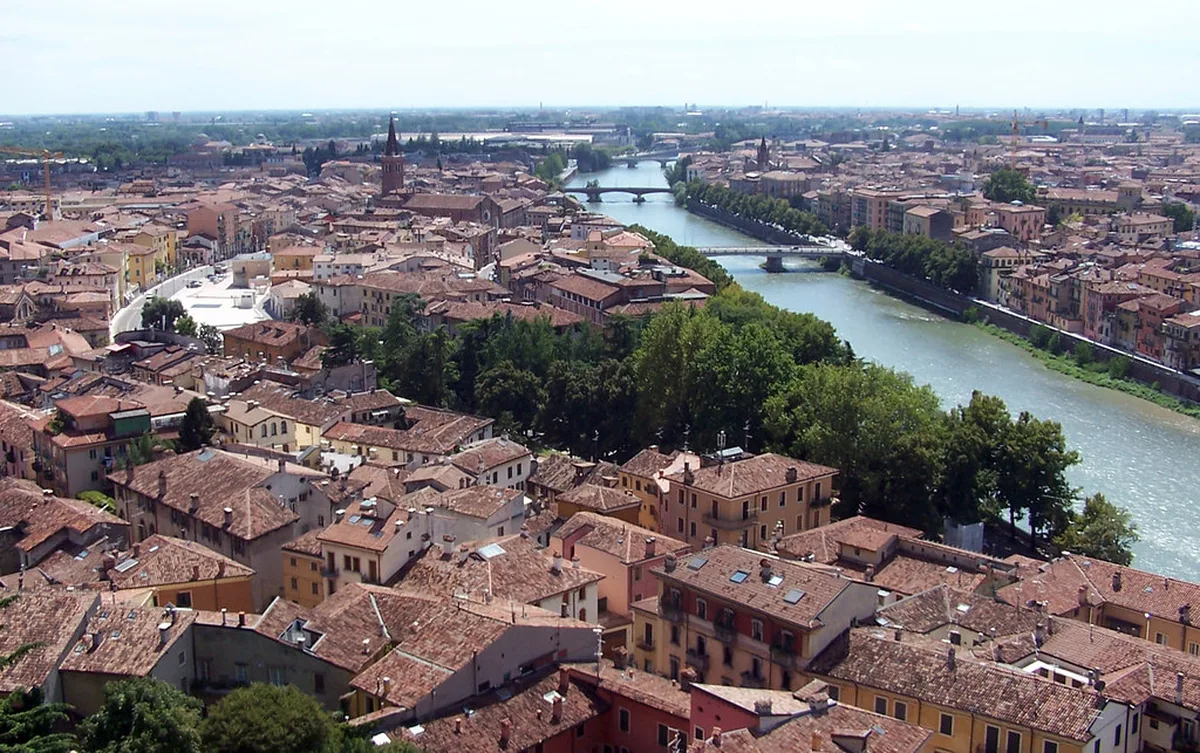
Verona regularly scores better than larger Italian hubs like Milan or Rome on urban safety indices. Most reported incidents involve unattended luggage or bicycles left with lightweight cable locks rather than heavy-duty U-locks. The city's resident population of around 260,000 is relatively affluent by Italian standards, which contributes to lower baseline crime rates across the metropolitan area.
The local Polizia di Stato and Carabinieri both maintain a visible presence near the Arena di Verona, particularly during the famous opera season (June–September, tickets from €29). Uniformed officers regularly patrol Piazza Bra and Via Mazzini — the main pedestrian shopping street — giving visitors additional reassurance. If you need to report a minor crime such as a stolen wallet, the Questura di Verona on Lungadige Galtarossa 11 handles tourist reports and can issue a police report (denuncia) for insurance purposes.
Emergency services across Italy are reached by dialling 112 from any mobile or landline. Operators are trained to assist in multiple languages and can connect you with police (Carabinieri), ambulance (Ambulanza), or fire services. Save the number before you travel, and keep a digital scan of your passport in a secure cloud folder so you have proof of identity if your documents are lost or stolen.
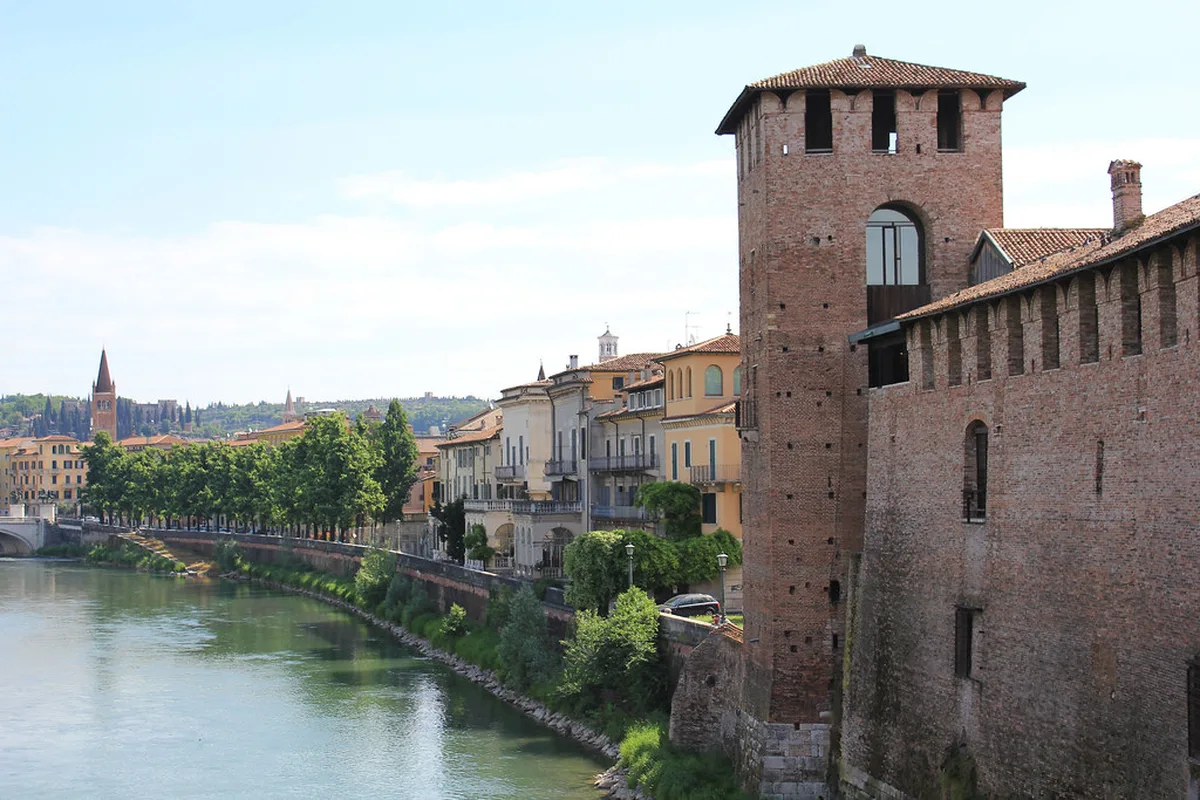
In practical terms, the greatest daily hazard in Verona is not crime at all — it is the polished marble paving underfoot, which becomes dangerously slippery when wet. Wear rubber-soled shoes, especially near the Arena steps and on the cobbled lanes around Castelvecchio, and you will dramatically reduce your risk of a fall. This is particularly relevant for visitors arriving during Verona's rainy autumn months.
Safe Neighbourhoods and Areas to Avoid
The historic centre, Città Antica, is the safest and most visitor-friendly part of Verona. The neighbourhood is almost entirely pedestrianised, which means no vehicle traffic to contend with and a steady flow of foot traffic that discourages opportunistic crime. Most hotels in this zone, including those clustered around Piazza Bra and Via Mazzini, are within easy walking distance of all major sights. You can find detailed area navigation in our Verona old town guide, which covers the key lanes and squares in depth.
Borgo Trento, the upscale residential district north of the Adige River, is another excellent area for a secure stay. Liberty-style villas, tree-lined streets, and family-friendly parks define the neighbourhood's atmosphere. The Giardino Giusti botanical garden (entry €10, open daily 9:00–20:00 in summer) sits on the border of Borgo Trento and Veronetta and is a tranquil, entirely safe attraction for a quiet afternoon.
Veronetta, the university district east of the river, has a lively but generally safe atmosphere. Bars and cafés around Piazza Corrubbio serve students and young professionals until late evening, and the energy is sociable rather than threatening. Street lighting has improved noticeably in recent years, and the presence of residents coming and going at all hours keeps the area active and naturally supervised.
The area immediately around Verona Porta Nuova railway station warrants a little extra care after 22:00. While not dangerous, the atmosphere becomes quieter once the main shops close, and a small number of opportunists can congregate near the underpass entrances. If you are arriving on a late train, take a licensed taxi from the official rank directly outside the main exit rather than walking to your hotel. Taxis operate on a fixed meter; a journey from the station to Piazza Bra costs approximately €8–€12 depending on time of day.
- Città Antica (Historic Centre) — Pedestrian-friendly, highest safety level, ideal for all visitors.
- Borgo Trento — Quiet, residential, very secure, north of the Adige River.
- Veronetta — University district, lively but safe, east of the river.
- Around Porta Nuova Station — Use extra care after 22:00; take a taxi if arriving late.
For visitors travelling by car, understanding parking restrictions in the historic centre is essential. The ZTL (Zona Traffico Limitato) zone covers most of Città Antica, and entering without a permit generates an automatic camera-enforced fine of €80–€160. Our guide to parking in Verona explains the approved car parks and how to register for temporary ZTL access through your hotel.
Solo Female Travel in Verona
Verona, in Italy, is one of the safest Italian cities for solo female travellers in 2026. Its compact, walkable historic centre means you are rarely more than ten minutes on foot from your hotel, and the streets around Piazza Bra, Via Mazzini, and the Adige riverfront remain busy and well-lit well into the evening. The romantic character of the city attracts a broad international crowd, and local culture is generally respectful toward independent visitors.
The main pedestrian thoroughfares — Via Mazzini, Corso Porta Borsari, and the lanes immediately around the Arena — are full of life until at least 23:00 during summer. Restaurants and wine bars on these streets are welcoming to solo diners; staff at established venues like Osteria Sottoriva on Via Sottoriva are particularly known for their attentive service toward solo guests. Aperitivo culture means that early evening (18:00–20:00) sees bars across the centre buzzing with a sociable, mixed crowd — a comfortable window for a solo drink or a light meal.
Standard urban precautions remain relevant: stay on main thoroughfares after midnight, keep your phone charged, and avoid accepting drinks from strangers at any bar. Licensed taxis are easy to summon via the itTaxi app (available for iOS and Android) and provide a safe, metered ride home from anywhere in the city. A standard fare within the historic centre or between the centre and the railway station runs €6–€12.
The area around the train station is the only district that warrants a real change of behaviour after dark. If you are returning from a late evening out and your accommodation is near Porta Nuova, use the taxi app rather than walking the final stretch alone. Everywhere else in Verona — including Veronetta and Borgo Trento — is comfortable for solo female travellers at any reasonable hour. For planning your itinerary, our Verona 3-day itinerary includes safe, well-reviewed restaurant and bar recommendations for each evening.
If you prefer guided experiences for additional peace of mind, free walking tours depart from Piazza Bra most mornings at 10:00 (tip-based, approximately €5–€10 suggested). These are an excellent way to get your bearings on day one, meet other independent travellers, and build confidence navigating the city before venturing out on your own.
Nightlife and Evening Safety
Verona's nightlife is sophisticated and generally low-risk compared to larger party cities. Wine bars (enoteche), outdoor cafés, and aperitivo spots form the core of the evening scene rather than large nightclubs, which means the atmosphere stays convivial and rarely escalates. The Adige riverfront and Piazza delle Erbe are popular gathering spots on warm evenings, with outdoor seating until midnight or later during summer.
The best area for evening drinks is the cluster of wine bars along Via Sottoriva, a medieval lane running parallel to the Adige in Città Antica. Bottega del Vino on Via Scudo di Francia is one of Verona's most celebrated enotecas and is open from 11:00 to midnight daily; a glass of local Amarone starts at around €8. These venues attract a mixed crowd of locals, business travellers, and tourists and have a relaxed, safe atmosphere throughout the night.
For those seeking a livelier scene, Veronetta has several cocktail bars and live music venues popular with university students. The neighbourhood is a short walk (10 minutes) across Ponte Aleardi from the historic centre. Street lighting has improved significantly in recent years, and the student presence means the streets remain active until 01:00 or 02:00 on weekends.
Walking home to your accommodation at midnight is generally safe in the central districts. Stick to the main arteries — Via Mazzini, Corso Porta Borsari, Via Roma — which remain lit and occasionally patrolled. Avoid shortcuts through unlit alleys, particularly in the blocks immediately north of the railway station. If you have doubts about your route, the itTaxi app gives you an immediate, fixed-price quote before you book, which removes the risk of an unscrupulous driver taking a longer route.
Our Verona nightlife guide lists the safest and most enjoyable bars, wine cellars, and late-night venues across the city, with price guides and operating hours for each.
Common Tourist Scams and How to Avoid Them
Verona has far fewer scam operators than larger Italian cities, but a small number of tactics do appear during the peak tourist season (April–October). Recognising them in advance takes the stress out of any encounter.
The most common scam involves "friendship bracelet" sellers who operate near Juliet's House on Via Cappello and at the entrance to the Arena. A seller will attempt to tie a string bracelet around your wrist and then demand payment — typically €5–€10. The best response is a polite but firm "No grazie" while keeping both hands in your pockets or bag. Do not stop walking or engage in conversation, as prolonged interaction is their primary tool.
At the train station, unofficial "porters" may offer to carry your bags and then demand a tip — sometimes aggressively. Use the official self-service luggage storage at Verona Porta Nuova (operated by Radical Storage, approximately €6 per item per day, open 08:00–20:00) if you need to store bags securely. Verified taxi drivers wait at the official rank outside the main exit and never solicit passengers inside the terminal building.
Restaurant cover charges ("coperto") and service fees are legal throughout Italy and are not a scam. The coperto at most Verona restaurants runs €1.50–€3.00 per person; it covers bread, table setting, and a portion of service. Always check the menu for this line before sitting down so there are no surprises on the bill.
Fake petitions targeting tourists are also occasionally seen in Piazza delle Erbe. While one person asks you to sign a clipboard for a supposed charitable cause, an accomplice may attempt to access your pockets or bag. Keep your valuables in a front zip pocket or a crossbody bag with a secure clasp, and decline to engage. Pickpocketing risk rises significantly in the queues outside the Arena during opera performances (June–September) and at the crowded Valentine's Day events in February — the same crossbody bag and zipped pocket habits apply.
Health and Emergency Services in Verona
Access to healthcare in Verona is excellent by European standards. The main public hospital, Azienda Ospedaliera Universitaria Integrata Verona (AOUI Verona), operates two campuses: Ospedale Civile Maggiore on Piazzale Aristide Stefani and Ospedale Borgo Roma on Piazzale Ludovico Antonio Scuro. The emergency department (Pronto Soccorso) at Ospedale Civile Maggiore is open 24 hours a day, seven days a week, and is the nearest facility to the historic centre, approximately 10 minutes by taxi (€8–€12).
EU and EEA citizens should carry their European Health Insurance Card (EHIC or GHIC for UK visitors), which entitles holders to treatment at the same cost as Italian residents — often free at the point of care for genuine emergencies. Non-EU visitors should carry proof of travel insurance with a minimum medical coverage of €100,000, which is sufficient for most emergencies including hospitalisation and repatriation.
For minor ailments — blisters, sunburn, upset stomach, or a cold — Verona has pharmacies (farmacie) throughout the historic centre, identifiable by a green cross sign. Farmacia Riviera Garibaldi on Piazza Brà 28 is open Monday to Saturday, 08:30–19:30, and many others operate on a rotating 24-hour rota. A notice on the door of any closed pharmacy lists the nearest currently open location. Over-the-counter pain relief (paracetamol, ibuprofen) costs €3–€6 per packet.
The single emergency number for all services in Italy is 112, which connects you to an English-speaking dispatcher who can dispatch police, ambulance, or fire brigade as required. For non-emergency police assistance, the Carabinieri station on Lungadige Galtarossa or the Questura on Via del Pontiere are both accessible on foot from the centre. If you need to report a theft for insurance purposes, ask specifically for a "denuncia" — officers are accustomed to assisting tourists with this form and the process typically takes 20–30 minutes.
Water safety is a non-issue in Verona. Tap water across the city meets strict EU drinking-water standards and is perfectly safe to drink. Free public drinking fountains — called "fontanelle" locally — are found throughout the historic centre, including near the Arena entrance and along the Adige riverfront promenade. Filling a reusable bottle at these fountains saves both money and plastic waste during a full day of sightseeing.
Practical Transport and Driving Safety
Public transport in Verona is operated by ATV (Azienda Trasporti Verona). Bus tickets cost €1.50 per single journey or €4.50 for a day pass (available from tabacchi shops and ATV vending machines at major stops). Validate your ticket immediately upon boarding by inserting it into the yellow machine; inspectors operate random checks and issue on-the-spot fines of €50 for unvalidated tickets.
Driving in the historic centre is restricted by the ZTL (Zona Traffico Limitato). Cameras at every entry point photograph number plates automatically; fines of €80–€160 are mailed to your hire car company and passed on to you with an administration charge. If you are staying at a hotel inside the ZTL, ask reception to register your plate — many hotels can arrange temporary exemptions for guests. Our parking in Verona guide covers the approved car parks on the ZTL boundary, with daily rates from €12.
The Verona funicular connects the historic centre to Castel San Pietro, the hilltop fortress with panoramic views over the city and the Adige. The funicular runs daily from 10:00 to midnight (extended hours during summer); a return ticket costs €2. It is a safe, well-maintained service and the easiest way to reach the viewpoint. Alternatively, the steep stepped path (Scaletta Castel San Pietro) takes approximately 15 minutes on foot — wear appropriate footwear, as the steps are uneven.
Cycling is popular in Verona, and the city has designated bike lanes along the Adige riverfront. Hire bikes are available from several city-centre outlets from approximately €15 per day. Be aware that marble and cobblestone surfaces become extremely slippery in wet conditions — reduce speed on downhill sections and around the historic centre lanes. Always secure your bike with a solid U-lock rated at minimum sold-secure Silver standard; quick-release cable locks are routinely cut by opportunistic thieves.
Never leave valuables visible inside a parked car anywhere in the Verona area. Bag theft from vehicles is a known tactic in tourist parking areas, particularly at trailheads near Lake Garda and at the large car parks on the southern edge of the city. If you are taking a day trip to Lake Garda, our day trips from Verona guide includes specific parking and security advice for the most popular stops.
Frequently Asked Questions
Is Verona safe for tourists in 2026?
Yes, Verona is very safe for tourists in 2026. Violent crime against visitors is extremely rare. The primary risk is petty theft — mainly pickpocketing — near busy landmarks such as the Arena di Verona, Piazza Bra, Juliet's House on Via Cappello, and the market stalls of Piazza delle Erbe. Keeping bags zipped and worn across the front of your body eliminates the vast majority of risk. The Adige riverfront promenade and the pedestrian zones of the historic centre are considered safe at all hours.
Is Verona safe at night?
Yes, Verona is very safe at night, particularly in the historic centre. Streets like Via Mazzini and the piazzas around the Arena remain well-lit and busy with locals and tourists until midnight or later in summer. The main exception is the area around Porta Nuova railway station, which warrants extra care after 22:00. In that case, use a licensed taxi (€8–€12 to Piazza Bra) via the itTaxi app rather than walking through quieter side streets.
Are there areas to avoid in Verona?
There are no genuine no-go zones in Verona. The area around Porta Nuova railway station can feel less welcoming after 22:00 once shops close, and it is best navigated by taxi if you arrive on a late train. Everywhere else — including the historic centre, Borgo Trento, and the Veronetta student district — is considered safe for tourists at all hours. The Arena di Verona, Piazza Bra, Ponte Pietra, and Castelvecchio are all safe day and night.
Is Verona safe for solo female travellers?
Yes, Verona is widely regarded as one of the safest Italian cities for solo female travellers in 2026. The compact, walkable historic centre keeps you close to busy, well-lit streets at all times. Local culture is respectful, restaurant and bar staff are attentive to solo guests, and licensed taxis via the itTaxi app are a reliable, safe way to return to your accommodation after an evening out. Standard precautions — keeping your phone charged, staying on main roads at night, and using taxis near the train station after dark — are all that is required.
What are the most common tourist scams in Verona?
The most common scams targeting tourists in Verona are friendship bracelet sellers near Juliet's House on Via Cappello and at the Arena entrance, unofficial "porters" at Porta Nuova railway station, and fake petition clipboards in Piazza delle Erbe. In all cases, a polite but firm "No grazie" while continuing to walk is the correct response. Restaurant cover charges ("coperto") of €1.50–€3.00 per person are legal and standard in Italy — they appear on all menus and are not a scam. Pickpocketing risk rises during opera season queues at the Arena (June–September).
Is the tap water safe to drink in Verona?
Yes, tap water in Verona is perfectly safe and of high quality, meeting strict EU drinking-water standards. Free public drinking fountains called "fontanelle" are located throughout the historic centre, including near the Arena entrance and along the Adige riverfront promenade. Filling a reusable bottle at these fountains saves money and reduces plastic waste during long days of sightseeing.
What should I do if I am a victim of theft in Verona?
If you are a victim of theft in Verona, report it as soon as possible at the Questura di Verona on Lungadige Galtarossa 11 or any Carabinieri station. Ask specifically for a "denuncia" (official police report), which is required by most travel insurance policies to process a claim. The process takes approximately 20–30 minutes, and officers are accustomed to assisting tourists. Dial 112 in any emergency — operators are available in multiple languages 24 hours a day.
Verona remains one of the most visitor-friendly and genuinely safe cities in Italy for 2026. Petty theft in crowded tourist spots is the only meaningful risk, and it is easily managed with a zipped crossbody bag and the habits described in this guide. The historic centre around Piazza Bra, the Adige riverfront, and the lanes near Juliet's House all offer a relaxed, welcoming environment at any hour.
Plan your stay using our Verona old town guide for neighbourhood navigation and our Verona 3-day itinerary for a structured programme of the city's highlights. With a little awareness and the practical tips above, your visit to the city of Romeo and Juliet will be safe, memorable, and full of the culture, food, and scenery that make Verona one of Europe's finest destinations.