The 10 Best Day Trips From Heraklion for Every Traveler (2026)
The best day trip from Heraklion in 2026 is Knossos Palace, just 5 km south — take the Number 2 bus for €1.50 each way and pay €15 entry, making it a complete morning for under €20 per person.
Most day trips from Heraklion cost €10–€25 per person in 2026: Chania by bus costs €14 (2 hours), Rethymno costs €10 (1.5 hours), Matala costs €10 (2 hours), and Spinalonga ferry from Elounda costs €15 return plus €8 island entry.
Heraklion serves as a perfect base for exploring Crete, offering exciting day trips for every type of traveler. The city provides easy access to mountain villages, hidden beaches, and world-class archaeological sites that rank among the finest in Europe. Most famous destinations are reachable within a ninety-minute drive from the city center, making it easy to return in time for dinner by the harbor.
Knossos Palace and Archanes Village
The historic Knossos Palace stands as the most famous archaeological site on the entire island and is the obvious starting point for any day trip from Heraklion in 2026. The ancient ruins sit only five kilometers south of the city center, making it genuinely easy to visit even on a half-day. You can reach the site in fifteen minutes by taking the Number 2 blue bus from the main station near the harbor for just €1.50 each way. Alternatively, a taxi from Heraklion port costs approximately €8 each way. This Minoan capital provides a fascinating look into ancient Greek mythology and the island's rich, layered history spanning nearly four thousand years.
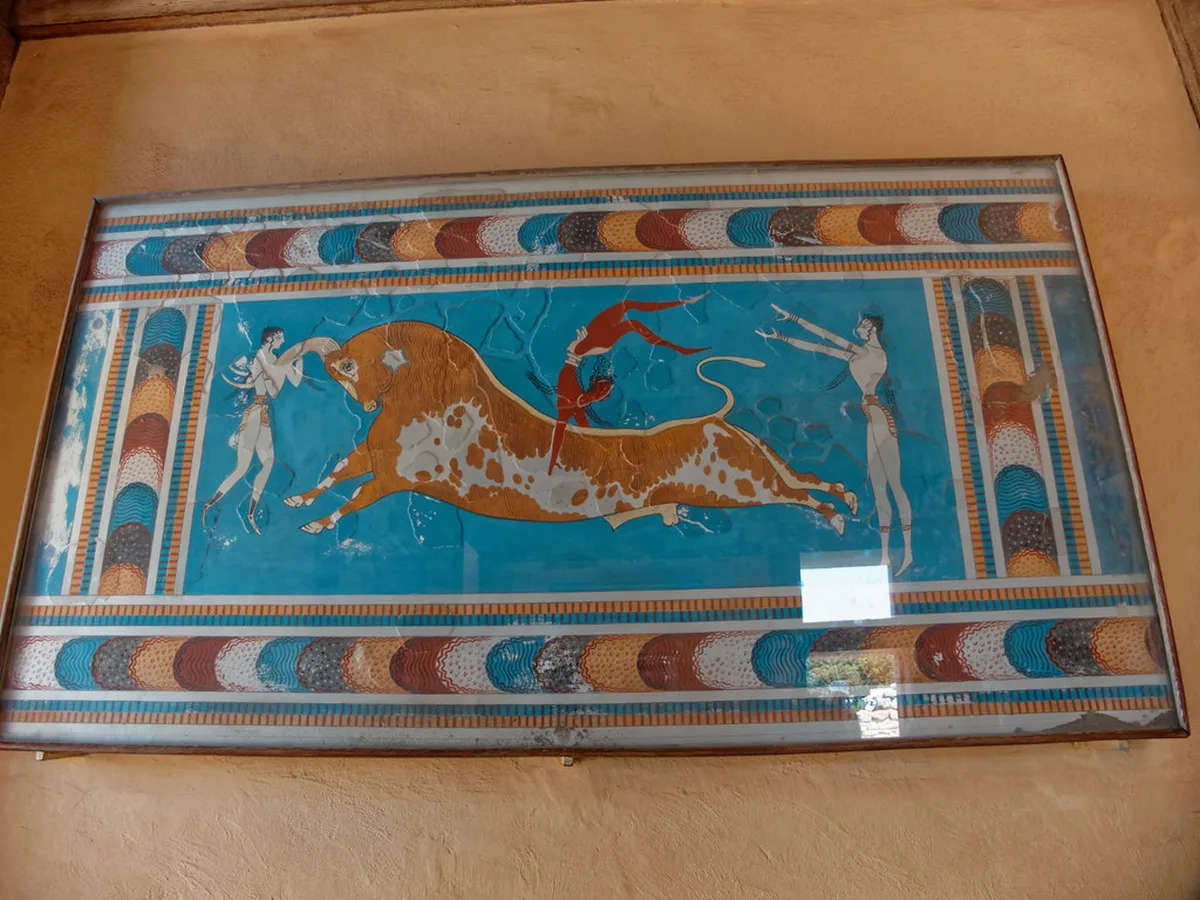
The standard adult entry ticket costs €15 in 2026. A combined ticket that includes the Heraklion Archaeological Museum costs €20 and is well worth the extra five euros if you have the full day. Visitors usually spend two to three hours walking through the reconstructed rooms and corridors of the palace complex. The throne room, the grand staircase, and the vibrant frescoes depicting dolphins and bull-leaping ceremonies are major highlights for every traveler. Arrive before 9 AM to walk the site in relative quiet before the large guided tour groups arrive by mid-morning.
After exploring the ruins, drive ten minutes further south to reach the charming hillside village of Archanes at an elevation of about 380 meters. The lovingly restored settlement features colorful neoclassical houses and traditional stone-paved streets that are perfect for a quiet afternoon stroll. Several award-winning wineries in this region cultivate ancient Cretan grape varieties like Vidiano and Kotsifali, and most offer tastings for around €8 to €12 per person including cheese and olives. Local tavernas set beneath ancient plane trees provide an ideal spot for a long and relaxed lunch.
If you have extra time in the evening, visit the Heraklion Archaeological Museum on your way back into the city. The modern museum holds the original palace frescoes and precious Minoan gold jewelry found during the excavations. Combining Knossos, Archanes, and the museum provides a complete picture of the sophisticated Bronze Age civilization that once dominated the entire eastern Mediterranean. For more things to see close to the city, check our Heraklion Old Town guide.
Chania Old Town and Venetian Harbor
Chania is widely regarded as the most beautiful city in Crete and makes for one of the most rewarding day trips from Heraklion in 2026. The KTEL bus from Heraklion's main terminal departs regularly throughout the day and reaches Chania in approximately two hours for €14 one-way. Buses run roughly every hour from early morning, making it easy to arrive in Chania by 9 AM and return comfortably by early evening. The journey itself is scenic, tracing the northern coast highway past olive groves, vineyards, and glimpses of the Cretan Sea on the right.
The Venetian harbor is Chania's undisputed centerpiece — a crescent of honey-colored waterfront buildings reflected in the calm blue water, with the iconic Egyptian Lighthouse standing at the breakwater tip. The lighthouse dates to the sixteenth century and is one of the most photographed landmarks in all of Greece. Walking the length of the harbor promenade from the lighthouse to the covered market takes about twenty minutes at a leisurely pace, with countless stops for fresh juice, loukoumades (honey doughnuts), and excellent people-watching along the way. Entry to the harbor area is free at all times.
The leather-working quarter known as the Leather Lane (Skrydlof Street) runs behind the market and is lined with traditional craftsmen who have worked here for generations. You can watch artisans hand-stitching bags, belts, and sandals to order. Prices are negotiable and significantly lower than in Heraklion's tourist shops — a handmade leather bag typically costs €25 to €45. The Municipal Market of Chania, built in 1913 in the shape of a cross, sells local cheese, honey, olives, and Cretan herbs at good prices and is a wonderful place to assemble a picnic lunch.
For a longer day, combine the Old Town with an afternoon at the Balos Lagoon or the beaches around Stavros (made famous as the filming location for Zorba the Greek). A local taxi from central Chania to Stavros costs around €20 return. The total daily budget for a Chania day trip from Heraklion in 2026 — including bus, lunch, and a beach taxi — runs to approximately €50 to €70 per person. For a deeper look at the city, see our Chania Old Town guide.
Matala Beach and the South Coast Caves
Matala offers a unique and memorable blend of natural beauty and countercultural history on the southern Cretan coast, about 75 kilometers southwest of Heraklion. The beach is famous worldwide for its Roman-era rock-cut tombs and caves carved directly into the white sandstone cliffs that frame the bay. International travelers including Joni Mitchell flocked to these caves during the late 1960s to live a bohemian existence, and that free-spirited reputation has endured. Modern visitors can explore the hollowed-out caves for a small entrance fee of around €3 during the summer months, typically from 8 AM until sunset.
The KTEL bus from Heraklion to Matala takes approximately two hours and costs €10 one-way. Buses require a change at Mires and run less frequently than the northern coast routes, so check the KTEL Heraklion timetable online before your trip. The drive from Heraklion takes roughly ninety minutes through rolling olive groves, fertile Messara Plain farmland, and the ancient ruins of Phaistos, which you can visit as a combined stop for an additional €8 entry fee. Several cheerful seaside tavernas directly on the Matala beach serve fresh grilled octopus, dakos salad, and local Cretan wine at reasonable prices — expect to pay around €12 to €18 for a full meal.
The water at Matala is deep, calm, and crystal clear, making it an excellent spot for afternoon swimming and snorkeling. Parking near the beach costs approximately €4 for the full day during the summer peak season. Adventure seekers often extend their visit by walking fifteen minutes around the headland to the famous Red Beach, also known as Kokkini Paralia. Reaching this entirely secluded bay requires a twenty-minute hike over a rugged rocky path, so wear proper shoes and carry water since there is no shade on the trail and no facilities on the beach itself. The dramatic red-tinted cliff walls and the near-turquoise water of the Libyan Sea make the effort worthwhile.
If you plan to drive, leave Heraklion before 8 AM to enjoy Phaistos when it opens, then continue to Matala for a late morning arrival. The entire south coast route, including Phaistos, Matala caves, lunch, and Red Beach, comfortably fills a full day and costs around €30 to €40 per person all in. Returning north, a brief stop at the traditional pottery village of Thrapsano adds thirty minutes and the opportunity to pick up authentic Cretan ceramic work directly from craftsmen.
Rethymno City and Preveli Palm Beach
Rethymno is one of the most visually striking towns in all of Greece, combining a massive Venetian fortress, an Ottoman-era lighthouse, and a beautifully preserved medieval street grid that has barely changed since the sixteenth century. The town sits eighty kilometers west of Heraklion along the northern coastal highway and is easily reachable by either car in about seventy-five minutes or by KTEL express bus for €10 one-way from the main Heraklion terminal. The journey takes approximately ninety minutes. Buses depart roughly every forty-five minutes from early morning until evening, making this one of the most accessible day trips on the island without a rental car.
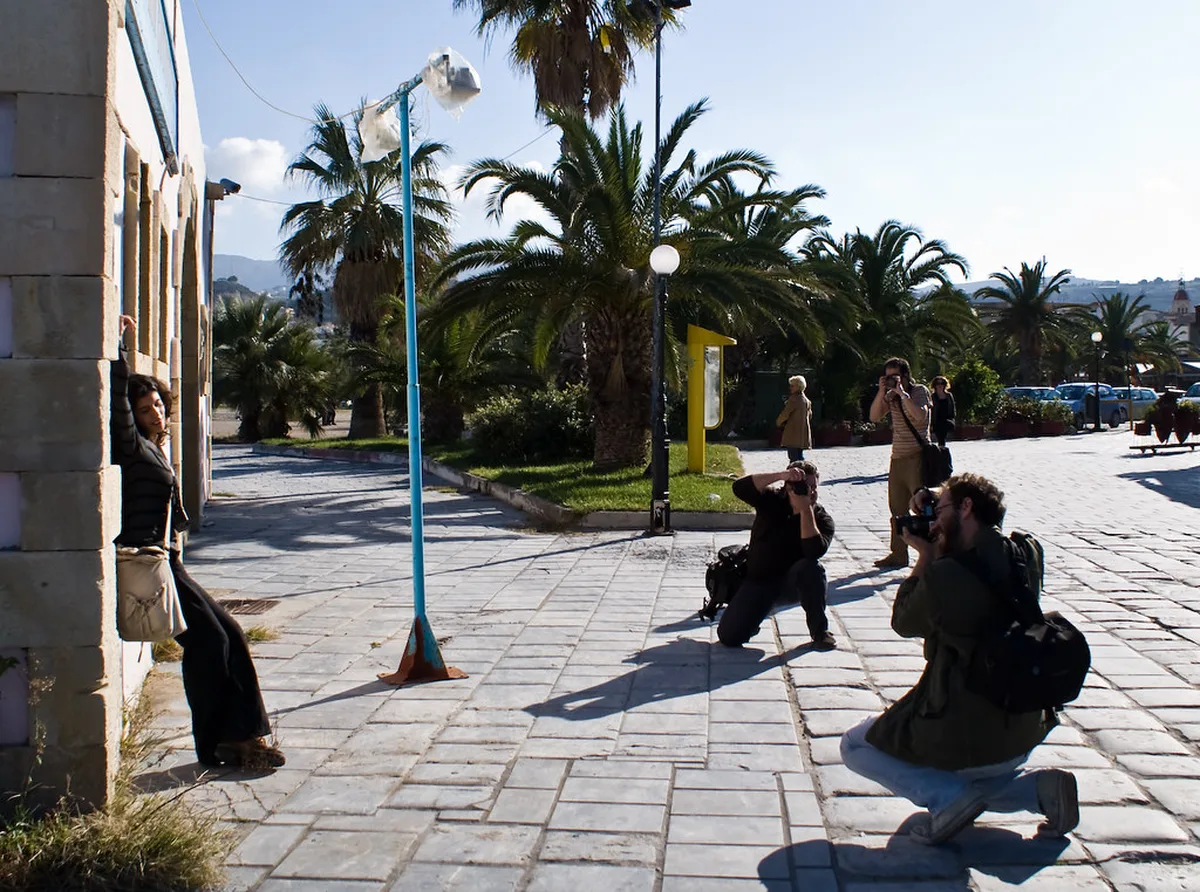
The Venetian Fortezza — the great hilltop fortress completed in 1590 — guards the town from above and charges €4 for adults to explore its walls, bastions, and the Ibrahim Han mosque preserved inside. The views of the harbor, the old lighthouse, and the open Cretan Sea from the ramparts are genuinely spectacular. Wandering through the narrow lanes of the Old Town reveals hidden artisan workshops selling hand-embroidered linens, carved olive wood items, and locally made ceramics at prices significantly lower than those found in Heraklion or Chania tourist shops.
The harbor area is lined with colorful Venetian loggia buildings now converted into seafood restaurants and cocktail bars. For a quieter and more authentic meal, search for small family-run tavernas tucked into the pedestrian courtyards a block or two back from the waterfront. Grilled fresh fish of the day typically costs €16 to €24 per plate depending on the fish species and the season. The town's long sandy beach stretches directly east of the old harbor and is one of the cleanest and most swimmable urban beaches in all of Crete.
Many visitors smartly combine a morning in Rethymno with an afternoon at the extraordinary Preveli Beach, located about 35 kilometers further south along a winding mountain road. Preveli is one of the few true palm beach ecosystems in Europe, featuring a rare palm forest growing along the banks of the Megalopotamos River as it flows into the Libyan Sea. The river creates a cool, freshwater swimming area directly beside the salty sea — a combination that is genuinely unique in Greece. Parking costs €3 and a short descent path leads to the beach. Pair this with our Heraklion beach guide for more coastal inspiration across the island.
Spinalonga Island and Elounda Bay
Spinalonga Island carries one of the most moving and historically significant stories in all of Crete. The tiny fortified islet was the last active leper colony in Europe, operating from 1903 until 1957, and became widely known internationally through Victoria Hislop's novel and television series "The Island." The site sits in the protected waters of the Gulf of Elounda on the far eastern side of the island, approximately 70 kilometers from Heraklion — about a seventy-minute drive along the well-maintained north coast highway.
You reach Spinalonga by taking a short boat transfer from either the village of Plaka or the resort town of Elounda. The ferry crossing from Elounda costs €15 per person return in 2026, with boats running continuously from 9 AM until late afternoon in summer. Buy your island entry ticket on arrival at the dock — entry costs €8 per adult. Walking through the abandoned stone houses, the old church, the Venetian gate, and the narrow lanes inside the fortress walls provides a sobering but deeply fascinating experience. Most visitors spend ninety minutes to two hours on the island before returning to the mainland.
The views from the high walls looking out across the deep blue gulf are genuinely breathtaking, particularly in the warm late-morning light. Information boards throughout the site explain the lives of the former residents in careful detail, and several sections of the settlement have been recently restored to give a clearer picture of daily life in the colony during the early twentieth century. Guided tours in English are available from the dock for an additional €8 and add considerable depth to the visit.
After finishing on the island, spend the rest of the afternoon relaxing in the upscale resort town of Elounda, which sits right on the bay just a few minutes' drive from Plaka. Elounda is famous for its cluster of some of the most expensive hotels in all of Greece and for the sunken ruins of the ancient city of Olous, which can be seen just below the water's surface at the end of the town causeway. Walk the harbor promenade, browse the boutique shops, or simply find a waterfront terrace for an iced coffee and a long look across one of the most beautiful bays in the Mediterranean.
Samaria Gorge and the White Mountains
The Samaria Gorge is one of the longest and most dramatic gorges in Europe, stretching 16 kilometers through the heart of the White Mountains (Lefka Ori) in western Crete. Hiking the full gorge is a genuine bucket-list experience and one of the most popular day trips from Heraklion for active travelers in 2026. The KTEL bus from Heraklion's main terminal connects to the gorge entrance at Xyloskalo via Chania, and the total journey including the Chania connection takes approximately two and a half hours. Bus fare from Heraklion to the gorge costs €14 one-way. The gorge is open from May 1 to October 31, depending on weather conditions and water levels.
Entry to the gorge costs €5 per adult at the Xyloskalo gate, 1,200 meters above sea level. The trail descends through soaring limestone walls — at the famous Iron Gates section the gorge narrows to just three meters wide while the cliffs tower 300 meters overhead — before reaching the coastal village of Agia Roumeli on the Libyan Sea. The complete descent takes five to seven hours depending on your pace and the number of stops for swimming in the ice-cold mountain streams. Sturdy closed-toe shoes are absolutely essential; the rocky path is unforgiving on sandals or flip-flops.
Since Agia Roumeli is accessible only by sea or on foot, you exit the gorge by taking a short ferry from the village to either Hora Sfakion or Sougia. The ferry ticket costs approximately €12 to €15 and connects to KTEL buses heading back toward Heraklion. This means the full-day itinerary follows a one-way route: bus from Heraklion, hike north-to-south through the gorge, ferry east along the coast, bus back to Heraklion. The complete trip costs around €35 to €45 per person for transport and entry, not including food.
Bring at least two liters of water per person, sunscreen, and a light snack for the trail, as the only services inside the gorge are basic water fountains at rest stations. The gorge is busiest in July and August when queues form at the narrow Iron Gates section — start as early as possible to hike in relative calm and cooler temperatures. Alternatively, the shorter "Lazy Walk" option enters at the bottom of the gorge near Agia Roumeli and walks the final 2 kilometers of the canyon to the Iron Gates and back without the full descent.
Lasithi Plateau and the Cave of Zeus
The Lasithi Plateau sits high in the Dikti Mountains at an altitude of nearly one thousand meters above sea level, offering a completely different face of Crete far removed from the crowded coastal resorts. This wide, flat, agricultural plain was historically famous for thousands of white-sailed irrigation windmills that once dotted the landscape, though today only a handful of restored examples remain for photographs. The main draw in 2026 is the Diktaean Cave — also called the Psychro Cave — which mythology identifies as the birthplace of Zeus and which remains one of the most visited archaeological sites in Crete after Knossos. Entry to the cave costs €12 for adults in 2026.
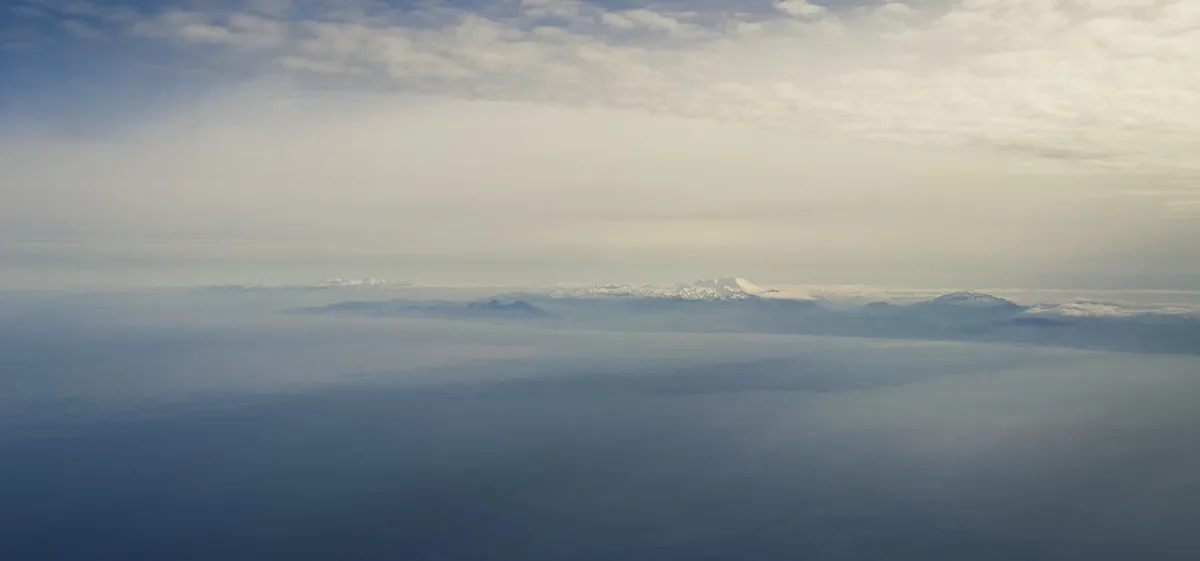
The cave entrance sits above the village of Psychro and requires a fifteen-minute walk up a rocky path from the car park. Donkeys are available to hire for the ascent at around €5 per person if the climb feels daunting. Inside, the cave descends dramatically through stalactites and stalagmites to a lower chamber featuring a shallow sacred lake where ancient Minoans left offerings. Bring a light jacket as temperatures inside the cave stay at around 15°C year-round regardless of the summer heat outside. The cave path can be slippery, so proper walking shoes are essential.
Local tavernas in the village of Psychro serve outstanding traditional mountain dishes: slow-cooked lamb kleftiko, staka (a rich cream made from sheep's milk), and wild herb pies baked fresh each morning. A full meal with local wine costs around €14 to €18 per person. The mountain air and the sense of altitude make the food taste noticeably better than anything on the coast. Budget at least forty-five minutes for lunch in Psychro before the afternoon descent.
The drive up to the plateau involves winding hairpin roads that are perfectly manageable for any standard rental car, but the route rewards drivers with increasingly spectacular views of the green valley below. On the way up, consider a fifteen-minute stop at the Kera Kardiotissa Monastery, a Byzantine site dating to the fourteenth century featuring well-preserved frescoes and a peaceful courtyard. Small roadside stalls throughout the plateau sell locally produced mountain thyme honey, dried herbs, and hand-woven lace directly from the farming families — prices are significantly lower than in the coastal tourist shops and the quality is exceptional.
Agios Nikolaos and the Eastern Lasithi Coast
Agios Nikolaos is the most cosmopolitan and polished town on the eastern Cretan coast, sitting about 65 kilometers east of Heraklion and reachable in approximately fifty-five minutes by car or one hour and twenty minutes by KTEL bus for €6.50 return. The town wraps around a picturesque natural harbor and is famous throughout Greece for the enigmatic Lake Voulismeni — a circular lake of disputed depth (officially 64 meters, though local legend claims it is bottomless) that sits in the center of town connected to the sea by a narrow channel. The lakeside is lined with cafes and restaurants offering views over the glassy water, and it makes one of the most pleasant lunch spots on the island.
Unlike Heraklion or Rethymno, Agios Nikolaos has a more refined and boutique atmosphere, with a high concentration of independent clothing stores, art galleries, and jewelers along the pedestrian lanes above the harbor. The Folk Museum of Agios Nikolaos, housed in a beautiful Venetian-era building above the lake, displays a fine collection of Cretan traditional costumes, tools, and woven textiles and charges a modest €3 entry fee. The marina below is full of luxury sailing yachts in summer, giving the whole waterfront an upscale and relaxed character.
The beaches immediately around Agios Nikolaos — particularly Almyros Beach to the south and the small coves at Kitroplatia right in the town center — are clean and swimmable, though they become very busy in July and August. For a quieter option, drive twenty minutes further east to the long sandy beach at Istron, which has a more local and unhurried feel and good tavernas serving fresh grilled fish at the water's edge. Snorkeling in the clear shallow water around the rocky headlands between Agios Nikolaos and Istron is rewarding, with good visibility and plenty of sea urchins, octopus, and small colorful fish.
Agios Nikolaos also works well as a gateway town for the Spinalonga boat trip, since Elounda is only fifteen minutes north by car. Combining a morning in Agios Nikolaos with an afternoon Spinalonga island boat crossing and an early evening stroll along the Elounda waterfront makes for a satisfying and well-paced full-day itinerary from Heraklion. The total budget for this combination in 2026 — bus, cave entry, lunch, boat crossing, and coffee — comes to around €35 to €50 per person depending on meal choices.
Planning Your Day Trips From Heraklion
Renting a car offers the most flexibility for exploring the diverse Cretan countryside, particularly for reaching the south coast beaches and mountain plateaus that public buses serve infrequently. Most international rental agencies have offices at Heraklion Nikos Kazantzakis Airport and near the busy city harbor. Daily rates in 2026 vary by season: expect to pay €35 to €50 per day for a compact car in spring and autumn, rising to €55 to €75 in peak July and August. Fuel is approximately €1.90 per liter. Driving allows you to reach remote locations like Matala's Red Beach and the Lasithi Plateau on your own schedule and to stop freely at roadside monasteries, villages, and viewpoints along the way.
The KTEL bus system is reliable, affordable, and connects all major towns across the island from the main terminal near the harbor. Key 2026 fares: Chania €14 (2 hours), Rethymno €10 (1.5 hours), Matala €10 (2 hours, change at Mires), Agios Nikolaos €6.50 (1.5 hours), and Sitia in the far east €13.50. Buses to Knossos (Number 2 city bus) depart every fifteen minutes from the stop near the Archaeological Museum and cost €1.50 each way. Check the KTEL Heraklion timetable online to confirm departure times before your trip.
Organized guided tours are a practical option if you prefer not to drive on winding mountain roads or navigate unfamiliar bus schedules. Many reputable tour companies offer hotel pick-up services from major accommodations throughout the city center. These tours typically include an English-speaking guide who shares detailed local history, mythology, and practical tips. Prices for full-day guided excursions to destinations like Knossos plus Archanes, or Spinalonga plus Elounda, typically range from €45 to €75 per person including entry fees. Choosing a guided tour maximizes your time at each site without worrying about parking, navigation, or missing the last bus home.
- Knossos Palace and Archanes Village
- Distance: 5 km / Drive time: 15 minutes
- Best for: History and archaeology
- Entry cost: €15 (€20 combined with museum)
- Access: Number 2 bus (€1.50) or taxi (€8)
- Chania Old Town and Venetian Harbor
- Distance: 140 km / Drive time: 75 minutes
- Best for: Architecture, culture, and beaches
- Entry cost: Free (harbor and old town)
- Access: KTEL bus €14 one-way, 2 hours
- Matala Beach and Roman Caves
- Distance: 75 km / Drive time: 90 minutes
- Best for: Swimming and countercultural history
- Entry cost: €3 caves + €4 parking
- Access: KTEL bus €10 one-way (change at Mires) or car
- Rethymno Venetian Harbor and Old Town
- Distance: 80 km / Drive time: 75 minutes
- Best for: Architecture and culture
- Fortezza entry: €4
- Access: KTEL bus €10 one-way, 1.5 hours, or car
- Spinalonga Island and Elounda Bay
- Distance: 70 km / Drive time: 70 minutes
- Best for: History and photography
- Cost: €8 island entry + €15 ferry return from Elounda
- Access: Car then ferry from Elounda
- Samaria Gorge and White Mountains
- Distance: ~115 km via Chania / Trek: 16 km
- Best for: Hiking and dramatic landscapes
- Gorge entry: €5
- Access: Bus €14 via Chania, open May–October
- Lasithi Plateau and Cave of Zeus
- Distance: 58 km / Drive time: 75 minutes
- Best for: Mythology and mountain scenery
- Cave entry: €12
- Access: Car recommended (mountain roads)
- Agios Nikolaos and Eastern Coast
- Distance: 65 km / Drive time: 55 minutes
- Best for: Town atmosphere and coastal walks
- Cost: Museum €3, otherwise free
- Access: KTEL bus €6.50 return or car
Frequently Asked Questions
How do I get to Knossos from Heraklion?
Take the Number 2 blue city bus from the stop near the Heraklion Archaeological Museum or the harbor area. The journey takes about fifteen minutes and buses run every fifteen minutes from early morning. The one-way fare is €1.50 in 2026. Alternatively, a taxi from the port costs approximately €8 and takes about twelve minutes depending on traffic. Entry to Knossos Palace itself costs €15 per adult.
How much does the bus from Heraklion to Chania cost?
The KTEL bus from Heraklion to Chania costs €14 one-way in 2026 and takes approximately two hours along the northern coastal highway. Buses depart regularly throughout the day from the main KTEL terminal near Heraklion harbor. Chania is the second largest city in Crete and is widely considered the most beautiful, with its Venetian harbor, lighthouse, and well-preserved Old Town making it one of the best day trips from Heraklion.
Is a car necessary for day trips from Heraklion?
A car is not strictly necessary for the most popular destinations. Chania is served by KTEL bus for €14 one-way, Rethymno for €10, and Agios Nikolaos for €6.50 return. Knossos is reachable on the Number 2 city bus for €1.50 each way. However, for the Lasithi Plateau, Matala's south coast beaches, and Preveli Palm Beach, having your own vehicle makes the trip significantly easier and more flexible. Rental cars start from around €35 per day in 2026.
Which day trip is best for families with children?
Knossos Palace is the top pick for families in 2026 — the reconstructed frescoes and mythological stories about the Minotaur hold children's attention well, and the site is just 15 minutes from Heraklion by bus for €1.50. The Lasithi Plateau with the Diktaean Cave is another excellent family choice: the cave interior with its stalactites and the legendary Zeus birthplace story works well for older children. Arrive at Knossos before 9 AM to avoid the largest crowds and the midday heat.
Can I visit Santorini from Heraklion in one day?
Yes, high-speed ferry services operate between Heraklion Port and Santorini (Thira) during the summer months, typically May through October. The crossing takes approximately 1 hour 40 minutes to 2 hours each way on the fast catamarans. Return ferry tickets cost around €60 to €90 per person in 2026 depending on the operator and booking date. Book at least two to three days in advance during July and August as services fill up quickly.
How much does a day trip from Heraklion to Spinalonga cost?
The total cost for a Spinalonga day trip from Heraklion in 2026 is approximately €35 to €55 per person. The ferry return crossing from Elounda costs €15, island entry is €8, and the 70-kilometre drive requires fuel or a car rental. If you travel by car, parking at Elounda is typically free in the village. Lunch in Elounda nearby typically costs €14 to €20 per person. An optional English-language guided tour adds €8 to €10.
When is the Samaria Gorge open and how do I get there from Heraklion?
The Samaria Gorge is open from May 1 to October 31 in 2026, weather and water levels permitting. Entry costs €5 per adult at the Xyloskalo gate. From Heraklion, take the KTEL bus to Chania (€14, 2 hours) and connect to the gorge bus from Chania's bus station. The full hike is 16 kilometers and takes 5 to 7 hours. Exit by ferry from Agia Roumeli (€12 to €15) and then bus back to Heraklion.
What is the best time of year to do day trips from Heraklion?
May, June, and September are the best months for day trips from Heraklion in 2026. Temperatures are warm and comfortable (22–28°C), the sea is swimmable, and the major sites have not yet reached peak-summer crowd levels. July and August are very hot (often above 35°C) and the most popular sites like Knossos and Spinalonga become extremely crowded by mid-morning. April and October are good shoulder-season alternatives for walkers and archaeology enthusiasts, though some boat services to Spinalonga run reduced schedules.
Choosing the right day trips from Heraklion in 2026 allows you to experience the true depth and variety of Crete. Whether you prefer Bronze Age palace ruins at Knossos, the haunting history of Spinalonga Island, the Venetian elegance of Rethymno, the dramatic hiking of the Samaria Gorge, or the mountain landscapes of the Lasithi Plateau, the island offers world-class destinations in every direction from the capital. For more exploration ideas around the island, see our day trips from Chania guide and our overview of Heraklion Old Town. Plan your routes carefully, book ferries and guided tours in advance for the summer months, and make the most of your time in this magnificent Mediterranean island.