Is Montpellier Safe for Tourists? Essential Tips and Advice
Montpellier is safe for tourists in 2026, with the L'Écusson historic centre and Antigone district rated excellent for security. In an emergency call 112 (European), 17 (Police Nationale), 15 (SAMU ambulance), or 18 (fire brigade). A single tram ticket costs €1.80.
The UK FCDO rates France at normal-precautions level with no Montpellier-specific warnings. Petty theft — not violent crime — is the main tourist risk. Avoid La Paillade and the Gambetta streets near Gare Saint-Roch after 22:00 for a trouble-free stay.
Montpellier remains one of the most vibrant and welcoming cities in Southern France for international visitors. While the city is generally secure, many travelers still ask whether Montpellier is safe for tourists before booking their trip. Understanding local safety patterns ensures you can focus on the stunning architecture and sunny Mediterranean atmosphere. This guide provides practical insights into staying safe while exploring the historic streets and lively squares of this dynamic university city in 2026.
Is Montpellier Safe for Tourists? A General Overview
Montpellier is widely considered a safe destination for tourists, especially when compared to larger French hubs like Marseille. Violent crime against visitors is rare, though petty theft such as pickpocketing does occur in crowded areas. Most visits to the city remain entirely trouble-free if you maintain a basic level of situational awareness throughout your stay.
The UK FCDO's 2026 travel advisory for France carries no specific warnings for Montpellier, placing it in the standard "exercise normal precautions" category. This is the mildest risk tier, equivalent to many popular Northern European cities. American travelers should note the US State Department similarly lists France at Level 1 — Take Normal Precautions — with no regional exceptions for the Occitanie region where Montpellier is located.
Local authorities have expanded police presence in 2026 to ensure the safety of residents and seasonal visitors alike. New security cameras have been installed in major squares and along tram corridors to deter opportunistic criminals from targeting tourists. These measures have contributed to a measurable reduction in opportunistic theft reported in the Place de la Comédie area compared to 2024 figures. Officers from the Police Nationale are also stationed at key transit hubs during peak summer months from June through August.
The city's compact nature makes it easy to navigate without wandering into unfamiliar or isolated industrial zones. Staying within the main tourist corridors guarantees a high level of security and easy access to assistance if needed. You will find that most locals are helpful and willing to point you in the right direction, particularly near the tourist information office on the Esplanade Charles de Gaulle. Emergency call boxes are mounted at regular intervals along the tramway network, providing an additional layer of reassurance for solo travellers.
Travelers should exercise common sense when exploring Montpellier during their stay. Keep valuables secured in a front pocket or a cross-body bag to minimise the risk of theft. This simple habit prevents most issues that travelers might face in busy urban environments. Travel insurance with theft coverage is recommended and typically costs €30–60 for a week-long trip depending on your origin country.
Overall, the safety profile in 2026 is positive. Crime statistics from the Préfecture de l'Hérault show that tourist-targeted incidents remain concentrated in a small number of known hotspots, all of which are detailed in this guide. Knowing these locations in advance puts you firmly in control of your personal security throughout the visit. For those planning to explore the old town in depth, our Montpellier old town guide covers the neighbourhood layout in detail so you always know exactly where you are.
Montpellier Neighbourhood Safety Guide: Comédie, Écusson and La Paillade
Understanding Montpellier's distinct neighbourhoods is the single most practical step you can take to stay safe. Each district has its own character, risk level, and recommended visiting hours. The three areas that matter most for tourists are Place de la Comédie and its surroundings, the medieval Écusson quarter, and the outlying La Paillade district.
Place de la Comédie and Esplanade — Safety Rating: Good with Caution. The central square is the beating heart of the city and is entirely safe during the day and early evening. Pickpocketing risk rises significantly between 10 pm and 2 am when large crowds gather around the bars and kebab shops on the western side of the square. The tram interchange directly beneath the square is a known hotspot for bag snatching; always zip pockets before boarding. Keep phones off tables at the numerous terrace restaurants surrounding the Opéra Comédie. Overall, the Comédie is welcoming and well-policed, but the combination of tourists, alcohol, and dense crowds creates opportunity for opportunistic thieves.
L'Écusson (Historic Centre) — Safety Rating: Excellent. The medieval egg-shaped old town bounded by the inner boulevards is the safest area in Montpellier for tourists. Narrow pedestrian lanes mean vehicle crime is impossible, and the constant foot traffic of students, residents, and visitors acts as a natural deterrent to crime. The Rue de la Loge and Rue Foch shopping streets are safe at all hours. The only caveat is that the extreme southeast corner near the Sainte-Anne church can feel isolated very late at night once bars close. You can explore the Montpellier old town guide thoroughly without significant concern at any hour a tourist would typically be out.
Antigone and Port Marianne — Safety Rating: Excellent. These modern planned districts east of the centre feature wide Haussmann-style boulevards, CCTV coverage, and a largely professional residential population. Street crime is negligible. Evening walks along the Lez river promenade are pleasant and secure. High-end hotels, restaurants, and the Polygone shopping centre are all located here, making it an ideal base for families or solo travellers seeking calm surroundings at night.
Gambetta and Saint-Roch station area — Safety Rating: Fair. The blocks immediately surrounding the main train station have a higher concentration of beggars, street drinkers, and minor street crime than tourist areas. In daylight hours this is manageable — millions of rail passengers pass through without incident. After 10 pm, do not linger outside the station. If you arrive late by train, take a taxi or the tram directly to your hotel rather than walking through the Gambetta district on foot.
Figuerolles — Safety Rating: Fair. This multicultural neighbourhood southwest of the centre has undergone gradual gentrification but still has pockets of elevated street-level tension after midnight. The daytime atmosphere is lively and authentic, with excellent North African restaurants and independent shops. Tourists rarely have problems here during daylight, but solo female travellers should avoid walking alone through Figuerolles after midnight.
La Paillade (Mosson) — Safety Rating: Low / Avoid at Night. La Paillade is Montpellier's most socially deprived district and consistently records the city's highest crime rates in local police statistics. It lies on the western edge of the city, well away from tourist sites. There is virtually no reason for a tourist to visit La Paillade, and no tourist attractions are located there. If you somehow end up in the area — for example following a GPS routing error — leave immediately and take the tram back towards the centre. This area should be avoided entirely after dark.
As a general rule: anywhere within the inner boulevard ring is safe for daytime and evening exploration. Beyond that ring, apply progressively more caution, particularly after 11 pm. The tram network makes it easy to avoid walking long distances through uncertain territory.
Safe Neighborhoods and Areas to Avoid
The historic centre, known as L'Écusson, is generally very safe and remains the most popular area for sightseeing. You will find a charming atmosphere while exploring the Montpellier old town guide recommendations during daylight hours. The narrow streets are often filled with students and families, creating a lively and secure vibe that persists well into the evening throughout the academic year from October to June.
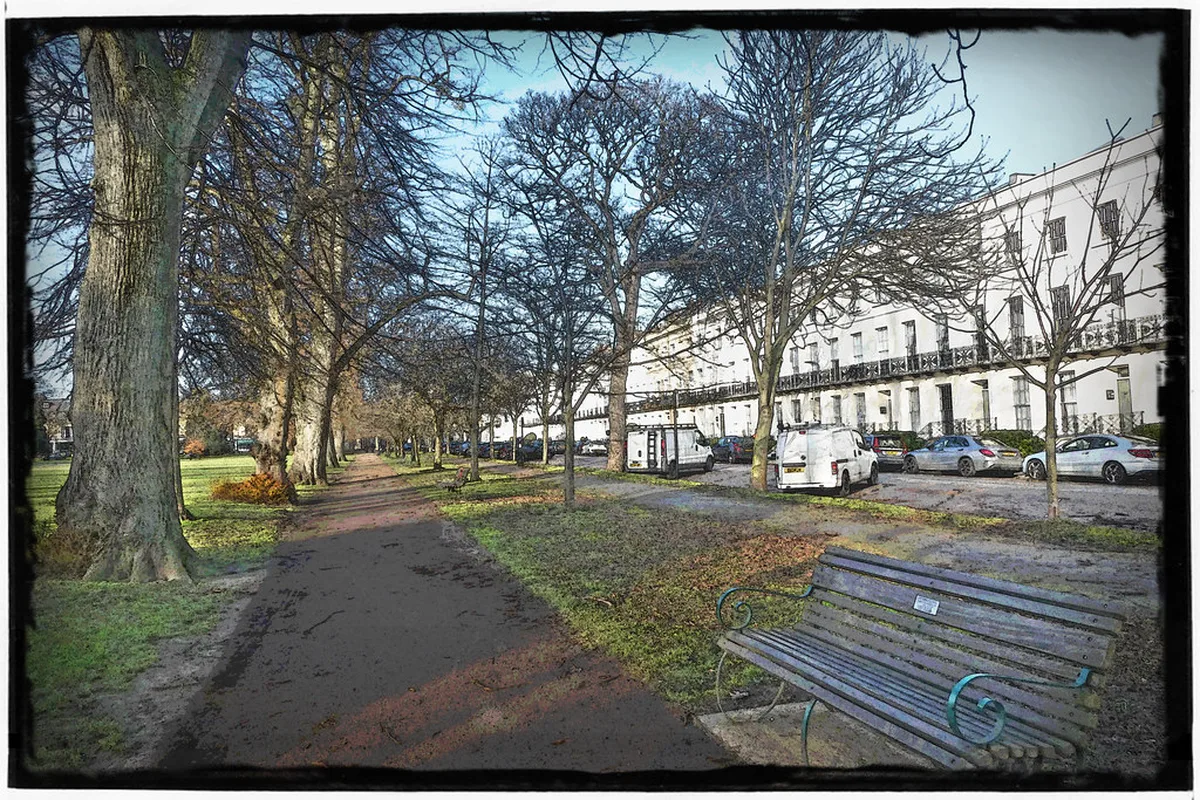
Areas like Antigone and Port Marianne are modern, well-lit, and typically safe for evening walks or outdoor dining. These districts feature wide boulevards and plenty of open spaces that feel secure even after the sun goes down. Many mid-range and high-end hotels are located here, offering a quiet retreat from the busier city centre. The Odysseum shopping complex at the eastern end of the tram Line 1 is similarly well-secured and family-friendly until closing time at around 9 pm.
Some neighbourhoods near the Saint-Roch train station or the Gambetta district can feel uneasy late at night. While these areas are fine during the day, they sometimes attract loiterers or aggressive panhandlers after dark. It is best to avoid lingering in these spots if you are travelling alone in the late hours. The area immediately around the Gare Saint-Roch has improved since 2024 due to a dedicated policing initiative, but cautious visitors should still pass through quickly rather than stopping.
Solo travellers should also be cautious in the Figuerolles area after midnight to prevent unnecessary risks or uncomfortable encounters. While not inherently dangerous, the atmosphere can change quickly once the main shops and cafes close for the night. Sticking to well-populated routes and using the tram rather than walking is the most effective way to ensure a safe return to your lodging. A single-journey tram ticket costs €1.80 in 2026 — always a worthwhile investment over a long walk through an unfamiliar area at night.
The beach suburbs of Palavas-les-Flots and Carnon-Plage, reachable by day trip, are overwhelmingly safe in the summer season. Beach theft from unattended towels is the main risk, as it is on any busy Mediterranean shoreline. Use a waterproof pouch for keys and cards while swimming rather than leaving valuables on the sand. During the peak months of July and August, supervised beach sections are patrolled by seasonal security staff hired by the local municipality. Visit the Montpellier beach guide for a full breakdown of which beaches are safest and best served by lifeguards.
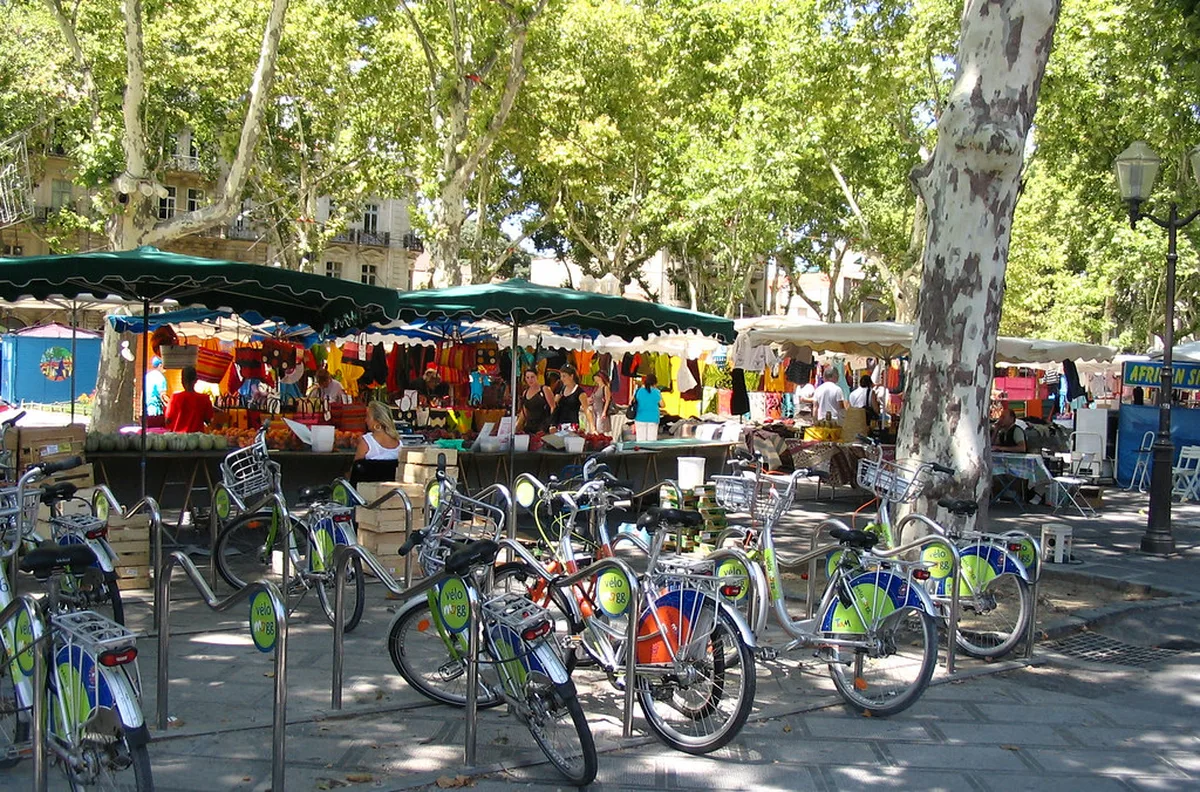
Markets and street fairs warrant extra vigilance. The Saturday market at the Plan Cabanes draws large crowds and is a known environment for pickpockets working in pairs. Keep your bag in front of you and avoid displaying cash when making purchases. Paying by card where possible reduces the amount of physical currency you carry and therefore limits your exposure to opportunistic theft at busy outdoor venues.
Staying Safe on Public Transport and at Night
The city's tramway system is clean and efficient, making it the best way to navigate different districts safely. Four distinct lines connect the city centre to the suburbs and even the nearby coastal areas via seasonal extensions. Most stations are well-lit and equipped with emergency call buttons for added peace of mind throughout the network.
Always keep your bags zipped and positioned in front of you when the trams are crowded during peak commute times between 7–9 am and 5–7 pm. Pickpockets sometimes use the sudden movement of the tram to distract passengers while reaching into open pockets or unzipped bags. This risk is highest on Line 1, which serves the most popular tourist destinations and shopping hubs between Odysseum and Mosson. A validated tram ticket costs €1.80 per journey in 2026, or €5 for a day pass — always tap in to avoid a €60 on-the-spot fine from transport inspectors who patrol regularly.
Night services run until approximately 12:30 am on weekdays and 1:30 am on weekends, covering the main routes adequately. After the last tram, the city's Vélomagg bike-share scheme remains available for short rides between well-lit main streets. The 24-hour taxi rank on Place de la Comédie provides a reliable option for late returns; a typical journey from the city centre to a hotel in Antigone costs around €8–12 in 2026. Bolt and Uber both operate in Montpellier and typically have cars available within five minutes late at night.
When exploring the Montpellier nightlife guide options, try to stay with a group when walking between bars. The area around Place de la Comédie is usually safe, but side streets can become very quiet late at night once the main crowds disperse toward 2 am. Having a companion makes you a much less likely target for any opportunistic petty crime along the quieter lanes leading away from the main square.
Taxis and ride-sharing apps are reliable options for returning to your hotel after a late night out. Official taxis can be found at designated ranks near the main squares and the train station at all hours. Using these services provides a door-to-door connection that bypasses the need to walk through unfamiliar streets at night. Always confirm the fare at the start of the journey or use the in-app pricing of Bolt or Uber to avoid any ambiguity about cost.
Cycling in Montpellier is increasingly safe following the expansion of the protected cycle lane network through 2026. Over 200 kilometres of dedicated infrastructure now covers most tourist routes. Vélomagg hire costs €1 for the first 30 minutes with a transport day pass. Wearing a helmet is strongly recommended, though not legally required for adults. The riverfront cycling paths along the Lez are particularly pleasant and entirely free of motor vehicle traffic.
Common Tourist Scams to Watch Out For
Like many European cities, Montpellier has a handful of common scams that target unsuspecting or distracted tourists. These incidents are rarely violent but can lead to the loss of cash or expensive electronic devices. Being aware of these tactics is the first step in avoiding them entirely during your visit.
Be wary of individuals approaching you with petitions or friendship bracelets in the Place de la Comédie. These distractions are often used by groups to divert your attention while an accomplice attempts to pickpocket you from behind or to the side. Simply say no firmly and keep walking without engaging in a prolonged conversation. The petition scam has been particularly active in the summer of 2026 — police have increased patrols in response but cannot eliminate it entirely.
Avoid leaving your smartphone or wallet on the table while sitting at outdoor terraces or crowded cafes. Thieves may use a map, newspaper, or printed flyer to cover your belongings before quickly swiping them away in a single smooth motion. Keeping your items in your lap or a secured bag with a zipper closure is a much safer practice. Several terrace restaurants around the Comédie now post multilingual warnings at tables reminding guests to guard their belongings.
Use ATMs located inside bank branches rather than standalone machines on the street to prevent card skimming. Indoor machines are monitored by security cameras and are far harder for criminals to tamper with. Always shield your PIN with your hand when entering it into any keypad in public, and check the card reader for any unusual plastic overlays or loose components before inserting your card. Your bank's travel notification feature is worth activating before departure so that legitimate foreign transactions are not blocked.
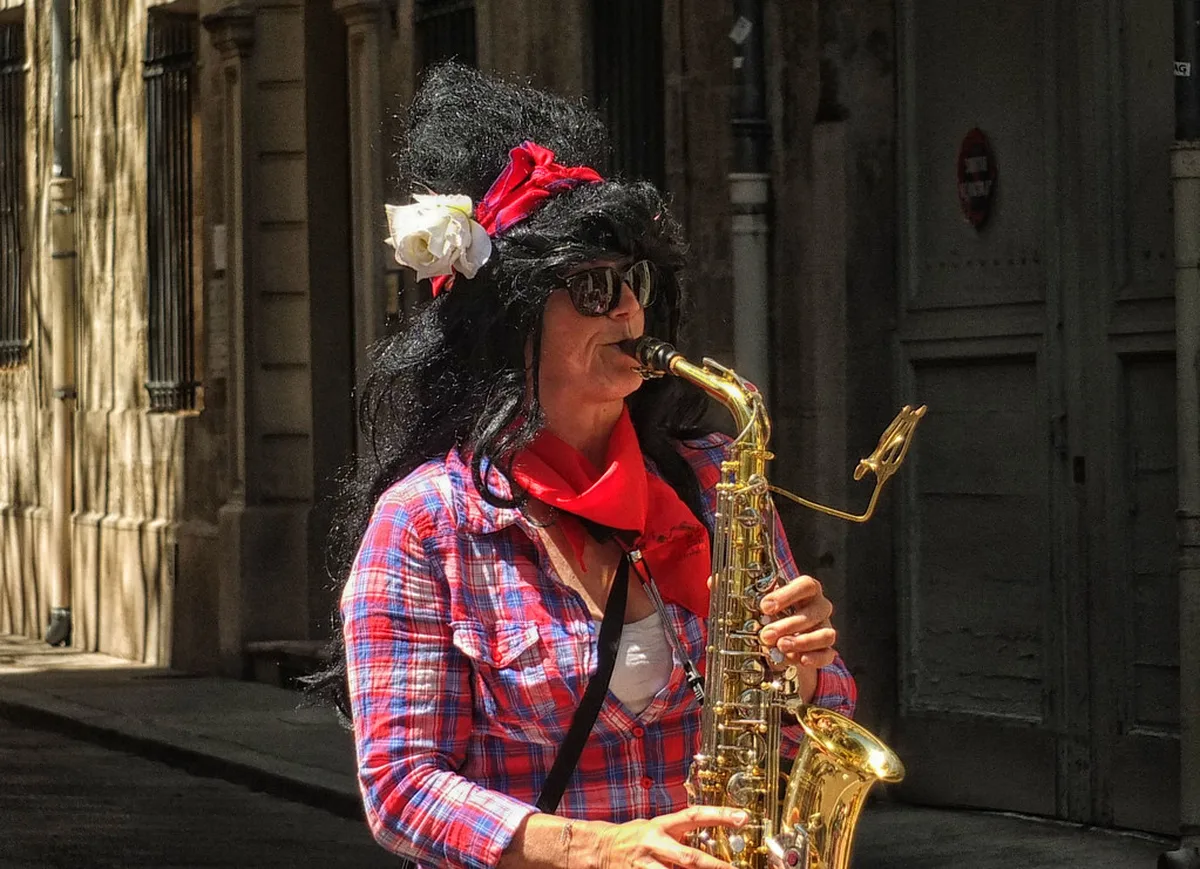
Street performers can sometimes draw large crowds that provide the perfect cover for pickpockets to operate unnoticed. While enjoying the local talent around the Esplanade or the Place Jean-Jaurès, keep a hand on your bag and remain aware of people standing unusually close. This vigilance allows you to enjoy the city's vibrant street culture without becoming a target for theft. The human-statue performers near the Opéra are legitimate and well-regarded; it is the audience crowd that creates the risk, not the performers themselves.
Fake police officers occasionally approach tourists and ask to inspect their wallets for "counterfeit notes." Real French police officers do not conduct wallet inspections on the street. If someone claiming to be a plain-clothes officer stops you, ask to see their badge (carte professionnelle), do not hand over your wallet, and immediately call 17 (the Police Nationale non-emergency line) to verify their identity. This scam is rare in Montpellier but has been reported in France broadly.
- The Petition and Clipboard Scam
- Location: Place de la Comédie
- Method: Distraction and group pickpocketing
- Risk: Loss of wallet or phone
- Advice: Say no firmly and keep walking
- The Friendship Bracelet Tactic
- Target: Solo tourists
- Method: Forced bracelet tying to occupy both hands
- Risk: Aggressive money demand, pickpocketing
- Advice: Keep hands in pockets and walk away immediately
- Terrace Phone and Wallet Swiping
- Setting: Outdoor cafes and restaurants
- Method: Covering items with paper before swiping
- Risk: Stolen electronics and cash
- Advice: Keep phones and wallets in your bag, not on the table
- Fake Plain-Clothes Police
- Setting: Tourist areas
- Method: Demands to inspect wallet for counterfeit money
- Risk: Cash theft
- Advice: Request badge, call 17, never hand over wallet
Safety for Solo Travelers and Families
Solo female travellers generally find Montpellier to be a comfortable and respectful environment during the day. The city has a large student population — roughly 90,000 students enrolled across multiple universities in 2026 — which contributes to a progressive and generally safe atmosphere for women. Standard precautions apply, such as not sharing your specific accommodation details with strangers you meet. The bar and club district around the Rue de la Loge and the adjacent lanes is well-frequented and reasonably safe for solo women early in the evening; later hours are more comfortable with company.
Solo travellers of any gender should download the French government's SAIP alert app and share their daily itinerary with someone at home. Pocket-sized personal alarms are legal in France and cost around €8–12 at tabac shops or pharmacies in the city centre. The main tourist information office at 30 allée Jean de Lattre de Tassigny provides free city maps and can advise on current areas of concern — open Monday to Saturday from 9:30 am to 1 pm and 2 pm to 6 pm.
Families will enjoy the pedestrian-friendly streets of the centre, which keep children safe from heavy vehicle traffic throughout the car-free zone. Many parks and public squares provide a secure environment for kids to play while parents relax nearby. The Promenade du Peyrou gardens and the Jardins des Plantes botanical garden are both supervised green spaces with good sightlines and low crime. The lack of cars in the historic core makes it one of the safest environments in France for young travellers to explore on foot.
If you are heading to the coast, check the Montpellier beach guide for safety tips regarding swimming and sun exposure. Some beaches have strong undertow currents particularly in May and early June before the full summer lifeguard rotas begin. Always swim in areas monitored by professional lifeguards (indicated by green and yellow flags) and check the daily flag colour before entering the water. Family beach spots at Palavas-les-Flots are well-served by seasonal lifeguards from mid-June through early September.
Most local residents are friendly and will assist you if you seem lost or need help with directions. Learning a few basic French phrases — Excusez-moi, pouvez-vous m'aider? (excuse me, can you help me?) — goes a long way in building rapport and getting quick assistance. A polite "Bonjour" before any request signals respect for local customs and almost universally results in a more helpful and positive interaction. Google Translate's camera function is useful for reading menus or signs, and works offline once the French language pack is downloaded.
Travellers with disabilities will find Montpellier's tram network largely accessible, with all vehicles and most major stations meeting modern accessibility standards. The flat central districts are manageable for wheelchair users, though the cobblestone streets in parts of L'Écusson require care. Contact the tourist office in advance for specific accessibility routing advice for your planned itinerary.
Safety Tips for Day Trips and Beyond
Planning day trips from Montpellier is a great way to see the surrounding Occitanie region safely. Regional TER trains operated by SNCF are generally secure; keep your luggage visible on overhead racks or between your feet rather than leaving it unattended at the far end of the carriage. Most small towns in the region — Sète, Aigues-Mortes, Nîmes, Carcassonne — have very low crime rates and feel extremely welcoming to international visitors throughout the year.
When hiring a car for day excursions, use established rental agencies at the Gare Saint-Roch or the airport. Budget for a compact car at approximately €45–65 per day in 2026 including insurance, booked in advance. Ensure full theft and collision coverage is included before signing the rental agreement. French motorways (autoroutes) require a toll — the A9 and A75 are the main routes south and north respectively, with tolls typically running €5–15 depending on distance.
Car break-ins remain a significant concern at remote trailheads or isolated parking lots near popular natural landmarks such as the Pic Saint-Loup or the Cirque de Navacelles. Never leave bags, laptops, cameras, or electronics visible inside your vehicle when heading out for a walk or a swim. Lock valuables in the boot before you arrive at your destination — thieves scout parking areas and target cars that visibly contain luggage. Damage-only insurance typically does not cover theft from vehicles, so check your policy carefully.
When hiking or visiting rural sites in the Hérault garrigue, always tell someone your planned route and expected return time. While trails are generally well-marked with the red-and-white GR waymarkers, it is easy to lose your way if you wander off the main path in summer heat. Carry at least 1.5 litres of water per person for every two hours of hiking in summer — temperatures in the Hérault routinely exceed 35°C from June to August. A fully charged phone and a portable power bank (€15–25 from supermarkets) are vital safety tools for nature excursions.
Check the Météo France forecast before heading out to ensure you are prepared for sudden changes in temperature, wind, or storms. The Mediterranean climate can produce violent thunderstorms with minimal warning, particularly in September and October. Being well-prepared with a light waterproof jacket and sturdy footwear reduces the risk of accidents or health issues while exploring the great outdoors around Montpellier. If caught in a storm on high ground, descend immediately to sheltered lower terrain rather than waiting it out on an exposed ridge.
Hiking insurance or a European Health Insurance Card (EHIC/GHIC for UK travellers) covers emergency mountain rescue in France, which can otherwise cost several thousand euros if a helicopter evacuation is required. Register your GHIC on the NHS website before departure — it is free and takes five minutes. For non-EU travellers, ensure your travel insurance policy specifically includes mountain rescue and emergency repatriation coverage.
Health and Medical Safety in Montpellier
Montpellier benefits from excellent healthcare infrastructure in 2026, anchored by the CHU (Centre Hospitalier Universitaire) de Montpellier — one of France's largest university hospital complexes. In any medical emergency, call 15 (SAMU ambulance service) immediately; trained operators speak English and will dispatch the appropriate response. The main CHU campus on the Arnaud de Villeneuve site is open 24 hours and treats foreign visitors with or without French health insurance. For non-life-threatening conditions, pharmacies (identifiable by the green cross sign) are your first port of call — there are over 80 pharmacies across the city, with the Pharmacie de la Comédie on the Place de la Comédie open until 9 pm on weekdays.
EU citizens travelling with a valid European Health Insurance Card (EHIC) are entitled to state-provided healthcare at the same cost as French residents. UK travellers should carry a Global Health Insurance Card (GHIC), which replaced the EHIC after Brexit and is accepted at French public hospitals. American and other non-EU visitors should ensure their travel insurance includes at minimum €50,000 of medical coverage and direct-billing capability, as French hospitals may request a deposit or guarantee of payment before treating uninsured patients.
The summer heat presents a genuine health risk in the Hérault. Temperatures regularly exceed 37°C in July and August, and heatwave alerts (canicule) are declared multiple times each summer season in recent years. Stay hydrated with at least two litres of water per day while sightseeing, wear a hat and high-SPF sunscreen, and plan outdoor sightseeing for early morning or evening. The city opens designated cooling centres (espaces fraîcheur) in public libraries and community halls during canicule alerts — their locations are posted on the Montpellier Métropole website each year.
Water quality in Montpellier is consistently rated safe and potable from tap. Free drinking water stations (fontaines d'eau fraîche) are available throughout the city, including in the Place de la Comédie and the Esplanade Charles de Gaulle. Using a refillable bottle saves money — bottled water in supermarkets costs €0.30–0.60 per 1.5 litres, but free tap water is always the most convenient option. Restaurants are legally obliged to provide free tap water (une carafe d'eau, s'il vous plaît) if you ask — do not feel obliged to pay €3–5 for bottled water at the table.
Tick-borne encephalitis and Lyme disease are a low but non-zero risk in the garrigue scrubland and forested hills surrounding Montpellier. Wear long trousers tucked into socks and apply DEET-based insect repellent when hiking between May and September. Check your body for ticks after returning from woodland walks. If you discover an embedded tick, remove it with fine-tipped tweezers rather than petroleum jelly or heat, and seek medical advice if a redness or rash develops within days. The CHU de Montpellier's infectious diseases department can advise on post-exposure prophylaxis if warranted.
For minor ailments — traveller's diarrhoea, sunburn, insect bites, or mild fever — pharmacists in France are highly qualified and can recommend over-the-counter treatments without an appointment. Basic medications such as paracetamol (€2–4), antihistamines (€5–8), and oral rehydration sachets (€3–5) are available in every pharmacy. Bring a prescription for any regular medications you take, translated into French if possible, so that a French pharmacist can identify the equivalent product. Many common medications that require a prescription in the UK or US are available over the counter at French pharmacies.
Frequently Asked Questions
Is Montpellier safe for tourists at night?
Yes, Montpellier is generally safe at night in 2026, especially in the historic L'Écusson centre and modern districts like Antigone and Port Marianne. Stick to well-lit streets and avoid wandering alone into the Gambetta or Figuerolles areas after midnight. Using ride-sharing apps like Bolt or Uber, or the official taxi rank on Place de la Comédie, is a reliable way to return to your hotel safely. Trams run until approximately 12:30–1:30 am depending on the day, covering most tourist routes. A single tram journey costs €1.80 or €5 for an all-day pass in 2026.
What are the most common crimes in Montpellier?
Petty theft and pickpocketing are the most common crimes targeting tourists in Montpellier. These incidents typically occur in crowded places like the Place de la Comédie, at the Saturday market, or on tram Line 1 during rush hour. Violent crime against tourists is rare. Staying vigilant, keeping valuables in zipped front pockets or a cross-body bag, and not placing phones on terrace tables will prevent most opportunistic crimes during your visit.
Is the Montpellier train station safe?
The Gare Saint-Roch station itself is safe during the day, but the surrounding Gambetta district can feel sketchy late at night. A dedicated policing initiative introduced in 2026 has improved conditions, but travellers arriving after 10 pm should take a taxi or the tram directly to their accommodation rather than walking. Do not leave luggage unattended in the station waiting areas, and keep bags zipped while on the platforms.
What are the emergency numbers in Montpellier?
Save all four emergency numbers before your trip: dial 112 for any emergency from any mobile phone (European universal number, works without a SIM card); dial 15 for SAMU (ambulance and medical emergencies); dial 17 to reach the Police Nationale for a crime in progress or urgent police assistance; dial 18 for the fire brigade (pompiers). Operators for the 112 line speak English. For non-urgent police matters such as reporting a theft after the fact, you can also visit the commissariat de police at 295 avenue du Professeur Grasset in person.
Is Montpellier safe for solo female travellers?
Montpellier is generally comfortable for solo female travellers, particularly in the city centre and university districts. The large student population of around 90,000 creates a progressive social atmosphere. Take standard precautions: avoid the Figuerolles and Gambetta areas alone after midnight, keep your accommodation details private from strangers, and use official taxis or ride-sharing apps rather than walking long distances alone at night. The main tourist areas and well-lit tram routes are safe for solo women throughout the evening. Personal alarms are legal in France and cost around €8–12 at local tabac shops.
What does the UK FCDO say about travelling to Montpellier in 2026?
The UK Foreign Commonwealth and Development Office (FCDO) advises travellers to exercise normal precautions in France, including Montpellier. There are no specific regional warnings for the Occitanie area or Montpellier itself in the 2026 advisory. The FCDO highlights terrorism as a general risk across France — as in all of Europe — and recommends staying alert in crowded public places. For petty crime specifically, the FCDO notes pickpocketing as the primary tourist risk in French cities, consistent with the pattern in Montpellier. Check the official FCDO France travel advisory page before departure for the most current guidance.
How much does public transport cost in Montpellier in 2026?
A single tram journey costs €1.80 in 2026. An all-day pass covering unlimited tram and bus travel costs €5, which is excellent value if you plan to cross more than three zones in a day. Tickets must be validated at the platform before boarding — travelling without a valid ticket risks a €60 on-the-spot fine. The Vélomagg bike-share scheme costs €1 for the first 30 minutes when combined with a daily transport pass. Night trams run until 12:30 am on weekdays and 1:30 am on weekends, making public transport a safe and affordable option for returning from evening outings.
Montpellier is a beautiful and secure city that offers a high quality of life for both residents and visitors in 2026.
By following basic safety precautions — staying in the L'Écusson centre and Antigone at night, securing valuables on the tram, and avoiding La Paillade — you can enjoy everything from the historic centre to the nearby Mediterranean beaches with confidence.
For more on what to do while you are in the city, read the day trips from Montpellier guide and the Montpellier nightlife guide.
Enjoy your trip to this sunny corner of France with the confidence that you are well-prepared for a safe and memorable adventure.