The Ultimate Toulouse Nightlife Guide for 2026
Bar La Couleur de la Culotte on Place Saint-Pierre pours pitchers for €12–14 and draught beers for €4–5, while Fat Cat near Capitole serves Armagnac cocktails for €12–14 — the two extremes of Toulouse nightlife in 2026.
The best night out in Toulouse moves from Rue de la Colombette craft bars (€5–6 beers) through Place Saint-Pierre student terraces (€4–6 pints) to the Jean-Jaurès club strip, where entry costs €10–15 and cocktails run €10–13.
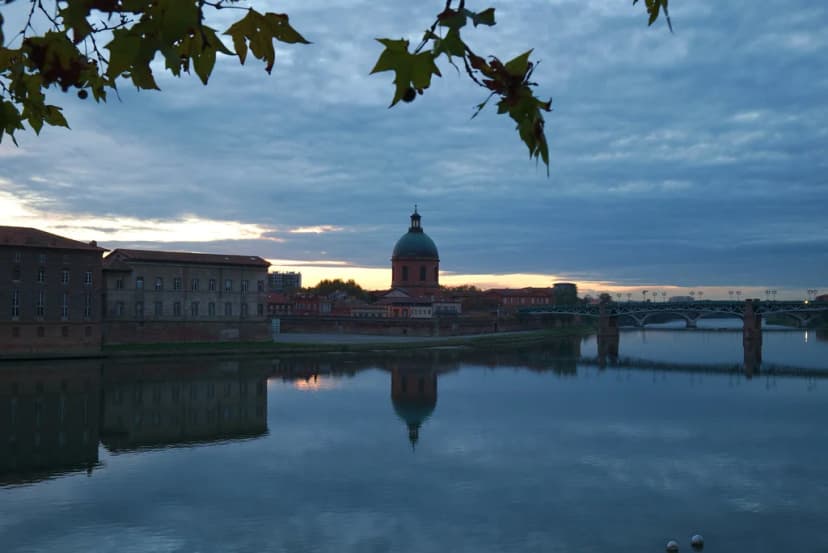
Toulouse transforms into a vibrant hub of energy as the sun sets over the Garonne River. The city earned its nickname, the Pink City, from the terracotta bricks that glow during twilight. Travelers will find a diverse range of evening activities that complement a day spent exploring the historic centre. This guide explores the best spots to enjoy the local social scene in 2026.
The local atmosphere is heavily influenced by a large student population and a love for rugby. Bars often overflow onto the streets during warm summer evenings in the city center. You might start your night with a quiet glass of wine before heading to a high-energy club. Each neighborhood offers a distinct personality that caters to different tastes and ages.
Planning your evening helps you navigate the winding streets of the historic districts efficiently. Most venues stay open late, providing plenty of time to experience multiple locations. This comprehensive look at the city ensures you don't miss the most iconic establishments. Prepare for a night of music, dancing, and excellent French hospitality.
Vibrant Districts in This Toulouse Nightlife Guide
Place Saint-Pierre stands as the undisputed heart of the city's student nightlife scene. The square is lined with bars that offer affordable pints at €4–6 a glass and a rowdy, welcoming atmosphere. Groups often gather here on game days to support the local Stade Toulousain rugby team. Expect crowds to peak around 10:00 PM on Thursday and Friday nights, with terraces spilling out onto the cobblestones until well after midnight. In summer 2026, several bars have added outdoor DJ decks that draw crowds from as early as 8 PM. The electric energy at Saint-Pierre is unlike anywhere else in the city — locals of every age mingle freely, and the low drink prices mean you can comfortably spend an entire evening here without breaking the budget. Draught beer runs around €4–5, and most bars stock regional Occitanie wines for under €5 a glass.
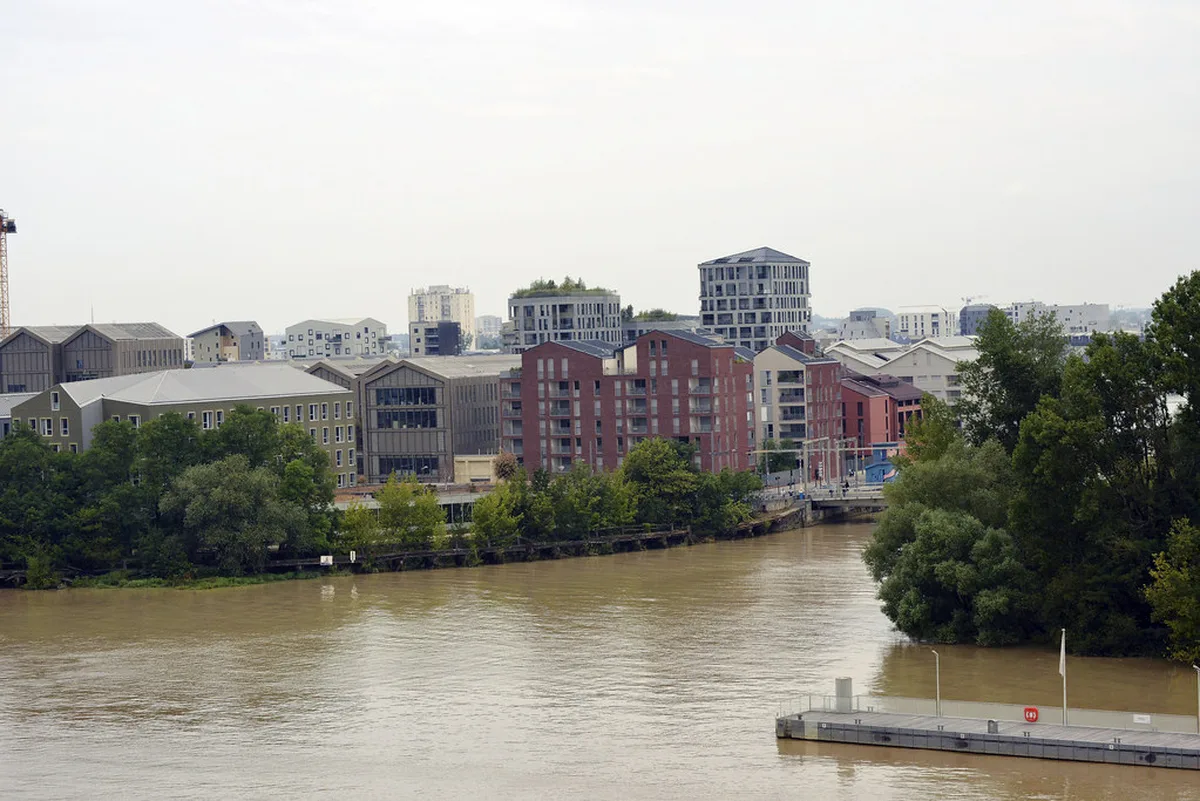
The Carmes neighborhood provides a more sophisticated alternative for those seeking a relaxed evening. This area is famous for its narrow streets filled with chic wine bars and tapas restaurants where a glass of quality Bordeaux starts at €6. You can explore the Toulouse Old Town guide to find the most historic corners of this district. Most venues here focus on quality local produce and intimate seating arrangements. The terraces in Carmes are ideal for long, leisurely evenings that begin with a charcuterie board and end with a digestif well past midnight. Cocktails in this district typically cost €11–14 depending on the spirit base, and many bars offer a rotating aperitivo menu of small bites between 6 PM and 9 PM.
Jean-Jaurès acts as the gateway to the city's larger commercial clubs and late-night lounges. The wide boulevards are home to multi-level venues playing everything from house music to 80s hits. It is a convenient spot for those who want to stay within walking distance of major hotels and the metro. Security is usually present at the entrance of most large establishments in this area, and the door policy is generally relaxed before midnight. Jean-Jaurès is also home to several casual brasseries that work well as a starting point before moving on to more energetic venues later in the evening. Expect to pay €10–13 for a cocktail and €5–7 for a craft beer in the bars lining this boulevard.
Saint-Cyprien offers a more bohemian and artistic vibe on the left bank of the river. This district attracts a diverse crowd with its craft beer pubs and alternative music venues, where pints pour for €4–6 and the atmosphere rarely feels touristy. Many locals prefer this area because it offers a genuine slice of everyday Toulousain life. Prices for drinks are often slightly lower than in the immediate city center, making it a favourite with artists, students, and long-term residents. A growing number of natural wine bars have opened in Saint-Cyprien in 2026, stocking local Gaillac and Fronton appellations at accessible prices. The district's proximity to cultural spaces and art galleries means the night often begins with a vernissage before moving on to bar hopping along the backstreets.
- Place Saint-Pierre Hub
- Vibe: Lively student energy
- Drink Price: €4–6 draught beer
- Best for: Rugby fans, budget nights out
- Peak Time: 10:00 PM–1:00 AM
- Carmes Wine District
- Vibe: Chic and sophisticated
- Drink Price: €6 wine / €11–14 cocktails
- Best for: Date nights, slow evenings
- Peak Time: 9:00 PM–midnight
- Jean-Jaurès Boulevard
- Vibe: Commercial, high-energy
- Drink Price: €5–7 beer / €10–13 cocktail
- Best for: Club nights, mixed groups
- Peak Time: 11:00 PM–3:00 AM
- Saint-Cyprien Left Bank
- Vibe: Bohemian, arts-led
- Drink Price: €4–6 beer / €5–7 wine
- Best for: Locals, craft beer, alternative music
- Peak Time: 9:00 PM–midnight
Top Bars and Pubs for a Local Experience
N°5 Wine Bar is a legendary destination for any wine enthusiast visiting the region. It has previously been voted the best wine bar in the world by industry experts, and the accolades have only attracted a broader clientele in 2026. You can use self-service machines to sample hundreds of different regional and international labels, with tasting pours available from as little as €2 and full glasses from €5. Small plates of local cheese and charcuterie complement the extensive drink menu perfectly, typically costing €7–12 per board. The interior is warmly lit and unpretentious despite the prestige, and the staff are genuinely knowledgeable about the Occitanie appellations on offer. Reserve a spot in advance if you are visiting on a Friday or Saturday evening, as the bar fills quickly and walk-ins can face a long wait. It is a must-visit for anyone who wants to understand the wine culture of southern France without leaving the city.
The Frog and Rosbif provides a classic pub experience with a French twist, housed in a former brewery in the heart of the city. They brew their own craft beers on site, including a famous ginger beer and a rotating seasonal pale ale, each priced at €5–7 a pint. This venue is popular for watching international sports on multiple screens and meeting other travelers in a friendly, English-speaking setting. During the summer, the outdoor seating area becomes a prime spot for people-watching as the street fills with evening crowds. The kitchen serves hearty burgers and fish and chips until midnight, making it a reliable choice if you need to eat late. Happy hour runs from 5 PM to 8 PM daily with pints at €4, offering genuine value before the evening properly gets underway. The Frog and Rosbif is one of the most welcoming spots in the city for international visitors, and the mix of French craft beers and English pub food creates a genuinely unique atmosphere that works well as an early evening warm-up stop before heading deeper into the student districts.
Le Florida offers a touch of historic elegance right on the Place du Capitole, one of the finest squares in southern France. The grand terrace is ideal for an afternoon aperitif that transitions seamlessly into a lively evening as the square fills with locals and visitors. Cocktails here cost €12–14, reflecting the iconic setting and the quality of the spirits used. Prices at Le Florida are higher than the average city bar, but the view of the illuminated City Hall facade makes it worth every euro. A glass of Crémant d'Alsace costs around €8 and pairs well with the bar's curated selection of tapas. Arrive before 8 PM to secure a terrace seat during the summer months, as competition for tables is fierce among both tourists and well-heeled Toulousains. The bar also operates a late-evening cocktail service that continues until 1 AM on Fridays and Saturdays, making it possible to begin and end a night out in the same grand surroundings.
Fat Cat caters to those who appreciate high-quality cocktails and a jazz-inspired atmosphere in an intimate setting near the Capitole. The bartenders are known for their creativity and use of premium spirits and fresh seasonal ingredients, with signature cocktails running €12–14. Low lighting and comfortable velvet seating make it a great choice for a long conversation over carefully crafted drinks. Classics like the Negroni or Spritz cost around €10, while the house specials push toward €13–14 using local Armagnac and infused syrups. The jazz playlist shifts to live performances on Thursday evenings, making it an especially atmospheric choice mid-week. It is located near the Capitole metro station for easy access at the end of the night without the need for a taxi. Fat Cat's reputation for using locally sourced Armagnac and Occitanie spirits has grown significantly in 2026, drawing a sophisticated crowd that appreciates craft over volume and prefers to linger over two or three well-made drinks rather than rushing between venues.
Best Nightclubs for Dancing Until Dawn
Le Bikini remains the most iconic music venue and club in the greater Toulouse area, operating from its purpose-built complex in Ramonville on the southern edge of the city. While the short metro or taxi ride from the centre costs around €15 each way, the exceptional sound system and diverse programming make it worth every euro. The venue hosts a mix of live concerts and themed club nights featuring international DJs spanning electronic, hip-hop, and indie genres. Entry fees vary by event, ranging from €12 for smaller club nights to €25 for headline DJ sets. Tickets for major events sell out quickly and should be booked online in advance via the official website. The outdoor terrace operates during warmer months, allowing you to cool down between sets without losing your spot in the queue to re-enter the main hall. Le Bikini's reputation attracts a music-savvy crowd from across the region, ensuring the dance floor stays full until 5 AM on the busiest nights.
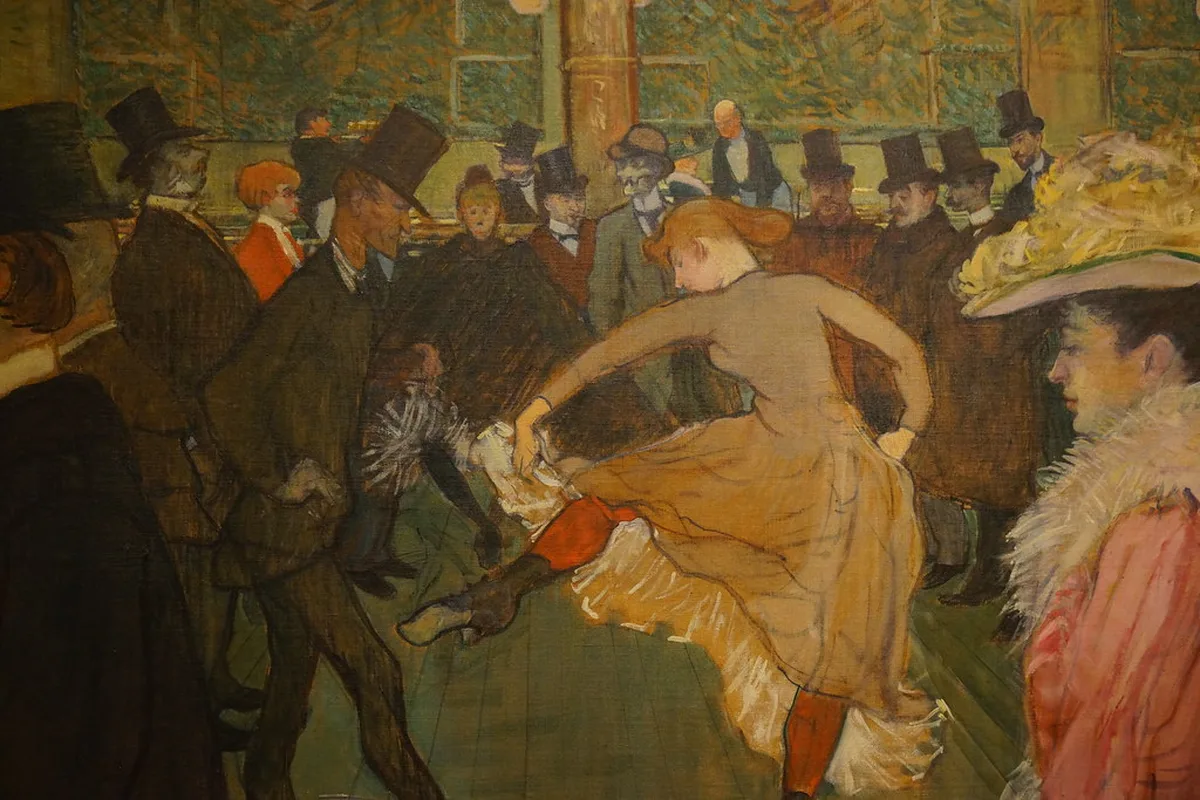
L'Étoile attracts a fashionable crowd looking for mainstream hits and a high-energy dance floor in a polished, multi-room environment in 2026. The club features impressive light shows and VIP table service for those celebrating special occasions, with table minimums from €150 for groups. Standard entrance fees range from €12 to €15 before midnight, rising to €15 on peak weekend nights, and usually include one drink at the bar. Dress to impress here, as the door policy can be stricter than at student bars — trainers and sportswear are typically turned away. Inside, the main room runs commercial house and R&B, while a smaller side room caters to retro and Latin sounds. The bar prices reflect the upscale setting, with cocktails at €12–14 and long drinks at €9–11. L'Étoile is the venue of choice for locals celebrating birthdays and special occasions in 2026, and the VIP section fills quickly on Friday nights, so advance table reservations are strongly recommended for groups of four or more.
Downtown Factory offers an industrial setting for fans of techno and house music that has grown in reputation significantly through 2025 and into 2026. The multi-level space includes three different rooms with varying musical styles — main floor techno, an upstairs disco-funk room, and a terrace bar for more relaxed listening. Entry costs €10–12 before midnight and €13–15 after, with no dress code beyond the expected smart-casual standard. It is located near the city center, making it easy to reach after a few rounds at a nearby pub and just as easy to depart by metro if you leave before 3 AM. The club often trades until 6:00 AM for the most dedicated dancers, and the bar stays competitive with beers at €5–7 and cocktails at €10–12. The sound quality across all three rooms is genuinely impressive for a mid-sized venue of this type.
Le Connexion Live serves as a versatile space that blends a bar, concert hall, and club across multiple evenings each week. You can catch a live indie or jazz band early in the evening from around 9 PM before the floor clears for a DJ set after midnight. Entry for live music nights costs €8–12 depending on the act, while club-only entry after midnight is generally €10. The vibe is inclusive and relaxed, attracting a mix of students, young professionals, and music enthusiasts in their thirties. Drinks at the bar are reasonably priced, with beers at €4–6 and cocktails at €10–12. Check their Instagram or website for the nightly schedule, as programming changes weekly and some of the best nights are announced only a few days in advance. Le Connexion Live has also expanded its programming in 2026 to include dedicated reggaeton and afrobeats nights on the last Friday of each month, drawing a younger crowd and keeping the venue at the forefront of Toulouse's evolving club scene.
Saint-Pierre and Saint-Cyprien: The Essential Bar Crawl
The natural starting point for any serious evening in Toulouse is the Place Saint-Pierre, where a cluster of bars sits within a two-minute walk of each other on the banks of the Garonne. Begin at Bar La Couleur de la Culotte, a student institution known for its cheap pitchers at €12–14 and its mismatched furniture that spills out onto the pavement. The crowd here is young, multilingual, and reliably welcoming to visitors who are clearly finding their bearings. From here, work your way along Rue de la Colombette toward La Maison, a sprawling corner bar with a wide beer selection and a terrace that faces the river, where a pint of draught lager costs €4.50. Rue de la Colombette is one of the city's great nightlife streets, connecting the energy of Place Saint-Pierre with a string of smaller bars, tapas spots, and wine cellars that reward a slow walk between drinks.
Cross the Pont Neuf to reach Saint-Cyprien for the second half of the crawl. The left bank neighbourhood offers a noticeably different energy — less hectic than Saint-Pierre, more curated, with a strong emphasis on craft beer and natural wine. Le Père Noël is a longstanding favourite, a tiny bar with no pretensions and a chalkboard of rotating craft beers from local microbreweries, priced at €5–6.50 for a 33cl pour. Around the corner, L'Arrosoir has built a loyal following since 2023 with its focus on low-intervention wines from the Languedoc-Roussillon region, glasses from €5. Both bars open their doors by 6 PM and draw a mixed crowd of students, artists, and neighbourhood regulars who know each other by name.
For food between stops, the Saint-Cyprien market square hosts several casual restaurants and a late-night crêperie that operates until 1 AM on weekends, with savoury galettes at €7–10. Completing this crawl takes approximately four hours at a relaxed pace, covering roughly 2.5 kilometres on foot across some of Toulouse's most characterful streets. The route also passes several murals from the city's thriving street art scene, giving you a cultural backdrop alongside the drinking. Cap the evening back in Saint-Pierre for one of the late-night terrace bars that stay open until 3 AM on Fridays and Saturdays, where a final nightcap costs no more than €5.
Budget roughly €30–45 per person for drinks across the full crawl, assuming three to four stops with two drinks per venue. The route is almost entirely pedestrian-friendly and well lit, and the two neighbourhoods are connected by the Pont Neuf which offers a spectacular view of the pink city skyline at night. If you are visiting in spring or summer, the warm evenings make riverside lingering between bars genuinely pleasant. This bar crawl has become one of the most recommended evening activities in Toulouse among travellers who want to avoid tourist traps and drink where the locals drink. For context on the daytime character of the streets you will walk through, the Toulouse Old Town guide covers the history behind Place Saint-Pierre and the bridges that connect the two banks.
Aperitivo and Wine Bar Scene in Toulouse
Toulouse has developed one of the most vibrant aperitivo cultures in southern France since 2023, fuelled by the proximity of the Occitanie wine region and a food scene that prizes local produce over imported trends. The city's wine bars operate in a distinct window between 6 PM and 9 PM when prices drop, kitchens send out small plates, and conversation flows before the later club-oriented crowd appears. Understanding this pre-dinner drinking culture is essential for anyone who wants to experience Toulouse nightlife the way residents actually live it, rather than arriving at 11 PM to find a bar that peaked two hours earlier.
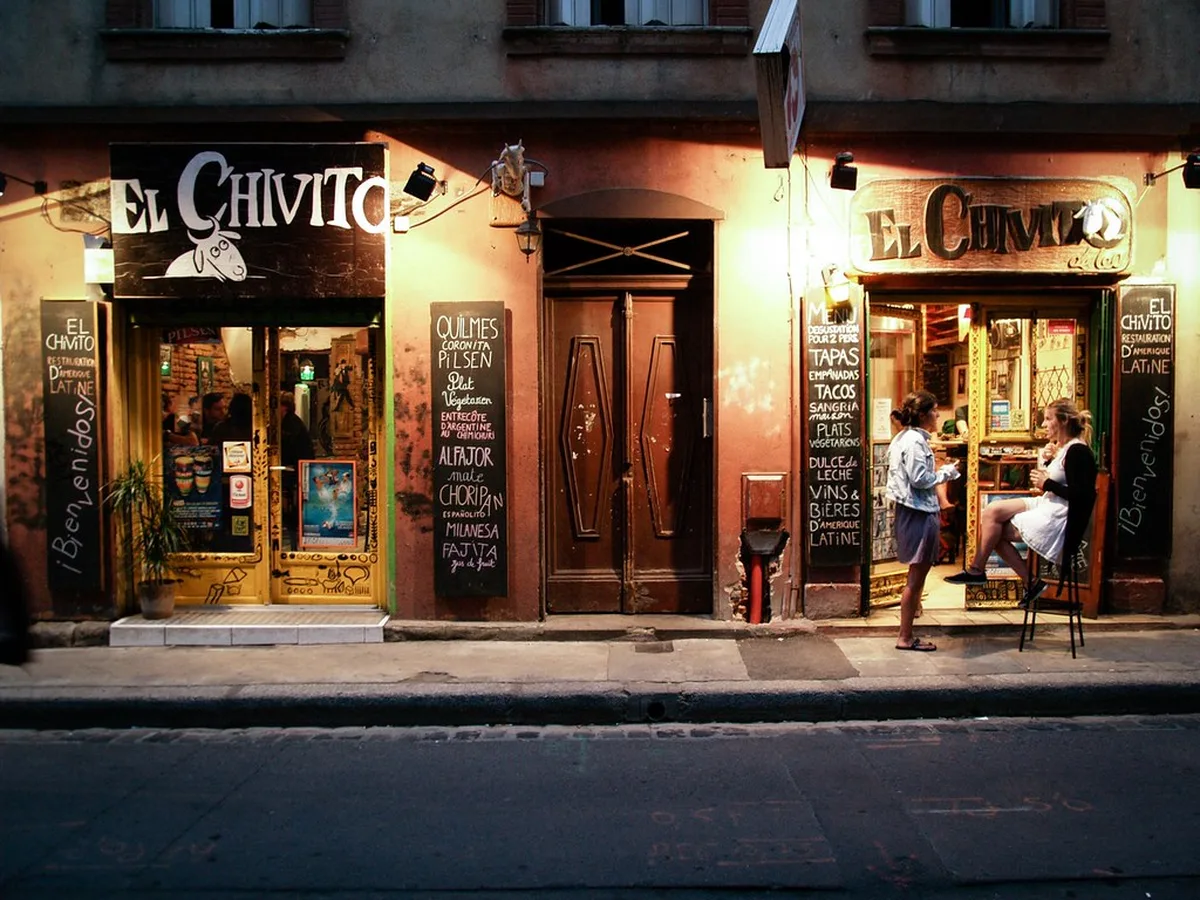
Côté Terroir on Rue de la Colombette is one of the finest examples of the new-wave Toulousain wine bar in 2026. The list focuses exclusively on natural and biodynamic producers from Gaillac, Fronton, and Minervois — all appellations within 100 kilometres of the city — with glasses priced at €5–8 depending on the cuvée. The bar serves a small but carefully curated menu of sharing plates including regional charcuterie (€9–12), sheep's milk cheese from the Pyrenees (€7–10), and a seasonal tartine that changes weekly. The owner and staff are enthusiastic guides to the list and happy to walk you through the differences between a classic Fronton Négrette and an experimental skin-contact version from the same producer. Reserve for groups of four or more on a Friday or Saturday, as the bar holds only 30 covers.
Le Tire-Bouchon near Place des Carmes has operated as a traditional French wine bar for over twenty years and remains the neighbourhood anchor for locals who prefer a glass of Côtes du Rhône at €5.50 over anything fashionable. The interior is dark wood and vintage posters, the bar stools are worn smooth, and the patron knows the name of every regular. A glass of house Bordeaux costs €4.50, rising to €7–8 for the more interesting Languedoc selections. Charcuterie and cornichon platters land for €8–10 and pair excellently with the slightly chilled Gaillac rouge that the bar recommends as its house pour in summer. Arrive by 6:30 PM to secure a stool at the zinc counter and watch the neighbourhood arrive for its evening ritual.
Bar à Vins Les Caves de la Maréchale in the Carmes district takes a more educational approach, running weekly wine tastings every Wednesday at 7 PM for €18 per person including four wines and nibbles. The format is relaxed and informal — a small group gathered around a table while the sommelier explains the terroir — and often ends with the group staying on for a second bottle of whatever was the evening's favourite. The bar's list skews toward small-production appellations from the broader southwest France zone, and the owner can often arrange direct-from-domaine purchases for visitors who want to bring a case home. Single glasses run €5–9 across a 60-label list, and the €18 Wednesday tasting represents the best value introduction to Occitanie wine available anywhere in the city centre.
The aperitivo trend has also reached the city's rooftop and elevated terrace spaces in 2026. Several hotel bars in the Capitole and Wilson squares now open their rooftop areas from 6 PM with a dedicated aperitif menu — Pastis at €6, Occitanie sparkling wine at €7, and a three-item tapas board for €11 — before transitioning to a standard cocktail operation after dark. These spots offer the dual benefit of pre-dinner drinks and a panoramic view of the terracotta rooftops that give the Pink City its name, making them an ideal first stop on any evening that begins in daylight and ends at a club. If you are also planning to explore the region's daytime offer, the day trips from Toulouse guide covers wine-country excursions to the Gaillac appellation that pair well with an evening of tasting in the city itself.
Practical Tips for a Safe Night Out
Navigating Toulouse at night is straightforward thanks to an efficient public transport network that runs later than most French cities of comparable size. Metro lines A and B run until 3:00 AM on Friday and Saturday nights, covering the main nightlife districts including Capitole, Jean-Jaurès, and Arènes for connections toward Saint-Cyprien. During the week, the last trains usually depart around midnight from the city center stations, so plan ahead if you intend to stay out later on a Tuesday or Wednesday. A single metro trip costs €1.80 in 2026, and a carnet of ten tickets costs €14.90, representing solid value for a multi-night stay. Night buses supplement the metro network from around midnight, running on reduced frequency along major corridors. If you miss the last metro, a taxi from the center to most inner neighborhoods costs €8–12, while a ride to Ramonville for Le Bikini will run €15–18 depending on demand.
Safety is a priority for most visitors, and the city center remains generally welcoming throughout the night. It is wise to read up on is Toulouse safe for tourists before exploring unfamiliar residential areas late at night. Stick to well-lit main streets and the areas immediately around the metro stations when moving between venues. Keep an eye on your belongings in crowded bars on Place Saint-Pierre, where pickpockets may target distracted groups during peak hours on Friday and Saturday nights. The area around the railway station, Matabiau, can feel less welcoming after midnight and is best avoided as a walking route unless you have a specific destination there.
Dress codes across Toulouse are typically casual but tidy for most bars and pubs. Clean jeans and a shirt are acceptable in student-heavy areas like Place Saint-Pierre and Saint-Cyprien without any issue. However, some upscale cocktail bars in the Capitole district and certain nightclubs require a more polished appearance — think smart trousers or a dress rather than shorts and trainers. Checking the venue's door policy online before you go prevents disappointment after making the journey across town. Most venues post their dress expectations clearly on Instagram or their own websites, and a quick search before heading out takes less than two minutes.
Late-night hunger can be satisfied at various kebab shops, pizza counters, and bakeries near Jean-Jaurès and around Place Saint-Pierre. Several of these spots stay open until 4:00 AM to cater to the post-clubbing crowd, and a satisfying kebab or slice of pizza costs €4–8. The area around Place Esquirol also hosts a crêperie that operates late on weekends, offering sweet and savoury options for €5–9. Always carry a small amount of cash for these late-night food stops and for tipping at bars, as some smaller vendors and cloakrooms operate on a cash-only basis. A €20 cash reserve alongside your card gives you all the flexibility you are likely to need across a full evening.
Common Mistakes to Avoid in Toulouse at Night
Many tourists make the mistake of arriving at bars too early in the evening, finding the best venues nearly empty and wondering where the famous atmosphere is hiding. Locals rarely start their night before 9:00 PM, and in the warmer months the real energy on terraces does not build until 10:00 PM or later. Arriving at 7:00 PM is a valid move only for aperitifs at the quieter wine bars in Carmes or for an early dinner before a night out. Aim to eat dinner late — between 8 PM and 9:30 PM — to align your schedule with the local rhythm and arrive at your first bar of the evening just as the crowd starts to gather. Restaurants in Toulouse typically serve until 10:30 PM, which makes a late dinner perfectly practical before a night out.
Sunday nights can be surprisingly quiet as many smaller establishments close for a weekly break or operate with reduced hours. Plan your major night out for Thursday, Friday, or Saturday to see the city at its best and most populated. Thursday is a particularly strong night due to the large student population, as many courses finish early on Fridays. Some larger pubs and live music venues remain open on Sundays, but the atmosphere is much more subdued and last orders often come an hour earlier than on weekend nights. Check operating hours on official websites or call ahead before heading out on a Sunday to avoid a wasted journey.
Drinking on the banks of the Garonne is a popular and picturesque local pastime, particularly along the Quai de la Daurade, but it comes with strict regulations that catch visitors off guard. Authorities prohibit glass bottles in certain riverside zones throughout the year to prevent accidents and litter. Posted signs near the main riverbank access points mark the restricted areas clearly. Plastic cups and cans are permitted in most zones, and several nearby bars sell drinks to go in appropriate containers for exactly this purpose. Fines can be issued by patrol officers who cover the riverbank on weekend evenings, so taking a moment to check for signage before opening a bottle is always worthwhile.
Avoid assuming that all bars offer the same pricing throughout the night. Happy hours typically run from 5 PM to 8 PM, after which drink prices rise to standard evening rates — often €1–2 more per drink than the happy hour price. Some venues also charge a small cover fee of €3–5 if there is a live band or DJ performing, even for bars that are otherwise free entry. Ask for a printed menu or check the chalkboard near the entrance to understand exactly what you will pay before ordering a round. Venues around Place du Capitole in particular tend to apply premium pricing due to the central location and tourist footfall, so always scan the menu first rather than ordering by instinct.
Frequently Asked Questions
What time do bars close in Toulouse?
Most bars in the Toulouse city center close between 1:00 AM and 2:00 AM during the working week. On Fridays and Saturdays, many establishments stay open until 3:00 AM, particularly around Place Saint-Pierre and Jean-Jaurès. Nightclubs such as Downtown Factory and Le Bikini can trade until 5:00 AM or 6:00 AM on peak nights, catering to the most committed late-night crowd.
Is there a cover charge for nightclubs in Toulouse?
Yes, most nightclubs in Toulouse charge an entrance fee of €10–15 in 2026, which often includes one complimentary drink at the bar or covers cloakroom access. Student-oriented clubs may offer discounted entry of €8–10 before midnight on certain nights, particularly Thursdays. High-profile DJ events at venues like Le Bikini can command entrance fees of €20–25, so booking in advance online is advisable for these nights.
Are taxis and Ubers available late at night in Toulouse?
Taxis and ride-sharing services including Uber and Bolt are widely available throughout the city center throughout the night. Designated taxi ranks operate near Place du Capitole and Jean-Jaurès metro station, making pick-up straightforward without needing to book in advance. Fares increase after midnight due to standard night tariffs, so a typical city-center journey costs €8–12, while a ride to the Ramonville club district runs €15–18.
How much does a night out in Toulouse cost?
A typical night out in Toulouse in 2026 costs €40–70 per person including drinks and a nightclub entry. Budget evenings focused on the student bars around Place Saint-Pierre can come in under €30, with draught beers at €4–6 and no cover charge at most venues. Add a nightclub entry of €10–15 and two to three cocktails at €10–14 each and the total rises accordingly. Dining beforehand at a mid-range restaurant adds €15–25 per person for a two-course meal with wine.
What is the best neighbourhood for nightlife in Toulouse?
Place Saint-Pierre is the best neighbourhood for high-energy student nightlife in Toulouse, with the densest concentration of bars and the most active outdoor terrace scene. The Capitole district suits visitors looking for cocktail bars and a more sophisticated atmosphere, with drinks running €10–14. Saint-Cyprien on the left bank is the top choice for a bohemian, local experience with craft beer bars and natural wine venues that stay under the tourist radar.
Does Toulouse have a good live music scene?
Yes, Toulouse has a strong live music scene for a city of its size. Le Bikini in Ramonville is the flagship venue, hosting international touring acts across rock, electronic, and hip-hop. Le Connexion Live in the city center programs indie, jazz, and world music most nights of the week, with entry from €8–12. Smaller bars in Saint-Cyprien and around Jean-Jaurès host regular acoustic and jazz sessions that are free or charge a modest €3–5 door fee.
What wine should I try at Toulouse bars and wine bars?
Toulouse wine bars in 2026 champion local Occitanie appellations. Order a Fronton Négrette (€5–7 a glass) — a grape found almost nowhere else in the world, grown just 25 kilometres north of the city. Gaillac blanc and Gaillac perlé (a lightly sparkling white) are the best aperitif choices at €5–6, while Minervois and Saint-Chinian reds deliver excellent value at €5–8. Ask the bar staff at N°5 Wine Bar or Côté Terroir on Rue de la Colombette for their current recommendation by-the-glass.
Is Toulouse nightlife safe compared to other French cities?
Toulouse nightlife is generally safe for visitors in 2026, particularly in the main student areas around Place Saint-Pierre and the Capitole district. The presence of a large university population means bars are well-accustomed to international visitors and the atmosphere is inclusive. Standard precautions apply: watch your belongings in crowded venues, avoid poorly lit side streets after 2 AM, and plan your transport home before the metro closes. For detailed neighbourhood safety information, read the full guide on is Toulouse safe for tourists.
Toulouse offers a rich and varied nightlife that caters to every type of traveler in 2026, from budget students nursing €4 pints on Place Saint-Pierre to cocktail enthusiasts spending €14 a glass in the Capitole district. The combination of historic charm and youthful energy creates a unique atmosphere for evening exploration unlike most other French cities.
Remember to pace yourself and enjoy the local flavors of the Occitanie region — the wines of Gaillac and Fronton, the craft beers of local microbreweries, and the Armagnac-based cocktails that bartenders across the city have embraced in 2026. Taking the time to understand the local transport and safety rules ensures a stress-free experience that lets you focus on enjoying rather than worrying. The metro running until 3 AM on weekends removes much of the logistical complexity of a long night out.
If you have more time, consider exploring some day trips from Toulouse to see the surrounding countryside, from the medieval ramparts of Carcassonne to the vineyards of the Minervois. Fans of nightlife elsewhere in France may also enjoy reading the Bordeaux nightlife guide for comparison with the Pink City's scene. The Toulouse beach guide covers the seasonal riverside lidos that serve as a perfect afternoon warm-up before a big night out in summer. Safe travels and enjoy your night out in this beautiful and underrated French city.