The Ultimate Bordeaux Old Town Guide for 2026 Travelers
Bordeaux old town is a UNESCO World Heritage Site covering 1,810 hectares of 18th-century neoclassical architecture — the largest urban heritage zone in France. Entry to the Miroir d'eau is free; the Cité du Vin charges €22 per adult in 2026.
A single TBM tram ticket costs €1.70 in 2026 and connects the historic center to every major landmark, including Place de la Bourse and the Grand-Théâtre de Bordeaux, within 15 minutes.
Stepping into the historic center of Bordeaux feels like walking through a living museum of 18th-century French elegance. This UNESCO World Heritage site offers a stunning blend of medieval roots and grand neoclassical architecture for every visitor. Our comprehensive Bordeaux 3-day itinerary can help you organize your time efficiently across these districts. Travelers often fall in love with the limestone facades and vibrant street life that define this French coastal city.
Exploring the Historic Saint-Pierre District
Walking through the narrow cobblestone streets of the Saint-Pierre district serves as the perfect introduction to the city's past. This historic core remains the vibrant soul of Bordeaux, where ancient stone facades now house modern boutiques. Visitors should prioritize exploring this area on foot to appreciate the intricate carvings found on centuries-old limestone buildings. Most travelers find that spending a full afternoon here provides enough time to soak in the unique atmosphere and photograph the remarkably intact streetscapes.
Rue du Loup and Rue des Argentiers offer some of the most picturesque views for amateur and professional photographers. You can find independent craft shops and artisanal bakeries tucked away in these quiet, winding alleys. Local shops often open around ten in the morning and close for a short break during the mid-afternoon. Expect to pay about €10–€12 for a light lunch at one of the neighbourhood's many small cafes in 2026.
The cultural offering within Saint-Pierre rewards any traveler willing to duck into its smaller institutions. The Musée d'Aquitaine, located just south of the district at 20 Cours Pasteur, charges €6 per adult in 2026 and houses over 1.4 million artefacts spanning prehistoric Aquitaine to the Atlantic slave trade. The permanent collection is free on the first Sunday of each month, open Tuesday to Sunday from 11:00 AM to 6:00 PM. The museum's ground floor contains one of the finest Gallo-Roman collections outside Paris, including a remarkable mosaic floor excavated nearby. Plan at least 90 minutes to do it justice without feeling rushed.
As evening approaches, the district transforms into a lively hub for social gatherings and casual dining. Check out our Bordeaux nightlife guide to find the best wine bars located within these medieval walls. Many bars offer local flights of Saint-Émilion or Médoc wines starting at roughly €15 per person. Reservations are highly recommended on Friday and Saturday nights when the local crowds are at their peak.
The Place du Parlement stands as a highlight of the district with its beautiful fountain and surrounding terrace seating. This square serves as a central meeting point for walking tours and locals enjoying their daily espresso. Grab a seat at a corner table to watch the world go by beneath the ornate balconies carved in pale Gironde limestone. Afternoon coffee usually costs €2.50–€3.50 if you choose to sit outside and enjoy the view, which remains one of the best bargains in any UNESCO old town in France.
Iconic Landmarks of the Old City
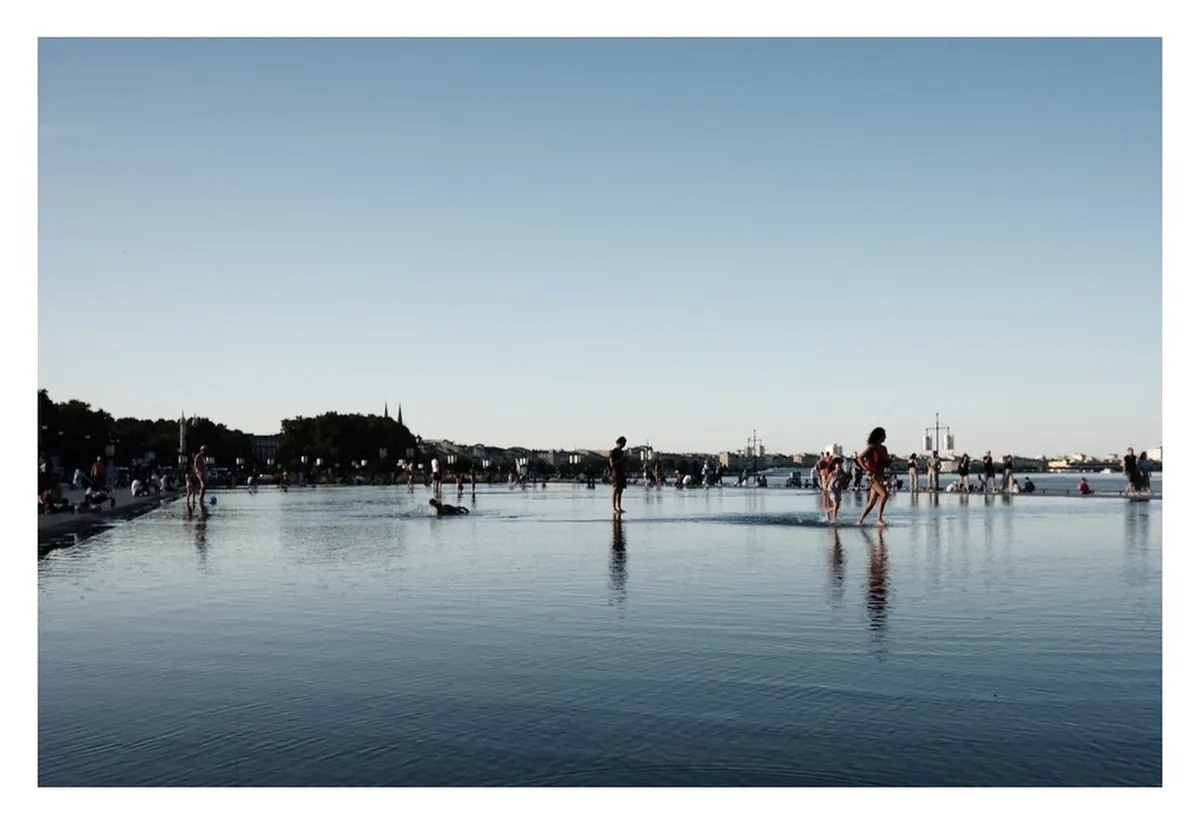
The Place de la Bourse remains the most recognizable landmark in any Bordeaux old town guide for modern travelers. Its grand facade reflects perfectly in the Miroir d'eau, creating a stunning visual effect that attracts thousands of visitors every day. This area represents the city's transition from a walled medieval fortress to a major European maritime power. Photography is best during the blue hour when the building lights begin to glow against the darkening sky and the flat water acts as a perfect mirror.
The Miroir d'eau — or Water Mirror — is the world's largest reflecting pool at 3,450 square metres, installed in 2006. It operates on a continuous cycle: a thin sheet of still water creates mirror reflections for roughly 20 minutes, then a misting phase produces a rolling fog before the basin drains and refills. Children often play in the water during the hot summer months when temperatures on the quay can exceed 30°C. The mirror operates daily from 10:00 AM to 10:00 PM throughout the warmer seasons and is free to visit year-round.
The Bordeaux Museum of Fine Arts (Musée des Beaux-Arts de Bordeaux) at 20 Cours d'Albret sits just a short walk from Place de la Bourse and is among the oldest public art museums in France, opened in 1801. General admission is €5 per adult in 2026, open Tuesday to Sunday from 11:00 AM to 6:00 PM, with free entry every first Sunday of the month. The permanent collection spans Dutch Golden Age masters, Flemish paintings, French Impressionists, and a rotating contemporary wing. Visitors typically spend 60–90 minutes here; the upstairs galleries overlooking the Hôtel de Ville gardens are particularly worth seeking out.
Further south stands the majestic Porte Cailhau, a 15th-century gateway that once served as the primary entrance into the walled city. This monument offers sweeping views of the Garonne River and the rooftops of the old town from its upper platform. Travelers can learn about the city's defensive history through small exhibits located inside the tower's stone chambers. Entry costs approximately €5 for adults in 2026, open daily from 10:00 AM to 1:00 PM and 2:00 PM to 6:00 PM, making it an affordable way to see the city from a historical vantage point.
The Grosse Cloche is another essential stop for those exploring Bordeaux's medieval heritage. This massive bell tower was once part of the town hall and served as a prison for minor offenders in the 15th century. It rings only a few times per year during major national holidays and special local celebrations. The CAPC Museum of Contemporary Art is also within easy walking distance at 7 Rue Ferrère, charging €7 per adult in 2026 and housed inside a stunning 19th-century colonial warehouse near the quays, open Tuesday to Sunday from 11:00 AM to 6:00 PM. The surrounding streets are filled with charming boutiques selling traditional French linens and specialty food items.
Cité du Vin: Bordeaux's World-Class Wine Museum
No Bordeaux old town guide is complete without covering the Cité du Vin, the city's extraordinary museum dedicated to the universal culture of wine. Opened in 2016 and designed by the architectural firm XTU to resemble a swirling decanter, the building has become an icon of modern Bordeaux visible from the Garonne quays. It is located at 134 Quai de Bacalan in the Bassins à Flot neighbourhood, a 20-minute walk north from the Chartrons district or a five-minute tram ride on Line B to the Cité du Vin stop.
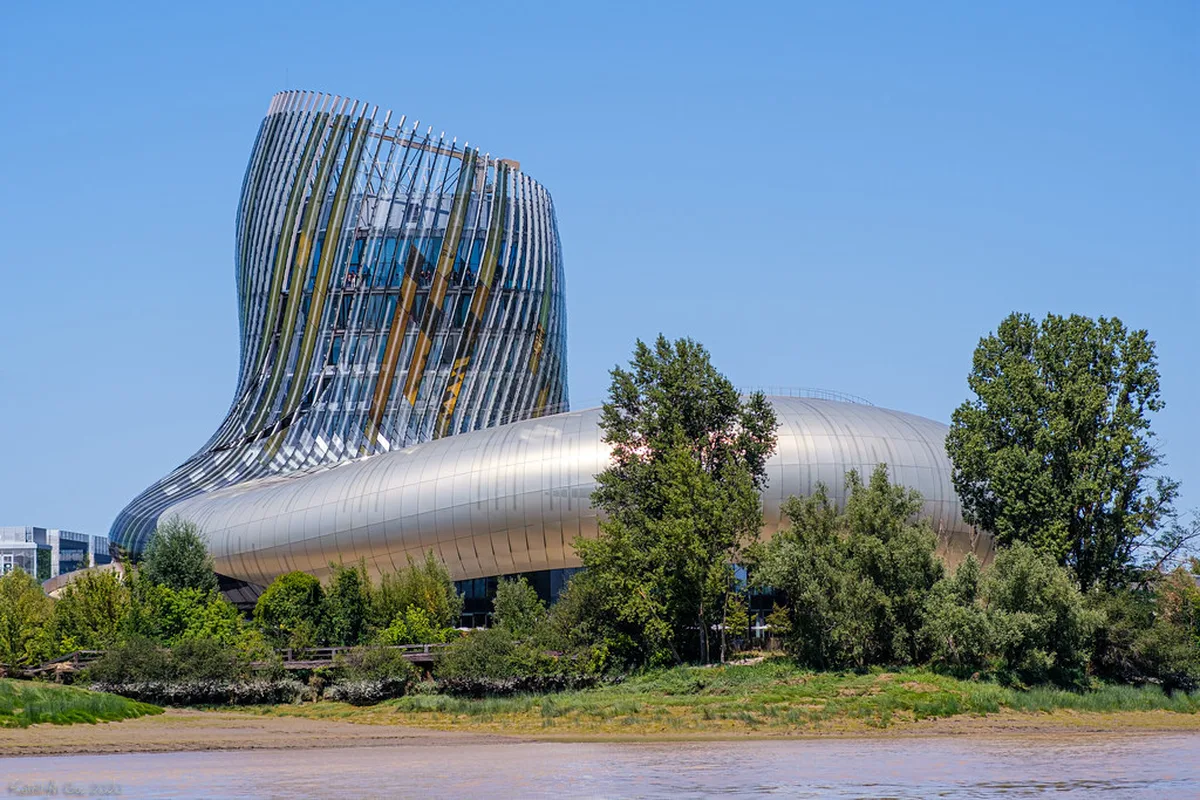
Admission in 2026 costs €22 per adult, €11 for students and young adults aged 18–25, and free for children under 18 — this price includes a glass of wine or grape juice at the Belvédère panoramic bar on the top floor, which offers one of the best 360-degree views of Bordeaux you will find anywhere. The museum is open daily from 10:00 AM to 6:00 PM, with extended hours until 7:00 PM on Fridays and Saturdays during the summer season. Booking your ticket online in advance is strongly recommended, particularly from June through September when queues at the door can exceed 45 minutes.
Inside, the permanent exhibition covers 20 themed modules spread across three floors, taking visitors on an immersive journey through the history, geography, and culture of wine production worldwide — from ancient Egypt and Roman amphorae to modern Napa Valley viticulture. Audio guides are included in the admission price and available in 14 languages. Interactive stations allow visitors to test their ability to identify wine aromas, understand soil types, and match wines to dishes. Even travelers with no prior interest in wine typically find the experience engaging and educational.
The Cité du Vin also hosts temporary exhibitions, evening tasting events, and masterclasses priced at €35–€90 per person depending on format. The ground-floor restaurant, Le 7, serves modern French cuisine with a wine-pairing focus and offers a two-course lunch menu for €28 in 2026. The wine shop inside stocks bottles from over 60 wine-producing countries and makes an excellent stop for bringing home a high-quality souvenir. Combining the Cité du Vin with the adjacent Bassins à Flot district — Bordeaux's revitalised industrial waterfront — makes for an outstanding full-day excursion that complements the historic old town experience. For those wanting to build the Cité du Vin into a broader trip, our Bordeaux City Pass guide explains how to include it for free with the 48-hour and 72-hour pass options.
The Chartrons Antiques District: Bordeaux's Hidden Quarter
Running north from the quays along the Rue Notre-Dame and its side streets, the Chartrons district is Bordeaux's most characterful neighbourhood and the part of the old town that most visitors miss entirely. For centuries this was the wine merchants' quarter — négociants from Holland, Ireland, and Germany settled here to trade Bordeaux wines and left behind a grid of elegant 18th-century townhouses that feel distinctly un-French in their Protestant restraint. Today that same grid is home to the city's most concentrated cluster of antique dealers, vintage boutiques, and independent art galleries.
Rue Notre-Dame itself is the spine of the district, lined with a dozen serious antique shops selling everything from Louis XVI armchairs to Belle Époque jewellery. Prices are negotiable on larger pieces; for smaller objects expect to pay €30–€150 for quality vintage glassware and faience. The Sunday brocante market on the quays adjacent to Chartrons draws local dealers and collectors from across Gironde, running from 9:00 AM until 2:00 PM. It is free to browse and the best time to find genuinely affordable finds before the regular week-day dealers set prices.
The Musée du Vin et du Négoce (Wine and Trade Museum) is tucked inside a 17th-century Chartrons wine warehouse at 41 Rue Borie, open Tuesday to Sunday from 10:00 AM to 6:00 PM. It tells the story of the négociant trade with original barrels, merchants' ledgers, and a tasting cellar. Admission is €10 per adult in 2026 and includes a glass of Bordeaux AOC wine at the end of the guided tour. The museum closes on Tuesdays and is best visited in the morning before the small tasting room fills up.
Art lovers will find a concentration of contemporary galleries between Rue Notre-Dame and Place du Marché des Chartrons. Most are free to enter and change their exhibitions monthly. The square itself hosts a farmers' market every Saturday and Sunday morning where producers from the Gironde sell oysters, foie gras, and seasonal vegetables directly to consumers. Budget €8–€12 for a dozen Arcachon oysters eaten at one of the standing tables on the square — a quintessentially local Bordeaux experience that rarely appears in tourist guides.
Walking the Chartrons riverfront quay between Chartrons and the Pont de Pierre bridge at sunrise or sunset offers arguably the finest view of Bordeaux's UNESCO skyline. The entire 4.5 km quay has been pedestrianised and is dotted with public art installations. From the quay you can see the full sweep of Place de la Bourse, the spire of the Grosse Cloche, and the twin towers of the Porte de la Monnaie reflected in the Garonne — a photograph worth waking up early to take.
Navigating the Pedestrian Historic Center
Navigating the old town is relatively straightforward because a large portion of the center is entirely pedestrianised. Trams A, B, and C provide efficient connections between the historic core and the rest of the city. Most visitors find that the tram system is the fastest way to travel between major landmarks like the Grand-Théâtre de Bordeaux and Place de la Victoire. A single journey ticket costs €1.70 in 2026 and remains valid for one hour after validation, allowing transfers between tram lines at no extra cost.
The TBM (Transports Bordeaux Métropole) app lets you plan journeys, buy tickets digitally, and check live tram times. A 10-journey carnet costs €14.50, reducing the per-trip cost significantly for visitors spending two or more days in the city. Day passes valid on all trams and buses cost €4.70 in 2026 and represent excellent value if you plan to make more than three tram journeys in a single day. Validate your ticket on the yellow readers inside the tram immediately after boarding to avoid a €60 on-the-spot fine from inspectors.
Driving into the historic center is often difficult due to restricted Low Emission Zone (ZFE) regulations and very narrow medieval streets that predate any concept of motor traffic. If you arrive by car, we recommend checking our guide on parking in Bordeaux to find secure underground garages near the old town perimeter. Public parking at the Mériadeck multi-storey garage costs around €2 per hour and is an eight-minute tram ride from Place de la Bourse. Daily rates in central surface lots often exceed €25 during the peak summer season, making public transport a far smarter choice.
Walking remains the best way to discover hidden courtyards and small plazas that vehicles cannot reach at all. Comfortable shoes are a necessity as the historic cobblestones can be uneven and slippery when it rains, especially on the smooth granite sets near the cathedral. Plan your route to include the Rue Sainte-Catherine, which is the longest pedestrian shopping street in all of Europe at over one kilometre. This bustling thoroughfare connects the old town core to the newer districts south of Place de la Victoire and is lined with international chains, independent bookshops, and affordable crêperies.
General safety in the historic center is excellent, but travelers should still remain aware of their surroundings in busy spots. You can read more about local tips in our article on is Bordeaux safe for tourists for full peace of mind. Pickpocketing can occasionally occur in crowded areas like the Saint-Michel market or near major tram stops at rush hour. Keeping your belongings secure in a zipped bag worn at the front will help you enjoy your walk without any unnecessary stress.
Avoiding Common Tourist Mistakes in Bordeaux
Many travelers make the mistake of only eating at the large restaurants located directly on the main squares. These establishments often charge 20–30% higher prices for food that may lack the authentic quality of smaller side-street bistros. Walking just two blocks away from the Place de la Comédie can lead you to genuinely excellent local cooking. You will frequently find fixed-price lunch menus (le menu du midi) for €15–€20 in these quieter residential pockets, including a starter, main, and a glass of local wine.
Timing your visit to the Miroir d'eau is another crucial factor for a successful experience in the old town. Avoid the mid-afternoon hours during the summer when the area becomes extremely crowded with large tour groups and the mist dissipates quickly in direct sun. Early morning visits — ideally before 9:00 AM — offer the calmest atmosphere and the sharpest mirror reflections of the Place de la Bourse. The water feature is typically switched off from November through March for maintenance and to prevent damage during frost, so check the city's official calendar before planning your visit around it.
Booking your wine tastings and cellar tours well in advance is essential for any trip to this region. Many visitors assume they can simply walk into a wine bar for a full guided tasting experience but premier venues are often fully booked days ahead. Popular spots in the city center fill up weeks in advance during the September harvest season and the November Primeurs weekend. Use the official Bordeaux Tourisme booking platform to secure your spot and avoid disappointment upon arrival.
A common planning mistake is trying to cover the museum circuit and the Chartrons district in a single afternoon. The CAPC at €7, the Musée des Beaux-Arts at €5, and the Musée d'Aquitaine at €6 each deserve at least 90 minutes. Visiting all three museums plus the Miroir d'eau and Saint-Pierre in one day leads to cultural fatigue and rushed photography. Spread your museum visits across two days, pairing one morning museum session with afternoon free-roaming in whichever neighbourhood is adjacent. This pacing lets you appreciate the city at a French rhythm rather than a tourist circuit.
Decision criteria for your daily itinerary should include a balance between famous landmarks and quiet residential exploration. While the Cathedral Saint-André is magnificent — and free to enter — the smaller churches like Saint-Seurin and Saint-Michel offer more intimate historical experiences without the crowds. Spending time in the local markets can provide a deeper look into the culinary traditions of the Aquitaine region, from Arcachon oysters to jambon de Bayonne. These markets are most active on Saturday and Sunday mornings before the midday heat sets in during the summer months.
Essential Travel Planning for 2026
Planning your visit for 2026 requires a bit of foresight regarding the best times to enjoy the outdoor attractions. Late spring and early autumn typically offer the most pleasant weather for walking through the historic districts without dealing with peak-summer crowds. May and June provide long daylight hours and blooming public gardens throughout the city center. Expect average temperatures to range between 18°C and 24°C during these shoulder months, with low rainfall compared to the Atlantic-influenced winters.
Purchasing a Bordeaux City Pass can save a significant amount of money on transport and museum entries for visitors planning a packed itinerary. This pass includes unlimited access to the TBM tram network, free entry to the Cité du Vin (worth €22 alone), and discounts at over 20 partner museums and attractions. A 48-hour adult pass costs €45 in 2026, rising to €55 for a 72-hour version. It is a sound investment if you plan to visit at least three major attractions and make daily use of the tram network during your stay.
Three days is the ideal duration for a first-time visit to the old town and its surroundings. This timeframe allows for a deep dive into the Saint-Pierre district, a full morning in Chartrons, and a possible half-day trip to a nearby vineyard in Saint-Émilion. You will have enough time to enjoy long French lunches without feeling rushed between different historical sites. Many travelers choose to extend their stay to explore the Atlantic coast beaches at Arcachon (45 min by train, €10–€14 return) or the prehistoric cave paintings of the Dordogne valley. Our day trips from Bordeaux guide covers all the best options with journey times and ticket prices.
Keep in mind that many museums and smaller shops close on Mondays throughout France. Plan your most important sightseeing for Tuesday through Saturday to ensure everything on your list is accessible. Sunday mornings are perfect for visiting the riverfront brocante and the Chartrons farmers' market where locals buy fresh Arcachon oysters and seasonal Gironde produce. Always check the official websites of major monuments for any temporary closures or special event schedules before you depart, as renovation works occasionally affect access to specific galleries or towers.
- Top neighbourhoods to explore in the center
- Saint-Pierre: Medieval heart
- Saint-Michel: Bohemian vibe
- Chartrons: Antiques and wine merchants
- Hôtel de Ville: Grand neoclassical architecture
- 2026 museum admission prices
- Cité du Vin: €22 (includes panoramic bar wine)
- CAPC Museum of Contemporary Art: €7
- Musée des Beaux-Arts: €5
- Musée d'Aquitaine: €6
- Porte Cailhau: €5
- Tram single ticket: €1.70
Frequently Asked Questions
Is the Bordeaux old town walkable for most tourists?
Yes, the old town is exceptionally walkable due to its flat terrain and extensive pedestrian zones. Most major landmarks — Place de la Bourse, Porte Cailhau, and the Grosse Cloche — are within a 20-minute walk of each other, and the historic core is largely car-free. For longer cross-city journeys, the TBM tram network runs frequently with a single ticket priced at €1.70 in 2026.
When is the best time of day to visit the Miroir d'eau?
The best time to visit the Miroir d'eau is before 9:00 AM, when crowd numbers are at their lowest and the still-water mirror phase produces the clearest reflections of the Place de la Bourse facade. Evening visits from around 9:00 PM are equally rewarding when the neoclassical facade is illuminated. The mirror operates from 10:00 AM to 10:00 PM in the warmer months and is free of charge year-round.
How much does the Cité du Vin cost in 2026?
The Cité du Vin charges €22 per adult in 2026, €11 for students and young adults aged 18–25, and free for children under 18. The admission price includes a glass of wine or grape juice at the Belvédère panoramic bar on the top floor. The museum is open daily from 10:00 AM to 6:00 PM, with extended hours until 7:00 PM on Fridays and Saturdays in summer. Booking online in advance is strongly recommended during June through September to avoid queues exceeding 45 minutes at the door.
Are there good day trips from the Bordeaux old town?
Several outstanding day trips are accessible from Bordeaux's central train station (Gare Saint-Jean), a 15-minute tram ride from the old town. The medieval village of Saint-Émilion is 35 minutes by train and costs around €11 return in 2026. Arcachon Bay and its giant sand dune are 45 minutes away for approximately €12 return. You can find a full curated list with transport details in our day trips from Bordeaux guide.
What should I wear when exploring the historic center?
Comfortable flat-soled walking shoes are the single most important item to pack because the historic cobblestones are uneven and become slippery when wet. Casual but neat clothing is appropriate for most restaurants and wine bars in the city. A light waterproof jacket is advisable year-round given Bordeaux's Atlantic climate, where brief showers can arrive without much warning even during summer.
How much do museums cost in Bordeaux old town in 2026?
Museum admission in Bordeaux's old town is reasonably priced in 2026. The CAPC Museum of Contemporary Art at 7 Rue Ferrère charges €7, the Musée des Beaux-Arts at 20 Cours d'Albret charges €5, and the Musée d'Aquitaine at 20 Cours Pasteur charges €6. The Porte Cailhau medieval gateway costs €5. All three major museums offer free entry on the first Sunday of each month, which is an excellent option for budget-conscious travelers.
What is the Chartrons district and is it worth visiting?
The Chartrons district is Bordeaux's historic wine-merchant quarter, located north of the quays along Rue Notre-Dame. It is well worth visiting for its antique shops, independent galleries, and the Sunday brocante market on the waterfront (9:00 AM–2:00 PM, free to browse). The Musée du Vin et du Négoce inside a 17th-century warehouse at 41 Rue Borie charges €10 per adult and includes a wine tasting. The neighbourhood is free to explore and offers a quieter, more local atmosphere than the central tourist circuit around Place de la Bourse.
A visit to the historic center of Bordeaux offers a perfect mix of grand history, world-class museums, and modern French culture in 2026.
By following this guide, you can navigate the winding streets of Saint-Pierre, discover the Miroir d'eau at its most photogenic, experience the Cité du Vin (€22, panoramic bar included), and explore the antique-filled Chartrons quarter that most itineraries overlook.
Remember to book your wine tours early, validate your €1.70 tram ticket on boarding, and take advantage of the city's free first-Sunday museum policy.
We hope your journey through this UNESCO World Heritage site is filled with unforgettable sights, excellent Bordeaux wine, and the unhurried pleasure of a city that rewards slow exploration.