Bordeaux Walking Tour Guide
Exploring this historic French city on foot allows you to appreciate every intricate architectural detail at your own pace. A professional bordeaux walking tour reveals the secrets behind the grand 18th-century facades and the legendary wine culture. Visitors often find that the flat terrain makes the city center remarkably accessible for all fitness levels and ages. You will discover why this destination earned its place as a protected UNESCO World Heritage Centre - Bordeaux site.
Modern travelers can choose between structured group outings or flexible digital maps that guide them through winding medieval streets. Walking through the city feels like visiting an open-air museum where every corner tells a story of maritime wealth. The local atmosphere changes beautifully from the morning markets to the vibrant evening scenes near the Garonne River. Planning your route in advance ensures you hit the major landmarks while finding those quiet, hidden squares locals love.
Must-See Landmarks on a Bordeaux Walking Tour
The Place de la Bourse stands as the most iconic starting point for any bordeaux walking tour because of its symmetry. Directly across from this grand square, the Miroir d'eau provides a stunning reflection of the classic French architecture. Photographers should visit this spot during the golden hour to capture the most vibrant colors on the water's surface. Explore the historic streets with our Bordeaux 3-day itinerary for a complete city experience.
Walking further into the center brings you to the Saint-André Cathedral, a masterpiece of Gothic design with a separate bell tower. The Pey-Berland Tower offers a challenging climb but rewards visitors with a panoramic view of the entire metropolitan area. Nearby, the Port Cailhau serves as a majestic gateway that once defended the city from invaders during the medieval era. This structure looks like something from a fairy tale with its pointed roofs and intricate stone carvings above the entrance.
The Grosse Cloche remains one of the oldest belfries in France and serves as a beloved symbol of local pride. Walking beneath its massive archway transports you into the heart of the Saint-Eloi neighborhood where history feels very much alive. Many guided tours pause here to explain the bell's role in announcing important events throughout the many centuries. Check the official Bordeaux Tourism Official Site for current opening hours of these historic monuments.
- Place de la Bourse
- Highlight: Miroir d'eau
- Best for: Iconic photography
- Cost: Free access
- Style: 18th-century grandeur
- Saint-André Cathedral
- Highlight: Pey-Berland Tower
- Best for: City views
- Cost: Small tower fee
- Style: Gothic architecture
- Port Cailhau
- Highlight: Medieval gateway
- Best for: History buffs
- Cost: Entry fee applies
- Style: Flamboyant Gothic
Museums, Art, and Culture Along the Route
Bordeaux is often called the 'Sleeping Beauty' because its historic center remained largely unchanged for several decades. The city boasts over 350 protected buildings, making it one of the largest urban UNESCO sites in the world. A deeper look at the Bordeaux old town guide helps you navigate these dense cultural zones. You will notice the warm, creamy glow of the buildings which comes from the local 'Blond Stone' limestone.
Look closely at the windows and doorways to spot the 'mascarons' which are unique stone faces carved into the walls. There are over 3,000 of these sculptures throughout the city, each representing different mythical figures or historical characters. These faces were originally designed to ward off evil spirits while showing off the wealth of the building owners. Identifying these carvings adds an interactive layer to your bordeaux walking tour that many casual visitors completely miss.
The Grand Théâtre stands as a beacon of neoclassical art with its twelve Corinthian columns and statues of muses. Inside, the opulent auditorium hosts world-class opera and ballet performances that draw crowds from across the European continent. Walking around the exterior allows you to appreciate the scale of 18th-century urban planning that defined the modern city. Many cultural routes also include the Musée d'Aquitaine to provide context on the region's long and complex history.
Parks, Gardens, and Outdoor Spaces in Bordeaux
The Jardin Public offers a peaceful escape from the stone-paved streets with its manicured lawns and quiet lake. Established in the 18th century, this English-style park features a botanical garden and a small puppet theater for children. It is the perfect place to enjoy a local pastry while watching the swans glide across the water. Walking through these green paths provides a refreshing break during a long day of sightseeing in the city.
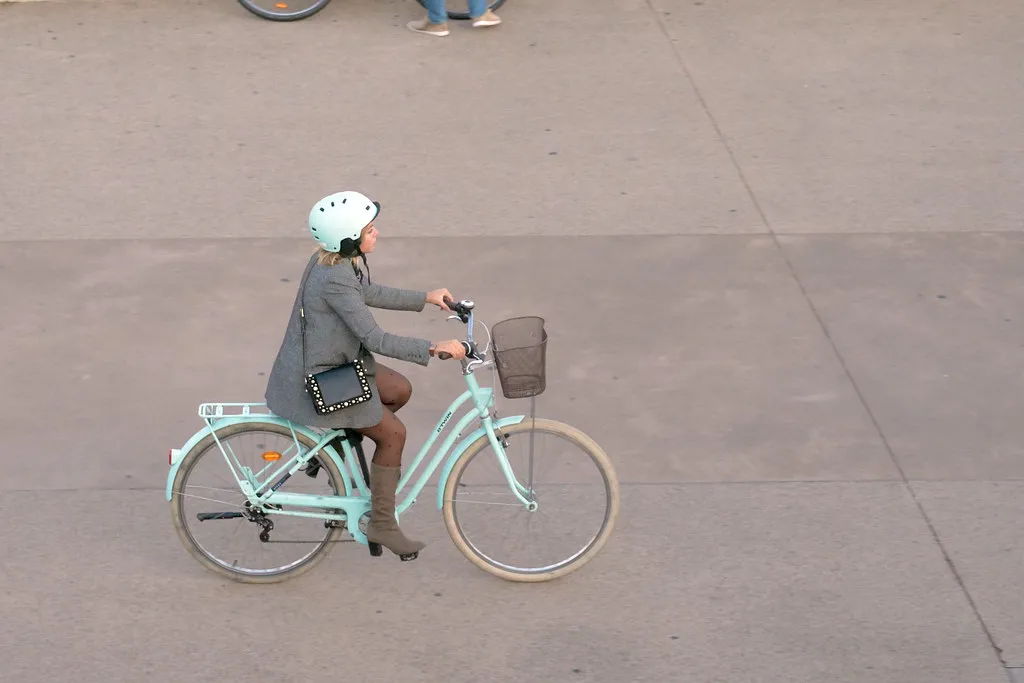
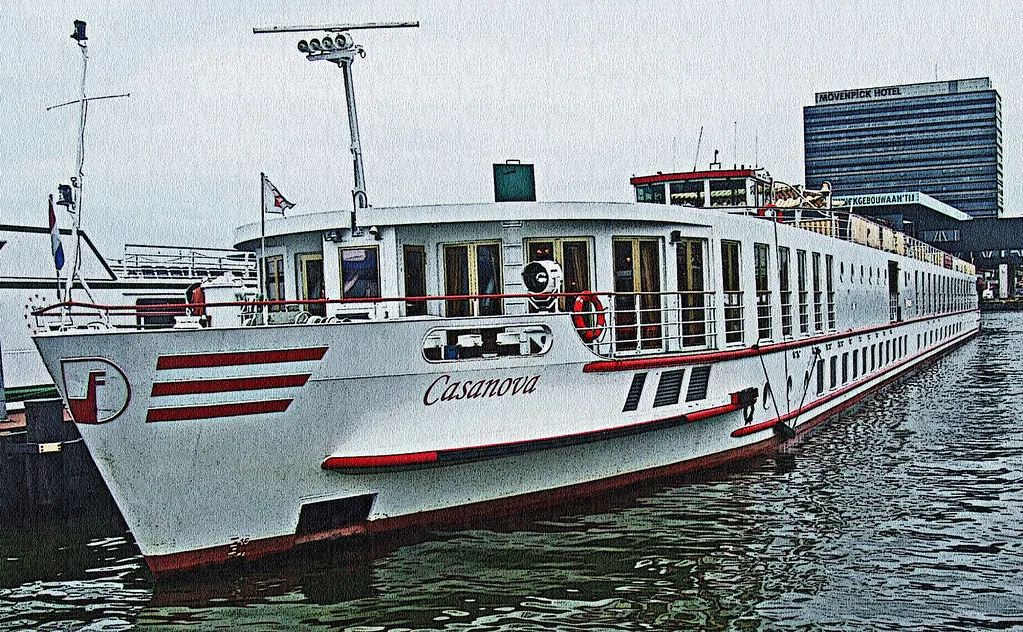
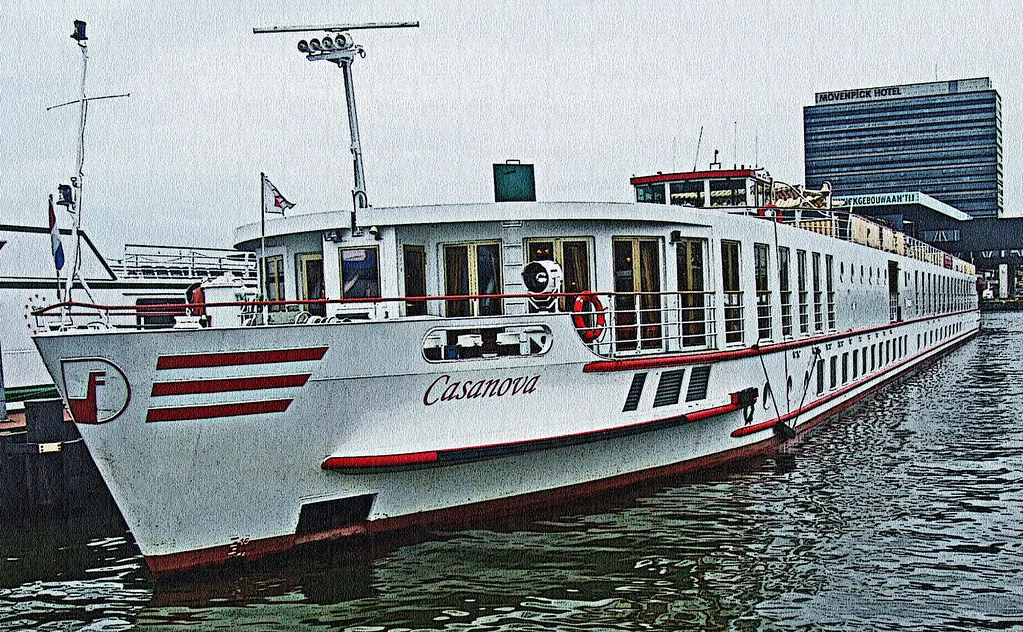
The quayside along the Garonne River has been transformed into a vibrant promenade for walkers and cyclists alike. This wide path stretches for several kilometers and offers incredible views of the historic skyline and modern bridges. You can watch the river cruise ships dock while enjoying the cool breeze that often blows off the water. Many locals use this space for evening strolls when the city lights begin to twinkle against the darkening sky.
Crossing over to the right bank leads you to the Parc aux Angéliques, which feels much wilder than the central gardens. This area provides a unique perspective of the left bank's classical architecture from across the moving river. The botanical garden on this side of the water focuses on regional flora and sustainable urban landscaping techniques. It serves as a quiet alternative for those who want to avoid the busier tourist areas in the historic core.
Family-Friendly and Budget-Friendly Walking Options
Families traveling with children will find that the city center is mostly pedestrianized, making it very safe for little ones. The distances between major landmarks are relatively short, which helps keep younger explorers engaged without getting too tired. Safety is a top priority for parents, so reviewing if Bordeaux is safe for tourists can provide extra peace of mind. Many squares feature fountains and open spaces where kids can run around while parents enjoy a quick coffee.
Budget-conscious travelers should look for 'Free Walking Tours' which operate on a tips-only basis rather than a fixed fee. These tours are led by passionate locals who provide high-quality information in exchange for whatever you feel the experience was worth. It is a transparent system that ensures the guides work hard to provide an entertaining and educational journey. Always check the meeting points in advance, as these popular tours can fill up quickly during the peak summer months.
Create your own 'Mascaron Scavenger Hunt' to keep the family entertained as you navigate the different historic neighborhoods. Challenge the children to find the funniest or scariest stone face carved into the buildings along the walking route. This activity turns a standard history lesson into a fun game that encourages everyone to look up and notice details. Pack a picnic from the Marché des Capucins to save money while enjoying lunch in one of the beautiful public parks.
Guided vs. Self-Guided: Choosing Your Experience
Choosing between a guided bordeaux walking tour and a self-guided adventure depends on your personal travel style and goals. Professional guides offer deep historical context and can answer specific questions that a pre-printed map simply cannot provide. They often share 'insider' stories and local legends that make the stone buildings feel more human and relatable. A guided group also provides a social element that many solo travelers find appealing during their stay.
Self-guided tours offer the ultimate flexibility for those who want to stop for wine or shopping at any moment. You can start whenever you like and spend extra time at the landmarks that interest you the most. Using a Bordeaux city pass guide can help you integrate museum visits into your independent walking route. Digital maps with GPS tracking ensure you never feel truly lost while exploring the narrow alleys of the old town.
- Guided Group Tours
- Cost: 15 to 25 Euros
- Duration: 2 to 3 hours
- Best for: History lovers
- Flexibility: Fixed schedule
- Self-Guided Map Routes
- Cost: Free or low cost
- Duration: Your own pace
- Best for: Independent spirits
- Flexibility: High
- Private Professional Tours
- Cost: 100+ Euros
- Duration: Customizable
- Best for: Small groups
- Flexibility: Maximum
Neighborhood Guide: Saint-Pierre, Saint-Michel, and Chartrons
The Saint-Pierre district serves as the historic heart of the city and is filled with narrow, charming medieval streets. You will find an endless variety of small bistros and artisan shops tucked away in these ancient stone buildings. It is the best area to experience the traditional atmosphere that has defined the city for several hundred years. As the sun sets, this area transitions into a lively hub for dinner and evening drinks with friends.
Saint-Michel offers a more bohemian and multicultural vibe that contrasts sharply with the classical elegance of the center. The towering spire of the Basilica of Saint-Michel dominates the skyline and serves as a useful landmark for navigation. This neighborhood is famous for its lively flea markets and diverse food stalls that offer flavors from around the world. Explore the local nightlife options with our Bordeaux nightlife guide to see this area come alive after dark.
The Chartrons district was once the center of the wine trade and still retains a sophisticated, village-like feel. Antique shops and art galleries line the Rue Notre-Dame, making it a favorite for those seeking unique treasures. Walking through this neighborhood allows you to see the former wine warehouses that have been converted into trendy lofts. The riverside portion of Chartrons features modern skate parks and open-air cafes that are popular with the local youth.
Essential Practical Tips for Walking Bordeaux
Wearing comfortable walking shoes is the most important piece of advice for anyone exploring the city on foot. The cobblestone streets in the old town can be uneven and hard on your feet after several hours of exploration. Plan to carry a small bottle of water, though you will find many public fountains with clean drinking water. Check the weather forecast as the region can experience sudden rain showers even during the sunny summer months.
Timing your visit to the Miroir d'eau is crucial if you want to see the perfect mist and reflection effects. The water cycle typically runs every few minutes, alternating between a thin layer of water and a cloud of fog. Early mornings are usually less crowded and offer the calmest conditions for capturing the mirror-like surface of the square. Evenings provide a different magic as the surrounding buildings are illuminated and reflected in the dark water.
If it starts to rain, move your walking tour toward the many covered passages or focus on the indoor museum spaces. The CAPC Museum of Contemporary Art is housed in a former colonial warehouse and offers vast indoor galleries to explore. You can also use the efficient tram system to skip between covered areas if the weather becomes too difficult for walking. Most guided tours will continue in light rain, so bringing a compact umbrella is always a smart travel decision.
Beyond the Center: Vineyard Walks and Day Trips
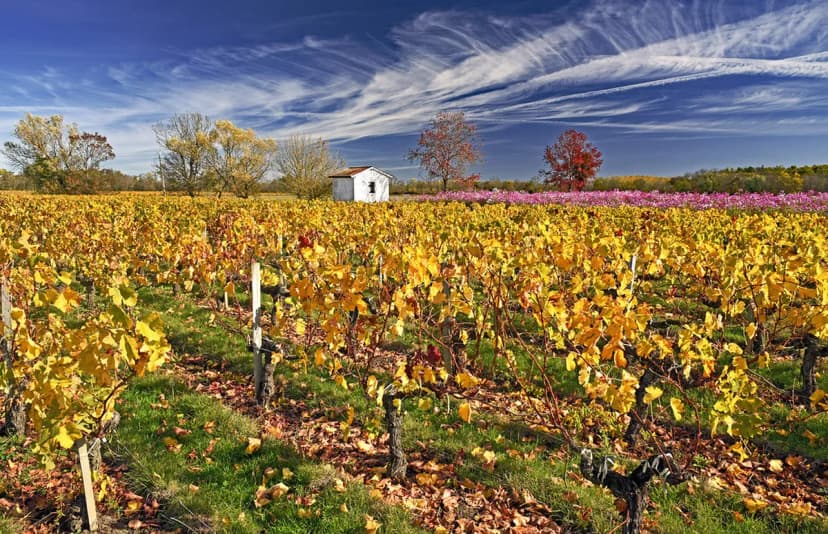
For those who want to see more of the region, several walking routes extend from the city into the nearby countryside. You can take a short train ride to reach world-famous wine villages that are perfectly suited for pedestrian exploration. Many travelers enjoy the day trips from Bordeaux that focus on the rolling hills of the vineyards. Walking through a vineyard provides a sensory experience that you simply cannot get from a car or bus tour.
Saint-Émilion is a particularly popular destination for walkers due to its steep, narrow streets and surrounding vine-covered landscapes. The village itself is a UNESCO site and offers several loop trails that take you past prestigious wine estates. You can easily spend an entire day walking between the medieval ruins and the modern tasting rooms of the village. Ensure you book any specific winery visits in advance, as they often require a scheduled appointment for guests.
Frequently Asked Questions
How long does a typical Bordeaux walking tour take?
A standard guided bordeaux walking tour usually lasts between 2 and 3 hours. This timeframe allows you to see the major landmarks like the Place de la Bourse and the Cathedral without feeling rushed. If you choose a self-guided route, you might spend 4 to 5 hours exploring. Check our guide on things to do in Bordeaux for more activities.
Are free walking tours in Bordeaux actually free?
Free walking tours operate on a 'pay-what-you-want' or tips-based model. While there is no upfront cost to join, it is customary to tip the guide at the end of the tour. Most travelers contribute between 10 and 20 Euros depending on the quality. This system ensures that guides remain motivated to provide an excellent experience for every guest.
What is the best self-guided walking route in Bordeaux?
The best self-guided route starts at the Place de la Bourse and follows the river toward the Chartrons district. This path covers the Miroir d'eau, the Grand Théâtre, and the historic Rue Notre-Dame. It offers a perfect mix of classical architecture and modern local life. Using a digital GPS map helps you find hidden shortcuts through the medieval Saint-Pierre neighborhood.
Is Bordeaux walkable for families with small children?
Yes, the city is very walkable for families because the historic center is mostly flat and pedestrian-friendly. Most major attractions are located close together, which minimizes the need for long walks. The Jardin Public and the riverfront promenade provide plenty of space for children to play. Strollers are generally easy to use on the wide sidewalks, though some old alleys have cobblestones.
Where do most Bordeaux walking tours start?
Most tours begin at the Place de la Bourse or near the Grand Théâtre in the city center. These locations are easily accessible by the local tram system and serve as central landmarks. Some specialized tours might meet at the Grosse Cloche or the Saint-André Cathedral. Always confirm the exact meeting point on your booking confirmation before heading out for your scheduled tour.
Taking a bordeaux walking tour is the most rewarding way to experience the elegance and history of this French gem. Whether you join a professional group or explore independently, the city's UNESCO-listed beauty will surely leave a lasting impression. Remember to look up at the mascarons and enjoy the local flavors as you wander through the different historic districts. Start planning your journey today to discover why this city remains a top destination for travelers from around the world.