Bordeaux City Pass Guide: How to Save Money in 2026
The Bordeaux City Pass costs €29 for 24 hours, €42 for 48 hours, and €55 for 72 hours in 2026. It covers unlimited TBM public transport, free entry to over 20 museums including the Cité du Vin (€26 standalone), and one guided tour.
A 48-hour pass breaks even after visiting the Cité du Vin (€26) plus two tram day passes (€4.90 each) plus one free museum — saving at least €10 compared to paying individually.
Exploring the wine capital of France often requires a smart budget and a solid plan. A digital city card helps you navigate the top cultural sites without overspending on individual tickets. Travelers can enjoy unlimited access to museums and public transit with a single convenient purchase, making the pass especially valuable for visitors planning two or more museum visits per day.
Many visitors struggle to choose between separate entry fees and comprehensive sightseeing bundles during their stay. Selecting the right duration ensures you see the best things to do in Bordeaux for less money. Efficient planning turns a standard city break into a seamless and affordable cultural adventure — and this guide gives you the exact numbers to make that decision with confidence.
Understanding the Bordeaux City Pass Options and 2026 Prices
The official Bordeaux City Pass serves as a comprehensive key to the most famous landmarks in the region. Purchasing this digital card provides free entry to over 20 museums and monuments across the city center, plus unlimited use of the TBM tram and bus network. Most tourists find the digital version easiest to manage directly on their mobile devices, as it loads quickly via QR code at every participating venue.
For 2026, the three available durations and their official prices are as follows. The 24-hour pass is priced at €29, making it ideal for stopovers and single-day visitors who plan a tight schedule. The 48-hour pass costs €42, which works out to €21 per day and suits a standard weekend break with a mix of museums and outdoor exploration. The 72-hour pass is available at €55, the best value for serious sightseers staying three or more days, at roughly €18.33 per day.
Activation occurs the moment you first scan the pass at an attraction or on public transport. The clock runs continuously from that first scan until your purchased time limit expires. Smart travelers wait until their first major museum visit — ideally the Cité du Vin — to begin the countdown for maximum value. Delaying activation until 9:00 AM on your first full day of sightseeing ensures you capture two complete calendar days on a 48-hour pass.
Each pass includes a helpful digital map to locate participating venues throughout the historic districts. Local tourism offices near the Grand Théâtre also provide physical cards if you prefer a tangible version. Both formats offer the same benefits, including the transit integration and museum access, so choose based entirely on your personal preference for paper versus digital.
Purchasing online via the official Bordeaux tourism website delivers the QR code to your inbox within minutes. On-site purchase at the tourism office on Cours du 30 Juillet is available during office hours but can involve a short queue in peak summer months. If you are arriving late at night, buy online in advance so you can activate immediately the following morning.
- 24-Hour City Pass — €29: Best for quick stopovers; covers full museum access and unlimited transit for one rolling 24-hour period
- 48-Hour City Pass — €42: Best for weekend breaks; covers all top sites and two days of tram and bus travel
- 72-Hour City Pass — €55: Best for in-depth exploration; highest total savings if you visit three or more paid attractions per day
Top Cultural Sites Included in the Bordeaux City Pass
The Cité du Vin remains the most popular highlight included in this comprehensive sightseeing package. The standalone adult ticket for the Cité du Vin costs €26 in 2026, making it single-handedly worth a significant portion of any pass tier. The museum offers an immersive journey through 8,000 years of global wine history spread across 20 themed universes, and the rooftop belvedere includes a complimentary wine tasting with sweeping views of the Garonne River. Note that pass holders must enter the building before 12:00 PM to use the pass benefit — a firm rule enforced at the admission desk.
Digital art enthusiasts should head to the Bassins des Lumières, located inside a former German submarine base in the Bacalan district. The venue projects monumental light shows onto the concrete walls and water surface of the 11,000 square metre base, transforming industrial architecture into a luminous art gallery. Standalone tickets cost approximately €18 per adult; entry is fully covered by all three pass tiers. The current 2026 exhibition rotates seasonally, so check the schedule before you visit to plan your day accordingly.
History lovers should prioritise the Museum of Aquitaine on Cours Pasteur, one of the most comprehensive regional history museums in southwest France. The permanent collection spans prehistoric artifacts through the Roman era, the medieval wine trade, and the 18th-century slave trade — an unflinching and essential piece of local heritage. Individual entry is free for EU residents under 26 but costs approximately €8 for other adults; the pass eliminates that fee entirely. Plan for at least two hours to appreciate the full depth of the collection without rushing. The museum is located at the edge of the Bordeaux old town, making it easy to combine with a walking tour of the medieval centre.
The Museum of Fine Arts (Musée des Beaux-Arts) occupies two wings flanking the grand Hotel de Ville garden and houses over 10,000 works spanning the 16th to 20th centuries. Flemish masters, French Impressionists, and Rubens are all represented in the permanent galleries. Admission is normally €6 for adults, waived entirely with the pass. Combine this with the adjacent Grosse Cloche bell tower, another pass-included site, for a compact but rewarding half-day circuit in the historic core.
The CAPC Museum of Contemporary Art is housed inside a 19th-century colonial warehouse and features rotating international exhibitions alongside a permanent collection of post-1960 works. Entry without the pass runs €8 per adult. The building itself — with its cathedral-like nave — is worth the visit regardless of what is currently on show. Most municipal museums including CAPC and the Museum of Fine Arts open at 11:00 AM and close on Tuesdays, not Mondays as some guides state; always verify on the official city tourism website before your visit.
Transportation Benefits for Smart Travelers
Unlimited access to the TBM public transport network is one of the highest practical value items in the Bordeaux City Pass. In 2026, a single TBM tram or bus ticket costs €1.80 and a day pass is priced at €4.90. Over a 72-hour stay, three day passes alone cost €14.70 — meaning transport alone covers more than a quarter of the 72-hour pass price before you have visited a single attraction. For a visitor making six or more tram journeys per day, the savings on transport alone can reach €8 to €10 per day.
Modern trams connect the main Bordeaux Saint-Jean train station to the riverfront quays, the Bassins des Lumières, and the Grand Théâtre in the historic center. The A, B, C, and D lines operate from approximately 5:00 AM to midnight, with night buses (Liane) covering the gap. Scanning your pass QR code on the yellow validators at each boarding point is mandatory — transit officers conduct regular checks, and an invalid ticket results in an on-the-spot fine of €60 regardless of whether your pass is active.
Safety remains a top priority for visitors using the transit network, particularly later in the evening. Our guide to is Bordeaux safe for tourists covers the specific neighbourhoods and tram lines to be aware of at night. The transit system itself is modern and well-maintained; the main consideration for evening travelers is being mindful of belongings at busy interchange stops such as Sainte-Catherine and Quinconces.
Drivers arriving by car can use the network of park-and-ride facilities at Mériadeck, Ravezies, and Lescure on the city outskirts. Our guide to parking in Bordeaux covers daily rates and the cheapest locations near each tram line. Leaving the car at a park-and-ride and using the pass for all in-city travel is the most cost-effective strategy, particularly during summer when city-centre parking garages can charge €25 to €35 per day.
The Bat3 river shuttle operates between the Quai Richelieu on the left bank and the Bastide neighbourhood on the right bank. The crossing takes approximately 10 minutes and offers a genuinely scenic perspective of the 18th-century stone quays and the Pont de Pierre. The shuttle is included in the TBM network and is therefore free with your pass. The Bastide district is home to the Botanic Garden — free entry regardless — and several wine-focused restaurants worth visiting for a relaxed lunch away from the main tourist crowds.
Planning Your Bordeaux Itinerary for Maximum Pass Savings
Maximizing your savings requires a strategic approach to your daily sightseeing schedule. Following a structured Bordeaux 3-day itinerary helps you group attractions by geographic location to minimize transit time between sites. Visitors who visit two paid attractions per day on the 72-hour pass typically break even by midday on day two and accumulate pure savings from that point forward.
On day one, activate your pass at the Cité du Vin (€26 standalone) before noon, then cross back to the city centre on tram line B for the Museum of Aquitaine (€8 standalone) in the afternoon. Day one savings: €34 in attraction entry plus two tram day-pass equivalents (€9.80) = €43.80 in gross value from a €55 pass, leaving less than €12 of the pass cost to recover over the remaining two days.
Day two works well for the Bassins des Lumières (€18 standalone) in the morning, followed by the Museum of Fine Arts and CAPC in the afternoon — both pass-included. That combination alone adds €26 to €34 in net value depending on current CAPC pricing, bringing your cumulative savings well past the breakeven point. Day three is effectively free profit: any attraction you visit, plus all transport, comes at zero marginal cost.
Families often find the pass simplifies logistics by removing the need for multiple small transactions at each venue. Children under 18 enter most municipal museums free regardless of the pass, so for family groups the pass value concentrates entirely in transport and the Cité du Vin. Students with a valid ISIC card can purchase a reduced-rate pass; check the tourism office website for the exact discount, which has historically been around €4 off each tier. Group discounts of approximately 10% are sometimes available for parties of 10 or more booking in advance through the official Bordeaux tourism website.
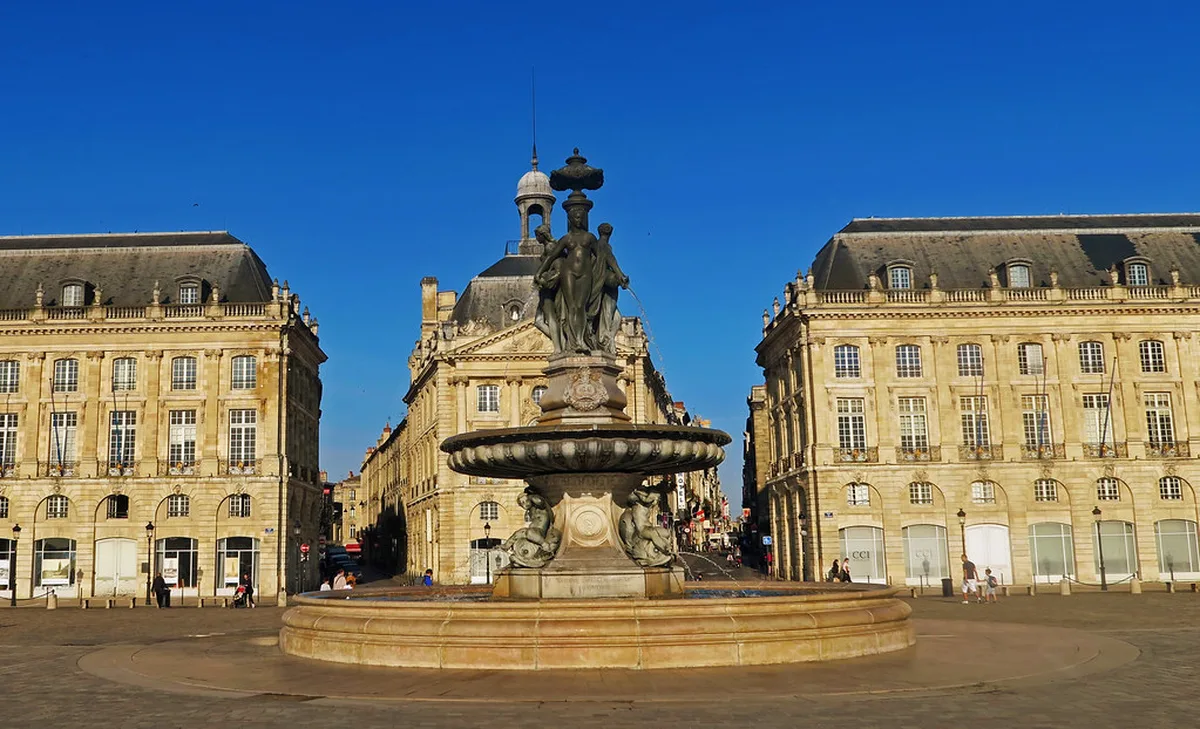
Walking tours of the historic centre are included in the 48-hour and 72-hour packages. Professional guides lead 90-minute circuits covering Place de la Bourse, the Miroir d'Eau, Saint-André Cathedral, and the covered Marché des Capucins. Book your slot at the tourism office on your first morning, as the tours fill quickly during July and August. If you prefer exploring independently, the Bordeaux old town guide maps out the same landmarks at your own pace.
Bordeaux City Pass vs Individual Tickets: ROI Analysis for 2026
The fundamental question every visitor asks is whether the pass genuinely saves money or whether paying individually would work out cheaper. The answer depends entirely on how many paid attractions you plan to visit and how much you use public transport. This section gives you the exact 2026 numbers so you can make an informed decision before purchasing.
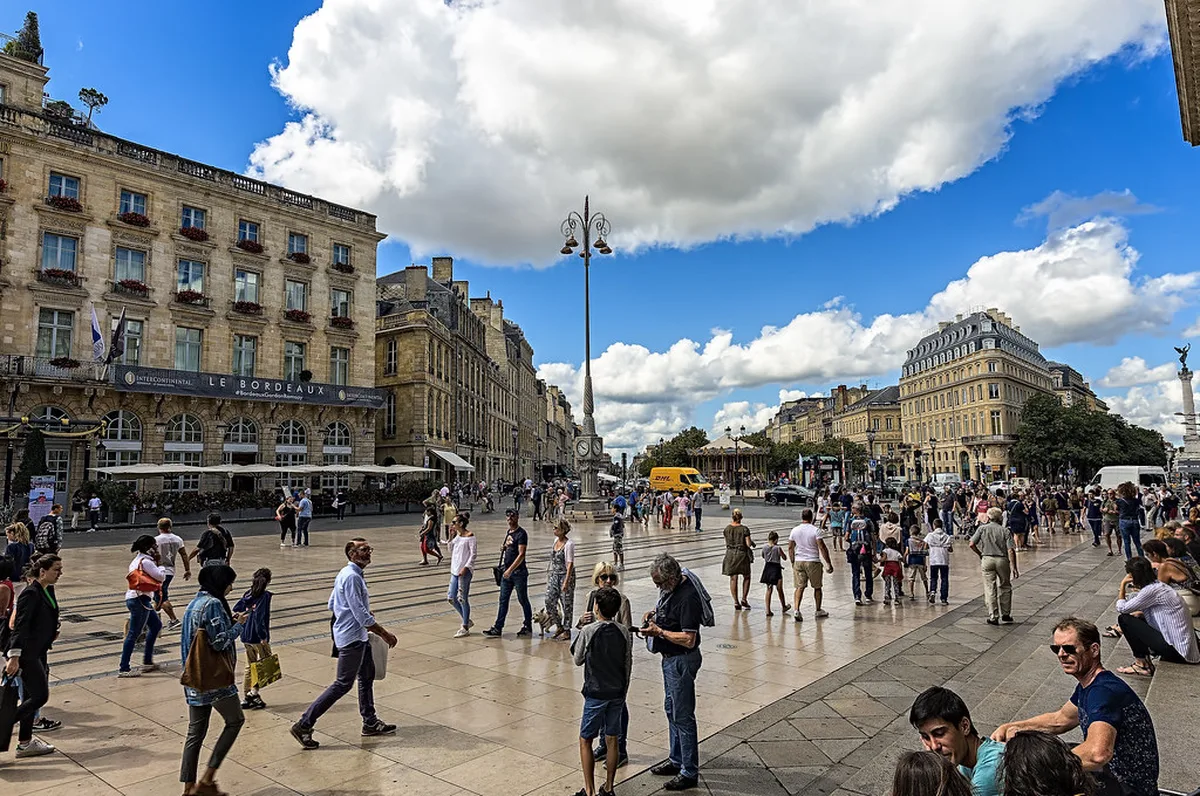
What IS included in the Bordeaux City Pass (2026): Cité du Vin permanent exhibition (€26), Bassins des Lumières (€18), Museum of Aquitaine (€8 for non-EU adults), Museum of Fine Arts (€6), CAPC Museum of Contemporary Art (€8), Grosse Cloche (€5), one guided walking tour or open-top bus ride (€12–€15), and unlimited TBM tram, bus, and Bat3 river shuttle (€4.90/day).
What is NOT included: Temporary exhibitions at any venue (only permanent collections are covered), the Bordeaux Wine School tastings and courses, cooking classes, entry to private châteaux and vineyards in the surrounding Médoc or Saint-Émilion wine regions, car or bike rentals, restaurant meals, and entry to premium evening events at the Cité du Vin. These exclusions catch many visitors by surprise, especially the temporary exhibition rule at Bassins des Lumières — if the venue is hosting an extra paid installation alongside the main light show, that add-on costs extra even with the pass.
Break-even calculation for the 48-hour pass (€42): Cité du Vin €26 + two tram day passes €9.80 = €35.80 after just one major attraction and two days of transit. Add one free municipal museum visit (e.g. Museum of Fine Arts, €6) and you reach €41.80 — essentially breakeven before you have visited anything else. Any second museum, the Bassins des Lumières, or a guided tour pushes you into clear savings territory.
When to skip the pass: If you only want to visit the Cité du Vin and spend the rest of your time walking the quays and wine shopping, the pass is unlikely to pay off on the 24-hour tier. A 24-hour pass (€29) versus standalone Cité du Vin (€26) plus a single tram day pass (€4.90) = €30.90 individually — almost identical cost. In that specific scenario, buying individually avoids the pass entirely and gives the same financial result. The pass starts delivering meaningful savings the moment you add a second paid museum visit to your day.
For a 3-day visit with full cultural engagement — Cité du Vin, Bassins des Lumières, two municipal museums, one guided tour, and three days of unlimited transit — the cost of paying individually reaches approximately €95 to €105, versus €55 for the 72-hour pass. That is a genuine saving of €40 to €50, or roughly 40% off the door price of the same experience. The 72-hour pass is the strongest value proposition in the lineup for any visitor who plans to engage seriously with the city's museums.
Critical Mistakes to Avoid with Your Bordeaux City Pass
Timing your activation is critical because the pass runs on a consecutive-hour basis rather than resetting at midnight. If you activate a 24-hour pass at 2:00 PM on a Saturday, it expires at 2:00 PM on Sunday — not at midnight. Plan your museum visits to cluster tightly within these windows for the best financial result. Activating at 9:00 AM on your first full sightseeing day and visiting the Cité du Vin immediately is the most efficient strategy for 24-hour and 48-hour pass holders.
Museum closure days are a frequent trap for tourists visiting Bordeaux's cultural sites. Most municipal museums are closed on Tuesdays, not Mondays as some outdated guides claim — verify opening days on the official mairie-bordeaux.fr website before finalising your itinerary. The Cité du Vin follows its own independent schedule and is generally open seven days a week except for a few public holidays; always check its specific calendar at the la-cite-du-vin.com official site. Wasting an active pass day because your target museum is closed can be a costly error, especially on the 24-hour tier.
The Bassins des Lumières and several other pass venues have timed entry slots, particularly in summer. Even if your pass is valid, you may be turned away at the door if you arrive without a reserved entry time. Book your Bassins des Lumières slot online as soon as you know your pass activation date — this costs nothing but prevents wasted journeys. The tourism office can assist with reservations for all pass-included venues.
Evening activities such as exploring the Bordeaux nightlife scene on Rue Saint-Rémi and the Darwin Ecosystem do not require an active pass. Wine bars, bistrots, and live music venues operate independently of the sightseeing bundle. Use your pass strategically for daytime museums and keep your evenings flexible — this is where Bordeaux's real local atmosphere comes alive without spending a cent of your pass allowance.
Forgetting to validate your pass on every tram ride can result in a €60 on-the-spot fine from transit officers. Even if your pass is active, the physical or digital scan is required at each boarding. Keep your phone charged and consider taking a screenshot of your QR code at full brightness as a backup in case your screen dims. If you are carrying a physical card, keep it in a dedicated pocket to avoid fumbling at the validators while people queue behind you.
Finally, do not assume the pass covers wine-region day trips. Visits to Saint-Émilion, Médoc châteaux, and the Arcachon Bay oyster villages all require separate transport and entry fees. Our guide to day trips from Bordeaux covers which excursions are worth adding to your itinerary and how to budget for them alongside the city pass.
Is the Bordeaux City Pass Worth It? A Guide by Traveler Type
Not every visitor to Bordeaux has the same itinerary, so the pass does not deliver equal value across all traveler types. Understanding which profile matches your own travel style is the fastest way to decide whether to buy — and which tier to choose if you do.
The culture-focused visitor (most likely to benefit): If your trip centres on museums, guided tours, and cultural immersion, the 72-hour pass at €55 almost certainly pays for itself within the first day. Visiting the Cité du Vin (€26), the Bassins des Lumières (€18), and one municipal museum (€6–€8) adds up to €50–€52 in standalone entry fees before you factor in a single tram ride. Add three days of unlimited transit (€14.70 in day passes) and you are looking at €65 in individual costs versus €55 with the pass — a clear saving of €10, and that is before any additional museums or the included guided walking tour. For this traveler type, the 72-hour pass is almost always the right choice.
The wine-and-dine visitor (moderate benefit): If your primary goal is exploring wine bars, visiting a few château tastings, and enjoying meals at riverside restaurants, the pass is harder to justify unless you pair it with two or more museum visits. Day trips to Saint-Émilion and Médoc vineyard estates are not covered by the pass (they are outside the TBM network), and private tastings have their own entrance fees. A visitor who plans one Cité du Vin visit and uses trams for the rest of the trip may find the 48-hour pass (€42) is roughly break-even — acceptable, but not a standout saving. In this scenario, buying individually is not necessarily a mistake.
The family with children (strong value through transit): Families benefit primarily from the transit coverage, since children under 18 enter most municipal museums free regardless of pass status. The practical convenience of unlimited tram and bus travel — no need to calculate fares or buy separate children's tickets — is genuinely valuable when managing a group. The Cité du Vin also reduces to a single adult admission burden. For a couple with two children, the 48-hour pass (€42) effectively covers two adult museums plus two days of family-wide transport, which is strong ROI without any museum visit pressure.
The short-stop traveler (limited benefit): If you have only one night or a tight half-day layover before heading to other French cities, the 24-hour pass (€29) faces a tougher test. You can realistically visit the Cité du Vin (€26) and take three or four tram journeys (about €7 in single tickets), totalling approximately €33 paid individually — saving around €4 with the pass. That margin is thin. Unless you are confident you will visit a second museum within the 24 hours, buying individually is more flexible for stopover visitors.
Students and budget backpackers (discount pass recommended): EU residents under 26 already enter most municipal museums free, which removes a large chunk of the pass's value proposition. For this group, the main benefit becomes transport. A student paying €4.90 per day for transit would need more than five days before pass transport savings outpace the gap. Students should check the reduced-rate pass (historically around €4 off each tier with an ISIC card) and calculate based on transit use alone. Backpackers who walk most routes and use bikes may be better off skipping the pass entirely for shorter stays.
The bottom line: if you plan to visit the Cité du Vin plus at least one additional paid attraction and will use trams daily, any pass tier pays for itself. The 72-hour pass rewards culturally intensive visitors most generously. The 24-hour pass is break-even territory unless you pack your day tightly. When in doubt, map out your planned attractions, add up the standalone entry fees using the price list in this guide, and compare directly to the pass price — the maths will give you an unambiguous answer before you spend a cent.
Frequently Asked Questions
How much does the Bordeaux City Pass cost in 2026?
The Bordeaux City Pass costs €29 for 24 hours, €42 for 48 hours, and €55 for 72 hours in 2026. All three tiers include unlimited TBM public transport and free entry to more than 20 museums and monuments. The 72-hour pass offers the lowest cost per day at approximately €18.33 and is the best value for visitors planning a full three-day cultural itinerary.
Does the Bordeaux City Pass include the Cité du Vin?
Yes, the pass includes free entry to the permanent exhibition at the Cité du Vin, which normally costs €26 per adult in 2026. You must enter before 12:00 PM to use the pass benefit — this is a strict rule enforced at the ticket desk. Only the permanent collection is covered; any temporary paid exhibitions running alongside the main visit require a separate ticket even with the pass active.
Is public transport free with the Bordeaux City Pass?
Yes, unlimited use of the entire TBM tram, bus, and Bat3 river shuttle network is included for the full duration of your pass. A TBM day pass normally costs €4.90 in 2026, so three days of transport alone saves you €14.70 against the 72-hour pass price. Always scan your QR code or tap your physical card on the yellow validators at the start of every journey — transit officers conduct checks, and an invalid scan results in a €60 fine regardless of whether your pass is otherwise active.
Where can I buy the Bordeaux City Pass?
You can purchase the pass online through the official Bordeaux tourism website (visitbordeaux.com), which sends the digital QR code to your email immediately after payment. Physical cards are available at the main tourism office on Cours du 30 Juillet, near the Grand Théâtre, during opening hours. Buying online in advance is recommended for summer visits because the tourism office can have queues of 20 to 30 minutes during peak season in July and August.
Are guided tours included in the Bordeaux City Pass?
Yes, one guided walking tour or a ride on the open-top tourist bus is included with all three pass tiers — the 24-hour, 48-hour, and 72-hour versions. The walking tours last approximately 90 minutes and depart from the tourism office on Cours du 30 Juillet. Slots fill quickly in peak season, so book your preferred time as early as possible after arriving in the city — ideally on the morning of your first full day.
What is not included in the Bordeaux City Pass?
The Bordeaux City Pass does not cover temporary exhibitions (only permanent collections at each venue), wine school tastings or courses, cooking classes, private vineyard visits in Saint-Émilion or the Médoc, car or bicycle rentals, restaurant meals, or evening events and private functions at the Cité du Vin. Visitors planning excursions to the wine regions or the Arcachon Bay will need to budget for transport and entry fees separately, as those destinations are outside the TBM transit network covered by the pass.
How does the Bordeaux City Pass compare to buying individual tickets for the top attractions?
For a three-day cultural visit in 2026, paying individually for the Cité du Vin (€26), Bassins des Lumières (€18), Museum of Aquitaine (€8), Museum of Fine Arts (€6), CAPC (€8), one guided tour (€12–€15), and three days of transit (€14.70) adds up to approximately €92–€96. The 72-hour pass costs €55 — a saving of €37 to €41, or around 40% off. The 48-hour pass (€42) delivers break-even value after just the Cité du Vin plus two days of transport (€35.80), meaning any additional museum visit pushes you into clear savings. Individual tickets only make financial sense if you plan just one museum visit during your entire stay.
Can I use the Bordeaux City Pass for day trips to Saint-Émilion or Arcachon?
No. The transit benefit covers the TBM network (trams, buses, and the Bat3 river shuttle) within Bordeaux city only. Saint-Émilion, Arcachon, and Médoc château visits require separate SNCF train tickets or organised tour transport, which cost between €10 and €30 each way depending on destination. Château entry fees and wine tastings are also excluded from the pass. Budget these excursions separately alongside your city pass cost.
The Bordeaux City Pass delivers clear, measurable savings for visitors who engage seriously with the city's museums and rely on public transport to get around. At €42 for 48 hours or €55 for 72 hours in 2026, the pass breaks even after just one major attraction visit and two days of tram travel — and accumulates pure savings from that point on. The key is activating strategically, booking timed-entry venues in advance, and avoiding the common mistakes around closure days and temporary exhibition exclusions.
Whether you are visiting for a long weekend or a full three days, the 2026 pricing makes the pass a straightforward choice for any traveller planning to visit the Cité du Vin alongside two or more other paid cultural sites. Start your planning today by selecting the duration that matches your itinerary, and use this guide to sequence your days for the maximum financial return.