Top Day Trips From Bordeaux: Best Destinations for 2026
The best day trip from Bordeaux in 2026 is Saint-Émilion: TER train from Gare Saint-Jean takes 35 minutes, return ticket costs €12, and the UNESCO village offers world-class wine tasting from €8 per glass.
Arcachon Bay is the top coastal day trip from Bordeaux: direct train runs 50 minutes and costs €10 return in 2026, while Dune du Pilat — Europe's tallest sand dune at 106 metres — has free entry year-round.
Bordeaux serves as a magnificent gateway to the diverse landscapes of Southwestern France. Many travelers find that the surrounding countryside offers experiences just as rich as the city itself. From historic vineyards to towering sand dunes, several world-class destinations sit less than 90 minutes away. Planning your excursions carefully ensures you maximize your time while exploring this famous wine region. Whether you prefer the salt air of the Atlantic coast, the limestone cellars of Médoc châteaux, or the riverside charm of a cognac distillery, the options are exceptional. This guide covers every essential day trip with up-to-date 2026 transport costs and practical booking advice so you can plan with confidence.
Saint-Émilion: Medieval Charm and World-Class Vineyards
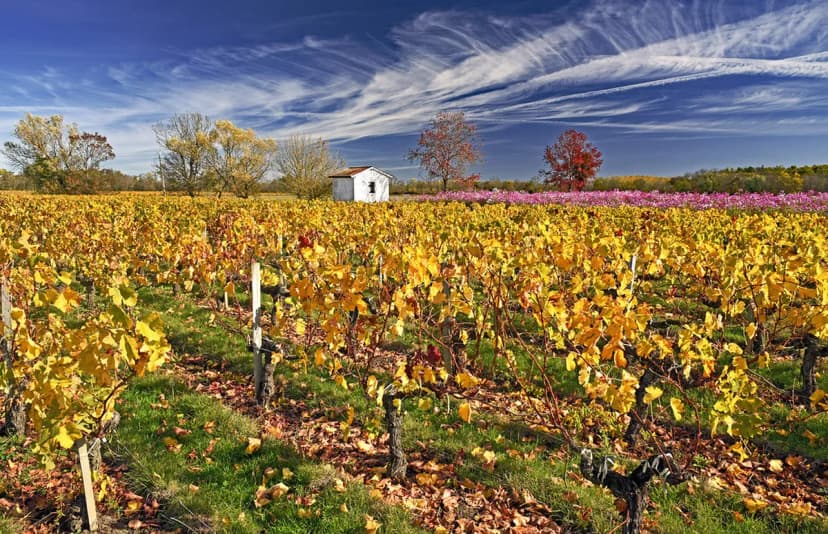
Saint-Émilion stands as the most popular day trip destination for travelers leaving Bordeaux city center for a few hours. This UNESCO World Heritage site offers stunning medieval architecture and some of the most celebrated vineyards in France, sitting just 35 minutes from the city by regional train. In 2026, the TER regional train from Gare Saint-Jean costs €12 for a return ticket when booked online through SNCF Connect — a significant saving over the older walk-up price, which hovered around €15. Trains run roughly every hour throughout the day, and the village itself is compact enough to explore entirely on foot once you arrive.
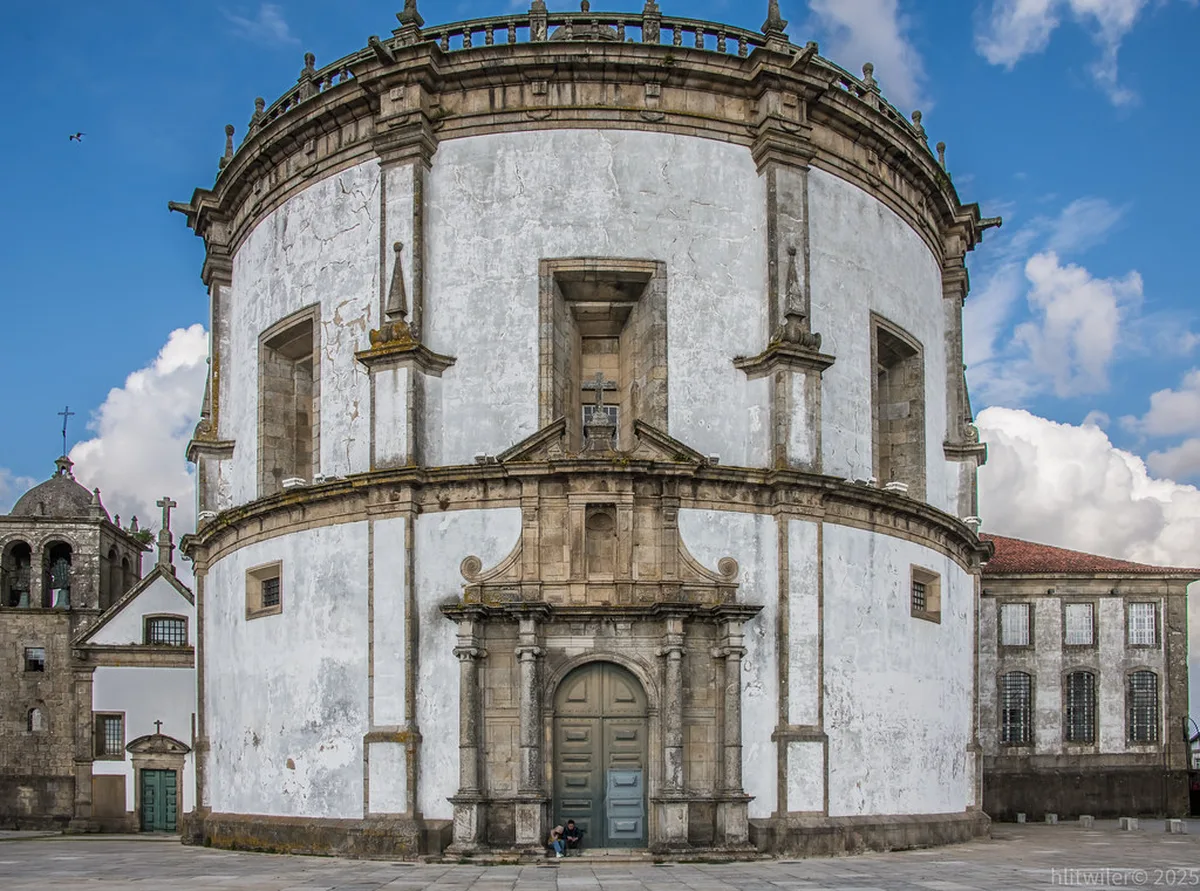
The highlight for most visitors is the Monolithic Church, an extraordinary underground basilica carved directly into the limestone bedrock between the 8th and 12th centuries. Entrance is €12 per adult in 2026 and must be booked as a guided tour through the local tourist office — tours sell out weeks in advance during July and August, so reserving online before you travel is essential. The surrounding village streets are lined with wine merchants and negociants offering tastings that range from free house pours to curated flights costing €15–€30 per person. For a deeper understanding of the appellation, consider a château visit: smaller estates such as Château Fonroque offer guided tours with tastings for around €20 per person, and the quality of Saint-Émilion Grand Cru wines served in situ is difficult to match anywhere else in France.
For lunch, the village has a cluster of excellent bistros concentrated around the Place du Cloître. A two-course set menu with a glass of local wine typically runs €22–€28. If you plan to buy bottles to bring home, many shops offer international shipping at competitive flat rates. Allow at least five hours for a relaxed visit — the combination of the church, a tasting at two or three estates, and a leisurely lunch means the day fills up quickly. Pair this excursion with tips from our Bordeaux 3-day itinerary to slot it into a wider trip structure.
- Monolithic Church
- Type: Underground medieval basilica
- Cost: €12 per adult (2026)
- Access: Guided tour only — book via tourist office
- Note: Reserve weeks ahead in summer
- Village Wine Shops
- Variety: Hundreds of Grand Cru labels
- Tasting: Free to €30 per flight
- Service: International shipping available
- Best buy: Saint-Émilion Grand Cru Classé
- Château Fonroque (small-estate tour)
- Duration: 90 minutes with tasting
- Cost: €20 per person
- Booking: Email or online in advance
- Style: Organic viticulture, detailed cellar tour
Arcachon Bay: Fresh Seafood and the Dune du Pilat
Arcachon Bay provides the most refreshing coastal escape for travelers seeking nature and fresh Atlantic seafood within easy reach of the city. The direct TER train from Bordeaux Saint-Jean takes approximately 50 minutes and in 2026 the return fare is €10 — the most affordable major day trip from the city. Trains run every 30 minutes at peak times and drop you within easy walking distance of the central beach promenade and the oyster market on the waterfront. The bay itself is one of the largest in Europe, sheltering a calm lagoon that produces roughly 8,000 tonnes of oysters every year.
The Dune du Pilat, Europe's tallest sand dune at 106 metres, is the unmissable natural attraction of the bay. Entry is entirely free in 2026, though parking nearby fills rapidly in summer — arriving by public transport is by far the smarter option. From Arcachon station, the seasonal Bus Line 1 (Baïa Bus) connects directly to the dune in around 20 minutes and costs just €2 for a single journey. The climb up the wooden staircase takes about five minutes; the view from the top — pine forests on one side, the glittering Atlantic on the other — is one of the most dramatic natural panoramas in France. Plan to spend at least 90 minutes here: walking the dune ridge, swimming at the base if conditions allow, and photographing the shifting colour of the light over the water.
Back in Arcachon town, lunch should be at one of the oyster cabins in the nearby commune of Gujan-Mestras, accessible in 10 minutes by train on the same line. A generous platter of a dozen fresh oysters with bread, butter, and lemon costs around €15 in 2026 — exceptional value compared with Parisian seafood restaurants. Pair with a glass of Entre-Deux-Mers white wine for the classic regional combination. The bay also offers boat tours to the tidal island of Île aux Oiseaux, a protected bird sanctuary, for around €18 per person return — a worthwhile addition if you have a full day. Our Bordeaux old town guide has suggestions for combining an evening back in the city after your coastal excursion.
- Dune du Pilat
- Height: 106 metres (tallest in Europe)
- Access: Bus Line 1 from Arcachon station (€2 single)
- Entry: Free year-round
- Best time: Sunrise or late afternoon light
- Oyster Cabins (Gujan-Mestras)
- Location: 10 min by train from Arcachon
- Price: €15 per dozen oyster platter (2026)
- Drink pairing: Entre-Deux-Mers white wine
- Vibe: Casual, open-air waterfront
- Île aux Oiseaux Boat Tour
- Duration: 2 hours return
- Cost: €18 per adult (2026)
- Highlight: Protected bird sanctuary and tidal landscape
- Booking: From Arcachon port — advance booking recommended July–August
Médoc Wine Region: Exploring the Left Bank Châteaux
The Médoc region is the ultimate destination for enthusiasts of powerful Cabernet Sauvignon blends aged in French oak. Stretching north along the left bank of the Gironde estuary, the peninsula is home to the greatest concentration of classified First Growth châteaux in the world — Margaux, Latour, Lafite Rothschild, and Mouton Rothschild all lie within a 60-kilometre drive of Bordeaux city center. The most practical way to explore the Médoc in a day is to book a guided wine tour from Bordeaux, which removes the complexity of navigating rural roads and handles château access. In 2026, a half-day Médoc wine tour from a reputable operator costs between €35 and €60 per person, typically including transport, visits to two châteaux, and a structured tasting of four to six wines.
If you prefer to drive independently, renting a car for the day costs around €50–€70 from the city center. The D2 highway, known locally as the Route des Châteaux, runs through the heart of the appellation and is clearly signposted. Many smaller classified châteaux accept walk-in visitors during the week, charging €10–€20 per person for a cellar tour and tasting — always phone ahead to confirm availability, as private tastings at First Growth estates require appointments made months in advance. Château Maucaillou in Moulis-en-Médoc is particularly welcoming to independent visitors, with a free entry museum and tastings from €12 per flight.
For lunch, the riverside town of Pauillac sits in the heart of the Médoc and offers a selection of waterfront restaurants. A set lunch menu at most brasseries runs €25–€32 in 2026 and typically pairs a regional main course with a glass of Pauillac AOC. Parking along the Pauillac marina is free and easy on weekdays. Note that many wine estates reduce their visiting hours on Sunday and close entirely on certain public holidays — checking estate websites before planning your trip will save significant frustration. Combine this trip with insights from our Bordeaux City Pass guide to see whether the pass transport discount applies to your travel day.
- Château Margaux
- Status: Premier Grand Cru Classé (First Growth)
- Visit: Exterior and gardens by appointment
- Location: Margaux village, 30 km north of Bordeaux
- Note: Private tastings require advance booking
- Château Maucaillou
- Museum: Free wine museum on site
- Tasting: From €12 per flight (2026)
- Appointment: Walk-ins accepted on weekdays
- Style: Classic Moulis-en-Médoc, mid-range pricing
- Pauillac Waterfront
- Lunch: €25–€32 set menu at riverside brasseries (2026)
- Parking: Free along the marina
- Vibe: Quiet estuary town, excellent local produce
- Add-on: Visit Château Pichon Baron nearby
Choosing Your Route: Transport Logistics and Common Pitfalls
Efficient transport planning makes the difference between a relaxed day trip and a stressful one. All TER regional trains for day trips from Bordeaux depart from Gare Saint-Jean, the city's main rail hub, served by tram lines A, B, and C from the city center. Booking tickets in advance through the SNCF Connect app typically saves 20–30% on walk-up fares — the €10 return to Arcachon and €12 return to Saint-Émilion are advance prices in 2026 that rise to €14–€16 at the window. For Cognac, purchase tickets at least three days ahead to secure the best €20–€28 return fare rather than paying up to €40 walk-up.
Many travelers underestimate the time needed to navigate local transport during the busy summer months. Regional trains can get very crowded on Saturday mornings from June to September, so arriving at the station 20 minutes early is wise. If you choose to drive for Médoc exploration, note that parking in Bordeaux near Gare Saint-Jean is expensive at around €3–€5 per hour — consider parking in a residential zone and using the tram to reach the station. Car hire from the airport is generally cheaper than city-center providers for full-day rentals.
Sunday travel requires particular care. Wine estate tours are heavily reduced on Sundays, many village restaurants operate limited hours, and TER trains run on a reduced schedule that can add 30–60 minutes to journey times. If your trip falls on a Sunday, Arcachon Bay is the most reliable choice since the dune, beach, and oyster cabins operate seven days a week. Cognac's major distillery tours also maintain Sunday schedules during peak season. The Bordeaux City Pass includes unlimited tram and bus rides within the city but does not cover TER regional trains — factor in rail costs separately when comparing pass value. For safety considerations while travelling in the region, our Bordeaux safety guide covers practical precautions for tourists.
- Sunday Travel Constraints
- Wine estates: Tours heavily reduced or closed
- Village restaurants: Limited hours, book ahead
- TER trains: Reduced schedule — allow extra time
- Best Sunday choice: Arcachon Bay or Cognac distillery tours
- SNCF Booking Tips
- App: SNCF Connect (iOS and Android)
- Advance saving: 20–30% versus walk-up price
- Key fares (2026): Arcachon €10 return, Saint-Émilion €12, Cognac €20–€28
- Tip: Book 3–7 days ahead for best availability
- Bordeaux City Pass and Transport
- Covers: Trams and buses within Bordeaux only
- Does not cover: TER regional trains
- Validity: 24, 48, or 72 hours
- Value: Best for city museum entry + local transport
Cognac: A Journey Into the Heart of French Spirits
Cognac offers a genuinely unique alternative for those interested in spirits rather than grape wine, and the town itself is one of the most handsome small cities in Nouvelle-Aquitaine. The journey from Bordeaux involves a train to Saintes followed by a short regional connection, with the total travel time around 90 minutes each way. In 2026, return tickets typically cost between €20 and €28 depending on how early you book through SNCF Connect — purchasing three or more days ahead secures the lower end of that range. The town sits on the Charente River and its historic centre, including the medieval château where François I was born in 1494, can be explored on a leisurely walk in a morning before your distillery tours begin.
The big four distillery experiences in 2026 are Hennessy, Rémy Martin, Martell, and Courvoisier, all operating public tours from April through October. The Hennessy tour is the most theatrical: it includes a boat crossing of the Charente River, a walk through historic ageing cellars where barrels are stacked three storeys high, and a structured tasting of three expressions. The price in 2026 is €25 per person for the standard tour; a premium tasting experience including rarer XO expressions costs €55. Rémy Martin offers a vineyard tour aboard a small electric train through the Grande Champagne crus for €20 per person — an excellent choice for those who want to understand the raw ingredient before visiting the cellars. Martell, the oldest of the major houses founded in 1715, operates a modern foundation building with free access that blends contemporary art exhibitions with the brand's heritage displays; the guided cellar tour with tasting is €18.
Plan to visit one or two distilleries rather than attempting all four in a single day — the tastings are generous with alcohol content and the educational value diminishes after the third house. Lunch in the old town is excellent: the Charente region is known for its pintadeaux (guinea fowl), fine butter, and river fish, with two-course menus at most bistros running €18–€25 in 2026. If you have time after lunch, the Musée des Arts du Cognac is free on Sunday afternoons and provides broader regional context. Book distillery tours online at least a week in advance in summer, as the major houses limit visitor numbers. For an evening itinerary back in the city, our Bordeaux nightlife guide suggests the best bars in the city centre for a final glass of the evening.
- Hennessy Tour
- Duration: 90 minutes including boat crossing
- Cost: €25 standard / €55 XO tasting (2026)
- Highlight: Historic oak barrel cellars and river crossing
- Booking: Online in advance, essential July–August
- Rémy Martin Vineyard Tour
- Format: Electric train through Grande Champagne crus
- Cost: €20 per person (2026)
- Focus: Vineyard and agricultural origins of cognac
- Duration: 75 minutes
- Martell Foundation
- Building access: Free
- Guided cellar tour with tasting: €18 (2026)
- Feature: Contemporary art + 1715 heritage archive
- Founded: 1715, oldest major cognac house
Rochefort and Île d'Aix: Coast, Forts, and Island Escape
Rochefort and the tiny Île d'Aix offer one of the most historically rich and scenically rewarding day trips from Bordeaux for travellers who want something beyond wine and sand. The journey north by TER train takes around 80 minutes to Rochefort, with a 2026 return fare of approximately €22–€30 depending on booking timing. Rochefort was founded in 1666 by Louis XIV as a royal naval arsenal, and the waterfront Corderie Royale — a 374-metre rope-making factory that was the longest building in 17th-century France — is now a remarkable industrial heritage museum charging €8 per adult entry. The nearby Hermione, a full-scale replica of the 18th-century frigate that carried the Marquis de Lafayette to America, is moored in the old dock and offers guided tours for €12 per person in 2026.
From Rochefort, a 20-minute bus connection reaches the Pointe de la Fumée ferry terminal, where regular boats depart to Île d'Aix year-round. The ferry crossing takes 20 minutes and costs €15 return per adult in 2026. The island — roughly 3 kilometres long and completely car-free — is one of the most serene spots on the Atlantic coast. Visitors cycle or walk the entire perimeter in around two hours, passing through wildflower meadows, past oyster beds, and along white-sand beaches backed by old fortifications. The Fort Liédot, where Napoleon was held after his final surrender in 1815, is open for visits at €6 per adult. A network of small restaurants along the island's main street serves grilled langoustine, moules marinières, and oysters at honest prices — a platter of mixed shellfish runs around €18 in 2026.
The combined Rochefort and Île d'Aix itinerary works best as a full-day excursion: two hours in Rochefort visiting the Corderie Royale and the Hermione in the morning, ferry across to the island for lunch and an afternoon walk, then the return ferry and train back to Bordeaux in early evening. Rochefort is less visited than Saint-Émilion or Arcachon and therefore significantly less crowded throughout July and August — a strong selling point for travellers who want the character of the French coast without the peak-season pressure. If you plan several days of exploration, our Bordeaux 3-day itinerary can help structure which day trips to combine and in what order.
- Corderie Royale (Rochefort)
- Type: 17th-century royal rope factory — industrial heritage museum
- Entry: €8 per adult (2026)
- Length: 374 metres — longest building in 17th-century France
- Duration: Allow 90 minutes
- Hermione Frigate
- Type: Full-scale replica 18th-century warship
- Entry: €12 per adult (2026)
- Dock: Rochefort historic port area
- Context: Carried Lafayette to America in 1780
- Île d'Aix
- Ferry: From Pointe de la Fumée — €15 return per adult (2026)
- Crossing: 20 minutes
- Highlight: Car-free island, Fort Liédot (€6), white-sand beaches
- Lunch: Mixed shellfish platter ~€18 at island restaurants
Sarlat-la-Canéda: Medieval Dordogne and Périgord Cuisine
Sarlat-la-Canéda is one of the best-preserved medieval towns in France and makes an outstanding day trip from Bordeaux for travelers seeking history, architecture, and exceptional regional food. The journey east by TER train runs from Bordeaux Saint-Jean to Le Buisson, then a connecting regional service to Sarlat-la-Canéda, with a total travel time of approximately 2 hours 15 minutes each way. In 2026, return tickets booked in advance through SNCF Connect cost around €28–€36 depending on timing — purchasing at least four days ahead secures the lowest fares. Alternatively, renting a car for the day (around €50–€60) gives you more flexibility to stop at riverside scenery and smaller Dordogne villages along the route, including Beynac-et-Cazenac and Domme, two of France's classified "Most Beautiful Villages" within a 20-minute drive of Sarlat.
The old town of Sarlat is a UNESCO-listed ensemble of golden-limestone townhouses, Romanesque cloisters, and winding alleyways that remained almost entirely unchanged since the 15th century. Entry to the historic quarter is free — no admission gate, no queuing. The most prominent monument is the Cathédrale Saint-Sacerdos, a Romanesque-Gothic cathedral with an intricately carved façade dating to the 12th century, open free of charge daily. The adjacent Jardin des Enfeus, a ruined medieval garden built into the cathedral walls, is the most photogenic corner of the town. For a sweeping panoramic view over the Dordogne valley, the watchtower at the Château de Beynac — a 20-minute drive from Sarlat — is open for guided visits at €9 per adult in 2026 and rewards the short detour richly. Allow at least three hours just for Sarlat's historic centre before considering any surrounding villages.
The Périgord Noir region surrounding Sarlat is famous for three luxury products that define the local cuisine: black truffle (tuber melanosporum), foie gras de canard, and Périgord walnut oil. The Saturday morning market in Place de la Liberté, held year-round, is the most authentic place in France to buy fresh truffle from local producers — prices in 2026 run around €800–€1,000 per kg for whole tubers, but small quantities for cooking are available from €15 per portion. For lunch, the restaurants along Rue de la République and Rue des Consuls serve set menus built around duck confit, magret, and truffled omelette at €20–€30 for two courses in 2026. Le Régent on Place de la Liberté is consistently praised for its duck dishes and regional wine list. If you plan your excursion on a weekend, check our Bordeaux safety guide for practical travel tips that apply throughout the wider Nouvelle-Aquitaine region.
- Cathédrale Saint-Sacerdos
- Style: Romanesque-Gothic, 12th-century origins
- Entry: Free
- Highlight: Carved façade, Jardin des Enfeus adjacent
- Location: Heart of Sarlat old town
- Château de Beynac
- Drive from Sarlat: 20 minutes
- Entry: €9 per adult (2026)
- Highlight: Panoramic Dordogne valley views
- Note: Classified as one of France's Most Beautiful Villages
- Saturday Market (Place de la Liberté)
- Held: Every Saturday, year-round
- Specialty: Black truffle, foie gras, Périgord walnut oil
- Truffle price: From €15 per cooking portion (2026)
- Tip: Arrive by 9 AM for the best selection
- Lunch (Rue de la République restaurants)
- Cost: €20–€30 for two courses (2026)
- Specialties: Duck confit, magret, truffled omelette
- Recommended: Le Régent on Place de la Liberté
- Wine: Local Bergerac AOC pairs well with duck
Frequently Asked Questions
What is the best way to get to Saint-Émilion from Bordeaux?
The best way to reach Saint-Émilion from Bordeaux in 2026 is the TER regional train from Gare Saint-Jean. The direct journey takes 35 minutes and costs €12 for a return ticket when booked in advance via the SNCF Connect app. Trains run roughly every hour throughout the day. Once you arrive at Saint-Émilion station, the village centre is a 10-minute uphill walk or a brief taxi ride costing around €6.
Can I visit the Dune du Pilat without a rental car?
Yes. Take the direct TER train from Bordeaux Saint-Jean to Arcachon (50 minutes, €10 return in 2026), then board the seasonal Baïa Bus Line 1 from Arcachon station. The bus reaches the dune in around 20 minutes and costs €2 per single journey. Entry to the dune itself is free year-round. The whole trip — train, bus, dune visit, and return — is fully accessible without a car and costs under €15 total in 2026 transport.
Is it possible to visit two wine regions in one day?
Visiting both Saint-Émilion and Médoc in one day is not recommended. The two appellations sit on opposite sides of the Gironde estuary, and travel between them requires either a lengthy drive around the estuary or a ferry crossing. Each region deserves at least five to six hours for a satisfying visit including tastings and lunch. Choose one appellation per day trip: Saint-Émilion by train for ease, or Médoc by car or guided tour for the grand châteaux experience.
How much does a Médoc wine tour from Bordeaux cost in 2026?
A guided half-day Médoc wine tour from Bordeaux costs between €35 and €60 per person in 2026, including transport, visits to two châteaux, and a structured tasting of four to six wines. If you prefer to drive independently, car rental runs €50–€70 for the day plus fuel. Individual château tastings at smaller estates such as Château Maucaillou cost €12–€20 per person. A riverside set lunch in Pauillac adds approximately €25–€32 per person.
What is there to do in Cognac on a day trip from Bordeaux?
Cognac offers distillery tours at Hennessy (€25, includes boat crossing), Rémy Martin (€20, vineyard train tour), and Martell (€18 with tasting). The medieval old town, the riverside château birthplace of François I, and the free Musée des Arts du Cognac on Sunday afternoons are also worth visiting. A two-course lunch in the old town costs €18–€25 in 2026. Aim to visit one or two distilleries rather than all four — the tastings are generous and the quality of attention is better with fewer stops.
How do I get from Bordeaux to Île d'Aix for a day trip?
Take a TER train from Bordeaux Saint-Jean to Rochefort (around 80 minutes, approximately €22–€30 return in 2026), then a 20-minute bus to the Pointe de la Fumée ferry terminal. The ferry to Île d'Aix costs €15 return per adult and takes 20 minutes. The island is completely car-free and can be walked or cycled in a full afternoon. Budget a full day for the combined Rochefort and Île d'Aix itinerary — the ferry schedule means arriving early gives you the most flexibility.
Is Sarlat-la-Canéda worth a day trip from Bordeaux?
Yes — Sarlat-la-Canéda is one of the most rewarding day trips from Bordeaux for travelers interested in medieval history and Périgord cuisine. The journey takes around 2 hours 15 minutes by train (return tickets €28–€36 in 2026 when booked in advance). The UNESCO-listed old town is free to enter and contains the Cathédrale Saint-Sacerdos, narrow limestone alleyways, and the famous Saturday truffle market on Place de la Liberté. A two-course duck-focused lunch at restaurants along Rue de la République costs €20–€30 in 2026. If you drive, you can also stop at Château de Beynac (€9 entry) for panoramic Dordogne valley views just 20 minutes outside the town. Allow a full day, as travel time is longer than other destinations on this list.
Exploring the regions beyond the city limits reveals the true heart of French culture, history, and gastronomy. Whether you prefer the salty air of the Atlantic coast, the limestone cellars of a grand cru vineyard, or the tranquil rivers of the Charente, each of these destinations is an easy and rewarding escape from Bordeaux in 2026. All transport fares quoted here are 2026 advance prices and may vary slightly by season and booking date — always confirm on SNCF Connect before travel. For a full guide to spending time in the city itself, visit our Bordeaux old town guide to plan your evenings between excursions.