A Comprehensive Bordeaux 3-Day Itinerary for 2026 Travelers
Bordeaux unfolds over three days: Day 1 covers the UNESCO Old Town and riverfront; Day 2 visits Cité du Vin (€26) and Bassins des Lumières (€16.50); Day 3 escapes to Saint-Émilion (€10.80 return train) or Dune du Pilat.
A single tram ticket costs €1.80 in 2026; the 72-hour Bordeaux Métropole pass (€18) unlocks unlimited travel on all four tram lines — the cheapest way to connect every attraction on this itinerary.
Bordeaux offers a stunning blend of historic architecture and world-class wine culture for every traveler. This Bordeaux 3-day itinerary provides a detailed plan to see the best sights in a short time. You can explore grand limestone buildings and enjoy some of the finest wines in the world here. Planning your visit carefully ensures you experience the city's vibrant atmosphere without feeling overwhelmed.
The city has transformed into a pedestrian-friendly destination with efficient public transport and beautiful parks. Three days is the perfect amount of time to balance sightseeing and relaxation. Our guide focuses on maximizing your time while highlighting the most authentic local experiences, with all prices updated for 2026. For a broader view of the region, our day trips from Bordeaux guide covers the best excursions beyond the city.
Day 1: Historic Old Town and Riverfront Wonders
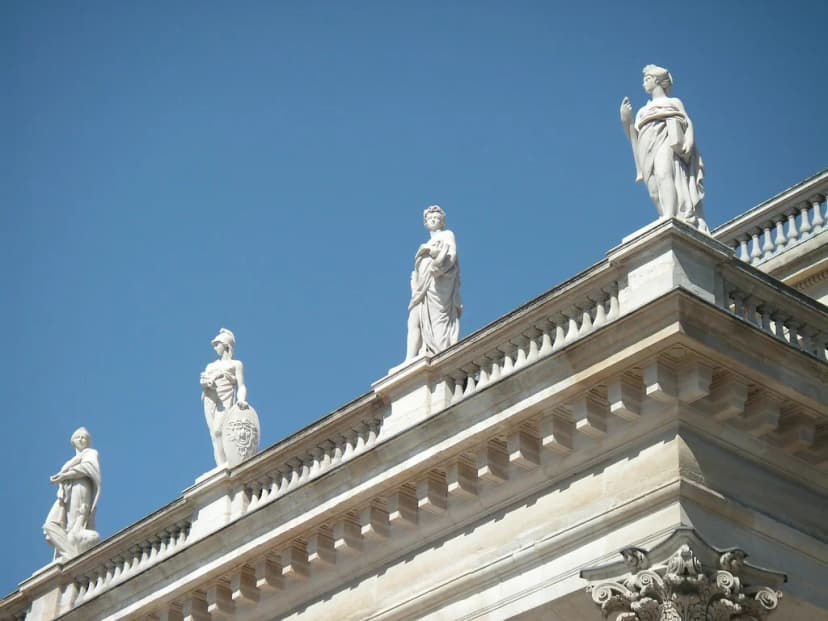
Start your morning at the Place de la Bourse to see the iconic water mirror reflection. This historic square represents the city's wealth and architectural grandeur from the eighteenth century. Walking through the narrow streets of the Bordeaux Old Town reveals charming boutiques and local cafes. Most visitors find that spending two hours here provides a great introduction to the local heritage.
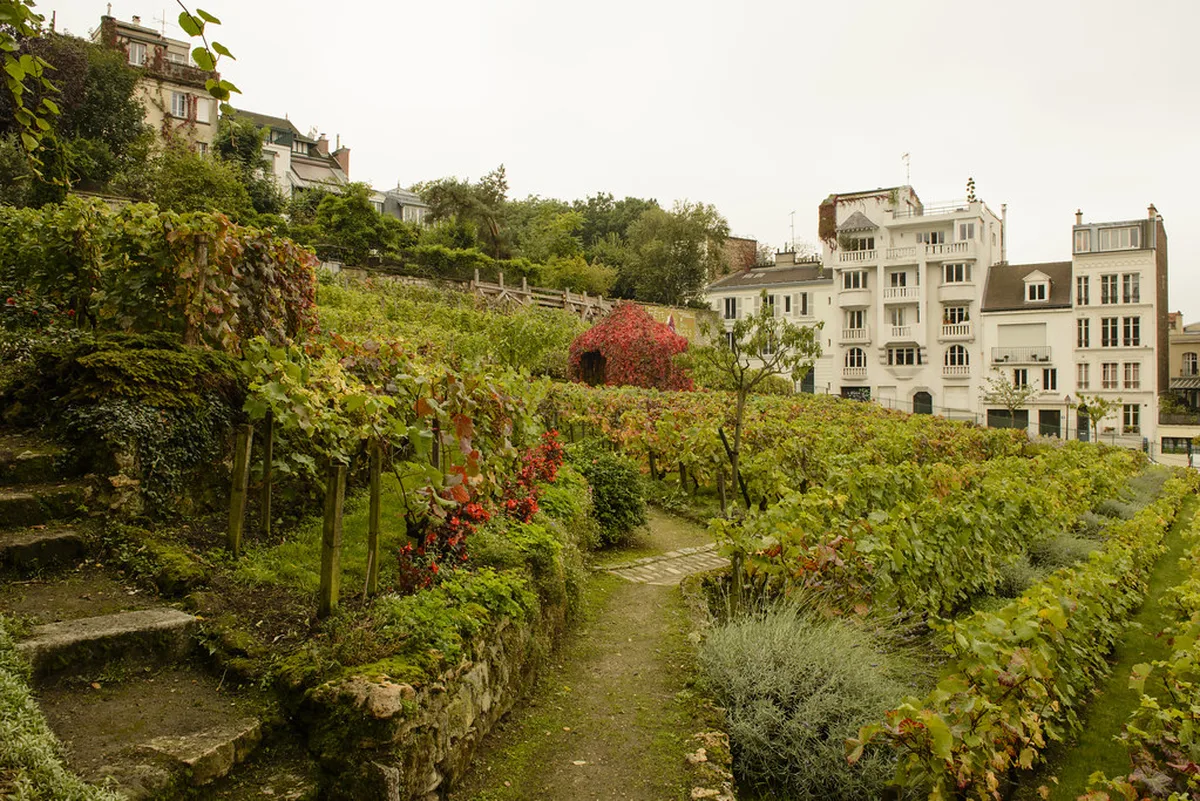
Head toward the Grosse Cloche, which is one of the oldest belfries in all of France. This medieval gate served as a prison and a defensive structure during the Middle Ages. The Grosse Cloche is free to view from the exterior and makes for an excellent photograph at golden hour. Admission to the adjacent Saint-André Cathedral is also free, while climbing the Pey-Berland tower costs €6 per adult in 2026 — well worth it for sweeping rooftop views over the old limestone cityscape. Under-18s enter free, and the climb of 233 spiral steps takes approximately 15 minutes at a steady pace.
Lunchtime is the perfect opportunity to explore the bustling Rue Sainte-Catherine for diverse food options. This street is known as the longest pedestrian shopping thoroughfare in Europe, stretching over 1.2 kilometres from Place de la Victoire to Place de la Comédie. You can find everything from quick local snacks to sit-down bistros serving traditional French cuisine. A set lunch menu (formule midi) at a side-street brasserie typically runs €14–18 for two courses including a glass of house Bordeaux wine. Try a local canelé pastry — a fluted rum-and-vanilla custard cake — from a specialist bakery for around €1.50 each to experience a true Bordeaux tradition that dates back to the eighteenth century.
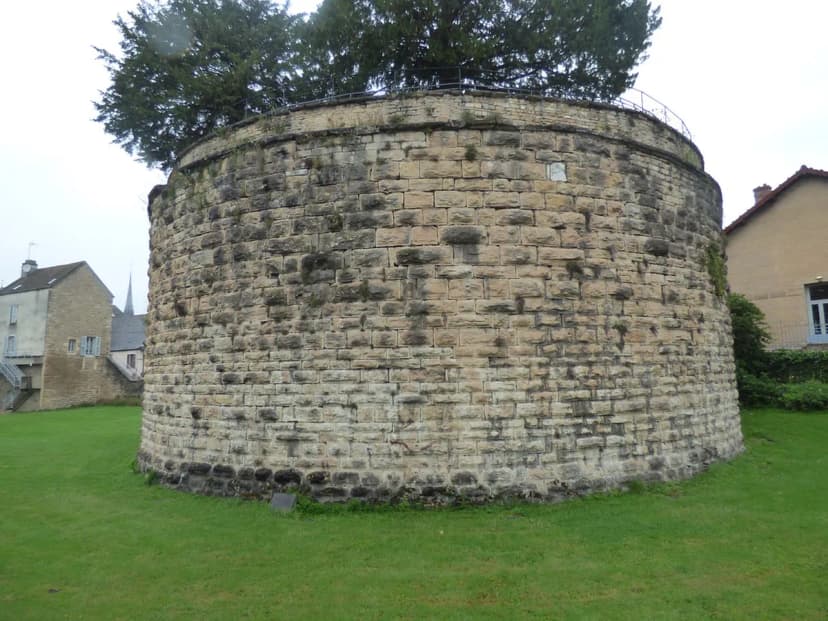
Spend your afternoon visiting the Saint-Michel Basilica and the surrounding flea market that lines the square on Sunday and Monday mornings. The basilica's detached bell tower offers an unusual silhouette against the Bordeaux skyline and is free to view from outside. After exploring this neighbourhood, walk south toward the Porte de Bourgogne to see one of the original eighteenth-century city gates still standing intact. Allow about 45 minutes to walk the full route along the inner ring road back toward the riverfront. The district around Saint-Michel is one of the most ethnically diverse in Bordeaux and is home to excellent North African and Vietnamese restaurants offering value lunches from €10–14.
Spend your evening walking along the Garonne riverfront as the sun begins to set. The renovated quays stretch for nearly 4.5 kilometres and offer plenty of space for cycling, jogging, or simply enjoying the river breeze. Many locals gather here to picnic or watch the lights of the city reflect on the water mirror at dusk — the mirror empties and refills every few minutes, creating a mesmerising spectacle. Consider booking a river cruise for a different perspective of the historic facades lining the shore; evening departures from Quai des Chartrons typically cost €15–22 per person in 2026. End the night at a riverfront bar with a glass of Entre-Deux-Mers white wine for roughly €5–8.
Day 2: Immersive Wine Culture and Modern Art
Dedicate your second morning to the Cité du Vin, a high-tech museum dedicated to global viticulture. The building itself is an architectural marvel designed to resemble the swirl of wine in a glass, and it dominates the skyline of the Bassins à Flot regeneration district. Adult entry costs €26 in 2026, which includes full access to all permanent and temporary exhibits as well as a complimentary tasting glass of wine on the panoramic eighth-floor belvedere. You can use the interactive exhibits — available in 8 languages — to learn about different wine regions from around the world, from Bordeaux's own appellations to the vineyards of Chile, South Africa, and Georgia. Booking tickets online in advance is strongly recommended, particularly from May through September when same-day availability can be limited.
After the museum, walk ten minutes north to the Halles de Bacalan for a modern food market experience. This indoor market features numerous stalls offering fresh Atlantic oysters (a dozen for €10–14), local Saint-Nectaire and Comté cheeses, sourdough breads, and artisanal charcuterie boards. It is a popular spot for both tourists and residents to enjoy a high-quality, casual lunch. Budget around €15–20 per person for a satisfying market meal with a glass of local wine. The atmosphere peaks between noon and 2 pm when the stalls are at their most animated and the seating area fills with a lively cross-section of Bordeaux residents and visitors alike.
Continue your afternoon at the Bassins des Lumières, located a short walk away in a former Second World War submarine base. This venue hosts massive digital art exhibitions projected onto 12,000 square metres of concrete walls and onto the still water of the basins below. In 2026 the programme continues with immersive shows dedicated to major artists including Klimt and van Gogh. Tickets cost €16.50 for adults when booked online, or €18.50 at the door. The combination of atmospheric sound design and towering moving images creates a truly unique sensory experience for visitors. Most people spend 75 to 90 minutes exploring the various projection zones within this historic industrial site. Children under 6 enter free; ages 6–17 pay €10.50. Arrive before 14:00 on weekdays to avoid the after-school surge during term time.
Finish your day in the trendy Chartrons district, which was once the heart of the eighteenth-century wine merchant trade. This neighbourhood is now famous for its antique shops, independent art galleries, weekend brocante markets, and a thriving evening dining scene. You can find many wine bars along Rue Notre-Dame and Rue du Faubourg des Arts that offer local Bordeaux vintages by the glass at €5–9 per glass. A glass of a decent Pauillac or Saint-Julien at a specialist caviste-bar sits in the €8–12 range. Dining in the Chartrons allows you to escape the more crowded tourist centres of the city; a two-course dinner at a neighbourhood bistro costs roughly €28–38 per person without wine. For more evening ideas, see our Bordeaux nightlife guide covering the best bars, jazz clubs, and late-night venues by district.
Day 3: Exploring Vineyards or Coastal Escapes
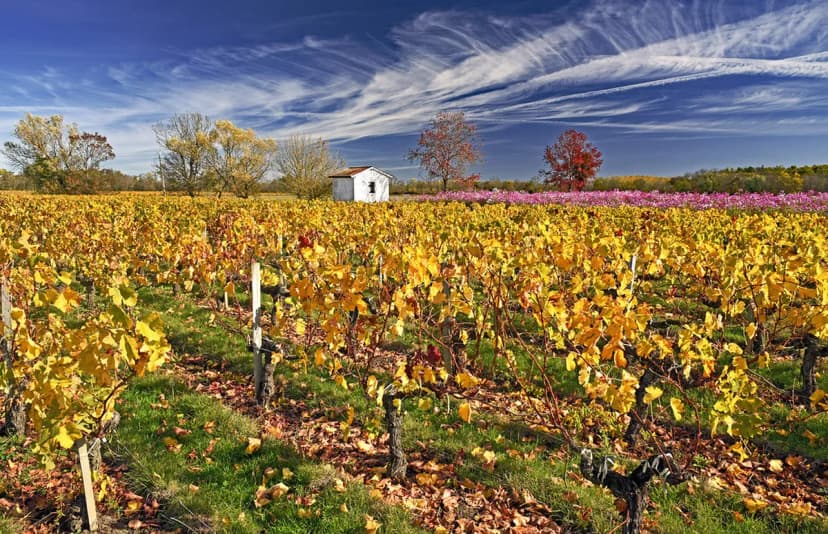
The final day of your Bordeaux 3-day itinerary is perfect for exploring the surrounding region. Saint-Émilion is a UNESCO World Heritage site located just 35 minutes from Bordeaux by regional TER train (return fare approximately €10.80 in 2026). This medieval village perched on limestone plateau is famous for its monolithic church carved directly into the rock and its world-class Merlot-based wines. Walking through the steep cobblestone streets feels like stepping back in time, and the village rewards slow exploration on foot over two to three hours. Wine tastings at local châteaux run from €15 for a three-wine flight up to €40 or more at premier grand cru classé estates. Book your château visit in advance during peak season as slots fill quickly. Underground guided tours of the monolithic church and catacombs cost €8–12 per adult and depart several times daily from the tourist office on Place des Créneaux.
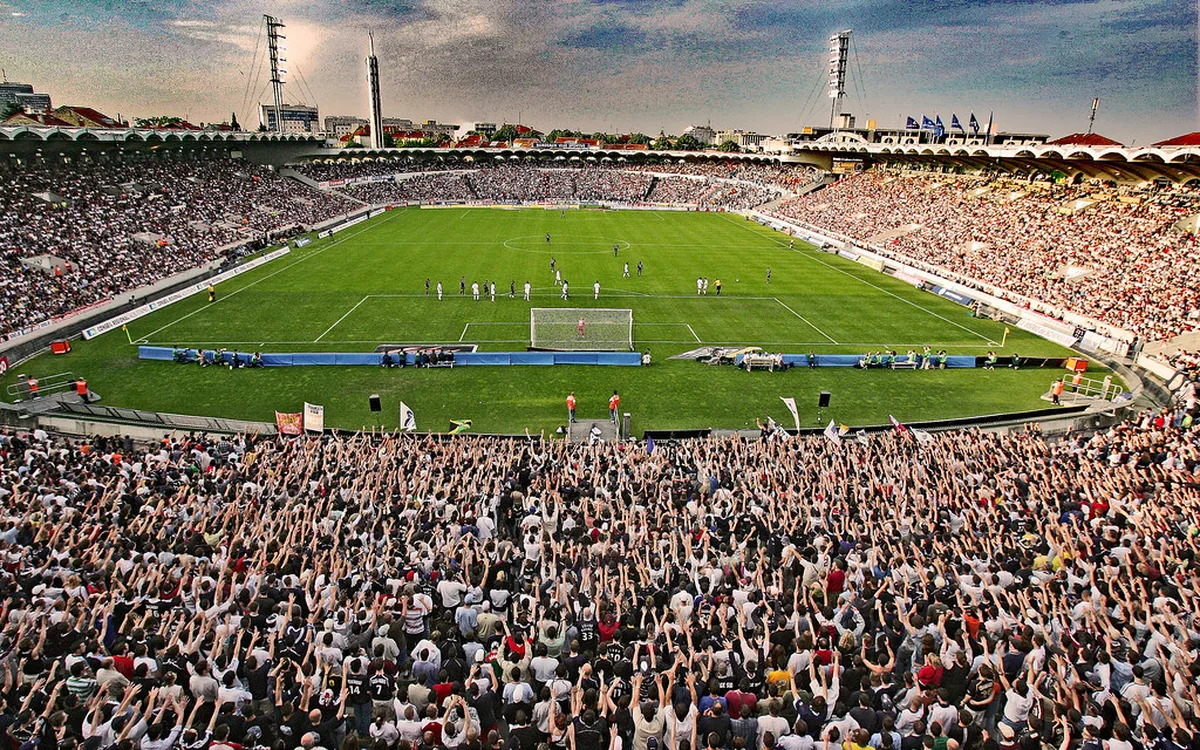
Alternatively, you might prefer a trip to the coast to see the impressive Dune du Pilat. This is the tallest sand dune in Europe at 106 metres and offers spectacular views of the Atlantic Ocean and the Landes pine forest stretching to the horizon. You can combine this excursion with a visit to Arcachon for a platter of fresh oysters from Arcachon Bay — the region produces roughly 8,000 tonnes per year. A dozen oysters from a hut at the Arcachon Basin costs €8–12 depending on size and provenance. Return bus and train combinations from Bordeaux cost approximately €12–16 per person, making it a very affordable day out even before factoring in the oyster lunch.
If you decide to stay in the city on day three, consider visiting the Marché des Capucins for an authentic market atmosphere. Known locally as the "belly of Bordeaux," this covered market has operated continuously since the nineteenth century and is where residents shop for weekly groceries and gather for Sunday morning oysters with a glass of cold Muscadet. Oysters here cost around €8–12 for a half-dozen depending on size and origin. The energy is infectious and it provides an unfiltered look at daily life in the city. It is also an excellent place to buy edible souvenirs — small jars of Périgord truffle salt, conserves, or a bottle of Sauternes honey pair well as gifts. The market operates Tuesday through Sunday and is closed on Mondays; Sunday mornings from 9:00 to 13:00 are the most vibrant window to visit.
End your trip with a celebratory dinner at one of the city's acclaimed brasseries. Bordeaux is justly famous for its entrecôte grillée sur sarments — beef sirloin cooked over vine shoot embers — which gives the meat a subtle smoky flavour unique to this region. A classic entrecôte dinner with house wine at a traditional brasserie runs €35–55 per person in 2026. Be sure to pair your meal with a glass of Pauillac or Saint-Estèphe for the full Médoc experience. Reflecting on three days of history, wine, and architecture over a great meal is the ideal way to conclude your visit to one of France's most rewarding cities.
Bordeaux 3-Day Budget Breakdown: What to Expect in 2026
Understanding the full cost of a Bordeaux trip in 2026 helps you plan without surprises. Below is a realistic per-person budget for a three-day visit, covering transport, attractions, food, and wine — built around the attractions featured in this itinerary.
Transport: The 72-hour Bordeaux Métropole pass costs €18 and covers all trams and buses for the entire stay. If you take a day trip to Saint-Émilion, add the TER return fare of €10.80; the Arcachon–Dune du Pilat option costs approximately €12–16 return. Budget €30–35 for transport over three days including one day trip. Airport transfers via tram Line C cost just €1.80 each way — a fraction of the €35–45 taxi fare.
Attractions: The Cité du Vin (€26) is the single highest-cost entry on this itinerary. Bassins des Lumières costs €16.50 online. Pey-Berland Tower is €6. The Bordeaux City Pass (€49 for 72 hours) bundles all three plus public transport and free entry to CAPC Museum (normally €7) — saving roughly €30–40 if you plan to visit all the above. Budget €40–55 for attractions if purchasing individually or €49 with the City Pass. Check our dedicated Bordeaux City Pass guide to see if the pass makes financial sense for your specific plans.
Food and drink: A set formule lunch averages €14–18 at a bistro. A market lunch at Halles de Bacalan or Marché des Capucins runs €15–20 including a glass of wine. Dinner at a neighbourhood restaurant costs €28–38 per person. For three days, budget approximately €120–160 per person for three lunches and two dinners (assuming one celebratory dinner at €35–55). Coffee at a local café costs €1.80–2.50 for an espresso; bakery breakfasts — croissant, pain au chocolat, orange juice — come to €4–6 per person.
Wine tastings: A glass at a Chartrons wine bar costs €4.50–9. A guided tasting at a négociant shop on Rue Notre-Dame (three to five wines) runs €10–18. Day-trip tastings at Saint-Émilion châteaux are €15–40 depending on the estate. Budget €30–50 per person for wine over three days if you are moderately engaged with Bordeaux's wine culture.
Total estimated budget per person: Mid-range travelers spending three nights in a central two-star or boutique hotel (€100–160 per night) can expect all-in costs of approximately €350–500 for three days, excluding accommodation. Budget travelers staying in hostels (€30–50 per night) and eating at markets can reduce this to €200–280. Luxury wine-focused visitors — château tastings, fine dining, first-growth pours — should budget €600+ per person for the three days. Bordeaux rewards careful planning: the tram is cheap, the market meals are excellent value, and many of the best experiences (the water mirror, the Chartrons evening stroll, cathedral visits) are completely free.
Tram Routes, Tickets, and the Bordeaux Métropole Pass
Bordeaux operates four tram lines (A, B, C, and D) that together cover virtually every attraction in this itinerary. Line C runs directly from the airport to the city centre in approximately 35 minutes, making it the simplest and cheapest airport transfer at €1.80 per single journey in 2026. Line B is the most useful for tourists, linking the main train station (Saint-Jean), the riverfront, and the Bassins à Flot district where Cité du Vin and Bassins des Lumières are located. Line A connects Mériadeck and the Chartrons district. All four lines share a flat-fare pricing structure with no zone surcharges within the metropolitan core.
The Bordeaux Métropole 72-hour pass costs €18 in 2026 and provides unlimited travel on all trams, urban buses, and the La Batcub river ferry that crosses the Garonne between Darwin and the Chartrons quay. For a three-day visit during which you commute from accommodation to attractions multiple times daily, the pass pays for itself after roughly 10 single journeys. Single tickets cost €1.80 each; a 10-trip carnet (book of 10) costs €14.50, offering a modest saving over individual purchases without the full freedom of the pass. All tickets and passes can be bought at ticket machines on every platform using Visa, Mastercard, or cash, and can also be loaded onto an NFC-enabled smartphone via the TBM (Transports Bordeaux Métropole) app.
Validate your ticket at the yellow validator posts on the platform before boarding — not inside the tram. Failure to validate results in on-the-spot fines starting at €35. Trams run from approximately 05:00 to 00:30 Sunday to Thursday and until 01:30 on Friday and Saturday nights, so they serve most evening dining and nightlife needs without requiring a taxi. Real-time departure information is displayed at every stop and within the TBM app. For journeys to Saint-Émilion or Arcachon, you depart from Bordeaux Saint-Jean station (the main TGV hub), which is served by tram line C — integrated planning between urban trams and regional TER trains makes day trips straightforward.
Cycling is another excellent option for the city centre. The V³ electric bike-share scheme has over 170 stations across Bordeaux. A 24-hour pass costs €1.70 and includes unlimited 30-minute trips; electric assist bikes are available at most central stations for a €0.50 supplement per 30-minute block. For visitors who plan to cover long distances between districts — for example, cycling the full 4.5-kilometre riverfront from Quai de Paludate to Quai des Chartrons — the V³ scheme is faster and more scenic than the tram during off-peak hours. If you plan to drive into the city rather than rely on public transport, consult our detailed parking in Bordeaux guide for the most affordable car parks near each major attraction.
Essential Logistics for your Bordeaux 3-Day Itinerary
Getting around the city is very easy thanks to the modern tram system managed by TBM (Transports Bordeaux Métropole). The trams are air-conditioned, quiet, and frequent — running every 4–6 minutes on core sections during the day. Single tickets cost €1.80 and are valid for 60 minutes of unlimited transfers within the network. You can purchase tickets at machines located at every stop using a credit card or cash. Remember to validate your ticket at the yellow bollards on the platform before boarding to avoid on-the-spot fines.
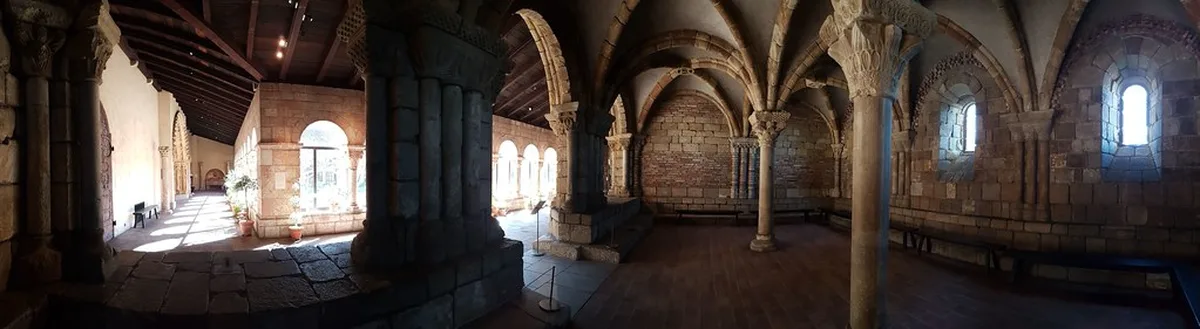
The Bordeaux City Pass is a valuable tool for travelers who plan to see multiple sites. In 2026 the pass includes unlimited public transport on all TBM lines and free or discounted entry to more than 20 museums and monuments, including the Cité du Vin (€26 value alone), the CAPC Museum of Contemporary Art, and the Bassins des Lumières. Passes are available in 24-hour (€29), 48-hour (€39), and 72-hour (€49) formats. For a three-day trip that includes the Cité du Vin and three further museum entries, the 72-hour pass saves approximately €30–40 over individually purchased tickets, making it excellent value. Buy online before your trip to skip the tourist office queue.
Safety in Bordeaux is generally very good by European urban standards. The historic centre, the Chartrons, and the riverfront are all relaxed and welcoming in the evenings. You should read our overview of whether Bordeaux is safe for tourists for specific neighbourhood notes, including areas around the Gare Saint-Jean that merit standard urban vigilance at night. Keeping your belongings secure in crowded areas like the main train station and Rue Sainte-Catherine is always recommended. The emergency number in France is 112.
When planning your visit in 2026, check for seasonal closures of major museums or parks. The Bassins des Lumières typically closes between major exhibitions for installation work, so confirm dates on its website before booking travel. Spring (April–May) and early autumn (September–October) offer the best weather for walking tours and outdoor dining, with average highs of 17–22°C and fewer crowds than the summer peak. Summer can be hot — July and August often reach 30°C or above — so plan indoor activities for the middle of the day and schedule outdoor sightseeing for morning and early evening. Advance booking for popular restaurants and wine tours is essential during July and August peak months.
Day 3 Evening: Wine Bar Crawl Through Chartrons and Saint-Pierre
If you return from your day trip by 18:00, Bordeaux rewards you with one of France's finest wine bar circuits. Begin in the Chartrons district at Bar à Vin de la Maison du Tourisme on Cours du 30 Juillet, where a curated selection of regional AOC wines is served by the glass from €4.50 for a Bordeaux Supérieur up to €12 for a classified growth. This official tourist board wine bar is an excellent introduction to the appellation system if you are new to Bordeaux wines, and the staff speak English. Allow 45 minutes here before moving on.
Walk south along Rue Notre-Dame — Bordeaux's premier antique and design gallery street — and stop at one of the specialist wine shops that double as tasting bars. Many offer standing tastings of three to five wines for €10–18, with a focus on small independent châteaux that rarely appear in supermarkets. The neighbourhood atmosphere on a warm evening is vibrant and unhurried; locals linger on the pavement with glasses in hand until well after 21:00. This stretch of Rue Notre-Dame is also one of the best places to buy a quality bottle to take home — prices are more competitive here than at airport duty-free shops. A well-chosen Saint-Émilion grand cru can be found for €15–35 at independent retailers along this street.
Cross the Garonne via the Pont de Pierre to explore the emerging Saint-Croix and Victoire neighbourhoods on the opposite bank. These areas have seen a wave of natural wine bars open since 2023, offering low-intervention and organic Bordeaux wines that challenge the region's traditional image. A glass of orange wine or pét-nat from the Entre-Deux-Mers costs €6–10 here. The contrast between the grand châteaux prestige of Day 2's Cité du Vin and the garage-winery informality of these bars captures Bordeaux's dual identity perfectly.
Return to the left bank via the Pont de Bir-Hakeim footbridge for a final glass in the Saint-Pierre quarter, the oldest part of the city. Rue des Bahutiers and Place Saint-Pierre are lined with low-lit wine caves and restaurants serving late until 23:00. A cheese and charcuterie board with two glasses of wine at a Saint-Pierre wine cave costs approximately €22–28 per person — an ideal way to close three days in the wine capital of France. The walk back to most central hotels takes under 15 minutes through illuminated medieval streets. For a full overview of the city's nightlife options beyond wine bars, including jazz clubs, live music venues, and late-night cocktail bars, see our Bordeaux nightlife guide.
Hidden Gems and Local Dining Secrets
One of the best-kept secrets in the city is the Darwin Ecosystem on the right bank, accessible via tram line C to Stalingrad station. This former military barracks spanning 4.5 hectares has been converted into a sustainable hub for street art, organic food, and social enterprise. You will find enormous murals by international artists covering entire building facades, a skate park, a CrossFit gym, and La Brasserie Darwin — a popular organic bistro where a three-course lunch runs €16–22. It offers a gritty and creative contrast to the polished limestone grandeur of the UNESCO historic centre and is particularly busy on weekend afternoons.
Avoiding tourist traps is key to experiencing the best food the city has to offer. Restaurants positioned directly on the Place de la Bourse or immediately facing the water mirror often charge a 20–30% premium for the view without a corresponding improvement in quality. Walking just two blocks into the side streets around Rue des Argentiers, Rue du Pas-Saint-Georges, or the backstreets behind Place du Parlement reliably turns up smaller family-run establishments with honest menus and better cooking. Look for a handwritten ardoise (chalkboard) outside — it is a reliable indicator that the kitchen changes its menu daily based on market availability. Many of these hidden bistrots offer a formule midi at €14–16 for two courses, representing exceptional value in a city of this calibre.
Booking dinner tables at least two days in advance is highly recommended for popular spots, and up to a week ahead for any restaurant with fewer than 40 covers. The local dining scene is competitive, and the best-value bistrots fill up by 20:00 every evening. Many restaurants now accept online reservations through their own websites, The Fork (La Fourchette), or via Instagram DM. This small step saves significant time and frustration during busy evenings when walk-in options are limited to tourist-facing venues.
- Top Places to Sample Local Flavors
- Spot: Marché des Capucins
- Best for: Fresh oysters (€8–12 per half-dozen)
- When: Tuesday–Sunday mornings, busiest on Sunday
- Price: Budget-friendly; €10–15 per person for oysters and a glass of wine
- Best Cultural Landmarks to Visit
- Site: Pey-Berland Tower
- Best for: Panoramic city views
- Access: 233 narrow spiral steps, not suitable for mobility-impaired visitors
- Cost: €6 per adult in 2026; under-18s free
- Essential Modern Art Destinations
- Venue: CAPC Museum of Contemporary Art
- Best for: Rotating international exhibitions in a soaring nineteenth-century warehouse
- Where: 7 Rue Ferrère, Chartrons district
- Entry: €7 per adult; free on the first Sunday of each month
Frequently Asked Questions
Is the Bordeaux City Pass worth it for a 3-day trip?
Yes, the 72-hour Bordeaux City Pass (€49 in 2026) is worth it if you visit at least three major attractions and use public transport daily. The Cité du Vin alone costs €26 to enter, so the pass covers most of its cost with a single museum visit. It also includes unlimited TBM tram and bus travel, entry to the CAPC Museum, and discounts at over 20 further sites. For a three-day itinerary with two or more museum days, expect to save €30–40 over individual ticket prices.
What is the best way to get from the airport to the city centre?
The most efficient option is tram Line C, which runs directly from Bordeaux-Mérignac Airport to the city centre in approximately 35 minutes. A single ticket costs €1.80 in 2026 — the cheapest airport transfer available. The tram departs every 15 minutes during the day and drops passengers at major central stops including Quinconces and Sainte-Catherine. A direct shuttle bus to Gare Saint-Jean operates every 30 minutes and costs around €8. Taxis run approximately €35–45 depending on traffic.
Should I rent a car for my Bordeaux 3-day itinerary?
Renting a car is not recommended for staying within Bordeaux itself. The historic centre is almost entirely pedestrianised, on-street parking is scarce and expensive, and the tram network reaches every major attraction. For day trips to Saint-Émilion or Arcachon, the regional TER train service is faster and cheaper than driving, and avoids parking fees at the destination. If you specifically want to tour rural wine châteaux in the Médoc, a car or organised shuttle tour is useful — but not necessary for a standard three-day city itinerary. See our parking in Bordeaux guide if driving is unavoidable.
Are most attractions open on Sundays and Mondays?
Major paid attractions including the Cité du Vin (€26), Bassins des Lumières, and CAPC Museum remain open on Sundays in 2026. However, many independent shops and smaller restaurants in France close on Mondays, and some close on Sundays too. The Marché des Capucins operates Tuesday through Sunday and is at its liveliest on Sunday mornings. The Halles de Bacalan is open seven days a week. Check each venue's official website before your visit as hours can shift during French school holiday periods.
How much does a wine tasting cost in Bordeaux?
Wine tasting costs in Bordeaux vary widely by venue and appellation in 2026. At city wine bars in the Chartrons district, a glass of local Bordeaux Supérieur costs €4.50–6, while classified-growth pours range from €8–15. Guided tastings at négociant shops on Rue Notre-Dame run €10–18 for three to five wines. Day trips to châteaux in Saint-Émilion typically charge €15–25 for a standard three-wine introduction, with premium tastings at grand cru classé estates reaching €40 or more. The Cité du Vin (€26 entry) includes a complimentary wine tasting in its ticket price on the panoramic eighth floor.
What is the best season to visit Bordeaux in 2026?
The best time to visit Bordeaux in 2026 is late April through early June or September through October. Temperatures in these windows average 17–23°C, rainfall is moderate, and crowds are noticeably lighter than the July–August peak. Spring brings blooming wisteria across the Chartrons and Sainte-Croix districts. Autumn coincides with the grape harvest (vendanges), when châteaux around Saint-Émilion and the Médoc welcome visitors to watch picking and early pressing — a unique opportunity available from mid-September through mid-October. Summer is the busiest and hottest season; book accommodation and restaurant tables at least two weeks ahead if visiting in July or August.
How much does a 3-day trip to Bordeaux cost overall?
A mid-range three-day trip to Bordeaux in 2026 costs approximately €350–500 per person excluding accommodation. This covers the 72-hour tram pass (€18), one day-trip fare (€10–16), key attractions including the Cité du Vin (€26) and Bassins des Lumières (€16.50), three lunches at €14–20, two dinners at €28–38, and moderate wine tastings (€30–50). Budget travelers relying on markets, free sights, and the City Pass (€49) can reduce costs to €200–280 per person. A useful tool for maximising value is our Bordeaux City Pass guide, which breaks down exactly which attractions make the pass worthwhile.
Bordeaux in 2026 is a city that rewards those who take the time to explore its diverse neighbourhoods beyond the famous Place de la Bourse. This Bordeaux 3-day itinerary ensures you see the essential highlights — from the €26 Cité du Vin to a €1.80 tram ride across the city — while living the local lifestyle at a comfortable pace. You will leave with a deep appreciation for the history, art, and flavors of one of France's most beautiful and welcoming cities.