Is Bordeaux Safe for Tourists? Your 2026 Travel Safety Guide
Bordeaux is safe for tourists in 2026. Emergency numbers: police 17, ambulance/SAMU 15, fire 18, European emergency 112. A single tram ticket costs €1.70 and a 24-hour pass costs €4.70.
Solo travelers rate Bordeaux as one of France's safest cities. The Gironde department records 38 thefts per 1,000 residents — well below Paris at 68. Taxis from Gare Saint-Jean to Place de la Bourse cost €12–€18.
Bordeaux is famous for world-class wine and stunning 18th-century architecture. Most visitors find the city welcoming and easy to navigate during their stay. It remains one of the safest major cities in France for international travelers. Knowing which areas to explore and which behaviors to avoid ensures a stress-free trip. This guide covers everything you need to feel confident while exploring the Port of the Moon.
Is Bordeaux Safe for Tourists? An Overview
Bordeaux consistently ranks as a low-risk destination for travelers of all ages. The city center is well-monitored by local authorities and features a visible police presence around major plazas and tourist landmarks. You will likely feel very comfortable walking through the main squares during the day. Violent crime against tourists is extremely rare in this historic wine capital, and the statistics back this up.

The UK Foreign, Commonwealth & Development Office (FCDO) advises travelers to France to exercise normal precautions — the same advisory level applied to comparable Western European destinations such as Germany and the Netherlands. As of the 2026 advisory update, Bordeaux is not subject to any specific local threat or elevated alert. The FCDO does flag petty theft as the main risk for tourists in all major French cities, a pattern that holds true here.
French national crime data (published by the Ministère de l'Intérieur) shows that the Gironde department, which includes Bordeaux, records roughly 38 thefts per 1,000 residents annually — well below the Paris Île-de-France rate of 68 per 1,000. Physical assault rates are similarly below the national average for a city of Bordeaux's size (around 250,000 residents). Tourists are statistically least at risk of violent crime and most at risk of opportunistic theft.
The local culture is generally polite and accustomed to a high volume of international guests. Around four million tourists pass through each year, so residents are experienced at interacting with visitors. Most hotel and restaurant staff speak functional English, and many younger locals speak it fluently. Compared to larger hubs like Paris, the pace here is much more relaxed and manageable, making it an ideal spot for families, seniors, and first-time visitors to France.
While safety is high, it is always wise to maintain a basic level of urban awareness. Small incidents like bag snatching can occur if you leave items unattended in cafes or on tables near the Water Mirror fountain. Planning your routes ahead of time helps you stay focused on the beautiful scenery rather than scrambling with a phone in a crowd. Check out the Bordeaux 3-day itinerary to start mapping your journey with confidence.
Best Neighborhoods for a Secure Stay
Choosing the right base is essential for feeling secure throughout your vacation. The historic core is the most popular choice due to its constant activity and strong ambient lighting from heritage streetlamps. Narrow streets are filled with boutique shops and diners until late in the evening, meaning plenty of foot traffic even after dark. You can find comprehensive area-specific advice in our Bordeaux Old Town guide.
Chartrons is another excellent option located just north of the city center along the Garonne riverfront. It offers a village-like atmosphere with quiet residential streets, independent galleries, and trendy wine bars. Families often prefer this area for its calm nights, good street lighting, and proximity to public parks and the riverbank cycle path. The petty crime rate in Chartrons is notably lower than in more transit-heavy zones around Gare Saint-Jean.
Saint-Michel is a vibrant, multicultural neighborhood south of the cathedral that gives a different, more lived-in perspective on the city. It is safe during daylight hours when the markets around the Basilique Saint-Michel are bustling with locals buying produce and antiques. Travelers should exercise a bit more caution in this neighborhood after midnight, particularly on side streets. Staying on the main roads like Cours Victor Hugo and Rue Sainte-Catherine is always the safest path in this area.
The Hôtel de Ville and Triangle d'Or districts are the most upscale and formally policed areas of the city. Grand avenues, well-maintained lighting, and a dense concentration of hotels make this feel particularly secure at any hour. Business travelers and those on short city breaks typically gravitate here. The area around Place de la Bourse and the riverfront Quais is equally well-lit and popular with evening strollers well into the night.
If you need emergency assistance at any point during your stay, remember that police (17), SAMU ambulance service (15), fire brigade (18), and the pan-European emergency line (112) are all reachable from any phone at no charge, including phones without a SIM card. Knowing these numbers before you arrive removes any panic in an unfamiliar situation. Most neighborhoods listed here have visible police patrol vehicles or foot officers during peak tourist hours, April through September. If you are comparing Bordeaux to other French cities from a safety perspective, our guide to is Strasbourg safe for tourists offers a useful parallel benchmark from a similarly historic, well-managed city.
- Old Town (Saint-Pierre)
- Location: Central riverfront
- Vibe: Historic and busy
- Safety: High police presence
- Best for: First-timers, couples
- Chartrons District
- Location: Northern riverside
- Vibe: Trendy, relaxed, village feel
- Safety: Very peaceful, low petty crime
- Best for: Families, wine lovers
- Hôtel de Ville / Triangle d'Or
- Location: Administrative center
- Vibe: Grand and upscale
- Safety: Excellent lighting and patrols
- Best for: Business travelers, short stays
- Saint-Michel
- Location: South of the cathedral
- Vibe: Multicultural, market-driven
- Safety: Good by day, moderate at night
- Best for: Budget travelers, culture seekers
Bordeaux Neighbourhood Safety Map: Saint-Michel vs Chartrons vs Saint-Pierre
Understanding how Bordeaux's main tourist districts compare on a safety level helps you pick the right accommodation and plan your evening routes. Each of the three core neighbourhoods has a distinct profile — here is a direct comparison based on 2026 conditions, local police data, and travel community feedback.
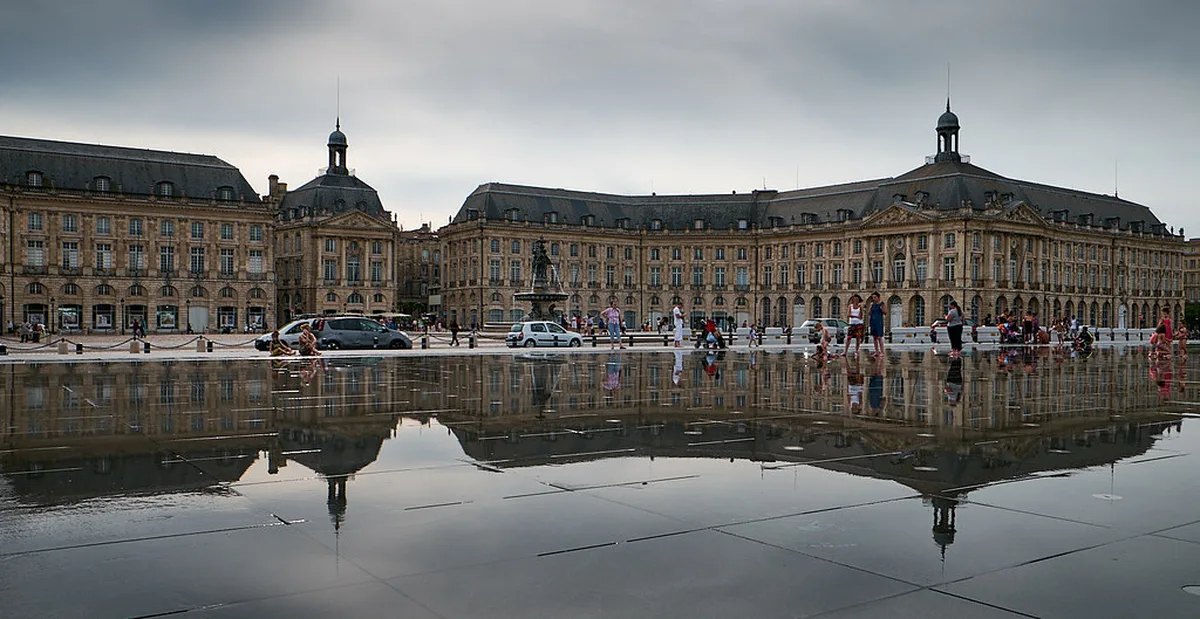
Saint-Pierre (Old Town): This is the historic heart of Bordeaux and the single safest area for tourists at all hours. The Place de la Bourse, Miroir d'Eau, and the Rue Sainte-Catherine shopping street are all heavily frequented by visitors and policed accordingly. CCTV coverage is dense throughout the pedestrianised centre. The main risk is pickpocketing around selfie spots at the Water Mirror — keep valuables inside a zipped front pocket when the area is crowded. At night, the quayside bars and restaurants keep the streets well populated until around midnight, meaning genuine isolation is rare. Safety rating for tourists: high.
Chartrons: North of the old town along the Garonne, Chartrons blends residential calm with a weekend market scene. The Marché des Chartrons (Sunday mornings) draws a large local crowd, making it extremely busy and safe in the morning. By weekday evenings the streets quiet down considerably, but the neighbourhood remains low-risk — its resident demographic skews toward families and professionals. There are no significant gang territories or consistent crime hotspots in this district. If you are arriving late at night, the well-lit Quai des Chartrons is a safer walking route than interior side streets. Safety rating for tourists: high.
Saint-Michel: Centred on the Basilique Saint-Michel and its flea market, this neighbourhood is the most diverse of the three and also the one that generates the most mixed reviews from visitors. During market hours (mornings, especially weekends) the square is lively and safe — traders keep the area active and naturally deter opportunistic crime. After dark, particularly on the quieter side streets east of the basilica, the atmosphere changes. Small groups loitering near the square have occasionally targeted tourists with distraction tactics. The neighbourhood is not dangerous by any objective measure, but solo travelers arriving after 11 PM are better advised to take a tram or a taxi (approx. €8–€12 from the city centre in 2026) rather than walking unfamiliar routes. Safety rating for tourists: moderate at night, high by day.
As a general rule: any street within five minutes' walk of the tram lines A, B, or C is well-trafficked and monitored. Moving away from tram corridors into the residential hinterland of any district increases isolation and, with it, marginal risk. The Bordeaux City Pass includes unlimited tram and bus travel, so there is no reason to walk long distances in unfamiliar areas at night. Taxi apps (Bolt and Uber both operate in Bordeaux) quote around €6–€10 for a short hop within the city and are the safest option after midnight if you are travelling alone.
Common Scams and Petty Crime to Avoid
Petty theft remains the most common issue for tourists visiting major French cities, and Bordeaux is no exception. Pickpockets often work in teams near the Water Mirror on Place de la Bourse or on crowded trams, particularly during the summer festival season when visitor numbers peak. They specifically target distracted individuals who are busy taking photos or consulting maps on their phones. Keeping your valuables in a zipped inner pocket or a crossbody bag worn against your chest significantly deters opportunistic hands.
Be alert to strangers approaching you with petitions, clipboards, or friendship bracelets near major tourist landmarks. These are well-documented distraction techniques used across France where one person engages your attention while a second targets your unguarded bag or phone. The "gold ring" scam — where someone "finds" a ring and tries to sell it to you — has been reported near Place du Palais and along the Quais. Firmly decline any unsolicited engagement and continue walking toward a populated area. Legitimate locals who want to help will wait for you to approach them.
Public transport is generally safe but requires vigilance during the morning commute and around major event days. Keep your backpack positioned on your front when standing in a crowded tram car, particularly on Lines A and B between the station and the city centre. Thieves may attempt to snatch phones right before the doors close at a busy stop such as Quinconces or Victoire. Always be aware of who is standing directly behind or beside you in tight spaces. Using your phone for navigation is fine — but hold it securely and step back against a wall if you need to focus on the screen.
Restaurant and cafe terrace theft is another common issue in the warmer months (April through September). A bag hanging on the back of a chair or placed on the floor beside your table is an easy target. Use the bag hook under the table if one is provided, or loop the strap around your chair leg. Never leave your camera or phone on the table while you look away. These crimes are fast — perpetrators often work on scooters and can grab items and accelerate before you react. Reporting thefts is straightforward at the central police station (Hôtel de Police) on Rue Castillon by calling police on 17; staff are accustomed to assisting tourists and can provide a declaration for travel insurance claims.
Nightlife and Solo Traveler Safety Tips
Bordeaux has a diverse evening scene that caters to wine bar enthusiasts, late-night diners, and club-goers alike. The Victory (Victoire) district is popular with students from the universities and stays lively until the early hours of the morning on weekends. Consult our Bordeaux nightlife guide to find the best venues suited to your style and budget. Most bars in the centre are safe, well-staffed, and accustomed to welcoming solo patrons — you will rarely feel conspicuous or vulnerable.
Walking alone at night is safe in most central areas with high foot traffic. Stick to the main boulevards — Cours de l'Intendance, Cours Victor Hugo, Allées de Tourny — and avoid shortcuts through unlit alleyways or the darker sections of Parc Bordelais after midnight. Solo travelers whose hotel is more than a fifteen-minute walk from the nightlife district should use a ride-sharing app rather than walking unfamiliar routes. In 2026, both Uber and Bolt operate reliably in Bordeaux; a cross-city fare typically costs €7–€14 depending on the time of night and surge pricing.
Solo female travelers consistently find Bordeaux respectful and easy to navigate. Catcalling and street harassment are reported at lower rates here than in the French capital. Standard precautions apply regardless of gender: watch your drink and never leave it unattended at a bar, stay in well-lit public areas, and let someone know your general plans for the evening. If you feel uncomfortable, any open bar or restaurant is a safe refuge — staff in France are generally responsive to guests who quietly ask for help.
Travel insurance for a week in Bordeaux typically costs €20–€55 depending on your country of residence and the level of medical cover. Comprehensive policies that include cancellation, medical evacuation, and personal liability are strongly recommended. The European Health Insurance Card (EHIC) or Global Health Insurance Card (GHIC) for UK travelers covers emergency medical treatment in French public hospitals, reducing out-of-pocket costs significantly. Keep a photo of your policy number and emergency contact on your phone and on a piece of paper in your bag — separate from each other in case one is lost. You can explore the wider region confidently — our guide to day trips from Bordeaux covers safe and well-connected destinations within two hours of the city.
Navigating the City and Transport Safety
The tram system (TBM — Transports Bordeaux Métropole) is the most efficient and safe way to get around the city. Stations are well-lit, monitored by cameras, and usually display real-time digital arrival boards. A single tram ticket costs €1.70 in 2026; a 10-trip carnet is €14.50; and a 24-hour pass is €4.70 — all validated by the same card readers. Buying a Bordeaux City Pass simplifies this further by bundling unlimited transit with museum entry. Always validate your ticket at the start of each journey to avoid on-the-spot fines from roaming transport officers, who regularly patrol Line A in particular.
Taxis and ride-shares are consistently safe. Licensed taxis in Bordeaux charge a flag fall of approximately €2.60 plus €1.10/km in 2026 (tariff B, applicable at night and on Sundays). A ride from Gare Saint-Jean (the main train station) to Place de la Bourse typically comes to €12–€18. Bolt and Uber are cheaper for short trips within the city centre, usually €6–€10. Request your car from inside the bar, restaurant, or hotel lobby rather than hailing on the street late at night, which removes any ambiguity about the legitimacy of the vehicle.
If you are driving, car security is important in unsupervised street parking spots. Never leave luggage, electronics, shopping bags, or any visible item on the seats of your vehicle — not even a cheap-looking jacket, as it may conceal something valuable in a thief's assessment. Look for supervised garages before you arrive by consulting our guide to parking in Bordeaux. Monitored underground car parks cost approximately €2–€3 per hour or €18–€24 for 24 hours in central locations. Break-ins are almost exclusively crimes of opportunity and are virtually eliminated by keeping the interior visibly empty.
Cycling is a fantastic and popular way to see the sights in Bordeaux, which has over 350 kilometres of marked cycle routes. Watch for tram tracks — the grooves are wide enough to catch a bicycle wheel and throw an unprepared rider. Always cross tracks at as close to a right angle as possible and avoid braking suddenly on wet metal. Hire a VCub public bike (available at 174 stations across the city; first 30 minutes free with a subscription card at €1.70/month) for a safe, accountable cycling experience. Lock your hire bike or personal bicycle with a high-quality U-lock even for short café stops — opportunistic bike theft is the second most commonly reported crime in Bordeaux after phone theft.
Health and Medical Safety in Bordeaux
Bordeaux has an excellent network of medical facilities that make health emergencies manageable even for visitors who do not speak French. The Centre Hospitalier Universitaire (CHU) de Bordeaux is one of France's leading teaching hospitals, with specialist units for paediatrics, cardiology, and trauma. It operates 24 hours a day, seven days a week, and has staff familiar with assisting international patients. For life-threatening emergencies, call SAMU on 15 — operators can dispatch a medical team and coordinate with the nearest suitable facility.
For non-urgent medical needs, the city has over 80 pharmacies distributed throughout the centre and surrounding neighbourhoods. Pharmacies are identifiable by a glowing green cross and are open until at least 7:30 PM on weekdays. Several operate extended hours or overnight rotas — look for the illuminated green cross or ask your hotel concierge for the nearest duty pharmacy (pharmacie de garde). Most central pharmacy staff speak functional English and can advise on minor ailments, provide over-the-counter remedies, and refer you to a general practitioner if needed. A standard GP consultation in France costs approximately €25–€30 in 2026, with partial reimbursement available if you hold a European Health Insurance Card (EHIC) or UK Global Health Insurance Card (GHIC).
Allergies and dietary requirements are increasingly well-catered for in Bordeaux restaurants, but always communicate clearly in advance for severe allergies. French menus are required by law to list the 14 major allergens. If you require prescription medication, bring a sufficient supply for your entire trip plus a few extra days as buffer. Keep medicines in their original labelled packaging and carry a copy of the prescription in case of customs queries or if you need a replacement. In the event of a dental emergency, private dental clinics operate in the city centre and typically charge €60–€150 for an emergency consultation and treatment assessment.
Heat safety deserves attention during summer visits. Bordeaux can experience temperatures above 35°C in July and August — the city experienced a significant heatwave in recent years that temporarily overwhelmed local services. Carry a refillable water bottle (free tap water is available at public fountains throughout the historic centre), wear sunscreen, and take shade breaks during the hottest midday hours (12–3 PM). If you or a travel companion show signs of heat exhaustion — dizziness, rapid heartbeat, confusion — call 15 or 112 immediately and move the person to shade. Older travelers and children are most vulnerable and should plan outdoor sightseeing around the cooler morning and evening hours.
Travel health insurance is strongly recommended even for EU travelers with an EHIC card. The card covers emergency treatment in public hospitals but does not cover repatriation, private clinic visits, or non-emergency treatment. Comprehensive travel insurance for a one-week visit to Bordeaux typically costs €20–€55 depending on your home country and coverage level. If you plan to extend your trip to other French cities, see also our comparison article on is Montpellier safe for tourists for regional health and safety context.
Practical Tips for a Stress-Free Visit
Keeping a digital backup of your travel documents is one of the most impactful and simple safety measures you can take. Store clear photos of your passport, visa, travel insurance policy, and any relevant prescriptions on a secure cloud drive such as Google Drive or iCloud. Leave your physical passport in your hotel safe while you explore the city, carrying only a photo ID or a certified copy. A small stash of emergency cash — around €50 in mixed denominations — should be kept in a separate pocket or a money belt, away from your main wallet.
Learning a few basic French phrases can greatly improve your local interactions and signal that you are not a disoriented tourist. Polite greetings like "Bonjour" (good morning/day) and "Merci" (thank you) go a long way with shopkeepers and market vendors who deal with tourists all day. Using a structured plan like the Bordeaux 3-day itinerary helps you stay organised, move confidently between areas, and reduces the time spent looking lost or confused on the street — which is precisely when opportunistic criminals pay attention. Knowing your destinations and having your next location loaded on your phone before you step out of a café cuts your visible vulnerability considerably.
Save these emergency numbers in your phone before you arrive: police 17, SAMU ambulance 15, fire brigade 18, European emergency 112. All four are free, work from any phone including those without a SIM card or with a foreign SIM, and connect directly to the relevant emergency service. Pharmacies — identifiable by a glowing green cross — are distributed densely across the city centre and open until at least 7:30 PM on weekdays. Most central pharmacy staff in Bordeaux speak functional English and can advise on minor medical issues, provide over-the-counter remedies, and direct you to the nearest hospital if needed. For non-emergency medical care, a consultation with a French general practitioner costs approximately €25–€30 in 2026, partly reimbursable if you hold a European Health Insurance Card.
Frequently Asked Questions
Is Bordeaux safe for solo female travelers?
Yes, Bordeaux is considered very safe for solo female travelers in 2026. The city centre, Chartrons, and Saint-Pierre districts are walkable, well-lit, and frequented by tourists and locals at most hours. Street harassment rates are lower than in Paris or Marseille. Standard precautions apply: stay aware of your surroundings, keep your drink in sight at bars, use a taxi or ride-share app (€6–€12 within the city centre) rather than walking alone after midnight in unfamiliar areas, and share your plans with someone back home. If you feel unsafe at any point, call police on 17 or the pan-European emergency number 112. The Victoire nightlife district is particularly welcoming to solo visitors of any gender.
Are there any specific areas to avoid in Bordeaux?
Most tourist areas in Bordeaux are safe, but exercise caution around the Gare Saint-Jean (main train station) area late at night, where small groups of opportunistic thieves occasionally operate. Some outer suburbs — notably Les Aubiers, Grand Parc, and La Benauge — are residential districts with higher deprivation levels and are not suitable destinations for tourists. They are rarely visited by visitors anyway. Stick to the historic centre, the riverfront Quais, Chartrons, and Victoire for the most comfortable and secure experience. If you do need to pass through the station late, use the well-lit main entrance and take a taxi or tram rather than walking into the surrounding streets. Emergency number for police: 17.
How can I avoid pickpockets on Bordeaux trams?
Keep your bags fully zipped and position them on your front or lap rather than on your back when riding Bordeaux trams. Avoid looking at your phone near the doors, where snatch-and-run thefts can occur just as a stop is reached. Thieves frequently work in pairs on Lines A and B during morning rush hour (7:30–9:30 AM) and on busy event days. A single tram ticket costs €1.70 in 2026; buying a 24-hour pass for €4.70 reduces the need to handle cash or cards repeatedly at machines. Staying alert at high-traffic stops like Quinconces, Victoire, and Hôtel de Ville significantly reduces your risk. A crossbody bag with a zipper or a compact anti-theft backpack worn on the front is the most effective deterrent on public transit.
What does the UK FCO say about travelling to Bordeaux in 2026?
The UK Foreign, Commonwealth & Development Office (FCDO) advises travelers to exercise normal precautions throughout France, including Bordeaux — the same standard advisory that applies to countries such as Germany, Spain, and the Netherlands. There is no specific regional warning for Bordeaux or the Gironde department. The FCDO highlights petty theft (pickpocketing, bag-snatching) as the main risk for tourists in French cities, and recommends purchasing comprehensive travel insurance before departure. The advisory is reviewed continuously and was current as of April 2026. Check travel.fcdo.gov.uk for the latest update before your trip.
How much does a taxi cost in Bordeaux in 2026?
Licensed taxis in Bordeaux charge a flag fall (prise en charge) of approximately €2.60 and a daytime rate of around €1.10 per kilometre (Tariff A). Night rates, Sundays, and public holidays use Tariff B at approximately €1.35 per kilometre. A typical cross-centre journey — for example, from Gare Saint-Jean to Place de la Bourse — costs €12–€18 depending on traffic and time of day. Uber and Bolt also operate in Bordeaux and are generally €2–€5 cheaper than metered taxis for short urban trips, with fares of €6–€12 for most within-city journeys. Both apps provide upfront pricing, which removes any ambiguity about the cost before you get in.
Is Bordeaux safe for families with young children?
Yes, Bordeaux is an excellent destination for families in 2026. The Chartrons neighbourhood and the riverfront Quais are particularly family-friendly — wide promenades, cycle paths, and parks make pushchair and stroller navigation easy. The city centre is largely pedestrianised, significantly reducing traffic hazards. Tram platforms are level-access. Medical facilities are well-distributed: the Centre Hospitalier Universitaire (CHU) de Bordeaux is a top-tier paediatric hospital; for a child's medical emergency call SAMU on 15 or European emergency 112. Keep children close in crowded areas like the Water Mirror, apply the same petty-theft awareness that applies to adults, and the city presents no meaningful safety concerns for families.
What should I do if I have a medical emergency in Bordeaux?
For a life-threatening medical emergency in Bordeaux, call SAMU on 15 (ambulance and paramedics) or the European emergency number 112, which works from any mobile phone. For fire, call 18. For police assistance, call 17. The CHU de Bordeaux is the main emergency hospital and operates around the clock. For non-urgent issues, pharmacies (green cross symbol) can advise and direct you; a GP consultation costs approximately €25–€30 in 2026. EU/EEA travelers with an EHIC card and UK travelers with a GHIC card receive emergency treatment in public hospitals at reduced cost. Always carry your insurance policy number separately from your wallet in case of theft.
Is Bordeaux safe to visit in summer during heatwaves?
Bordeaux can reach temperatures above 35°C in July and August. The city has experienced significant heatwaves in recent years, and heat exhaustion is a genuine health risk for visitors who are not acclimatised. Stay hydrated using free public water fountains throughout the historic centre, wear high-SPF sunscreen, and limit outdoor sightseeing to the cooler morning (before 11 AM) and evening (after 5 PM) hours. If someone shows signs of heatstroke — confusion, rapid pulse, hot skin — call 15 or 112 immediately and move them to shade. Hotels and most museums are air-conditioned and serve as effective cool refuges during peak afternoon heat. Older travelers and young children are most at risk and should plan itineraries accordingly.
Bordeaux in 2026 remains a top-tier destination that prioritises the safety and comfort of its visitors. The UK FCO "normal precautions" advisory, below-average crime rates for a French city of its size, and dense police monitoring in tourist districts all point to a destination where risk is manageable and the rewards are considerable. Key emergency contacts to save before you travel: police 17, SAMU ambulance 15, fire 18, and European emergency 112.
By keeping valuables secure, sticking to well-lit routes at night, and using the tram (€1.70 single, €4.70 day pass) or ride-shares (€6–€12 within the centre) rather than walking alone in unfamiliar areas after midnight, you can focus entirely on the incredible food, wine, and architecture that make Bordeaux one of France's most celebrated cities.
Plan your trip with confidence — explore the Bordeaux Old Town guide for your first day, lock in transport with the Bordeaux City Pass, and use the day trips from Bordeaux guide to extend your adventure into the wider Gironde region. Traveling elsewhere in France? Compare safety profiles in our guides to is Strasbourg safe for tourists and is Montpellier safe for tourists.