Is Strasbourg Safe for Tourists? Essential Safety Tips for 2026
Strasbourg is one of France's safest cities for tourists in 2026. Violent crime against visitors is extremely rare. The UK FCDO rates France at Level 1 (exercise normal precautions). Emergency numbers: police 17, SAMU 15, fire 18, European emergency 112.
Petty theft — pickpocketing near Notre-Dame Cathedral and Place Kléber — is the primary risk. Tram day passes cost €4; Vélhop city bikes €5/day. Travel insurance covering theft typically runs €30–€70 per week for European trips in 2026.
Strasbourg is widely considered one of the safest cities in France for international travelers. Most visitors explore its historic streets, canal-laced islands, and European quarter without encountering any significant security issues. Understanding local nuances — from neighbourhood crime patterns to Christmas Market crowd protocols — helps ensure your trip remains stress-free in 2026.
General Safety Overview in Strasbourg
Strasbourg is safe for tourists in 2026. The city records one of France's lowest violent crime rates among urban centres with a population above 200,000. The UK FCDO's current travel advisory places all of metropolitan France — including Alsace — at its base "exercise normal precautions" level. EU-wide safe city benchmarks from Eurostat's 2026 Urban Safety Index rank Strasbourg in the top quartile of French cities for personal security perception, ahead of Lyon, Bordeaux, and Nice.
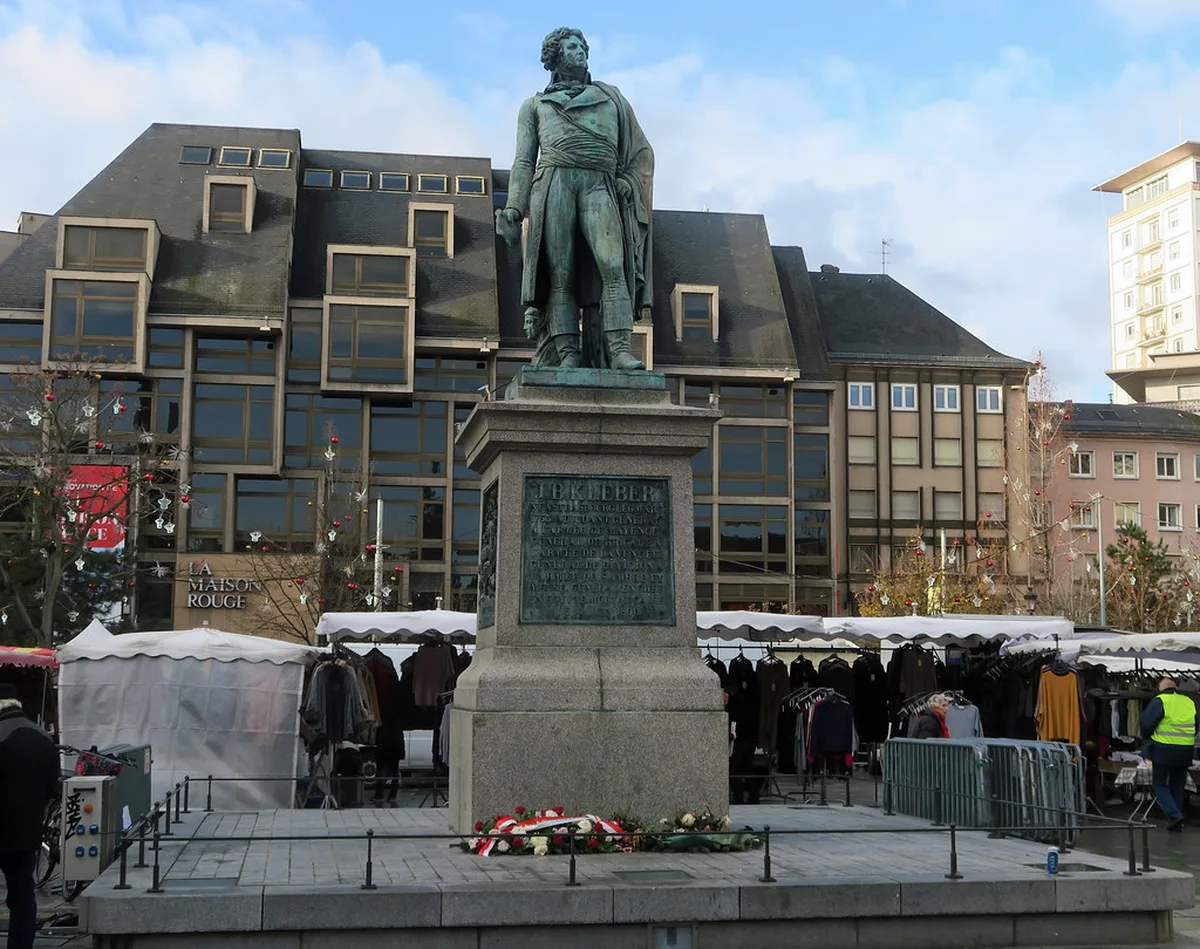
Crime rates in this Alsatian capital remain significantly lower than in larger hubs like Paris or Marseille. Violent crime against tourists is extremely rare; the most common incidents involve opportunistic petty theft near Notre-Dame Cathedral, Place Kléber, and the Petite France district during peak hours. French National Police and local municipal police maintain a highly visible presence throughout the city centre, with patrols reinforced around major tourist sites during summer and the December Christmas Market season.
Terrorism awareness is part of France's national Vigipirate security plan, which has operated at its "Enhanced Security" tier since 2023. In practice this means security barriers and bag checks at major public events and an increased police presence at transport hubs. Strasbourg itself has not experienced a terrorist incident in recent memory, and the precautions are standard nationwide measures rather than a specific local threat.
Travelers should exercise the standard urban precautions they would apply in any European city: keep valuables in zipped inner pockets or a crossbody bag, be especially attentive in crowded areas, and avoid displaying expensive cameras or jewellery unnecessarily. Emergency services are fast and reliable — dial 17 for police, 15 for SAMU (medical), 18 for fire brigade, or 112 to reach the European emergency network. Most operators speak English. The overall security environment is bolstered by Strasbourg's role as seat of the European Parliament and the Council of Europe, which brings additional diplomatic security infrastructure to the city year-round.
Budget note: Travel insurance covering theft and medical emergencies typically costs €30–€70 per week for a European trip in 2026. Given Strasbourg's low but non-zero petty theft risk, comprehensive cover is strongly recommended. When planning which parts of the city to visit, the Strasbourg old town guide covers the Grande Île's safest streets and the best-lit evening routes through the historic centre.
Strasbourg Neighbourhood Safety Guide — Grande Île, Neuhof, and Hautepierre Compared
Understanding which parts of Strasbourg are safest helps you choose accommodation wisely and plan evening routes with confidence. The city's safety profile varies considerably between its historic tourist core and its outer residential districts.
Grande Île — Safest Area for Tourists
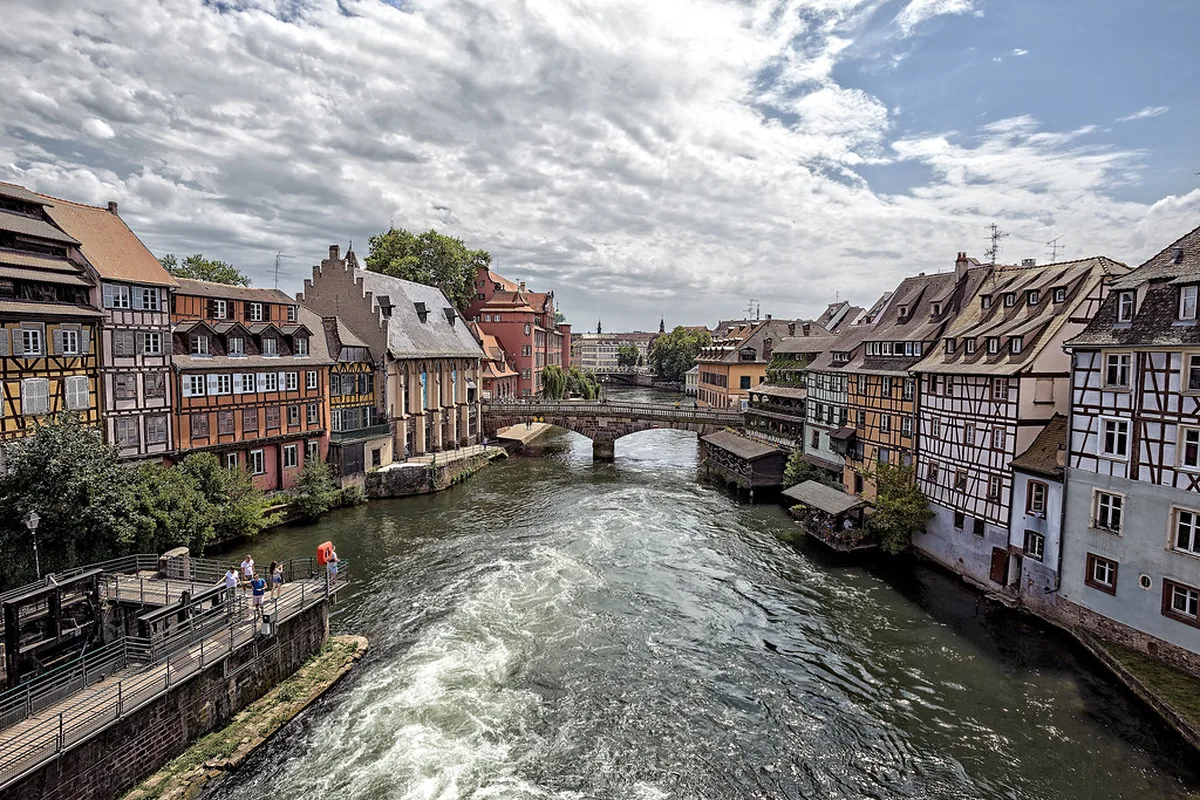
The Grande Île (literally "Great Island"), a UNESCO World Heritage Site enclosed by two branches of the Ill River, is the undisputed safest zone for visitors. Heavy foot traffic throughout the day and evening, excellent street lighting, and a constant police presence make this the ideal base for first-time visitors and families. Hotels here command a premium — expect to pay €120–€250 per night for a mid-range double — but the security and walkability justify the cost. Violent crime on the Grande Île is exceptionally rare; the main risk is pickpocketing near Notre-Dame Cathedral and in the narrow lanes of Petite France.
Krutenau — Safe and Lively Student Quarter
Immediately southeast of the Grande Île, Krutenau is a vibrant student and young professional neighbourhood with an active café and bar scene. Crime rates here are slightly higher than the Grande Île but still well below French urban averages. The area feels animated and socially controlled by the density of people out at all hours. Solo travellers on a budget appreciate the affordable restaurants and short walk to the city centre. Standard nightlife precautions apply: keep your bag close and avoid poorly lit side streets after midnight.
Orangerie — Upscale and Quiet
Located northeast of the centre near the European Parliament and the Parc de l'Orangerie, this neighbourhood is one of Strasbourg's safest and most pleasant residential districts. Wide, well-lit boulevards, diplomatic presence, and low population density mean crime is minimal. It is a favourite for visitors attending EU institutions or those seeking a quieter base away from tourist crowds.
Neuhof — Exercise Caution
Neuhof, roughly 3 km south of the city centre, is a working-class district with crime rates significantly above the city average. French police statistics classify it as a priority security zone, with elevated rates of vehicle break-ins, street robbery, and drug-related incidents. There are virtually no tourist attractions in Neuhof, so visitors have little reason to travel there. If you do venture south for any reason, travel in daylight and by tram rather than on foot through residential streets.
Hautepierre — Avoid After Dark
Hautepierre, located in the northwestern suburbs approximately 4 km from the centre, is Strasbourg's most troubled district by crime statistics. It was designated a Quartier de la Politique de la Ville (QPV) — a French government priority urban area — reflecting socio-economic challenges that correlate with higher crime. Again, there are no tourist sites here, and visitors have no practical reason to visit. The tram line passes through, but staying on board rather than alighting is advisable unless you have a specific reason to be there.
Neighbourhood Safety Summary
- Grande Île: Highest safety, ideal for tourists, premium accommodation prices
- Krutenau: Very safe, lively, budget-friendly, standard nightlife precautions
- Orangerie: Very safe, quiet, near EU institutions, upscale
- Neuhof: Higher crime, no tourist attractions, daytime only if needed
- Hautepierre: Highest crime, no tourist reason to visit, avoid after dark
Safe Neighborhoods and Practical Tips for Getting Around
Most of Strasbourg's visitor experience is concentrated in a compact, easily walkable core where safety is excellent. The Grande Île's UNESCO-listed streets — from the cathedral to Petite France — are monitored by CCTV and police patrols around the clock. Choosing accommodation within this zone means you can return to your hotel on foot at any hour without concern.
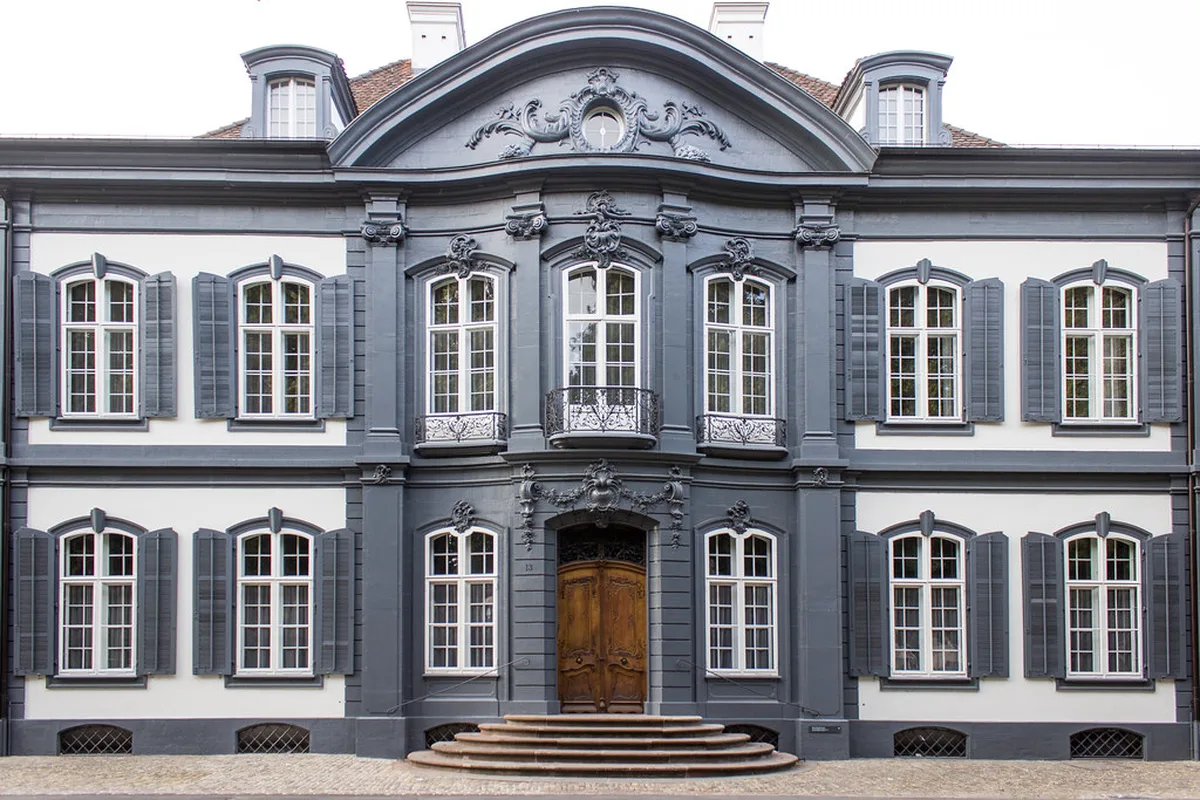
Krutenau offers a vibrant atmosphere with many students and remains a secure choice for evening dining and socialising. This neighbourhood feels authentic and lively without the premium prices found directly next to the cathedral. The ten-minute walk between Krutenau and the city centre passes through well-lit streets that are comfortable even late at night.
The Orangerie district near the European Parliament buildings is another upscale and safe zone. It features beautiful parks, quiet residential streets, and an atmosphere shaped by the diplomatic community. Families with children often prefer this area for its calm environment, spacious pavements, and proximity to green space.
When planning your route, use the Strasbourg walking tour itinerary as a guide to the safest pedestrian corridors through the centre. The officially waymarked tourist route avoids the few blocks on the fringes of the old town that can feel quieter and less patrolled at night. Consulting the route before your evening stroll is a simple precaution that most experienced travellers recommend.
For those planning broader Alsace exploration from the city, the day trips from Strasbourg guide covers regional trains and bus connections to villages where safety is virtually a non-issue. Rural Alsace records some of France's lowest crime rates, making it an ideal extension for safety-conscious travellers.
Transportation and Parking Security Tips
Strasbourg's tram network is modern, efficient, and one of the safest urban transit systems in France. Six lines cover the city and its suburbs, running from approximately 04:30 to 00:30 daily. Ticket inspectors frequently patrol the trams, which helps maintain order and discourages anti-social behaviour on board. Always validate your ticket before boarding — spot checks are routine and fines start at €60 in 2026 for unvalidated travel. A single tram journey costs €1.90; a 24-hour pass costs €4.00 and is the best value option for most day-trippers.
The tram is the recommended way to reach Neuhof or Hautepierre if you have a specific reason to travel to those districts, as it keeps you in a supervised environment rather than walking unfamiliar streets. For the city centre and Krutenau, walking is generally preferable and more pleasant.
If you are arriving by car, understanding the rules for parking in Strasbourg is essential for vehicle security. Underground car parks on the Grande Île and near the train station are monitored by CCTV and are significantly safer than street parking. Rates run €2–€4 per hour in central facilities. Avoid leaving any valuables visible in your car, especially overnight — vehicle break-ins, while uncommon in the centre, do occur in the city's more peripheral areas.
Bicycle theft is unfortunately the most common petty crime targeting both tourists and residents in this bike-friendly city. Strasbourg has over 600 km of cycle paths, and many visitors rent bikes. Use a quality D-lock rather than a cable lock, and secure the frame (not just the wheel) to a fixed fixture. The Vélhop city bike share scheme provides a safe alternative that eliminates the risk of your own bike being stolen; day passes cost €5 in 2026.
Walking remains the best way to explore the sights, and the city centre is extensively pedestrianised. Most streets around the cathedral and Petite France are closed to through traffic, dramatically reducing accident risk for pedestrians. For late-night returns, the tram or official taxi apps (Uber and Bolt both operate in Strasbourg) are the safest choices. If you need to call for emergency assistance while in transit, dial 17 (police), 15 (SAMU medical), or 18 (fire) from any phone — all emergency lines are free and available 24/7.
Safety During the Strasbourg Christmas Market
Strasbourg hosts Europe's oldest Christmas Market (Christkindelsmärik), drawing over two million visitors every year from late November through 26 December. The sheer scale of the event requires exceptional security planning, and French authorities deliver it. In 2026, expect bag checks at entry points to the main market zones, vehicle barriers across all approach roads to pedestrian areas, and a strong visible presence from both police and military under the Vigipirate protocol.
These security measures are comprehensive and well-drilled. Bag checks take an average of 30 seconds and are conducted professionally by trained staff at clearly signed entry gates. Allow an extra 15–20 minutes for the queue during peak evening hours (18:00–21:00) on weekends. The slight inconvenience is a small price for the controlled environment it creates.
Pickpockets are active during the Christmas Market and specifically target distracted visitors who are photographing the illuminated chalets or juggling food and drinks. Keep your bag in front of you at all times, use an inner zip pocket for your phone and wallet, and be especially wary in the densest sections around Place Kléber and Place Broglie. The Strasbourg Christmas Market guide has a detailed map of the busiest zones and recommended visiting times to avoid peak crowds.
Heavy police and military patrols are a routine sight during the holiday season. While the presence of armed officers might seem intense to visitors from countries with different policing traditions, it is standard French national security practice (Sentinel mission) rather than a response to any specific threat. Following their instructions and respecting security perimeters helps maintain a smooth experience for everyone.
Regarding the best time to visit, the best time to visit Strasbourg guide recommends weekday afternoons for the market if crowd safety is a concern. Midweek afternoons between 14:00 and 17:00 see roughly 40% fewer visitors than weekend evenings, making it easier to move freely and keep an eye on your belongings.
Lost children are a genuine concern in the massive holiday crowds that fill Strasbourg's narrow medieval lanes. Before entering the market, photograph your children, agree on a clear meeting point (the large Christmas tree at Place Kléber is a reliable landmark), and consider a temporary ID wristband for younger children. Marked information points staffed by trained personnel are positioned throughout the main market zones. In an emergency involving a child, dial 112 — the European emergency line — for immediate multi-agency response.
Solo Travel and Nightlife Safety
Solo travellers — including solo female travellers — report high levels of comfort in Strasbourg. The city's compact, walkable centre means you are rarely far from a busy street or an open café when exploring alone. Walking through the Grande Île, Petite France, and Krutenau at night feels safe due to excellent street lighting, active foot traffic, and regular police patrols along the main tourist corridors.
The Strasbourg nightlife guide covers the main bar and club districts in Krutenau and along Rue des Frères. Most venues maintain professional door security and operate within French licensing laws that require responsible service of alcohol. The nightlife scene is animated but not rough — Strasbourg's student population (over 50,000 enrolled at the University of Strasbourg) creates a young but generally well-behaved social atmosphere.
Common sense applies after dark: stick to well-travelled routes, avoid poorly lit side streets in the transitional zone between Krutenau and Neuhof, and keep your phone in your pocket rather than in your hand. If you feel uncomfortable, step into any open bar, restaurant, or late-night shop — staff are generally helpful and accustomed to assisting disoriented visitors.
For getting home late, Uber and Bolt both operate in Strasbourg in 2026, with average wait times of 4–8 minutes in the city centre after midnight. Prices for a central city ride run €8–€15. The tram runs until around 00:30 and is safe and well-used by late-night passengers. Never accept unsolicited rides from drivers waiting outside bars or at the train station — licensed taxis in France are ordered via the G7 or Taxis de France apps, not hailed from kerbs outside venues.
Solo female travellers specifically should note that verbal harassment is uncommon in the tourist centre but does occur in a small number of nightlife venues. Choosing established bars and restaurants over basement clubs, arriving with a plan for how you will get home, and trusting your instincts are the most effective precautions. The majority of solo female visitors to Strasbourg report no issues whatsoever. Keep the emergency number 17 (Police Nationale) saved in your phone for immediate non-violent assistance.
Common Scams and How to Avoid Them in 2026
Strasbourg's scam landscape is mild compared to major capitals, but a handful of well-documented tactics target tourists, particularly near the cathedral and Place Kléber. Being aware of them in advance is the most effective defence.
The petition or survey scam is the most frequently reported: a person approaches with a clipboard, asks you to sign what appears to be a charitable petition, and while you are distracted, an accomplice picks your pocket or demands a cash "donation." The correct response is to keep walking and say "non merci" firmly without stopping. These approaches are most common on the pedestrian approaches to Notre-Dame Cathedral between 10:00 and 18:00.
Friendship bracelet vendors operate near tourist landmarks, placing a bracelet on your wrist before you realise what is happening and then demanding payment — sometimes aggressively. Keeping your hands in your pockets in busy squares and refusing any unsolicited physical contact prevents this.
ATM skimming is a minor but real risk. Use cash machines located inside bank branches or in well-lit, monitored locations rather than standalone machines on quiet side streets. Cover the keypad when entering your PIN, and check for any unusual attachments on the card reader before inserting your card.
Restaurant overcharging occasionally targets tourists at establishments in very high-traffic locations directly adjacent to the cathedral. Check menus posted outside before entering, confirm prices before ordering anything not listed on the menu, and scrutinise your bill for items you did not order. The vast majority of Strasbourg's restaurants are entirely honest — this risk applies to a small minority of tourist-trap establishments, not the city generally.
Fake police officers asking to inspect your wallet have been reported in a few French cities, including occasionally in Strasbourg. Genuine French police officers will always show their official card (carte tricolore) and will never ask to handle your cash. If approached, ask to see identification and, if in doubt, suggest moving to the nearest police station. You can also dial 17 (Police Nationale) from any phone to verify an officer's identity or report suspicious behaviour immediately.
Health and Medical Safety in Strasbourg
Strasbourg has an excellent public healthcare infrastructure that ensures tourists receive high-quality medical assistance quickly. The Hôpitaux Universitaires de Strasbourg (HUS) — the city's main hospital complex — operates 24-hour accident and emergency services and is consistently rated among France's top ten hospitals for quality of care. EU citizens carrying a European Health Insurance Card (EHIC) are entitled to state healthcare at the same rate as French nationals; non-EU visitors should carry comprehensive travel insurance covering medical costs of at least €30,000, which typically runs €30–€70 per week for a standard European policy in 2026.
For medical emergencies, dial 15 to reach SAMU (Service d'Aide Médicale Urgente), France's dedicated medical emergency dispatch. SAMU operators assess your situation and send the appropriate response — an ambulance, a mobile intensive care unit, or advice to visit the nearest emergency pharmacy. Response times in the city centre average under 10 minutes. For fires, dial 18 (Pompiers); for police, dial 17 (Police Nationale); for all emergencies from a mobile phone, 112 connects you to the European emergency coordination centre, which can route your call to any of these services.
Pharmacies (pharmacies) are easily identified by a green cross sign and are densely distributed throughout the Grande Île and surrounding neighbourhoods. Most pharmacists speak at least basic English and can advise on over-the-counter treatment for minor ailments such as traveller's diarrhoea, sunburn, or insect bites. A duty pharmacy (pharmacie de garde) is always open 24 hours — the address of the nearest one is posted in the window of every closed pharmacy and is listed on the city's official website.
Tap water in Strasbourg is safe to drink and meets strict EU standards — there is no need to buy bottled water. For those with allergies, French menus are legally required to declare the 14 major EU allergens, making dining safer for visitors with dietary restrictions. Heat safety matters in summer: Strasbourg experiences occasional heat waves exceeding 35°C, and the shaded lanes of Petite France and the Parc de l'Orangerie offer natural relief. Drink at least 1.5 litres of water per day on hot days, particularly if you are walking the Alsace travel route between Strasbourg and Colmar.
Insect safety is a minor consideration in summer and autumn: mosquitoes can be present near the Ill River waterways in the evenings, and a standard insect repellent is sufficient. There is no malaria risk and no requirement for vaccinations before visiting France. Dental care in Strasbourg is of European standard, and emergency dental clinics operate in the city centre for visitors who experience problems — expect to pay €50–€150 for an emergency consultation without insurance, which your travel policy should cover if it includes medical.
For those on medication, EU prescription laws allow you to carry a personal supply for up to 90 days. Carry a doctor's letter or official prescription in case of a customs query. If you need to replace a lost prescription medication, SAMU (15) can connect you with an on-call physician who has prescribing authority, allowing you to collect a replacement from a duty pharmacy the same day.
Frequently Asked Questions
Is Strasbourg safe for solo female travelers?
Yes, Strasbourg is very safe for solo female travellers in 2026. The Grande Île and Krutenau neighbourhoods are well-lit, heavily trafficked, and regularly patrolled at all hours. Verbal harassment is uncommon in the city centre. Standard precautions apply: stick to the central tourist districts, use Uber or the tram to get home late, trust your instincts in nightlife venues, and keep a charged phone with police number 17 saved. The majority of solo female visitors report a comfortable, enjoyable experience with no safety issues.
What does the UK FCO say about travelling to Strasbourg?
The UK Foreign, Commonwealth & Development Office (FCDO) advises travellers to "exercise normal precautions" in France, its lowest advisory level, as of 2026. There is no specific warning against visiting Strasbourg. The FCDO does note the nationwide French Vigipirate security plan and recommends awareness of the terrorism threat that applies across France — standard advice that does not indicate elevated local risk in Strasbourg specifically.
Are there any specific scams to avoid in Strasbourg?
The most common scams in Strasbourg are the fake petition or survey trick (designed to distract while an accomplice pickpockets you), friendship bracelet vendors near tourist landmarks, and occasional ATM skimming on isolated cash machines. Keep moving and say "non merci" if approached with clipboards or bracelets. Use ATMs inside bank branches and cover your PIN. Restaurant overcharging is a minor risk at a handful of very touristy spots near the cathedral — check posted menus and your bill carefully.
What should I do in an emergency in Strasbourg?
In Strasbourg, dial 17 for Police Nationale, 15 for SAMU (medical emergencies), 18 for the fire brigade, or 112 for the European emergency network — all free and available 24/7. Most operators speak English. For non-urgent police matters such as theft reporting, visit the Police Nationale station at 11 Rue du Soleil or use the online complaint portal (preplainte.interieur.gouv.fr). Keep a photo of your passport and travel insurance documents accessible on your phone or in a secure cloud service.
Is Strasbourg safe at night?
Yes, the Grande Île and Krutenau are safe to walk at night. Streets in the tourist core are well-lit and regularly patrolled, and foot traffic remains active until late, especially on weekends. The transition zone between Krutenau and Neuhof becomes quieter and less well-lit after midnight — avoid cutting through those backstreets. For getting home late, the tram runs until around 00:30 and Uber and Bolt both operate in the city at €8–€15 for a central ride, offering a safe and affordable alternative to walking unfamiliar routes.
How safe is the Strasbourg Christmas Market for families?
The Strasbourg Christmas Market is very well-secured in 2026, with bag checks at entry gates, vehicle barriers across all pedestrian approach roads, and a strong visible police and military presence. It is considered one of Europe's safest large Christmas markets for families. The main precaution for families is managing children in dense crowds — agree on a meeting point (the central Christmas tree at Place Kléber works well), photograph children before entering, and consider visiting on weekday afternoons when crowds are 30–40% lighter than weekend evenings.
Is public transport in Strasbourg safe to use?
Yes, Strasbourg's tram network is modern, well-supervised, and one of the safest urban transit systems in France. Six lines run from approximately 04:30 to 00:30 daily. Ticket inspectors patrol regularly; fines for unvalidated travel start at €60 in 2026. A 24-hour pass costs €4.00. Bike share via Vélhop costs €5 per day. Taxis and ride-hailing apps (Uber, Bolt) offer average €8–€15 fares for central trips. Always use official apps — never accept unmetered rides from strangers outside stations.
Which neighbourhoods should tourists avoid in Strasbourg?
Tourists should exercise caution in Neuhof (approximately 3 km south of the centre) and avoid Hautepierre (4 km northwest) after dark. Both are classified as priority urban security zones by French police, with higher rates of vehicle break-ins and street crime. Neither district contains tourist attractions, so visitors have no practical reason to travel there. The Grande Île, Krutenau, and Orangerie are all very safe for tourists at any hour.
Strasbourg remains one of France's safest cities for tourists in 2026. The Grande Île and surrounding tourist districts offer an excellent security environment backed by active policing, good street lighting, and the added oversight that comes with hosting European Union institutions. The UK FCDO places France at its lowest advisory level, and EU safe city benchmarks confirm Strasbourg's position well ahead of larger French cities for personal security.
The practical rules are straightforward: stay in the central neighbourhoods, keep valuables secured in inner pockets, be alert to petty theft tactics in busy tourist areas, and use the tram or a licensed taxi app for late-night journeys. Know your emergency numbers — police 17, SAMU 15, fire 18, European emergency 112. Follow those habits and you are very unlikely to encounter any security problem on your visit. Explore the city with confidence and enjoy everything this remarkable Alsatian capital has to offer — from its cathedral and Christmas Market to its Alsatian cuisine and easy day trips from Strasbourg into the surrounding wine country.