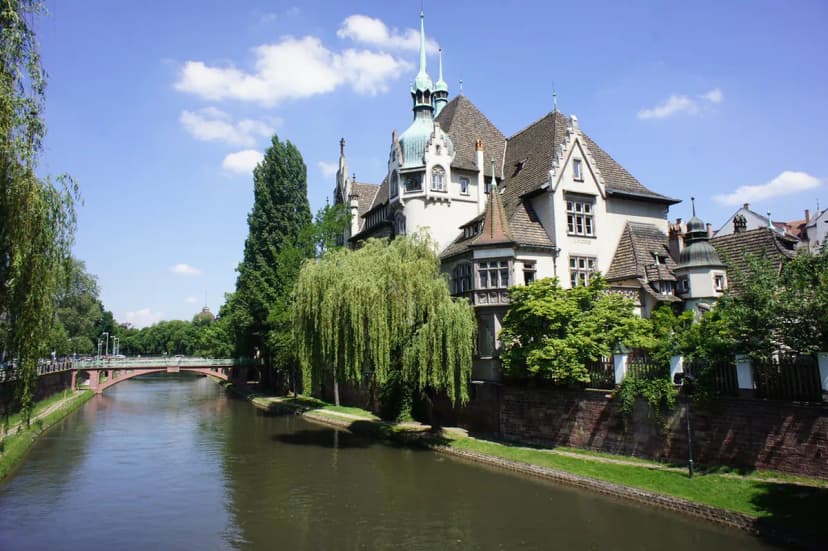
The Ultimate Strasbourg Walking Tour: A Local Guide to the City (2026)
Strasbourg's historic Grande Île is a UNESCO World Heritage site walkable in 2–3 hours, with the Gothic cathedral (free entry), Petite France district, and Vauban Dam all within 1.5 km of each other — no transport needed.
A self-guided Strasbourg walking tour costs nothing beyond optional entries: Musée de l'Œuvre Notre-Dame (€8.50), Batorama boat tour (€16 adults), and city tram (€1.80/ride) if feet need a rest.
Strasbourg offers a magical blend of French charm and German architecture along the Rhine river. Exploring the narrow cobblestone streets on a Strasbourg walking tour reveals centuries of fascinating European history. You will discover stunning half-timbered houses and grand gothic structures around every corner of the city center. This guide helps you navigate the best paths to see the most iconic landmarks and hidden squares, complete with 2026 prices, walking distances per leg, and photo stop locations so you can plan each hour of your day with confidence.
The Magic of Grande Île and the Cathedral
Grande Île serves as the historic heart of Strasbourg and is a UNESCO World Heritage site recognized for its exceptional concentration of medieval architecture within a single river island. Most visitors begin their journey at the Place de la Cathédrale to admire the towering pink sandstone spire, which rises 142 metres above street level and dominated the European skyline for more than two centuries after its completion. The cathedral interior features a famous astronomical clock that performs a mechanical show daily at 12:30 — tickets for the clock show cost €3 per person in 2026, while general entrance to the main nave remains completely free for all visitors throughout the year.
Walking around the cathedral square allows you to see the Maison Kammerzell, a beautifully preserved medieval building dating to 1467 whose intricate wood carvings depict biblical scenes and mythical figures across several stories of the dark timbered facade. Many people choose to enjoy a coffee at the ground-floor restaurant here while watching street performers entertain the passing crowds; expect to pay around €3–4 for a café crème at one of the terrace tables. The surrounding alleys — particularly rue des Juifs and rue du Dôme — offer plenty of artisan shops selling traditional Alsatian pottery, hand-painted Christmas baubles, and high-quality linens at prices more reasonable than the stalls directly on the main square.
If you want to see the cathedral interior without crowds, arrive before 9:00 AM when guided tours have not yet started. The south transept portal, often overlooked by visitors rushing to the famous astronomical clock, contains some of the finest 13th-century stone carvings in France. Renting an audio guide costs €4 and covers 45 minutes of narration across the nave, choir, and crypt. For those who want a structured overview of the entire island, the Musée de l'Œuvre Notre-Dame on Place du Château charges €8.50 admission in 2026 and houses original medieval sculptures removed from the cathedral facade for preservation — the collection is one of the most important Romanesque and Gothic art repositories in all of Alsace.
A comprehensive Strasbourg old town guide can help you find the quietest routes through these busy historic streets. You should look for the hidden courtyards — called cours — that often sit just behind the main facades of the old buildings, especially along rue du Vieux-Marché-aux-Poissons. These spaces provide a peaceful escape from the bustling tourist paths during the peak afternoon hours. Local residents frequently use these shortcuts to move quickly between the various city squares without encountering large tour groups assembling near the main entrance of the cathedral.
Navigating the Charming Streets of Petite France
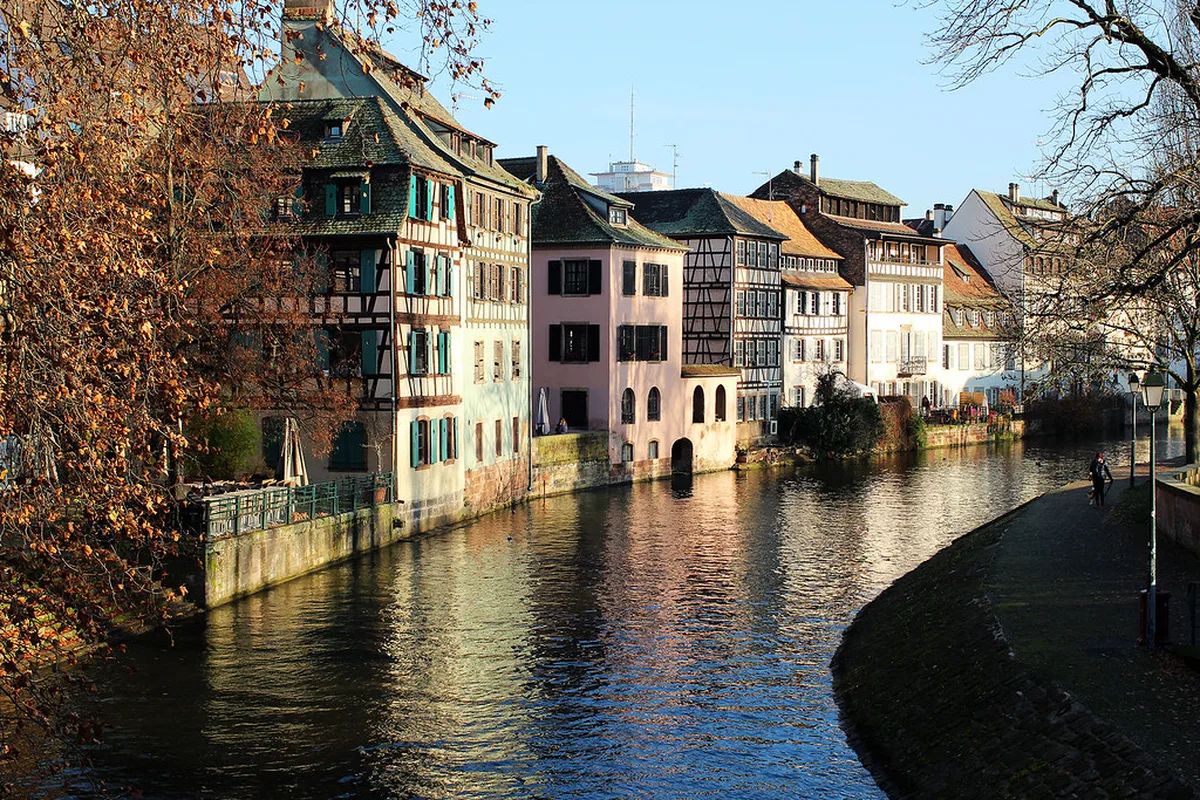
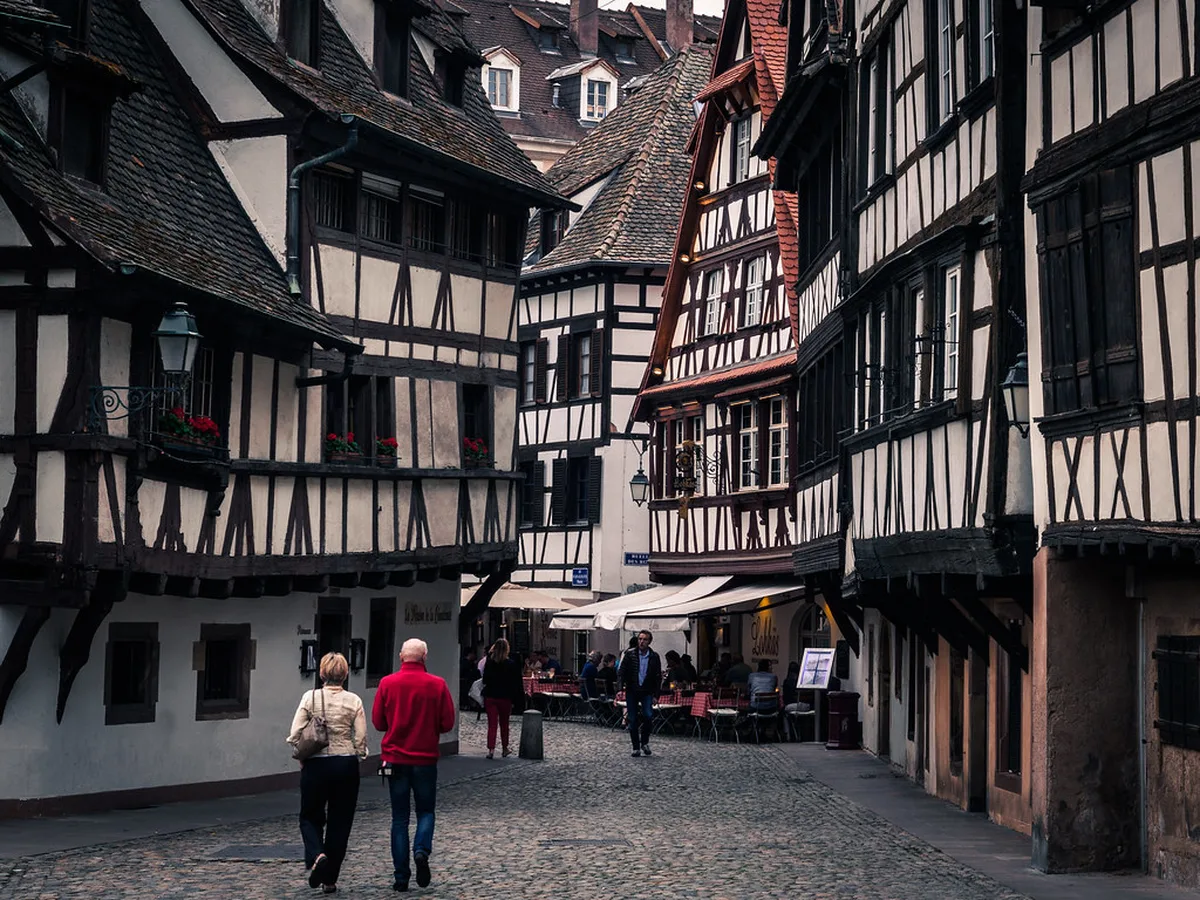
Petite France is arguably the most photogenic district you will encounter during your exploration of the historic city center, and it lies just a 12-minute walk southwest of the cathedral along rue du Vieux-Marché-aux-Poissons. This area was once home to tanners, fishermen, and millers who relied on the rushing waters of the four branches of the Ill river for their trades; the name "Petite France" is thought to derive from a 16th-century hospital that treated soldiers returning from the Italian campaigns with syphilis, then colloquially called the "French disease." Today, the district features colorful half-timbered houses with steep, wide roofs designed for drying hides in the afternoon sun, and the entire quarter has been painstakingly restored to near-pristine condition.
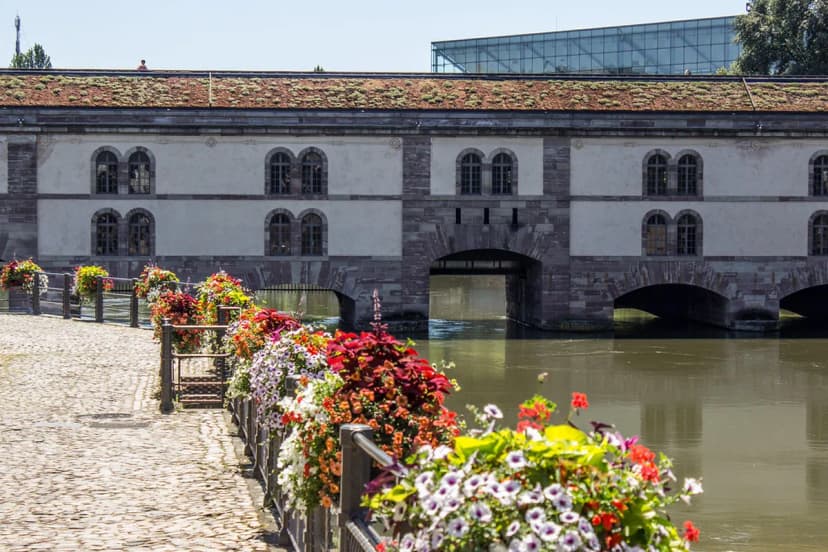
Walking across the Pont Saint-Martin — the small stone bridge at the western edge of the quarter — provides the best vantage point for capturing photos of the stunning river reflections in the millrace channels. Early morning, when the mist still clings to the water and the light is soft, produces the most dramatic photographs with no other tourists in the frame. The Vauban Dam (Barrage Vauban), located another 300 metres west, offers a free panoramic rooftop terrace open daily from 9:00 AM to 7:30 PM (April–October) and until 6:00 PM in winter, providing sweeping views over the covered medieval bridges (Ponts Couverts) and the entire city skyline. Access to the terrace roof is completely free in 2026.
You will find many of the top things to do in Strasbourg located within a short walk of this historic quarter. The three square towers of the Ponts Couverts date to the 14th century and mark the former western fortification line of the city; walking across all three bridges takes less than ten minutes and costs nothing. This spot is particularly popular with local artists who set up easels on summer mornings to paint the medieval architecture and the flowing water below. For a guided boat tour of the Ill river canals, the main embarkation point sits on rue de Rohan near the cathedral — expect to pay €16 per adult for the 70-minute circuit in 2026, with departures every 30 minutes between 9:30 AM and 9:00 PM in peak season.
The narrow lanes of Petite France — especially rue des Moulins and rue du Bain-aux-Plantes — can become quite crowded during the middle of the day in the summer months. Planning your visit for early morning (before 9:30 AM) or late afternoon (after 4:30 PM) ensures a much more relaxed experience on the historic cobblestones. You might notice the smell of fresh kugelhopf and spiced wine wafting from the small bakeries tucked along side streets. Stop at a local winstub to sample traditional dishes: tarte flambée typically costs €10–13, and a full Alsatian choucroute garnie runs €17–22 at most traditional restaurants in the district.
For a broader perspective on the region's culture and history, the Alsace travel guide covering Strasbourg and Colmar explains how these two cities complement each other perfectly as a combined day-trip or two-night base for exploring the Route des Vins.
Self-Guided Grande Île Loop: Route with Distances and Photo Stops
The classic Grande Île loop covers approximately 4.2 km in total and takes between 2.5 and 3.5 hours at a relaxed walking pace with stops. The route can be started at any point, but the cathedral square is the most logical departure given its central position and ease of access from the main tram stops. Below is a leg-by-leg breakdown with distances and the most productive photo stop locations for each segment.
Leg 1 — Cathedral to Maison Kammerzell (0.1 km, 2 min): Begin at Place de la Cathédrale and walk north to the corner of rue Mercière. This is the essential establishing photo stop: position yourself at the southwest corner of the square for a clear shot of the full cathedral facade with the Kammerzell building in the foreground. Early morning light falls directly on the west facade between 7:30 and 9:30 AM.
Leg 2 — Cathedral to Petite France via rue des Moulins (1.0 km, 12 min): Head west along rue des Hallebardes, then southwest on rue du Vieux-Marché-aux-Poissons. The best photo stop along this leg is the small square at the intersection of rue des Moulins and rue du Bain-aux-Plantes, where three half-timbered houses create a layered skyline effect. Look for the green window boxes, which are at their fullest in May and June.
Leg 3 — Petite France inner loop (0.6 km, 10 min): Walk the full circuit of rue des Dentelles, cross Pont Saint-Martin, and return via rue du Fossé-des-Tanneurs. The Pont Saint-Martin midpoint (facing east back toward the towers) is the single best reflection photo location in the entire city. Arrive before 9:00 AM or after 5:30 PM to avoid tour groups blocking the parapet.
Leg 4 — Ponts Couverts and Vauban Dam (0.3 km, 5 min): Continue west to the Vauban Dam rooftop terrace (free entry). This elevated vantage point provides a 180-degree panorama of the Ponts Couverts towers with the city skyline behind them — the best wide-angle shot on the entire route. Telephoto lenses compress the towers beautifully from this height.
Leg 5 — Return via Place Kléber (1.5 km, 18 min): Walk northeast along rue du 22-Novembre to Place Kléber, Strasbourg's main city square. The large bronze statue of General Kléber at its center makes for a strong compositional anchor. From here, head southeast along rue des Grandes Arcades back to the cathedral, stopping at the covered arcade on rue du Dôme for shelter if the weather turns.
Leg 6 — Optional extension to Musée de l'Œuvre Notre-Dame (0.7 km, 8 min): From the cathedral, cut south along rue des Frères for 400 metres to Place du Château. Admission is €8.50 in 2026. The inner courtyard of the museum — a 14th-century Gothic cloister — is one of the most undervisited peaceful spaces in the entire city and functions as an excellent photo stop for architecture-focused travelers.
Total route including extension: approximately 4.9 km. If your legs need a break at any point, the Strasbourg tram line C runs along rue du 22-Novembre and connects directly back to the cathedral area; a single tram ticket costs €1.80 in 2026, and day passes are available for €4.30.
Practical Tips for a Smooth Strasbourg Walking Tour
Wearing comfortable walking shoes is non-negotiable because the entire city center consists of uneven and historic stone paving — the cobblestones in Petite France are particularly irregular and can be slippery after rain. Cushioned soles or light hiking shoes with ankle support are preferable to sandals or flat-soled canvas trainers for a full-day circuit. You should also carry a refillable water bottle to use at the various public fountains found in major squares, including Place Kléber and Place Gutenberg, as purchasing bottled water at tourist-adjacent cafes costs €2.50–3.50 for 500 ml.
Most of the main attractions are within a 20-minute walk of each other on the central Grande Île island, which measures roughly 1.5 km from east to west and 1.0 km from north to south. This compact layout makes it very easy to explore the city without needing public transport at all for the core sightseeing loop. However, if you are visiting additional neighborhoods like the Neustadt (the Imperial German Quarter added between 1871 and 1918) or the Krutenau district, a tram pass makes sense: a single Strasbourg tram ticket costs €1.80, and a 24-hour day pass is €4.30 in 2026, usable across all tram and bus lines in the city center.
If you are arriving by car, understanding the rules for parking in Strasbourg will save you significant time and stress. The city center is almost entirely pedestrianized, so you must leave your vehicle in one of the peripheral park-and-ride lots (Parc Relais). In 2026 these facilities offer a combined ticket — typically priced at €3.50–5.50 per day — that includes parking and a round-trip tram ride for all passengers in the vehicle. The Rotonde and Baggersee park-and-ride locations on the southern tram lines are the most convenient for visitors approaching from the A35 motorway.
Safety is rarely a concern for visitors exploring the city center, but staying aware of your surroundings is always sensible practice in densely crowded urban spaces. You can check if Strasbourg is safe for tourists to learn about the specific areas that warrant extra caution and common pickpocket techniques used near the main square. Keep your valuables zipped away in crowded areas like the cathedral square, Place Kléber, and the seasonal Christmas markets in December. Most travelers find the city exceptionally welcoming and easy to navigate at any hour of the day or evening.
- Essential gear for your walk
- Shoes: Cushioned sneakers or light hiking shoes with ankle support
- Water: Refillable bottle (public fountains at Place Kléber and Place Gutenberg)
- Map: Offline digital map (download before arrival — free city maps at the tourist office on Place de la Cathédrale)
- Cash: Small Euro coins for cathedral clock show (€3) and museum entries
- Tram card: Single ticket €1.80 / day pass €4.30 if visiting Neustadt
- Top landmarks to include
- Start: Strasbourg Cathedral — clock show at 12:30, free nave entry
- Photo: Maison Kammerzell facade, best before 9:30 AM
- Middle: Petite France and Pont Saint-Martin reflection
- Viewpoint: Vauban Dam rooftop terrace (free, open daily)
- Museum: Musée de l'Œuvre Notre-Dame (€8.50, closed Monday)
- End: Place Kléber and return via rue des Grandes Arcades
Guided Tours and Boat Options: Prices for 2026
For visitors who prefer structured commentary over self-guided exploration, Strasbourg offers a well-developed range of guided walking tours departing from Place de la Cathédrale. The city's official tourism office (located on Place de la Cathédrale, open daily 9:00 AM–6:00 PM) organizes 90-minute themed walking tours in English on most days between April and October. Prices in 2026 run €15 for a standard historical tour and €20–25 for specialized thematic tours (Christmas market history, Alsatian gastronomy, Art Nouveau Neustadt). Groups are capped at 20 people, so advance booking via the tourism office website is strongly recommended during July, August, and the Christmas market period in late November and December.
Private guided tours booked through local operators cost €80–120 for up to six participants for a 2-hour circuit. These are considerably more flexible in routing and timing than the fixed group tours, and guides will adapt the pace and content to your specific interests, whether that is medieval architecture, Alsatian culinary culture, or the political history of the Franco-German border region. Some operators also offer evening tours (€20–25 per person) that focus on the illuminated facades of the cathedral and Petite France — a genuinely different visual experience from daytime visits.
The Strasbourg boat tours (Batorama) remain one of the most popular activities on the city's waterways. The main boarding point is on rue de Rohan adjacent to the Palais Rohan, approximately 150 metres south of the cathedral. In 2026 adult tickets cost €16, children aged 4–12 cost €9, and children under 4 travel free. The standard circuit covers the complete Ill river loop including the Petite France canals and passes beneath all four of the Ponts Couverts towers — a perspective impossible to get on foot. Tours run every 30 minutes between 9:30 AM and 9:00 PM from April through October, with reduced frequency in winter. The open-top boat sections make this a visually rewarding experience; bring a light jacket even in summer as the covered canal sections can be cool.
For visitors who want to extend their exploration beyond the city, day trips along the Alsace Wine Route are easily organized from the main train station. The day trips from Strasbourg guide covers the best options including the medieval town of Obernai (20 min by train), Colmar (30 min by TER regional train), and Mont Sainte-Odile abbey by bus.
Avoiding Common Tourist Mistakes in the Old Town
Many visitors make the fundamental mistake of only staying on the main thoroughfares — rue des Grandes Arcades, rue Mercière, and the direct path between the cathedral and Petite France — without ever venturing into the smaller residential side streets that reveal the true everyday character of the city. Streets like rue des Juifs, rue Sainte-Barbe, and the area around the Église Saint-Thomas contain exceptional medieval details that most visitors walk right past. Église Saint-Thomas itself, located at Place Saint-Thomas just three minutes from Petite France, houses the remarkable Silbermann organ and a stunning marble mausoleum — both free to view during opening hours.
Another frequent error is attempting to visit every major museum and monument in a single afternoon of rushed sightseeing. Strasbourg rewards travelers who take a slower pace and allow time for spontaneous discoveries along the scenic river banks and in the quiet residential sections of the Grande Île. Allow at least 3 to 4 hours for a proper self-guided circuit of the central island; this provides comfortable time for breaks, photography, and a sit-down lunch at a traditional winstub. Budget approximately €15–25 for a two-course lunch with a glass of Riesling at a mid-range Alsatian restaurant away from the main cathedral square, where prices tend to be 20–30% higher for equivalent food quality.
Booking dining reservations in advance is crucial, especially during busy weekend periods or the winter holiday season from late November through December 31. The most popular traditional restaurants — Au Crocodile, Zum Strissel, and S'Burjerstuewel — often fill up days ahead during peak months. If you wait until hunger strikes to find a table, you will almost certainly end up at an expensive tourist trap near the cathedral. Ask your hotel staff, or check local review platforms the evening before, for recommendations on authentic winstubs that local residents actually frequent for their weekday dinner service.
A final common mistake is skipping the Neustadt quarter entirely. The Imperial German district, developed under Kaiser Wilhelm II between 1880 and 1918, lies a 15-minute walk east of the cathedral along avenue de la Paix. Its monumental Wilhelmine architecture — Jugendstil buildings, imposing public squares, and the National University of Strasbourg — provides a completely different aesthetic counterpoint to the medieval Grande Île and is included in the UNESCO World Heritage extension granted in 2017. Entry to the quarter is free; simply walk through and observe.
Timing Your Visit for the Best Experience
Deciding on the best time to visit Strasbourg depends largely on your interest in festivals, weather preferences, and crowd tolerance. Spring — particularly April and May 2026 — offers blooming flowers along the canal banks and mild temperatures between 14°C and 20°C that are perfect for long walks without overheating. Autumn, from mid-September through October, brings the harvest season, the Strasbourg European Film Festival, and beautiful changing leaves that frame the timbered houses in warm amber and gold tones for your photographs. Both seasons offer significantly fewer crowds than peak summer months when the city's 3 million annual visitors create genuine congestion at the main photo spots.
Summer 2026 is peak season, with July and August seeing the highest visitor volumes and hotel prices. If you visit in summer, schedule your walking tour for before 9:00 AM or after 5:30 PM to get uncrowded photos and more comfortable temperatures; midday temperatures regularly reach 28–32°C in the city center's stone-paved streets. The European Strasbourg Festival (June–July) adds live music and open-air cinema to the riverbanks, which enhances evening walks considerably.
Winter transforms the city into the self-proclaimed Capital of Christmas, with world-famous markets operating across 12 sites from late November through December 26. While temperatures drop to 2–8°C, the atmosphere in 2026 will be uniquely cozy with illuminated facades, mulled wine stalls (vin chaud, typically €3–4 per cup), and festive decorations on every street. You should plan for shorter daylight hours — sunset arrives by 4:30 PM in December — and factor the additional walk time required to navigate pedestrian crowd-management barriers around the main market squares. Many outdoor sites are beautifully illuminated from dusk, adding a different and genuinely magical dimension to a self-guided evening walking tour.
After the sun sets year-round, the city takes on a more vibrant energy with students and locals heading to the lively bars of the Krutenau and Place de Zurich areas. You can consult a Strasbourg nightlife guide to find the best spots for Alsatian craft beer, natural wines, or live music in 2026. Walking through the illuminated streets at night is a safe and atmospheric experience for visitors of all ages, and the cathedral exterior is flood-lit until midnight throughout the year.
Alsatian Food and Wine Stops Along the Walking Route
No walking tour of Strasbourg is complete without pausing to sample the region's distinctive Franco-German culinary identity. Alsatian cuisine is unlike anything else in France — tarte flambée (Flammekueche), choucroute garnie, and freshwater fish dominate traditional menus, and the wines produced along the nearby Route des Vins are among the most food-friendly whites in Europe. Knowing where to stop, what to order, and what to pay in 2026 turns a sightseeing circuit into a genuinely immersive cultural experience.
For breakfast or a mid-morning snack, Pâtisserie Naegel on rue du Vieux-Spiegel near Place de la Cathédrale is one of the most respected local institutions for kugelhopf — the Alsatian brioche-style cake baked in a decorative fluted mould. A single portion costs €3–4 and pairs well with a café au lait (€2.50–3.00). The bakery opens at 7:00 AM on weekdays, making it an ideal first stop before the cathedral crowds arrive. Nearby, Au Croissant Doré on rue des Hallebardes stocks freshly made bretzels (Alsatian salted pretzels) for €1.50 each — an authentic street snack that fuels the first legs of the route.
At the heart of Petite France, the winstub S'Burjerstuewel at 2 rue Saint-Barbe has been serving traditional Alsatian home cooking since 1937. A classic lunch of tarte flambée with lardons and crème fraîche costs €10–12, and the house Pinot Blanc poured by the carafe is €6 for 25 cl. Reservations are essential at weekends — book the day before via phone or their website. For a slightly lighter option, Winstub Le Clou at 3 rue du Chaudron (a two-minute detour off the main route south of the cathedral) offers a daily planche alsacienne — a sharing board of munster cheese, Fleischkäse cold cuts, and cornichons — for €14–17. Both restaurants close between 2:30 PM and 7:00 PM, so plan your lunch before 1:45 PM or dinner after 7:15 PM.
Wine enthusiasts should make a short detour to the Cave des Hospices de Strasbourg at 1 rue du Vieux-Marché-aux-Poissons, just a three-minute walk from Petite France. This historic wine cellar — operating continuously since 1395 — sells bottles of estate-grown Riesling (€9–18), Gewurztraminer (€12–22), and Crémant d'Alsace sparkling wine (€11–16) at prices that undercut most city-center restaurants significantly. The cellar is open Monday to Saturday from 10:00 AM to 7:00 PM. A tasting flight of three wines costs €8. If you prefer to shop rather than taste, the covered market Les Halles at 6 rue de la Douane (near Place Kléber) stocks a wide range of Alsatian artisan products including local cheeses, charcuterie, and foie gras terrine at prices well below tourist-trap stalls — the market runs Tuesday to Saturday from 7:00 AM to 6:00 PM.
For a sweet finish, the Viennese-style Salon de Thé Christian at 12 rue de l'Outre has been voted among the best pâtisseries in Strasbourg for its religieuse, mille-feuille, and seasonal macaron selection. A pastry with tea costs €6–9. The salon is open daily from 9:30 AM to 6:30 PM and sits conveniently between the cathedral and the Musée de l'Œuvre Notre-Dame, making it a natural last stop before completing the loop back to your starting point. Combining these food stops with the main walking route adds approximately 30–45 minutes to your circuit and a budget of €20–35 for a satisfying half-day of eating and sightseeing through the Grande Île.
Frequently Asked Questions
How long does a typical walking tour take?
A standard self-guided walking tour of the Grande Île takes 2.5 to 3.5 hours to cover the main highlights, including the cathedral, Maison Kammerzell, Petite France, Pont Saint-Martin, and the Vauban Dam rooftop terrace. Add another 45 minutes if you purchase a ticket for the Musée de l'Œuvre Notre-Dame (€8.50 in 2026) or join a 70-minute Batorama boat tour (€16 for adults). Budget 4 to 5 hours for a comfortable full-day circuit that includes a sit-down lunch and time for shopping or photography at each main stop.
Is the Strasbourg city center accessible for people with mobility issues?
The city center is largely pedestrianized and flat, making the main avenues — rue des Grandes Arcades, rue Mercière, and the area around Place Kléber — generally manageable for wheelchair users and those with strollers. However, the historic cobblestone streets in Petite France, particularly rue des Moulins and rue du Bain-aux-Plantes, are uneven and challenging for wheels. The Strasbourg tram network (€1.80 per single ticket) is fully accessible with level boarding and connects the main train station to the central tram hub near the cathedral, reducing the distance needed to walk on difficult surfaces.
Can I do a walking tour during the Christmas market season?
Yes, walking tours during the Strasbourg Christmas markets (late November to December 26) are possible and genuinely atmospheric, but expect very large crowds around the main squares. Some streets become one-way pedestrian corridors during peak hours (11:00 AM–7:00 PM) to manage flow. Start your walk before 10:00 AM or after 7:30 PM to move freely between market stalls. Dress in warm layers — temperatures regularly drop to 2–5°C at night — and budget €3–4 per cup of vin chaud (mulled wine) at the stalls lining Place de la Cathédrale and Place Kléber.
What is the best starting point for a walking tour?
Place de la Cathédrale is the most logical and popular starting point for any self-guided walking tour of the Grande Île. It sits at the geographic center of the island and is directly served by tram lines A, B, D, and E (stop: Homme de Fer or Langstross Grand Rue, both a short walk away). From the cathedral square you can reach Petite France in 12 minutes on foot heading southwest, Place Kléber in 8 minutes heading northwest, and the Musée de l'Œuvre Notre-Dame in 3 minutes heading south — making it the ideal hub for radiating out to all major attractions. Official guided group tours (€15–25 per person in 2026) also meet here at the main cathedral entrance.
Are there free things to do on a Strasbourg walking tour?
Yes, the majority of highlights on a Strasbourg walking tour are completely free in 2026. Cathedral nave entry is free (clock show €3 extra). The Vauban Dam rooftop terrace is free. Walking the Ponts Couverts and all three medieval bridge towers is free. Place Kléber, Petite France, and the canal-side promenades cost nothing. Paid options include the Musée de l'Œuvre Notre-Dame (€8.50), the boat tour (€16 for adults), and organized guided walks (€15–25). You can complete a very satisfying 3-hour circuit of the entire Grande Île spending less than €5 if you skip paid venues and bring your own snacks from a supermarket.
What is the best way to get from Strasbourg train station to the walking tour starting point?
The easiest option is to walk the 15 minutes directly from Gare de Strasbourg along rue du Maire-Kuss and then rue des Grandes Arcades to Place de la Cathédrale — the route is flat, straightforward, and passes through the modern shopping district near Place Kléber, giving you a first impression of the city's scale. Alternatively, take tram line C or E from the station (stop: Gare Centrale) two stops to Homme de Fer, then change to line A or D for one stop to Langstross Grand Rue, which is a 3-minute walk from the cathedral. A single tram ticket costs €1.80 in 2026. Taxis from the station to Place de la Cathédrale cost approximately €8–12 depending on traffic.
Where can I eat traditional Alsatian food during the walking tour?
The best traditional stops along the walking route in 2026 are S'Burjerstuewel at 2 rue Saint-Barbe in Petite France (tarte flambée €10–12, open lunch and dinner with reservations recommended at weekends) and Winstub Le Clou at 3 rue du Chaudron near the cathedral (planche alsacienne sharing board €14–17). For wine, the Cave des Hospices de Strasbourg at 1 rue du Vieux-Marché-aux-Poissons sells estate Riesling from €9 and offers a three-wine tasting flight for €8 (open Monday–Saturday 10:00 AM–7:00 PM). For pastries, Pâtisserie Naegel near Place de la Cathédrale serves kugelhopf from €3–4 from 7:00 AM. Budget €20–35 per person for a satisfying combination of tastings and a sit-down lunch during your circuit.
A Strasbourg walking tour is the most rewarding and cost-effective way to experience the unique Franco-German culture of this exceptional border city. From the soaring pink sandstone cathedral spire to the quiet canal reflections of Petite France, every step of the 4.2 km Grande Île loop reveals a piece of living European history. With 2026 prices ranging from free (cathedral nave, Vauban terrace) to €16 (boat tour) and a well-marked self-guided route covering all the key photo stops and walking distances, you can plan your entire visit with full confidence. Allow a full half-day, wear comfortable shoes, and leave time for a proper Alsatian lunch — this city rewards those who slow down and explore beyond the main crowds. For further inspiration, the Strasbourg old town guide and the Strasbourg Christmas market guide cover the remaining highlights in depth.