Discover the Most Enchanting Day Trips from Strasbourg
The best day trips from Strasbourg in 2026 are Colmar (30 min, €8–12 return), Haut-Koenigsbourg Castle (45 min, €12 entry), and Baden-Baden (45 min, ~€15 cross-border train) — all reachable by regional TER train with no car needed.
A standard Strasbourg day trip budget for 2026 is €40–70 per person: €8–20 for return train, €10–12 for one museum or castle, and €20–25 for a sit-down lunch at a local restaurant or winstub.
Strasbourg serves as the perfect base for exploring the diverse landscapes of the Alsace region and neighboring Germany. These day trips from Strasbourg offer a mix of medieval villages, rolling vineyards, and historic mountain fortresses. Pairing these excursions with a Strasbourg 3-day itinerary allows you to experience the unique blend of French and German cultures in one trip. Travelers can easily reach most destinations within an hour using the efficient regional TER train network, which runs frequent services throughout the day from Strasbourg Gare Centrale. Whether you are looking for fairy-tale villages, spa towns, Gothic cathedrals, or automotive history, the destinations within one hour of Strasbourg cover every travel style and budget.
Explore the Fairy-Tale Charm of Colmar
Colmar sits just thirty minutes south by train and feels like a scene from a storybook. The colorful half-timbered houses and flower-lined canals create a romantic atmosphere for every visitor. In 2026, regional TER trains run approximately every thirty minutes from Strasbourg Gare Centrale, and a standard return ticket costs €8–12 depending on the time of day you book. Booking at least a day ahead via the SNCF Connect app unlocks the cheapest fares. If you travel on a Saturday, Sunday, or public holiday, the Alsa+ Groupe Jour pass covers up to five people for one flat fee, making it significantly cheaper for families.
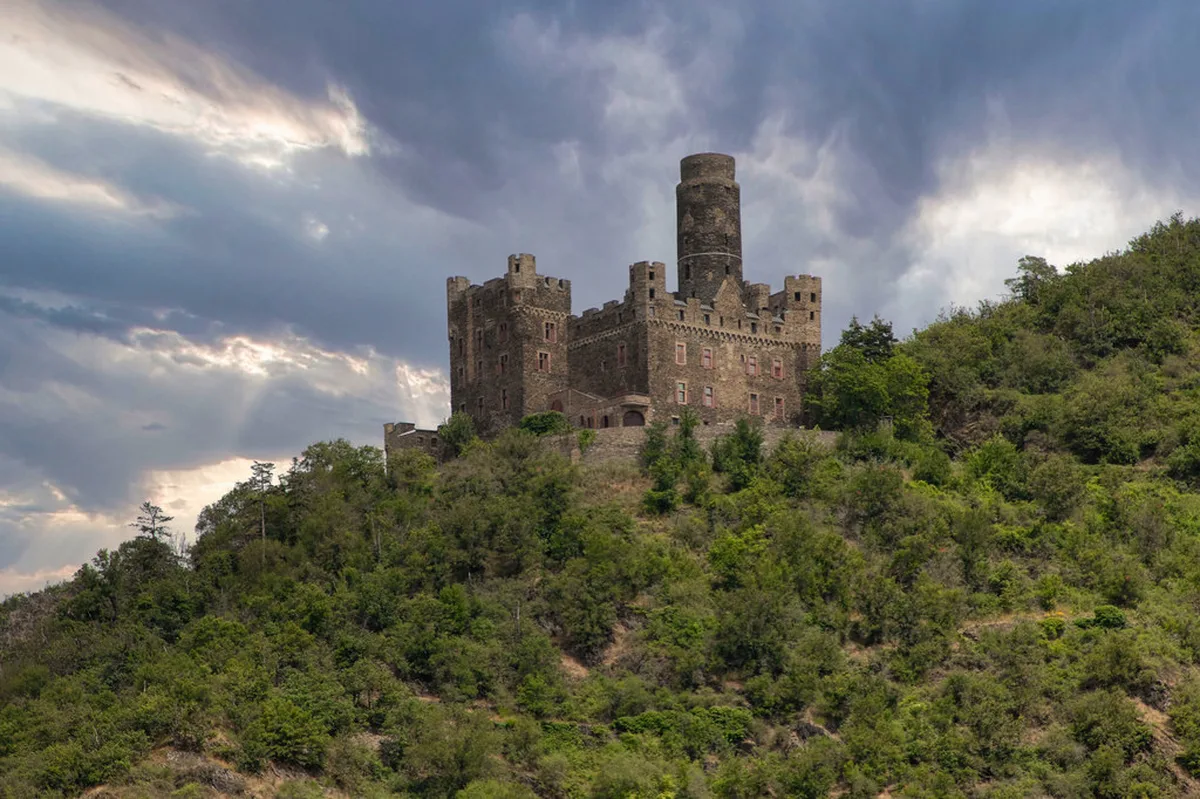
Exploring the famous Little Venice district provides excellent photo opportunities along the scenic Lauch River. Flat-bottomed boat tours of the canal district depart from the Quai de la Poissonnerie and cost approximately €7 per adult in 2026, with sessions running roughly thirty minutes. You might consider visiting during the best time to visit Strasbourg to see the surrounding region in its most vibrant season — spring (April–May) and the Christmas period are both exceptional for the wider Alsace area including Colmar.
The Unterlinden Museum houses the famous Isenheim Altarpiece by Matthias Grünewald and entry costs €15 for adults in 2026, with free admission for EU residents under 26. Budget at least ninety minutes inside to see the museum's permanent Alsatian art collection alongside the altarpiece. After the museum, the pedestrianised Rue des Marchands and the market square fill with artisan boutiques and winstubs serving tarte flambée for around €12–14 per person. Colmar is compact enough to explore without a map, but allowing five to six hours gives you the most complete experience. For more on nearby architecture, the Colmar old town guide covers each historic district in detail. Many day-trippers also combine Colmar with a short stop in Eguisheim, one of the most photographed wine villages in France, reachable by a short taxi or Flexo on-demand bus from Colmar centre.
Visit the Majestic Haut-Koenigsbourg Castle
The castle sits atop a rocky spur at 755 metres above sea level, commanding sweeping views over the Upper Rhine Plain and, on clear days, the Black Forest mountains in Germany. Visitors should wear comfortable walking shoes with grip to navigate the steep stone staircases and uneven courtyard floors, especially after rain. Adult admission in 2026 costs €12, and EU citizens under 26 enter for free — making this one of the best-value heritage sites in Alsace. Children under 18 also enter for free, which makes the trip an excellent family option.
Reaching this fortress requires taking a TER train from Strasbourg to Sélestat (approximately 25 minutes, €6–8 single) followed by the dedicated Navette du Haut-Koenigsbourg shuttle bus. In 2026, the shuttle operates from late March through early November and costs €5 return per person, running in coordination with arriving train timetables. Before heading out, you might enjoy a Strasbourg walking tour the evening before to understand the architectural context that makes medieval Alsatian buildings so distinctive.
Inside the castle walls, you will discover fully restored medieval rooms that were renovated under Kaiser Wilhelm II in the early twentieth century. The great hall, the imperial apartments, and the keep are all accessible on the self-guided circuit. A substantial collection of weaponry — crossbows, halberds, cannons — fills the armoury rooms and provides genuinely interesting historical context. The windmill reconstruction and the forge offer a glimpse into the daily life of soldiers and craftspeople during the Middle Ages. Allow at least two to three hours for a thorough visit including the ramparts, where the panoramic views over vineyards and the Rhine valley reward the steep climb. The combined train-plus-shuttle day costs roughly €25–35 per adult all-in with entry fees included.
- Castle Visit Logistics 2026
- Shuttle Cost: €5 return from Sélestat
- Entry Fee: €12 adults, free under 26 (EU)
- Train Strasbourg–Sélestat: €6–8 single
- Best For: History lovers and families
- Duration: Half-day trip (4–5 hours)
Crossing Borders to Baden-Baden Germany
Crossing the Rhine River leads you into the sophisticated German spa town of Baden-Baden, one of the most elegant destinations within easy reach of Strasbourg. This historic resort is famous for its nineteenth-century thermal baths and the legendary casino that inspired Dostoyevsky's novel The Gambler. In 2026, direct regional trains depart from Strasbourg and reach Baden-Baden in approximately forty-five minutes; cross-border fares are typically €12–18 single, making a return journey around €15–30 depending on time of travel. Cross-border tickets are not covered by the Alsa+ pass, so always buy a separate SNCF or Deutsche Bahn ticket for the German portion of the route.
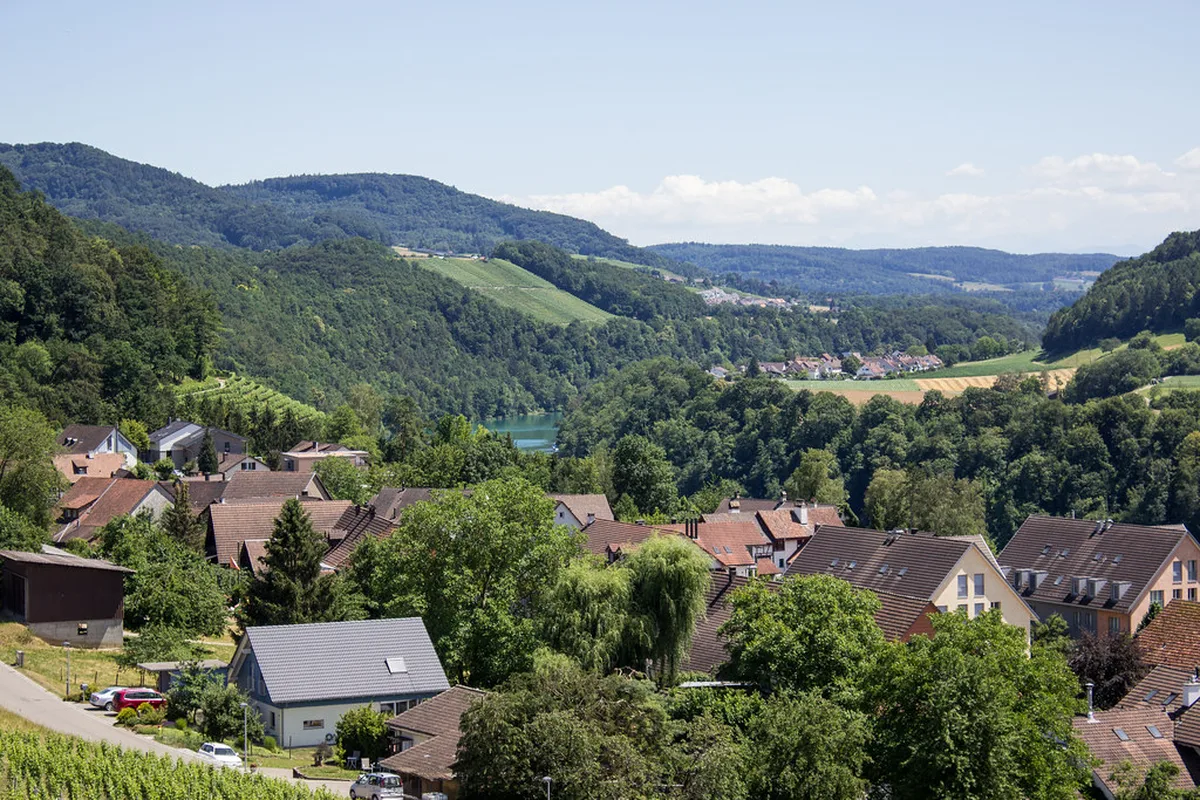
The Caracalla Spa (Caracalla Therme) offers a modern bathing experience with multiple indoor and outdoor thermal pools, saunas, and a dedicated children's section. Entry in 2026 costs €19 for a two-hour session or €27 for a full day. Friedrichsbad, a few minutes' walk away, provides a more traditional Roman-Irish bath ritual: the full sixteen-stage circuit takes approximately three to four hours and costs €31 in 2026. Both facilities require you to be comfortable in the nude in certain areas, as is standard for German wellness culture. Lockers, towels, and robes are included in the Friedrichsbad fee.
Beyond the spas, strolling along the Lichtentaler Allee — a two-kilometre landscaped promenade beside the Oos River — is free and beautiful in every season. The Baden-Baden Kunsthalle contemporary art gallery charges €10 entry in 2026 and often hosts major international exhibitions. The town centre features high-end boutiques along the Sophienstrasse and excellent German bakeries serving Schwarzwälder Kirschtorte (Black Forest gateau) for around €5–7 a slice. Always carry your passport or national ID card when crossing into Germany, even though the Schengen border crossing is unmanned. Budget approximately €50–80 per person for a comfortable full-day visit including trains, spa entry, and lunch.
The Scenic Wine Route and Obernai
Obernai remains one of the most authentic stops along the famous Route des Vins d'Alsace, the Alsatian Wine Route that stretches 170 kilometres from Marlenheim in the north to Thann in the south. This compact fortified town is smaller than Colmar but offers a more genuinely local feel with far fewer tourist crowds, particularly outside of summer weekends. In 2026, TER trains from Strasbourg reach Obernai in approximately thirty minutes, and return tickets cost €6–9. The town is small enough to walk entirely on foot, so no further transport is needed once you arrive.
Market days take place every Thursday morning from around 8:00 to 13:00, filling the central Place du Marché with stalls selling local Munster cheese, charcuterie, fresh pretzels, and seasonal produce. Prices are competitive — a generous selection of local cheeses and a bottle of Riesling will cost around €15–20 combined. Hikers can follow the marked trail (about 8 km round trip) up to Mont Sainte-Odile, the hilltop convent that is the most visited pilgrimage site in Alsace, with free entry to the grounds and chapel. For those who prefer driving out of Strasbourg first, you can read the parking in Strasbourg guide to find the most convenient park-and-ride options near the train station.
Wine tasting rooms in the town centre allow you to sample Riesling, Gewürztraminer, Pinot Gris, and Crémant d'Alsace sparkling wine for small fees — most caves propose a five-glass tasting flight for €8–12 per person. Several family-owned domaines, including Domaine Boeckel and Domaine Gyss, offer guided cellar tours if you book at least one day in advance; tours typically last sixty to ninety minutes and include a tasting at the end. For a broader overview of the entire Strasbourg and Alsace wine region, the Alsace travel guide covers the full Route des Vins itinerary. The local winstubs serve hearty Alsatian portions of choucroute garnie (sauerkraut with cured meats) for €14–18, making Obernai an excellent place for a slow lunch before the return train.
Freiburg im Breisgau: A German University City Day Trip
Freiburg im Breisgau sits roughly 75 kilometres northeast of Strasbourg, just across the Rhine in the Baden-Württemberg region of Germany. In 2026, the fastest route is to take a TER train from Strasbourg to Breisach (approximately 50 minutes, €10–14 single) and then a cross-border local bus or taxi into Freiburg centre. Alternatively, direct regional DB trains from Strasbourg via Offenburg reach Freiburg Hauptbahnhof in about 75 minutes, with fares around €18–24 single. Total return journey costs run €20–35 per person depending on your route.
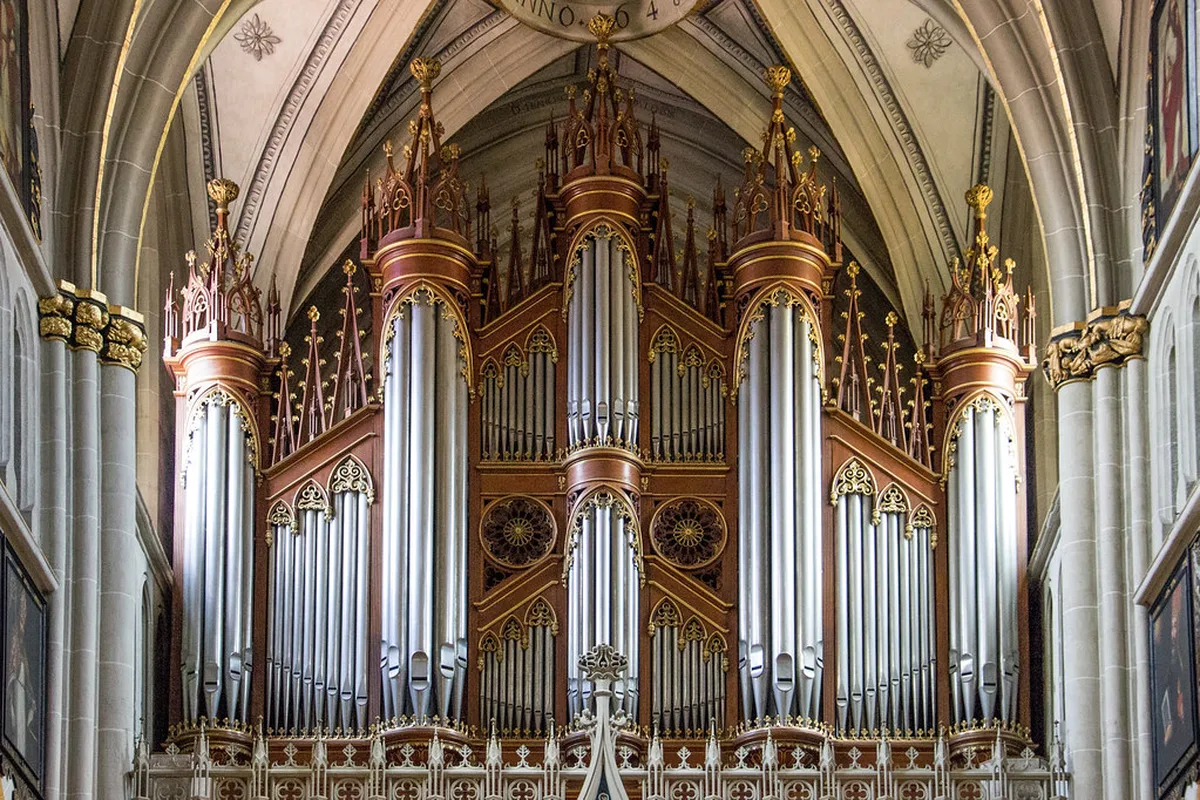
Freiburg is a lively university city with one of the sunniest climates in Germany, famous for its medieval Münster cathedral, its network of Bächle (narrow water channels running through the cobbled streets), and its proximity to the Black Forest. The Freiburg Münster dominates the skyline and entry to the cathedral is free, though climbing the tower costs €3 in 2026. The Augustinermuseum, which houses Rhenish art and Freiburg's original Münster sculptures, charges €8 entry. The surrounding Innenstadt (old town) is compact and entirely walkable, with a covered daily market directly beneath the Münster selling local sausages, Black Forest ham, and regional cheeses.
For outdoor enthusiasts, Freiburg is the gateway to the Schwarzwald (Black Forest). The Schauinslandbahn cable car, reachable by tram from the city centre, ascends to 1,284 metres and costs €17 return in 2026 for adults, offering panoramic views and access to marked hiking trails through pine forest. The cable car tram stop is served by Freiburg line 2 (€2.40 per journey within the city fare zone). Back in the city, the Martinstor and Schwabentor medieval gate towers are free to view from outside and make excellent photo stops. Budget around €55–75 for a full day in Freiburg including trains, cable car, lunch, and one museum. This destination fills a clear gap for travellers who want a Black Forest experience with urban amenities rather than a purely rural day trip.
Riquewihr: Alsace's Best-Preserved Wine Village
Riquewihr sits roughly 70 kilometres south of Strasbourg at the heart of the Route des Vins d'Alsace and is consistently rated among the most beautiful villages in France by official tourism bodies. Unlike Colmar — which is a larger market town — Riquewihr is a genuinely tiny medieval settlement surrounded by working Riesling and Gewürztraminer vineyards. The entire village centre is a protected heritage zone: the 16th-century walls, the Dolder gate tower (entry €3 adults in 2026), and the half-timbered merchants' houses along the Rue du Général de Gaulle have remained almost entirely unchanged since the 17th century. The complete absence of modern shopfronts and parked cars within the old walls makes it one of the most photogenic spots in Alsace.
Getting there from Strasbourg in 2026 requires a TER train to Colmar (30 minutes, €8–12 single) followed by the seasonal 385 bus towards Riquewihr, which runs hourly from Colmar bus station and takes around 40 minutes; a day return from Colmar costs approximately €4. Alternatively, the Alsace Vélo network provides a marked cycling route from Colmar along the vineyard road for those who prefer a 16-kilometre self-guided ride through the vines — bike hire in Colmar starts at €15 per day. During the Colmar Christmas market season (late November to late December), special shuttle services run directly to Riquewihr on weekends from Colmar centre. The Colmar Christmas market guide includes the shuttle timetable and explains how to combine Riquewihr with a half-day in Colmar during the festive period.
Wine tasting is the primary activity: Riquewihr is home to several prestigious domaines including Hugel & Fils (one of the oldest Alsatian wine houses, founded 1639) and Dopff & Irion, both of which offer self-guided cellar visits and tasting flights. A standard four-glass tasting of Riesling, Pinot Gris, Gewürztraminer, and Crémant d'Alsace costs €10–14 per person at most caves in 2026. The Musée de la Communication en Alsace — housed inside the old Dolder tower — is a quirky but charming telecommunications museum aimed at families, and entry is included with the Dolder gate ticket at €3. For lunch, the local restaurants on the main street serve classic Alsatian baeckeoffe (slow-cooked meat and potato casserole, €16–18) and onion tart for €8–10. Riquewihr pairs naturally with a morning in the nearby village of Hunawihr (5 minutes by bus), which has a remarkable stork reintroduction centre where visitors can walk among free-roaming European storks for €9 adults in 2026. Allow at least four to five hours in Riquewihr itself; a combined Colmar-plus-Riquewihr itinerary makes an ideal full day, with total transport and activity costs running €35–55 per adult. For more on exploring the broader wine villages accessible from this hub, the day trips from Colmar article covers Riquewihr, Kaysersberg, and Eguisheim in a single itinerary.
Smart Travel Hacks for Alsace Day Trips
Using the Alsa+ Groupe Jour ticket can save families significant money on weekend travel across the Alsace region in 2026. This regional pass covers up to five people travelling together for one flat rate on Saturdays, Sundays, and official public holidays — making it far cheaper than buying five individual return tickets. As a rough guide, a family of four making a return trip to Colmar would pay around €16 total with the Groupe Jour pass versus €40+ for individual return tickets. Most tourists are unaware of this pass and routinely overpay at ticket machines.
You can purchase these passes at any green SNCF self-service ticket machine inside Strasbourg Gare Centrale, or on the SNCF Connect mobile app before you leave the hotel. Be aware that many smaller wine-route villages essentially shut down on Sunday afternoons, with restaurants closing from 14:00 and shops remaining closed all day. Plan visits to larger towns like Colmar, Obernai, or Baden-Baden if your travel window falls on a weekend. The Strasbourg Christmas market guide is worth reading before November trips, as regional trains become extremely crowded during the Advent season and booking a week ahead is strongly advised.
The regional TER Fluo trains are reliable and air-conditioned, but luggage space is limited and carriages can become very crowded during peak summer weekends and Christmas market season (late November to late December). Arriving at the station at least fifteen minutes before departure ensures you can board comfortably. Always validate your paper ticket at the yellow composteur machines on the platform before boarding — failure to validate can result on-the-spot fines of €50 or more from controllers. Digital tickets purchased via SNCF Connect or the Alsa+ app are automatically validated by QR code and remove this risk entirely. If you plan to combine multiple day trips across a week, the Eurail Regional France–Germany Pass may offer additional savings for cross-border segments to Baden-Baden or Freiburg.
Frequently Asked Questions
What is the best way to travel between towns in Alsace from Strasbourg?
The regional TER train network is the most efficient method for most day trips from Strasbourg in 2026. Trains to Colmar cost €8–12 return and depart approximately every thirty minutes; trains to Sélestat (for Haut-Koenigsbourg Castle) cost €6–8 single. For smaller wine-route villages not served by train, the seasonal Navette shuttle buses and the Alsa+ on-demand Flexo minibus service fill the gaps. Renting an electric bike from a Strasbourg station is another option for the flat Rhine plain section near Kehl and Rhinau.
Can I visit Germany for a day trip from Strasbourg?
Yes — in 2026 you can easily visit Kehl by tram (free with a Strasbourg day pass), Baden-Baden by regional train (€12–18 single, approximately 45 minutes), or Freiburg im Breisgau by regional train via Offenburg (€18–24 single, approximately 75 minutes). Crossing the border is seamless within the Schengen Area, but always carry a valid national ID card or passport. Cross-border train tickets are not included in French Alsa+ regional passes and must be purchased separately through SNCF Connect or Deutsche Bahn.
Are day trips from Strasbourg safe for solo travelers?
The Alsace region is generally very safe for solo travellers of all genders at any time of day in 2026. TER trains are well-lit, frequently staffed by SNCF agents, and connect to major stations with assistance points. Colmar, Obernai, Baden-Baden, and Freiburg are all low-crime tourist destinations with good English signage. The main risk on day trips is petty theft in crowded Christmas market areas — keep bags zipped and phones in inside pockets. For current crime-level context specific to Strasbourg, visit the is Strasbourg safe for tourists guide.
How much should I budget for a typical day trip from Strasbourg?
A typical day trip from Strasbourg in 2026 costs €40–70 per person for a comfortable experience. Expect to pay €8–20 for a return train ticket depending on destination: Colmar is €8–12, Baden-Baden is €24–36 return, and Haut-Koenigsbourg including the Sélestat train and shuttle is around €25 total. Budget €10–15 for a museum or castle entry, and €20–28 for a sit-down lunch at a regional winstub. Free activities — walking the old towns, strolling the Lichtentaler Allee in Baden-Baden, or hiking to Mont Sainte-Odile — can significantly reduce the total cost.
Which day trip from Strasbourg is best for families with children?
Haut-Koenigsbourg Castle is the top family choice from Strasbourg in 2026: children under 18 enter free, EU residents under 26 also enter free, and the medieval fortress with its towers, ramparts, and drawbridge captivates younger travellers instantly. The short Sélestat train (25 minutes) plus seasonal shuttle bus (15 minutes) makes the journey an adventure in itself. Families travelling on a weekend can use the Alsa+ Groupe Jour pass (covers up to 5 people on one flat-rate ticket) to reduce transport costs significantly. Colmar's boat tours on the Lauch River are another child-friendly option at around €7 per adult.
What is the cheapest day trip from Strasbourg?
Kehl, Germany is technically the cheapest — the D-Tram crosses the Rhine in about 12 minutes and is free with a Strasbourg Unipass or day transport ticket. For a proper day out, Obernai is the most affordable option in 2026: the return train costs €6–9, entry to the old town and the weekly market is free, and a full tarte flambée lunch at a local winstub costs €12–16. Combine Obernai with a hike up to Mont Sainte-Odile (free entry to the convent) for a full day costing well under €30 per person including food and transport.
Taking day trips from Strasbourg in 2026 allows you to see the full beauty of the Alsace region and its German neighbours without ever moving your base hotel. Whether you prefer fairy-tale canals in Colmar, medieval fortresses above the Rhine plain, thermal baths in Baden-Baden, or university-city culture in Freiburg, the regional TER train network connects you to all of it within an hour. Use the Alsa+ Groupe Jour pass on weekends to cut transport costs, always validate your ticket, and carry your passport for cross-border trips. Start planning your 2026 Alsace adventure today to secure the best train fares and local tour availability. For a broader overview of the region, the Strasbourg old town guide and the day trips from Colmar article make excellent companion reads.