Colmar Christmas Market Guide: A Fairytale Winter Trip in 2026
Colmar Christmas market 2026 runs from November 26 through December 29, with six themed markets open daily from 10 AM to 7 PM and free entry to all outdoor sites.
A mug of vin chaud (mulled white wine) costs €3–5 and a piece of pain d'épices gingerbread costs €2–4 at most Colmar market stalls in 2026.
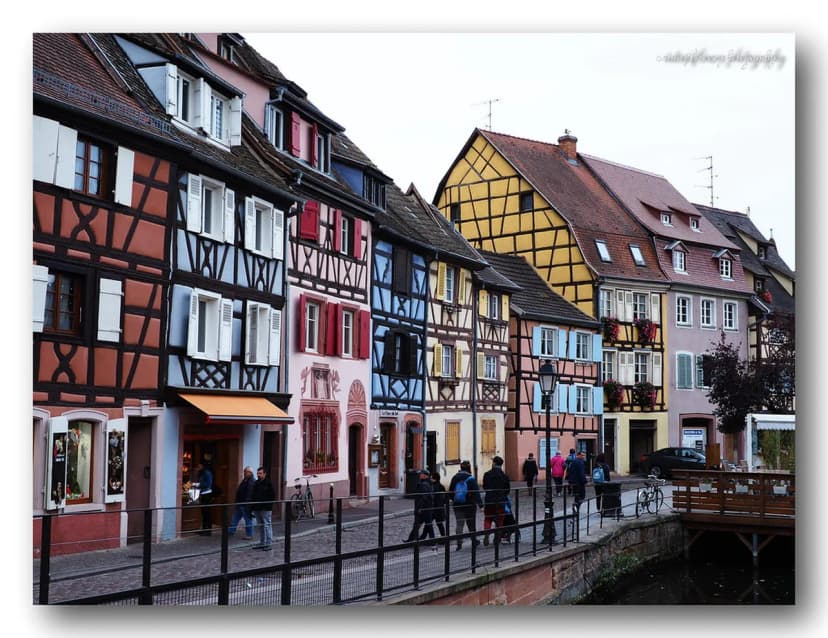
Colmar transforms into a fairytale wonderland during the winter season. The town features half-timbered houses draped in shimmering lights and festive ornaments. Visitors from around the world flock to this corner of France for its unique charm and its six distinct themed markets, each occupying a different medieval square within easy walking distance of the others. This Colmar Christmas market guide provides everything you need for a perfect 2026 trip.
The atmosphere feels intimate despite the growing popularity of the region. Local traditions remain at the heart of every wooden chalet and decorated window. Planning ahead ensures you experience the best of the Alsace holiday spirit. You will find broader regional context in our Alsace travel guide for planning a multi-city Alsace itinerary.
Winter weather in Colmar stays crisp and cold throughout December. Expect temperatures to hover between 0 and 5°C (32–41°F) on most days, with occasional light snowfall adding to the fairytale atmosphere. Warm layers, a waterproof coat, and comfortable walking shoes are essential for exploring the cobblestone streets. Early morning strolls before 10 AM offer the best views and photographs before the afternoon crowds arrive.
Planning Your Colmar Christmas Market Visit in 2026
The Colmar Christmas markets officially open on November 26, 2026, and run through December 29, 2026. Most chalets operate daily from 10:00 AM to 7:00 PM, with extended hours on Friday and Saturday evenings until 8:00 PM. The final week before Christmas (December 18–24) sees the heaviest visitor numbers, so plan accordingly. Confirming exact dates early helps you secure the best accommodation rates, as hotels within the old town sell out months ahead.
Travelers typically arrive via the TER regional train from Strasbourg, a 30-minute journey that costs approximately €8 each way in 2026. High-speed TGV trains from Paris reach Strasbourg in about 2 hours 10 minutes, and from there the onward TER to Colmar is seamless. Booking train tickets three months in advance via SNCF Connect saves significant money, particularly during the December peak period. A comfortable 10-minute walk from Colmar station leads directly into the historic Colmar old town, where the first market stalls appear near the Koïfhus. If you want a structured route between all the main sights and market squares, our Colmar walking tour guide maps the most efficient pedestrian path through the old town.
Mid-week visits on Tuesday and Wednesday mornings provide the most space for browsing stalls and the shortest queues at popular food vendors. Hotel prices drop noticeably during these quieter weekdays — a three-star hotel that costs €180 per night on a Saturday in December can fall to €110 mid-week. Planning your visit for the first two weeks of December, before the final pre-Christmas rush, avoids both the peak crowds and the premium pricing.
Colmar serves as an excellent base for exploring the entire Alsace Wine Route. Local buses and occasional shuttles connect the town to smaller villages north and south. The Christmas Shuttle runs frequently between the most popular festive spots in the region, including Eguisheim and Kaysersberg. The shuttle ticket typically costs €2–3 per trip and removes the stress of finding parking in the narrow streets of the surrounding villages. For a comprehensive overview of what to see while you are in the area, our day trips from Colmar guide covers the best nearby options.
Budget planning is straightforward for the Colmar markets. Entry to all outdoor markets is free. Expect to spend €15–30 per person on food and drink if you eat at the markets for lunch. Souvenir shopping varies widely — hand-painted Christmas ornaments start at €5, local wine bottles run €8–18, and premium hand-carved wooden decorations can exceed €80. Setting a daily budget before you arrive prevents overspending in the magical atmosphere of the lit squares.
The 5 Must-Visit Market Locations in Colmar
Colmar's Christmas markets are spread across five central squares and one covered indoor hall, all within a 15-minute walk of each other. This multi-site format is one of the main reasons Colmar feels so special — rather than one large overcrowded market, visitors move between distinct neighborhoods, each with its own atmosphere and specialty vendors. Picking up a free market map at the tourist office on Rue des Unterlinden is the best way to navigate efficiently between sites.
Place des Dominicains is widely regarded as the most atmospheric of all the Colmar locations. Sixty wooden chalets sit beneath the towering Gothic spire of the Dominican church, whose stained-glass windows are beautifully illuminated each evening after dark. Artisans here focus on high-quality handmade decorations, carved nativity figures, and traditional Alsatian textiles. This square fills quickly on weekends, so aim to visit on a weekday morning for a more relaxed experience. Evening visits between 6 PM and 7 PM, when the church lights glow and the crowds thin, are particularly memorable.
Place de l'Ancienne Douane sits at the heart of Colmar's commercial district, directly beside the famous Koïfhus customs house. The market here has a livelier, more modern energy, with stalls selling fashionable gifts, jewelry, leather goods, and contemporary Alsatian design alongside the traditional crafts. Street performers and occasional live folk music add to the festive buzz. This is the best location to find unique gifts for friends and family that go beyond typical Christmas market souvenirs.
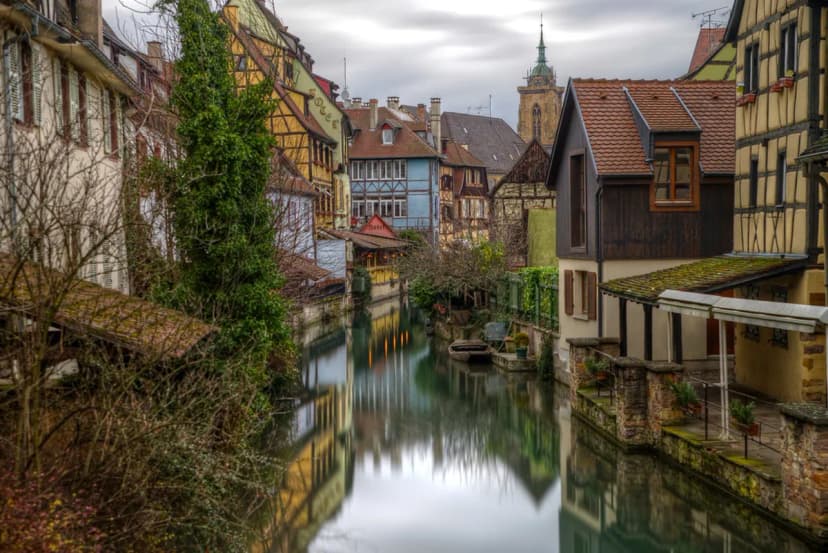
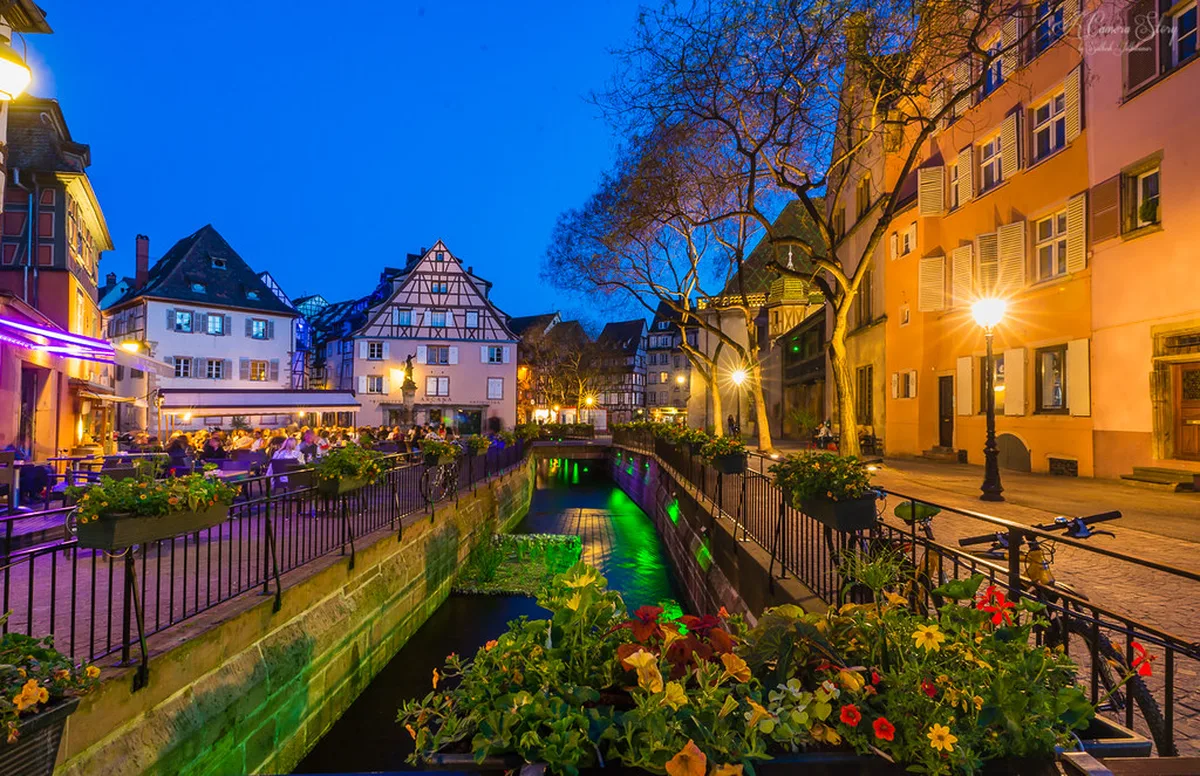
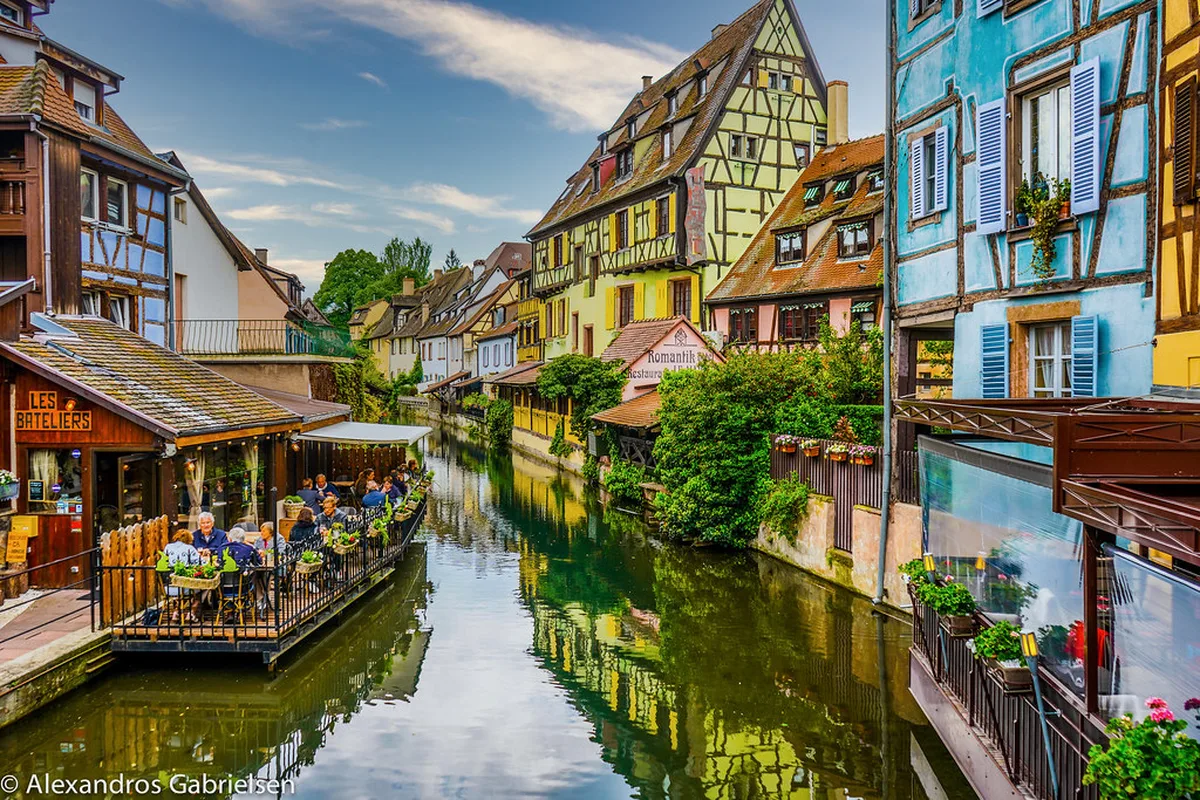
Petite Venise (Little Venice) hosts the dedicated children's market and is the most family-friendly location. A large mechanical nativity scene draws children of all ages, and a traditional wooden carousel operates throughout the market season for €2 per ride. The reflecting canal lined with illuminated boats creates one of the most photographed scenes in all of Alsace. Hot chocolate vendors cluster around this area, making it the warmest and most welcoming spot for families with young children on cold evenings.
Place de la Cathédrale operates as the gourmet food market, with nine professional chefs and local producers setting up stalls around the base of the Saint-Martin Cathedral. This is where you come for a proper sit-down or stand-up meal: tarte flambée (€6–9), choucroute garnie (€10–13), grilled Munster cheese (€5–7), and a curated selection of Alsace AOC wines by the glass (€4–7). The cathedral's illuminated facade provides a dramatic backdrop for evening dining at the market tables arranged across the square.
Place Jeanne d'Arc serves as the authentic local producers' market, with a strong emphasis on Alsatian specialty foods. Farmers and small-scale producers sell raw-milk Munster cheese, smoked charcuterie, artisan honey, and jarred preserves directly from their farms. Prices here are notably lower than at the more touristy locations. This square is also where you will find the widest selection of pain d'épices gingerbread, with prices starting at €2–4 for individual pieces and €8–15 for decorated gift boxes.
The sixth location, the Indoor Craft Market inside the Koïfhus, is a welcome refuge on colder or rainier days. Free entry gives access to around 30 artisan workshops selling hand-painted glassware, ceramics, wooden toys, and custom embroidery. The warm interior is particularly appreciated during the final week of December when temperatures can drop below freezing outside. Spending an hour here in the middle of a full market day provides a comfortable break before returning to the outdoor squares.
All 6 Themed Markets: Full 2026 Overview
To help you plan your route, here is a complete overview of all six Colmar Christmas market sites for 2026, with their themes, best features, and practical details. The markets are spread across a compact area, making it easy to visit all of them in a single day if you start at 10 AM and finish at closing time. Most visitors find that two full days allows a more relaxed pace, with time for meals and shopping at each location.

- Place des Dominicains Market
- Theme: Traditional and spiritual artisan crafts
- Location: Dominican Church square, central old town
- Best for: Hand-carved decorations and Alsatian textiles
- Atmosphere: Historic, grand, beautifully lit after dark
- Tip: Visit at 6:30 PM when the church is illuminated and crowds are thinning
- Place de l'Ancienne Douane
- Theme: Modern gifts and contemporary Alsatian design
- Location: Adjacent to the Koïfhus customs house
- Best for: Unique gifts, jewelry, and live entertainment
- Vibe: Lively, central, great for evening browsing
- Tip: Arrive on weekday afternoons for easier navigation
- The Indoor Craft Market (Koïfhus)
- Theme: Local craftsmanship and artisan workshops
- Location: Inside the historic Koïfhus building
- Best for: Refuge from the cold and high-quality ceramics
- Cost: Free entry, open same hours as outdoor markets
- Tip: Ideal mid-day stop to warm up between outdoor sites
- Place Jeanne d'Arc Market
- Theme: Local Alsatian food producers
- Location: Historic crossroads near the market halls
- Best for: Munster cheese, smoked meats, and gingerbread €2–4
- Selection: Authentic farm-direct regional goods at lower prices
- Tip: Go early — popular cheese vendors sell out by early afternoon
- Little Venice Children's Market (Petite Venise)
- Theme: Family-friendly and magical waterfront
- Location: Along the illuminated Lauch canal
- Best for: Hot chocolate, carousel rides (€2), and nativity scene
- Feature: Mechanical nativity display and canal boat illuminations
- Tip: Best experienced after dark for the full canal reflection effect
- Place de la Cathédrale Gourmet Market
- Theme: High-end Alsatian gastronomy
- Location: Saint-Martin Cathedral forecourt
- Best for: Full meals, AOC wines, and tarte flambée (€6–9)
- Chef count: Nine professional chef stalls in 2026
- Tip: Book a standing spot at the outdoor tables by 12:30 PM for lunch
Must-Try Alsatian Foods and Drinks at the 2026 Markets
Eating your way through the Colmar market stalls is one of the most enjoyable parts of any visit to Alsace in winter. The food culture here is deeply rooted in German-French fusion traditions, producing flavors and combinations you will not find anywhere else in France. Arriving slightly hungry and planning your meals around the markets rather than restaurants saves money and delivers a more authentic experience.
Vin chaud — mulled wine — is the undisputed signature drink of the Colmar markets. Prices at the stalls in 2026 run €3–5 per ceramic mug, with a small €2 deposit on the traditional market cup that you can keep or return for a refund. What makes Colmar unique among French Christmas markets is the Alsatian white wine version: instead of the usual red wine mulled with cinnamon and cloves, many stalls use local Riesling or Pinot Blanc as the base, producing a lighter, more aromatic drink. Look for stalls advertising "vin chaud d'Alsace blanc" to taste this regional specialty. For those who prefer non-alcoholic options, cidre chaud (hot apple cider) is widely available at €3 per cup.
Tarte flambée (Flammkuchen in Alsatian German) provides the perfect savory snack for market walkers. This thin crispy dough is topped with crème fraîche, caramelized onions, and smoked lardons, then baked in a wood-fired oven until the edges are slightly charred. Individual portions cost €5–7, while a full-size tarte shared between two people runs €9–12. Several stalls at Place de la Cathédrale offer creative variations with Munster cheese and walnuts or smoked salmon and chives. Eating a tarte flambée standing beside the wood-fired oven is one of the definitive Colmar market experiences.
Sweet treats are equally important. Manala, the small brioche-dough men traditionally baked for Saint Nicholas Day on December 6, are found at every bakery and many market stalls for €1.50–3 each. Pair one with a thick Alsatian hot chocolate (chocolat chaud épais, €3–4) for the perfect mid-morning energy boost. Pain d'épices gingerbread comes in dozens of shapes — stars, hearts, Christmas trees — often decorated with icing or dipped in dark chocolate. Individual pieces cost €2–4, and gift boxes of assorted gingerbread run €8–15. The spicy aroma of freshly baked gingerbread drifting from the stalls at Place Jeanne d'Arc is the defining scent of a Colmar December morning.
For a full sit-down experience, choucroute garnie is the traditional Alsatian main course: slow-cooked sauerkraut served with a generous assortment of smoked pork, sausages, and boiled potatoes. Portions at the gourmet market stalls cost €10–14. Bretzels (soft pretzels) are sold throughout the markets for €2–3 and make excellent walking food. Round off the afternoon with a glass of Alsatian Gewurztraminer or Pinot Gris from one of the wine producer stalls at Place Jeanne d'Arc — expect to pay €4–6 per glass for AOC-certified wines.
Navigating Crowds and Local Logistics in Colmar
Colmar becomes very crowded during the three weeks before Christmas, particularly on weekends when visitors arrive from across France, Germany, and Switzerland. Navigating the narrow medieval streets requires patience and careful planning. Arriving at the markets right when they open at 10:00 AM offers the most breathing room, and the morning light on the painted facades is ideal for photographs. Crowds peak between 4:00 PM and 7:00 PM on Friday, Saturday, and Sunday evenings, when office workers and weekend visitors converge on the squares simultaneously.
Restaurant reservations are not just advisable but effectively mandatory if you want to eat dinner indoors during the market season. Popular winstubs (traditional Alsatian taverns) like Winstub Brenner and La Maison des Têtes often book up two to three months in advance for December weekend evenings. Walking in without a reservation is almost always unsuccessful at these historic dining rooms. A practical alternative is to eat your main meal at lunch — restaurants are significantly less crowded between 12:00 PM and 2:00 PM, and most offer the same menu at lower prices. Market food stalls also provide excellent and affordable lunches that eliminate the reservation problem entirely.
Public restrooms are located near each of the main market squares. Facilities at the Koïfhus and near Place de la Cathédrale are the largest. Some smaller facilities require a €0.50 coin, so carrying small change is useful. Department stores like Galeries Lafayette on Rue des Clefs and larger cafes with sit-down service are good alternatives for restroom access without a fee, especially during the busiest market hours. Planning your walking route around these stops creates a smoother and more comfortable day.
Parking inside the Colmar city center is almost impossible during the holiday season. The underground Parking Rapp (Rue du Temple Neuf) and Parking Unterlinden (next to the Unterlinden Museum) are the closest paid options, but they fill by 9:30 AM on weekends. The better strategy is to use the designated Park and Ride lots on the outskirts of town: Parking des Deux Sèvres to the south and Parking Leclerc to the north both feed the free Christmas Shuttle. The shuttle runs every 10–15 minutes from approximately 9:30 AM to 8:00 PM throughout the market season, with a return trip costing around €2. This approach completely eliminates the parking stress and delivers you to the edge of the old town in under 10 minutes. For a full breakdown of all parking options, including prices and opening hours, see our dedicated parking in Colmar guide.
Cold Weather Tips for Visiting Colmar in December
Colmar in December is genuinely cold, and first-time visitors often underestimate how much time they will spend standing or walking slowly through outdoor markets in near-freezing temperatures. Preparing your clothing and comfort strategy in advance makes the difference between a magical experience and an uncomfortable one. Average temperatures in Colmar during December range from -2°C to 6°C (28–43°F), with wind chill making exposed areas like the open squares feel several degrees colder.
Layering is the most effective approach. Start with a moisture-wicking thermal base layer, add a mid-layer fleece or down vest, and top it with a windproof and water-resistant outer jacket. Wool socks and waterproof boots with good ankle support are strongly recommended — the cobblestone streets can be slippery when wet, and your feet will be cold within an hour in regular sneakers. Hand warmers (available at pharmacies and outdoor shops in Colmar for €1–2 per pair) are a cheap and effective backup for particularly cold evenings. A warm hat covering the ears and a scarf are non-negotiable for evening visits when temperatures drop sharply after sunset.
Plan your day to move between indoor and outdoor spaces regularly. The Koïfhus indoor market, the Unterlinden Museum café, and the covered passages of the shopping streets provide warm refuge on days when the temperature drops below zero. Building two or three 20-minute warming breaks into your itinerary prevents the exhaustion that comes from prolonged cold exposure. Hot drinks at the market stalls serve this purpose perfectly: budget for at least two vin chaud or hot chocolates per person per day as a practical cold management tool as much as a culinary pleasure.
Photography in cold weather requires a few adjustments. Camera batteries drain significantly faster in cold temperatures — carry a spare battery kept warm in an inner pocket. Condensation can fog lenses when moving between cold outdoor air and warm indoor spaces; give your camera 10–15 minutes to acclimatize before shooting. The golden hour in December in Colmar falls around 4:30–5:00 PM, when the low winter light catches the colored facades and the market stall lights begin to glow before full dark. This is the single best window for photography and worth structuring your afternoon around despite the cold.
Visitors with mobility considerations should note that while the market squares themselves are relatively flat, many of the connecting alleys have uneven cobblestones. The most accessible route between all six market sites runs along Rue des Marchands and Grand Rue, both of which are wider and better maintained than the smaller side streets. The Christmas Shuttle buses are fully accessible with low floors. Arriving during the weekday morning opening period also provides the most space for wheelchair users and visitors with pushchairs.
Best Day Trips from Colmar During the Christmas Season
Colmar serves as the perfect hub for exploring the wider Alsace Christmas market circuit. The region's train and bus connections make day trips straightforward, and the surrounding villages offer experiences that complement rather than duplicate what Colmar itself provides. Planning at least one day trip during a multi-day stay in Colmar adds genuine depth to your understanding of Alsatian holiday traditions.
The Strasbourg Christmas market is the most popular day trip from Colmar, reached in about 30 minutes by TER train for approximately €8 each way in 2026. Strasbourg's market is one of the oldest in Europe, dating to 1570, and offers a noticeably grander and more urban experience than Colmar. The Christkindelsmarik at Place Broglie is the centerpiece, but Strasbourg spreads its market across a dozen locations throughout the old town and along the canal banks. Many visitors find that the contrast between Colmar's intimate medieval charm and Strasbourg's confident grandeur makes visiting both cities in the same trip far more rewarding than choosing just one. Our dedicated Strasbourg walking tour guide covers the most efficient route between all market sites in the city.
Nearby villages like Eguisheim, just 6 km from Colmar, offer a quieter and more intimate festive atmosphere. Eguisheim's circular medieval village street becomes a single enchanting market loop during December, with a strong focus on local wines — the village sits at the heart of the Alsace Grand Cru wine appellation. Buses depart regularly from Colmar station. Kaysersberg, 12 km to the northwest and the birthplace of Albert Schweitzer, is another must-see destination with a market frequently voted among the most beautiful in France. Its castle ruins, illuminated backdrop, and compact scale make it ideal for a half-day excursion combined with an early evening return to Colmar. For a full list of recommended nearby destinations, see our day trips from Colmar guide.
Colmar vs Strasbourg Christmas Markets: Which Should You Choose?
Choosing between Colmar and Strasbourg as your primary Alsace Christmas market destination is one of the most common questions travelers ask when planning a December trip to this region. Both cities offer world-class festive experiences, but they attract different types of visitors and deliver distinctly different atmospheres. Understanding the key differences helps you plan the most satisfying itinerary for your trip in 2026.
Colmar wins on charm and intimacy. Its six themed markets are concentrated within a 15-minute walk across a perfectly preserved medieval old town of half-timbered houses, painted facades, and flower-lined canals. The sense of scale is human — even on busy weekends, the atmosphere feels more like a village festival than a major European event. Accommodation inside the old town is genuinely walkable to all six market sites. Hotel prices during December average €120–180 per night for a three-star option in the old town, with budget two-star hotels available from €80. Booking at least two months ahead is essential for December weekend stays.
Strasbourg wins on scale, history, and variety. Europe's oldest Christmas market (dating to 1570) spreads across a dozen locations throughout the city, from the iconic Place Broglie Christkindelsmarik to the contemporary markets along the Ill canals. The sheer number of stalls, the grandeur of the Strasbourg Cathedral backdrop, and the cosmopolitan mix of visitors create an energy Colmar cannot match. Strasbourg also offers a far greater range of accommodation at all price points. See our Strasbourg Christmas market guide for a full breakdown of all market sites and logistics.
The smartest strategy for most visitors staying three or more days in Alsace is to base themselves in Colmar — where the fairytale atmosphere is most concentrated — and make a day trip to Strasbourg by TER train (30 minutes, approximately €8 each way). This gives you the best of both worlds: Colmar's storybook intimacy as your home base and Strasbourg's grand historic market as a one-day contrast. Visitors staying only one or two nights in the region who want maximum variety should choose Strasbourg as a base instead, then take an afternoon or evening train to Colmar. Either city makes an excellent hub for reaching smaller village markets in Eguisheim or Kaysersberg via local bus. Our Alsace travel guide covers how to structure a multi-city itinerary across the entire region, including wine route villages and transport tips between all the key destinations.
Frequently Asked Questions
When do the Colmar Christmas markets open in 2026?
The Colmar Christmas markets are expected to open on November 26, 2026, and run through December 29, 2026. Most of the six outdoor market sites operate daily from 10:00 AM to 7:00 PM, with extended hours on Friday and Saturday evenings until 8:00 PM. Entry to all outdoor markets is free. Always verify exact dates and hours on the official Colmar tourism website before your trip, as minor adjustments occasionally occur.
Is Colmar or Strasbourg better for Christmas markets?
Colmar and Strasbourg offer complementary rather than competing experiences. Colmar is more intimate and fairytale-like, with six themed markets spread across a compact medieval old town and a strong emphasis on local crafts and Alsatian food traditions. Strasbourg is larger, more cosmopolitan, and historically significant — its Christkindelsmarik dates to 1570 and spans the entire city center. Most visitors who can spend three or more days in Alsace choose to stay in Colmar and take a 30-minute train day trip to Strasbourg. If you only have one day, Strasbourg offers more variety; for a longer stay, Colmar is the better base.
Do I need to book tickets for the Colmar Christmas markets?
No tickets are required to enter any of the six outdoor Christmas markets in Colmar. All outdoor market sites are free and open to the public throughout the season. However, you should book train tickets via SNCF Connect three months in advance to secure the best prices — fares from Strasbourg to Colmar cost approximately €8 in 2026, and popular trains fill quickly during December weekends. Restaurant reservations at traditional winstubs should also be made 2–3 months ahead for December weekend evenings.
What is the best way to get around Colmar in winter?
Walking is the best way to navigate between Colmar's six Christmas market sites, as all are within a 15-minute walk of each other in the compact old town. For arrival and departure, the TER train from Strasbourg (approximately €8 each way) is the most convenient option. If you drive, use the Park and Ride lots on the city outskirts — Parking des Deux Sèvres or Parking Leclerc — and take the free Christmas Shuttle (€2 return) into the center. Shuttles run every 10–15 minutes from 9:30 AM to 8:00 PM throughout the market season. Avoid trying to park in the old town itself, as spaces are extremely limited during December.
How much does it cost to visit the Colmar Christmas markets in 2026?
Entry to all outdoor markets is free. A reasonable daily budget for food and drinks is €20–35 per person, covering two vin chaud (€3–5 each), one tarte flambée (€5–7), and a pain d'épices gingerbread (€2–4). Souvenirs range widely: hand-painted ornaments start at €5, local wine bottles cost €8–18, and premium hand-carved wooden decorations can exceed €80. Train fare from Strasbourg adds €16 return per person. Budget accommodation in Colmar during December costs €80–130 per night for a two-star hotel, while three-star options near the old town run €120–200 on weekdays and €160–250 on weekends.
What should I wear to the Colmar Christmas market?
Colmar in December averages -2°C to 6°C (28–43°F), so dressing in warm layers is essential. Wear a thermal base layer, a fleece or down mid-layer, and a windproof waterproof outer jacket. Wool socks and waterproof ankle boots with non-slip soles are strongly recommended for the cobblestone streets. Bring a hat, gloves, and a scarf for evening visits when temperatures drop sharply. Hand warmers, available at Colmar pharmacies for €1–2 per pair, are a useful backup on the coldest days. Comfortable footwear matters as much as warmth — expect to walk 5–8 km across a full day visiting all six market sites.
Colmar provides a holiday experience that feels like stepping into a storybook. The combination of medieval half-timbered architecture, illuminated canals, and six distinct themed markets creates an atmosphere that is genuinely unmatched in Europe. Following this Colmar Christmas market guide helps you navigate the busy 2026 season with confidence, from planning your train journey to choosing the best market sites for your interests.
Prioritize your favorite market locations, book your dining spots early, and arrive on a weekday morning for the best experience. Embrace the cold weather with a warm mug of Alsatian vin chaud blanc at €3–5 and a piece of freshly baked pain d'épices at €2–4. The magic of the season is found in the small, handcrafted details: the carved wooden chalets, the scent of cinnamon drifting through the alleys, and the warm glow of the Dominican church against a winter sky. Enjoy every moment of your winter adventure in this extraordinary corner of France.