Your Ultimate Strasbourg Nightlife Guide for 2026
Strasbourg's nightlife in 2026 centers on three distinct zones: the student-packed Krutenau quarter with beers from €4, the Grande Île cocktail lounges charging €10–14 per drink, and La Laiterie's live-music club scene with entry from €10.
Budget benchmark for a full night out in Strasbourg: €40–60 covers pre-drinks in Krutenau, one club entry (€10–20), and a late-night snack — one of western Europe's more affordable university-city nightlife scenes.
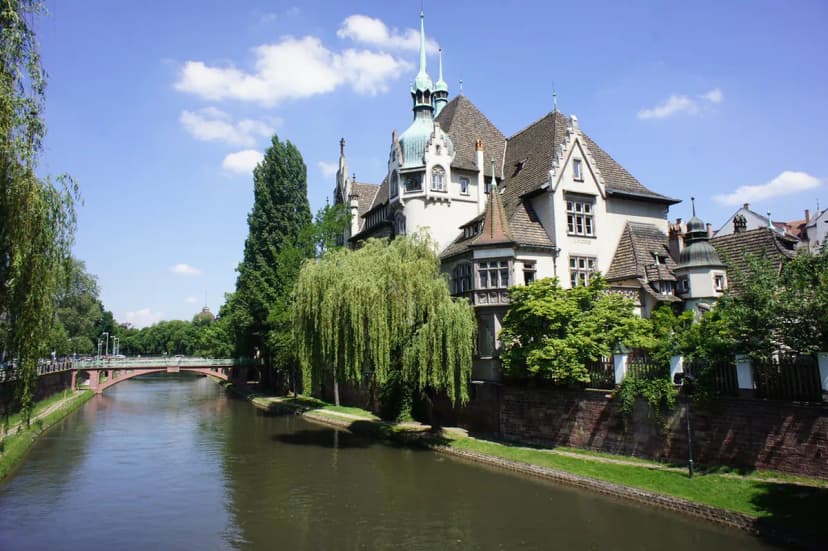
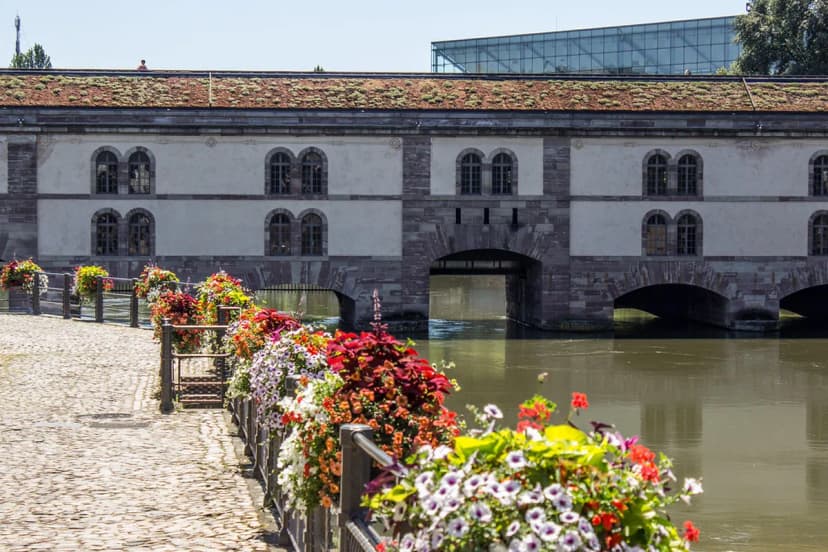
Strasbourg transforms into a vibrant hub of activity once the sun sets over its timber-framed houses. This city blends French sophistication with a youthful energy fueled by its large university population, home to over 50,000 students who keep bars busy throughout the week. Travelers can find everything from cozy Alsatian wine taverns to pulsing electronic dance floors within the historic center. The city's unique position on the Franco-German border gives its nightlife a distinctive character — expect German-influenced beer culture sitting comfortably alongside French cocktail craft and local Alsatian Riesling. Our guide ensures you experience the very best of the Alsatian capital after dark in 2026.
Vibrant Districts for Your Night Out
Strasbourg's nightlife geography divides neatly into three zones, each offering a completely different atmosphere and price point. Knowing which district suits your style saves time and money on any given evening in 2026.
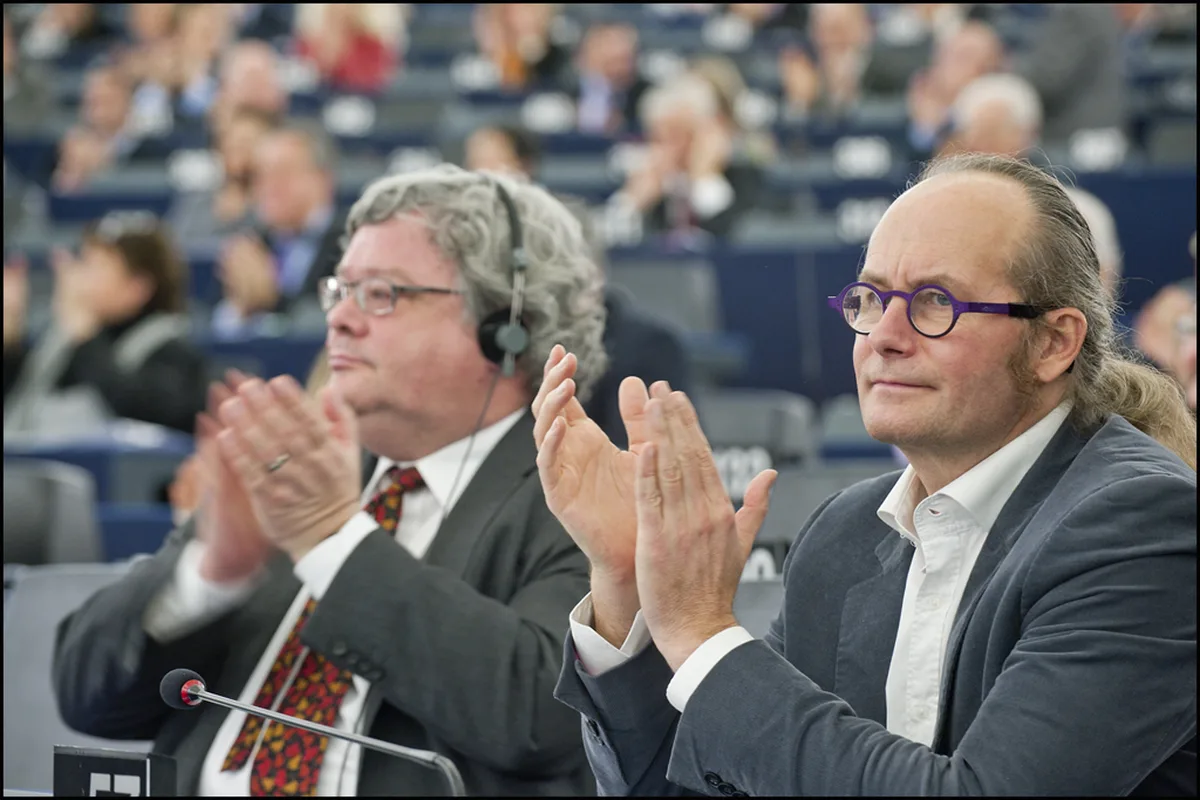
The Krutenau district, sitting just east of the historic Grande Île, is the undisputed heart of Strasbourg's student nightlife. Rue des Orphelins and the surrounding streets pack in dozens of bars that stay open until 2:00 or 3:00 AM most nights. Draft beers here run €4–5 for a 33cl pint and €5–7 for a 50cl, making it the most affordable drinking neighborhood in the city. The crowd skews young — mostly students from the Université de Strasbourg — and the atmosphere is unpretentious and energetic. Several venues spill onto the street in warmer months, creating an almost continuous outdoor party from May through September.
The Grande Île, the UNESCO-listed island center, caters to a more upscale crowd. Bars and cocktail lounges cluster near the Cathedral and Place Gutenberg. Expect to pay €10–14 for a well-crafted cocktail and €6–8 for a glass of Alsatian wine. The setting is exceptional — drinking in a centuries-old half-timbered building steps from the Cathédrale Notre-Dame is a uniquely Strasbourg experience. These venues tend to wind down earlier, many closing by midnight or 1:00 AM.
The Gare and Neudorf area south of the train station hosts the city's dedicated club venues, including La Laiterie. This zone is quieter during the week but comes alive on Friday and Saturday nights. Getting here from the center takes roughly 15 minutes on foot or a quick tram ride. Transport back is worth planning in advance since trams stop at 12:30 AM on weekdays.
- The Krutenau Student Hub
- Vibe: Energetic and youthful
- Best for: Affordable beers and bar-hopping
- Where: Rue des Orphelins and surrounding streets
- Cost: Beer €4–7, cocktails €8–11, entry usually free
- Grande Île Sophistication
- Vibe: Upscale and historic
- Best for: Craft cocktails and Alsatian wine
- Where: Near the Cathedral and Place Gutenberg
- Cost: Cocktails €10–14, wine €6–8 per glass
- Gare/Neudorf Club Zone
- Vibe: Music-focused and late-night
- Best for: Live concerts and DJ sets
- Where: South of the train station
- Cost: Club entry €10–20, drinks €6–9 inside
For the best introduction to Strasbourg's layout before your night out, take a Strasbourg walking tour during the day to map out which bars and neighborhoods appeal to you most. You can also read our full Strasbourg old town guide to understand the Grande Île geography before venturing out at night.
Best Bars and Alsatian Winstubs
Strasbourg is world-renowned for its historic winstubs — traditional Alsatian wine taverns that have served locals for centuries. These cozy, wood-paneled establishments serve chilled local vintages alongside hearty regional snacks like the famous flammekueche (Alsatian tarte flambée), typically priced at €9–13 per portion. Many of these spots close by 11:00 PM, making them ideal for an early evening drink before moving on to livelier venues. The best winstubs are concentrated in the Petite France quarter and on Rue du Maroquin near the Cathedral.
Craft beer culture has also firmly established itself in Strasbourg. Several dedicated craft beer bars now stock 10–20 rotating taps featuring local Alsatian microbreweries alongside Belgian and German imports. Prices at dedicated craft beer bars run €4–6 for a standard 33cl pour and €6–8 for a premium or imported craft selection. The craft scene pairs naturally with the city's Franco-German heritage — Alsace has a deep brewing tradition that predates the modern craft movement.
For cocktail lovers, the city's speakeasy-style bars near the Cathedral deliver expertly mixed drinks at €10–14 each. These venues typically require a reservation on Friday and Saturday evenings given their small capacity. The bartenders at the best spots often incorporate Alsatian spirits — particularly Eau de Vie distillates made from local fruits — into their signature cocktails, giving you something genuinely unavailable elsewhere.
Happy hour (called "l'heure heureuse" locally) runs from roughly 5:00 PM to 8:00 PM at most student bars, dropping beer prices to €3–4 and cocktails to €7–9. This window is the most efficient time to explore multiple venues before prices reset.
- Le Garde Fou
- Type: Craft beer bar and taproom
- Best for: Local Alsatian microbrews on tap
- Where: Near Place de la République
- Cost: €4–6 for craft pours, €6–8 for premium imports
- Tip: Check their chalkboard for seasonal Alsatian brewery collabs
- Code Bar
- Type: Speakeasy cocktail lounge
- Best for: Expert mixology with local spirits
- Where: Close to the Cathedral
- Cost: Cocktails €10–14, reservation recommended weekends
- Tip: Ask for their Eau de Vie-based seasonal special
- Winstub Zum Strissel (historic winstub, est. 1419)
- Type: Traditional Alsatian wine tavern
- Best for: Riesling and Pinot Gris by the glass
- Where: Place de la Grande Boucherie
- Cost: Wine €5–8 per glass, flammekueche €9–13
- Tip: Closes at 11:00 PM — ideal for pre-club dinner drinks
Plan your visit around the best time to visit Strasbourg to enjoy these taverns during the festive winter season, when winstubs are at their atmospheric peak alongside the city's famous Christmas markets.
Dancing at Strasbourg's Top Nightclubs
Strasbourg's club scene punches above its weight for a city of 285,000 people. The venues range from a legendary converted dairy that hosts international acts to a floating nightclub moored on the river — offering experiences you won't find in larger French cities. In 2026, entry prices for Strasbourg's main clubs run €10–20, with most charging on the lower end for student nights (Wednesday and Thursday) and the higher end for headline DJ events on weekends.
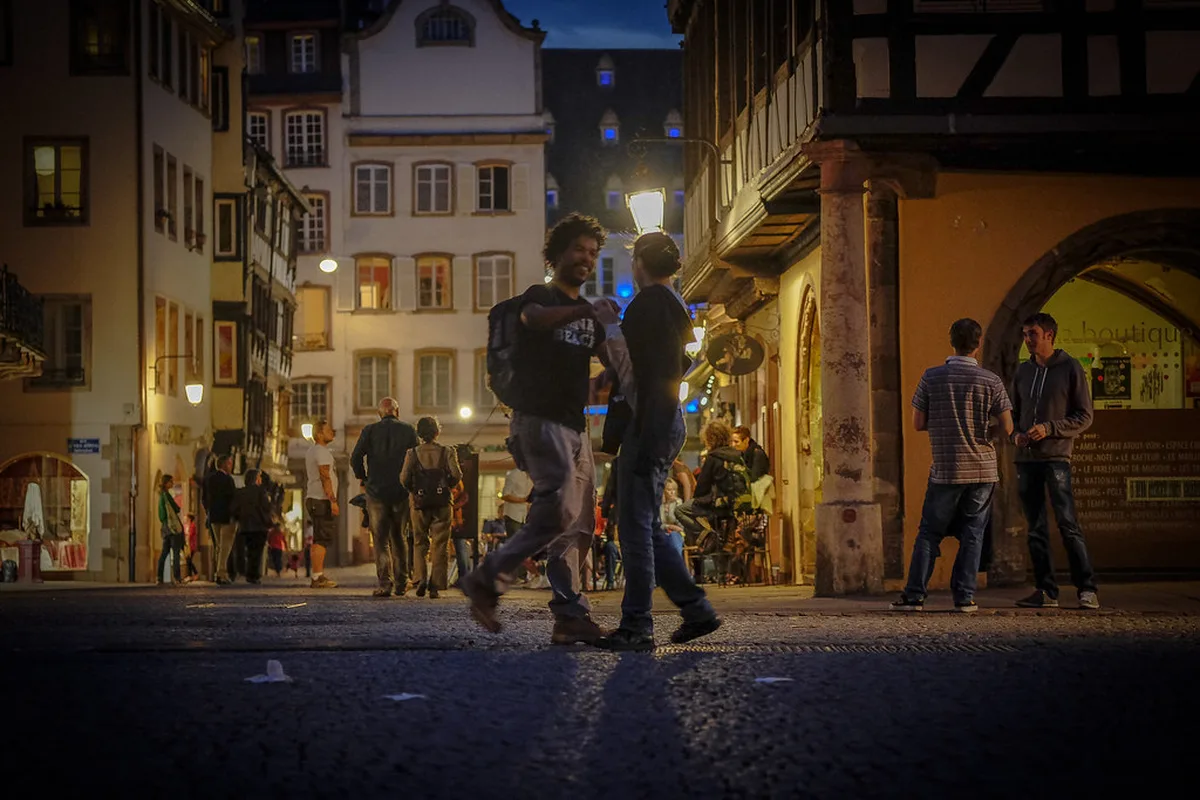
La Laiterie is the undisputed crown jewel of Strasbourg nightlife. Housed in a converted 19th-century dairy facility in the Gare district, this legendary venue operates as both a concert hall and a club night space. The main room holds around 800 people and boasts a professional sound system that attracts touring techno, electro, and indie acts from across Europe. Entry for club nights ranges from €10–15; live concert tickets typically run €20–35 depending on the act. Doors open at 11:00 PM and the venue runs until 5:00 AM on weekends. Booking in advance via their official website is strongly recommended for headliner events, as popular nights sell out within hours. The bar inside charges €7–9 for cocktails and €5–6 for beers.
Le Rafiot is arguably Strasbourg's most distinctive nightlife experience — a converted river barge moored at Quai des Pêcheurs that operates as a floating nightclub and bar. The vessel hosts DJ nights focused on house, funk, and disco, with an outdoor deck that becomes spectacular on summer evenings with views across the Ill river. Entry runs €8–12, and the intimate setting (capacity around 200) creates an atmosphere larger clubs rarely match. The bar prices are reasonable: beers €4–6, cocktails €9–12. Le Rafiot tends to attract an older and more eclectic crowd than student-focused venues, typically late-20s to mid-30s professionals.
Goldten Club in the city center caters to mainstream tastes with commercial house, R&B, and pop. It operates a smart dress code — no sportswear, trainers, or shorts — and entry costs €12–18. The club runs a VIP table service for groups willing to commit to a bottle (typically €80–150 for a standard spirit bottle). This is the best option if your group wants a glossy, high-energy mainstream club experience in central Strasbourg without traveling to the Gare district.
- La Laiterie
- Type: Concert hall and techno/electronic club
- Best for: International acts and serious music lovers
- Where: Gare district (rue du Hohwald)
- Cost: Club entry €10–15, concert tickets €20–35, drinks €5–9
- Tip: Book online — weekend headliners sell out fast
- Le Rafiot Boat Club
- Type: Floating river barge nightclub
- Best for: House, funk, and disco; great outdoor deck
- Where: Quai des Pêcheurs
- Cost: Entry €8–12, beers €4–6, cocktails €9–12
- Tip: The summer outdoor deck is unmissable on warm evenings
- Goldten Club
- Type: Mainstream commercial club
- Best for: R&B, commercial house, large groups
- Where: City center
- Cost: Entry €12–18, VIP bottles from €80
- Tip: Smart dress enforced — no trainers or sportswear
Krutenau: Strasbourg's Student District Nightlife
The Krutenau neighborhood, bounded roughly by the Ill canal to the west and Rue du Faubourg-National to the north, is where Strasbourg's 50,000-strong student population comes to drink, socialize, and discover new music from Sunday through Saturday. This is the area TripAdvisor reviewers describe when they talk about an "authentic local" experience — far removed from tourist-oriented venues near the Cathedral.
The district's main artery for nightlife is Rue des Orphelins and the network of streets that feed into it: Rue du Faubourg-de-Pierre, Rue des Frères, and the stretch around Place Arnold. On any given Thursday or Friday evening, you'll find these streets lined with students moving between venues, many carrying beers purchased at one bar to drink outside another — a common and accepted practice in this part of town. The atmosphere is casual, multilingual (French, German, and English all common), and genuinely welcoming to international visitors.
Drink prices in Krutenau are among the lowest in any French city of comparable size. A 50cl draft beer — typically a local Kronenbourg 1664 or a rotating Alsatian craft option — costs €4–5. Cocktails start at €7 and rarely exceed €10 even at busier venues. Most bars don't charge entry on weekdays; weekend entry is either free or €3–5 with a drink included. This makes Krutenau the natural starting point for any night out, particularly if you're budgeting carefully.
Notable venues within Krutenau include Le Molodoï, a bar and alternative cultural venue that doubles as a live music space on weekends, hosting punk, jazz, and experimental acts (entry €5–8 for live shows). Le Cheval Blanc is a reliable craft beer bar with 12 rotating taps and a knowledgeable bar team; pints run €4–7 depending on the brew. For a slightly louder and more party-focused atmosphere, the bars along Place Arnold tend to attract the biggest pre-club crowds from 9:00 PM onward.
The Krutenau district also benefits from proximity to the city's Vietnamese and Middle Eastern restaurants along Rue du Faubourg de Pierre, making it easy to eat well and cheaply before the bars fill up. A solid kebab or bánh mì for €6–8 sets you up for a long night without breaking the bank. The neighborhood genuinely rewards wandering — half the best bars are discovered by following the noise through an unmarked doorway rather than by consulting a list.
Krutenau sits a 10–15 minute walk from the Grande Île, making it easy to combine both zones in one evening: start with Alsatian wine in a winstub near the Cathedral, then migrate east to Krutenau for affordable beers and bar-hopping until the clubs open. Read our Strasbourg old town guide for orientation on the Grande Île before planning your evening route.
Alsatian Wine Bars: Riesling, Gewürztraminer and Beyond
Alsace produces some of France's most distinctive white wines, and Strasbourg's wine bar scene in 2026 has evolved significantly beyond the traditional winstub format. A new generation of natural wine bars and cave à vins has emerged alongside the historic taverns, catering to wine enthusiasts who want to explore the full range of Alsatian varietals in a more modern setting.
The backbone of Alsatian wine production is the Route des Vins d'Alsace running south from Strasbourg through Obernai, Riquewihr, and Colmar. The wines grown along this corridor — primarily Riesling, Gewürztraminer, Pinot Gris, and Sylvaner — have a terroir character shaped by the Vosges mountains to the west and the Rhine plain to the east. In Strasbourg's wine bars, you'll find these grapes appearing across a wide range of styles, from bone-dry mineral Rieslings to richly aromatic late-harvest Gewürztraminers served as dessert wines.
By the glass, Alsatian wines in Strasbourg wine bars typically cost €5–9 depending on the producer and vintage. Entry-level Sylvaner or Pinot Blanc from cooperative producers starts at €4–5 per glass. Mid-range single-vineyard Rieslings and Pinot Gris from respected domaines (Hugel, Trimbach, Josmeyer) run €7–9 per glass. Grand Cru and late-harvest selections can reach €12–15 per glass but are rarely ordered without the bartender's guidance. Bottles to take away from wine shops in the city typically range from €8–15 for quality everyday Alsatian whites.
Recommended wine bar experiences for 2026: The winstubs around Place de la Grande Boucherie and Rue du Maroquin offer the most atmospheric settings — dark wood paneling, communal tables, and staff who can walk you through the wine list in French, German, or English. For a more contemporary experience, the natural wine bars that have opened in the Krutenau and Neudorf districts in recent years stock organic and biodynamic producers from across Alsace and neighboring Baden in Germany, with glasses typically €6–9.
A practical note on food pairing: Alsatian wines are designed to accompany the region's rich cuisine. Most winstubs will insist — rightly — that you pair a glass of Riesling with flammekueche (€9–13) or choucroute garnie (€16–22). The dry acidity of Alsatian whites cuts through the fat of these dishes beautifully, and eating while drinking significantly extends a comfortable evening. If you're interested in exploring the wider Alsatian wine region beyond Strasbourg, our Alsace travel guide covering Strasbourg and Colmar details the best day-trip wine villages within an hour of the city.
For those visiting in late November or December, the Christmas market season transforms Strasbourg's wine bar scene. Vin chaud (mulled wine) stalls compete with winstubs for evening trade, and seasonal Alsatian wines — particularly the Vendanges Tardives late-harvest styles — become widely available. Our Strasbourg Christmas market guide covers the full festive season in detail.
Live Music, Comedy and Late-Night Culture in Strasbourg
Beyond bars and clubs, Strasbourg sustains a rich live-performance culture that runs well into the night across venues ranging from 50-seat jazz cellars to 2,000-capacity concert halls. In 2026, the city's cultural calendar fills every week of the year — not just during the celebrated Christmas market season — making it one of eastern France's most active cities for after-dark entertainment beyond drinking.
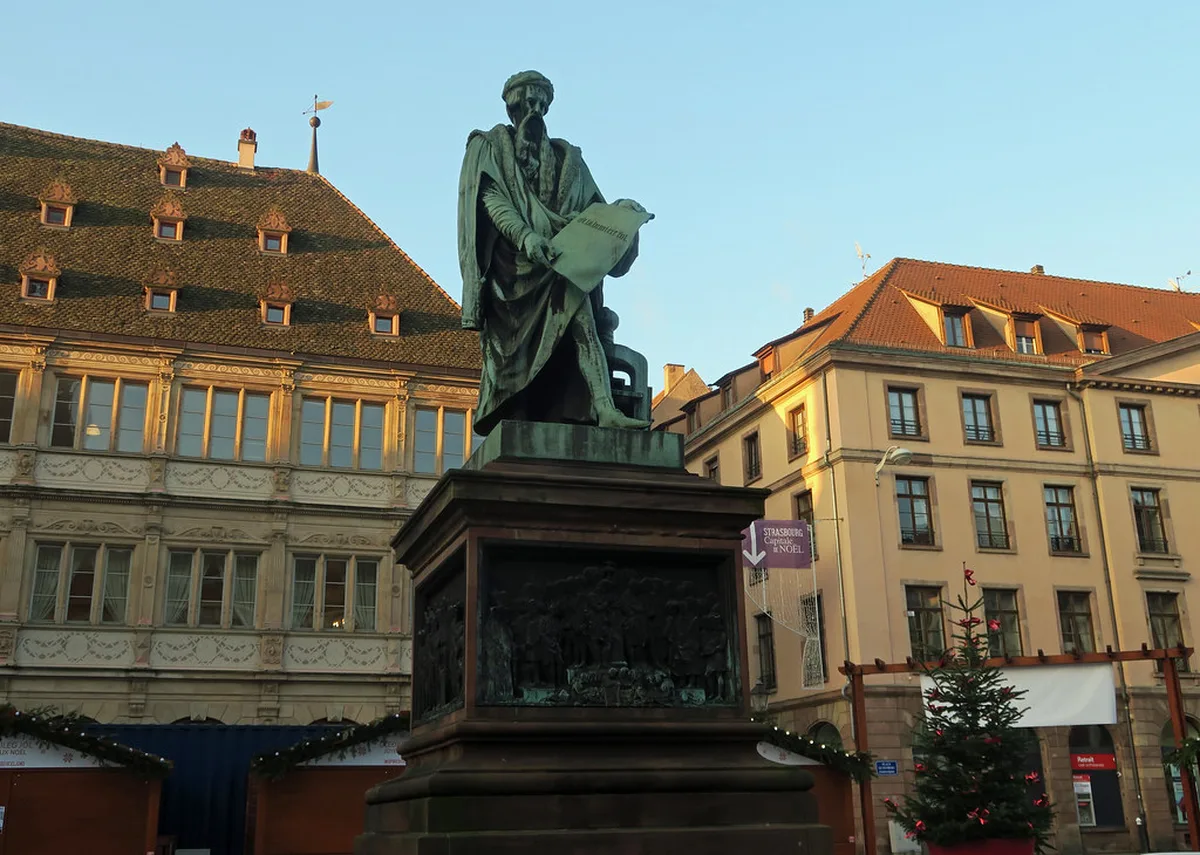
La Laiterie (Rue du Hohwald, Gare district) anchors the live-music scene with a programme that spans indie rock, techno, hip-hop, and experimental electronic. Concert tickets run €20–35 for mid-tier touring acts and €35–60 for headline international names. Doors for concert nights open at 8:00 PM, with support acts usually from 8:30 PM and headliners at 10:00 PM. The venue also runs a dedicated Club night series on dates when no concert is scheduled, with DJ sets from 11:00 PM to 5:00 AM and entry priced at €10–15. Check the La Laiterie programme online (laiterie.artefact.org) and buy tickets at least a week ahead for weekend shows.
Le Molodoï (Rue du Faubourg-de-Pierre, Krutenau) is a beloved alternative cultural centre that programmes punk, post-rock, jazz, and spoken-word events several nights per week. Entry for live shows is deliberately affordable — typically €5–8 — in keeping with the venue's community ethos. The bar serves craft beers from local Alsatian microbreweries at €4–6 per pint. Le Molodoï is non-profit and relies on its community, so paying the suggested entry price rather than the reduced student rate (when you're not a student) directly supports the venue's future programme.
Jazzdor Strasbourg is the city's major annual jazz festival, typically running across November. Throughout the festival, venues across the city host ticketed and free performances from international jazz acts, with headline concerts at the Cité de la Musique et de la Danse on Rue de la Nuée Bleue. Individual concert tickets range from €15–30; festival passes covering multiple shows offer better value. Outside the festival, Le Cheval Blanc and several Krutenau bars host informal jazz sessions (bœufs) on Sunday evenings at no charge — a local tradition worth tracking down.
For comedy and cabaret, Le Créa on Rue des Frères stages French-language stand-up and improv nights on Thursday and Friday evenings, with entry typically €10–15. Strasbourg's large student population and proximity to Paris means touring comedians frequently add the city to their circuit. Non-French speakers are well-served by the English-language comedy nights organised by the expat community, usually held monthly at rotating Krutenau bars — check Facebook groups or Meetup.com for upcoming dates.
The Opéra national du Rhin on Place Broglie is Strasbourg's premier classical venue, staging opera, ballet, and orchestral concerts throughout the season (September to June). Ticket prices range from €10 for restricted-view standing places to €90+ for premium seats at headline productions. The opera house itself is worth visiting for the architecture alone. Students under 26 can access most performances for €10 via the last-minute student rush, available at the box office on the day of performance. The combination of a world-class opera house and a thriving underground club scene within 20 minutes' walk of each other is one of Strasbourg's most appealing contradictions.
For a full picture of what's on during your visit, check the official city culture calendar at strasbourg.eu/culture and the listings on Yaka (a regional event aggregator) — both are updated weekly and cover everything from free outdoor concerts in summer to ticketed club nights and classical performances. Our best time to visit Strasbourg guide breaks down the cultural calendar by month so you can plan around major events.
- La Laiterie (Gare district)
- Type: Concert hall and club night venue
- Best for: Touring indie, techno, and hip-hop acts
- Cost: Concert tickets €20–60, club entry €10–15
- Hours: Concert doors 8:00 PM; club nights 11:00 PM–5:00 AM (Fri–Sat)
- Tip: Book online at laiterie.artefact.org — weekend headliners sell out fast
- Le Molodoï (Krutenau)
- Type: Alternative cultural centre and live music venue
- Best for: Punk, jazz, experimental; community atmosphere
- Cost: Entry €5–8 per show; beers €4–6
- Hours: Events from 8:00 PM; bar open until 2:00 AM
- Tip: Non-profit venue — paying full entry supports the programme
- Opéra national du Rhin (Place Broglie)
- Type: Opera house and orchestral concert venue
- Best for: Opera, ballet, classical concerts
- Cost: €10 (student rush) to €90+ (premium seats)
- Hours: Season September–June; check programme at operanationaldurhin.eu
- Tip: Student rush tickets (under 26) available day-of at the box office for €10
Nightlife Safety and Transportation Tips
Strasbourg is one of France's safer cities for nightlife, and incidents directed at tourists are rare. The main precautions apply universally: stay in well-lit areas when walking back late, keep your phone in a front pocket rather than a back pocket in crowded bar areas, and avoid displaying expensive jewellery or cameras unnecessarily. Petty theft (phone snatching and pickpocketing) is the primary risk in busy nightlife zones, particularly on weekends when the streets are crowded. For a fuller picture of safety across different neighborhoods, including the areas to avoid at night, read our dedicated guide on is Strasbourg safe for tourists.
The Krutenau district and Grande Île are both considered safe for solo travelers and groups at night. The area around the Gare (train station) is slightly less comfortable late at night and in the early morning hours, as is common with station areas in French cities. If you're heading to La Laiterie or other Gare-district venues, go directly to and from the venue rather than lingering in the streets around the station after 2:00 AM.
Transportation planning is essential in Strasbourg because the tram network — normally excellent — stops running at approximately 12:30 AM on weekdays and extends to around 1:00 AM on Friday and Saturday nights. After tram service ends, your options are the weekend Noctambus bus service (runs Friday and Saturday nights from 1:00 AM to 5:00 AM on key routes), licensed taxis (available at Place Kléber, Place de la Gare, and Place Gutenberg), or rideshare apps (Uber operates in Strasbourg). Budget €8–15 for a taxi within the city center; rides to outer districts or the airport cost more.
Keeping €20–30 in cash for the night is sensible, as some smaller bars and winstubs do not accept card payments, and taxis sometimes prefer cash late at night. ATMs are available throughout the Grande Île and near the Gare but can attract opportunists when used alone late at night — ideally use them earlier in the evening or in a group.
If you plan to drive during your trip, read our parking in Strasbourg guide to understand where to leave your car before a night out. The city's park-and-ride system (P+R) is well-developed and connects to the tram network, making it easy to drive into the outskirts and take public transport into the center.
- Night Transport Options
- Tram: Runs until approx. 12:30 AM (weekdays), ~1:00 AM (Fri–Sat)
- Noctambus: Weekend night buses, 1:00 AM–5:00 AM on key routes
- Taxi: Available at Place Kléber, Place de la Gare, Place Gutenberg; €8–15 central rides
- Rideshare: Uber operates in Strasbourg; book via app
- Parking: Use parking in Strasbourg guide for park-and-ride options
Budgeting for Your Evening in Alsace
Strasbourg is meaningfully cheaper than Paris for a night out, roughly 20–30% less expensive across drinks, entry fees, and late-night food. A well-planned evening on a moderate budget is genuinely achievable, and even a generous night out rarely exceeds €80–100 per person unless you're ordering bottles in a VIP section.
The most cost-effective strategy is to front-load your evening in Krutenau, where happy hour runs from 5:00 PM to 8:00 PM in most student-friendly bars. During this window you can find 33cl beers for €3–4 and basic cocktails for €6–8. Spending €15–20 in Krutenau before 9:00 PM leaves you with a comfortable budget for the rest of the night. Moving to the Grande Île for cocktails at €10–14 or heading to a club (entry €10–20) after 10:00 PM keeps the total manageable.
For a budget evening (€35–50 per person): stay exclusively in Krutenau, drink draft beers (€4–5 each), eat a kebab or crêpe for €6–8, and finish at a free-entry bar or Le Rafiot (€8–12 entry). This is the authentic student experience and frankly one of the most enjoyable ways to spend a night in Strasbourg.
For a mid-range evening (€60–80 per person): start with a glass of Alsatian Riesling in a winstub (€6–8), have flammekueche for dinner (€9–13), move to a cocktail bar near the Cathedral (€10–14 per cocktail), and finish at La Laiterie or Goldten (€12–18 entry, €6–9 drinks inside).
For a splurge evening (€100+ per person): dinner in a wine bar with a bottle of Grand Cru Riesling (€45–70 per bottle), cocktail bar with a tasting menu of signature drinks (€50–60 for three rounds), and a VIP table at Goldten with a spirit bottle (€80–150 for the table, split between four).
Card payments are widely accepted at larger venues, clubs, and restaurant-bars. Smaller winstubs and market stalls typically require cash. ATMs (distributeurs automatiques) are found throughout the Grande Île and near the Gare. If you plan day trips to nearby Alsatian villages or Colmar, note that rural venues are even more likely to be cash-only. Read our day trips from Strasbourg guide for broader regional planning.
Tipping in Strasbourg follows French norms: service charges are legally included in the bill, so tipping is entirely discretionary. Rounding up to the nearest euro or leaving €1–2 on a bar tab is a welcomed gesture, particularly for large rounds or attentive service. You are never obligated to tip and will not receive poor service for not doing so.
Frequently Asked Questions
What is the legal drinking age in Strasbourg?
The legal drinking age in Strasbourg is 18 years old for all types of alcohol. French law applies throughout Alsace, and bars and clubs actively enforce this at the door. Most venues will ask for a valid government-issued photo ID — a passport or national identity card works best for international visitors. Driving licences from non-EU countries are sometimes not accepted as proof of age, so carry your passport to be safe. Being refused entry for insufficient ID is common, particularly at busier nightclubs on weekends.
How much does a night out in Strasbourg cost in 2026?
A full night out in Strasbourg in 2026 costs roughly €35–80 per person depending on your choices. Budget evenings in Krutenau run €35–50: draft beers cost €4–5 each, free or €3–5 entry at most bars, and a late snack for €6–8. Mid-range evenings on the Grande Île or at a club cost €60–80: cocktails are €10–14 each, club entry €10–20, and dinner at a winstub adds €20–30. Strasbourg is approximately 25% cheaper than Paris for a comparable night out.
What is the dress code for Strasbourg nightclubs?
Dress codes vary significantly by venue in Strasbourg. Student bars in Krutenau have no dress code — jeans, trainers, and casual clothing are entirely acceptable. Mid-range clubs and cocktail bars on the Grande Île expect smart-casual: neat jeans or trousers, clean shoes, and a shirt or blouse. Goldten Club and other upscale venues actively enforce their dress code and will turn away guests wearing sportswear, flip-flops, athletic shorts, or torn clothing. Dressing one level above casual significantly increases your chances of smooth entry at door-picky venues on weekend nights.
Do I need to tip at bars and clubs in Strasbourg?
Tipping is not mandatory in Strasbourg or anywhere in France because service charges (service compris) are legally included in all bar and restaurant bills. You are never obligated to tip and will not receive worse service if you don't. That said, rounding up to the nearest euro or leaving €1–2 for exceptional service on a large round of drinks is a genuine gesture of appreciation that bar staff always welcome. At winstubs and traditional restaurants, leaving €2–5 on the table at the end of a meal is considered polite for good service.
What is the best neighborhood for nightlife in Strasbourg?
The Krutenau district, east of the historic center, is the best neighborhood for nightlife in Strasbourg if you want an authentic, affordable, and high-energy experience. Bars on Rue des Orphelins and surrounding streets serve beers from €4 and stay open until 2:00–3:00 AM most nights with a predominantly student crowd. For upscale cocktails in a more refined setting, the Grande Île near the Cathedral is the best choice. For serious clubbing and live music, the Gare district's La Laiterie venue is the top destination, hosting internationally recognized acts in a legendary converted dairy building.
How do I get home after a night out in Strasbourg?
After a night out in Strasbourg in 2026, your options depend on the time. The tram network runs until approximately 12:30 AM on weekdays and around 1:00 AM on Fridays and Saturdays — it covers all major nightlife zones and is the cheapest way home at €1.90 per ride. After trams stop, the Noctambus night bus service runs from 1:00 AM to 5:00 AM on Friday and Saturday nights on key routes. Taxis are available at Place Kléber, Place de la Gare, and Place Gutenberg; expect €8–15 for rides within the city center. Uber also operates in Strasbourg and can be booked via the standard app.
Where can I see live music in Strasbourg at night?
Strasbourg has several excellent live music venues in 2026. La Laiterie (Rue du Hohwald, Gare district) is the top destination for touring indie, techno, and hip-hop acts, with concert tickets at €20–60 and club nights from €10–15. Le Molodoï (Rue du Faubourg-de-Pierre, Krutenau) programmes punk, jazz, and experimental acts most weekends for €5–8 entry. For classical music and opera, the Opéra national du Rhin on Place Broglie stages performances throughout the season (September–June), with student rush tickets available at the box office for €10. The annual Jazzdor festival in November brings international jazz artists to venues across the city, with tickets typically €15–30 per concert.
Are there day trips worth combining with a Strasbourg nightlife visit?
Absolutely. Colmar is just 30 minutes from Strasbourg by train and pairs perfectly with an evening back in the city. Spend the day exploring Colmar's fairytale old town and wineries, then return to Strasbourg for dinner in a winstub and a night out in Krutenau. Alsatian wine villages along the Route des Vins — including Riquewihr, Ribeauvillé, and Eguisheim — are an easy day trip and set the perfect context for tasting the same wines you'll encounter in Strasbourg's wine bars that evening. Prices for regional TER trains run €10–16 return from Strasbourg. See our day trips from Strasbourg guide for full logistics on these routes.
Strasbourg offers a diverse and welcoming nightlife scene for every type of traveler in 2026. Whether you're nursing a €4 craft beer in Krutenau, sipping a glass of Gewürztraminer in a 600-year-old winstub, or dancing until 5:00 AM at La Laiterie, the city delivers experiences that blend French sophistication with Alsatian warmth and Germanic beer culture. The combination is genuinely unique — you won't find anything quite like it elsewhere in France.
Plan your evening route using the district breakdown in this guide: Krutenau for value and energy, the Grande Île for atmosphere and wine, the Gare district for serious music. Combine all three in one night and you'll have covered more ground than most visitors manage in a week. Read our Alsace travel guide and day trips from Strasbourg to extend your exploration of this remarkable region.