The Ultimate Lecce Beach Guide 2026: Top Shores in Salento
San Cataldo beach, just 12 km from Lecce city center, is reachable in 15 minutes by car or Salento in Bus for €3–5 in 2026 — the fastest coastal escape from the Baroque capital.
Torre dell'Orso lidos charge €15–30 per day in 2026; Gallipoli's Baia Verde clubs peak at €40 — Salento's most dramatic and party-ready shores both under an hour from Lecce.
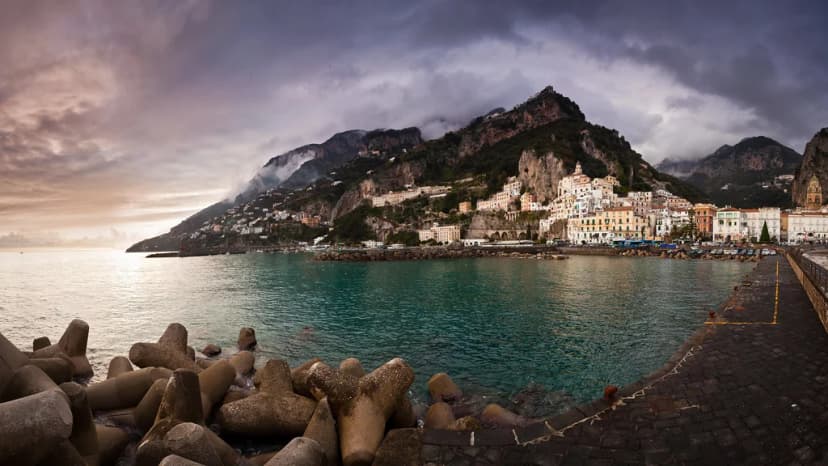
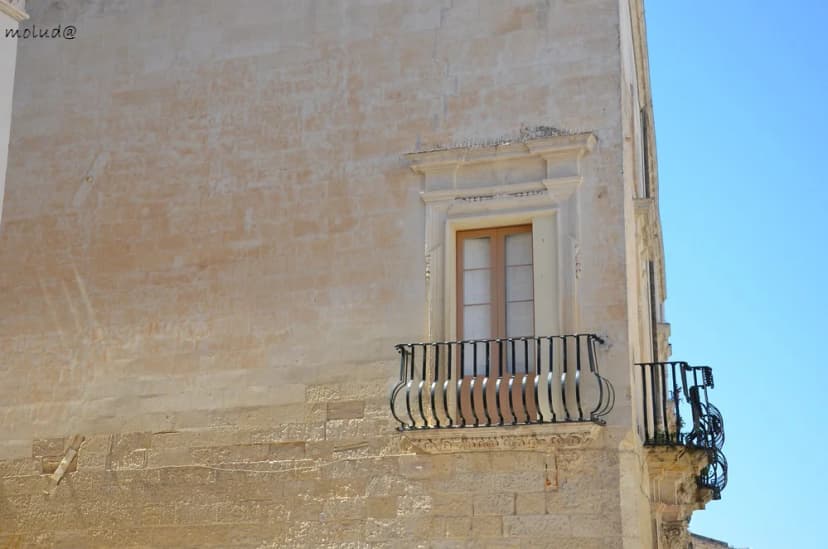
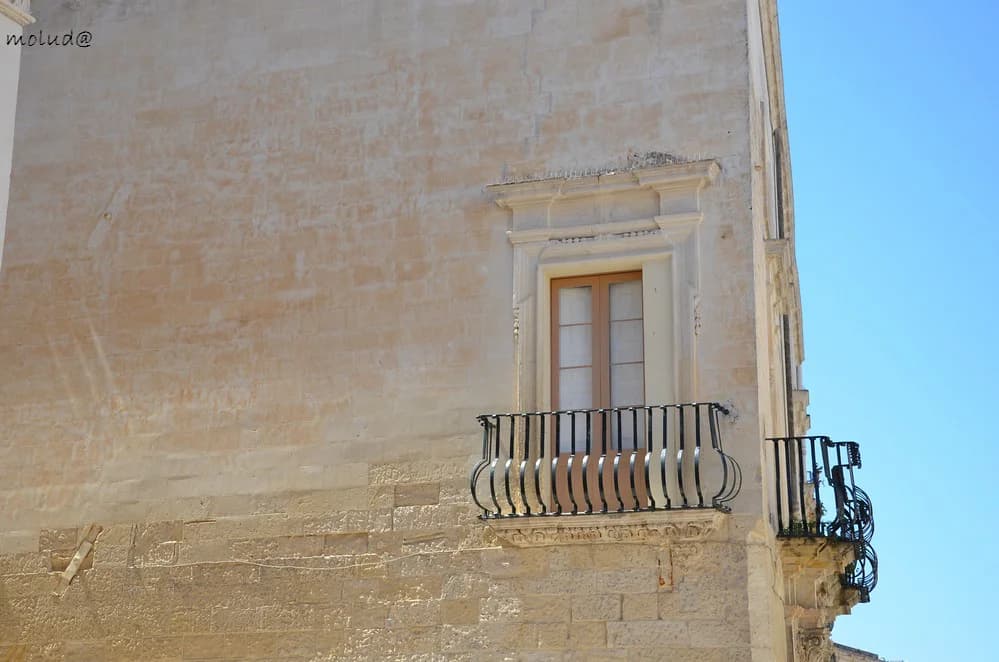
Lecce is famous for its stunning Baroque architecture and golden limestone buildings, yet the city sits at the heart of one of southern Italy's most spectacular coastal regions. This Lecce beach guide helps you find the best sandy shores on both the Adriatic and Ionian seas in 2026. Crystal-clear waters start in less than twenty minutes from the historic city center, giving you the rare combination of culture and coast in a single base.
Best Adriatic Beaches Near Lecce
San Cataldo serves as the unofficial city beach of Lecce and sits just twelve kilometers from the historic center — a twenty-minute drive along the SS613 or a fifteen-minute ride on the Salento in Bus route that departs from the main bus station on Via Adua. Local residents treat San Cataldo as an extension of the city itself, heading here on warm evenings for a quick swim and an aperitivo on the seafront promenade. The shoreline stretches for roughly three kilometers and alternates between flat sandy sections and low rocky platforms ideal for snorkeling. Several private beach clubs (lidos) operate here during the summer season, including Lido delle Sirene and Lido Sant'Antonio, where a pair of sunbeds with umbrella typically costs €12–20 per day in 2026. Public spiaggia libera areas are available at both ends of the beach for those who prefer to bring their own umbrella and pay nothing. A small kiosk near the central car park sells fresh coconut, granita, and cold drinks from around 9 am each morning.
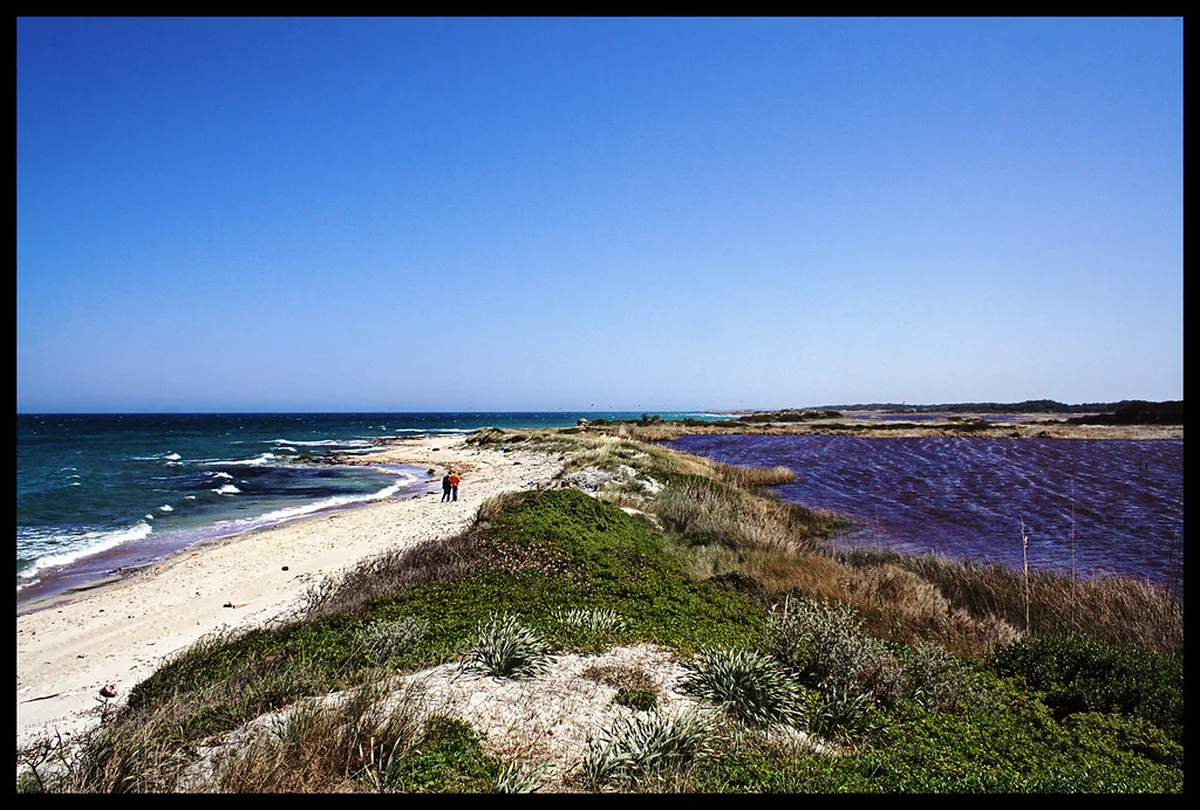
Torre dell'Orso is one of the most scenic Adriatic beaches near Lecce, located approximately 40 km south-east of the city along the SS16 coastal road — a 45-minute drive or a 70-minute Salento in Bus journey in 2026. Its wide sandy bay is framed by dramatic white limestone cliffs and the iconic twin sea stacks known as Le Due Sorelle, which rise about fifteen meters above the waterline and are visible from every point on the beach. The Salento in Bus summer service runs from Lecce's central bus station with departures at 8:15 am, 10:00 am, and 12:30 pm, with return buses at 4:30 pm and 6:30 pm; tickets cost €3–5 one-way in 2026. The Lido Due Sorelle and Lido Adria are the two largest clubs on the bay, both charging €15–30 per day for a sunbed-and-umbrella set. Arrive by 9:30 am in August to guarantee a spot without a reservation. If you plan to rent a vehicle, car hire from Lecce's train station starts from around €35 per day and gives you the freedom to explore multiple beaches in a single outing. Check out day trips from Lecce for ideas on combining Torre dell'Orso with a visit to Otranto on the same day.
Most Adriatic beaches near the city offer a mix of rocky cliffs and soft, pale-golden sand. Visitors enjoy the iconic sea stacks at Torre dell'Orso's main bay and the dramatic cliff-diving platforms at nearby Roca Vecchia, a site that also holds ancient Messapian cave inscriptions open to visitors from 9 am to 6 pm for €5 in 2026. If you visit during the shoulder season in May, June, or September, you will find much more space on the sand and lido prices can drop by twenty to thirty percent compared to peak August rates. The eastern Adriatic shores are particularly beautiful during the early morning golden hour, when the light catches the white cliffs at a low angle and the water takes on an intense cobalt tone.
- San Cataldo Beach
- Type: Sandy and rocky
- Distance: 12 km from Lecce
- Best for: Quick trips and locals
- 2026 lido price: €12–20/day
- Bus: Salento in Bus from Via Adua, €3–5
- Parking: Easy street spots, free off-peak
- Torre dell'Orso
- Type: Wide sandy bay with sea stacks
- Distance: 40 km from Lecce
- Best for: Scenic views and families
- 2026 lido price: €15–30/day
- Bus: Salento in Bus, €3–5 one-way
- Roca Vecchia
- Type: Rocky platforms, sea caves
- Distance: 38 km from Lecce
- Best for: History lovers and cliff-jumping
- Site entry: €5, open 9 am–6 pm
Exploring the Ionian Coastline
The Ionian coast of Salento offers white sand and shallow turquoise waters that resemble the Caribbean and consistently rank among the most photogenic stretches of Italian coastline. Porto Cesareo remains a top choice for families due to its gentle slopes, extremely shallow entry points, and calm, wave-free environment, sitting roughly 30 km west of Lecce — about a 35-minute drive along the SP120. The Porto Cesareo Marine Protected Area, established in 1994, covers over 16,000 hectares of seabed and is home to Posidonia oceanica meadows, sea horses, and Mediterranean grouper. A full day at a lido here — such as Lido Portus Cesareus or Lido Il Delfino — costs around €12–28 per person in 2026, including a sun lounger, umbrella, and freshwater shower. Snorkeling equipment can be rented at the main pier for €8 per set. A nature reserve protects the surrounding marine area, making this one of the best spots in Puglia for underwater wildlife observation.
Punta Prosciutto is another must-visit destination for those following a comprehensive Lecce beach guide, positioned about 35 km south-west of the city on a narrow spit of land that juts into the Ionian Sea. Walking through the tall Aleppo pine dunes that back the beach provides a wild and natural feel before you reach the water. The sand here is so pale it appears almost white, contrasted by water ranging from pale mint near the shore to deep azure further out. Parking in this area can be difficult during July and August without an early arrival — aim for before 8:30 am to find a free roadside spot. Paid parking is available in the designated Parco Naturale Regionale Salina di Porto Cesareo lot at around €5–10 for an all-day permit during peak summer. There are no large commercial lidos here, only small kiosks selling water, arancini, and sunscreen from around 9 am.
Gallipoli sits approximately 40 km south-west of Lecce and provides a vibrant atmosphere that blends historical architecture with contemporary beach-club energy. The old town island, connected to the mainland by a seventeenth-century bridge, contains the Fontana Greca — the oldest fountain in Puglia, dating to the second century BC — and the Castello Angioino, whose walls are open to visitors from 10 am to 7 pm for €3 in 2026. The Baia Verde strip running south of Gallipoli is the most famous party-beach zone in all of Salento, home to clubs such as Lido Bahia, Sottovento, and Revoltage, which all charge between €25–45 per day for a sunbed pair during peak August. Live DJ sets begin at some clubs as early as noon, making Baia Verde unsuitable for quiet family beach days in July and August. The Salento in Bus network connects Lecce to Gallipoli with departures every 90 minutes throughout the summer day, with tickets at €4 one-way in 2026. Consult our parking in Lecce guide before picking up a rental car for the drive south to Gallipoli.
- Porto Cesareo
- Type: Shallow sandy lagoons with marine reserve
- Distance: 30 km from Lecce
- Best for: Families and snorkelers
- 2026 lido price: €12–28/day
- Snorkel rental: €8/set at main pier
- Vibe: Relaxed and crystal-clear
- Punta Prosciutto
- Type: Wild dune-backed white sand
- Distance: 35 km from Lecce
- Best for: Nature seekers, photographers
- 2026 parking: €5–10/day (designated lot)
- Vibe: No lidos, untouched feel
- Gallipoli / Baia Verde
- Type: Long sandy beach with party clubs
- Distance: 40 km from Lecce
- Best for: Young travelers and nightlife
- 2026 lido price: €25–45/day (peak)
- Bus: Salento in Bus, €4 one-way
Otranto and the Southern Beaches: Lecce's Turquoise Coast
Otranto is one of the most rewarding coastal destinations accessible from Lecce, located approximately 45 km south-east of the city on the Adriatic coast — a 50-minute drive along the SS16 or roughly 60 minutes on the FSE regional train, which departs from Lecce Ferrovie del Sud Est station with tickets from €4 in 2026. The town itself is worth a full morning: its fifteenth-century Aragonese castle overlooks the harbour and is open daily from 9 am to 8 pm (entry €4), while the eleventh-century cathedral contains one of the largest mosaic floors in Europe — a 1,200-square-metre panoramic tapestry depicting the Tree of Life. The cathedral also holds the relics of the 800 Martyrs of Otranto in a side chapel, an unmissable piece of local history. Combine a morning exploring the walled old town with an afternoon at the beaches flanking the bay for a perfectly balanced Salento day trip. For more on the old town itself, the Puglia travel guide covers Otranto's historical context alongside Lecce, Bari, and Matera.
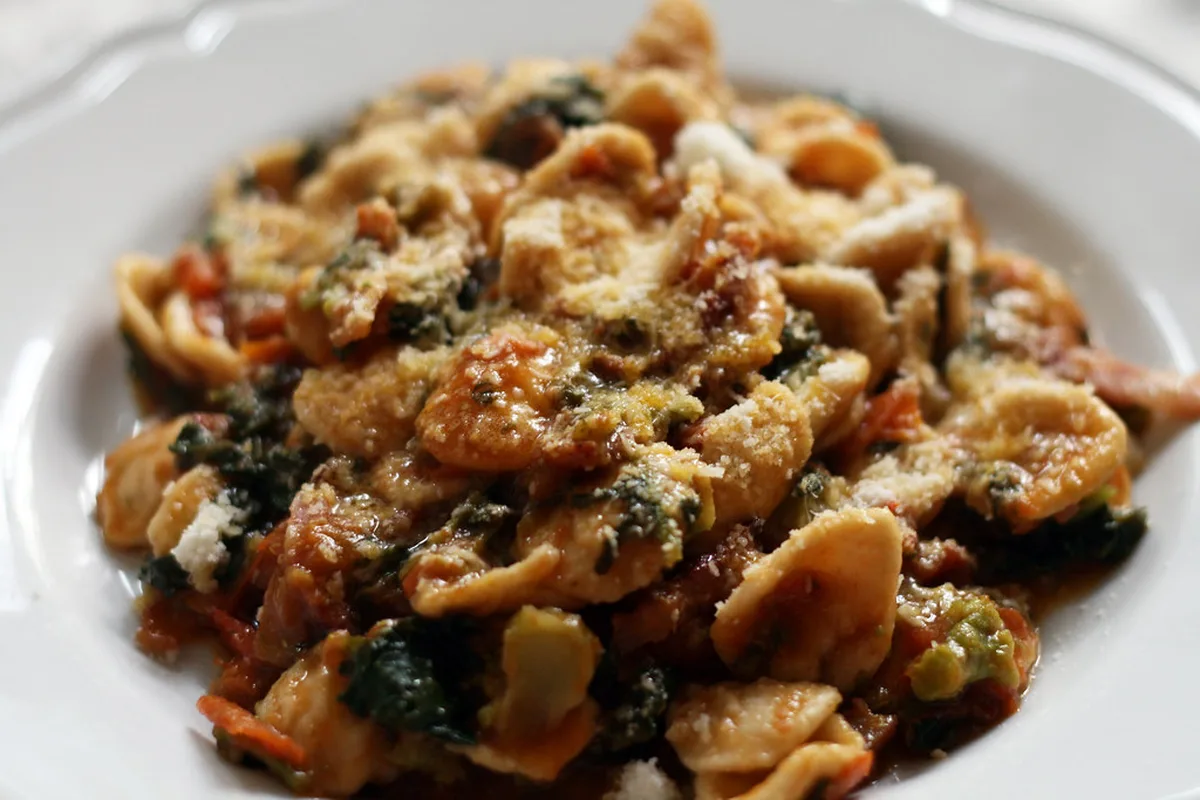
The beaches immediately north and south of Otranto — including Baia dei Turchi, Alimini Grande, and Alimini Piccolo — are celebrated for their exceptionally clear, blue-green water fed by underground springs that keep temperatures refreshingly cool even in late August. Baia dei Turchi is a protected natural area where vehicle access is restricted in peak season; the parking area on the SP358 fills by 9 am in July and August, and a free shuttle bus runs from the Otranto town car parks between 8 am and 7 pm. Swimming is permitted but a 200-meter offshore rope limits boats. Alimini Grande and Alimini Piccolo are two coastal lakes separated from the sea by a narrow sand bar. The dune system here is protected under the Riserva Regionale Orientata Bosco di Rauccio, and a network of wooden walkways guides visitors through the pinewoods to the waterfront. Both lakes are reachable from Otranto by local bike hire (approximately €10 for a half-day from Bike Rental Otranto on Via Pantaleone Parini) or a short taxi costing around €8–12.
Getting to Otranto from Lecce is straightforward. The regional Ferrovie del Sud Est (FSE) train runs directly to Otranto station in approximately one hour, with tickets from €4 in 2026. The first morning departure leaves Lecce at 7:12 am and the last return from Otranto is at 8:45 pm, making a full day trip entirely feasible. Alternatively, the Salento in Bus summer service operates routes connecting Lecce to Otranto, taking around 75 minutes with tickets at €5 one-way. If you drive, the coastal road south of Otranto towards Santa Maria di Leuca — the southernmost tip of the Italian peninsula — passes a series of dramatic viewpoints above the Ionian cliffs and several hidden coves reachable by a short descent via stone steps.
- Otranto Town Beach
- Type: Sandy, sheltered bay
- Distance: 45 km from Lecce
- Best for: History + beach combo
- 2026 transport: FSE train €4; bus €5
- Castle: Open 9 am–8 pm, entry €4
- Baia dei Turchi
- Type: Protected natural beach, fine sand
- Distance: 48 km from Lecce
- Best for: Nature lovers, photography
- Access: Regulated entry, arrive before 9 am
- Free shuttle: From Otranto car parks 8 am–7 pm
- Alimini Lakes & Beach
- Type: Sandy dunes, coastal lakes, pinewood
- Distance: 42 km from Lecce
- Best for: Scenic variety and snorkeling
- Bike hire: €10/half-day from Bike Rental Otranto
Beach Clubs Versus Free Beaches: A Salento Price Guide for 2026
One of the most practical decisions you will make on your Salento beach trip is whether to use a private lido or a spiaggia libera — a free public beach. Both options coexist along almost every stretch of coast near Lecce, and understanding the trade-offs will save you money and avoid disappointment in peak season. In 2026, a standard pair of sunbeds with umbrella at a mid-range lido costs between €18 and €35 per day, with premium front-row spots at Baia Verde in Gallipoli or Lido Due Sorelle at Torre dell'Orso reaching €40–50 for two during August. These prices typically include access to a freshwater shower, beach volleyball facilities, and on-site bar service. Some clubs — particularly the larger venues at Baia Verde — charge a mandatory minimum spend at the beach bar on top of the sunbed hire.
Spiaggia libera sections are legally required to occupy at least one segment of every beach in Italy. At San Cataldo you will find the spiaggia libera at the northern end of the shoreline, clearly marked with blue signs. Porto Cesareo has a generous free section stretching for almost 400 meters around the Punta dello Storno headland. At Punta Prosciutto, the entire beach is free of commercial lidos, making it the top choice for budget travelers. If you choose a spiaggia libera, bring your own umbrella (available for rent from mobile vendors near most beach car parks for €5–8 per day), plenty of drinking water, and food, since there are rarely permanent restaurants adjacent to free sections.
A practical middle-ground option — very popular with Italian families — is to take a free-beach spot in the morning, pack a lunch, and then move to a lido in the afternoon for a shower and a cold drink as a reward. Many lido bars in Salento are open to non-guests for food and drink from around 11 am, charging standard café prices. A freshly squeezed blood-orange juice costs around €3.50, and a grilled swordfish panino runs about €6–8 at most beach bars. Using the lido bar without a sunbed is legally permitted, though you will be expected to purchase something. This hybrid approach keeps daily costs under €20 per person while still giving access to facilities during the hottest part of the afternoon. For a broader spending overview before you depart, the Lecce old town guide includes a section on typical daily budgets for visitors to the city.
Booking lido sunbeds in advance is strongly recommended for August. Most clubs open their online reservation systems in late May, and the best spots facing the water at popular venues like Lido Bahia (Gallipoli) or Lido Baia di Nettuno (Torre dell'Orso) sell out within hours of going live. Prices booked online are usually five to fifteen percent lower than walk-in rates. Cancellation policies vary — most allow free cancellation up to 48 hours before your reservation date, so it is worth booking speculatively early and cancelling if your plans change.
Choosing the Right Shore: The Lecce Beach Guide Wind Strategy
Local experts always check the wind direction before choosing a coast for the day — a practice that distinguishes savvy Salento visitors from first-timers who arrive at a choppy, seaweed-covered beach. The dominant wind pattern comes from the north and north-west: when the Tramontana blows, the Ionian Sea (western coast) becomes mirror-calm and ideal for swimming, while the Adriatic (eastern coast) can be rough. The opposite applies when the Scirocco arrives from the south-east: the Adriatic coast smooths out while the Ionian becomes choppy with churned-up sand. Following this simple rule ensures you always find flat, clear water during your stay in 2026.
Choosing the wrong coast without checking the wind can lead to wavy water and windblown seaweed deposited along the shoreline, particularly at low-lying beaches like San Cataldo or Porto Cesareo where the sea floor is very shallow. The Tramontana also significantly lowers water temperature on the Ionian side — sometimes by four or five degrees within a few hours — so if you are sensitive to cold water, factor this into your coast choice. Local fishermen in Gallipoli and Otranto check the Windy app or the MeteoAM regional forecast each morning, and you should too. Many Lecce hotel concierges keep a small wind board in the lobby updated each morning as a free service for guests.
Weather patterns in Salento are generally stable between June and September, with rain extremely rare and temperatures consistently between 28°C and 36°C by midday. The most unpredictable wind month is September, when brief but intense Libeccio gusts from the south-west can rapidly shift conditions on both coasts simultaneously. Visitors who stay in the historic city center can easily pivot their plans based on the morning breeze — the drive from Lecce to either coast is short enough that you are not locked into a choice made the night before. Planning your beach days with this wind-aware strategy will consistently deliver the best water conditions, the clearest views, and the best photographic opportunities throughout your trip.
Practical Logistics for Your Beach Trip
Driving is the most convenient way to explore the various beaches surrounding the city and gives you the flexibility to switch coasts mid-day based on wind conditions. Be aware that Lecce's historic center has strict ZTL (Zona Traffico Limitato) traffic zones active from 9 am to 1 pm and 5 pm to 9 pm that prevent unauthorized driving — violations generate automatic fines of €80–160 detected by CCTV cameras at zone entry points. Consult our parking in Lecce guide for the safest car parks to use before picking up your rental. Car hire from Lecce's FS train station on Piazzale Rudiae starts at approximately €35 per day in 2026 from providers including Europcar, Hertz, and Sixt, all of which have desks inside the arrivals hall. Most coastal roads are well-maintained but can be narrow in certain rural areas, particularly near dune reserves at Punta Prosciutto and Alimini — wing mirrors catching passing vehicles is a common issue, so choose the smallest vehicle category that meets your needs.
Public transport is a genuinely viable option during the high season from June to September. The Salento in Bus network connects Lecce to all major coastal towns and resorts, with buses running to Torre dell'Orso, San Cataldo, Porto Cesareo, Gallipoli, and Otranto. The central bus station on Via Adua is a five-minute walk from the historic center and the timetable is published each May on the SalentoinBus.it website. Bus tickets are typically €3–5 one-way in 2026, making public transport an affordable and genuinely stress-free alternative to driving — you can drink a cold spritz at a Gallipoli beach club without worrying about the drive back. The FSE regional train to Otranto departs from the separate FSE station on Viale Oronzo Quarta and costs around €4 one-way. After returning from the coast in the evening, a Lecce walking tour in the cooler evening hours is a wonderful way to end a beach day and explore the floodlit Baroque palazzi.
Packing the right essentials will make your coastal experience significantly more comfortable. Many spiaggia libera areas do not have shaded areas or nearby shops for water and snacks, so carry at least 1.5 liters of water per person for every two hours of beach time during the August heat. A lightweight pop-up tent or beach shelter (available from Lecce's Decathlon on Via Taranto for around €25–45) provides crucial relief from the intense Italian midday sun between noon and 3 pm when UV levels regularly reach index 9 or 10. Always carry small coins and cards for parking meters and automated attendants, which often do not accept large bills at remote coastal sites. A portable phone charger is also worth packing — there is limited phone signal at some of the most beautiful natural beaches.
Common Mistakes When Visiting Salento Beaches
One of the biggest mistakes travelers make is visiting the most famous spots on weekends during July and August. Saturdays and Sundays see a massive influx of local families arriving from Bari, Taranto, Brindisi, and beyond — Baia dei Turchi can receive over 3,000 visitors on a summer Saturday, turning what should be a serene natural beach into a heaving crowd. Try to schedule your visits to popular spots like Baia dei Turchi, Torre dell'Orso, and Punta Prosciutto on Tuesday or Wednesday. You will enjoy a much quieter atmosphere, find better spots on the sand, and experience significantly shorter queues at the car parks and shuttle buses.
Forgetting to book a sunbed in advance during August can leave you without a place to sit at any of the premium lidos. Many high-end clubs at Baia Verde in Gallipoli and Lido Due Sorelle at Torre dell'Orso sell out their front-row spots weeks before the summer season begins, sometimes as early as late June. Prices for a pair of loungers spike to €45–55 or more during the Ferragosto holiday week around August 15th. Checking the official websites of beach clubs in May and booking directly online is the most cost-effective approach — online reservations typically save you ten to fifteen percent compared to walk-in prices.
Many tourists assume that every beach in Italy requires a paid entry fee or that free beaches are inferior alternatives. Puglia actually has many beautiful spiaggia libera sections where you can swim in the same crystal water that the paying lido guests enjoy, for absolutely nothing. Look for the blue "Spiaggia Libera" signs indicating free beach areas located between the private clubs. At Alimini and Punta Prosciutto, the entire beach is free, and the scenery rivals anything on the Amalfi Coast. This approach allows you to save €25–45 per day per person while still enjoying the same extraordinary Salento water quality. The money saved makes a difference when you factor in transport costs, gelato, and an evening dinner in Lecce's old town.
Frequently Asked Questions
What is the closest beach to Lecce?
San Cataldo is the closest beach to Lecce, located about 12 kilometers from the historic city center. You can reach the coast in approximately 15 to 20 minutes by car along the SS613 or on the Salento in Bus service departing from Via Adua for €3–5 one-way in 2026. The beach offers both private lido sections — with sunbeds from €12–20 per day — and free spiaggia libera areas at the northern end, making it a flexible option for any budget. Several beach kiosks serve snacks and drinks from around 9 am.
How do I get from Lecce to the beach without a car?
The Salento in Bus network is the main public transport option, running from Lecce's central bus station on Via Adua to Torre dell'Orso, San Cataldo, Porto Cesareo, Gallipoli, and Otranto, with tickets at €3–5 one-way in 2026. For Otranto, the FSE regional train from Viale Oronzo Quarta station takes about one hour and costs €4. Summer timetables are published on SalentoinBus.it each May, with several departures daily from June to September. Services typically run from around 8 am with final returns between 7 pm and 9 pm.
What is the water like at Lecce beaches?
Water quality around the Salento peninsula is outstanding and consistently rated Class A (excellent) by EU monitoring. The Ionian coast features shallow, warm turquoise-to-emerald water — Porto Cesareo and Punta Prosciutto are the best examples — with temperatures reaching 27–29°C by late July. The Adriatic side is slightly cooler and deeper, with vivid cobalt-blue tones and excellent underwater visibility, especially at Otranto and Baia dei Turchi where freshwater springs contribute to the intense colour.
Do I need a car to visit the beaches near Lecce?
A car is not strictly necessary during the summer months, but it offers the most flexibility — particularly for switching coasts based on daily wind conditions. The Salento in Bus service connects the city to Gallipoli, Torre dell'Orso, Porto Cesareo, and Otranto from June to September. Car rental from Lecce's FS train station starts at around €35 per day in 2026, which is worthwhile if you want to visit multiple beaches in one day or explore secluded coves between official stops. Parking at busy beaches costs €5–10 per day in designated lots during peak season.
Are the beaches in Lecce sandy or rocky?
The coastline near Lecce offers a diverse mix of both sandy bays and dramatic rocky platforms. The Ionian side — including Porto Cesareo, Punta Prosciutto, and Gallipoli — is famous for its exceptionally soft white sand and shallow lagoons. The Adriatic side features a blend of sandy stretches and limestone sea stacks, particularly around Torre dell'Orso and Otranto, which are perfect for cliff-jumping, photography, and snorkeling. Roca Vecchia on the Adriatic also has spectacular rocky platforms above ancient sea caves.
How much does a day at a beach club near Lecce cost in 2026?
A standard pair of sunbeds with umbrella at a mid-range lido costs €18–35 per day in 2026 across most beaches near Lecce. Premium front-row spots at Baia Verde in Gallipoli or Lido Due Sorelle at Torre dell'Orso peak at €40–55 during the August Ferragosto holiday week. At Punta Prosciutto and Alimini, the entire beach is free (spiaggia libera), with mobile vendors renting umbrellas for €5–8. Booking online in May typically saves ten to fifteen percent compared to walk-in rates at most clubs.
Which beach near Lecce is best for families with young children?
Porto Cesareo is the best family beach near Lecce, thanks to its extremely shallow and gentle entry — the sea floor slopes so gradually that children can wade out 30–40 meters before the water reaches chest height. The Porto Cesareo Marine Protected Area also means no motor boats in the swimming zones, making it safe for young swimmers. Lidos such as Lido Portus Cesareus and Lido Il Delfino offer family packages from €20 per day including children's equipment. San Cataldo is a good second choice for its very short drive from the city center.
Lecce provides the perfect base for a coastal holiday that combines culture and relaxation in 2026. Following this Lecce beach guide ensures you find the best water regardless of the wind direction — from the Adriatic's dramatic sea stacks at Torre dell'Orso and Otranto's turquoise bays to the Ionian's calm shallow lagoons at Porto Cesareo and Punta Prosciutto's untouched dunes. For a broader look at the region's cities and highlights, the best beaches in southern Italy guide provides the full regional context. After your beach days, the Lecce old town guide will help you make the most of the Baroque architecture and vibrant evening atmosphere that makes this city so special. The stunning shores of Salento are waiting to be explored during your next Italian adventure.