The Ultimate Rhodes Old Town Guide for 2026 Travelers
Rhodes Old Town is free to enter and wander. Individual attractions charge separately: Palace of the Grand Master costs €8 in 2026 (Mon–Sun 8AM–8PM), the Archaeological Museum costs €8, and the Street of Knights is free to walk at any hour.
Medieval City Walls guided tours cost €8 in 2026. The tour circuits the massive crusader fortifications — walls up to 12 metres thick — and departs from the Palace of the Grand Master. Book at the gate; no pre-booking needed outside peak July–August weekends.
Stepping into the medieval heart of Rhodes feels like traveling back to the era of chivalrous knights. This UNESCO World Heritage site offers a rare glimpse into a perfectly preserved fortified city. Our comprehensive Rhodes Old Town guide helps you navigate the labyrinth of stone alleys and historic landmarks. You will discover how to balance famous attractions with the quiet charm of local neighborhoods.
The city serves as a living museum where ancient history meets vibrant modern Greek culture. Planning ahead ensures you see the best sights without feeling overwhelmed. Early mornings offer the best light for photography before the daily crowds arrive. Prepare for an unforgettable journey through centuries of Byzantine, Ottoman, and Italian influence.
Step Inside the Palace of the Grand Master
The Palace of the Grand Masters dominates the highest point of the medieval city with its imposing twin towers and massive battlements. This fortress served as the administrative and residential center for the Knights of Saint John during the fourteenth and early fifteenth centuries. Walking through the massive arched gates reveals a grand courtyard lined with statues, carved capitals, and intricate stonework that has survived wars, earthquakes, and centuries of neglect. Many visitors find the internal architecture just as impressive as the formidable outer defensive walls.
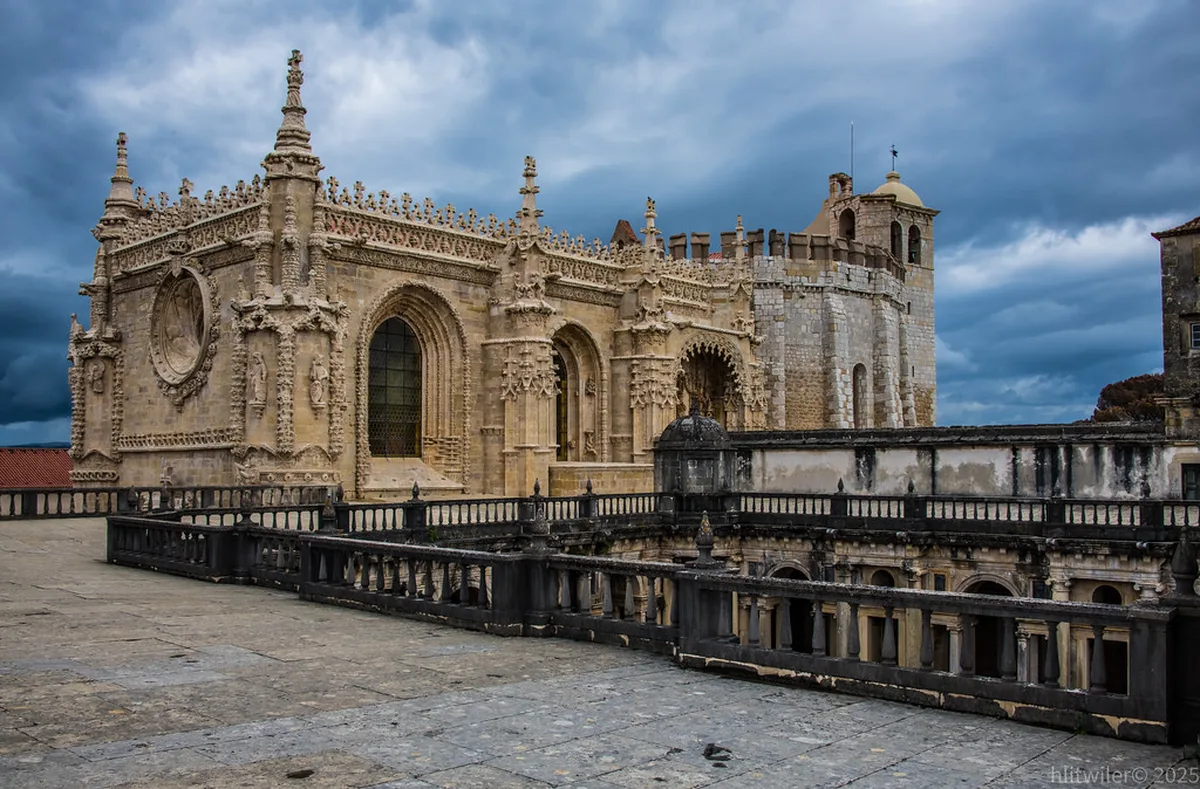
In 2026, the standard adult admission ticket costs €8, with reduced rates of €4 available for students and EU citizens over 65. The palace opens Monday through Sunday at 8:00 AM and closes at 8:00 PM during peak summer months (April through October). Arriving right at opening allows you to enjoy the grand ceremonial halls, the throne room, and the mosaic-floored galleries in near silence before tour groups arrive. The floors display detailed Roman and Hellenistic mosaic panels transported from Kos during the Italian occupation — each one a masterwork of ancient craftsmanship.
The Street of Knights (Odos Ippoton) leads directly to the palace entrance and stands as one of the most completely preserved medieval streets in the world. Running roughly 600 metres from the Hospital of the Knights (now the Archaeological Museum) to the Palace gates, this cobblestoned lane is flanked by the Gothic stone inns of the seven tongues — France, England, Germany, Italy, Aragon, Auvergne, and Provence. Each inn once housed knights from a specific European linguistic group, and you can still read their coats of arms carved above heavy wooden doors. The Inn of France is the grandest, featuring elaborate Gothic tracery and the fleur-de-lis emblem. The entire street is free to walk and takes about 20–25 minutes at a leisurely pace.
Just off the Palace square, look for the Ottoman-era Mosque of Suleiman (Tzami Souleimanou), built in 1522 to commemorate the Ottoman conquest of Rhodes. Its red exterior stands out sharply against the pale limestone of the surrounding medieval buildings. Although the interior is not always open to visitors, the exterior and the adjacent clock tower (built by the Ottomans in 1857) make for excellent photographs. The combination of crusader Gothic and Ottoman Islamic architecture within a few hundred metres of each other is what makes Rhodes Old Town unlike anywhere else in the Mediterranean.
- Top Sights Near the Palace
- Site: Street of the Knights — free, 20-25 min walk, Gothic inns with carved coats of arms
- Site: Mosque of Suleiman — free exterior view, Ottoman-era red mosque from 1522
- Site: Inn of France — most ornate inn facade on the street, fleur-de-lis reliefs
- Archaeological Museum
- Location: Hospital of Knights, south end of Street of Knights
- Entry: €8 adult, €4 reduced (2026)
- Must-see: Aphrodite of Rhodes marble statue, funerary stelae collection
- Hours: 8:00 AM – 8:00 PM (Apr–Oct); 8:00 AM – 3:00 PM (Nov–Mar)
The Street of the Knights: Rhodes' Best-Preserved Medieval Street
Odos Ippoton — the Street of the Knights — is the crown jewel of Rhodes Old Town and one of the most completely intact medieval streets surviving anywhere in Europe. Running approximately 600 metres from the Hospital of the Knights at the south end up to the Palace of the Grand Master at the north, this cobblestoned thoroughfare was constructed between the 14th and 15th centuries by the Knights Hospitaller as their primary ceremonial spine through the city. Walking its length today feels genuinely unlike any other street in Greece or the Mediterranean.
The street is flanked on both sides by the stone inns of the seven crusader tongues — France, England, Germany, Italy, Aragon, Auvergne, and Provence. Each inn once served as the national chapter house and lodging for knights grouped by their European linguistic region. The coats of arms, shields, and Gothic tracery carved above the heavy wooden doorways remain extraordinarily sharp after six centuries, protected by the overhanging cornices above. The Inn of France at the upper section is the most elaborate, decorated with fleur-de-lis motifs, carved shields, and a deeply recessed Gothic arch. The Inn of Italy features a bold heraldic relief above its arched entrance that is perfectly preserved.
The street is entirely free to walk and is open at all hours. In practical terms, this means you can visit at dawn (recommended: 6:30–7:30 AM in summer) when the stone pavement catches the early directional light and no other visitors are present. The experience of standing at the base of the street looking up toward the Palace towers in total silence is one of the most atmospheric moments Rhodes offers. By 10:00 AM in peak season (June–August), the street fills rapidly with cruise ship groups following guides with raised umbrellas.
At the southern end of the street, the Hospital of the Knights — a vast Gothic complex built in the 15th century to care for sick pilgrims — now houses the Archaeological Museum of Rhodes. Admission in 2026 costs €8 for adults and €4 for students and reduced-rate visitors. The museum's collection includes the famous Aphrodite of Rhodes marble statue (also called the Crouching Aphrodite), a striking Hellenistic sculpture recovered from the sea, along with a significant collection of ancient funerary stelae and Mycenaean pottery from Ialysos. Allow at least one hour inside. Museum hours run 8:00 AM to 8:00 PM from April through October, and 8:00 AM to 3:00 PM from November through March.
Walking the street from south to north — museum to palace — takes 20 to 25 minutes at a relaxed pace with pauses to examine each inn facade. For context on the broader medieval city beyond this street, our Rhodes walking tour guide maps a full three-hour route that incorporates the Street of Knights within a wider circuit of the Old Town, including the Jewish Quarter and the medieval moat walk.
Wander Through the Jewish Quarter and Quiet Squares
The eastern sector of the Old Town holds the historic Jewish Quarter, known locally as La Juderia. Narrower streets here retain a more residential character compared to the busy commercial lanes around Sokratous Street. The Kahal Shalom Synagogue, founded in 1577, stands as the oldest operating synagogue in Greece and one of the oldest in Europe. It operates as both a working synagogue and a community museum; a small voluntary donation is appreciated at the door. The interior is beautifully preserved with Moorish-influenced arches and a collection of historic Torah scrolls.
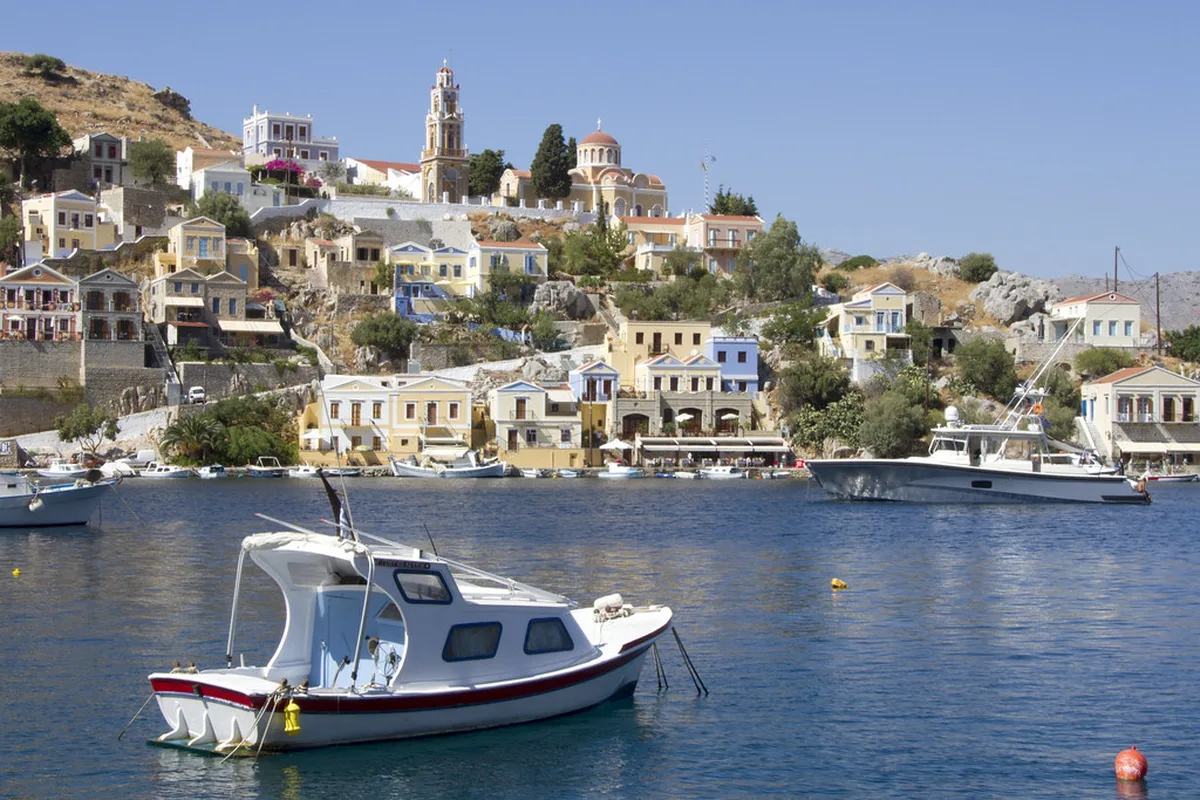
Plateia ton Evreon Martiron — the Square of the Jewish Martyrs — commemorates the 1,700 Jewish residents of Rhodes who were deported to Auschwitz in 1944. A moving bronze seahorse fountain anchors the centre of the square, surrounded by Ottoman-era buildings that now house small galleries and cafes. Many travelers overlook this area entirely because it sits further from the main harbor gates, which means it retains a quieter, more reflective atmosphere. Taking a seat at one of the shaded tables here provides a meaningful break from the summer heat and the crowds near the palace.
Ippocratous Square (Hippocrates Square) sits nearby and functions as the main social crossroads of the Old Town. The Castellania building — a 16th-century Venetian-style courthouse — anchors one corner, while a Byzantine-era fountain occupies the centre. Street artists and portrait painters set up around the square in the evenings, giving it a lively but not overwhelming atmosphere. From here you can follow the shop-lined lanes of Sokratous Street for a few hundred metres to reach the Mosque of Suleiman, passing ceramic workshops, jewellery stores, and leather goods shops as you go.
Exploring the medieval moat offers another way to find peace away from the main tourist flow. The wide grassy path runs between the inner and outer defensive walls of the city, and the scale of the fortifications — walls up to 12 metres thick in places — becomes truly apparent at ground level. Access to the moat via the Freedom Gate entrance is free and provides a unique perspective on the massive crusader engineering. It is a perfect spot for a late afternoon walk when the stone walls provide welcome shade and the light turns golden on the battlements above.
Cruise Ship Crowds in Rhodes: Best Times to Visit the Old Town
Rhodes is one of the busiest cruise ship ports in the Eastern Mediterranean. In peak summer (June through September), the harbor regularly receives two or three large ships per day, each disembarking 2,000 to 4,000 passengers into the medieval city. The timing of these arrivals follows predictable patterns that you can use to your advantage — whether you are on a cruise ship yourself or a hotel guest spending multiple days in Rhodes.
Cruise ships typically dock from around 8:00 AM and their passengers enter the Old Town between 9:00 AM and 10:30 AM. The crowds peak on Sokratous Street, the Street of Knights, and the Palace of the Grand Master forecourt between 10:30 AM and 2:00 PM. Ships typically depart in the late afternoon, with most passengers boarding again between 4:00 PM and 6:00 PM. This creates a predictable quiet window from approximately 6:00 PM onward, when the Old Town transitions into a far more relaxed evening atmosphere dominated by hotel guests and locals.
For visiting the Palace of the Grand Master (€8, open from 8:00 AM), arriving right at the 8:00 AM opening Monday through Sunday gives you 60 to 90 minutes inside before the first wave of cruise visitors reaches the entrance. The same logic applies to the Archaeological Museum (€8, opens 8:00 AM) at the southern end of the Street of Knights. Buying your tickets online via the Greek Ministry of Culture website eliminates the queue entirely and saves 20 to 30 minutes during the July–August peak.
The Jewish Quarter, the Square of the Jewish Martyrs, and the medieval moat walk are almost never crowded regardless of cruise ship arrivals, as most group itineraries do not include them. If you visit Rhodes during the height of summer and find the main tourist corridor overwhelming, heading east into La Juderia or south along the moat provides immediate relief. The quieter residential lanes in the Agios Fanourios quarter similarly see almost no cruise day-tripper foot traffic.
Shoulder season — April, May, and October — offers dramatically reduced crowds with nearly identical weather. Temperatures in May reach 24–26°C, the Palace and Museum are fully open, and the Street of Knights can be explored in near-solitude even at 10:00 AM. If you have flexibility over travel dates, May and early October are the optimal windows for combining comfortable temperatures, full attraction access, and minimal cruise crowd impact. For beach comparison during your stay, our Rhodes beach guide outlines which beaches fill up with cruise day-trippers and which remain calm throughout the summer season.
Rhodes Old Town Food Scene: Where to Eat in 2026
The food scene inside the medieval walls rewards anyone willing to stray off Sokratous Street and into the quieter residential lanes. Centuries of Byzantine, Ottoman, and Italian rule left their mark on the local cuisine, creating a distinct Rhodes table that blends Greek mezedes with Turkish-influenced dishes and Italian-era pasta traditions. In 2026, a full sit-down dinner at a mid-range taverna inside the walls typically costs between €18 and €35 per person including wine, which is slightly higher than the Greek mainland average but reasonable for a UNESCO city with high real-estate costs.
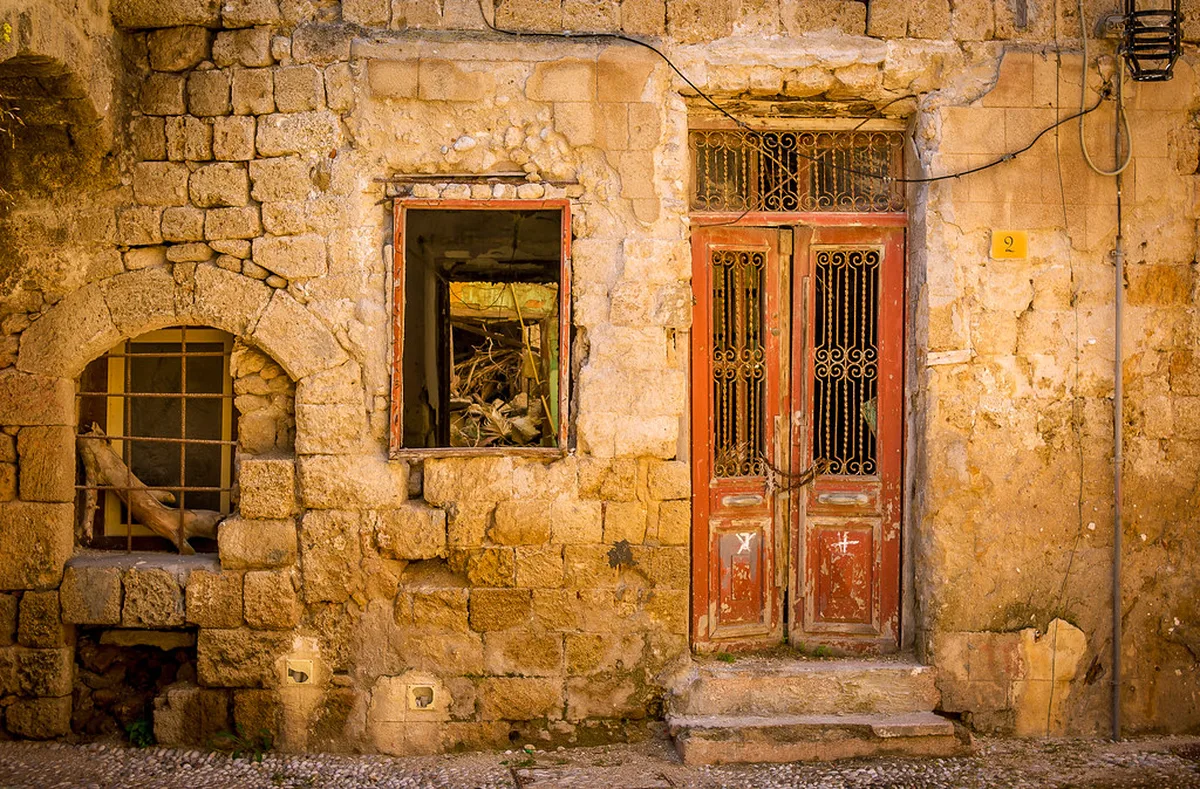
For an authentic mezedes experience, look for restaurants advertising pitaroudia — Rhodes-specific chickpea fritters seasoned with fresh mint and cumin. These are best eaten hot from the pan with a glass of local Muscat wine from the Dodecanese. Turkish-influenced dishes such as lokum (Turkish delight) and sesame-crusted simits appear in the small bakeries tucked into the side alleys of the Jewish Quarter, reflecting the four centuries of Ottoman rule that shaped the city's flavour profile.
Hippocrates Square (Plateia Ippokratous) becomes the heart of the evening dining scene once the sun drops below the walls. The outdoor terraces fill up from around 7:00 PM, and many restaurants offer rooftop seating with views over the illuminated palace and the clock tower. Reservations are strongly recommended from June through September for rooftop tables. The cafes immediately on the square charge a premium for their location — expect €4–5 for a Greek coffee and €8–10 for a glass of local wine. Walking just two blocks into the residential lanes drops prices noticeably.
Street food options provide a fast and affordable alternative throughout the day. Several small bakeries near the Arnaldo Gate sell fresh spanakopita (spinach pie) from around 7:30 AM for under €2. Gyros shops cluster near the main market area on Sokratous Street, with a full wrap costing €3–4 in 2026. The municipal market just inside the Eleftheria Gate stocks fresh local produce, olives, and regional cheeses for those self-catering. Always carry some cash as smaller family-run kiosks and market stalls frequently do not accept cards. An evening stroll through the market alleys, picking up a few snacks and eating by the seahorse fountain, is a classic and affordable Rhodes Old Town experience.
Essential Practical Tips for Your Visit
The cobblestone streets throughout the Old Town are notoriously uneven and can become dangerously slippery when polished smooth by foot traffic over centuries. Sturdy walking shoes with grip soles are essential for navigating the city comfortably and safely. Avoid wearing flip-flops or flat-soled sandals if you plan to walk the full medieval walls circuit or climb the steps inside the Palace of Grand Masters. Comfortable closed-toe footwear makes the difference between an enjoyable full day and a painful one that cuts your exploration short.
Rhodes registers some of the highest summer temperatures in all of Greece, with July and August regularly reaching 36–38°C by midday inside the walled city where air circulation is limited. Plan all outdoor monument visits for before 10:00 AM or after 5:00 PM to avoid peak heat. Most major sites including the Palace of Grand Masters and the Archaeological Museum open by 8:00 AM, which gives you a solid two-hour window before temperatures climb significantly. Carry a minimum 1.5-litre reusable water bottle and refill it at the public fountains located near Ippokratous Square and at the entrance to the moat walk — water is free.
Getting temporarily lost in the maze of over 200 streets is genuinely part of the Old Town experience and should be embraced rather than feared. Google Maps can struggle with the narrowest alleys and occasionally places you inside a building rather than on a lane. Use the Clock Tower (visible from many points in the city) and the twin towers of the Palace of Grand Masters as constant navigational landmarks when you feel disoriented. Download an offline map via Maps.me or Google Maps' offline feature before entering the gates — mobile data signal can be weak in the deeper residential sections.
For 2026, the Palace of Grand Masters and the Archaeological Museum have fully implemented digital ticketing to reduce wait times at the entrance. Buying your €8 Palace ticket online via the Greek Ministry of Culture website saves roughly 20–30 minutes of queuing during the busy June–August period. Check official museum sites for the most current opening hours before you arrive, as seasonal schedule changes apply. The Amboise Gate (northern entry) is the most convenient entry point if arriving by taxi or car from the New Town, leading you almost directly to the Palace forecourt.
Exploring Beyond the Old City Walls
Mandraki Harbor sits just a five-minute walk from the main Eleftheria Gate of the Old Town, along the seafront promenade. This picturesque harbor is the site where the legendary Colossus of Rhodes — one of the Seven Wonders of the Ancient World — supposedly straddled the entrance in antiquity. Today, two bronze deer statues (a stag and a doe) mark the harbor mouth on their columns, serving as the city's unofficial symbol. The harbor is also the departure point for boat trips to Lindos, Symi, and the smaller Dodecanese islands. Many travelers combine an Old Town morning with an afternoon harbour cruise.
When you need a break from medieval history, the nearby coastline offers excellent swimming. Our Rhodes beach guide covers the best swimming spots within easy reach of the city. Elli Beach, a five-minute walk north of the harbor, features clear water, a diving board, and sun lounger rental for around €8 per pair in 2026. Combining a morning in the Old Town with an afternoon swim at Elli is one of the most popular and satisfying ways to spend a day in Rhodes.
If you want a structured walking route through the city, our Rhodes walking tour guide maps out a curated 3-hour route from Amboise Gate to the Jewish Quarter, covering the major landmarks in a logical sequence that minimizes backtracking.
The New Town of Rhodes, stretching north of the medieval walls, offers modern shopping and a contrasting architectural style. Italian-era art deco and Rationalist buildings line the seafront boulevard and house many of the city's administrative offices, banks, and higher-end restaurants. Walking between the two zones — medieval crusader on one side of the walls, 1930s Italian colonial on the other — illustrates just how many layers of history this island holds. It is easy to fill three or four full days between the Old Town, the beaches, and excursions to sites like the Valley of Butterflies or the ancient city of Kamiros. For broader trip planning across the island, see our Greece travel hub for regional guides and itinerary ideas.
Frequently Asked Questions
Is there an entry fee for Rhodes Old Town?
No, there is no fee to enter the medieval city itself. You can walk through any of the eleven gates and explore the streets, squares, and lanes freely at any time of day or night. However, specific attractions charge separately: the Palace of the Grand Masters costs €8 per adult in 2026, the Archaeological Museum costs €8, and the Street of Knights is free to walk.
How much time do I need to explore Rhodes Old Town?
Allow at least one full day to see the main highlights comfortably. A solid day covers the Palace of Grand Masters (1.5–2 hours), the Street of Knights (30 minutes), the Archaeological Museum (1 hour), the Jewish Quarter and Hippocrates Square (1 hour), and a leisurely lunch. If you enjoy wandering residential lanes and visiting smaller churches, two days are even better and allow a more relaxed pace.
Can I drive a car inside the Old Town?
No, the Old Town is a pedestrian-only zone with very strict vehicle access rules. Only residents with special permits and licensed delivery vehicles are permitted inside during restricted hours (typically 5:00–9:00 AM for deliveries). Most visitors park in the large paid car parks located immediately outside the medieval walls near Eleftheria Gate or along the harbor front, where rates run approximately €4–6 per day in 2026.
What is the best gate to enter the Old Town?
The Eleftheria (Liberty) Gate is the most popular entry for visitors arriving from the harbor or cruise terminal, as it opens onto the main commercial lane and is well-signposted. If you are arriving by taxi from the New Town, the Amboise Gate in the north is more convenient — it leads almost directly to the Palace of Grand Masters forecourt within a two-minute walk. In total, the Old Town has eleven gates, each offering a slightly different entry experience and neighborhood character.
What is the Street of Knights and is it worth visiting?
The Street of Knights (Odos Ippoton) is a 600-metre cobblestoned lane running between the Archaeological Museum and the Palace of Grand Masters, flanked by the Gothic stone inns of the seven crusader tongues — France, England, Germany, Italy, Aragon, Auvergne, and Provence. It is free to walk and takes about 20–25 minutes at a comfortable pace. It is absolutely worth visiting: the street is considered the best-preserved medieval lane in the world and is unique even by European standards. Visit before 9:00 AM in summer to have it nearly to yourself.
What should I eat in Rhodes Old Town in 2026?
Rhodes Old Town has a distinct food culture shaped by Greek, Ottoman, and Italian influences. Must-try dishes include pitaroudia (local chickpea fritters with mint and cumin), fresh grilled octopus, and mezedes spreads at back-alley tavernas. A mid-range dinner runs €20–35 per person including local wine. For budget eating, bakeries near the Arnaldo Gate sell spanakopita from around €2, and gyros wraps from street stalls cost €3–4. Hippocrates Square and its surrounding lanes are the best area for evening dining and atmosphere.
How do I avoid cruise ship crowds in Rhodes Old Town?
Cruise passengers typically enter the Old Town between 9:30 AM and 10:30 AM and depart by 5:00–6:00 PM. To avoid peak crowds, visit the Palace of the Grand Masters (€8) and the Street of Knights before 9:00 AM or after 6:00 PM. The Jewish Quarter, Square of the Jewish Martyrs, and the medieval moat walk are rarely included in cruise itineraries and stay calm throughout the day. Shoulder season visits in May or October eliminate the problem almost entirely.
How much does the Medieval City Walls guided tour cost in 2026?
The guided Medieval City Walls tour costs €8 per adult in 2026 and departs from the Palace of the Grand Master. The tour circuits the massive crusader fortifications — walls up to 12 metres thick — and offers elevated views over both the Old Town rooftops and the surrounding sea. No pre-booking is required outside peak July–August weekends. The walk covers approximately 2 kilometres along the top of the walls and takes 45–60 minutes.
Rhodes Old Town remains one of the most captivating destinations in the entire Mediterranean region. The blend of crusader Gothic, Ottoman Islamic, and Byzantine heritage — all within a single walled city — creates an atmosphere that very few places in the world can match. Armed with 2026 pricing (€8 Palace, €8 Archaeological Museum, €8 guided wall tour, free Street of Knights), a comfortable pair of shoes, and an early morning start time, you have everything needed for an exceptional visit.
Remember that the city rewards exploration beyond the main tourist corridors. The Jewish Quarter, the moat walk, the back-alley tavernas, and the quieter squares reveal themselves only to those willing to step away from Sokratous Street and wander. Whether you come for medieval history, Ottoman architecture, local food, or simply the romance of ancient stone lanes, this UNESCO World Heritage city delivers. Pair your Old Town visit with a half-day at a nearby beach or a guided walking tour for a complete Rhodes experience in 2026.