The Complete Zakynthos Beach Guide for Your 2026 Trip
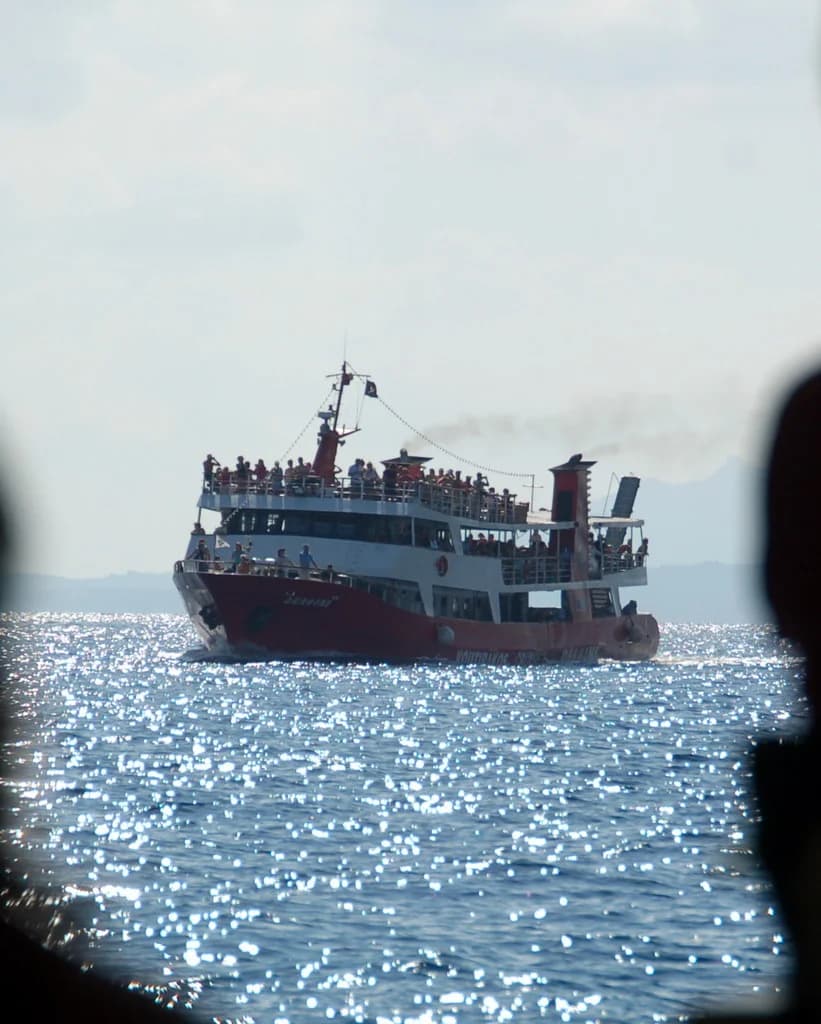
Navagio (Shipwreck Beach) is accessible by boat only — shared trips cost €15–20 return from Porto Vromi and take 15 minutes each way, with 30–45 minutes on the sand. Book before 8 AM in July and August.
Laganas and Gerakas beaches are protected loggerhead turtle nesting sites within the National Marine Park of Zakynthos. Both close at sunset from June through August; sunbeds at Laganas cost €10–15, Gerakas entry is free.
Zakynthos holds over 40 named beaches across its 123 km of coastline, ranging from protected turtle nesting bays to secluded limestone coves accessible only by sea. Pack water shoes, book Navagio boats early, and choose your beach by wind direction each morning.
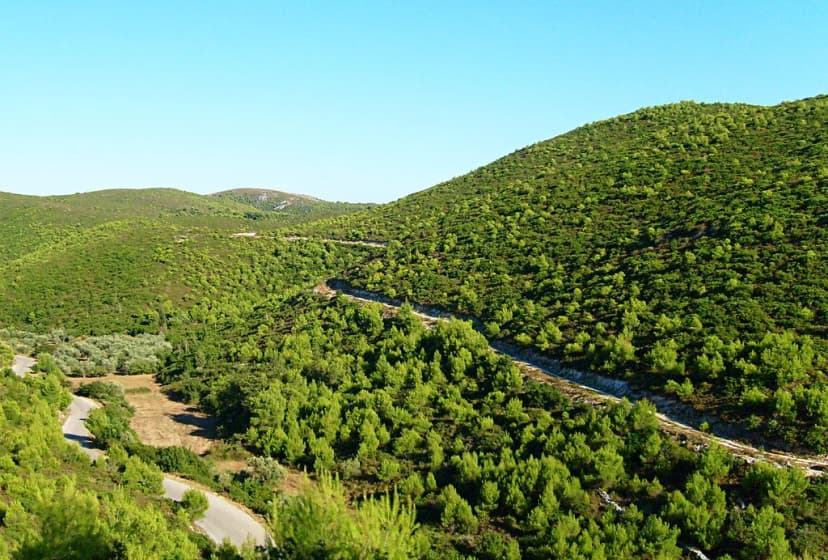
The island of Zakynthos features some of the most striking blue waters in the entire Mediterranean region. This comprehensive Zakynthos beach guide helps you find the perfect spot for your 2026 Greek holiday. Many travelers come for the famous shipwreck but stay for the hidden coves and sandy sanctuaries scattered across the island's diverse coastline. Exploring these shorelines requires a bit of planning to avoid the largest crowds and make the most of each location.
Every shore on the island offers a unique atmosphere ranging from party hubs to quiet nature reserves. You will encounter dramatic limestone cliffs on the west and soft golden sand on the eastern coast. Local weather patterns often dictate which side of the island provides the best swimming conditions each day. Prepare for a mix of organized beach clubs and wild, untouched landscapes during your 2026 visit.
Navagio Beach: The Iconic Shipwreck Cove
Navagio Beach, also called Shipwreck Beach, remains the single most photographed landmark in the Ionian Islands and one of the most famous beaches in all of Europe. Accessible only by sea, this enclosed white-sand cove is surrounded on three sides by sheer limestone cliffs rising up to 200 metres above the water. The rusting hull of the MV Panagiotis, run aground in 1980, sits dramatically in the centre of the bay, streaked with orange rust against brilliant turquoise water.
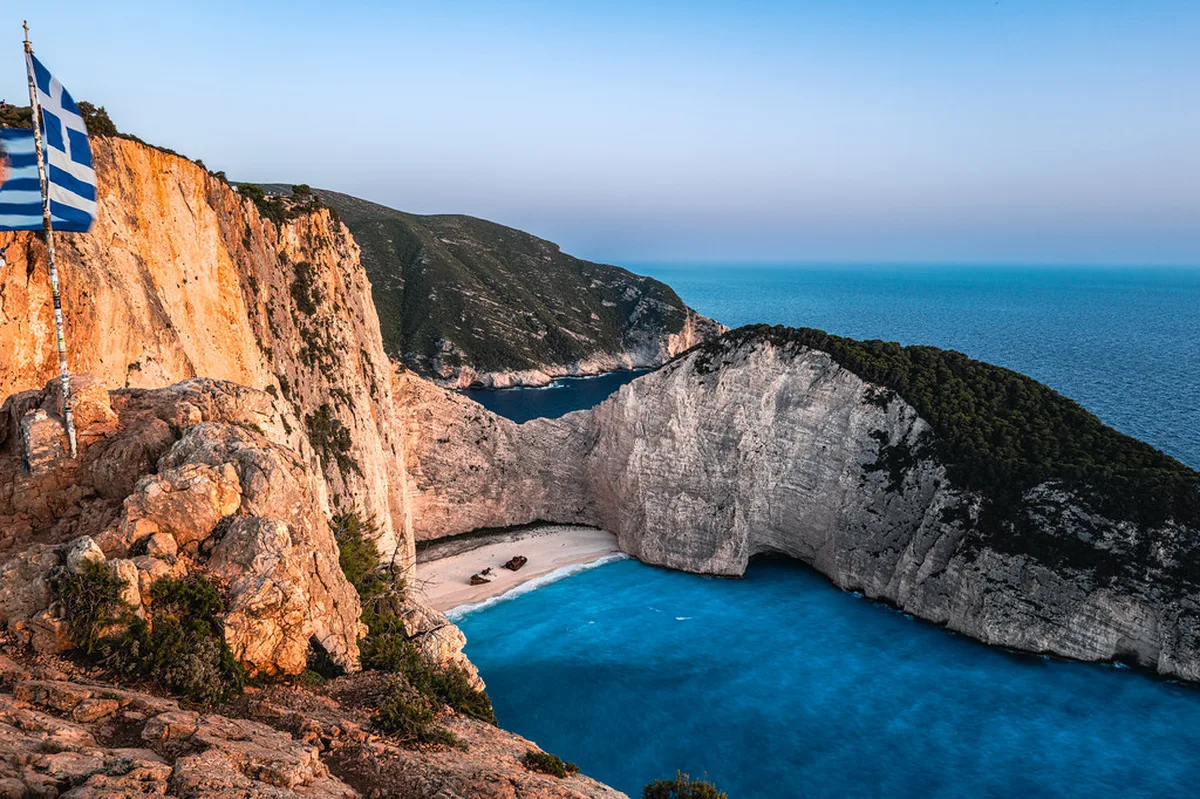
In 2026, boat trips to Navagio cost €15–20 per person for a standard shared excursion departing from Porto Vromi, located approximately 4 km south of the cove by sea. Agios Nikolaos port on the northeastern coast also operates regular services, typically priced at €18–22 return. The trip from Porto Vromi takes roughly 15 minutes each way; from Agios Nikolaos, allow 25 minutes. Most operators offer 30–45 minutes on the sand itself before returning. For a private speedboat rental, expect to pay €150–250 for a half-day that also stops at the Blue Caves.
Photography enthusiasts should time their arrival for between 10 AM and 1 PM, when the sun sits directly over the open cliff top and illuminates the interior of the cove. Arriving before 9 AM on a shared tour helps avoid the largest cruise-ship crowds that typically arrive mid-morning. If you prefer a bird's-eye view without taking a boat, drive to the official clifftop viewpoint above Anafonitria village — the panorama from the top is one of the most replicated images in Greek tourism.
Strong Meltemi winds, most common in July and August, regularly cause boat-trip cancellations for safety reasons. Operators usually make the final decision on departures approximately one hour before the scheduled time. Keep your Navagio day flexible and have a backup beach plan — Porto Limnionas or Xigia Beach are both excellent alternatives on calm inner bays. Wear sunscreen before boarding; there is no shade on the sand and the limestone cliffs reflect heat intensely during midday.
- Navagio Beach Trip Planning
- Access: Boat only (no road access to sand)
- Shared tour cost: €15–20 per person (2026)
- Private speedboat: €150–250 half-day
- Duration on sand: 30–45 minutes per trip
- Best for: Photography, iconic views
- Departure ports: Porto Vromi (15 min) or Agios Nikolaos (25 min)
Navagio Shipwreck Beach: How to Visit and What It Costs in 2026
Planning a trip to Navagio requires understanding the full logistics before you arrive on Zakynthos. There is no road that leads to the sand — the beach sits in a completely enclosed cove at the base of 200-metre limestone cliffs, meaning every visitor must arrive by sea. The two main departure points are Porto Vromi on the west coast and Agios Nikolaos on the northeast coast, each with its own travel time, ticket prices, and on-the-ground conditions.
Porto Vromi is the closest and most popular launch point. Shared boat trips depart from the small harbour from approximately 8 AM through 5 PM in peak season, with boats leaving as soon as they fill — usually every 20–30 minutes in July and August. Tickets in 2026 cost €15–20 per person return and include the short 15-minute crossing each way plus 30–45 minutes at the beach. The harbour car park at Porto Vromi fills by 9 AM in summer, so aim to arrive well before then or arrange a taxi. From Agios Nikolaos on the northeast coast, the crossing takes around 25 minutes and costs €18–22 return; many operators here bundle Navagio with a stop at the Blue Caves to justify the longer travel time.
Once on the beach itself, expect a small, intensely busy space in the summer peak. The cove is roughly 300 metres wide and the soft white pebble-and-sand floor can hold perhaps 200 people before it feels crowded. In July and August, multiple boats arrive simultaneously during the midday rush. Morning arrivals on the first boat of the day at 8–8:30 AM give you the cove almost entirely to yourself for 20–30 minutes before the second wave arrives. The water inside the cove is calm, clear, and remarkably blue — the shallow areas near the cliff base reach about 1–2 metres while the centre of the bay drops to 8–10 metres.
There are no facilities on the beach — no toilets, no fresh water, no food or drink vendors. Bring your own water bottle, sunscreen, and a snack. The cliffs provide no shade until late afternoon when the sun dips below the western cliff edge. Private boat rentals that include Navagio start at €150 for a half-day and allow you to time your visit for the quietest windows. A good strategy for 2026: book a shared morning departure, spend your time at Navagio, then use the afternoon to explore the Blue Caves or drive back to Porto Limnionas for snorkelling.
- Navagio 2026 Logistics at a Glance
- Departure options: Porto Vromi (€15–20, 15 min) or Agios Nikolaos (€18–22, 25 min)
- Time on beach: 30–45 minutes on shared trips
- Private boat: from €150 half-day
- Best arrival time: 8 AM first boat for minimal crowds
- Facilities on beach: None — bring water, snacks, sunscreen
- Wind cancellations: Check with operator 1 hour before departure
Loggerhead Sea Turtles on Zakynthos: Which Beaches Are Safe to Visit?
Zakynthos is home to one of the largest Caretta caretta (loggerhead sea turtle) nesting populations in the Mediterranean, with roughly 1,200 nests recorded annually across Laganas Bay. Understanding which beaches are open to visitors, which have strict restrictions, and which are entirely closed is essential before you plan your southern coast itinerary for 2026. Getting this wrong doesn't just earn you a fine — it can directly harm nesting turtles and their eggs.
Gerakas Beach at the southern tip of the Vassilikos peninsula is the most visitor-friendly turtle nesting beach on the island. Entry is free and open from sunrise to sunset, with conservation volunteers from ARCHELON staffing an information point throughout the nesting season. The key rules at Gerakas: stay on the wet sand near the waterline, never approach the wooden-stake nesting zone markers in the upper beach or dunes, bring out all your litter, and do not use any lights on the sand after dark. Sunbeds are allowed in a designated strip at €10–12 per set, but large parasols and windbreaks near the dunes are prohibited. If you spot morning tracks — the parallel trail left by a nesting female — report them to volunteers rather than investigating yourself.
Laganas Beach is the main resort beach within the National Marine Park and is open to visitors with clear zoning rules. The upper portion of the sand, marked with rope-and-stake cordons, is a no-go zone for the entire nesting season from May through August. Sunbeds on Laganas cost €10–15 per set and are confined to the lower beach strip only. Motor-powered water sports including jet skis, banana boats, and towed rings are completely banned within the inner marine park zone. All belongings must be removed from the beach by sunset without exception. Speed limits of 6 knots apply to all vessels within 200 metres of the shore.
Kalamaki Beach, sharing the eastern end of Laganas Bay, follows the same nesting-season rules as Laganas and is a quieter alternative for families. Sekania Beach — the most critical nesting site in the entire bay — is completely closed to the public during the nesting season and should not be approached by boat or on foot. Marathonisi islet, accessible by boat from Laganas harbour for €15–20 per person, has a small beach with nesting activity but tour operators maintain a respectful distance. The best time to spot turtles surfacing to breathe at any of these beaches is early morning, between 7 and 9 AM, before crowds arrive and disturb the calm water. Follow the Zakynthos old town guide for the ARCHELON visitor centre location in town, which provides free educational materials on turtle conservation.
- Turtle Beach Access Summary (2026)
- Gerakas: Open sunrise–sunset, free entry, sunbeds €10–12
- Laganas: Open with zoning rules, sunbeds €10–15, no motor sports
- Kalamaki: Open with nesting cordons, quieter than Laganas
- Sekania: Completely closed to public during nesting season
- Marathonisi islet: Boat trips only, €15–20 per person
- Best viewing time: 7–9 AM, turtles surfacing in calm shallow water
Banana Beach: Best Water Sports Hub on Zakynthos
Banana Beach stretches along the southeastern coast near Vassilikos, roughly 18 km from Zakynthos Town, and ranks among the most popular organised beach destinations on the island. Its name derives from the curved banana shape of the bay, which sweeps gently inward and creates naturally calm, shallow conditions ideal for water sports. The beach faces east, sheltering it from the prevailing afternoon westerly breezes that can make other shores choppy by midday.
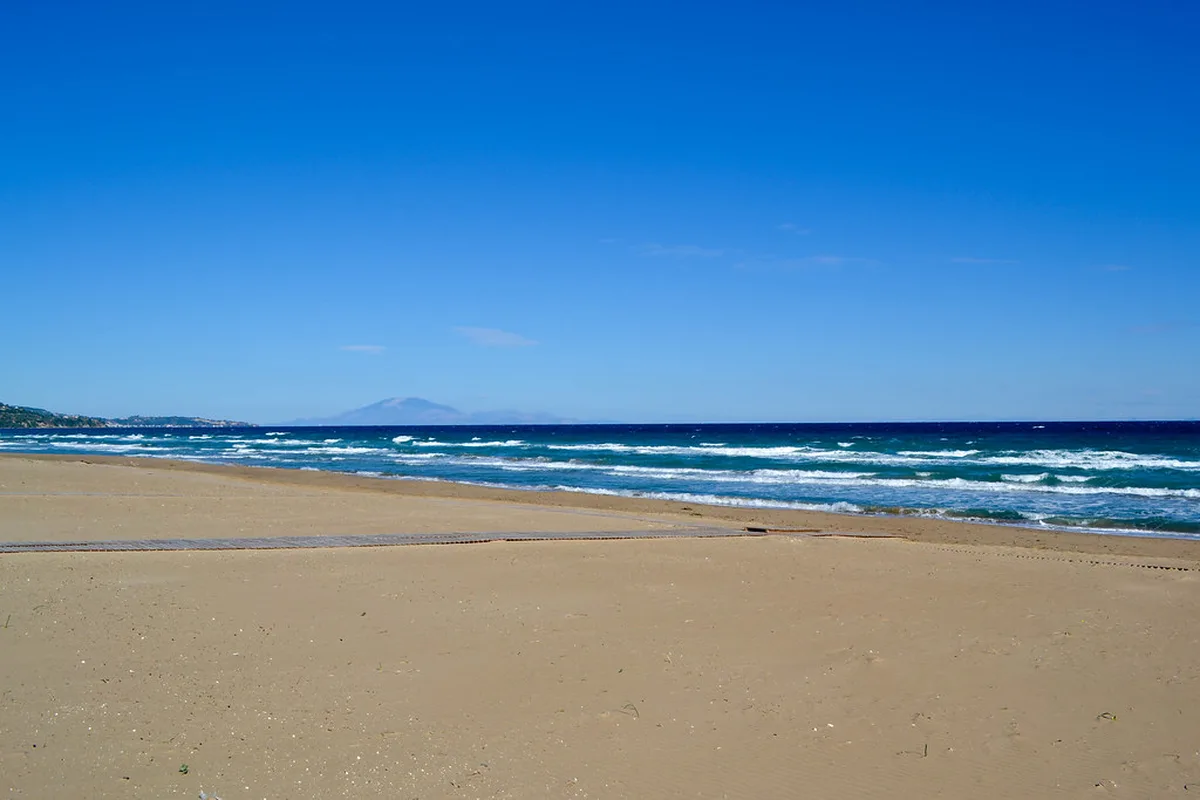
Parking at Banana Beach costs €3 per vehicle in 2026, charged at the main entrance barrier off the Vassilikos road. The car park holds around 200 spaces and fills completely by 10 AM in peak season, so aim to arrive before 9 AM or take the summer shuttle bus from Argassi. Sunbed and umbrella sets cost €12–15 per pair for the day, and the beach is divided into a full-service club section at the northern end and a quieter fee-free stretch at the southern tip, reachable by a short walk.
Water sports options at Banana Beach are extensive. In 2026, you can rent jet skis for €40 per 15 minutes, try parasailing for €35 per person, or take a banana boat ride for €10 per person. Paddleboard and kayak rentals start at €15 per hour. A water sports school near the central kiosk offers beginner wakeboarding sessions for €35 including equipment. Snorkelling gear can be rented for €5 per day, and the shallow rocky reef at the far southern end of the bay hosts good marine life including sea bream and octopus.
The beach has three full-service taverns and two beach bars. Prices are tourist-level but reasonable — a grilled sea bass with salad and a beer typically runs €22–28 per person at lunchtime. Freshwater showers and changing facilities are located near the main car park entrance. Banana Beach sits within the Zakynthos National Marine Park boundary, so motor boats are restricted to a marked zone and swimming conditions remain safe even for young children. Explore more of the Vassilikos peninsula with our day trips from Zakynthos guide.
- Banana Beach Essentials
- Location: Vassilikos peninsula, 18 km from town
- Parking: €3 per vehicle (2026)
- Sunbeds: €12–15 per pair
- Water sports: Jet ski €40/15 min, parasailing €35, paddleboard €15/hr
- Best for: Families, water sports, organised amenities
Gerakas Beach: A Sanctuary for Sea Turtles
Gerakas Beach sits at the very southern tip of the Vassilikos peninsula within the Zakynthos National Marine Park — one of the most important Caretta caretta (loggerhead sea turtle) nesting habitats in the Mediterranean. The beach extends for approximately 600 metres, backed by low dunes and scrubby vegetation that the turtles use for nesting. Entry is free but strictly controlled, and the beach closes at sunset every evening from June through September without exception to allow the turtles to come ashore undisturbed.
The sand at Gerakas is notably fine and very pale, almost white, and the water graduates from shin-depth for 30–40 metres offshore before dropping away — excellent for nervous swimmers and small children. Sunbeds are permitted in a designated strip in front of the dune fence, charged at €10–12 per set, but no large parasols or windbreaks are allowed anywhere near the dunes to avoid disturbing nests. Conservation volunteers from ARCHELON, the Greek sea turtle protection society, staff an information point near the entrance from 8 AM to sunset daily throughout the nesting season.
Visitors to Gerakas are asked to walk only on the wet sand near the water's edge, to avoid the wooden-stake nesting zone markers entirely, and to carry out all litter. Dogs, beach toys with stakes, and any digging in the sand are prohibited. If you are lucky enough to witness tracks in the morning sand — a telltale parallel trail from a nesting female — report it to the volunteers rather than investigating yourself. Gerakas is also one of the best spots on the island to see turtles surfacing to breathe in the shallow bay during morning hours.
Getting to Gerakas without a car requires taking a bus or taxi to the Vassilikos village junction and walking the final 2 km on a flat tarmac road, or joining one of the organised day trips from Zakynthos Town. Many visitors combine a morning at Gerakas with an afternoon at nearby Banana Beach, which sits just 3 km away. Plan day trips from Zakynthos that incorporate Gerakas early — the beach fills quickly and the small car park (free) reaches capacity by 9:30 AM in high season.
- Gerakas Beach Visitor Tips
- Access: Car, taxi, or walk 2 km from Vassilikos junction
- Cost: Free entry, sunbeds €10–12 per set
- Hours: Sunrise to sunset (strict closure from June–September)
- Rules: No large umbrellas, no digging, stay off dune zone
- Best for: Turtle spotting, calm swimming, family beach days
Porto Limnionas: Best for Cliff Jumping and Snorkelling
Porto Limnionas is one of the most visually dramatic spots on the west coast of Zakynthos, a narrow fjord carved into the limestone cliffs roughly 35 km from Zakynthos Town via the winding mountain road through Agios Leon. The drive itself takes 45–50 minutes and passes through olive groves, mountain villages, and several panoramic viewpoints. Although the road narrows significantly in the final 3 km, most hire cars handle it without issue. Parking is informal on a flattened gravel area above the fjord and fills quickly after 10 AM on summer weekends.
The water at Porto Limnionas is extraordinarily clear — visibility can exceed 10 metres — because there is no sand to stir up. The inlet walls drop vertically into a channel that reaches 6–8 metres deep just a few strokes from the entry point. Snorkellers will find extensive sea grass beds on the channel floor, home to wrasse, sea bream, and the occasional octopus wedged into rock crevices. Small caves at water level on both sides of the fjord can be explored by confident swimmers with a mask. Bring your own snorkelling gear as there is no rental equipment on site.
The cliff-jumping options at Porto Limnionas range from a 2-metre ledge at the northern entry stairs — suitable for children comfortable with deep water — up to a 6-metre platform on the south wall that draws seasoned jumpers. Always check that the water below is clear of other swimmers before jumping and never dive headfirst. A small concrete terrace operated as a taverna sits directly above the water and rents sunbeds for approximately €10 per set while serving cold drinks, coffee, and simple grilled food. The taverna's flat terrace level makes Porto Limnionas one of the few west-coast spots where non-swimmers can sit comfortably in shade while watching the action in the water below.
Because the inlet faces west, afternoon light from around 3 PM creates spectacular colour in the water as the sun descends toward the open sea. Xigia sulphur beach lies approximately 20 km north along the coast road, making a logical pairing for a west-coast day trip. Water shoes are essential at Porto Limnionas; the entry point uses natural stone steps worn smooth by the sea, and sea urchins cluster in the rock crevices at the waterline.
- Porto Limnionas Essentials
- Location: West coast, 35 km from Zakynthos Town (45–50 min drive)
- Access: Car only — road narrows in final 3 km
- Cost: Free entry, sunbeds ~€10 per set, free parking
- Best for: Snorkelling, cliff jumping, photography
- Bring: Water shoes, your own snorkelling gear, cash
Xigia Sulphur Beach: Natural Spa on the North Coast
Xigia Beach on the north coast of Zakynthos is one of the island's most unusual swim spots — a small pebble bay where natural sulphur springs seep directly into the sea, turning the water a milky yellow-green and surrounding swimmers with a faint eggy smell that fades within seconds of entering. The sulphur is rich in hydrogen sulphide and is popularly credited with skin-softening and anti-inflammatory properties, drawing visitors who soak in the naturally warm discharge zone near the cliff base for 20–30 minutes at a time.
The beach sits roughly 28 km north of Zakynthos Town on the road toward Makris Gialos and Alykes. The drive takes around 35 minutes. Parking is free on a gravel strip beside the road above the beach, and stone steps lead down the low cliff to the sand and pebble shore. Entry is free in 2026. The beach itself is small — roughly 80 metres long — so it feels busy when more than 50 people are present. Arrive before 9 AM or after 4 PM to enjoy the springs in relative peace.
The sulphur discharge area is clearly visible as a yellow-tinted patch of shallow water hugging the cliff face on the left side of the beach. Wade in slowly — the water temperature in this zone can be noticeably warmer than the open sea, sometimes by 3–5 degrees Celsius in summer. The pebble bottom slopes gently and entry is straightforward, though water shoes are recommended for comfort. There are no sunbeds, no taverna, and no facilities at Xigia — bring everything you need including water, snacks, and sun protection.
Xigia pairs excellently with a visit to the Cape Skinari Blue Caves, located approximately 8 km further north. The Blue Caves are accessible by small rowboats from Agios Nikolaos port or by the road-accessible viewpoint above Skinari lighthouse. Combined, Xigia and the Blue Caves make an outstanding north-coast half-day that most travellers overlook in favour of the southern circuit. Combine these stops with a visit to the Zakynthos old town guide for a complete island overview.
- Xigia Sulphur Beach Essentials
- Location: North coast, 28 km from Zakynthos Town (35 min)
- Cost: Free entry and parking
- Features: Natural sulphur springs, warm water zone
- Best for: Unique experience, skin benefits, uncrowded feel
- Bring: Water shoes, all supplies (no facilities on beach)
Alykes and Alykanas: Family-Friendly Sandy Shores
The neighbouring resort villages of Alykes and Alykanas on the northeast coast share a continuous arc of soft, pale sand stretching approximately 2 km in total, roughly 16 km north of Zakynthos Town. The beaches here are consistently ranked among the most family-friendly on the island due to their exceptionally gentle gradient — the water remains below knee height for 20–25 metres from shore, making them ideal for toddlers and nervous swimmers. The coastline faces northeast, giving some natural protection from the afternoon westerly winds that buffet the other side of the island.
Sunbed and umbrella rentals across Alykes and Alykanas cost €10–15 per set in 2026, and there is no shortage of space even in peak July and August. Multiple beach clubs along the strip operate water sports concessions: windsurfing lessons start at €40 per hour including equipment, pedal boats rent for €15 per hour, and stand-up paddleboards go for €12 per hour. A coastal walking path connects the two beaches in about 15 minutes and passes several beachfront taverns serving grilled octopus, moussaka, and fresh salads at moderate prices — budget around €18–25 per person for lunch with a drink.
Families with young children often prefer Alykanas over Alykes for its narrower, quieter strip and slightly shallower water. Alykes itself has a more lively atmosphere with beach bars playing music and a small promenade of shops and restaurants inland. The nearby salt pans of Alykes — an abandoned evaporation system visible from the main road — attract flamingos in spring and are worth a short detour for wildlife spotters. Public buses run from Zakynthos Town bus station to Alykes several times daily, making this area accessible for visitors without hire cars. The return fare is approximately €2.50 per person.
- Alykes and Alykanas Beach Amenities
- Location: Northeast coast, 16 km from Zakynthos Town
- Access: Bus from town (€2.50 return) or hire car
- Sunbeds: €10–15 per set
- Water sports: Windsurfing from €40/hr, pedal boat €15/hr
- Best for: Families, shallow water, easy access
Laganas Bay: National Marine Park Rules and Turtle Nesting Season
Laganas Bay on the south coast of Zakynthos is the heart of the National Marine Park of Zakynthos, established in 1999 specifically to protect one of the largest Caretta caretta nesting populations in the Mediterranean. The bay stretches approximately 9 km from Laganas village in the west to Gerakas in the east and encompasses six beaches — Laganas, Kalamaki, Sekania, Dafni, Gerakas, and the islet of Marathonisi — all designated as core nesting zones. During peak nesting season from May through August, around 1,200 nests are recorded across these beaches each year.
The marine park imposes specific rules that apply across the entire Laganas Bay zone in 2026. Motorised water sports including jet skis, banana boats, and towed rings are banned within the park's inner zone, which covers most of the southern bay. Speed limits of 6 knots apply to all vessels within 200 metres of the shoreline. On designated nesting beaches — particularly Sekania, which is entirely closed to the public — no access is permitted at any time during nesting season. On Laganas and Kalamaki beaches, a cordon of wooden stakes marks a no-go zone in the upper sand where nests are located.
If you visit any Laganas Bay beach in summer, follow these rules without exception: do not dig in the sand above the waterline; remove all towels, inflatables, and equipment from the beach by sunset; never use torches, camera flashes, or phone lights on the sand at night, as artificial light disorients hatchlings emerging from their nests and causes them to move away from the sea rather than toward it. Do not approach turtles in the water — maintain at least 2 metres of distance and avoid splashing or sudden movement.
The best time to spot turtles at Laganas is early morning, approximately 7–9 AM, when they surface to breathe in the calm shallow water before the beach crowds arrive. Boat trips run from Laganas harbour to Marathonisi islet and typically cost €15–20 per person including snorkelling stop. The islet itself has a small beach with nesting activity and the tour boats maintain a respectful distance. For families interested in turtle conservation, the ARCHELON visitor centre in Laganas village provides free educational materials and is open during summer mornings. Pair this with a visit to the Zakynthos old town for context on the island's conservation history.
- Laganas Marine Park Rules Summary
- No jet skis, banana boats, or towed rings in inner zone
- Speed limit: 6 knots within 200 m of shore
- Sekania beach: completely closed to public in nesting season
- No lights, digging, or equipment left on beach after sunset
- Boat trips to Marathonisi: €15–20 per person
- Best turtle viewing: 7–9 AM in calm water before crowds arrive
Kalamaki Beach: Relaxed Vibes Near the Airport
Kalamaki Beach offers a wide expanse of golden sand approximately 6 km south of Zakynthos Town and shares the eastern end of Laganas Bay. The beach stretches for nearly 1.5 km and benefits from the same calm, shallow water as the rest of the bay without the dense resort infrastructure of Laganas itself, which lies 2 km to the west along the same bay. Low-flying planes descending toward Zakynthos International Airport provide an unexpected spectacle every 30–40 minutes during peak season, passing just a few hundred metres overhead as they approach the nearby runway.
Conservation efforts are prominent here, with rope-and-stake nesting markers occupying the upper half of the beach from June through August. Motorised water sports are prohibited across the entire bay, which keeps the water noticeably calmer and safer for swimming than Laganas. Sunbeds are available in a narrow strip below the nesting zone for approximately €10 per set, and several small hotels and family-run apartments sit directly behind the beach access road. A sunset walk along the full length of Kalamaki's shore, away from the road end, is one of the quietest and most atmospheric experiences you can have on the southern coast.
The small rock pools and exposed reef at the eastern end of the beach are a popular spot for children to explore crabs, small fish, and sea anemones at low tide. You can find parking on unpaved ground near the main beach access track free of charge. Kalamaki village has a handful of traditional taverns, a small supermarket, and a pharmacy. Buses from Zakynthos Town reach Kalamaki on the Laganas route, running approximately every 40 minutes during the day and costing €1.80 per person single. Kalamaki combines naturally with a morning visit to Gerakas, roughly 10 km east via the Vassilikos road.
- Kalamaki Beach Highlights
- Location: 6 km south of Zakynthos Town, eastern Laganas Bay
- Access: Bus (Laganas route, €1.80) or car (free parking)
- Sunbeds: ~€10 per set
- Feature: Plane spotting, turtle nests, rock pools
- Vibe: Quieter alternative to Laganas resort
Pro Tips for Your 2026 Zakynthos Beach Guide
Wind patterns play a decisive role in beach conditions each day on Zakynthos. The northern Meltemi wind, which intensifies from late June through August, creates large waves on the western and northern coastlines — including the approaches to Navagio — while leaving the eastern and southern bays calm and swimmable. If you see white caps on the sea in the northwest, drive south to Gerakas, Banana Beach, or Kalamaki instead. A free wind forecast app such as Windy or Ventusky, checked each morning before leaving your accommodation, can save you a wasted 45-minute drive to a closed Navagio boat dock.
Renting a small motorboat is the most effective way to discover coves that no tour bus reaches. Boats under 30 horsepower engine capacity require no special licence in Greece, and rental prices start at around €80–100 plus fuel for a full day from operators at Porto Vromi, Agios Nikolaos, and Alykes. A full tank typically costs €30–40 and provides enough range to explore the Blue Caves, Navagio approach, and several unnamed north-coast coves. Pack a waterproof dry bag, a 5-litre water supply, snacks, and sun cream — hidden beaches have no facilities whatsoever.
Travelling during the shoulder seasons of May or early September offers the best balance of warm sea, reduced crowds, and lower prices in 2026. The Ionian Sea holds swimming temperature — typically 22–24°C — well into October, and autumn seas are often calmer than August. Avoid the most-visited beaches between 11 AM and 3 PM to dodge peak heat and the largest tour groups. Check the day trips from Zakynthos guide to plan west-coast drives and boat excursions efficiently around your beach days.
- Local Island Insights
- Wind app: Check Windy or Ventusky each morning
- Boat hire: No licence needed under 30 hp, from €80/day plus fuel
- Best seasons: May and September for shoulder-season value
- Avoid: Midday sun at Navagio and west-coast beaches
- Budget tip: Pack your own lunch for Xigia and Porto Limnionas (no facilities)
Frequently Asked Questions
When is the best time to visit the beaches in Zakynthos in 2026?
The best time to visit Zakynthos beaches in 2026 is from late May to mid-June or during September. July and August offer the hottest weather and warmest sea — typically 25–27°C — but bring heavy crowds and peak accommodation prices. May and September offer sea temperatures of 21–23°C, far fewer visitors, and shoulder-season hotel rates 30–40% lower than peak summer rates.
Can you drive to Navagio Shipwreck Beach?
You cannot drive to the sand at Navagio Beach — there is no road access. Sheer cliffs 100–200 metres high completely surround the cove. Visitors reach it by boat from Porto Vromi (15 minutes, €15–20 per person) or Agios Nikolaos port (25 minutes, €18–22). You can drive to the clifftop viewpoint above Anafonitria village for a free aerial view without taking a boat.
Are the beaches in Zakynthos free to enter?
Public beach access is free on all Zakynthos beaches in 2026. You pay only if you choose to rent a sunbed and umbrella — typically €10–15 per set island-wide. Banana Beach charges a €3 parking fee. Protected beaches like Gerakas and Sekania have free entry but enforce strict operating hours, closing at sunset during turtle nesting season from June through August.
Which beach is best for seeing sea turtles in Zakynthos?
Gerakas Beach and Kalamaki Beach are the top spots for seeing loggerhead sea turtle nesting sites on Zakynthos. Arrive between 7–9 AM to spot turtles surfacing to breathe in the calm shallow water before beach crowds arrive. Boat trips from Laganas harbour to Marathonisi islet cost €15–20 per person and include a snorkelling stop where turtles are frequently seen underwater.
What is Xigia sulphur beach and is it worth visiting?
Xigia Beach on the north coast of Zakynthos has natural sulphur springs that seep into the sea, turning the water milky yellow-green and warming it by 3–5°C above the surrounding sea. Entry and parking are free in 2026. The springs are credited with skin-softening properties, and soaking near the cliff base for 20–30 minutes is the main draw. The beach is small with no facilities, so bring all supplies. Pair it with the Blue Caves at Cape Skinari, 8 km further north.
Is it safe to swim at Porto Limnionas?
Porto Limnionas is safe for confident swimmers and snorkellers — the fjord is sheltered from waves and the water is exceptionally clear with visibility up to 10 metres. However, there is no sandy entry: access is via natural stone steps and the bottom is rocky with sea urchins in crevices, so water shoes are essential. The channel depth reaches 6–8 metres quickly, so Porto Limnionas is not recommended for young children or non-swimmers without a life jacket.
How much does a boat trip to Navagio Shipwreck Beach cost in 2026?
Shared boat trips to Navagio Shipwreck Beach cost €15–20 per person return from Porto Vromi (15-minute crossing) in 2026. Departures from Agios Nikolaos on the northeast coast cost €18–22 return for a 25-minute crossing. Private speedboat charters start at €150 for a half-day and can include the Blue Caves. Book or arrive at Porto Vromi before 8 AM in July and August to secure a spot on the first departure.
Zakynthos offers a diverse range of coastal experiences that cater to every type of traveller in 2026. From the dramatic cliffs of Navagio and the sulphur springs of Xigia to the family-friendly sands of Alykes and the turtle-protected shores of Gerakas, the island rewards those who plan carefully. Use wind forecasts each morning, check marine park rules before visiting Laganas Bay, and leave the most popular spots before 11 AM to enjoy the best of each beach. Explore the Zakynthos old town between beach days to round out your island experience.
Remember to respect the local environment and follow all conservation rules at every nesting beach you visit. The natural beauty of Zakynthos depends on the care of its visitors — especially during turtle nesting season from May through August. Travel with reusable water bottles, remove all belongings from the sand by sunset, and never use lights on the beach after dark. Safe travels as you discover your favourite shore on the island of Zakynthos.