Best Day Trips from Dubrovnik: 2026 Complete Guide (8 Options with Prices)
The best day trip from Dubrovnik for island-hopping is the Elaphiti Islands: organised boat tours cost around €50 per person and cover three islands in one day, while Lokrum Island is just 15 minutes away by ferry for €20 return (2026).
For cross-border adventures, Kotor in Montenegro is reachable by bus in roughly 2 hours for €20–25 return, and Mostar in Bosnia takes 2.5 hours by bus for €15–20 return — both offering dramatic scenery and rich history within a single day.
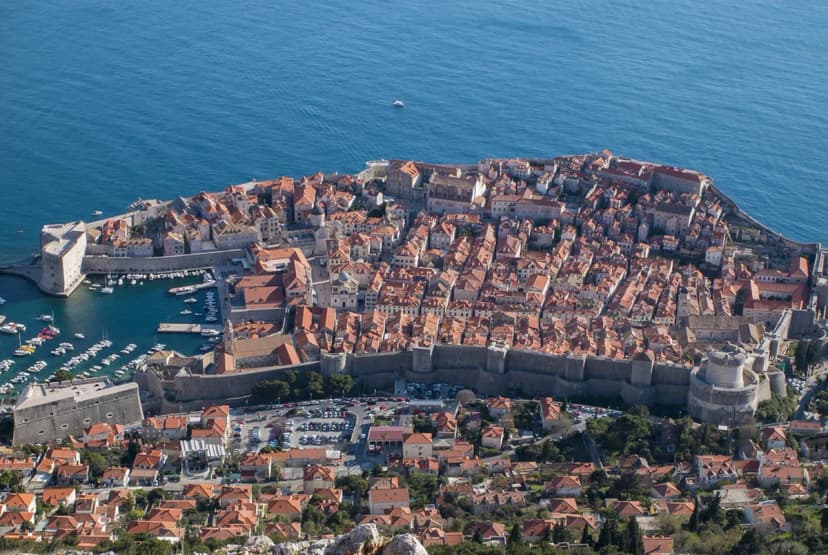
Dubrovnik serves as a perfect base for exploring the stunning Adriatic coast and nearby Balkan neighbors. Beyond the limestone streets, incredible adventures await in Montenegro, Bosnia, and the surrounding islands. Planning strategic day trips from Dubrovnik allows you to experience multiple countries in one vacation — combining coastal relaxation with deep historical exploration in just a few hours. Croatia joined the Eurozone in January 2023, so all prices within Croatia are quoted in EUR; Montenegro also uses the Euro, while Bosnia uses the Convertible Mark (BAM), though Euros are widely accepted in Mostar's tourist zone.
Integrating these excursions into a Dubrovnik 3-day itinerary ensures a diverse and memorable trip. Travelers can choose between organised group tours or independent travel for maximum flexibility. Each destination provides unique flavors, landscapes, and cultural stories that enrich your Adriatic holiday. This guide covers eight of the best day trips, with 2026 prices, logistics, and insider tips for each.
Lokrum Island — A 15-Minute Escape from the Old Port
Lokrum Island is the easiest and most rewarding short day trip from Dubrovnik. Located just 600 metres offshore, the small island is a protected nature reserve and can be reached by ferry from the Old Town harbour in approximately 15 minutes. The return ferry ticket costs €20 in 2026, which includes unlimited crossings throughout the day — a worthwhile investment given how much there is to explore. Ferries depart every 30 minutes from April through October, with the first boat leaving around 09:00 and the last return sailing at 19:00 (times vary slightly by season, so check the board at the pier).
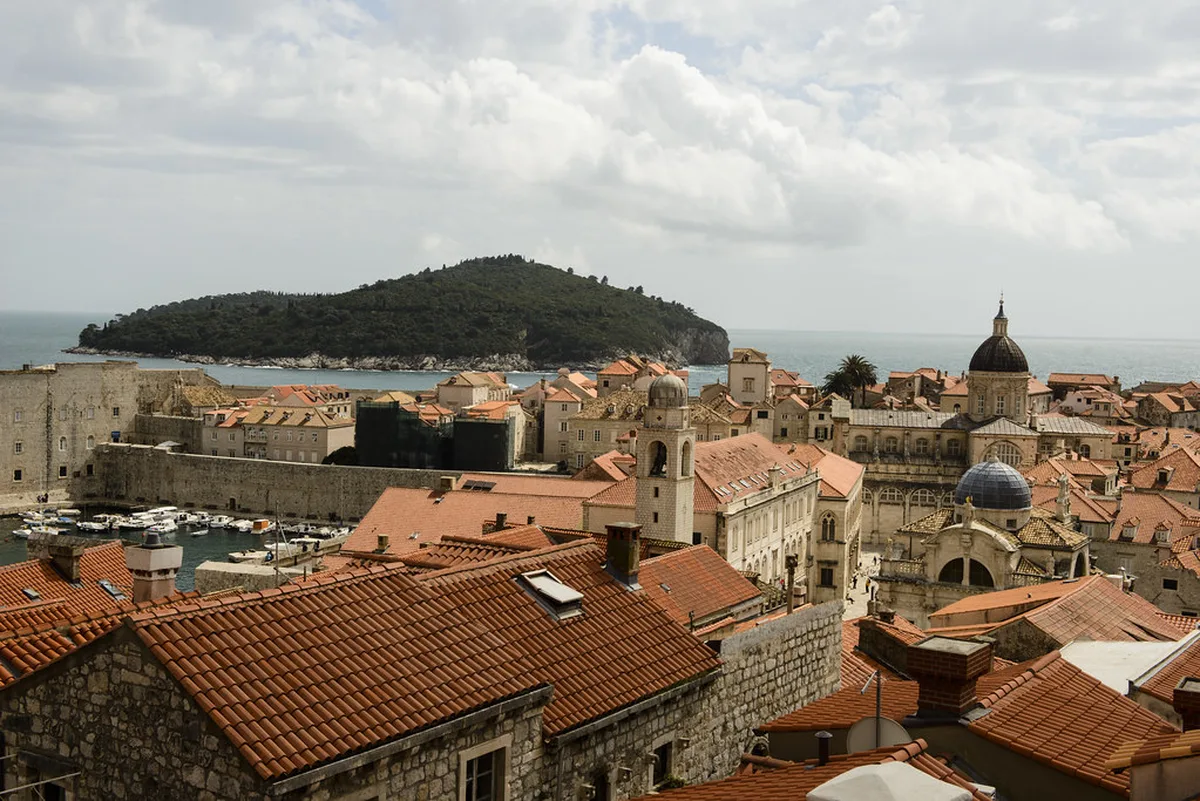
Once on the island, the main attraction is the ruined Benedictine monastery at its heart, which dates back to the 12th century. The complex includes a gorgeous Gothic cloister, a botanical garden planted in the 19th century by Archduke Maximilian of Austria, and a peacock population that roams freely through the grounds. Entry to the monastery area is included in your ferry ticket. From the monastery, well-marked trails lead to the island's summit fort — a short but steep 15-minute climb that rewards you with sweeping views of the Dalmatian coast and the Elaphiti Islands in the distance.
The island's most famous swimming spot is the "Dead Sea" — a small saltwater lake near the south tip connected to the open sea by underwater tunnels. The water is slightly saltier and warmer than the surrounding Adriatic, making it exceptionally buoyant. The naturist beach FKK is nearby for those who prefer clothing-optional swimming. Snorkelling around the rocky shoreline reveals colourful sea life, and the crystal-clear water makes Lokrum one of the finest natural swimming experiences available as a quick excursion from the city.
There are no hotels on Lokrum — it is intentionally undeveloped, with only a basic beach bar selling drinks and light snacks. Bring your own food for a picnic, as prices at the bar are steep. The island closes entirely in winter (November–March), so plan accordingly. Lokrum pairs beautifully with an afternoon walk along the Dubrovnik city walls upon your return — the contrast between the wild nature reserve and the manicured medieval fortifications is striking.
- Ferry: Old Town harbour → Lokrum, every 30 minutes
- Cost: €20 return (2026), includes unlimited crossings
- Travel time: 15 minutes each way
- Best for: Swimming, nature walks, monastery ruins, peacocks
- Don't miss: Dead Sea saltwater lake, botanical garden, summit viewpoint
Island Hopping in the Elaphiti Archipelago
The Elaphiti Islands consist of three main inhabited islands — Lopud, Koločep, and Šipan — stretching northwest of Dubrovnik in the Adriatic. For a structured day out, most travellers opt for an organised boat tour. These depart from Gruž harbour each morning and typically include a stop at all three islands plus a catered lunch served on the boat, usually for around €50 per person in 2026. The price difference between operators reflects the quality of the lunch and the size of the boat; smaller private catamarans with 12–20 passengers generally offer a better experience than the large party boats.
If you prefer a DIY approach, local Jadrolinija ferries provide a much cheaper alternative. The public car ferry calls at Koločep (€6 single), Lopud (€8 single), and Šipan (€10 single) on a schedule that allows you to island-hop independently throughout the day. Check the timetable at the Gruž ferry terminal the evening before your trip to plan connections — the schedule differs on weekdays versus weekends, and gaps between ferries can be two to three hours in shoulder season.
Lopud is the most popular island because it is home to Šunj Beach, one of the very few genuinely sandy beaches in the entire Dubrovnik region. Walking from the ferry dock to the beach takes roughly 20 minutes through a village of pale-stone villas draped in bougainvillea. The island is entirely car-free, which makes it particularly pleasant for families with small children. Golf carts are available for hire near the harbour for around €15 per hour if the walk feels too much in July heat. On Lopud you will find a handful of restaurants serving fresh grilled fish and seafood pasta — budget €18–25 per main course for sit-down dining, or grab a simple grilled-meat sandwich from a beach kiosk for around €6.
Koločep is the smallest and quietest island, closest to Dubrovnik, and beloved by snorkellers. The island's Blue Cave — a sea cave accessible by swimming or kayak — is a highlight not to miss. Šipan is the largest island in the archipelago and the furthest from the city. It is characterised by ancient olive groves, Renaissance nobleman villas in various stages of romantic ruin, and a sleepy pace of life that feels a world apart from Dubrovnik's packed streets. The village of Šipanska Luka has a small konoba (tavern) where you can sit under a pergola of grapevines and order local lamb stew for about €15.
- Lopud Island — Car-free, Šunj sandy beach, 20-min walk from ferry dock. Ferry: €8 single
- Koločep Island — Blue Cave, snorkelling, sea kayaking. Ferry: €6 single
- Šipan Island — Renaissance villas, olive groves, traditional konoba dining. Ferry: €10 single
- Organised group tour — 3 islands + lunch, Gruž harbour. Cost: €50 per person
Mljet National Park — Croatia's Green Island
Mljet (pronounced "ml-yet") is one of the least-visited yet most rewarding day trips accessible from Dubrovnik. The island is largely covered in dense Mediterranean pine forest, which gives it a lush, almost jungle-like appearance compared to the dry limestone landscapes of the Dalmatian mainland. The western third of the island is protected as a national park, centred on two interconnected saltwater lakes — Malo Jezero (Small Lake) and Veliko Jezero (Great Lake) — that are among the most photogenic natural features in the whole of Croatia.
To reach Mljet, take the Nona Ana catamaran from Dubrovnik's Old Port. The journey takes approximately 1 hour 45 minutes and costs around €20–25 return in 2026. The catamaran docks at Polače, a small village right at the entrance to the national park, so you step off the boat straight into the scenery. A second option is the larger Jadrolinija car ferry from Prapatno (near Ston), which takes slightly longer but is cheaper if you want to bring a bicycle or scooter.
National park entry costs €10 per person in 2026 (reduced rates for children and seniors). This fee covers access to the lake network, the trail system, and the St. Mary's Island monastery — a 12th-century Benedictine complex built on a tiny islet in the centre of Veliko Jezero that you reach by rowing boat (the boats are included in the park entry fee and are available on demand). The monastery has been converted partly into a restaurant; sitting on its terrace for grilled fish with a view of the lake and pine-covered hills is one of the most serene dining experiences in Dalmatia. Expect to pay €25–35 per head for a full meal.
Walking the marked trail around Malo Jezero (the smaller lake) takes about 45 minutes at a leisurely pace and offers constant views across the water. Cycling is another popular way to explore — bikes can be rented at Polače for €10–15 per day. The lakes are calm enough for swimming and kayaking; kayak rentals are available near the park entrance for approximately €15 per hour. Strong walkers can continue from the lakes to the village of Pomena on the island's northern coast, where a small marina and a couple of restaurants provide a pleasant lunch stop.
Plan to spend a full day on Mljet. The catamaran schedule typically gives you about six hours on the island before the return sailing — enough time to visit the monastery, swim in the lake, and have lunch. Check the Krilo or G&V Line timetables in advance, as departures are limited (usually one or two per day in each direction outside peak season). This trip pairs well with knowledge from the Dubrovnik Old Town guide if you want to contrast the coastal city with wild island nature.
- Catamaran (Nona Ana): Old Port → Mljet Polače, ~1h 45min, ~€20–25 return
- National park entry: €10 per adult (2026)
- Rowing boat to monastery: included in park entry
- Bike rental: €10–15/day; kayak: €15/hour
- Best for: Nature lovers, swimmers, hikers, photographers
Crossing Borders to Kotor and Montenegro
Kotor sits roughly 90 kilometres south of Dubrovnik — about two hours by car in normal conditions, or roughly 2 hours by direct bus for €20–25 return in 2026. The public bus from Dubrovnik's main bus station departs several times daily and crosses into Montenegro at the Debeli Brijeg border; border queues can add 30–90 minutes in peak summer, especially when cruise ships are in port. The bus option is the most budget-friendly way to reach Kotor independently without navigating border formalities behind the wheel. Organised day tour minibuses from Dubrovnik typically cost €35–45 per person including transport and a guide, with drop-off and pick-up at your hotel. Montenegro is not part of the EU or Schengen Area, so all travellers must carry a valid passport; drivers must also carry a Green Card (international insurance certificate) from their insurer.
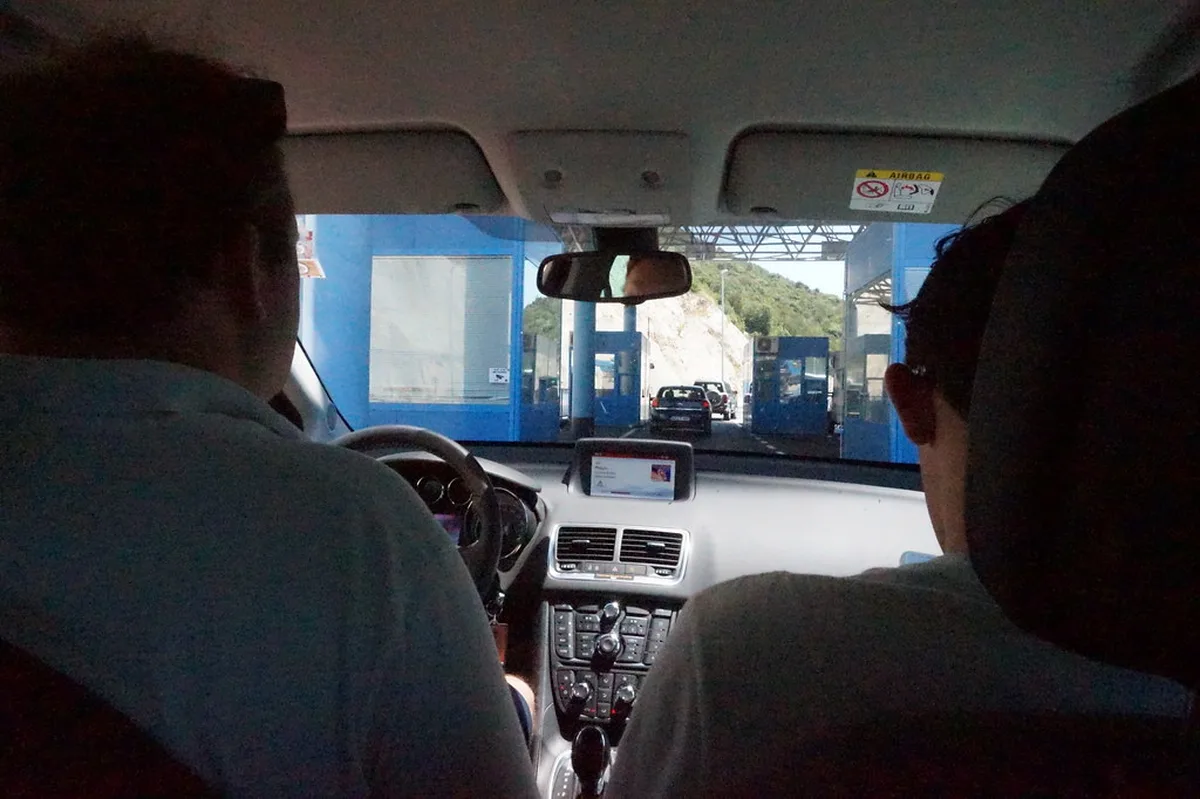
Montenegro uses the Euro despite not being an EU member, making it one of the easiest countries to visit from a currency perspective. Once through the border, the drive along the Boka Kotorska (Bay of Kotor) is spectacular — the bay is one of only two true fjord-like inlets on the Mediterranean, flanked by sheer grey limestone cliffs that plunge straight into cobalt-blue water. Stop in the village of Perast (about 12 kilometres before Kotor) to visit the island church of Our Lady of the Rocks. Small wooden boats ferry visitors to the island every few minutes from the waterfront for €5 per person. The church interior is wallpapered floor-to-ceiling with silver votive tablets, paintings of ships, and embroidered altar cloths — a truly extraordinary sight.
Kotor's walled Old Town is a UNESCO World Heritage Site and arguably the best-preserved medieval settlement in the entire Adriatic. Narrow lanes lined with Venetian-era palaces, Orthodox churches, and cat-filled squares unfold as you pass through the Land Gate. Entry to the town is free; however, climbing to the Fortress of San Giovanni (St. John's Fortress) costs €8 per adult in 2026 and involves ascending roughly 1,350 stone steps. The reward is a panoramic view that photographers will recognise immediately — the red rooftops of the Old Town against the deep blue bay, ringed by grey mountain walls. Start the climb early (before 09:00) to avoid the worst of the heat and the cruise-ship crowds. Sturdy footwear is essential, as the steps are uneven and can be slippery.
For lunch in Kotor, head to one of the shaded restaurants in the squares inside the walls. Local specialities include crni rižot (black squid-ink risotto, €14–18), grilled Adriatic fish (€20–30 per portion), and local Vranac red wine (€5–8 per glass). The restaurant selection inside the walls caters heavily to tourists, so ask locals for recommendations in Dobrota or Prčanj, two quieter waterfront villages just minutes from the old town walls, for better value and a more authentic atmosphere.
- Bus: Dubrovnik → Kotor, ~2 hrs, ~€20–25 return (2026), border crossing included
- Organised tour: €35–45 per person, includes guide and transport
- Fortress of San Giovanni: €8 adult (2026), 1,350 steps
- Our Lady of the Rocks boat (Perast): €5 per person
- Currency: Euro (same as Croatia)
- Passport: required (Montenegro is not in Schengen)
Exploring History in Mostar and Bosnia
Mostar is among the most culturally compelling day trips from Dubrovnik, though it requires the most travel time — approximately 2.5 to 3 hours each way by bus through the mountains, or 2 hours by car via the Neum coastal corridor. The most affordable option is the shared bus from Dubrovnik bus station, which runs several times daily and costs €15–20 return in 2026. Private transfer companies charge €120–160 for a car carrying up to four passengers; the extra cost buys flexibility to stop at Kravice Waterfalls on the return journey.
The centrepiece of Mostar is Stari Most (Old Bridge), a UNESCO-listed 16th-century Ottoman stone arch reconstructed in 2004 after being destroyed during the 1990s war. Standing on the bridge and looking downstream at the jade-green Neretva River is one of those genuinely moving travel moments. The famous bridge divers — local young men who leap from the 24-metre-high arch into the cold water below — perform several times daily once they have collected enough tips from spectators (€5–10 is customary). The jump is not a tourist gimmick; it is a genuine local tradition going back centuries. The Stari Most Divers Club nearby has a small café where you can watch and contribute to the kitty.
The Old Bazaar (Kujundžiluk) running up from the bridge is one of the finest examples of an Ottoman-era market street outside of Turkey, lined with coppersmiths, embroidery sellers, and coffee houses. Sip Bosnian coffee (thick, served in a džezva pot with a sugar cube, €2) at a traditional kafana and shop for handcrafted copper bowls and pomegranate-motif ceramics. Local restaurants serve cevapi (small grilled sausages in flatbread with kaymak cream, €7–9) and dolma (stuffed peppers, €10–12). Bosnia uses the Convertible Mark (BAM; 1 BAM ≈ €0.51), but tourist establishments in Mostar widely accept Euros, usually at a fair exchange rate.
Many travellers combine Mostar with a stop at Kravice Waterfalls, approximately 40 kilometres outside the city. These horseshoe-shaped falls cascade 25 metres into an emerald pool that is perfect for swimming between June and September. Entry costs €10 per adult in 2026 and includes access to the walking paths. The site becomes crowded after 11:00, so aim to arrive before then. Adding Kravice to a Mostar day trip adds about 90 minutes to your total journey and is one of the best nature additions available on any day trip from Dubrovnik.
- Bus: Dubrovnik → Mostar, ~€15–20 return, 2.5 hrs
- Private transfer (up to 4 pax): €120–160 return
- Stari Most entry: free; bridge diving tip: €5–10
- Kravice Waterfalls: €10 entry (2026)
- Currency: BAM (Convertible Mark), but Euros accepted in Mostar's tourist zone
- Passport: required (Bosnia is not in the EU or Schengen)
Hvar Island: The Glamorous Day Trip from Dubrovnik
Hvar is Croatia's sunniest island and one of its most celebrated, drawing a mix of yachting crowd, history lovers, and beach seekers every summer. Reaching Hvar from Dubrovnik takes approximately 2 hours by high-speed catamaran — the Krilo service departs from Dubrovnik's Old Port once daily in summer (check the schedule for the current season) and lands at Hvar Town harbour directly, with tickets costing around €20–25 one way in 2026. The service also stops at Korčula and Milna, but Hvar Town is the main draw for day-trippers given its concentration of sights within easy walking distance of the harbour.
Hvar Town's most iconic landmark is the Fortress of Španjola (Fortica) perched high above the town on a limestone spur. The fortress dates from the 13th century, though the current structure was reinforced by the Venetians in the 16th century following a major Ottoman attack. The climb from the harbour takes roughly 20–25 minutes on a steep but well-marked footpath, and entry costs €10 per adult in 2026. The panoramic view from the battlements — the red-tiled rooftops of Hvar Town, the Pakleni Islands scattered across the turquoise bay, and the Pelješac Peninsula in the distance — is one of the finest viewpoints in the entire Dalmatian archipelago. Photographers should aim to arrive around 17:00 when the afternoon light turns the limestone honey-gold.
Below the fortress, Hvar Town's main square (Trg Sv. Stjepana) is one of the largest in Dalmatia and lined with Renaissance loggia, the Cathedral of St. Stephen, and a string of restaurants and bars under umbrella-shaded terraces. The cathedral is worth a quick look inside for its Venetian-era altarpiece and a 13th-century bell tower. For swimming, the Pakleni Islands — a short water-taxi ride from the harbour (€5 each way) — offer sheltered coves with crystal-clear water and several beach bars serving cold drinks and simple grilled food. Boats depart regularly throughout the day, and the crossing takes just 10–15 minutes.
Hvar's lavender fields bloom in June and form the backdrop for one of Croatia's most evocative experiences — cycling inland from the town through terraced stone walls and fragrant purple rows. Bike rentals are available from several shops near the harbour for €12–18 per day in 2026. The island interior also hides a handful of excellent small wineries producing Plavac Mali and Bogdanuša whites; if you have time after the town, a short taxi ride (€10–15 one way) takes you up to the village of Sv. Nedjelja on the south coast, where dramatic cliffs plunge into the sea and local wine caves cut into the rock face offer tastings for around €12–18 per flight. For a deeper look at where to swim and explore, our dedicated Hvar beach guide covers every major cove and the best water-taxi routes, and the Hvar Old Town guide maps out every sight inside the historic centre.
Timing matters for a Hvar day trip: the catamaran from Dubrovnik typically arrives mid-morning, giving you five to six hours on the island before the return departure. This is enough time to climb the fortress, walk the old town, take a water taxi to the Pakleni Islands for a swim, and have lunch — but not much more. Book your catamaran tickets in advance during July and August, as the Krilo service frequently sells out. Returning to Dubrovnik, the evening catamaran arrives in the city in time for dinner, making Hvar one of the most satisfying full-day island escapes in the region.
- Catamaran (Krilo): Old Port Dubrovnik → Hvar Town, ~2 hrs, ~€20–25 one way (2026)
- Fortress of Španjola: €10 adult (2026), 20–25 min uphill walk from harbour
- Water taxi to Pakleni Islands: €5 each way, every 15–20 minutes in season
- Bike rental: €12–18/day; wine cave tasting: €12–18 per flight
- Best for: History, swimming, yachting atmosphere, panoramic views, lavender season (June)
Wine Tasting on the Pelješac Peninsula and Korčula
The Pelješac Peninsula is one of the great undiscovered wine regions of Europe, producing the powerful Dingač and Postup red wines from the Plavac Mali grape — a varietal genetically related to Zinfandel. The drive north from Dubrovnik takes about one hour, crossing the celebrated Pelješac Bridge (opened 2022) which eliminated the former need to pass through the Bosnian border corridor at Neum. The bridge made Pelješac dramatically more accessible for day-trippers and reduced the average journey time by 20–30 minutes.
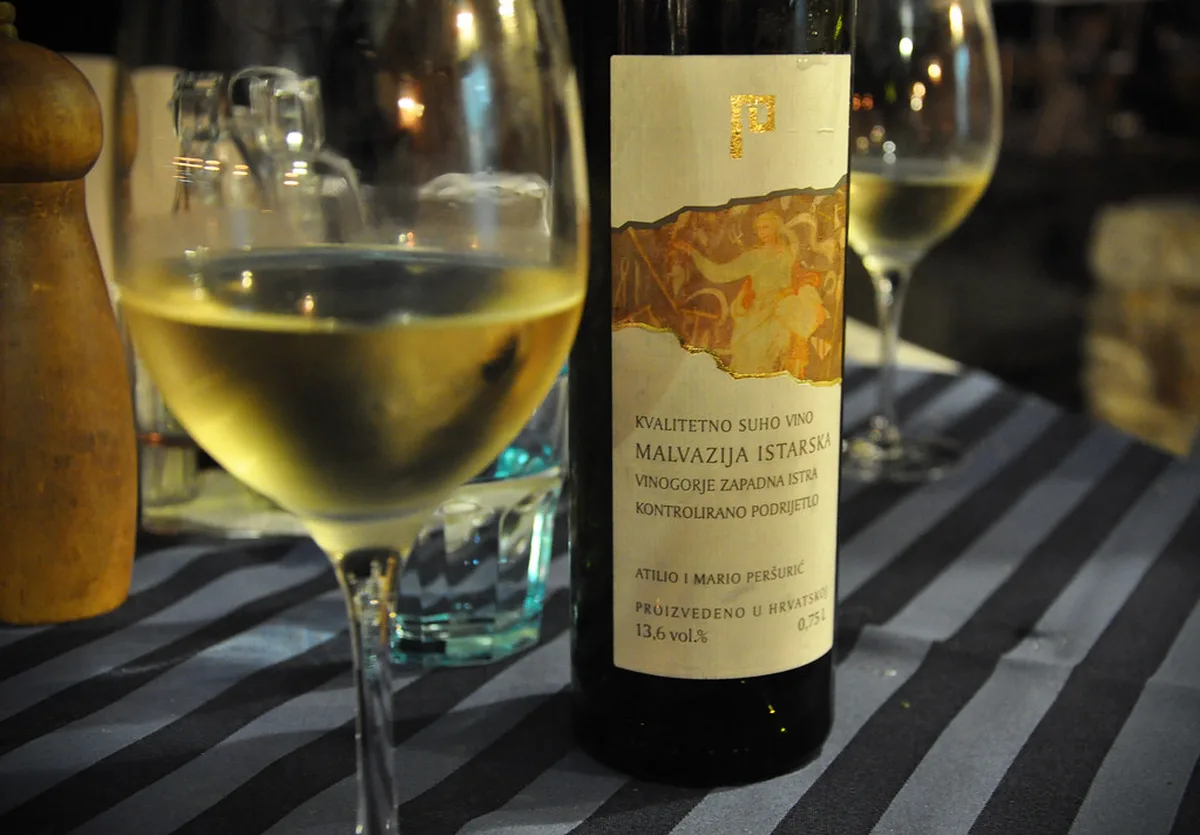
Your first stop should be Ston, a small town guarding the neck of the peninsula, famous for two things: the second-longest defensive wall in the world after the Great Wall of China, and arguably the finest oysters in the Mediterranean. The oysters (kamenice) are farmed in the shallow, mineral-rich waters of Mali Ston Bay and served fresh-from-the-water at harbour-side restaurants for around €1.50–2 per piece. Eating a dozen oysters with a cold Pošip white wine on a sunny terrace is one of the great Dalmatian pleasures. A brief walk along the ancient walls — free to access — provides views across both sides of the peninsula.
Continue west along the peninsula to reach the famous wine estates. Winery Miloš in Ponikve is one of the most acclaimed producers in Croatia, known for its age-worthy Plavac Mali. Winery Matuško in Potomje sits at the edge of the dramatic Dingač growing zone, where vines cling to precipitous south-facing slopes overlooking the sea. Most wineries offer guided tasting flights for €15–25 per person in 2026, covering four to six wines accompanied by local cheese and cured meats. Book ahead during July and August — small family estates frequently reach capacity. The wineries are scattered along narrow inland roads, so hiring a driver or joining an organised wine tour from Dubrovnik (€70–90, includes transport and guided tastings at two estates) is the safe and sensible option.
A short passenger ferry (15 minutes, €3 single) from Orebić at the tip of the peninsula crosses to Korčula Town on the island of Korčula. Korčula is frequently called "Little Dubrovnik" for its Venetian-era walled old town built on a small peninsula — the resemblance is genuinely striking, but without the crowds. The town claims to be the birthplace of Marco Polo and maintains a Marco Polo Heritage House museum (€6 entry) celebrating this disputed honour. Strolling the herringbone-pattern streets of the old town, sipping local Grk white wine on a cafe terrace, and swimming off the rocks below the walls makes for a perfect afternoon before the ferry back to Orebić and the drive home. For similar island experiences closer to Dubrovnik, see our Hvar Old Town guide and Hvar beach guide.
- Drive Dubrovnik → Ston: ~1 hr via Pelješac Bridge (no border crossing)
- Ston oysters: €1.50–2 each
- Winery tasting flights: €15–25 per person (2026)
- Organised wine tour from Dubrovnik: €70–90 (transport + tastings)
- Orebić → Korčula ferry: 15 min, €3 single
- Marco Polo Heritage House, Korčula: €6 entry
Coastal Charm in Cavtat and Konavle Valley
Cavtat is the closest town to Dubrovnik, located just 20 kilometres south along the coast, making it an ideal half-day excursion that can easily be combined with another activity. The most atmospheric way to arrive is by boat from the Old Town harbour — a 45-minute scenic ride past sea cliffs and offshore rocks costs roughly €20 return and departs several times daily in summer. Alternatively, Bus No. 10 from the Pile Gate bus stop runs to Cavtat for €3 each way and takes about 30 minutes, making it the budget-friendly option for those who have already seen the coastline from the water.
Cavtat's palm-lined waterfront promenade is considerably quieter and more residential in feel than Dubrovnik's tourist-heavy streets. The town curves around a natural harbour filled with sailing yachts and fishing boats, backed by pine-forested hills. The most significant cultural sight is the Račić Mausoleum, a remarkable Art Nouveau funerary monument atop the Rat Peninsula designed by sculptor Ivan Meštrović in 1921. It crowns a 30-minute walk through shaded woodland paths along the headland — entry costs €5 and the interior stonework is extraordinary. The Vlaho Bukovac House and Gallery celebrates Cavtat's most famous son, a 19th-century painter who achieved European renown; entry is €5 and the collection is more engaging than the modest exterior suggests.
Beyond the town itself, the Konavle valley stretching inland from Cavtat offers one of the most authentic rural experiences near Dubrovnik. Agrotourism farms in villages like Ljuta and Gruda serve traditional Konavle peka lunches — slow-cooked lamb or veal with vegetables prepared under a bell-shaped iron lid buried in embers, a technique unchanged for centuries. A full farm lunch with wine typically costs €25–35 per person and must usually be booked a day in advance. The Konavle region is also known for its distinctive folk embroidery (šivanje) and for the Ljuta River spring, a clear-water source that feeds a small but charming waterfall suitable for swimming.
If you are concerned about safety in the region, Cavtat has an even more relaxed atmosphere than Dubrovnik itself — our guide on is Dubrovnik safe for tourists has full reassurance on that front. For drivers, parking in Dubrovnik before taking the bus or boat to Cavtat is often the most practical strategy.
- Boat: Old Town → Cavtat, 45 min, ~€20 return
- Bus No. 10: Pile Gate → Cavtat, 30 min, €3 each way
- Račić Mausoleum: €5 entry
- Bukovac House: €5 entry
- Konavle agrotourism lunch: €25–35 per person (book ahead)
Day Trip Logistics, Border Crossings, and Planning Tips
The opening of the Pelješac Bridge in 2022 transformed day-trip logistics for Dubrovnik travellers. Driving north toward Split, Ston, or Korčula no longer requires crossing the Bosnian border corridor at Neum, eliminating up to 30 minutes of passport checks and queue time. However, driving south toward Montenegro or east toward Mostar still involves international border crossings — bring your passport and, if driving your own vehicle, your Green Card insurance document for every border you plan to cross.
Border wait times at the Debeli Brijeg crossing into Montenegro can reach 60–90 minutes in July and August, particularly on days when large cruise ships are docked in Dubrovnik. Departing before 08:00 dramatically reduces wait times. The Mostar-bound crossings at Metkovic or Ivanica are generally faster. Non-EU citizens should check the current ETIAS and visa requirements for both Montenegro and Bosnia before travelling in 2026 — requirements can change and both countries have separate entry rules from the EU Schengen zone.
Transport options from Dubrovnik compare as follows: renting a car from Dubrovnik Airport gives maximum flexibility for multi-stop days (from €35/day for a small car in 2026), while organised minibus tours (€35–70 per person) are the easiest option for solo travellers or couples who do not want to navigate unfamiliar roads. Public buses are the cheapest option for Mostar and Montenegro but offer less flexibility. For island trips, ferries and catamarans from the Old Port or Gruž harbour are the only practical option — schedules are posted at the terminal and updated seasonally.
Returning to the city after a long day trip requires a plan for your vehicle. Understanding the rules for parking in Dubrovnik is essential to avoid expensive fines or towing. The public garage on Ilijina Glavica is the most reliable option for day-trippers arriving by car. The Dubrovnik City Pass includes bus tickets useful for reaching the main ferry port at Gruž, potentially saving €3–5 per journey. Pack water and snacks for any trip involving border crossings — queues in summer heat can be long. For same-day planning of activities in the city itself, the Dubrovnik Old Town guide covers the best sights to combine with an early-morning departure.
- Car rental: from ~€35/day at Dubrovnik Airport (2026)
- Organised minibus tour: €35–70 per person (includes guide)
- Public bus to Mostar: €15–20 return, departs from Dubrovnik bus station
- Border crossing passport: required for Montenegro and Bosnia
- Best departure time: before 08:00 to minimise border delays in summer
Frequently Asked Questions
What is the closest day trip destination to Dubrovnik?
Lokrum Island is the closest day trip from Dubrovnik — just 600 metres offshore and reachable by ferry in 15 minutes from the Old Town harbour. The return ticket costs €20 in 2026 and includes unlimited crossings throughout the day. The island is a protected nature reserve with a Benedictine monastery, botanical garden, saltwater lake, and multiple swimming spots. Ferries run every 30 minutes from April through October.
What is the best day trip from Dubrovnik for nature lovers?
Mljet National Park is the best day trip for nature lovers. The island's pine-forested interior surrounds two connected saltwater lakes, and a 12th-century Benedictine monastery sits on a small islet in the centre of the larger lake. Entry costs €10 per adult in 2026. The Nona Ana catamaran from Dubrovnik's Old Port takes about 1 hour 45 minutes and costs roughly €20–25 return. Bike rentals (€10–15/day) and kayaks (€15/hour) are available at Polače village.
Do I need a passport for day trips to Montenegro or Bosnia?
Yes, a valid passport is required to enter Montenegro and Bosnia and Herzegovina. Both countries operate their own border controls and are outside the EU and Schengen Area. Your passport should have at least six months of remaining validity. Drivers must also carry a Green Card international insurance certificate. Non-EU citizens should check ETIAS and visa requirements for both countries before travelling in 2026, as rules can change independently from EU access.
Is it possible to visit Montenegro and Bosnia in one day from Dubrovnik?
Technically possible but not recommended. Montenegro (Kotor) is about 2 hours each way by bus or car plus border time; Mostar in Bosnia is 2.5 hours each way. Combining both would leave very little time at either destination and most of the day would be spent in transit or at border crossings. Choose one country per day trip to allow at least 4–5 hours on the ground. Kotor and Perast make a satisfying full day; Mostar pairs well with Kravice Waterfalls as a second stop.
Can I use Euros in Mostar and Kotor?
Yes, with slight differences. Montenegro's official currency is the Euro, so Kotor is straightforward — you pay the same as in Croatia. Bosnia uses the Convertible Mark (BAM; 1 BAM ≈ €0.51), but tourist restaurants, shops, and market stalls in Mostar's Old Bazaar widely accept Euros, typically at a fair exchange rate. You may receive change in BAM. Credit cards are accepted at most larger establishments. Carry a small amount of BAM for markets, taxis, and entry fees.
How much does a day trip from Dubrovnik typically cost in 2026?
Costs in 2026 vary significantly by destination and travel style. Lokrum Island: €20 return ferry, no entry fee. Elaphiti Islands: €50 for an organised boat tour with lunch, or €6–10 by public ferry. Mljet National Park: €20–25 catamaran + €10 park entry. Kotor: €20–25 return by bus, or €35–45 on an organised tour (plus €8 fortress entry). Mostar: €15–20 return bus + meals. Hvar Island: €20–25 one way by catamaran + €10 fortress entry. Wine tours on Pelješac: €70–90 organised, or self-drive with €15–25 tasting fees per winery. Budget €30–90 per person depending on destination and whether you use tours or public transport.
Taking a few day trips from Dubrovnik will transform your coastal holiday into a broad Adriatic and Balkan adventure. Whether you prefer the wild pine forests of Mljet, the medieval drama of Kotor, the Ottoman heritage of Mostar, or a quiet afternoon among the peacocks of Lokrum, the variety of destinations reachable in a day is genuinely extraordinary. Careful planning regarding border crossings, ferry schedules, and departure times will ensure a smooth and enjoyable experience regardless of which direction you head.
Always check the latest travel requirements and timetables before setting out — schedules change seasonally and border rules for Montenegro and Bosnia are subject to revision. For inspiration on what to do on the days you stay in the city, the Dubrovnik 3-day itinerary and the Dubrovnik city walls guide are the ideal complements to this day-trip planning guide.