Essential Guide: Is Dubrovnik Safe for Tourists in 2026?
Dubrovnik is very safe for tourists in 2026. Croatia has one of Europe's lowest violent crime rates, a professional police force reachable at 192, and an ambulance service on 194. City bus fares cost around €2 and licensed airport taxis charge €35–45.
The main risks in Dubrovnik are pickpocketing in crowded Old Town areas and overpriced unlicensed taxis near the ferry terminal — both are easily avoided by using a front-facing zip bag and booking rides through Uber or Bolt for a fixed fare upfront.
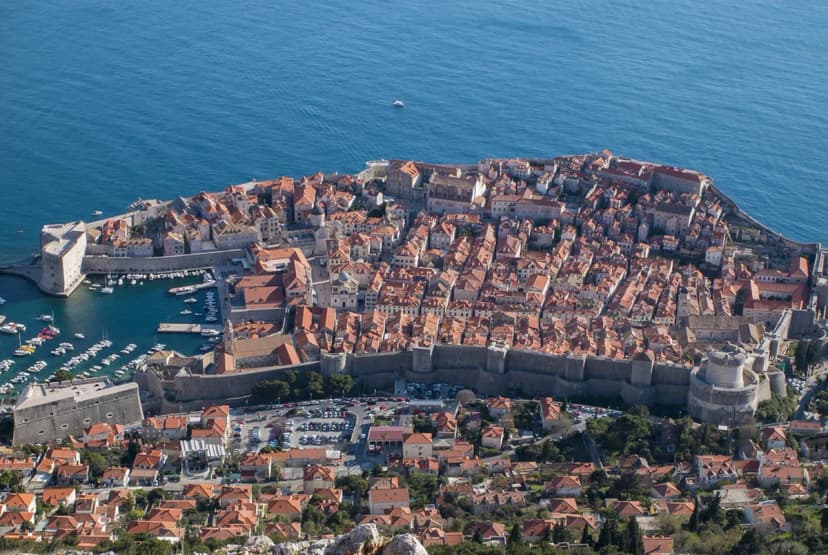
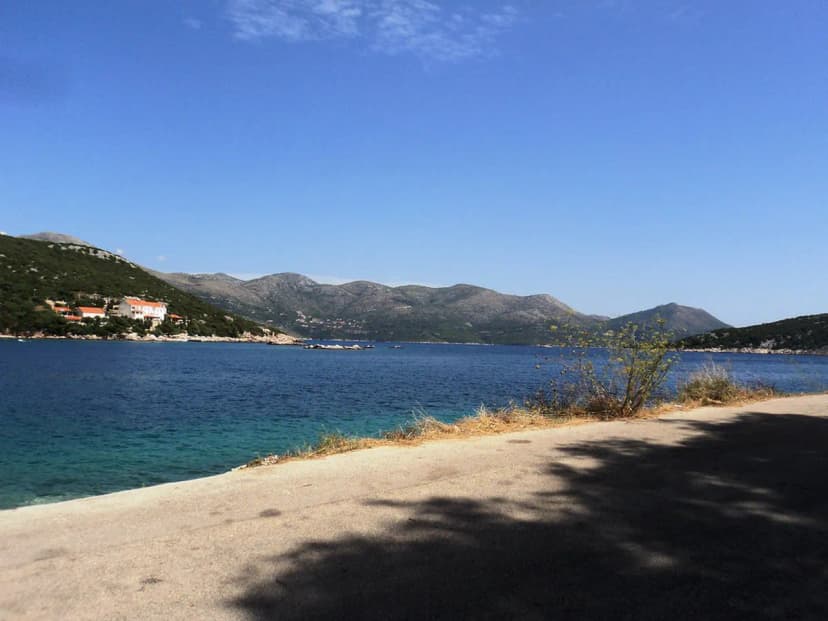
Dubrovnik is often called the Pearl of the Adriatic for its stunning beauty and ancient walls. Many travelers wonder if Dubrovnik is safe for tourists before booking their flights to Croatia. This historic city remains one of the safest destinations in Europe for international visitors in 2026. You can enjoy the coastal scenery and crystal waters with very little worry about personal security. This guide covers crime statistics, specific risks, scams to avoid, emergency contacts, solo travel advice, and sea safety — everything you need to visit with total confidence.
Crime Rates and Local Atmosphere in Dubrovnik
Croatia consistently ranks as one of the most peaceful countries in the world. The Global Peace Index places Croatia firmly in the top third of the safest nations globally, and Dubrovnik itself sits comfortably below the Croatian national average for reported crime. Violent crime involving foreign visitors is extremely rare — the UK Foreign, Commonwealth and Development Office describes Croatian crime levels as low and notes that violent incidents targeting tourists are almost unheard of.

The city operates as an open, walkable urban environment. Its pedestrianised historic core means that vehicle-related incidents inside the Old Town are virtually eliminated. Local residents are accustomed to international tourism and are generally welcoming and helpful. The police maintain a visible presence, particularly during the peak summer months of July and August when cruise-ship crowds can swell the Old Town population dramatically.
Petty theft is the primary concern. Pickpocketing does occur in densely packed areas, especially around the Pile Gate, the Stradun promenade, and the cable car queue. These incidents spike during peak season when thousands of day-trippers from cruise ships flood the Old Town simultaneously. The simple counter-measure is to use a crossbody bag worn at your front, keep your phone in a zipped pocket, and avoid leaving valuables on cafe tables or beach towels.
The atmosphere after dark is calm and sociable. Restaurants, bars, and ice-cream shops line the Stradun well into the night, making it feel busy and safe rather than deserted. Outside the Old Town, the Lapad and Babin Kuk residential districts are equally tranquil. You are statistically far more likely to have something spoiled by lost luggage or a sunburn than by crime during your Dubrovnik visit.
Staying Safe While Exploring the Old Town
The historic centre is a pedestrian-only zone filled with narrow, winding alleys and steep limestone stairways. The Stradun's marble surface and the hundreds of side lanes leading up to the city walls have been polished by millions of footsteps over many centuries. This creates a genuine slip hazard, particularly when the stones are wet from rain or sea spray, or simply damp from summer humidity. Shoes with rubber non-slip soles are not optional — they are essential. Flat sandals with smooth leather or synthetic soles are a recipe for a fall.
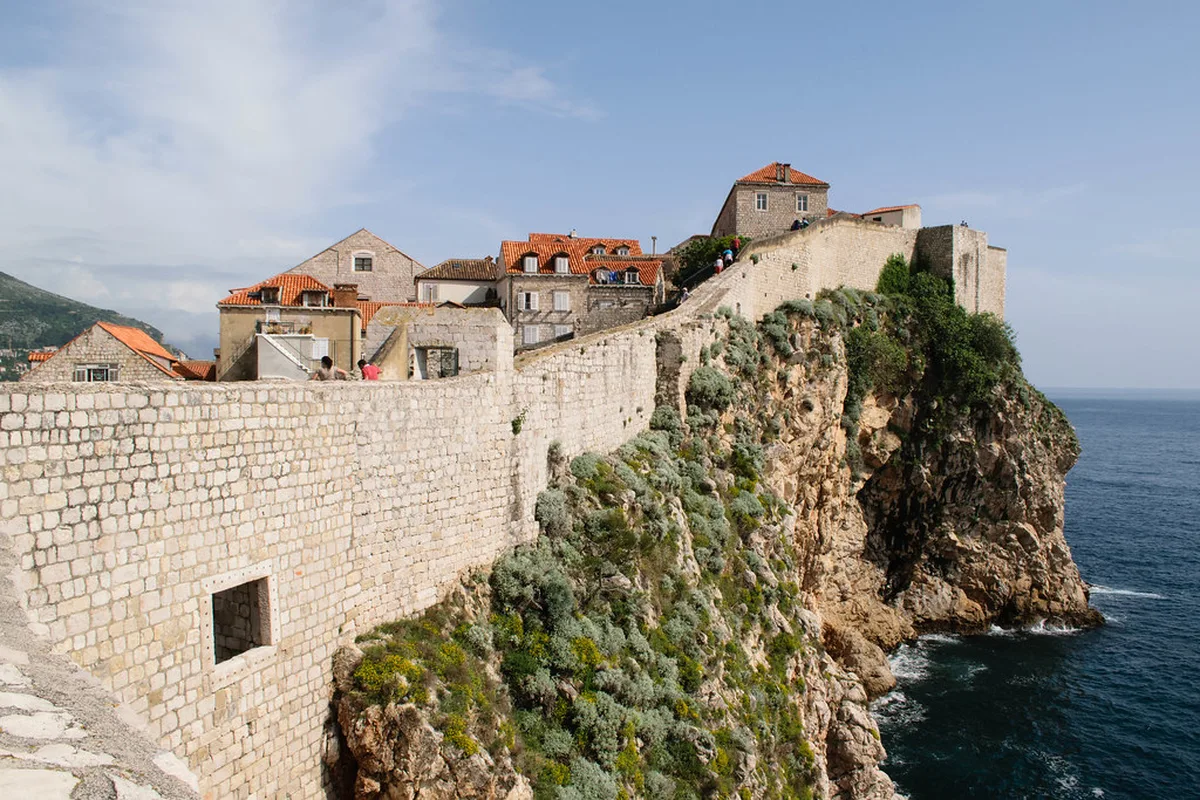
The Dubrovnik City Walls are one of the most visited attractions in Croatia and require a significant amount of climbing. The walkway is narrow in sections, exposed to direct sun with little shade, and extremely hot between 10:00 and 16:00 during July and August. Carry at least one litre of water per person, apply SPF 50 sunscreen before you start, and wear a hat. Heat exhaustion is a real risk on the walls during peak summer — the FCDO specifically warns visitors about sun exposure.
Crowds are the other Old Town hazard. July and August can bring 10,000 or more cruise-ship passengers into the Old Town on a single afternoon. This density creates both a pickpocket opportunity and a general discomfort — queues at gate entries can be long, and the lanes feel genuinely congested. The practical solution is to arrive before 09:00 or after 17:00 when most cruise passengers have returned to their ships. The Dubrovnik Old Town guide covers the best timings and navigation routes in detail.
- Footwear: Closed-toe shoes or sandals with rubber grip soles — no smooth leather
- Timing: Before 09:00 or after 17:00 to avoid cruise crowds
- Bags: Front-facing crossbody zip bag — especially near Pile Gate
- City Walls: Carry water, wear SPF 50, avoid midday in summer
- Navigation: Download offline maps — mobile signal is patchy in narrow lanes
Is Dubrovnik Safe for Solo Female Travelers?
Dubrovnik is consistently rated one of the most welcoming European cities for solo female travellers, and 2026 is no exception. The compact, pedestrianised Old Town is easy to navigate independently, local residents are respectful, and the general atmosphere remains relaxed and sociable well into the late evening. Croatia has a deep café culture — sitting alone at a restaurant, bar, or beachside terrace is entirely normal, and you will not attract unwanted attention simply by doing so.
The main streets between the Old Town, Lapad, and Pile Gate are adequately lit and routinely patrolled by police (emergency line: 192). Walking back to a hotel or apartment at night does not require any special precautions beyond the normal city-travel awareness you would apply anywhere in Western Europe. The Stradun promenade remains lively until midnight or later throughout peak season, meaning you will rarely find yourself walking an empty street even in the small hours.
The beaches at Banje and Lapad are busy and social during the day, making them easy places to meet fellow travellers if you want company. Bus 6 connects Lapad to the Old Town for around €2, running until 23:00, giving you a cheap, safe option for returning to your accommodation after an evening out. For late-night journeys, the Uber and Bolt apps both operate in Dubrovnik and provide a fixed upfront fare, typically €8–15 within the main tourist zone, which eliminates any taxi overcharging risk entirely.
Day trips are equally safe for solo female travellers. Ferry connections from the Gruž port to the Elafiti Islands, Hvar, and Korčula run on fixed Jadrolinija schedules with reliable return services. The day trips from Dubrovnik guide covers the best island options and journey times. Standard solo-travel habits apply throughout: keep your phone charged to at least 30%, have the address and phone number of your accommodation written down on paper as a backup, share your daily itinerary with someone you trust at home, and keep a copy of your travel insurance details accessible in the cloud. No special measures beyond these are necessary for Dubrovnik.
The Dubrovnik Tourist Police, based near Pile Gate (+385 20 443 777), are English-speaking and specifically trained to handle tourist concerns — including unwanted approaches and harassment complaints. Reports are taken seriously, and the office tracks incidents against repeat offenders and problem venues.
Dubrovnik Nightlife Safety: Bars, Clubs and Late Nights
Dubrovnik's nightlife scene is centred on the Old Town and the Lapad area. The venues are generally safe, well-staffed, and accustomed to international visitors. Clubs operate until 04:00 in peak season. Drink spiking is extremely rare, but the standard precaution applies at any nightlife destination: never leave your drink unattended, accept drinks only from bar staff, and keep an eye on friends in busy venues. If you feel unwell unexpectedly, call 194 (ambulance) immediately or ask bar staff to call on your behalf.
The Dubrovnik nightlife guide covers the main bars and clubs in detail, including price ranges and which areas suit different styles. A beer at most Old Town bars costs €4–7 in 2026; cocktails typically run €10–14. Be alert to venues without displayed prices — always confirm costs before ordering to avoid bill shock, which is the most common nightlife complaint rather than any safety incident.
Licensed taxis home after a late night can be pre-arranged through your hotel's reception desk or booked via Uber or Bolt for a fixed price. A taxi from the Old Town to Lapad hotels runs approximately €10–15. If you are returning from a night out in the Old Town itself and are staying inside the walls, the walk is short and the streets remain busy. The Pile Gate area is the main taxi and rideshare pickup point for the Old Town — confirm the pickup point in the app before you leave the venue, as GPS can be slightly imprecise in the narrow lanes.
Day trips also work well as evening departures in summer — Elafiti Island boat parties are popular, with return ferries running late into the night during July and August. Check departure times carefully to ensure you do not miss the last boat, which is the most common issue reported by visitors to the outer islands, not any security concern.
Navigating Transportation and Traffic Risks
Driving into and around Dubrovnik is genuinely challenging. The Adriatic Highway approaching the city is a winding coastal road with steep drops on one side and cliff faces on the other. The Croatian Automobile Club advises caution on this route, especially for drivers unfamiliar with mountain driving. Inside the city, streets are extremely narrow with sharp turns, steep gradients, and limited visibility at junctions. Even experienced local drivers find the Old Town perimeter difficult to navigate. Most visitors are far better served by leaving a rental car at the airport or at one of the large park-and-ride facilities and using public transport instead.
Research parking in Dubrovnik carefully before you arrive — the parking situation inside the city is limited and towing is actively enforced. Fines start at around €50 and the impound fee adds significantly to that. The Pile Gate bus terminus is the main hub for city buses, which run frequently and reach all major residential areas and beaches at reasonable fares (around €2 per journey in 2026).
Taxis deserve a specific warning. Unlicensed or unmetered taxis operating around the Old Town and the ferry terminal are one of the most common tourist complaints in Dubrovnik. Some drivers quote prices verbally and then charge significantly more on arrival, or take unnecessarily long routes. Always use licensed taxis with a visible meter, or book via the Uber or Bolt apps, which both give you a fixed price upfront. The airport transfer to the Old Town costs approximately €35–45 in 2026 via a legitimate metered taxi. If a driver quotes more than €60, negotiate or walk away and use an app instead.
Ferry and boat safety is generally high in Croatia, with modern vessels operated by licensed companies. Jadrolinija, the main ferry operator, maintains EU safety standards. However, privately chartered boat trips and speedboat excursions vary in quality — check that the operator provides life jackets and that the boat is visibly licensed before boarding. The day trips from Dubrovnik guide covers reliable boat excursion operators.
Scams, Emergency Numbers, and Tourist Police
Dubrovnik's most common tourist complaints relate to pricing transparency and minor scams rather than crime. Knowing what to watch for puts you firmly in control of your visit.
Menus without prices are the most frequently reported scam. Some restaurants and bars — particularly those in premium positions along the Stradun or near the cable car — omit prices from their menus or show a "display menu" without euro amounts. Always ask for the priced menu before ordering and confirm the cost of any item that is not listed. A coffee should cost €2–4 in a standard café; if the bill arrives at €8–12, you have likely been shown a tourist-trap pricing structure. The rule is simple: if there are no prices on the menu, leave and find a different establishment.
Gentlemen's clubs are flagged specifically by the UK FCDO. Tourists — typically men — are approached near the Pile Gate or ferry terminal and invited to a "bar" or "club." Bills arrive at wildly inflated amounts, sometimes in the hundreds of euros, and staff can become intimidating when challenged. Avoid any unsolicited invitation to a venue you did not research independently.
Currency exchange traps: Exchange offices with favourable-looking rates sometimes apply hidden commissions that make the effective rate far worse than the advertised headline figure. Use ATMs operated by major Croatian banks (Privredna banka, OTP banka) or pay by card wherever possible to get the mid-market exchange rate automatically.
Emergency contacts in Dubrovnik (2026):
- 112 — All emergencies (police, fire, ambulance) — EU standard number, works from any phone including without a SIM
- 192 — Police direct line
- 194 — Ambulance (Hitna pomoć)
- 193 — Fire service
- +385 20 443 777 — Dubrovnik Tourist Police (seasonal, based in the Old Town, English-speaking)
- +385 20 441 777 — Dubrovnik General Hospital (Opća bolnica Dubrovnik)
The Tourist Police office is located near the Pile Gate and specifically handles tourist complaints including scams, overcharging, and lost property. They are English-speaking and experienced in dealing with visitor issues. Reporting incidents also helps the city track problem venues and operators.
Environmental and Health Safety Considerations
The Mediterranean sun is exceptionally strong during the peak summer months in southern Croatia. Dubrovnik sits at a similar latitude to Naples and Athens — UV Index readings regularly reach 9–11 (Very High to Extreme) between June and August. Heatstroke and severe sunburn are the most common medical complaints among tourists visiting the city walls and open beaches without adequate protection.
Apply SPF 50 sunscreen at least 20 minutes before going outdoors and reapply every two hours, particularly after swimming. Seek shade during the hottest part of the day, typically between noon and 16:00 in July and August. The stone walls of the Old Town radiate significant heat even in shaded areas because the limestone absorbs and re-emits thermal energy throughout the day. Symptoms of heat exhaustion — dizziness, heavy sweating, cold/pale skin, fast/weak pulse — require immediate rest in shade, fluids, and cooling. If symptoms do not improve within 30 minutes, call 194 for an ambulance.
Sea safety is an often-overlooked risk. Dubrovnik's beaches are predominantly rocky rather than sandy, and sea urchins are common on rocky seabeds and ledges just below the waterline. Wearing water shoes when entering and exiting the water from rocky shores is strongly recommended. Sea urchin spines are painful and difficult to remove — if you are stung, do not try to pull spines out with fingers or tweezers, as they break and embed deeper. Seek medical attention at the nearest pharmacy or clinic.
Currents and swell can be unpredictable around the rocky headlands between beaches, particularly after periods of south-easterly wind (known locally as the Jugo). Blue-flag beaches with lifeguards are the safest swimming locations. The beaches at Banje, Lapad, and Copacabana (Babin Kuk) all operate with lifeguard cover during peak season. Never swim alone in isolated coves without telling someone your plan, and check sea conditions with your accommodation if you are uncertain.
Croatia's tap water is safe to drink throughout the country. Historic stone drinking fountains throughout the Old Town provide free fresh water — bring a reusable bottle and refill it rather than buying single-use plastic.
Practical Advice for a Secure Visit
Travel insurance is essential for any trip to Croatia, not just recommended. Croatia is an EU member state, so European Health Insurance Cards (EHIC) or the UK Global Health Insurance Card (GHIC) cover basic emergency treatment in Croatian public hospitals — but they do not cover helicopter evacuation, repatriation, or private clinic treatment. A comprehensive travel insurance policy costs approximately €25–60 for a one-week trip in 2026 depending on your age and coverage level (medical emergency cover of at least €1 million is the standard benchmark). Ensure your policy explicitly covers emergency medical treatment, trip cancellation, and baggage loss before departure.
Document security is simple but important. Keep a digital scan of your passport, travel insurance certificate, and accommodation confirmation in a secure cloud storage folder (Google Drive or iCloud work well). If your passport is lost or stolen, report it to the nearest police station (Policijska postaja) immediately and obtain a crime reference number — this is required by your embassy for emergency travel document processing. The UK Embassy in Zagreb can provide emergency travel documents; contact details are on the FCDO website.
Health precautions for 2026 are minimal for Croatian travel. No vaccinations are required for EU or UK citizens beyond standard recommended travel vaccinations. Mosquitoes are present near coastal lagoons and wooded areas, particularly in the evenings from June to September — a standard DEET-based repellent applied to exposed skin after sunset is sufficient. The risk of tick-borne encephalitis exists in forested areas inland but is very low in Dubrovnik's coastal urban environment.
Finally, a few practical habits that experienced Adriatic travellers follow: keep around €20 in cash for small markets and beach bars that do not accept cards; note the address and phone number of your accommodation on a piece of paper in your wallet as a backup; download offline maps via Google Maps or Maps.me before your arrival because mobile data can be patchy in the narrow lanes of the Old Town; and register your trip with your country's official travel advisory service (FCDO Smart Traveller, DFAT Smartraveller, etc.) so your government can contact you in the event of a major incident.
Frequently Asked Questions
Is it safe to walk in Dubrovnik at night?
Yes, walking in Dubrovnik at night is very safe for tourists. The main streets are well-lit and stay busy until midnight or later during peak season. The Stradun promenade in the Old Town remains lively with restaurants, bars, and other visitors throughout the evening. Local police maintain a steady presence on the main routes, and violent incidents at night are extremely rare. Standard precautions — keeping your bag zipped and staying on lit streets — are all that is required.
Are there many pickpockets in Dubrovnik?
Pickpocketing occurs in Dubrovnik but is not widespread — it is concentrated in the most densely crowded tourist spots, primarily around the Pile Gate, the Stradun, and the cable car queue during peak season (July–August). Always keep bags zipped and worn at your front, keep your phone in a zipped pocket rather than a back pocket, and stay alert in large slow-moving crowds. Most visitors complete their trip without any incident.
Is the tap water safe to drink in Dubrovnik?
The tap water in Dubrovnik is perfectly safe to drink and meets EU drinking water standards. You will find historic stone drinking fountains throughout the Old Town providing free fresh water. Carrying a reusable bottle is highly recommended — it saves money, reduces plastic waste, and keeps you hydrated during the hot summer months. There is no need to buy bottled water for safety reasons.
Is Dubrovnik safe for solo female travelers?
Dubrovnik is considered one of the safest European cities for solo female travellers. The compact pedestrianised Old Town is easy to navigate alone, locals are respectful, and the general atmosphere is relaxed even late at night. Restaurants and beach bars are comfortable places to sit alone without unwanted attention. Standard travel precautions apply — keep your phone charged, note your accommodation address, and share your location with someone back home. No special measures beyond normal European city travel awareness are needed.
What are the emergency numbers in Dubrovnik?
The main emergency number in Dubrovnik is 112, which covers police, fire, and ambulance — it works from any phone, even without a SIM card. For police directly, call 192. For an ambulance call 194. The Dubrovnik Tourist Police, who speak English and handle tourist-specific complaints including scams and overcharging, can be reached at +385 20 443 777. Dubrovnik General Hospital is reachable at +385 20 441 777.
Are taxis safe in Dubrovnik and how much should they cost?
Licensed metered taxis in Dubrovnik are safe, but some unlicensed or unmetered drivers do operate around the Old Town and ferry terminal and charge inflated fares. The airport to Old Town transfer costs approximately €35–45 in 2026 with a legitimate metered taxi. To avoid overcharging, always use taxis with a visible meter, or book via the Uber or Bolt apps, which both operate in Dubrovnik and provide a fixed price before you travel. If a driver quotes more than €60 for an airport transfer, negotiate or use an app instead.
Are there any sea safety risks at Dubrovnik beaches?
Dubrovnik's beaches are mostly rocky rather than sandy, and sea urchins are common on rocks just below the waterline — wearing water shoes when entering and exiting is strongly recommended. Currents can become unpredictable around rocky headlands, particularly after south-easterly winds (Jugo). Swim at blue-flag beaches with lifeguard cover, such as Banje, Lapad, and Copacabana (Babin Kuk). Never swim alone in isolated coves. If you step on a sea urchin, seek medical attention at a pharmacy rather than trying to remove spines yourself.
Dubrovnik remains a top choice for safety-conscious travellers heading to Europe in 2026. As an EU member state with low violent crime, a professional tourist police presence, and a compact, walkable city centre, it offers a genuinely secure environment for all types of visitor — families, couples, and solo travellers alike. The risks that do exist — petty theft in crowded areas, overpriced taxis, and sun exposure on the City Walls — are all entirely manageable with the practical steps covered in this guide. By following basic precautions, you can focus entirely on the incredible history, the crystal-clear Adriatic, and the coastal views that make this city one of Europe's most celebrated destinations. Enjoy your journey to this beautiful corner of the Mediterranean with well-founded confidence.