The Complete Dubrovnik Old Town Guide for 2026
Dubrovnik Old Town entry is free. Walking the 2 km city walls costs €35 per adult in 2026. The best free highlights — Stradun limestone street, Onofrio's Fountain, and Sponza Palace courtyard — require no ticket at all.
The cheapest way to see Dubrovnik Old Town is on foot. A full self-guided day costs as little as €40: €35 for the walls, €3 for ice cream on Prijeko street, and a konoba lunch for under €20. Croatia joined the Eurozone in January 2023, so all prices are now in EUR.
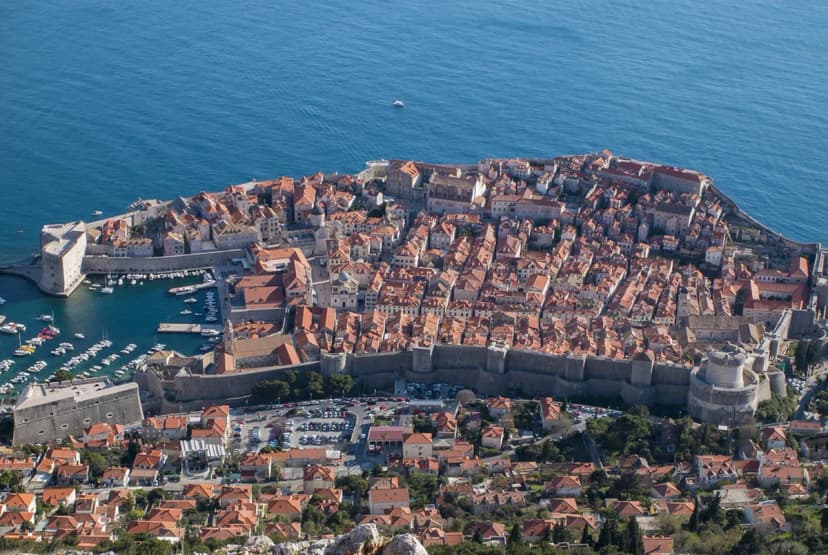
Dubrovnik stands as a jewel on the Adriatic coast with its stunning limestone streets and orange rooftops. This Dubrovnik old town guide helps you navigate the historic maze of UNESCO-protected sites. Visitors often feel like they have stepped back in time when entering the heavy stone gates. You will find a perfect mix of history and Mediterranean charm here.
The city has become a global favorite for its preserved medieval architecture and scenic coastal views. Planning your visit requires understanding the layout of the car-free historic center. Many travelers prioritize the famous city walls but miss the quiet side alleys. Exploring these narrow paths reveals a more authentic side of local life.
Knowing where to start can save you hours of time during a busy summer day. Our guide covers everything from the main landmarks to the best ways to avoid large crowds. You can discover many things to do in Dubrovnik beyond the standard tourist trail. Preparation is the key to enjoying this ancient fortress without feeling overwhelmed.
Walking the Ancient City Walls
The city walls offer the most iconic views of the shimmering sea and the red-tiled roofs below. Walking the full two-kilometer loop takes about two hours depending on your pace and photo stops. Most travelers prefer starting early in the morning to avoid the intense midday heat and the surge of cruise passengers that typically arrives between 10am and 2pm. Tickets cost €35 per person during the peak summer months in 2026, making them the single largest individual attraction cost in the Old Town.
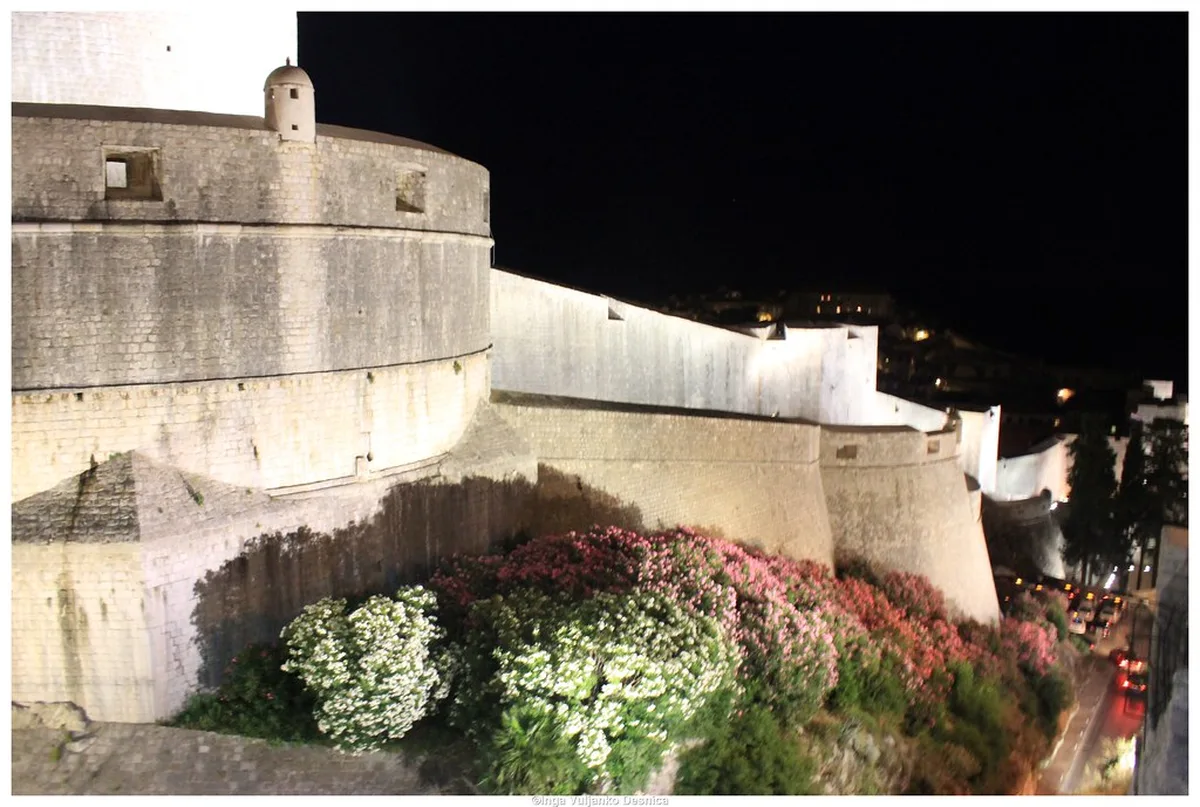
The main entrance at Pile Gate is usually the busiest spot for visitors arriving by bus or taxi. You can also enter near the Ploče Gate or the Maritime Museum for a noticeably quieter start — queues at these secondary gates are often half the length of the Pile Gate queue. Remember to bring plenty of water because there is very little shade along the high stone paths. Wearing sturdy shoes is essential for navigating the uneven steps and steep inclines, particularly on the southern sea-facing section where the drop to the Adriatic is dramatic and the footing is polished smooth.
You should consider buying the Dubrovnik City Pass if you plan to walk the walls. The 1-day pass costs around €45 and includes wall entry plus entry to the Maritime Museum, Rector's Palace, and several other attractions — it pays for itself the moment you visit a second site. Digital versions are available for your phone to make entry quick and easy, and validating your pass at the first attraction activates the full period of use.
Photographers will find the best light near the Minčeta Tower during the late afternoon hours when the sun drops toward the west and bathes the terracotta rooftops in golden tones. This highest point of the walls provides a panoramic view of the entire old town layout and the forested slopes of Mount Srđ behind it. St John's Fortress, at the opposite corner, offers a completely different perspective overlooking the historic harbor and the wooded island of Lokrum just offshore. Each section of the wall reveals new details of the medieval defensive engineering — look for arrow slits, cannon emplacements, and carved stone reliefs that most visitors walk right past.
For the most complete wall-and-city experience, pair your wall walk with a visit to the Dubrovnik city walls complete guide which covers every tower, bastion, and fortification in depth. If you are planning multiple excursions, the walls can anchor a broader Dubrovnik 3 day itinerary that sequences sights to minimize backtracking.
- City Walls Quick Facts (2026)
- Ticket price: €35 per adult
- Included in City Pass: Yes (1-day, 3-day passes)
- Circuit length: 1.94 km
- Walking time: 1.5–2.5 hours
- Peak crowds: 10am–2pm (cruise ship hours)
- Best slot: 8am opening or after 4pm
- Entrances: Pile Gate, Ploče Gate, St John's Fortress
Exploring Stradun and the Main Squares
Stradun is the main limestone street that cuts through the heart of the historic district, stretching approximately 300 meters from Pile Gate at the western end to Luža Square at the east. The pale limestone slabs have been polished to a mirror shine by millions of footsteps over the centuries, and on a bright summer morning they reflect the sunlight in a way that makes the whole street glow. Entry to Stradun itself is completely free — it is a public thoroughfare, open at all hours. Shops and cafes line both sides of the street with outdoor seating, and while prices here run higher than on the side alleys, you are paying partly for the extraordinary setting.
Onofrio's Great Fountain sits at the western end near the Pile Gate and provided fresh drinking water to the city from a 12-km aqueduct built in the 1430s. The water still flows today and is safe to drink — a practical tip that saves you buying bottled water. Locals and tourists alike use this 15th-century landmark as a common meeting point. The sixteen sculpted stone masks spout water into the basin below, and reaching in to fill a bottle is a small ritual that connects you to five centuries of city history.
At the eastern end of Stradun, Luža Square opens up into the social heart of the Old Town. Sponza Palace dominates the northern side — this 16th-century Gothic-Renaissance building is one of the few structures to survive the catastrophic 1667 earthquake, and entry to its arcaded courtyard is free. The original customs house and mint, it now houses the state archives and a permanent memorial to the defenders killed during the 1991–1992 siege of Dubrovnik. Opposite stands the Clock Tower with its two bronze bell-strikers, and nearby Orlando's Column — a 1418 statue of a knight that once marked the heart of the Republic of Ragusa's commercial life. Many historic events and festivals take place in Luža Square throughout the year, and during the Dubrovnik Summer Festival (July–August), the square becomes an outdoor stage for concerts and theater.
Walking through the square at night offers a magical atmosphere with soft yellow lighting reflecting off the pale stone. If you want to experience the local vibe after sunset, explore the Dubrovnik nightlife guide for late-night spots. The area around the square transforms as the sun sets and the day-trippers depart on buses and tenders back to cruise ships. Jazz bars and small wine cellars hide in the streets connected to the main thoroughfare, and a glass of local Plavac Mali red wine typically costs €5–8 at these spots.
For ice cream lovers, the narrow Prijeko street running parallel to Stradun is lined with small gelaterie. A generous scoop costs €3–4 in 2026 — significantly cheaper than the Stradun cafe prices and equally good. Pick up a cone and wander the quieter residential lanes that branch north from Prijeko for a glimpse of everyday life behind the tourist facade.
Monasteries, Palaces, and Free Highlights
Dubrovnik Old Town is dense with centuries-old religious and civic buildings, and several of the best are either free or cost only a few euros. This is where budget-conscious visitors can find enormous value that rivals the walls experience. Understanding which sites charge admission and which do not lets you build an itinerary that suits any budget.
The Franciscan Monastery, set just inside the Pile Gate on the left as you enter Stradun, is one of the most historically significant buildings in the city. Admission costs €5 per person in 2026. Inside, the cloister is a masterpiece of late-Romanesque architecture with elaborate capitals carved with human faces and intertwined plants. The monastery also houses the oldest continuously operating pharmacy in Europe, founded in 1317. The original stone pharmacy counter and ceramic apothecary jars are displayed behind glass, and the pharmacy still sells herbal creams and soaps made from historic formulas — an unusual and affordable souvenir for €4–12 per item.
The Dominican Monastery near the Ploče Gate at the eastern end of the Old Town charges €5 entry. Its Gothic-Renaissance cloister is often described as even more atmospheric than the Franciscan equivalent, with orange trees and a well at its center. The attached museum holds an exceptional collection of 15th and 16th-century Ragusan paintings, including works by Nikola Božidarević and a polyptych altarpiece that survived the 1667 earthquake largely intact. Budget 45 minutes and you will leave with a far deeper sense of the Republic of Ragusa's artistic sophistication than any wall walk can provide.
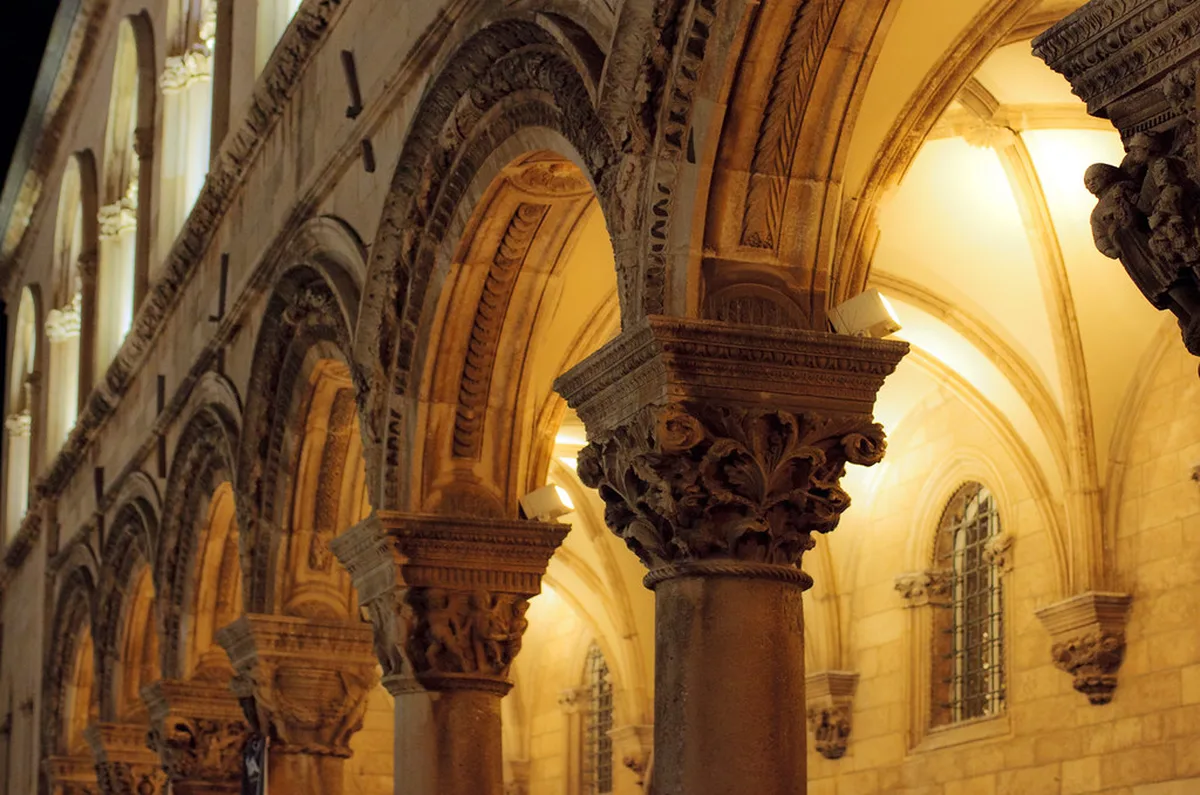
The Rector's Palace, adjacent to the cathedral near Luža Square, is a stunning architectural hybrid of Gothic arches and Renaissance capitals. In 2026 standalone adult admission costs approximately €15, but it is included in most City Pass tiers. Inside, you can find historical artifacts relating to the administration of the former Republic of Ragusa — the rector was elected for only one month at a time and was not permitted to leave the palace during his term, a deliberate check on individual power. The palace courtyard hosts classical music concerts during the Dubrovnik Summer Festival; the acoustics in the enclosed stone space are exceptional and tickets for performances start around €25.
Sponza Palace courtyard (at Luža Square) is entirely free and worth a ten-minute stop. The ground-floor loggia with its Gothic arches and Renaissance upper story represents some of the finest stonework in the entire Adriatic region. The memorial room to the 1991–92 war dead is sobering and illuminating — photographs of the young defenders line the walls with minimal commentary, a deliberate choice by the archivists to let the images speak for themselves.
Hidden Gems Beyond the Main Streets
Many visitors never find the Buža bars, which are literally built into the outer cliffs on the seaward face of the city wall. You must walk through a small hole in the city wall — a gap in the stone barely wider than a person — to reach these extraordinary seaside perches. The name Buža actually means "hole" in the local dialect, a perfectly literal description. Bar stools and plastic sun-loungers are bolted into the rock above the Adriatic, and guests jump directly into the clear sea from the ledges below. A cold local lager typically costs €5–7, and the sunset view across the water toward the Elaphiti Islands is unmatched anywhere in the Old Town. Go after 5pm for calmer conditions and a more local crowd.
The narrow residential streets on the northern side of town, climbing the slope behind Stradun via dozens of steep stone stairways, offer a quiet escape from the tourist bustle. Laundry hangs between windows and cats nap on the sun-warmed stone steps. You can see how roughly 1,500 permanent residents manage daily life — grocery deliveries, school runs, and morning coffee — inside an ancient UNESCO-listed fortress. Avoid making too much noise in these residential pockets, especially before 9am and after 10pm, to respect the locals who actually live here year-round.
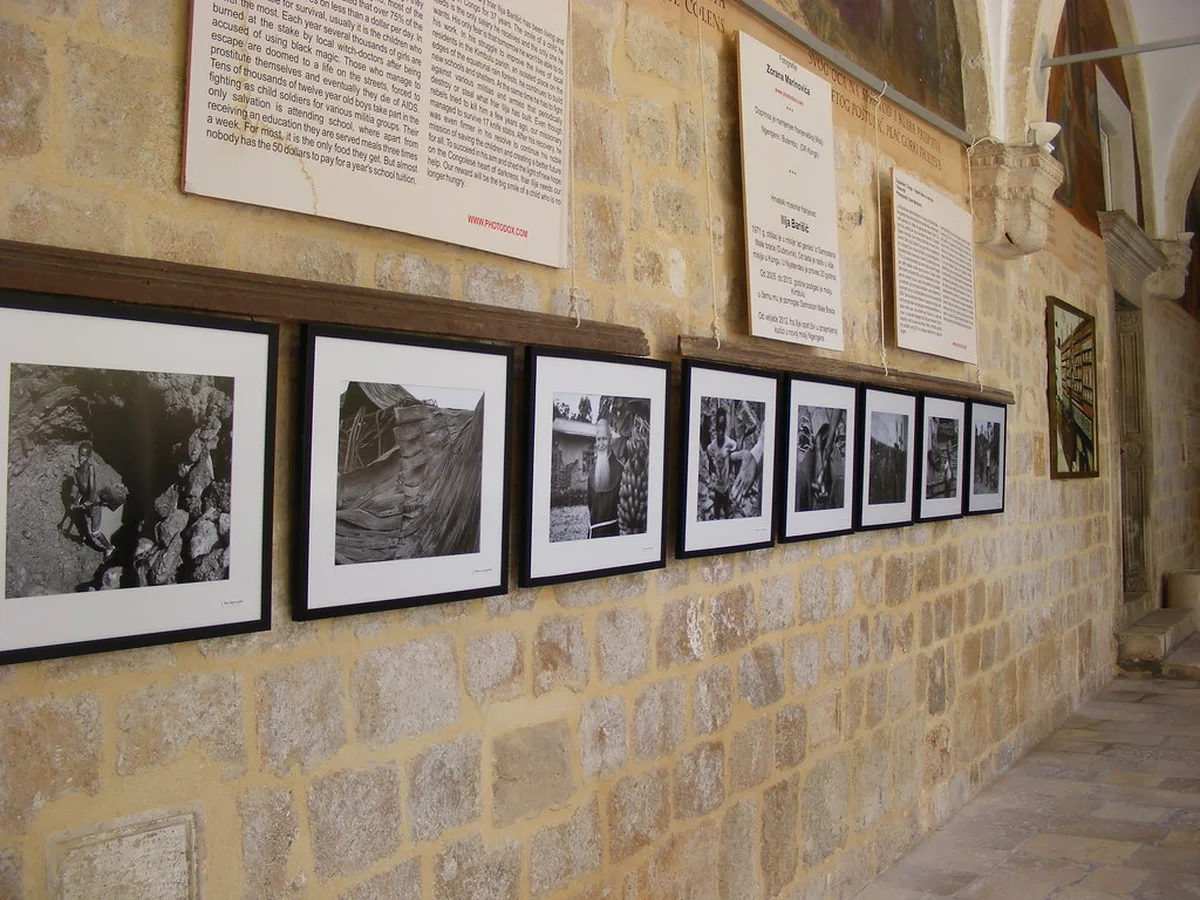
War Photo Limited is one of the most powerful and overlooked attractions in the Old Town. Located on Antuninska Street, this dedicated war photography gallery houses rotating exhibitions of photojournalism from conflicts worldwide, with a permanent section focused on the wars in the former Yugoslavia. Adult admission costs €8 in 2026 and the gallery is open seasonally (May–October). The building itself is a converted stone townhouse, and the curation is deliberately unsensational — the images are allowed to confront you directly. It is a necessary counterweight to the holiday-postcard version of Dubrovnik and provides vital context for understanding why the city walls were rebuilt so meticulously after 1991 shelling damage.
For a change of pace from stone streets, the island of Lokrum is just ten minutes by boat from the Old Port. The ferry runs every 30 minutes and costs approximately €15 return. The island is a protected nature reserve with a Benedictine monastery, a botanical garden planted by Archduke Maximilian of Austria in the 19th century, and a saltwater lake popular for swimming. It is also one of the filming locations used for King's Landing in Game of Thrones. Combine Lokrum with a day trip from Dubrovnik itinerary for a full excursion day away from the city crowds.
Where to Eat in Dubrovnik Old Town
Dining inside the walls can be expensive at the highest-profile restaurants, but knowing where to look yields far better value than most guides suggest. The key distinction is between the tourist-facing restaurants fronting Stradun and the quieter konobas — traditional Croatian taverns — tucked into the side streets and stairways behind the main thoroughfare. In 2026, expect mains at a konoba to run €15–25, compared to €25–40 at the polished Stradun restaurants. The food quality at a good konoba is often superior: slower kitchen, fresher fish, and recipes passed down through family generations.
What to order: grilled fresh fish sold by the kilogram (ask what is local and in season), black risotto made with cuttlefish ink (crni rižot, typically €16–18), prstaci — date mussels traditionally grilled with garlic, olive oil, and white wine — and peka, a slow-cooked meat or seafood dish baked under a bell-shaped iron lid buried in embers. Peka must usually be ordered 24 hours in advance; ask at your chosen konoba the day before your intended dinner. Local wines to try are Plavac Mali (a robust red from the Pelješac peninsula, €5–9 per glass) and Pošip (a crisp aromatic white from Korčula, similarly priced).
For budget meals, look for signs reading "Pekara" (bakery) for fresh pastries and local burek — a flaky phyllo-pastry filled with meat or cheese — for €2–4 per piece. Several small bakeries on the side streets sell filled rolls and pizza squares that make an excellent quick lunch under €6. Eating standing up in a courtyard with a burek and a cold water from Onofrio's Fountain costs almost nothing and is genuinely what many locals do on a busy workday.
Service charges are rarely included in Croatian restaurant bills unless explicitly stated, and tipping 10–15% is appreciated but not obligatory. Always check the bill line by line — menu prices are legally required to be in EUR and should match what you ordered. If you want a full evening out with cocktails and live music, the Dubrovnik nightlife guide covers the best bars by neighborhood and price range.
Navigating Transport and Parking Logistics
The Old Town is a strictly pedestrian zone where cars are not allowed inside at any time. Most visitors arrive at the Pile Gate, which serves as the main transport hub for city buses, taxis, and walking access from the western neighborhoods. Local buses run frequently from the cruise port at Gruž and from the broader modern city areas — bus line 1 and 2 both connect to Pile Gate and cost approximately €2 per journey. Taxis and ride-sharing apps can drop you off at the edge of the pedestrian zone directly in front of the gate.
Finding parking in Dubrovnik is notoriously difficult and expensive near the historic center, particularly in summer when the city's population can triple due to tourism. The Ilijina Glavica public garage roughly 15 minutes uphill by foot offers the most reliable option for drivers and costs approximately €4–6 per hour. Street parking in the surrounding zones uses a color-coded system — red zones require payment via mobile app or parking machine and fill up quickly after 8am. Many travelers find it far less stressful to leave their rental car at their accommodation or at the outer zones and use public buses for the short ride into the center.
The walk from the Ploče Gate to the harbor along the seafront promenade is flat and easy for most people. However, the streets leading up the hill from Stradun into the residential quarter involve hundreds of steep stone stairs — some stairways climb four or five stories without a ramp or handrail. Plan your route carefully if you are carrying heavy luggage or have mobility concerns. Porter services are occasionally available near the main gates to help with bags for an agreed fee; ask at your accommodation or the nearest tourist information office. The Dubrovnik vs Split comparison guide also covers accessibility differences between the two cities if you are deciding between destinations.
Strategic Planning for Your Visit
Timing your visit to Dubrovnik Old Town can make a dramatic difference in how much you enjoy the experience. Cruise ship schedules — usually six to ten ships per day in peak summer — dictate when the streets reach maximum density. The city publishes a daily arrival calendar online, and checking it before finalizing your plans helps you identify which mornings will be unusually crowded and which will be relatively calm. As a rule, the streets are most congested between 10am and 2pm; arriving at the Pile Gate when it opens at 8am gives you a full two hours of near-empty Stradun before the first wave of day visitors appears.
Budget planning in 2026 EUR: a full day covering wall walk (€35), Franciscan Monastery (€5), Dominican Monastery (€5), War Photo Limited (€8), a konoba lunch (€18–22), ice cream on Prijeko (€3–4), and a Buža bar drink (€6–7) comes to roughly €80–87 per person — or around €50 if you skip the two monasteries and gallery and focus on the free highlights plus the walls. The Dubrovnik City Pass bundles many of these admissions and can reduce the total if you plan to see five or more paid attractions.
Consider using the city as a base for several day trips from Dubrovnik during your stay. Boats to Lokrum Island (€15 return) depart every half hour from the historic Old Port. The island offers swimming spots and botanical gardens just ten minutes away by sea and provides a refreshing break from stone-paved streets. Further afield, the Elaphiti Islands, Montenegro, and Mostar in Bosnia and Herzegovina are all accessible as day trips. For a more structured plan, follow a Dubrovnik 3 day itinerary that sequences Old Town sights, day trips, and beach time efficiently across your stay.
Dining inside the walls costs more than eating in the Lapad or Gruž neighborhoods, but many small bakeries and konobas inside the Old Town offer affordable options if you know where to look. Always check whether a service charge is included in the bill before calculating your tip, and keep a small amount of cash as some smaller establishments still prefer it despite the legal requirement to accept card payments. The general security situation is excellent — see the safety section in the FAQ below for a full breakdown.
Dubrovnik Old Town in Summer: Managing the Crowds
July and August transform Dubrovnik Old Town into one of the most densely visited places in Europe. On peak days in 2026, the city absorbs upward of 10,000 day-trippers on top of its overnight visitors, the vast majority funneled through the Pile Gate and onto Stradun within the same three-hour window. The Dubrovnik authorities cap the number of cruise ships permitted to anchor simultaneously, but on days when six to eight ships dock at Gruž Port between 8am and 10am, the Old Town becomes genuinely uncomfortable by mid-morning. Understanding the patterns — and building your itinerary around them — is the single most effective thing you can do to improve your summer experience without changing your travel dates.
The practical strategy is to split your day into two halves. Arrive at Pile Gate when the walls open at 8am and walk the full circuit in the cool morning light, finishing by 10am before the first cruise-ship wave reaches the entrance queues. Then retreat into the side streets — Ulica od Puča, the stairways climbing toward Buža, the Dominican quarter near Ploče Gate — for two to three hours while Stradun peaks. Return to the main thoroughfare after 4pm when tenders start ferrying day-trippers back to ships, and you will find the limestone street noticeably calmer, the restaurant tables less frantic, and the light at its most photogenic. Sunset from the Minčeta Tower between 7pm and 8pm in July is typically witnessed by fewer than a hundred people at a time — far fewer than the morning rush.
Booking is critical in peak summer. City wall tickets sell out online before noon on busy days in July; purchase them the evening before via the official Dubrovnik walls website or through the Dubrovnik City Pass, which lets you skip the standard ticket queue entirely. Restaurant tables at well-regarded konobas like Kopun (near the Dominican Monastery, mains €22–35) and Kamenice (Gundulićeva Poljana square, fresh oysters €2 each, mains €18–28) also require advance reservations of 24–48 hours in peak weeks. Same-day walk-ins at peak hours will typically be turned away or offered a 9:30pm sitting, by which point fatigue from the heat and crowds has accumulated significantly.
Heat management matters more than most first-time summer visitors anticipate. The limestone of the city walls reflects heat upward from below while the sun strikes from above, creating a sandwiched heat effect that makes the 2 km circuit feel significantly hotter than the ambient air temperature. Bring at least one litre of water per person — you can refill for free at Onofrio's Great Fountain — apply high-SPF sunscreen before arriving, wear a hat with a brim, and wear light-coloured breathable clothing. Children and elderly travellers should be prioritised for the shaded sections of the walk and given the option to exit at the Ploče Gate midpoint if the heat becomes excessive. The temperature on the wall surface itself regularly exceeds 45°C on still July afternoons, even when the air temperature reads 34°C.
For visitors on a strict schedule who cannot arrive early, the Ploče Gate entrance on the eastern side of the Old Town consistently has shorter queues than Pile Gate throughout the day — sometimes 50% shorter — because it is further from the main bus drop-off points. A taxi from the Gruž cruise terminal directly to Ploče Gate costs approximately €12–15 and deposits you at the less-crowded starting point while most of your fellow passengers are walking or bussing toward Pile. This simple re-routing can save 30–45 minutes of standing in a summer queue and meaningfully shifts your first impression of the city from frustrating to magical. Combine it with a Dubrovnik 3 day itinerary to structure all your morning slots efficiently across multiple days.
- Summer Crowd Quick Tips
- Walk walls by 8am — open on the hour, queues form by 9:30am
- Buy wall tickets online the evening before: eurocityguide.com or City Pass
- Use Ploče Gate entrance — 50% shorter queues than Pile Gate
- Retreat to side streets 10am–4pm; return to Stradun after 4pm
- Refill water free at Onofrio's Fountain — save €3+ per person per day
- Book konoba dinner 24–48 hours ahead; walk-ins rarely available in July
- Cruise ship peak: 10am–2pm daily; check the daily ship calendar online
Frequently Asked Questions
Is Dubrovnik Old Town safe for tourists in 2026?
Yes, Dubrovnik Old Town is very safe for visitors at all hours of the day and night. Croatia has one of the lowest violent crime rates in Europe, and the Old Town's pedestrian-only layout and heavy tourist presence make it safer still. The main risk is petty theft — keep bags closed and secure in crowded spots near the Pile Gate and Stradun. Full safety breakdown is available in the is Dubrovnik safe for tourists guide.
How long does it take to explore Dubrovnik Old Town?
You can walk the length of Stradun in about ten minutes, but a thorough visit takes considerably longer. Allocate 1.5–2 hours for the city walls alone. Add 45 minutes each for the Franciscan and Dominican Monasteries, 30 minutes for the Rector's Palace, and an hour for wandering side streets and the Buža bars. A comfortable full day (8–10 hours) covers all major sites; a focused half-day (4–5 hours) covers the walls plus the free highlights.
When is the best time of year to visit Dubrovnik Old Town?
May, June, and September are the best months — warm enough to swim, cool enough to walk the walls comfortably, and with significantly thinner crowds than peak summer. July and August bring extreme heat (often above 35°C), maximum cruise ship traffic, and wall queues that can exceed 45 minutes. October remains pleasant for sightseeing and offers the lowest prices of the warm season. Winter (November–March) is quiet and mild but many seasonal restaurants and boat services close.
How much does it cost to visit Dubrovnik Old Town in 2026?
A full day covering the main paid attractions costs roughly €80–87 per person in 2026 EUR: city walls €35, Franciscan Monastery €5, Dominican Monastery €5, War Photo Limited €8, a konoba lunch €18–22, ice cream €3–4, and a Buža bar drink €6–7. A budget day focusing only on free highlights (Stradun, Sponza Palace courtyard, Onofrio's Fountain) plus the walls costs around €40–45. Croatia adopted the Euro in January 2023, so all prices are in EUR — no currency exchange required for EU visitors.
What is the oldest pharmacy in Europe and where is it?
The Franciscan Monastery Pharmacy on Stradun, founded in 1317, is one of the oldest continuously operating pharmacies in the world. It is located inside the Franciscan Monastery complex just inside the Pile Gate on the left-hand side as you enter Stradun. Monastery admission is €5 in 2026 and includes access to the cloister and the pharmacy museum. The pharmacy still sells herbal creams and soaps made from historic formulas for €4–12, making them a unique and affordable souvenir.
Is the Dubrovnik City Pass worth buying in 2026?
The Dubrovnik City Pass is worth buying if you plan to visit three or more paid attractions. The 1-day pass costs around €45 and includes the city walls (€35 standalone), the Rector's Palace (€15 standalone), the Maritime Museum, and several other sites. Visitors who only want the walls and plan to skip the museums are better off buying individual tickets. The pass is available digitally on your phone and activates from first use, so buy it on the morning you plan to start visiting. Full details are in the Dubrovnik City Pass guide.
Dubrovnik remains one of the most beautiful destinations in Europe for a reason. The combination of ancient history and coastal beauty creates a truly unique travel experience, and the density of world-class sights inside a single walled city is unmatched anywhere on the Adriatic. Using this Dubrovnik old town guide will help you make the most of every hour spent here — from the free pleasures of Stradun and Sponza Palace to the earned views from the Minčeta Tower at dusk.
Remember to pack comfortable walking shoes with grip, stay hydrated with the free water at Onofrio's Fountain, and budget in EUR for a city that has been in the Eurozone since January 2023. The city reveals its best secrets to those who take the time to push through the small holes in the wall, climb the unnamed stairways, and eat at the konobas without English menus out front. For a fully sequenced visit, follow the Dubrovnik 3 day itinerary to see all the highlights without retracing your steps. Safe travels as you discover the Pearl of the Adriatic.