Dubrovnik vs Split Which is Better for Your 2026 Vacation?
Dubrovnik costs €100–150 per person per day in 2026 versus €60–90 in Split; the Dubrovnik City Walls ticket is €35, while Diocletian's Palace in Split is free to enter — both cities hold UNESCO World Heritage status.
If budget is your deciding factor, Split saves you €40–60 per day over Dubrovnik and gives you far better ferry connections to Croatia's islands, while Dubrovnik delivers an unmatched cinematic Old Town experience within its intact medieval walls.
Choosing between these two stunning coastal gems often feels like an impossible task for first-time travellers. When asking dubrovnik vs split which is better, the answer depends entirely on your personal travel style and budget. Dubrovnik offers a polished, cinematic experience while Split provides a more authentic and bustling Mediterranean atmosphere. Both cities showcase the incredible beauty of the Adriatic Sea along the rugged Dalmatian coastline, and both joined the Eurozone in January 2023, so prices are now quoted in euros — no currency conversion needed.
The Atmosphere and Historical Charm
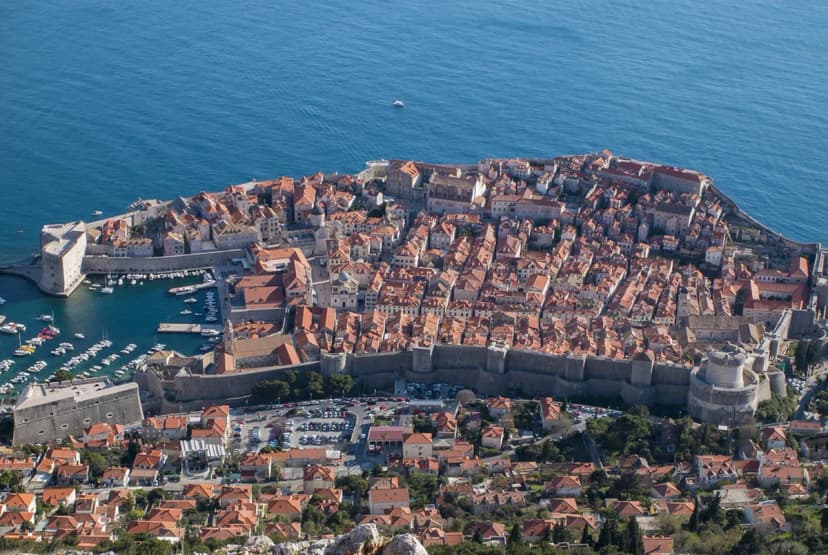
Walking along the ancient limestone streets of Dubrovnik feels like stepping directly onto a movie set. The city is famous for its perfectly preserved medieval walls that encircle the entire Old Town, and those walls earned UNESCO World Heritage status for good reason — they are one of the most complete defensive circuits in Europe, built between the 12th and 17th centuries. Travellers often enjoy the uniform Baroque architecture and the bright orange rooftops that glow during sunset from the cable car viewpoint on Mount Srđ (€12 return, 2026 rate). You will find that the area feels very curated for tourism and luxury experiences, which is exactly its appeal for many visitors.
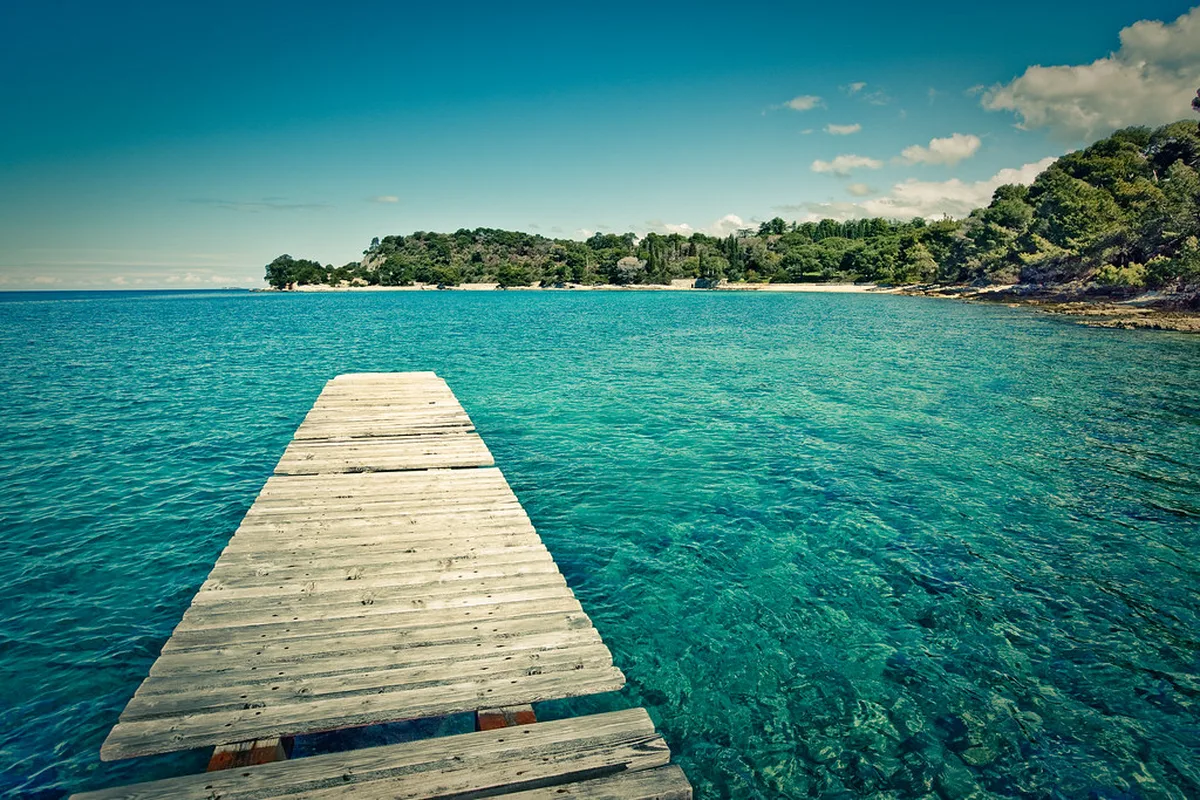
The experience inside the walls is deliberately timeless. The Stradun — the main limestone boulevard — is almost entirely pedestrianised and lined with cafes, jewellery shops, and ice cream parlours. Rector's Palace (€15 entry) gives you an atmospheric glimpse into the Republic of Ragusa, the independent city-state that governed here for five centuries. The Church of St Blaise, the patron saint of the city, stands at the eastern end and is worth ten minutes of quiet admiration. Sunset tours of the Dubrovnik city walls cost €35 per person in 2026 — book online to avoid the 45-minute queue at the gate.
Split offers a completely different vibe because it is a living city built inside a Roman palace. Diocletian's Palace, constructed around 305 AD as the retirement complex of the Roman emperor Diocletian, serves as the heart of the city where locals still live, work, and go out at night. The narrow alleys contain everything from art galleries to laundrettes tucked into chambers that were once imperial guard rooms. This is a city that breathes — residents hang washing from balconies that overlook 1,700-year-old stone corridors.
The contrast with Dubrovnik is telling. Dubrovnik was built to impress; Split was built to be lived in, and it still is. The Peristyle square at the centre of Diocletian's Palace hosts outdoor concerts in summer and is ringed by cafe tables where locals linger over espresso well into the afternoon. The Golden Gate, Silver Gate, Iron Gate, and Bronze Gate — the four original Roman entrances to the palace — are all still intact and freely walkable. A thorough visit to the Diocletian's Palace takes around two to three hours and, unlike Dubrovnik's walls, most of the palace complex is free to enter (though individual sites like the Cathedral of Saint Domnius charge €10). Both Dubrovnik's Old Town and Split's Diocletian's Palace hold UNESCO World Heritage designation — a reflection of their exceptional universal value.
Crowd levels vary significantly between the two destinations throughout the summer months. Dubrovnik often feels more crowded due to the high volume of cruise ships docking daily — on peak days in July and August, up to 8,000 cruise passengers flood the Old Town between 9am and 5pm. The city introduced a daily visitor cap of 4,000 inside the walls during peak hours in 2023, but enforcement is inconsistent. Split handles large volumes better because the city layout is more spread out across the palace, the surrounding Varoš quarter, and the Riva promenade. It is busy, but it rarely feels claustrophobic.
Dubrovnik vs Split Which is Better for Your Budget?
Budget is often the deciding factor when choosing between these two cities, and the gap is substantial. A mid-range traveller spending two nights in Dubrovnik should budget €100–150 per person per day covering accommodation, two restaurant meals, one or two entrance fees, and a few drinks. The same traveller in Split spends €60–90 per day — roughly 30–40% less across the board. Over a five-day trip, that difference of €40–60 per person per day amounts to €200–300 saved, which is enough to fund an extra island excursion or a nicer hotel in Split.
Accommodation drives the biggest cost difference. A comfortable three-star hotel room inside Dubrovnik's walls or within a ten-minute walk of Pile Gate costs €150–250 per night in peak season (June–August). The same quality room in Split's palace district or the Varoš neighbourhood runs €90–140 per night. Apartments and private rooms scale similarly: expect €80–120 per night in Dubrovnik vs €50–80 in Split for comparable quality.
Dining costs are equally revealing. A sit-down meal at a mid-range restaurant inside Dubrovnik's Old Town typically costs €30–50 per person with wine. Walk ten minutes outside the Pile Gate and prices drop by about 25%. In Split, a hearty lunch at a traditional konoba (family-run restaurant) in the Varoš neighbourhood costs €15–25 per person including a glass of local Plavac Mali wine. The daily fish market on the Pjaca (open from 7am to 1pm) lets self-caterers buy fresh sea bass or bream for €10–14 per kilo — outstanding value.
Entrance fees tell the clearest story. The Dubrovnik City Walls ticket is €35 per person in 2026 — the headline attraction and, for many visitors, a non-negotiable. The Dubrovnik City Pass (€60 for 24 hours, €80 for 72 hours) covers the walls, cable car, several museums, and bus transport — it pays for itself if you plan to do more than two attractions. Split presents a compelling contrast: Diocletian's Palace is free to enter, and the paid experiences — Cathedral of St Domnius with bell tower (€10), the Baptistery (€5), and the underground halls (€12) — are individually priced and entirely optional. You can spend half a day exploring the UNESCO-listed palace complex and pay nothing at all.
Transportation costs are a factor to consider as well. Split has an efficient local bus network (€1.50 per single journey) and is very walkable within the centre. Dubrovnik is compact enough that most visitors walk, but taxis are expensive — a ride from the cruise terminal to the Old Town costs €15–20. The No. 6 city bus from Pile Gate to Dubrovnik airport costs €2.50 vs €35+ for a taxi. Budget travellers in both cities should lean heavily on walking and public buses.
| Category | Dubrovnik | Split |
|---|---|---|
| Mid-range hotel/night | €150–250 | €90–140 |
| Restaurant meal (mid-range) | €30–50/person | €15–25/person |
| Top attraction entry | €35 (city walls) | Free (palace) / €12 (halls) |
| Ferry to nearest island | €15 (Elaphiti Islands) | €12 (Brač/Šolta) |
| Daily average (all-in) | €100–150 | €60–90 |
| UNESCO status | Yes — Old Town | Yes — Diocletian's Palace |
| Beaches | Rocky/pebble, dramatic | Sandy + pebble, more variety |
| Day trip options | Elaphiti, Montenegro, Bosnia | Hvar, Brač, Vis, Krka NP |
| Nightlife | Upscale bars, moderate | Lively clubs + palace bars |
| Family-friendly rating | ★★★★☆ | ★★★★★ |
Day Trips and Island Hopping Potential
Split is widely considered the best gateway for exploring the central Dalmatian islands, and the statistics back this up. The main ferry port, operated by Jadrolinija and Krilo, is located just steps away from the historic centre and the Riva promenade, running services to over a dozen islands year-round. From Split, you can reach Brač in 50 minutes (€7), Šolta in 60 minutes (€6), or take the fast catamaran to Hvar town in 60 minutes (€12). These are some of the most reliable and affordable inter-island connections in the entire Adriatic.
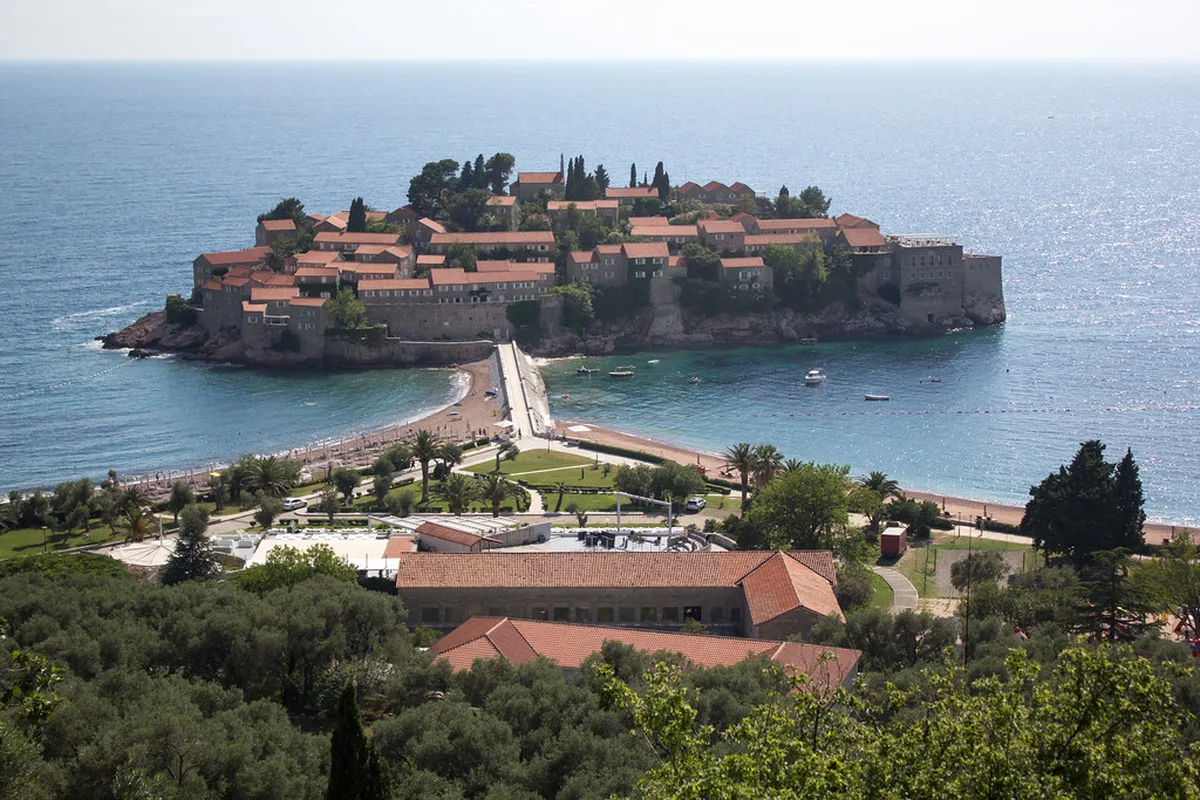
Hvar is the headline island destination from Split. The town is famous for its lavender fields, Renaissance architecture, and some of Croatia's most stylish beach bars. Paklinski Islands — a chain of pine-covered islets accessible by water taxi (€5 return) from Hvar harbour — offer secluded swimming in crystalline water. A day trip from Split to Hvar costs around €25–35 total including ferry, lunch, and water taxi. Those with more time should read the full day trips from Split guide to plan island combinations. The nearby island of Vis, further out to sea and famously less crowded, has become a top pick for travellers seeking authenticity — the catamaran from Split takes 2 hours 15 minutes (€15).
Inland from Split, Krka National Park is an easy option that does not require a boat. Buses from Split bus station run four times daily to Šibenik (90 minutes, €10), from where park shuttles connect to the falls for a further 25 minutes. The park entrance fee in 2026 is €30 in peak season (April–October). Plitvice Lakes National Park is also reachable in a long day (3.5 hours by bus, €20 one-way) though most visitors prefer to stay overnight. These national parks give Split an enormous advantage over Dubrovnik for nature-lovers.
Dubrovnik is more geographically isolated but offers unique access to neighbouring countries. A day trip to the Bay of Kotor in Montenegro is a popular choice — organised tours depart from the Pile Gate area at 8am for around €60–75 per person including transport and a guided walk of Kotor's Old Town. Bosnia-Herzegovina is also reachable: the charming Ottoman town of Mostar with its iconic Stari Most bridge is a four-hour round trip by organised bus tour (€50–65). The nearby Elaphiti Islands — Koločep, Lopud, and Šipan — offer a quieter and more natural Adriatic escape; day boat tours cost €40–55. For a full itinerary built around these options, the day trips from Dubrovnik guide covers transport, timing, and pricing in detail.
The verdict: Split wins decisively on sheer variety and affordability of day trips. Dubrovnik wins on the novelty of cross-border excursions. If island hopping is a core part of your trip, Split is the clear base. If experiencing a different country in a single day sounds appealing, Dubrovnik makes it convenient.
Beaches and Coastal Experiences
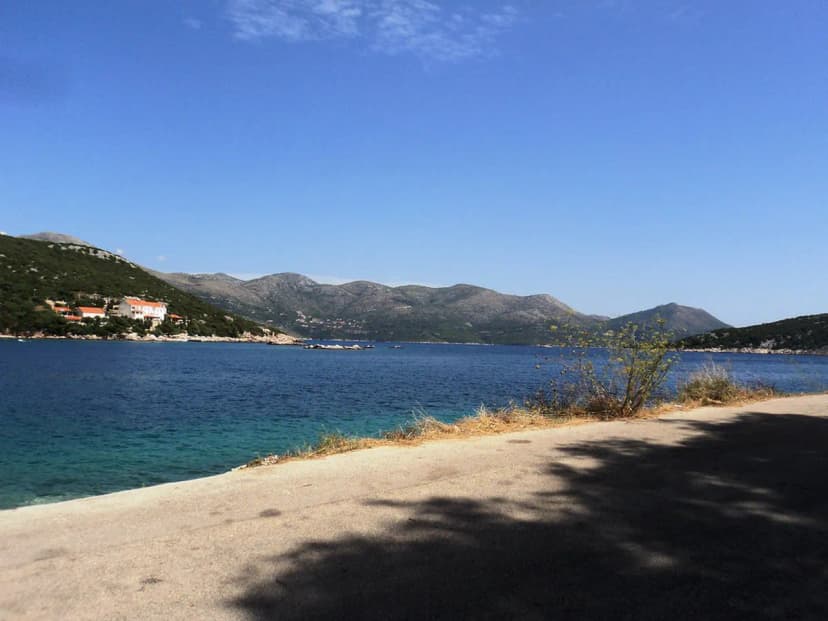
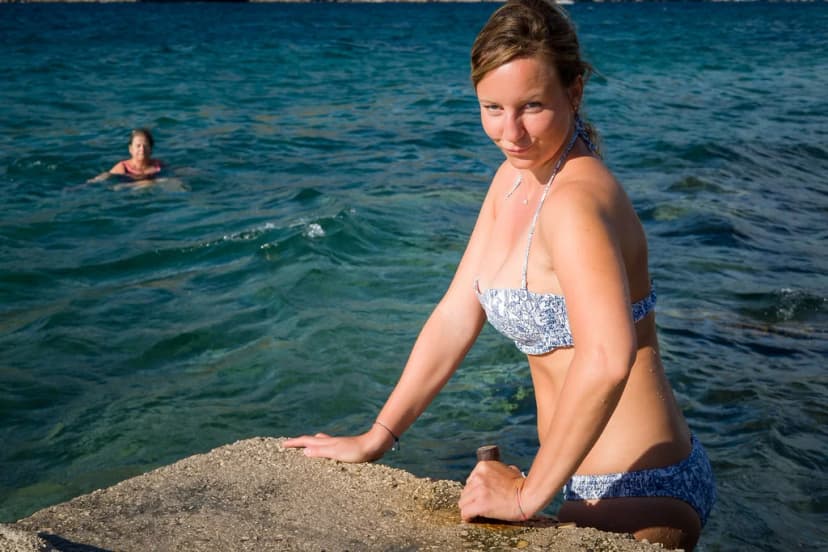
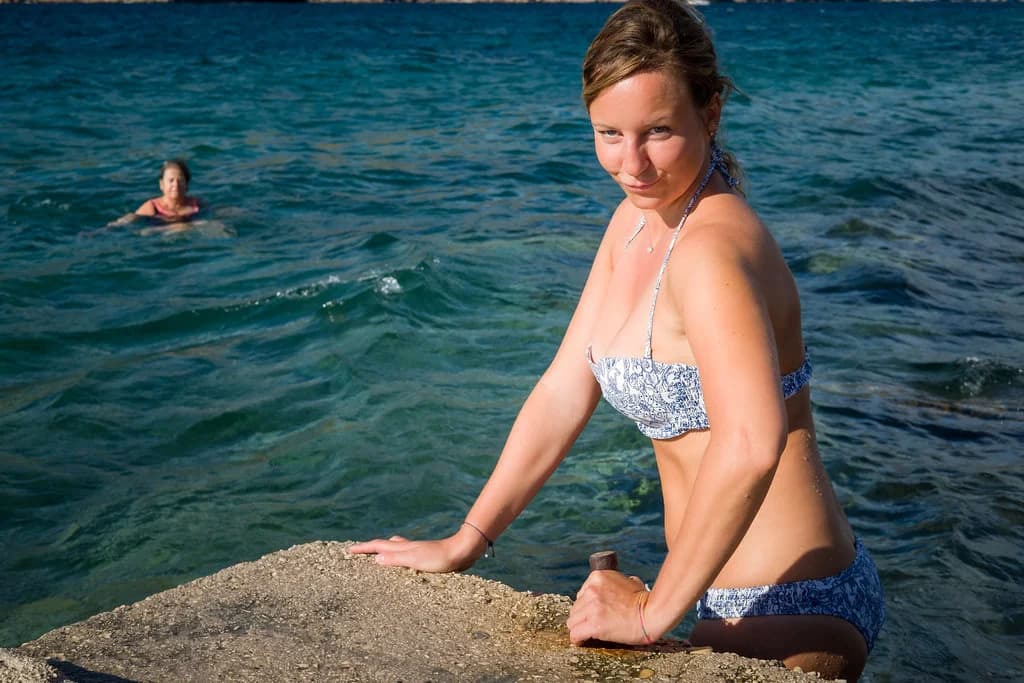
Swimming in the Adriatic is a highlight of any Croatian vacation, and both cities deliver — but in different ways. Dubrovnik's beaches are mostly rocky and pebbly, and many of the best swimming spots are reached by scrambling down stone steps from the base of the city walls. Banje Beach, the closest sandy-pebble beach to the Old Town (a seven-minute walk from Pile Gate), is privately managed; sunbeds cost €20–30 for the day in peak season. The water is clear and a vivid turquoise, but by noon the beach is packed and the neighbouring beach club (EastWest) runs cocktails at €15 apiece.
Hidden swimming spots are Dubrovnik's secret weapon. The rocks below Fort Lovrijenac, the cliffs beneath the city walls accessible from the Buža Bar (a hole-in-the-wall cliff bar where a beer costs €4–5 and you swim directly from the limestone), and the coves on the Lapad Peninsula (bus No. 7 from the centre, €1.50) all reward travellers willing to venture beyond Banje. The Elaphiti Islands day trip also gives you access to pristine pebble coves with almost no crowds outside July and August.
Split's flagship beach is Bačvice, a 400-metre crescent of the only genuine sandy beach near the city centre (a 15-minute walk east of the ferry port). It is a social institution where locals play picigin — a traditional shallow-water ball sport involving acrobatic dives — every morning. The beach itself is free, and renting a sunbed costs around €10–15 for the day. In the evenings, the Bačvice beach bar complex transforms into one of Split's most popular nightlife zones, with open-air clubs running until 4am in summer.
Marjan Hill, the forested peninsula west of the palace, offers Split's best secluded beaches. Kaštelet, Bene, and Jezinac are all pebble coves nestled at the base of pine-covered cliffs — each reachable in 20–40 minutes on foot from the city centre or in 10 minutes by taxi (€8–10). These coves are quieter than Bačvice, popular with local families, and completely free. Water quality in both cities is consistently rated Blue Flag standard. For a deeper guide on where to swim, the Split beach guide covers everything from Bačvice to Marjan's hidden coves.
Beach clubs are popular in both cities for travellers looking for a party atmosphere. Dubrovnik has upscale clubs that offer sunbeds for €20–50 per day, with service-included champagne packages running to €200+. Split's beach clubs — particularly around Bačvice and along the Znjan plateau — are significantly more affordable, with sunbed hire at €10–20 and cocktails at €8–12. Choose Dubrovnik's coast if you want dramatic cliff scenery and luxury; choose Split for sandy beaches and a more social, local vibe.
Dubrovnik vs Split: Beach and Nightlife Comparison
When comparing Dubrovnik and Split on beaches and nightlife together, the two cities occupy completely different positions on the spectrum — one leans luxury and scenery, the other leans social and affordable. Understanding this distinction can determine which city better matches your travel style.
On the beach front, Split has a clear structural advantage: Bačvice is a genuine sandy beach (a rarity on the Dalmatian coast), the Marjan peninsula provides kilometres of pine-shaded pebble coves free of charge, and the ferry to Hvar takes just 60 minutes, opening up the best beaches on Hvar island as a practical day trip. Total beach day costs in Split — sunbed hire plus lunch plus transport — come in at €25–40 per person. Dubrovnik's best beaches require more effort to reach and cost more: the signature Banje Beach sunbed package runs €20–30 per day, and the off-the-wall swimming spots at Buža Bar involve a beer at €5 and a steep limestone descent. The scenic payoff is dramatic — turquoise water framed by city walls — but the experience is more photo opportunity than swim session.
Nightlife diverges even more sharply. Split's nightlife is built into the fabric of the city. Bars and late-night spots occupy the ancient corridors and squares of Diocletian's Palace — you can order a €4 craft beer while sitting on a Roman column. The Varoš neighbourhood has wine bars and live music venues catering to locals and tourists alike. Bačvice's open-air clubs (entry free to €5, cocktails €8–12) keep a young crowd dancing until 4am on weekends from June through September. The Split nightlife guide maps out the best venues by price bracket and atmosphere.
Dubrovnik's nightlife is more restrained and significantly more expensive. The most famous spot is Revelin Club — a fortress-turned-nightclub that hosts international DJs and charges €15–20 entry, with cocktails running €15–18. Sky Bar, the rooftop terrace above the Old Town, offers stunning views but expects you to spend €20 minimum on drinks. The narrow lanes inside the walls are atmospheric for evening strolling and wine-tasting, and several terrace bars along the Stradun stay busy until midnight — but the scale of the scene is modest. Dubrovnik's nightlife suits couples looking for a romantic evening of cocktails and views; Split's nightlife suits groups and solo travellers seeking energy and affordability.
The combined verdict on beach-and-nightlife as a package: Split wins comfortably on value, variety, and atmosphere for most travellers. Dubrovnik wins on scenery and romance. If your ideal evening involves a €12 cocktail at a rooftop bar overlooking UNESCO walls, Dubrovnik delivers uniquely. If your ideal day involves a free sandy beach followed by a cheap lively night out, Split is the clear choice — and it does not require choosing between the two, since the nightlife is built metres from the beach at Bačvice.
Practical summary for 2026 beach-and-nightlife planning: Budget €25–50 per person for a full beach + nightlife day in Split; budget €60–100 per person for the equivalent experience in Dubrovnik. Over a three-night stay, that differential adds €105–150 to your total trip cost — enough to fund an extra island day trip or a nicer dinner at a seafront konoba.
Which to Visit First If You Are Doing Both?
A significant gap in most comparison guides is practical advice for travellers who plan to visit both cities on the same trip — which is extremely common on a Croatia itinerary. The sequencing matters both logistically and emotionally.
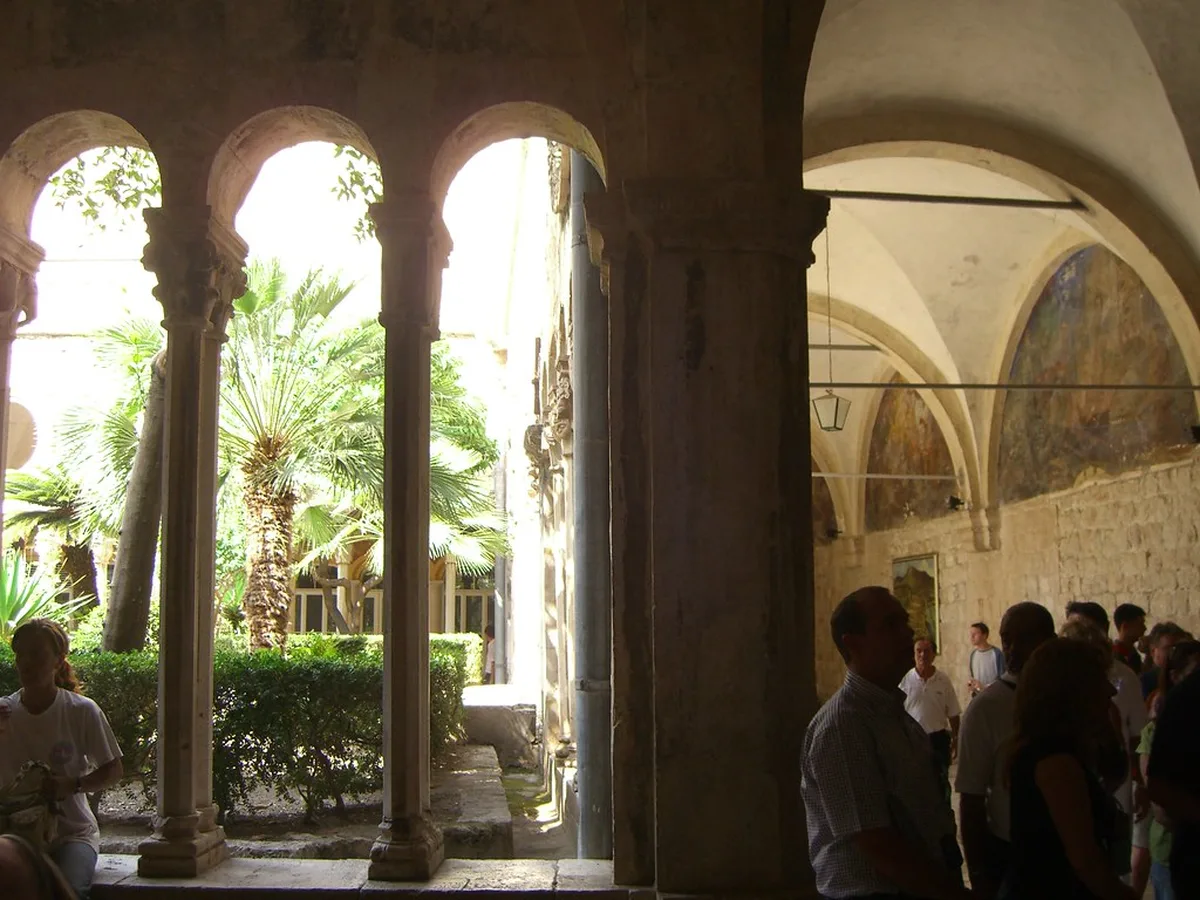
The recommended order is Split first, Dubrovnik second. Here is the reasoning: Split is the larger transport hub, so it is almost always the easier arrival point — whether you are flying in (Split Airport is served by more low-cost carriers than Dubrovnik in 2026, including Ryanair, easyJet, Wizz Air, and Vueling), arriving by overnight ferry from Ancona or Bari, or coming overland from Zagreb. Setting up your island base in Split first means you can take catamaran day trips to Hvar, Brač, or Vis without worrying about expensive last-minute rebooking. After three to four days in Split and the islands, the journey to Dubrovnik becomes an experience in itself.
The catamaran journey from Split to Dubrovnik (operated by Krilo, departing daily May–October at 7:30am, arriving ~1:30pm, €40–50 per person) passes through the outer Dalmatian islands and delivers you to Dubrovnik's harbour with the city walls visible from the water — arguably the best possible first impression. An alternative is the Jadrolinija coastal ferry (overnight option, ~€30, cabin extra), which departs in the evening and arrives early morning, letting you start sightseeing immediately. The public bus from Split to Dubrovnik takes 4.5 hours and costs €20–25 but passes through Neum, the short stretch of Bosnia-Herzegovina coastline, requiring a brief passport check.
Emotionally, the sequencing also works well. Split is the warmer, easier city to settle into — its relaxed Dalmatian pace eases you into Croatian travel. Dubrovnik, with its higher prices, larger crowds, and more intense visual drama, is best experienced when you have your bearings and know what to expect from Croatia. Ending your trip in Dubrovnik also gives you a memorable final image — sitting on the walls at sunset before flying home — rather than spending your last days in a transit hub.
Suggested split: 3–4 nights in Split (including one island day trip), then 2–3 nights in Dubrovnik. A seven-night trip covering both cities plus one island is very achievable. Use the Split 3-day itinerary and the Dubrovnik 3-day itinerary as your day-by-day planning frameworks.
Best Time of Year to Visit Each City
The ideal travel window differs between the two cities in subtle but important ways. Both sit on the Dalmatian coast with a Mediterranean climate — hot, dry summers and mild, rainy winters — but their crowd profiles and pricing peak slightly differently.
July and August are peak months for both cities. Dubrovnik sees its most extreme crowds during this window, with daily temperatures reaching 32–35°C and cruise ship arrivals sometimes exceeding 15,000 passengers per day. Hotel prices inside the walls can reach €300+ per night for a basic double room in August. If you are set on visiting in summer, book accommodation at least three to four months ahead. The city walls walk is best done at 7am before the heat and crowds arrive — it opens at 8am in summer (€35).
Split in July and August is busy but more manageable. Temperatures are similar (30–33°C), but the city's layout distributes visitors more naturally, and the ferry hub means there is constant movement in and out. The Bačvice beach area becomes a hub of outdoor parties and live music in the evenings. Hotel prices peak at €120–180 per night for a mid-range room in August.
The sweet spot for both cities is May, June, and September — shoulder season. Temperatures are warm but not oppressive (22–27°C), ferry services to the islands are in full operation, and prices drop 20–30% from peak rates. Crowds are noticeably thinner, especially in June, when Italian and German school groups have not yet arrived for summer. September is arguably the best single month to visit: sea temperatures are at their warmest (24–25°C), harvest season brings fresh seafood and local wines to menus, and the Stradun in Dubrovnik is actually walkable at midday without queue-busting crowds.
October through April is the low season. Both cities take on a completely different character — quieter, cheaper, and more authentically local. Dubrovnik is particularly appealing in spring (March–April) when the surrounding hills are green and the Old Town feels genuinely serene. Split is an all-year-round city with a permanent population of 175,000, so it never fully closes down; the Diocletian's Palace complex is if anything more atmospheric on a misty November morning than in high summer. Winter flights and hotels are often 40–50% cheaper, making a long-weekend visit to either city very affordable.
Decision Matrix: Which City Should You Choose?
Your final choice should align with your priorities for history, budget, onward travel, and travel style. Couples often find the romantic lighting and polished presentation of Dubrovnik perfect for a short honeymoon or anniversary stay. Solo travellers and groups typically prefer the energy, nightlife, and ferry connections found in Split. Using the Dubrovnik 3-day itinerary can help you maximise a short stay of two to three nights without feeling rushed.
One often-overlooked factor is checking the cruise ship schedule for 2026 before booking. A quiet weekday in Dubrovnik is magical, but a day with three cruise ships in port can feel overwhelming and oppressively hot on the narrow Stradun. The Dubrovnik Port Authority publishes ship arrival schedules weeks in advance on its official website. Cross-referencing your travel dates with the schedule can meaningfully improve your experience — many savvy travellers specifically choose arrival and departure days to avoid the heaviest ship days.
Safety is a non-issue in both cities. Both rank among the safest cities in Europe for tourists. The Dubrovnik safety guide covers practical considerations like pickpocket hotspots (Stradun during cruise hours), heat-related risks in summer, and swimming safety on the rocky coastline. The main precaution for both cities in summer is heat: carry water, use sunscreen, and avoid the midday walls walk without shade protection.
- Choose Dubrovnik for a cinematic and romantic escape
- Type: Luxury sightseeing and photography
- Best for: Couples, honeymoons, solo photographers
- Where: Southern Dalmatia, 3.5 hours from Split
- Daily budget: €100–150 per person
- Recommended stay: 2–3 nights
- Choose Split for island hopping, local energy, and better value
- Type: Active exploration and island base
- Best for: Backpackers, families, groups, and longer stays
- Where: Central Dalmatia, ferry hub for 10+ islands
- Daily budget: €60–90 per person
- Recommended stay: 3–5 nights
- Choose both if you have at least one week
- Type: Full coastal tour — Split first, Dubrovnik last
- Best for: First-time visitors to Croatia
- Recommended route: Split (3–4 nights) → catamaran → Dubrovnik (2–3 nights)
- Total budget: €800–1,200 per person for 7 nights
Frequently Asked Questions
Is Dubrovnik more expensive than Split?
Yes. In 2026, a typical mid-range traveller spends €100–150 per day in Dubrovnik versus €60–90 per day in Split — a difference of roughly €40–60 per person per day. The Dubrovnik City Walls ticket alone costs €35; Diocletian's Palace in Split is free to enter, with optional paid sites (underground halls €12, Cathedral €10) available individually. Hotel rooms inside Dubrovnik's Old Town average €150–250 per night in peak season versus €90–140 for comparable quality in Split's palace district.
Does Dubrovnik or Split have UNESCO World Heritage status?
Both cities have UNESCO World Heritage status. Dubrovnik's Old City was inscribed in 1979 for its remarkably well-preserved medieval walls, Baroque architecture, and the historic fortifications of the former Republic of Ragusa. Split's historic centre — centred on Diocletian's Palace, built around 305 AD — was inscribed in 1979 as well. Both designations recognise outstanding universal value; the key difference is that Dubrovnik charges €35 to walk its walls, while Split's Diocletian's Palace complex is free to enter and still inhabited by local residents.
How do I travel between Split and Dubrovnik?
The best option is the Krilo fast catamaran, which runs daily May–October, departs Split at 7:30am, arrives Dubrovnik around 1:30pm, and costs €40–50 per person. The route passes through beautiful island scenery and delivers you directly to Dubrovnik's harbour. The public bus takes 4.5 hours, costs €20–25, and crosses briefly into Bosnian territory at Neum (bring your passport). Driving by car along the coastal road is scenic but adds border-crossing time unless you use the Pelješac Bridge, which bypasses the Neum corridor.
Which city has better nightlife for young travellers?
Split has significantly better nightlife. The bars inside Diocletian's Palace — particularly on the Peristyle square and in the labyrinthine alleys of the Varoš neighbourhood — stay busy until 2am, while the open-air clubs along Bačvice beach run until 4am on weekends in summer. Cocktails cost €8–12 and entry to most venues is free or under €5. Dubrovnik has a few well-known nightlife spots (Revelin Club hosts international DJs; entry €15–20, cocktails €15–18) but the scene is smaller, more upscale, and significantly more expensive. Budget-conscious nightlife travellers will find Split far superior.
Which city is better for families with children?
Split is the better choice for families. Bačvice beach is shallow and sandy — ideal for young children — and the Marjan Forest Park provides shaded walking trails and picnic areas within easy reach of the centre. The city's manageable scale, lower daily costs (€60–90 vs €100–150 in Dubrovnik), and proximity to ferry services for island day trips make it easier to keep mixed-age groups happy. Dubrovnik's steep steps, rocky shoreline, and high prices make it less practical for families with young children, though older children who love history will enjoy the city walls walk (€35 per adult, children under 12 free).
What is the best time of year to visit Dubrovnik and Split?
The best months for both cities are May, June, and September. Temperatures sit at 22–27°C, ferry services are fully operational for island trips, and hotel prices are 20–30% lower than the July–August peak. September is particularly recommended: the sea is at its warmest (24–25°C), harvest-season menus feature fresh seafood and local wines, and crowds thin noticeably after 1 September. Avoid peak Dubrovnik in late July and August if you dislike large cruise crowds — up to 8,000 cruise passengers can descend on the Old Town in a single day.
How many days do you need in each city?
Dubrovnik needs 2–3 days to cover the city walls (€35), Old Town sightseeing, the cable car to Mount Srđ (€12), and one half-day beach or island trip. The city is compact and most visitors feel satisfied after three full days. Split rewards a longer stay of 3–5 days because it functions as a base for island hopping — each island day trip (Hvar, Brač, Vis, or Šolta) adds a full day. If you are doing both cities, plan 3–4 nights in Split and 2–3 nights in Dubrovnik for a well-balanced seven-night itinerary.
Ultimately the debate of dubrovnik vs split which is better comes down to your personal preferences, your budget, and how you want to use your time on the Dalmatian coast.
Dubrovnik is a must-see for its world-class UNESCO beauty and cinematic historical significance — but budget for €100–150 per day, factor in €35 for the City Walls, and visit in May, June, or September to get the experience it deserves.
Split offers a more authentic look at Croatian life, dramatically better value at €60–90 per day, free access to its own UNESCO-listed Diocletian's Palace, and the best ferry connections in the Adriatic for exploring the islands.
If you have a week, do both: Split first, Dubrovnik last, catamaran between them. For step-by-step planning, explore the Dubrovnik Old Town guide and the Split 3-day itinerary to start building your perfect Croatian coastal trip.