The Ultimate Split Nightlife Guide for an Epic Night Out
Split nightlife in 2026 centers on Diocletian's Palace bars (cocktails €10–14, open until 2 AM), Bačvice Beach clubs (free entry, open until 5 AM), and Zbirac beach bar where entry is free and cocktails run €10–15 — the Adriatic's most social open-air terrace.
The bar scene inside Diocletian's cellars kicks off from 10 PM, with beer €4–6 in the palace courtyards; Bačvice beach clubs including Meštrović Gallery-area terraces and Tropic Club are free to enter and pack out by 1 AM in summer 2026.
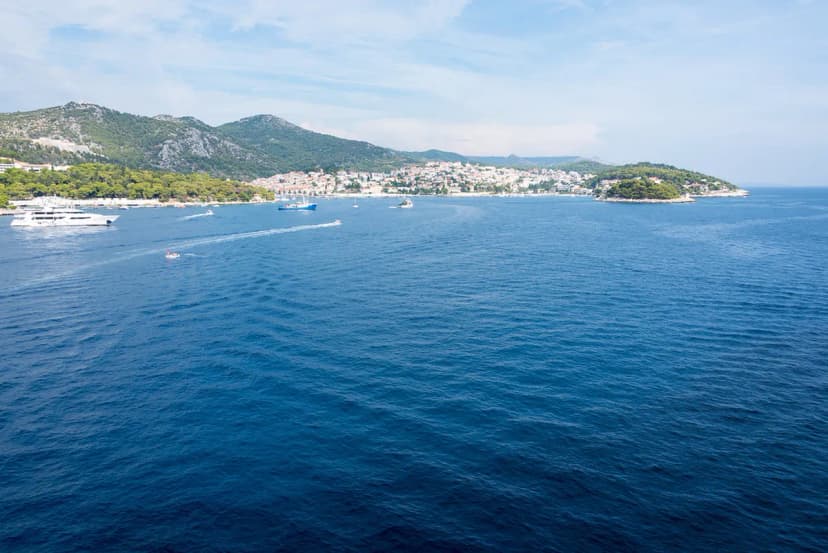
Split offers a unique blend of ancient Roman architecture and a high-energy party scene that keeps visitors dancing until dawn. This coastal city transforms into a vibrant playground once the sun sets over the Adriatic Sea, with every corner of the historic core revealing a new terrace, basement bar, or candlelit wine room.
Travelers can find everything from hidden craft cocktail bars inside 1,700-year-old palace walls to massive open-air clubs along the sandy shores. Our comprehensive split nightlife guide covers the best spots to grab a drink in 2026, complete with entry prices, opening hours, and honest local tips on what to skip.
Whether you want a quiet glass of local Plavac Mali wine or a wild boat party to Hvar, this city provides endless evening options. Understanding the local layout and customs will help you maximize your time without wasting money on tourist traps or getting caught out at 3 AM without a ride home.
Best Areas to Explore Split Nightlife
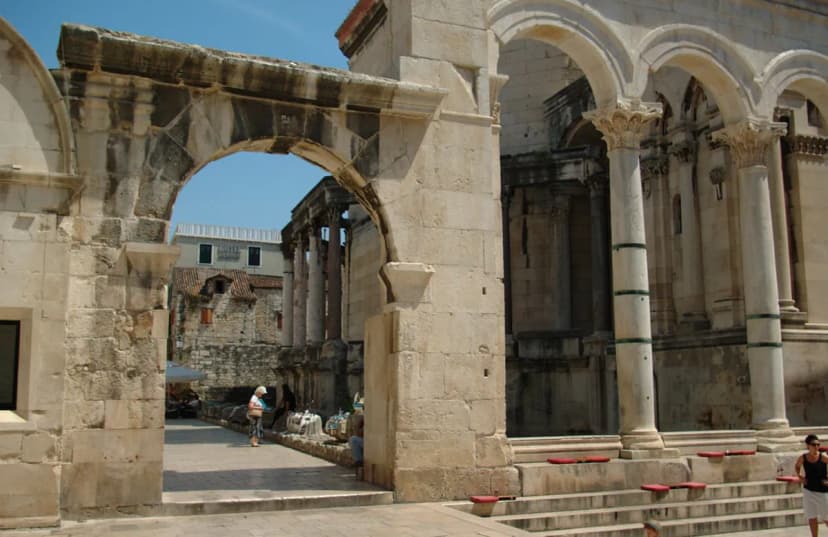
The heart of the action begins within the ancient walls of Diocletian's Palace, where the Roman emperor's 4th-century residence now houses dozens of bars, cafés, and live-music spots. Most visitors start their night with a stroll through the Split Old Town guide to find charming bar terraces spilling onto stone-flagged squares. The palace peristyle—the main ceremonial courtyard—is surrounded by outdoor tables where a cold Karlovačko beer costs €4–6 and the atmosphere is unbeatable on a warm summer evening.
Narrow stone alleys hide small pubs where people spill out onto the steps with drinks in hand. This area remains the best choice for social mingling between roughly 8 PM and midnight, before the larger clubs open their doors. The basement level beneath the palace—the Vestibule and underground cellars—hosts some of the most atmospheric venues in Croatia, where cocktails are served under barrel-vaulted Roman ceilings lit by candlelight.
Bačvice Beach serves as the primary destination for those seeking a high-energy clubbing atmosphere near the water. The beach sits about fifteen minutes on foot from the main harbor promenade, following the coastal path south from the Riva. In 2026, the cluster of beach clubs here—Tropic Club, Vanilla, and several smaller terrace bars—stays open until 5 AM most summer nights, making it the go-to spot once the Old Town quiets down after 2 AM.
Local youth often gather at Matejuška, a small fishing port located at the western end of the Riva promenade. This spot is perfect for a budget-friendly beer—bottles cost €3–4 from nearby kiosks—while enjoying the sea breeze and watching fishing boats rock gently in the harbor. It has a distinctly local feel that is much harder to find once you move deeper into the tourist zones.
Puls Bar, located just off the Brace Radic square inside the Old Town walls, is one of the most beloved institutions among residents. Its outdoor terrace wraps around a medieval square and draws a relaxed, mixed crowd of locals and travellers every evening. A beer here costs €5–7, and the vibe is convivial rather than flashy—exactly the kind of place where you end up staying two hours longer than planned. It does not advertise heavily, so many tourists miss it entirely.
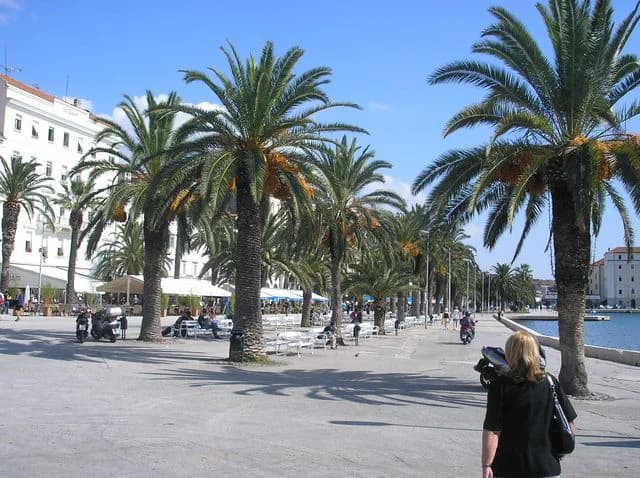
The Riva—the long harborfront promenade—ties all these zones together. Walk west toward Matejuška for the local scene, east toward the ferry terminal for boat-party departures, or cut directly through the Golden Gate into the palace core for bar-hopping. The Riva is pedestrianized, well lit, and safe to walk at any hour, making it a reliable orientation point for planning your evening route. Read our Split 3 day itinerary to see how to build a full evening schedule around these zones.
Diocletian's Palace Bars: Intimate Nightlife Inside Roman Walls
The bars inside Diocletian's Palace are unlike anything else in Croatia. The palace complex covers roughly 30,000 square metres of the Old Town and its basement level—the underground chambers directly beneath the emperor's apartments—now houses several of Split's most atmospheric drinking spots. Low Roman arches, rough stone walls, and flickering candlelight create an ambience that no purpose-built bar can replicate.
Sanctuary Bar is one of the standout cocktail destinations in this zone. Tucked into the palace's western wall, it seats perhaps forty people in an intimate, dimly lit interior that fills quickly after 10 PM. Craft cocktails run €10–14 each—think smoked Negronis, Adriatic-inspired spritz variations, and seasonal sours built with local spirits. The bartenders take their craft seriously, and the quality is noticeably higher than the tourist-facing spots near the main square. Arrive before 9:30 PM in summer to guarantee a seat.
Puls Bar occupies an outdoor square near the Brace Radic corner of the palace and doubles as one of the city's best people-watching perches. Beers cost €5–7 and the kitchen serves light bites. It is busiest from 7 PM to midnight when a mix of locals finishing work, expats meeting friends, and travellers discovering it for the first time creates a genuinely convivial atmosphere. There is no entry charge and no dress code—the most democratic spot in the palace nightlife scene.
The basement cellars beneath the palace peristyle host a rotating cast of pop-up bars and wine rooms, particularly in summer. One well-established name here is Zinfandel's Wine Bar, which focuses on Croatian varietals—Plavac Mali, Pošip, Grk—served by the glass from €6–9. The wine list changes seasonally and the staff can guide you toward bottles from nearby Hvar and Pelješac peninsula vineyards. It is an excellent option for a sophisticated pre-club stop or for travellers who prefer wine over cocktails.
Charlie's Bar sits near the Golden Gate entrance and attracts a younger, higher-energy crowd. It is one of the city's best-known backpacker social hubs, with beer promotions, communal tables, and a noisy terrace that spills onto the surrounding alleys most nights. Beer runs €4–7 and the bar stays open until around 2 AM. The atmosphere is fun rather than refined—expect to swap itinerary tips with fellow travellers rather than enjoy a quiet conversation. Charlie's also functions as an informal information desk: staff and regulars generally know which clubs have events on that night.
Fabrique Pub offers a larger, industrial-style space near the Riva entrance that suits groups who want to settle into a single venue for the evening. Drafts of international and Croatian craft beer start at €6 per pint, and the food menu—burgers, platters, shared plates—is solid enough to make it a combined dinner-and-drinks stop. It can accommodate large tables without a reservation, which makes it a practical option for groups of six or more who struggle to find space in the smaller palace bars.
Bačvice Beach Clubs: Dance Floors by the Sea
Bačvice Beach is Croatia's most famous urban beach and, after dark, it transforms into the city's primary clubbing district. The cluster of venues here operates on a different timeline from the Old Town bars: most only hit full capacity around 1 AM and stay open until 5 AM or sunrise on weekends. If you find the palace bars closing just as you are getting started, Bačvice is where to go next.
Tropic Club is the anchor venue at Bačvice, a large open-air terrace club built right on the beach. Entry in 2026 is free before midnight; a €5–10 cover applies after that, depending on the event. Inside, two separate areas run simultaneously—a DJ stage playing commercial house and EDM at high volume, and a more relaxed lounge section where table service is available. Bottle service packages start at approximately €150–200 and are popular with groups celebrating birthdays or stag parties. Even without bottle service, the bar prices are reasonable by club standards: cocktails €10–13, beer €6–8.
Vanilla Club sits adjacent to Tropic and caters to a slightly older crowd interested in more curated DJ lineups. The venue hosts themed nights—Latin Fridays, deep house Saturdays—and entry typically costs €5–10. Its covered outdoor terrace protects against the occasional summer evening rain shower that can catch visitors off guard. Vanilla's social media is the easiest way to check weekly event schedules before you arrive in Split.
Teak Club is a third major player in the Bačvice zone, positioned slightly inland from the beachfront. It focuses on DJ nights featuring house, techno, and Balkan pop depending on the evening. Entry runs €10–15 and includes a welcome drink on most nights. Teak draws a mix of local students and international visitors and tends to be slightly less crowded than Tropic, making it a good option if you prefer a bit more space on the dance floor. The sound system is notably powerful for an open-air venue.
The walk from the palace to Bačvice takes about fifteen minutes along the coastal path, or about six minutes by Bolt (expect €4–6 at normal hours, more like €7–10 after midnight surge pricing). Most venues here close by 5–6 AM, after which the beach itself quietly fills again with early-morning swimmers—one of Split's most surreal and enjoyable collisions of nightlife and everyday life. Check the full range of beach options during daytime hours in our Split beach guide.
Split's Bačvice Beach Party Scene: Summer Nightlife by the Sea
Bačvice Beach is the undisputed center of Split's summer party scene, combining a sandy urban beach, open-air bars, and serious nightclubs into one compact strip that runs nonstop from sundown to sunrise. The area sits roughly fifteen minutes on foot south of Diocletian's Palace along the well-lit coastal path — close enough to walk, early enough to go back-to-back between palace bars and beach clubs in a single night.
Zbirac beach bar is the essential first stop. Perched on the rocky promontory at the southern end of Bačvice, Zbirac has free entry at all times and charges €10–15 for cocktails — gin fizzes, Aperol spritzes, and local rakija-based mixes are the most popular orders. The terrace wraps around the seafront with unobstructed views of the Adriatic and the city skyline to the northwest. It operates from late May through September, typically opening at noon and staying open until around 2 AM. Arrive around 8–9 PM to claim a good table before the evening rush; by 10 PM in July the outdoor terrace is at capacity. There is no reservation system, so showing up early is the only strategy.
The Meštrović Gallery area — the stretch of coastal path running between the gallery building and the Bačvice bay — hosts a cluster of seasonal terrace bars that appear in early June and run through early September. These are informal, low-key setups: plastic chairs on stone terraces, cold beer at €4–6 a bottle from a cooler, and a sound system playing Croatian pop. The crowd here is mostly local: students, young professionals, families eating late. It is the best free-of-charge, genuinely local nightlife experience in Split, and most tourists walk straight past it. No entry charge, no dress code, cash preferred.
By midnight, the action shifts from Zbirac and the terraces toward Tropic Club, Vanilla, and Teak — the three main beach clubs at Bačvice. Tropic Club draws the largest crowds, with a dual-zone layout (DJ stage and lounge) and entry free before midnight, €5–10 after. Vanilla Club focuses on curated DJ nights (Latin Fridays, deep house Saturdays) with €5–10 entry. Teak sits slightly inland with a stronger sound system and a house/techno focus; entry is €10–15 and usually includes a welcome drink. All three run until 5 AM or sunrise on weekends.
Beach party logistics at Bačvice are straightforward: the coastal path from the palace is safe at any hour, takes fifteen minutes on foot, and is well lit. A Bolt from the Old Town costs €4–6 at normal hours and €7–10 after midnight surge pricing. The beach itself reopens to swimmers at dawn — one of the more surreal contrasts in Croatian travel. If the beach clubs are still going and you want to continue after 5 AM, ask Tropic or Vanilla staff where the after-parties are; these move seasonally and are not publicly advertised. For a full picture of Bačvice during daylight hours, our Split beach guide covers swimming, the picigin ball game, and daytime facilities in detail.
Summer weekends in July and August see the Bačvice zone at absolute capacity. Ultra Europe festival week (typically early July at Poljud Stadium) is the single busiest period: clubs charge premium entry (Tropic €15–20, Teak €20–25) and queues form by 11 PM. Book festival-week accommodation well in advance and expect Bolt surge pricing to double. Outside peak weeks, the beach party scene remains vibrant and accessible without the festival-weekend crowds or costs.
Iconic Nightclubs for Dancing Until Dawn
Central Club is the most famous indoor venue in Split, located just steps away from the historic palace perimeter on the edge of the Old Town. This former cinema has been converted into a multi-floor nightclub featuring impressive light installations, a professional sound system, and international DJs performing most weekends from late June through early September. The interior retains some of its original architectural grandeur—high ceilings, a wide central floor—which gives it a sense of scale that the smaller palace bars cannot match.
Entry to Central Club in 2026 ranges from €15 to €30 depending on the event and the calibre of the DJ. Bigger acts—visiting Ibiza residents, festival warm-up shows—push toward the top of that range. On quiet mid-week nights the cover may drop to €10–12. Drinks inside are priced at the upper end for Split: cocktails €12–16, beer €7–9. Dress codes are enforced on busy nights; smart-casual is the safe choice, and flip-flops or athletic wear will likely result in refusal at the door. The club typically hits peak capacity around 1:30–2:00 AM and stays open until 5 AM or later on Saturday nights.
Teak Club (also covered in the Bačvice section) is worth mentioning again here because it sits mid-range between the beach-terrace vibe and the full indoor nightclub experience. Entry is €10–15, the DJ programming is consistent, and it maintains a more relaxed atmosphere than Central while still delivering quality sound and a proper dance floor. It is the better choice on nights when you want to dance but not queue for forty-five minutes at a door.
For visitors who prefer a live-music format over DJ sets, Marvlvs Library Jazz Bar is a standout. Located inside the palace walls, it occupies what was once a Roman-era library and now hosts jazz, blues, and acoustic sessions most evenings from around 9 PM. Entry is typically free; you pay for drinks (beer €6–8, wine by the glass €6–10). It fills quickly—arrive early or book a table via their Instagram if you want a guaranteed seat during July and August.
Club hours in Split follow an unwritten rule: the Old Town bars and wine rooms wrap up between 1 AM and 2 AM, the beach clubs and larger nightclubs run until 5 AM, and a handful of after-hours spots exist but are not advertised publicly. If you want to continue past 5 AM, ask bar staff at Tropic or Vanilla where people go—the answer changes seasonally. For a complete picture of daytime options before your evening begins, the Split walking tour by dusk is a good way to scout bar locations in daylight.
Boat Parties and Zrće Ferry Trips
Split is the main departure hub for boat parties across the Dalmatian coast, and joining one is a quintessential part of the city's summer nightlife. The standard offering is a daytime cruise that departs from the Riva in the early-to-mid afternoon, visits one or two islands—typically Hvar and the Blue Lagoon—then returns to Split by sunset or early evening, sometimes with club entry included at the end. These standard sunset cruises cost approximately €40–60 per person in 2026 and sell out weeks in advance during July and August.
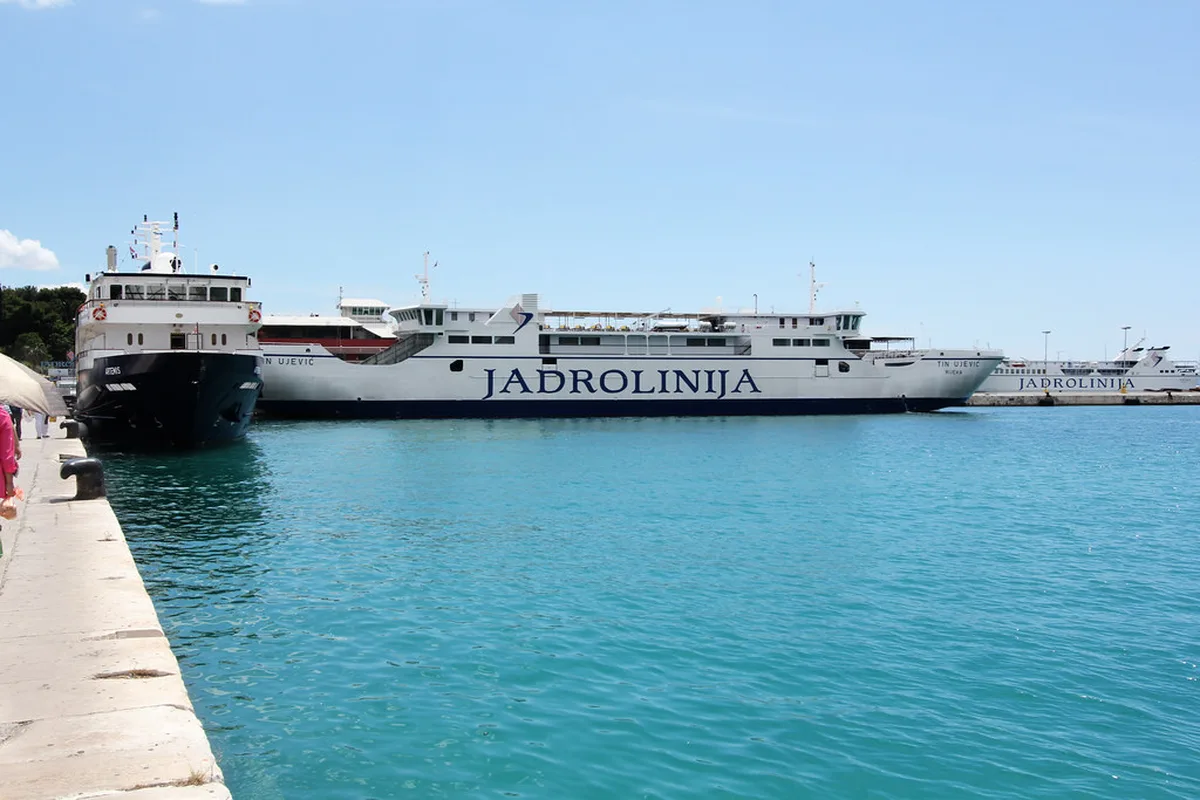
The more serious party option is a catamaran trip to Zrće Beach on the island of Pag, which has developed into Croatia's answer to Ibiza over the last decade. Zrće hosts several open-air superclubs—Aquarius, Papaya, Noa—that run all-night events featuring top-tier international DJs. From Split, the fastest route is a catamaran from the Riva; journey time is roughly two to three hours depending on the vessel and any stops. Prices in 2026 typically run €35–50 one-way or €60–90 for a return-trip party package that includes entry to a Zrće club. Return catamarans are generally scheduled for early afternoon the following day, so plan for an overnight stay on Pag or a very late return.
Day-trip boat parties that stay closer to Split—circling Brač, stopping at Zlatni Rat beach, or hopping between Dalmatian islands—are a more relaxed format and suit travellers who want the social atmosphere of a party boat without the full Zrće commitment. These shorter trips depart from the Riva ferry dock and cost €30–55 per person. Our day trips from Split guide covers the island options in full, including which ferries reach Hvar fastest.
Booking advice: purchase boat party tickets at Riva kiosks the morning before your planned date rather than the same evening—popular tours close out by noon in peak season. Look for operators with reviews on TripAdvisor rather than accepting offers from promoters who approach on the promenade; the latter sometimes oversell boats and provide worse on-board experiences. Take a light jacket even in July; the Adriatic breeze at speed is colder than you expect.
Wine Bars and Low-Key Evenings in Split
Not every night in Split has to involve a dance floor or a DJ. The city has a quietly excellent wine scene built around Croatia's distinctive indigenous grape varieties, and a well-chosen wine bar can be one of the most memorable evenings you have on the Dalmatian coast. Croatia joined the Eurozone in January 2023, so all prices are now quoted in euros—no currency confusion to navigate.
Zinfandel's Wine Bar inside the palace cellars focuses almost entirely on Croatian producers. The Plavac Mali grape—a close genetic relative of California's Zinfandel, grown on the steep slopes of the Pelješac peninsula—produces bold, full-bodied reds that pair exceptionally well with local cheese and cured meats. Expect to pay €6–9 per glass and €25–45 per bottle for mid-range selections. The staff are knowledgeable and genuinely enthusiastic about introducing visitors to producers they will not find in international wine shops.
The Peristyle area at the heart of the palace is surrounded by small bars and cafés that transition smoothly from coffee service in the afternoon to wine and cocktails after dark. Sitting at an outdoor table here as evening light fades over the Romanesque cathedral bell tower is one of the more quietly spectacular urban experiences in Croatia. A glass of local white Pošip—fresh, mineral, perfect for warm evenings—costs €5–8 at most venues around the square.
Monica's Wine Bar, near the Vestibule entrance, offers a curated list of boutique Dalmatian producers alongside a small food menu emphasizing local seafood and charcuterie. Live acoustic guitar sessions happen several nights a week in summer—check their door schedule or social media for the exact evenings. The space is small (seats around thirty), intimate, and significantly calmer than the bars closer to the main palace entrances.
For travellers visiting nearby areas before or after Split, the Dubrovnik nightlife guide offers a comparable coastal city comparison, and the Dubrovnik vs Split comparison covers which city suits different travel styles overall.
Practical Tips for a Night Out in Split
Walking is the easiest way to navigate between the nightlife zones since the city center is mostly pedestrianized and the Old Town, Riva, and Bačvice are all within about twenty minutes of each other on foot along a well-lit coastal path. The route from the palace south gate to Bačvice is straightforward and safe even at 2 AM, passing through the Diocletian's Palace outer grounds and the residential streets near the Firule neighborhood.
If you are staying further out or the weather is bad, use Bolt for ride-hailing—it operates reliably in Split and generally costs €5–10 for most journeys within the city. Uber has more limited coverage in Split than in larger Croatian cities, so Bolt is the safer app to have installed before you arrive. At closing time (2 AM from Old Town bars, 5 AM from Bačvice clubs) surge pricing applies: budget €8–15 for most journeys. Standard licensed taxis operate from designated ranks near the ferry terminal and the Riva but are roughly 20–30% more expensive than Bolt. Agree a price before getting in if you use a street taxi rather than a metered one.
Public drinking is technically restricted in certain parts of the Old Town to preserve the historic atmosphere. Fines for loud behavior or drinking on the palace peristyle and surrounding monuments can reach €300 in 2026, so consume drinks at designated bar terraces rather than wandering through the monument zones with an open container. In practice, the rules are enforced selectively—large groups making noise at 1 AM are the primary target, not someone walking with a wine glass.
Integrating evening plans into a broader Split 3 day itinerary helps you balance late nights with morning sightseeing. Most major attractions—the Diocletian's Palace cellars, the cathedral, the city markets—open early. If you are visiting Bačvice clubs on a Friday or Saturday and not getting home until 5 AM, schedule your next day's activities for the afternoon rather than a 9 AM start.
If you drive a rental car to Split, review the parking in Split rules before heading out for the evening. The Old Town and Riva area are pedestrianized; the nearest parking is at the Supaval or Gripe garages. Never drink and drive—Croatian traffic police conduct regular roadside breathalyzer stops, and the legal limit (0.5 mg/ml blood alcohol) is strictly enforced year-round.
Safe late-night areas in 2026: the Riva, the palace interior, and the Bačvice beach zone are all well-lit and see regular police patrols during summer nights. Avoid the back residential streets between Bačvice and Firule neighborhood after 2 AM if you are alone—these are not dangerous by most cities' standards but are significantly quieter and less monitored. The area around the bus station and eastern side of the harbor is lower-priority for late-night solo walking.
Frequently Asked Questions
What is the legal drinking age in Split, Croatia?
The legal drinking age in Croatia is 18. Bars and clubs in Split enforce this consistently—bouncers at Bačvice beach clubs and Central Club will ask for ID from anyone who looks younger than 25. Carry a passport or EU ID card rather than relying on a driving licence, which is not always accepted at busier venues.
Is the nightlife in Split expensive for travelers?
Split nightlife costs vary widely by venue. Beer at Old Town bars runs €4–7; cocktails €9–14 in palace bars, up to €16 at Central Club. Beach club entry at Bačvice is free to €10; major nightclub entry is €15–30. A realistic budget for a full night out including transport, entry, and 4–5 drinks is €50–80 per person in 2026. Croatia uses euros since joining the Eurozone in January 2023.
What is the dress code for clubs in Split?
Most bars in the Old Town and wine bars are casual—shorts and clean t-shirts are fine. Major nightclubs like Central Club and Teak Club enforce smart-casual dress codes: clean shoes, no sports jerseys, no flip-flops or beachwear. Bačvice beach clubs (Tropic Club, Vanilla) are more relaxed about footwear since they are built on sand, but avoid arriving in swimwear.
When does the nightlife peak during the year?
Split nightlife peaks from late June through August. July is the busiest month due to the Ultra Europe music festival (typically held in early July at Poljud Stadium), which draws tens of thousands of visitors and fills clubs to capacity for an entire week. Many beach clubs and boat parties only operate from June to September. In shoulder season (May, early June, September, October) the Old Town bars remain active but Bačvice clubs run reduced schedules or close entirely.
How do you get back to your hotel late at night in Split?
Bolt is the most reliable option for getting home after midnight in Split. Rides from Bačvice or the Old Town to most accommodation areas cost €8–15 at closing time, with surge pricing after 2 AM and after 5 AM. Download and set up the app before your evening starts. Licensed taxi ranks operate near the Riva ferry terminal; agree a price in advance. There is no night bus service in Split, so walking or ride-hailing are the only options after midnight.
Are there any safety concerns at night in Split?
Split is generally safe for tourists at night in 2026. The Riva promenade, Diocletian's Palace interior, and Bačvice Beach zone are well-lit and regularly patrolled during summer. Standard precautions apply: watch your drinks in crowded clubs, keep bags zipped in busy bar areas, and stay with your group when walking back late. The quieter residential streets between Bačvice and Firule are safe but poorly lit—use Bolt if you are alone after 2 AM rather than walking unfamiliar streets.
Is Zbirac beach bar worth visiting and what does it cost?
Yes — Zbirac beach bar is one of Split's best evening spots in 2026. Entry is completely free at all times. Cocktails cost €10–15 (gin fizz, Aperol spritz, rakija-based mixes), and beer runs €4–6. The bar is perched on the rocky seafront at the south end of Bačvice with open Adriatic views and no reservation system. It opens at noon and closes around 2 AM. Arrive before 9 PM in summer to secure a good table — the terrace fills to capacity by 10 PM on warm evenings.
Split successfully balances its ancient heritage with a modern, energetic nightlife that appeals to all ages and budgets. From quiet wine bars under Roman vaulting to massive dance floors at Bačvice beach clubs, every traveller can find their perfect evening rhythm here in 2026. The key is knowing which zones serve which purpose: palace bars for atmosphere and conversation, Bačvice and Teak Club for dancing, wine bars for sophistication, and boat parties for once-in-a-trip experiences.
Plan your transport home before you go out—Bolt installed and charged, hotel address saved. Respect the noise and drinking regulations around the palace monuments, stay aware in quieter streets late at night, and remember that the drinking age is 18. Beyond those basics, Split rewards curiosity: the best bars are often unmarked, the best nights start later than you expect, and the Adriatic has a way of making even ordinary evenings feel memorable.
For more on planning your time in this city, see our Split 3 day itinerary and our Split Old Town guide for daytime context before your night begins.