The Best Day Trips From Split: Island Hopping, Waterfalls and Medieval Towns
The best day trips from Split in 2026 are Hvar by catamaran (€15–18 return, 1 hour), Trogir by bus number 37 (€5 return, 30 minutes), Brač and Zlatni Rat beach by ferry (€15 return, 50 minutes), and Dubrovnik by bus (€20–30 return, 4.5 hours).
Krka National Park costs €30 entry in peak season plus €10–12 bus return from Split; Omis rafting costs €40–55 per person including transport; organised speedboat island tours covering Hvar, Blue Cave and Vis run €100–130 per person for a full 10–12 hour day.
Split serves as the perfect base for exploring the stunning Dalmatian coast and nearby islands. This ancient city offers more than just Roman ruins and bustling markets — you can easily reach cascading waterfalls, medieval towns, UNESCO World Heritage sites, and hidden sea caves within a short drive or boat ride. Planning a few day trips from Split will make your Croatian vacation truly unforgettable, and with public transport covering most popular destinations, you do not even need a car. Whether your style is adventure, history, or pure beach relaxation, the region delivers on all fronts.
Visit Krka National Park Waterfalls
Krka National Park is the standout natural day trip from Split, sitting roughly 85 kilometres north of the city near the historic town of Šibenik. The park covers over 100 square kilometres of limestone gorges, clear turquoise rivers, and seven distinct waterfall systems. The centrepiece is Skradinski Buk, a breathtaking tiered cascade stretching 800 metres across the riverbed that draws visitors from across Europe every summer.
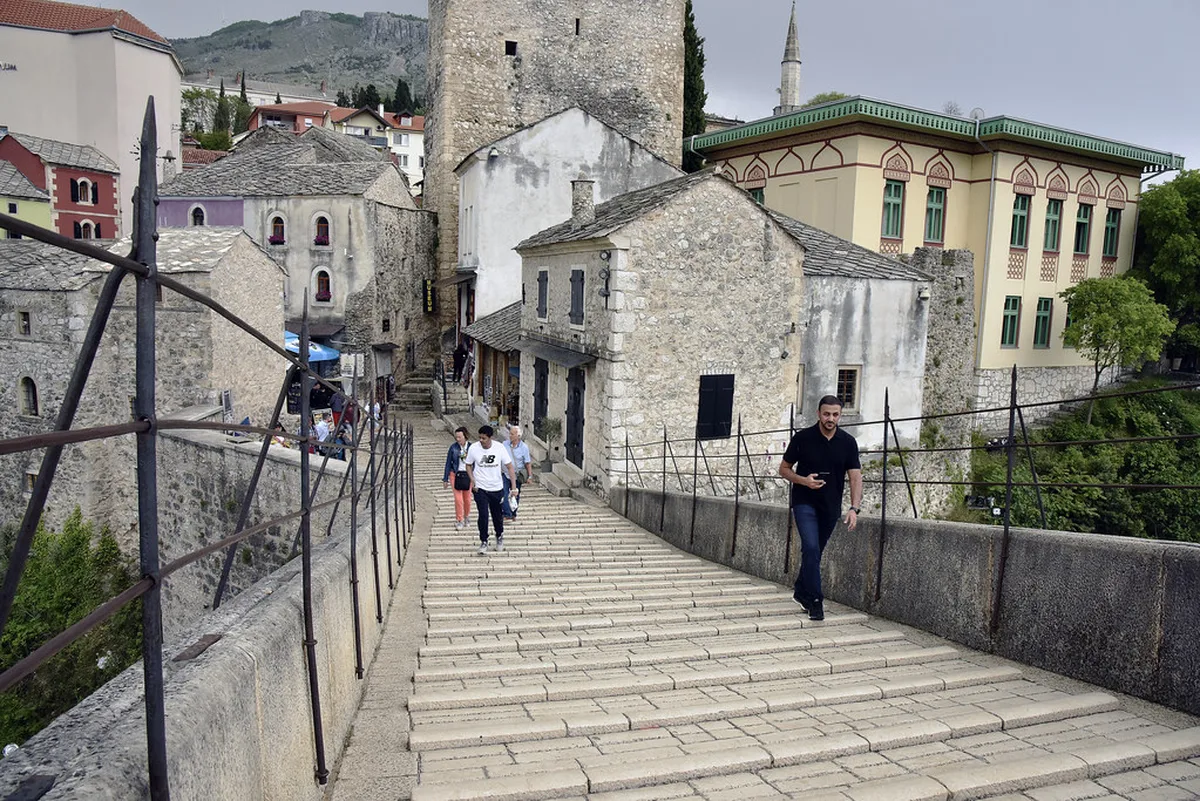
In 2026, park entrance fees are structured by season. From April to May and in October, tickets cost €10 per adult. During the busy months of June through September, prices rise to €30 per adult, reflecting demand. Children under 7 enter free all year. Purchase tickets in advance online at np-krka.hr to avoid long queues at the gate — the park frequently sells out morning slots during July and August by 9:00 AM.
Getting there by bus is straightforward and affordable. Direct buses from Split's main bus station run to Šibenik for around €8–10 return, with the journey taking about 75 minutes. From Šibenik, local buses or taxis connect you to the village of Skradin for an additional €3–4. Alternatively, a direct organised day tour from Split costs €25–35 per person including transport, making it a hassle-free option for those without a rental car. If you drive, parking at the Lozovac entrance costs €5 per day.
Taking the traditional wooden ferry boat from Skradin village into the park is one of the highlights of the experience. This 20-minute scenic cruise winds through the river canyon past weeping willows and nesting herons and is included in your entrance ticket. Once inside, wooden boardwalks guide you around and above the falls, providing stunning viewpoints at every turn. Since swimming in the main pools was banned in 2021 to protect the ecosystem, the focus shifts to photography, birdwatching, and walking the shaded forest trails.
Allow at least four to five hours to explore the park properly. Wear closed-toe shoes with good grip, as wooden boardwalks can be slippery when wet. Bring a refillable water bottle — tap water is safe and drinking fountains are available throughout. A small restaurant inside the park serves grilled fish and local wines, or pack a picnic to enjoy on the riverside benches. Many visitors combine Krka with a quick visit to Šibenik's St. James Cathedral, which is itself a UNESCO World Heritage site just 15 minutes away.
Island Hopping to Hvar and the Blue Cave
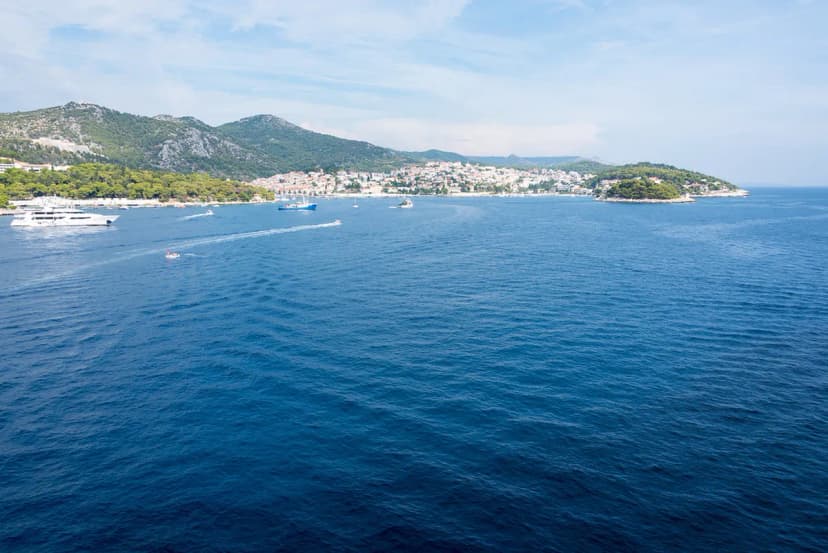
Hvar Island is the most fashionable destination reachable in a single day from Split and one of the sunniest places in all of Europe, boasting over 2,700 hours of sunshine per year. The island combines a glamorous hilltop fortress, fragrant lavender fields, and a harbour lined with superyachts and boutique restaurants. It is equally suited to a relaxed cultural stroll or a full beach day on the famous Pakleni Islands just offshore.
The fastest connection is the high-speed catamaran run by Jadrolinija and Krilo, departing from Split's Riva promenade and arriving at Hvar Town harbour in around 60 minutes. In 2026, a one-way catamaran ticket costs €15–20. Slower car ferries travel to Stari Grad on the opposite side of the island for €6–8 per passenger if you only need a foot-passenger crossing, with the crossing taking about 2 hours. Catamarans run multiple times daily from April through October; always check the Jadrolinija app for the latest timetables, as sailings sell out in July and August.
Once in Hvar Town, the fortress (Fortica) rewards the 20-minute uphill walk with panoramic views stretching to the Pakleni Islands and beyond. Entry to the fortress costs €10 in 2026. Stroll through the main square, Trg Svetog Stjepana, lined with 16th-century stone palaces and cathedral spires. For lunch, budget €12–18 for a pasta or seafood main at one of the harbour taverns. Taxi boats to the Pakleni Islands leave every 30 minutes from the main harbour for €4–6 return, giving you access to secluded pebble coves like Palmižana and Stipanska.
For a more adventurous full-day option, organised speedboat tours depart Split's Riva in the morning and combine Hvar with the famous Blue Cave on Biševo Island, Stiniva Cove, the Green Cave on Ravnik, and often a swim stop at Budikovac. These tours run for 10–12 hours and cost €100–130 per person in 2026, including a professional local skipper and basic snorkelling equipment. Smaller private group tours (up to 8 passengers) sit at the upper end of that range but offer more time at each location and more personalised service. Book at least two days ahead during peak season — tours are regularly fully booked by 8:00 AM. For beach comparisons closer to the city, the Split beach guide covers all the best swimming spots on the mainland.
- The Blue Cave Speedboat Tour
- Cost: €100–130 per person (2026)
- Duration: 10–12 hours
- Includes: Blue Cave, Green Cave, Stiniva, Hvar, Vis
- Departure: Split Riva promenade, 8:00–9:00 AM
- Hvar Town Catamaran Trip
- Cost: €15–20 one way (2026)
- Duration: 60 minutes travel time
- Best for: Cultural sightseeing, beaches, nightlife
- Departure: Split Riva, multiple daily sailings
If you want a deeper dive into Hvar's beaches and coves, the Hvar beach guide covers the best swimming spots across the island, including which beaches are accessible without a boat.
History at Trogir and Klis Fortress
Trogir is one of the most underrated UNESCO World Heritage sites in all of the Mediterranean and one of the easiest half-day escapes from Split. The entire old town sits on a tiny island barely 700 metres long, connected to the mainland by two stone bridges. Its impeccably preserved medieval streets, Venetian-era loggias, and Romanesque cathedral have remained virtually unchanged since the 13th century, making it feel less like a tourist attraction and more like a genuine time capsule.
The journey from Split is remarkably easy and cheap. Local bus number 37 departs from Sukoišan bus stop, just west of the city centre, every 20 minutes throughout the day. The bus journey takes around 30–40 minutes and a return ticket costs just €3 — making Trogir the best-value day trip in the region. Alternatively, the Bura Line ferry connects Split's Riva with Trogir harbour on a scenic coastal route, though schedules are more limited. If you drive, parking is available on the mainland side for €2–3 per hour.
The Cathedral of St Lawrence dominates Trogir's central square and is the highlight of the old town. Its west portal, carved by master craftsman Radovan in 1240, is considered one of the finest examples of Romanesque art in Southeast Europe. Entry to the cathedral and bell tower costs €5 in 2026, and climbing the tower rewards you with magnificent views across the town and the Čiovo Island bridge. The fortress of Kamerlengo on the western tip of the island offers another panoramic viewpoint and hosts outdoor cinema events in summer — tickets are €4–6.
Just 13 kilometres north of Split on the road to Sinj, Klis Fortress rises dramatically above the motorway on a strategic ridge that has been fortified since Illyrian times. The site was famously used as the filming location for Meereen in the television series Game of Thrones, drawing fans from around the world. Admission in 2026 costs €8 for adults, which includes access to the small but well-curated museum inside the citadel walls. From the battlements, the panorama sweeps across the Split riviera, the islands of Brač and Šolta, and the mountains of the Dinaric Alps. Klis is easily visited on the way back from Trogir if you have a rental car, or reached by taxi from Split in about 20 minutes for €15–18 each way.
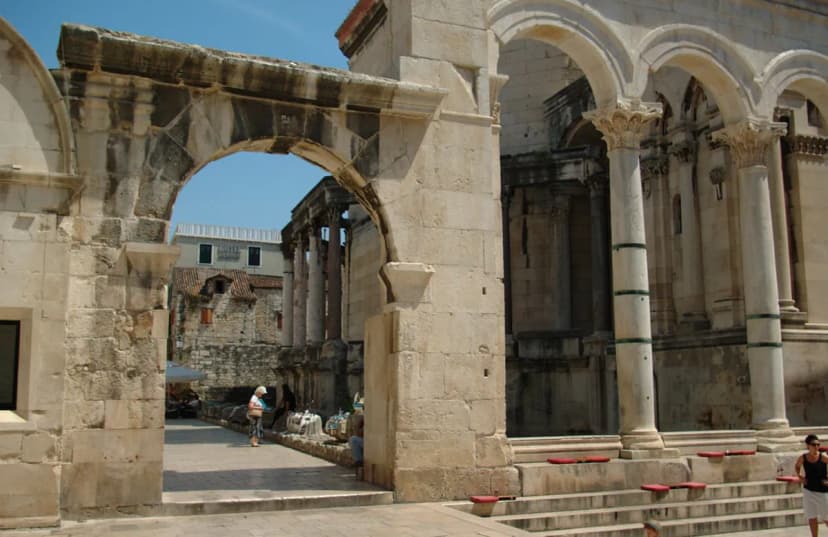
History enthusiasts should pair any of these sites with a Split walking tour to understand the Roman and Venetian influences that shaped the entire coast. The ancient ruins of Salona in the suburb of Solin, once a Roman city of 60,000 people, make for yet another compact addition to a history-focused day. Combining Solin, Klis, and Trogir in a single loop is entirely doable in 7–8 hours by car.
Adventure in Omis and the Cetina River Canyon
Omis is the adventure capital of Dalmatia, tucked 25 kilometres south of Split at the dramatic point where the Cetina River cuts through a 300-metre limestone gorge before emptying into the Adriatic Sea. This compact town was once the stronghold of the feared Omiš pirates who terrorised Venetian trade routes throughout the 13th and 14th centuries, and two clifftop fortresses — Mirabella and Fortica — still guard the canyon rim as silent reminders of that era.
Getting to Omis by public bus from Split's main bus station takes around 45 minutes and costs €4–5 return. Buses to Makarska, Ploče, and Dubrovnik all pass through Omis, so services are frequent even outside summer. If you drive south along the coastal road rather than the inland motorway, the journey adds only 10–15 minutes but passes through a string of small beach villages worth a quick stop.
White-water rafting on the Cetina River is the single most popular guided activity in the region. The standard rafting route runs for around 12 kilometres through the canyon, past riverside cliffs, watermills, and ancient monastery ruins before ending at a riverside restaurant for a traditional lamb grill. The trip lasts approximately three hours on the water and is graded suitable for beginners and families — the rapids are class II–III, providing enough excitement without requiring experience. In 2026, prices for a rafting tour including transport from Split, guides, wetsuits, and helmets run €40–55 per person. Book directly with operators like Raftrek or Active Adventures Omis for the best rates.
For an adrenaline upgrade, the Omis zip-line stretches across the Cetina canyon with eight separate wires ranging from 150 to 700 metres in length, reaching speeds of up to 65 km/h. A full course costs €65–75 per person in 2026 and takes about two hours from start to finish. The course operates from April through October and requires a minimum age of 8 and weight between 25 and 120 kilograms. Advance booking is essential in July and August when slots sell out by 10:00 AM. The fortress of Mirabella above the old town is a free 15-minute hike that provides one of the best views of the canyon and river mouth — well worth the climb even if you are not doing any of the paid activities.
In the heat of the afternoon, Omis Town itself has a pleasant shingle beach at the river mouth and several excellent seafood restaurants where you can try fresh-caught orada (sea bream) grilled over olive wood for €14–20 a plate. The combination of rafting in the morning, a fortress hike at midday, and a seafood lunch makes Omis one of the most satisfying full-day itineraries available from Split.
Brač Island and Zlatni Rat Beach
Brač is the closest of Croatia's major islands to Split and home to Zlatni Rat — the golden horn beach that appears on virtually every Croatian tourism poster. The distinctive triangular shingle spit juts 530 metres into the Adriatic near the town of Bol on the island's southern shore, and its tip actually shifts direction depending on wind and currents, making it a visually striking and genuinely unique landform. Brač also produces the famous white Vranjaca limestone used to build Split's Diocletian's Palace and even the White House in Washington DC.
The Jadrolinija car ferry from Split to Supetar on Brač runs throughout the day, with first sailings from 5:30 AM and last returns late into the evening. In 2026, a foot-passenger return ticket costs €6–8 and the crossing takes 50 minutes. From Supetar, local buses connect to Bol on the opposite side of the island in around 60 minutes for approximately €4 each way. Alternatively, high-speed catamarans connect Split directly to Bol in 60 minutes for €15–18 one way during the summer season, saving you the bus connection entirely.
Zlatni Rat beach charges no entry fee but is understandably crowded from June through August. Arriving before 9:00 AM secures a spot near the tip. Sun lounger and umbrella hire runs €8–12 per set per day. The beach is fringed by pine forest offering natural shade, and windsurfing and kitesurfing schools operate right off the beach — lesson packages start at €50 for two hours. The town of Bol above the beach has a charming old quarter, a Venetian Dominican monastery (entry €3), and plenty of seafood restaurants where a three-course lunch with wine costs €25–35.
For a deeper look at what Split's own waterfront offers, the Split beach guide covers every beach from Bačvice to Kasjuni with details on facilities and best swimming conditions.
Coastal Beauty in Šibenik and Primošten
Šibenik is Croatia's oldest native city — meaning it was founded by Croats rather than Romans or Greeks — and it rewards visitors who push beyond the well-trodden Split–Dubrovnik corridor. The city's defining landmark is the Cathedral of St James, a UNESCO-listed masterpiece built entirely from local stone between 1431 and 1535 without a single brick. Its frieze of 71 sculpted stone faces along the exterior apse depicts the faces of ordinary 15th-century citizens who helped fund the construction — a remarkable piece of social history carved in stone. Cathedral entry costs €5 in 2026.
Four medieval fortresses encircle the city. St Michael's Fortress above the old town offers the best panoramic views and hosts a summer festival of music and film. St Nicholas Fortress at the mouth of the Šibenik Channel is a UNESCO site in its own right, reached by a short boat transfer for €4 return. Fortress entry costs €8–10 per site, or buy a combined pass for €18 covering all four. Šibenik also has an excellent daily market near the Poly Nedelja square where local vendors sell dried figs, Babić wine, and homemade honey.
Getting to Šibenik from Split by bus takes 90 minutes and costs €8–10 return from the main bus station — buses run roughly every hour. If you drive, the coastal road through Primošten adds 20 minutes but is far more scenic than the motorway. Parking in Šibenik's new waterfront garage costs €2 per hour.
Primošten is a picturesque village sitting on a former island — now connected to the mainland by a short causeway — located 35 kilometres south of Šibenik and 50 kilometres north of Split. Its whitewashed stone houses, oleander-lined alleys, and calm turquoise bay create a scene that looks hand-painted. The village beach is small and pebbly, while a larger swimming area sits just south of the causeway. Stop here for a glass of Babić red wine at a family-run konoba — Primošten's Babić vineyards produce some of the most distinctive dry reds in Croatia, with a bottle of local wine costing €8–15 in restaurants. Parking on the mainland side costs €3–5 per day, far easier than parking in Split during high season.
Dubrovnik as a Day Trip From Split
While Dubrovnik deserves multiple days on its own, visiting the Pearl of the Adriatic as a long day trip from Split is entirely possible and a popular choice for travellers who are basing themselves in Split for a week. The distance is around 230 kilometres by the coastal road, and several transport options make the journey feasible without spending a fortune on accommodation in one of Europe's most expensive cities.
The most budget-friendly way is by long-distance bus. Frequent services operated by FlixBus and local carriers connect Split Bus Station to Dubrovnik's main terminal in approximately 4.5–5 hours, including the mandatory Neum corridor stop where you cross briefly into Bosnia and Herzegovina. Always carry your passport. In 2026, a one-way ticket costs €15–25 depending on the operator and booking time; return tickets are proportionally similar. Buses are comfortable, air-conditioned, and run several times daily.
For a faster but pricier option, high-speed catamarans operated by Krilo connect Split to Dubrovnik in 3.5–4 hours from June to September. A one-way ticket costs around €35–45 in 2026. The catamaran route passes close to the islands of Hvar, Korčula, and Mljet, making the journey itself scenic and interesting. This option requires checking in 30–45 minutes before departure and pre-booking in peak season.
Once in Dubrovnik, a day is enough to walk the famous City Walls (entry €35 in 2026, best done in the morning before it gets hot), explore the Stradun main street, and catch the cable car to Mount Srđ for panoramic views (€20 return). The old town's restaurants are expensive — budget €20–30 for a main course at a harbour-facing restaurant — but the smaller konoba eateries on the side streets offer similar quality for €12–18. If you plan to visit the city in full, the Dubrovnik old town guide and Dubrovnik 3-day itinerary are excellent planning resources.
Essential Logistics for Day Trips From Split
Renting a car offers the most flexibility for exploring the Dalmatian hinterland, especially for sites like Krka, Klis, and Primošten that involve multiple stops. Most major international rental agencies — Europcar, Hertz, Sixt — have offices near Split Airport and in the city centre around the Riva. Daily rates in 2026 start at around €35–50 for a compact car including basic insurance; comprehensive coverage adds €10–15 per day and is worth considering on narrow coastal roads. Fuel costs approximately €1.70–1.80 per litre. Coastal traffic on the D8 state road can be very heavy from July through August, so set off before 8:00 AM or after 6:00 PM to avoid congestion.
Public transportation remains a reliable and genuinely affordable way to reach most popular day trip destinations. Split's main bus station (Autobusni Kolodvor) is located directly adjacent to the ferry port and train station, making connections straightforward. Buy tickets at the station windows rather than from the driver to guarantee a reserved seat on busy summer services. Keep €1–2 in coins for luggage storage fees (lockers available at the station) and public restrooms. Key 2026 bus prices from Split: Trogir €3 return, Omis €4–5 return, Šibenik €8–10 return, Dubrovnik €15–25 one way.
For island trips, all ferry and catamaran schedules are available on the Jadrolinija website (jadrolinija.hr) and the Krilo and Bura Line apps. During July and August, the 8:00 AM and 9:00 AM catamaran departures to Hvar and Brač frequently sell out by the previous evening. Book online the day before to secure your place. Bring a reusable shopping bag for market purchases in smaller towns and download offline maps in Google Maps or Maps.me before leaving Split, as mobile data coverage can be patchy in canyon areas and on smaller islands.
Using a Split 3-day itinerary helps you decide which day trips fit your overall schedule. Most travellers staying for a week find that two or three day trips strike the right balance between exploring further afield and enjoying the city itself. Remember to validate bus tickets immediately after boarding to avoid on-the-spot fines of €50–150 — inspectors are active on all regional routes.
Plitvice Lakes Day Trip from Split: Is It Worth It?
Plitvice Lakes National Park is Croatia's most celebrated natural wonder — a chain of 16 emerald and turquoise lakes connected by thundering waterfalls and wooden boardwalks set deep in the Lika region. For travellers based in Split, visiting Plitvice as a day trip is ambitious but entirely doable with the right planning. The park sits approximately 280 kilometres north of Split, making the round journey by public bus around 5–6 hours total. Despite the travel time, many visitors rate it as the single most stunning sight in all of Croatia and consider the long day well worth the effort.
In 2026, Plitvice Lakes entrance fees are structured by season and ticket type. From April through October (peak season), Ticket 1 — covering the lower lakes and the main Veliki Slap waterfall — costs €35 per adult and includes the electric boat and panoramic train. Ticket 2, which adds the upper lakes loop, costs €45. Children aged 3–6 pay €8. Off-season pricing (November to March) drops to €10–15. Purchase tickets in advance at np-plitvicka-jezera.hr — the park routinely sells out online by 7:00 AM during July and August. Once tickets are gone, the car park gates are locked. No walk-up tickets are sold once capacity is reached.
From Split, the most practical public transport route involves the direct FlixBus or Autotrans coach from Split Bus Station towards Zagreb, alighting at the Plitvice stop — a journey of roughly 2.5–3 hours costing €15–25 one way depending on the operator and booking window. Return buses run throughout the afternoon, with the last reliable service back to Split departing around 5:00–6:00 PM. Allow at least 4–5 hours inside the park to walk Routes A and B, which together cover the lower and upper lakes in a full loop of approximately 8 kilometres. Wear waterproof shoes — the boardwalks are perpetually damp and there is no escaping the spray near the falls.
Alternatively, organised day tours from Split pick you up at your hotel, handle all logistics, and typically run 14–16 hours door-to-door. Prices in 2026 range from €60 to €85 per person including park entry, a guide, and transport. This option suits travellers who want to avoid the logistics of bus connections and ensures you arrive early enough to secure a morning time slot at the gates. Most reputable operators depart by 5:30–6:00 AM to beat the crowds to the lower lakes boardwalk.
Is Plitvice worth the effort from Split? For first-time visitors to Croatia with limited time, the honest answer is yes — but only if you can dedicate a full day without feeling rushed. The park's combination of turquoise water, ancient beech forest, and the roar of Veliki Slap (Croatia's highest waterfall at 78 metres) creates an experience that photographs cannot fully capture. Travellers who split their time between Split and Zagreb often find it easier to visit Plitvice as an intermediate stop. But if your week in Croatia is based entirely in Split, booking an early organised tour remains the most reliable way to guarantee entry and maximise your time inside the park. Pair a Plitvice day with a review of the Split 3-day itinerary to plan which day of your trip works best logistically.
Frequently Asked Questions
What is the best day trip from Split for families?
Krka National Park is the best family day trip from Split in 2026. The wooden boardwalk trails are pram-friendly and easy for all ages, the 20-minute boat ride from Skradin village is included in the €30 peak-season ticket, and the park has shaded picnic areas and snack bars throughout. Children under 7 enter free. Budget a full day — ideally arriving by 9:00 AM before tour groups arrive.
How do I get to Trogir from Split?
Take local bus number 37 from the Sukoišan stop in Split — buses run every 20 minutes and a return ticket costs just €3. The journey takes 30–40 minutes. Alternatively, the Bura Line ferry sails from Split's Riva to Trogir harbour on a scenic coastal route in about 60 minutes, with a handful of daily departures from April through October. Both options are affordable and no booking is required.
Can I visit the Blue Cave in winter?
Most speedboat tours to the Blue Cave on Biševo Island operate only from April through October. In winter, high waves block the small entrance tunnel and conditions make the crossing unsafe. Even in shoulder season (April, October), tours can be cancelled at short notice due to sea conditions. If visiting outside summer, confirm your booking the morning of departure with the tour operator directly.
Is it better to rent a car or take the bus for day trips from Split?
It depends on your itinerary. Buses are sufficient and very cheap for Trogir (€3 return), Omis (€4–5 return), Šibenik (€8–10 return), and even Dubrovnik (€15–25). A rental car (from €35–50/day in 2026) is better if you want to combine multiple inland sites — for example, Krka, Klis Fortress, and Primošten in one loop — or if you prefer to travel on your own schedule. For island trips, the car is unnecessary since ferries carry foot passengers.
How much does a day trip to Hvar cost from Split in 2026?
A self-organised day trip to Hvar from Split costs approximately €40–55 in total in 2026. The catamaran return is €30–40, Fortica fortress entry is €10, and a sit-down lunch in Hvar Town runs €15–25. Taxi boats to the Pakleni Islands add another €4–6. Budget day-trippers can reduce costs by bringing a packed lunch and skipping the fortress. Booking the catamaran online the evening before prevents last-minute sell-outs.
What is the cheapest day trip from Split?
Trogir is the cheapest day trip from Split at just €5 return by local bus number 37 (departing from Sukoišan stop every 20 minutes). The old town is free to explore, the main square and cathedral exterior cost nothing to admire, and you can walk the entire island in about two hours. If you want to see the inside of the Cathedral of St Lawrence and climb the bell tower, add €5. Pack a lunch and you can visit Trogir for under €12 total per person in 2026.
How do I get to Brač and Zlatni Rat beach from Split?
The Jadrolinija car ferry from Split to Supetar on Brač runs from 5:30 AM and costs €15 return for foot passengers, with the crossing taking 50 minutes. From Supetar, a local bus to Bol (where Zlatni Rat beach is located) costs around €4 each way and takes 60 minutes. Alternatively, a high-speed catamaran runs directly from Split to Bol in 60 minutes during summer for €15–18 one way, saving the bus connection. Buy catamaran tickets online the evening before — morning departures sell out quickly in July and August.
Is Plitvice Lakes worth doing as a day trip from Split?
Yes, but it requires a very early start. The drive or bus from Split takes roughly 2.5–3 hours each way (280 km north), making it a 14–16 hour day in total. Park entry in 2026 costs €35–45 per adult in peak season, and tickets must be booked online in advance at np-plitvicka-jezera.hr — the park sells out by 7:00 AM in July and August. Organised day tours from Split cost €60–85 per person and handle all logistics, departing around 5:30–6:00 AM. For travellers with a single week in Split, it is one of the most impressive days in Croatia if you commit to the full schedule.
Exploring the region around Split reveals the true diversity of the Croatian landscape. From the mist rising off the Krka waterfalls to the turquoise coves of Brač, from the medieval streets of Trogir to the adrenaline rush of the Cetina canyon, every day trip delivers something genuinely different. The combination of easy public transport, affordable ferry connections, and a compact geography means you rarely need to choose — with a week in Split, you can realistically tick off four or five of these destinations without rushing. Start planning your adventures today using the Split 3-day itinerary as your base, then layer in the day trips that excite you most.