The Ultimate Split Beach Guide for Every Traveler
Bačvice Beach is a 10-minute walk from Split's Old Town, completely free to access, and famous for picigin — a UNESCO-recognised ball game played in the knee-deep sandy shallows by locals year-round.
Kaštelet Beach is 5 km from Old Town with sunbeds at €10–15 per pair; Kašjuni is 3 km away, free and pine-shaded; and a boat from Split harbour to Brač Island beaches costs €15–20 return in 2026.
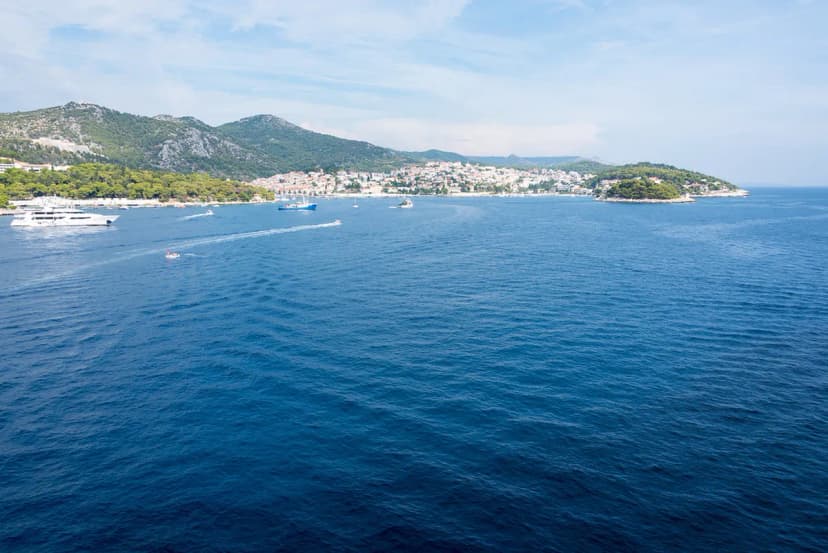
Split offers a stunning mix of urban history and crystal clear Adriatic waters. Croatia joined the Eurozone in January 2023, so all prices are now in euros — no more kuna confusion at beach bars or rental stands. This Split beach guide helps you find the perfect spot to cool off after exploring the city, with precise 2026 prices, bus numbers, and walking times for each location. Most beaches are within a €1.80 bus ride or a 30-minute walk from the historic core.
Finding the right spot depends on whether you prefer sandy shores or quiet pebble coves. Whether you want a lively beach club or a pine-shaded retreat, the city has an option for you. Coastal paths connect many of these locations, offering beautiful views of the nearby islands of Brač, Šolta, and Hvar. This guide ensures you know exactly where to go for the best experience in 2026, with options for families, couples, snorkellers, and budget travellers alike.
Bačvice Beach: The Heart of the Split Beach Guide
Bačvice is the most famous sandy stretch in Split, located just ten minutes on foot from the main ferry port and the central bus station. The beach occupies a broad, shallow bay with soft sand underfoot — rare along the otherwise rocky Dalmatian coast. Families love the shallow water that stays knee-deep for dozens of meters out to sea, making it the safest swimming option for young children. Most kids find the soft sand perfect for building castles and playing safely in the afternoon sun.
Local residents gather here year-round to play a unique traditional game called Picigin. Players leap into the shallow water to keep a small rubber ball from hitting the sea surface using acrobatic dives and flicks. The sport has been recognized by UNESCO as an intangible cultural heritage and watching it is entirely free. You might even see dedicated locals playing during the cooler autumn months — the Picigin community trains here almost every morning regardless of season.
Amenities at Bačvice are the best of any beach in the city. Concrete sunbathing platforms run along both sides of the bay, and a row of lively beach bars serves cold drinks, ice cream, and grilled snacks from early morning until late at night. In 2026, hiring two sun loungers and a parasol costs around €8–12 per lounger depending on the specific operator and how close you want to be to the waterline — front-row spots command a premium. Public changing cabins and outdoor showers are available for a small fee of €0.50. Several restaurants overlook the bay, including the upscale Bačvice Restaurant, where a grilled fish main dish runs €18–28. For a cheaper lunch, the snack kiosks along the promenade serve ćevapi and burek for under €5. Bačvice is also the most accessible beach in Split for travellers with mobility needs, as the promenade approach is flat and paved all the way from the city centre.
Best for: families with young children, first-time visitors, those who want the full local atmosphere. Budget tip: Arrive before 9 AM to claim a free concrete platform spot and save the sunbed fee entirely.
Firule Beach: The Quiet Local Favourite
Firule is Split's best-kept secret — a small sandy-and-pebble cove tucked just ten minutes' walk east of Bačvice along the coastal promenade. While Bačvice draws the tourist crowds, Firule remains dominated by local families and students from the nearby university. The beach is sheltered by a natural headland that blocks the Bura wind, making it calmer than the more exposed spots to the west. Water clarity here is exceptional — the bay is shallow enough to see the sandy bottom from the shore, and the mix of sand and fine pebble is gentler underfoot than the coarser stones found further along the coast.
Firule has no beach club and no organised sunbed rental — just a small concrete platform, an outdoor shower, and a café behind the tree line that sells coffee, cold drinks, and basic sandwiches. That lack of commercial infrastructure is precisely why locals prefer it. Bring your own towel and mat and you can spend the entire day for free. A small grocery shop on the adjacent street sells fresh fruit, water, and sunscreen if you arrive unprepared. The combined Bačvice-to-Firule coastal walk takes around 20 minutes from Diocletian's Palace and makes a pleasant early-morning or evening stroll.
Firule is particularly well suited to swimming and light snorkelling. The rocky edges of the cove host small fish, sea bream, and the occasional octopus, visible in clear summer water. It is also one of the few central beaches where you can easily find a quiet patch even in the height of August — getting there before 10 AM in peak season usually guarantees a spot. For families who find Bačvice too rowdy or too crowded, Firule offers the same shallow, safe entry with a noticeably calmer atmosphere. Combine a morning here with a visit to the Split Old Town afterwards and you have a near-perfect low-budget day out.
Best for: budget travellers, snorkellers, local atmosphere seekers, families wanting a quieter alternative to Bačvice. Distance from palace: 20-minute walk east along the promenade.
Kasjuni Beach: Scenic Views Under Marjan Hill
Kasjuni Beach offers a more dramatic backdrop at the foot of the towering Marjan Hill peninsula. The deep blue water contrasts beautifully with the steep limestone cliffs and dense green pine trees that rise directly from the shore. Reaching this spot takes about 15 minutes by car or 30 minutes on foot from the Riva waterfront — take bus line 12 from the Riva for €1.80 and it drops you close to the forest park entrance, from where a ten-minute downhill path leads to the beach. Many visitors prefer the scenic forest walk through Marjan Park as part of the experience.
This pebble beach features a trendy beach club that serves cocktails, craft beers, and light Mediterranean snacks throughout the summer season. In 2026, sunbed and parasol rental at the club costs €10–15 per lounger — the price reflects the premium setting. Joe's Beach Bar, set among the pine trees just above the waterline, provides a relaxed atmosphere with ambient music and comfortable lounge chairs. Expect to pay €8–12 for a cocktail and around €6 for a large cold beer. The overall vibe is boutique rather than party-focused, drawing couples and young professionals more than large groups.
Kasjuni is one of the best beaches in Split for snorkelling. The pebble bottom drops away quickly from the shore, and the rocky edges of the bay hold a rich variety of marine life including wrasse, bream, damselfish, and, in the deeper sections, occasional grouper. Bring your own mask and fins for the best experience, though basic equipment can be rented at the beach club for around €8 for the day. Kayak rentals are also popular here for exploring the hidden coves around the Marjan peninsula — hourly rates for a double kayak typically start at €15. Paddling around the cape offers unique views of the city skyline and the islands of Brač and Šolta on the horizon. The sunsets from Kasjuni, framed by the pine trees, are among the finest in the region and worth staying for even if you leave the water earlier.
The water at Kasjuni is reliably calm because the bay faces west-southwest and is well sheltered from the dominant Bura wind that occasionally whips the eastern beaches. This makes it an excellent choice when Bačvice or Znjan feel choppy. Best for: couples, snorkellers, kayakers, travellers seeking a premium but natural setting without full resort infrastructure.
Ježinac Beach: Pebble Cove with Nudist Section
Ježinac is a small pebble and rock beach on the southern side of the Marjan peninsula, just a short walk further along the coastal path from Kasjuni. The name translates loosely as "hedgehog beach" — a reference to the sea urchins that inhabit the rocky areas, so water shoes are not optional here, they are essential. Despite that caveat, Ježinac rewards the effort with some of the clearest water on the entire peninsula. The rocky bottom and lack of sand means no sediment stirs up, even in a mild swell, giving visibility of 5–8 metres on a calm day.
The beach has a designated naturist (nudist) section at its southern end, separated from the clothed section by a rocky outcrop. Naturism has a long tradition on the Croatian coast — Split's Ježinac is one of the more accessible FKK (naturist) spots near a major city, and it attracts a loyal, respectful local crowd. Both sections share the same stunning limestone shelf backdrop and the same clarity of water. There are no formal facilities at Ježinac — no snack bar, no sunbeds, no showers — so come self-sufficient with water, food, a mat, and sturdy footwear. The trade-off is near-total peace even in the middle of summer, as the 15-minute walk from the bus stop and the rough path access deter casual day-trippers.
Getting to Ježinac: take bus line 12 from the Riva to the Marjan park terminus (€1.80), then follow the marked coastal path south and west for approximately 15–20 minutes. There are no signs specifically pointing to Ježinac, so use Maps.me or download the trail offline before you go. Best for: experienced swimmers, naturists, travellers who prioritise water quality over comfort infrastructure.
Trstenik and Znjan: Large Beaches for Active Days
Trstenik and Znjan represent the largest beach areas on the eastern side of the city, stretching along the coast for several hundred metres each. These beaches are characterised by long pebble shores and consistently clear water ideal for open swimming, snorkelling, and water sports. Many locals prefer these spots because they offer significantly more space than the central coves, meaning even on peak August weekends you can find a patch of coast without fighting for room. The coastal promenade that runs the entire length of the eastern seafront makes both beaches easy to reach on foot or by bicycle.
Znjan is the larger of the two and underwent significant renovation in 2025, with improved toilet facilities, a refreshed promenade, and new access points for people with disabilities. By 2026 the works are substantially complete and it is now one of the better-equipped free beaches in the city. A cluster of snack bars, ice cream stands, and a café operate along the back of the beach throughout summer. Trstenik, slightly smaller and closer to the centre, has a slightly more local feel with a popular water polo club whose members often train in the sea off the northern end. Both beaches are reached by city bus — the number 5 or number 7 routes from the bus station serve the eastern coast — or by a pleasant 40–45-minute coastal walk from Diocletian's Palace. Check our guide on parking in Split to find the best spots for your car if you are driving from outside the city.
Water sports enthusiasts often head to this area for windsurfing and stand-up paddleboarding sessions. The open eastern exposure provides consistent afternoon breezes that are ideal for beginners learning to windsurf. A rental outlet near Znjan offers paddleboards from €10 per hour and kayaks from €8 per hour. Jet ski hire is also available at the northern end of Znjan, at €40 for 15 minutes. Early mornings at Trstenik are particularly calm and clear, making it a popular open-water swimming training venue. Best for: water sports enthusiasts, groups, travellers who want space without paying beach club prices.
Bene Beach: Shady Pine Forests and Sports
Bene Beach sits deep within the Marjan Forest Park on the northern side of the peninsula, making it the most sheltered and shaded beach accessible from the city. Dense pine forests surround the entire area and provide natural canopy shade throughout even the most intense midday heat of July and August. This is a significant advantage for families with young children or anyone who burns easily, as most other Split beaches are open and sun-exposed from dawn to dusk. Bus line 12 runs regularly from the Riva to the Marjan park entrance, from where a ten-minute walk through the forest leads down to the beach (€1.80, runs every 20–30 minutes in summer).
Facilities at Bene are the best-rounded of any natural beach in Split. The site includes tennis courts available to book for €8–10 per hour, a concrete five-a-side football pitch, a dedicated children's playground with shaded seating for parents, and a beach volleyball area. The rocky coastline features metal ladders sunk into the limestone for easy water entry and exit — particularly helpful for older visitors or those uncomfortable with rough rock scrambling. Active travellers often include a stop here during a walking tour of the Marjan park. It feels like a quiet oasis despite being only about three kilometres from the noise and crowds of the city streets.
A restaurant and beach bar at Bene serves traditional Dalmatian dishes at notably more accessible prices than the Old Town restaurants. Grilled fish starts at around €14–18 for a main course, a mixed seafood platter for two is around €32, and a cold Karlovačko beer costs €3.50. Ice cream and local pastries are sold from a kiosk near the playground for €1.50–2.50. The combination of shade, food, sport, and calm swimming makes Bene the best full-day family beach in Split — not just for a quick dip but for spending six to eight hours comfortably. Arrive before 11 AM on weekends in July or August to secure a shaded picnic spot near the tree line. Best for: families with children, active travellers, anyone who needs shade, budget-conscious visitors.
Kaštel Gomilica: The Sandy Beach Day Trip from Split
If the lack of sand at most Split beaches leaves you craving a proper sandy shore, Kaštel Gomilica is the most practical solution. Located approximately 20 minutes by car west of Split along the coastal road (or reachable by local bus from Split bus station in around 35 minutes, fare €2.50–3.00 depending on route), Kaštel Gomilica is one of the Kaštela towns — a chain of small coastal settlements strung along the bay between Split and Trogir. The beach here is one of the few genuinely sandy stretches in the wider Split area, broad enough to spread out comfortably even in summer and sheltered from southerly winds by the bay's geography.
The beach is backed by a waterfront promenade lined with palm trees, café terraces, and an atmospheric medieval fortress jutting into the sea on a small islet — the gomilica (mound) that gives the town its name. Entry onto the islet is free and it makes a striking backdrop for swimming photos. Sunbed and parasol hire on the main beach costs €8–10 per lounger, in line with city beach prices. Several café-restaurants serve grilled fish, pasta, and salads at prices slightly lower than Split city centre: expect €12–20 for a main course. The whole area is quieter and more authentically local than central Split beaches, as it sits outside the main tourist circuit.
Getting to Kaštel Gomilica without a car: take the number 37 bus from Split bus station towards Trogir, alight at the Kaštel Gomilica stop, and the beach is a two-minute walk downhill. The journey takes 35–45 minutes depending on traffic. Return buses run until late evening. This makes it a viable half-day excursion — combine it with lunch in the old town fortress area and return to Split for the evening. Alternatively, the Kaštel towns sit on the route to Trogir, so you can continue onward to Trogir's UNESCO Old Town as a full day trip from Split with a beach stop on the way. Best for: travellers specifically seeking sand, families, those combining a beach day with sightseeing along the Kaštel Riviera.
Brač Island Beaches: The Best Day Trip from Split
When the beaches in Split itself are packed on a July weekend, the ferry to Brač Island is the traveller's best escape — and the crossing is surprisingly quick and affordable. Catamarans and car ferries depart from Split's main Trajektna luka (ferry port), a five-minute walk from Diocletian's Palace, multiple times daily throughout the summer season. The journey to Supetar, Brač's main town, takes around 50 minutes by car ferry (from €6 per person) or 30–40 minutes on the faster passenger catamaran. A return ticket on the catamaran to Supetar or Bol costs €15–20 per person in 2026, making this one of the most affordable island excursions in Croatia. No car is necessary — buses and taxis connect the ferry ports to all major beaches.

The jewel of Brač is Zlatni Rat (Golden Cape), located near the town of Bol on the island's south coast. This is one of the most photographed beaches in the entire Mediterranean — a long, narrow spit of fine white pebble that juts into the turquoise Adriatic and shifts its orientation slightly with the current and wind. To reach it from Split, take the catamaran direct to Bol (around 55 minutes, fare approximately €15 one-way) or take the ferry to Supetar then the island bus to Bol (add around 60 minutes by bus, fare €4–5). Zlatni Rat is around a 15-minute walk from Bol harbour through a pine-scented coastal path. Sunbed hire at Zlatni Rat costs €10–14 per lounger per day in 2026. The beach is large enough to absorb several thousand visitors, but the western and eastern tips of the cape are significantly calmer than the central section — walk to the end for the finest swimming and the best photos. Windsurfers flock to Zlatni Rat because the afternoon Maestral wind arrives reliably and conditions are ideal for beginners and intermediate riders. Windsurf lesson packages are available at the base at the back of the beach from around €50 for a two-hour group session.
Supetar, the arrival point for the car ferry, also has several fine beaches within easy walking distance. Supetar Town Beach is a short pebble cove five minutes from the ferry dock with a beach bar, sunbeds at €8–12 per lounger, and calm, shallow water that is ideal for families with young children. The slightly longer Vela Luka beach (not to be confused with the town of the same name on Korčula island) is a 15-minute walk east of Supetar harbour through olive groves, and it has free access and a local atmosphere very different from the tourist-heavy Zlatni Rat. Brač island also contains Zlatni Rat's smaller cousin, Lovrečina Bay on the north coast — a long sandy beach backed by ancient ruins and pine trees, with no sunbed rental and no beach bar, reached by car or taxi from Supetar in about 15 minutes (fare approximately €10–12 each way). Lovrečina is as close to a deserted-island experience as you can get on a day trip from a major Croatian city.
A practical note on timing: the last catamaran back to Split from Bol typically departs around 6–7 PM in peak summer, so check the Jadrolinija schedule before departure and build in a buffer. Ferries from Supetar run until around 10 PM, giving more flexibility. If you are planning a full Brač day trip alongside Split city sightseeing, review the Split 3-day itinerary which slots a Brač beach day into a balanced schedule. The ferry port is also the departure point for the catamaran to Hvar's beaches, so island-hopping is entirely feasible for travellers with a flexible schedule. Best for: travellers who want the best beach in Croatia (Zlatni Rat), island atmosphere, windsurfing, and a complete escape from the city with a comfortable €15–20 return fare.
How to Get to Split Beaches by Bus (2026 Fares)
The Split city bus network covers every major beach and costs a flat €1.80 per journey in 2026, making it the most practical and affordable transport option for most visitors. Tickets can be bought on the bus from the driver — always carry coins or small notes as card readers are not universally available on older vehicles. A ten-journey commuter strip costs €15 from the Promet Split kiosks at the bus station and the Riva, but for most tourists a handful of single tickets is simpler. The network runs from roughly 5 AM to 11:30 PM in summer, with reduced frequency on Sundays and public holidays.
Key routes for beach access in 2026:
- Bus 12 (Riva → Marjan park terminus): serves Kasjuni Beach, Bene Beach, and the Marjan coastal path that leads to Ježinac. Journey time from Riva approximately 15 minutes. Frequency: every 20–30 minutes in summer, every 40 minutes off-season.
- Bus 5 / Bus 7 (city centre → eastern coast): serves Trstenik and Znjan. Journey time from city centre approximately 20–25 minutes. Frequency: every 15–20 minutes in summer.
- Bus 37 (Split bus station → Trogir via Kaštel towns): serves Kaštel Gomilica and the other Kaštel beaches. Journey time to Kaštel Gomilica approximately 35–45 minutes. Frequency: every 30–60 minutes depending on time of day.
Bačvice and Firule need no bus — both are within a 10–20-minute walk from Diocletian's Palace along flat promenade path. Electric scooter hire (Lime and local operators) is widely available in the city centre and costs around €0.25 per minute — a practical option for reaching Trstenik or Firule on a sunny morning without waiting for a bus. Taxi tip: a licensed taxi from the palace to Kasjuni costs approximately €8–12 in 2026; ride-hailing apps (Bolt is active in Split) usually price it at €6–8 and can save time during peak hours when buses run full.
Quick Comparison of Top Split Beaches
Choosing the right beach can make your vacation much more enjoyable and stress-free. Families usually prefer the shallow sands of Bačvice for safety and easy logistics, or Bene for full-day comfort with shade and sports facilities. Couples who want a sunset cocktail with a dramatic clifftop backdrop should head directly to Kasjuni. Snorkellers get the clearest water at Ježinac or in the rocky edges of Kasjuni's bay. Budget travellers who need a free beach with clean water and a local atmosphere should walk to Firule.
| Beach | Shore type | Best for | Sunbeds | Bus | Walk from palace |
|---|---|---|---|---|---|
| Bačvice | Sand | Families, first-timers | €8–12 | No bus needed | 10 min |
| Firule | Sand/pebble | Locals, snorkellers | No rentals (free) | No bus needed | 20 min |
| Kasjuni | Pebble | Couples, kayakers | €10–15 | Bus 12 (€1.80) | 30+ min |
| Ježinac | Rock/pebble | Swimmers, naturists | No rentals (free) | Bus 12 (€1.80) | 45+ min |
| Trstenik/Znjan | Pebble | Water sports, groups | Limited rental | Bus 5/7 (€1.80) | 40–45 min walk |
| Bene | Rock/pebble | Families, shade seekers | No rentals (free) | Bus 12 (€1.80) | 45+ min walk |
| Kaštel Gomilica | Sand | Sandy beach seekers | €8–10 | Bus 37 (€2.50) | Not walkable |
Practical Advice for Your Split Beach Trip
Wearing water shoes is strongly recommended for almost every beach in the Dalmatian region. Sharp rocks and sea urchins are common along the natural Adriatic coastline, particularly at Ježinac, Bene, and Kasjuni. Protecting your feet ensures you can enter and exit the water without painful accidents. Most local shops near the beaches sell adequate plastic water shoes for €8–12 per pair in 2026.
Sun protection is vital — the Croatian sun is intense from June through August, and the sea reflection intensifies UV exposure further. Always pack SPF 30+ sunscreen and a wide-brimmed hat. Many beaches lack natural shade, so renting an umbrella (typically included with sunbed hire) is often the wisest first purchase of the day. Bring a reusable water bottle and fill it at your accommodation before leaving — bottled water at beach kiosks costs €1.50–2.50, and a full day in the sun requires more than you might expect.
Consider using public transport or electric scooters to reach more distant beaches. Traffic becomes very heavy near the coast from 10 AM onwards in July and August, and parking spaces fill up by 9 AM at popular spots. Planning your route in advance — bus schedules are available on the Promet Split website or via the Moovit app — helps you avoid frustration and maximise time in the water. Combine beach visits with cultural sightseeing by following a Split 3-day itinerary or pairing a morning swim at Bačvice with an afternoon tour of Diocletian's Palace. If you are considering a full day away from the city, the ferry to Hvar's beaches departs from Split's main ferry terminal and takes 60 minutes on the fast catamaran.
Frequently Asked Questions
What is the best beach for families in Split?
Bačvice Beach is the top choice for families with young children. It has soft sand and extremely shallow water that stays knee-deep for 30–40 metres from the shore, making it safe for toddlers. Sun lounger hire costs €8–12 in 2026 and it is a 10-minute walk from Diocletian's Palace. Bene Beach, in Marjan Forest Park (bus 12, €1.80), is the best choice for all-day family outings with shade, a playground, sports courts, and affordable food.
Are there any sandy beaches in Split?
Bačvice is the only sandy beach within walking distance of Split city centre. Firule, 20 minutes east along the promenade, has a mixed sand-and-pebble bottom. The nearest proper sandy beach outside the city is Kaštel Gomilica, approximately 20 minutes by car or 35–45 minutes on bus 37 (€2.50). Most other Split beaches are pebble or limestone rock — water shoes are recommended for all of them.
How do I get to Kasjuni Beach from the centre?
Take bus line 12 from the Riva waterfront for €1.80 — it runs every 20–30 minutes in summer and drops you near the Marjan park entrance, from where a 10-minute downhill path leads to the beach. Alternatively, walk the coastal promenade from the Riva in about 30 minutes. A Bolt taxi from the palace costs approximately €6–8. The beach has a beach club with sunbeds at €10–15 per lounger and kayak hire from €15 per hour.
What is the famous beach game played at Bačvice?
The game is called Picigin, a traditional Split sport played in the shallow waters of Bačvice. Players stand or wade in knee-deep water and use acrobatic dives to keep a small rubber ball from touching the sea surface. It is played without teams or a formal score — the goal is to keep the ball in the air collectively. Picigin was recognised by UNESCO as an intangible cultural heritage and is free to watch any morning year-round at Bačvice.
Do I need to worry about sea urchins in Split?
Sea urchins are present in the rocky areas of most Split beaches, particularly at Ježinac, Bene, and the edges of Kasjuni. They are a sign of clean, healthy water but can be painful if stepped on. Wearing water shoes (€8–12 in local shops) is the best prevention. If you do get a spine embedded, local pharmacies stock the standard treatment — a tweezers-and-antiseptic protocol — and the Split General Hospital has a minor injuries unit for more serious cases.
How much does a day at the beach cost in Split in 2026?
A full beach day at Bačvice costs approximately €20–30 for two people: €8–12 per sunbed, €3–4 for cold drinks at a kiosk, and €8–12 for a light lunch. Croatia uses euros since joining the Eurozone in January 2023 — no currency exchange needed. Free alternatives exist at Firule, Bene, and Ježinac, where there are no sunbed charges. Add €1.80 per person for the city bus if you need to travel beyond the central beaches.
How do I get from Split to Brač Island beaches and how much does it cost?
Ferries and catamarans to Brač depart from Split's main ferry port, a 5-minute walk from Diocletian's Palace. The catamaran to Bol (for Zlatni Rat beach) costs approximately €15 one-way and takes 55 minutes. The car ferry to Supetar costs around €6 per person and takes 50 minutes. A return trip for a day excursion costs €15–20 per person in 2026. From Supetar, a local bus connects to Bol and Zlatni Rat in about 60 minutes (€4–5). Zlatni Rat, Croatia's most famous beach, offers sunbeds at €10–14 per lounger and is ideal for swimming, snorkelling, and windsurfing.
Split offers a genuinely diverse range of beaches that cater to every type of traveller, from sandy family-friendly Bačvice and the pine-shaded rocks of Bene to the boutique pebble cove of Kasjuni and the pristine naturist section at Ježinac. With Croatia now firmly in the Eurozone and a flat city bus fare of €1.80 covering the whole network, planning a multi-beach day in 2026 is straightforward and affordable.
The best strategy is to start your first morning at Bačvice to get your bearings and watch the Picigin players, then use the afternoons to explore the Marjan peninsula — Kasjuni for scenery and cocktails, Bene for shade and sport, Ježinac for solitude and clarity. If you are staying more than three nights, the half-day trip to Kaštel Gomilica for genuine sand is well worth the journey. Remember to respect the local environment and keep the beaches clean — Croatia's exceptional water quality is a direct result of strict environmental standards that locals take seriously.
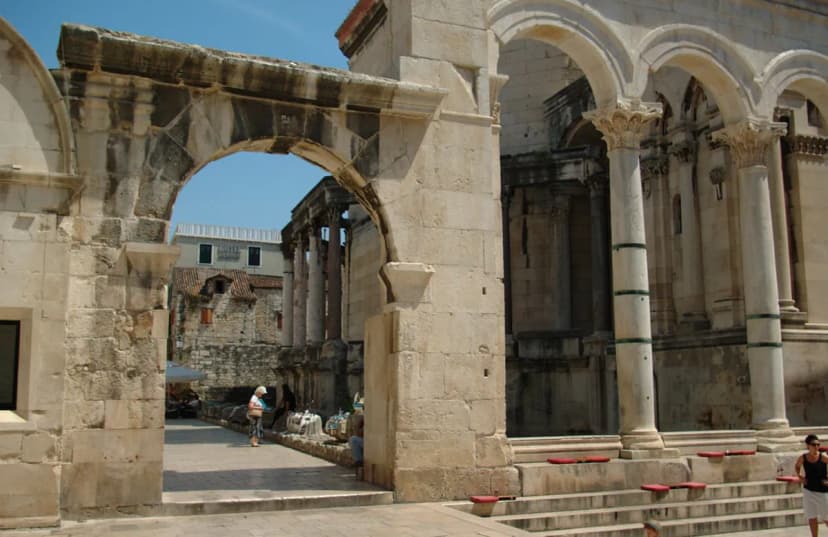
Pair your beach days with the city's extraordinary cultural heritage for the full Split experience. The Diocletian's Palace is a 15-minute walk from Bačvice, and the ferry terminal for day trips to Hvar and the islands is right next door. The clear blue waters of the Adriatic are waiting — enjoy your 2026 summer on the Dalmatian coast.