Hvar Beach Guide: Discover the Best Coastal Gems in Croatia
Dubovica Beach — rated the most scenic cove on Hvar — sits 7 km south of Hvar Town via a 15-minute steep walk from the roadside car park; entry is free, the shore is white pebble, and sunbeds at the small beach bar cost €15–20 per pair in 2026.
Palmižana on the Pakleni Islands is the top full-day beach destination: water taxis depart Hvar Town harbour every 20–30 minutes for €10 return, and Milna village beach — 12 km west by bus for €3 — is the best family-friendly option with gentle sheltered water and waterfront restaurants.
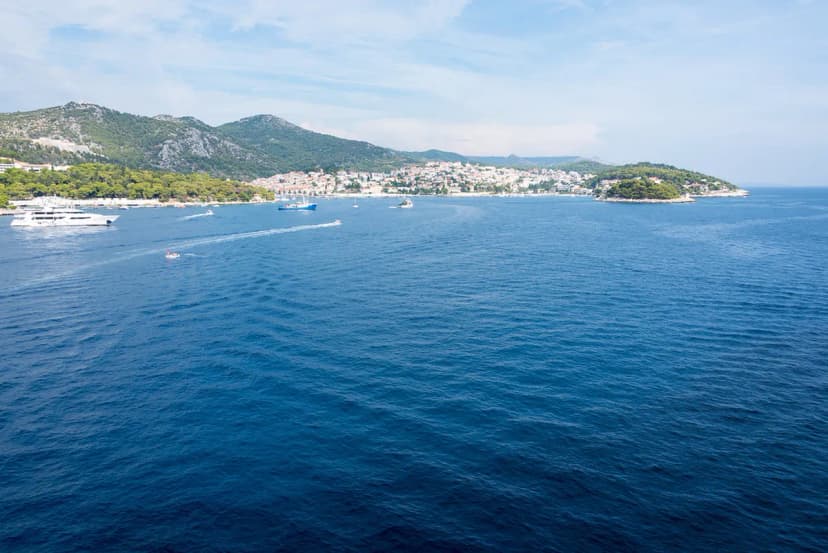
Hvar Island offers some of the most stunning coastlines in the Adriatic Sea. Crystal-clear waters meet rugged cliffs and fragrant pine forests along the shore. This Hvar beach guide helps you find the perfect spot for your 2026 summer holiday. Whether you seek lively beach clubs or quiet coves, the island delivers variety that few Mediterranean destinations can match.
Navigating the rocky terrain requires a bit of local knowledge and preparation. Most beaches here consist of smooth pebbles or flat stone plateaus rather than soft sand — this is what keeps the water so extraordinarily clear. Planning your daily route ensures you spend more time swimming and less time searching. Each bay has a distinct personality, a different set of amenities, and its own crowd profile, so a little research before you leave your accommodation pays real dividends.
Best Beaches Within Walking Distance of Hvar Town
Bonj Beach is the most iconic spot on the island, located just a 10-minute walk west of the harbor along the coastal promenade. Built in the 1930s, the white stone colonnade and elegant changing cabins create a luxurious, almost art-deco atmosphere that looks spectacular in morning light. In 2026, a pair of premium sunbeds here costs €40–60 per day during peak season (July–August), falling to €25–35 in June and September. The water stays calm and intensely clear, making it perfect for a civilized morning dip before the crowds arrive. Booking through the Amfora Grand Beach Resort's front desk gives you access to the full beach club experience including towel service and cocktail delivery.
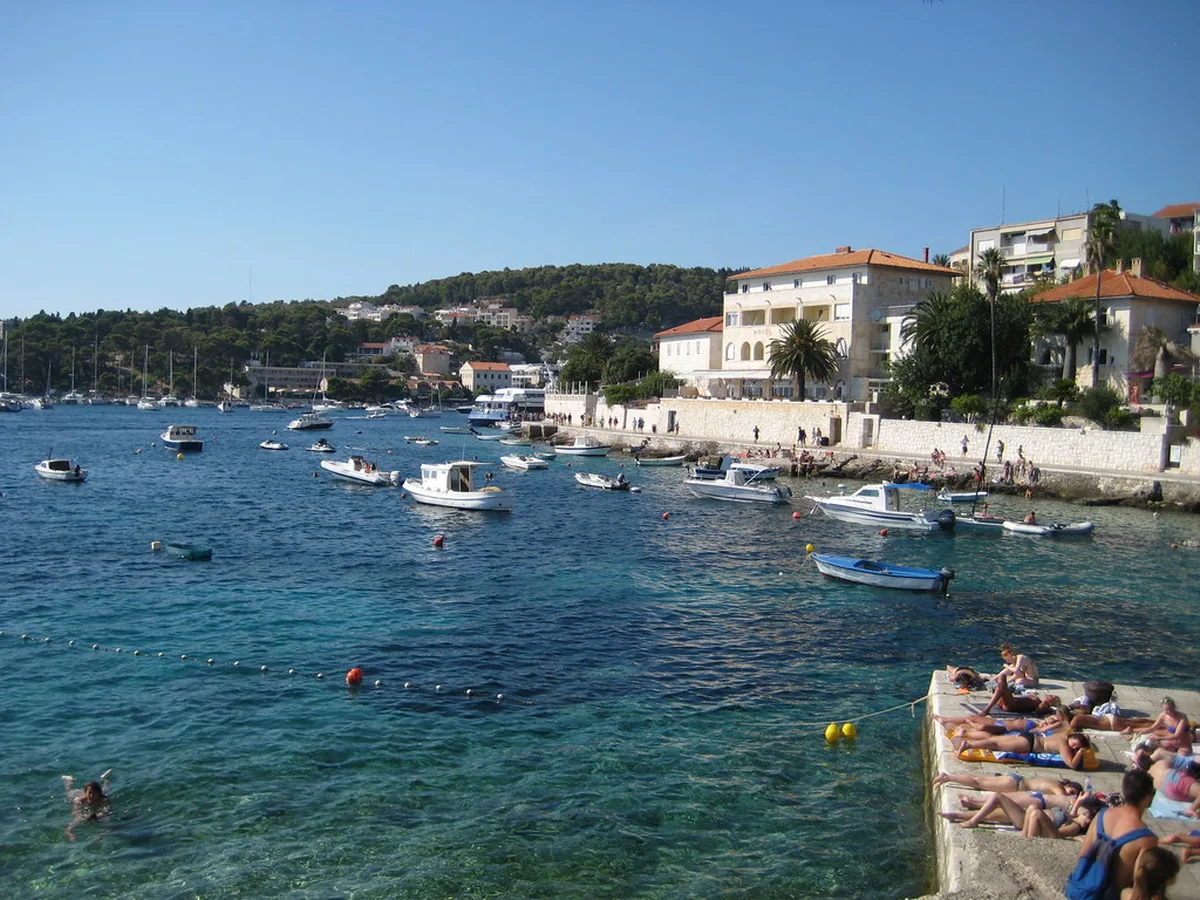
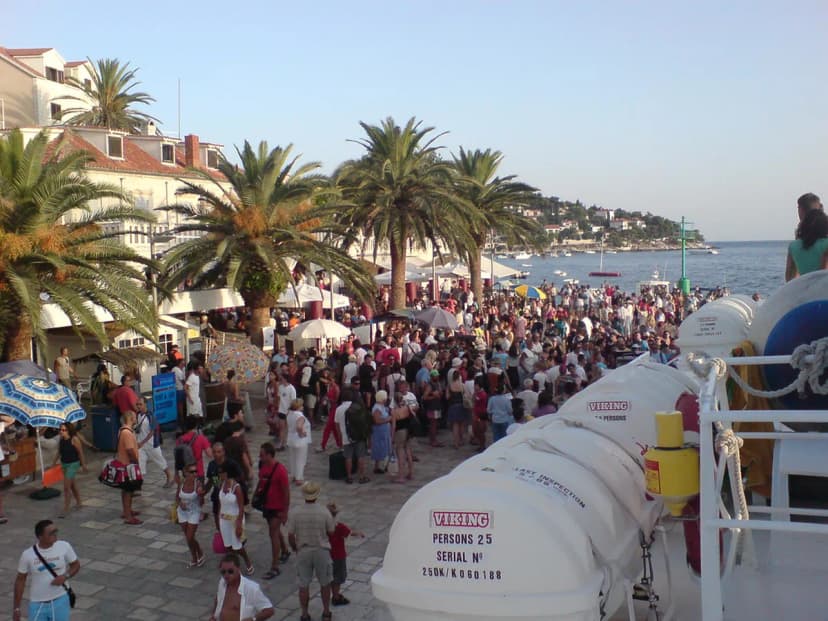
Hvar Town beach — known locally as Križa or the "City Beach" — sits right at the foot of the harbor promenade, just steps from the main square. It is the most convenient option if you want to combine a quick swim with errands, shopping, or café stops. The beach is reliably crowded by 10:00 AM in summer, so arrive early to find a comfortable spot. Facilities include public toilets and outdoor showers. Sun loungers rent for around €8–10/day at the informal operators who set up along the eastern section. The water depth is very gradual, making this the most accessible option for non-swimmers and those who want to wade rather than dive.
Pokonji Dol offers a more traditional pebble experience a 25-minute coastal walk south of town. Follow the marked path that begins past the Amfora Hotel — the route is flat, well-signposted, and enjoyable in its own right as it winds through low Mediterranean scrub above the sea. Two family-run restaurants here serve fresh grilled fish platters (€15–22), cold Karlovačko beer (€5–6), and Croatian house wine by the carafe (€10–12). Arrive before 10:00 AM to secure a shaded position; by noon, the bay fills substantially. The beach orientation catches afternoon sun all the way until sunset, making it a fantastic spot for a late-day swim.
Mekićevica Beach is 20 minutes further along the same coastal path and rewards the extra effort with significantly more privacy. The cove is smaller and more natural, hemmed in by low cliffs that block the wind. Robinson's Kitchen sits just above the shore and is a genuinely memorable lunch stop — think fresh octopus salad (€14), house-smoked fish, and home-baked bread served on rough wooden tables under the pines. The path here can be uneven and occasionally steep, so rubber-soled sandals or lightweight trainers are strongly recommended rather than flip-flops. Entry to both Pokonji Dol and Mekićevica is free — there is no gate or entry charge of any kind.
Staying within walking distance of the center lets you combine beach time with sightseeing at the Hvar Old Town fortress and loggia. Public showers are available at most bays for a small fee (€0.50–1.00). Early-morning swimmers often have these spots almost entirely to themselves — a dramatically different experience from the 2:00 PM crush.
Pakleni Islands: Beaches, Water Taxis, and What to Expect
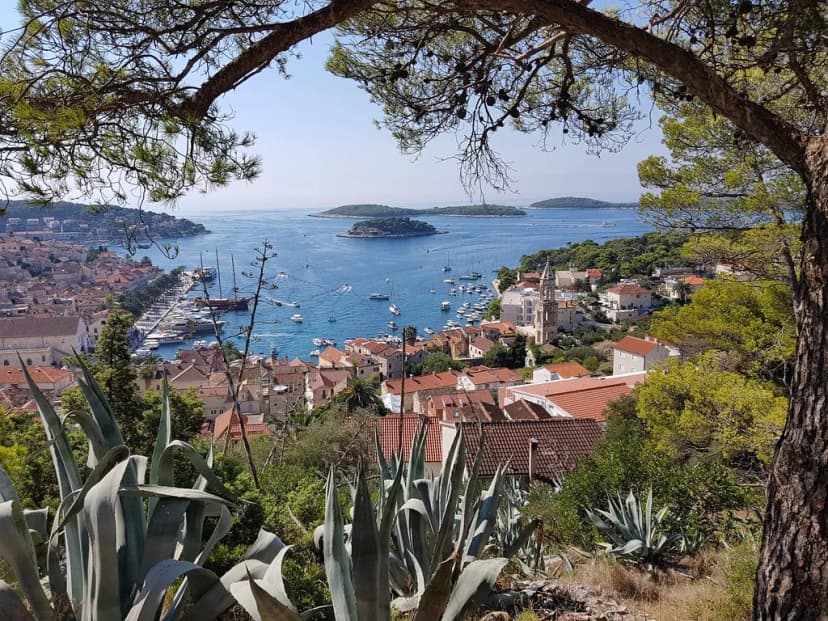
The Pakleni Islands (Paklinski Otoci) are a chain of 16 emerald islets scattered just offshore from Hvar Town, and they represent the single biggest upgrade you can make to your beach day. Water taxis depart every 20–30 minutes from the main harbor near the Arsenal building, running from approximately 09:00 to 19:00 in peak season. In 2026, a one-way ticket costs €5–8 depending on which island you target — Jerolim is the cheapest stop at €5, while Palmižana costs €7–8. Return tickets are available but buying one-way gives you flexibility to hop between islands if you wish.
Jerolim Island is the first and closest stop, a 10-minute crossing from Hvar Town. It has a relaxed, low-key atmosphere with a small eco-bar serving cold drinks (€3–4 coffee, €5–6 beer) and simple snacks. The island is well known as a naturist-friendly destination, though there are no segregated areas — the vibe is simply relaxed and non-judgmental. The snorkelling here is genuinely excellent: the shallow rocky margins around the island's eastern tip are home to sea bream, damselfish, and the occasional octopus moving across the seabed. Pine forests cover much of the interior and provide easy shade away from the exposed shore.
Stipanska is the second main stop, best known for the world-famous Carpe Diem Beach club. During daylight hours, the beach offers a comfortable, upscale experience with cushioned cabanas (€80–120 for a full-day reservation including minimum spend), crystal-clear water, and table service. A beer at the bar costs €7 and cocktails run €12–15. The party programming begins in the evening when the club transforms into one of the most celebrated open-air venues on the Adriatic. Check the boat schedule carefully — the last regular water taxi typically leaves at 19:00, after which you need a private taxi boat (€20–30 per person).
Palmižana is the most famous all-day destination on the islands. While the shoreline is pebbly, the seabed transitions to fine sand just a few meters out, creating a luxuriously soft swimming experience. A botanical garden planted in the early 20th century by the Meneghello family surrounds the main bay, giving the whole cove an unusually lush, tropical feel. Multiple restaurants here serve fresh seafood — expect to pay €18–28 for a main course at the better establishments. Loungers rent for €10–12 per day. The bay faces southwest, which means it catches the afternoon sun perfectly and delivers outstanding sunsets. This is the most popular island stop, so arriving before 11:00 AM is advisable in July and August.
Renting a small 5hp motorboat gives you access to many additional coves that the water taxis do not serve. These boats cost €60–100 per day plus fuel (budget an additional €15–20 for a full day). No licence is required for engines up to 5hp. Pack a cooler with plenty of water and snacks since remote coves have no facilities whatsoever. These day trips from Hvar by self-driven boat produce the island's best privacy-to-effort ratio.
Hidden Gems and Secluded Hvar Coves
Dubovica Beach is consistently cited by those who know the island well as the most beautiful bay in all of Hvar. It sits 8 kilometres east of Hvar Town along the coastal road towards Milna and Jelsa. Access requires a steep 15–20 minute downhill walk on a rocky footpath from the small car park above. The descent is straightforward for fit adults but genuinely difficult with young children or heavy luggage — factor this in before you commit. The large white limestone pebbles create a vivid contrast against the turquoise water that photographs exceptionally well. A rustic stone bar at the far end of the bay serves cold drinks and simple snacks (beer €5–6, water €1.50). The bay faces south and catches afternoon sun until late; it is sheltered from the Jugo southerly wind by the headland, so the water is typically calm and clear even on breezier days. Snorkelling along the right-hand cliff face reveals interesting underwater topography and a variety of fish species.
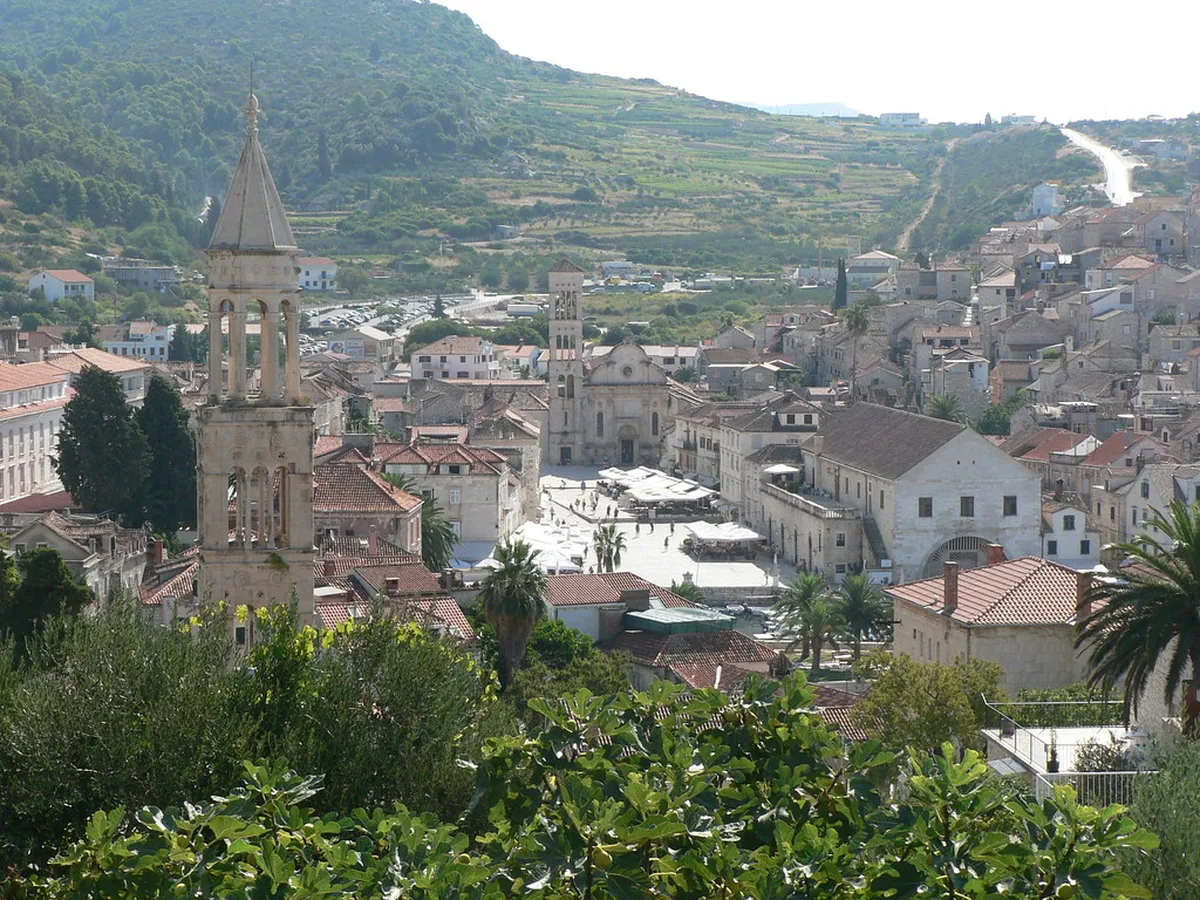
Lučišća Beach near the village of Sveta Nedjelja rewards those who make the effort. Towering cliffs on three sides provide dramatic natural scenery and free shade during hot afternoons. Parking is extremely limited (space for perhaps 15 cars on the gravel pull-off), so arriving by scooter gives you a clear advantage. There are no formal facilities whatsoever — bring everything you need including food, water, and a first-aid kit. The water is some of the clearest on the island owing to the depth and the total absence of boat traffic. Aim to arrive before 09:30 if travelling by car to guarantee a parking space.
Wind direction matters enormously when choosing a Hvar beach. The southern Jugo wind creates swells that make south-facing bays uncomfortable; on Jugo days, head to north-facing bays like Maslinica or Zastup near Stari Grad. The northwestern Mistral wind makes south-facing coves like Dubovica calmer and cleaner. Checking the Windy.com app before you leave your accommodation takes 30 seconds and can save you hours of disappointment. The Bura (northerly) is rarer in summer but can arrive suddenly in spring and autumn.
Jagodna Bay near the western tip of the island offers sunset views that few spots on the island can rival. A small campsite and a low-key restaurant sit above the shore. The pebble beach is wide, the water is shallow for 20–30 metres out, and the atmosphere is entirely relaxed without any beach club scene. Arriving at 17:00 and staying for the sunset followed by dinner at the restaurant above makes this a superb way to end a day of exploring.
- Dubovica Beach for Secluded Beauty
- Access: 15–20 min steep hike from car park
- Vibe: Quiet, scenic, photogenic
- Facilities: One small bar
- Best for: Snorkelling, photography, peaceful swimming
- Lučišća Cove for Dramatic Cliffs
- Access: Narrow gravel road, very limited parking
- Vibe: Wild, romantic, untouched
- Facilities: None — self-sufficient only
- Best for: Serious beach seekers, cliff jumping
- Jagodna Bay for Sunset Views
- Access: Western coastal road, campsite nearby
- Vibe: Relaxed, family-friendly in low season
- Facilities: Small restaurant above
- Best for: Sunsets, evening swims, couples
Hvar's Nudist and Clothing-Optional Beaches: What You Need to Know
Croatia has a long, relaxed tradition of naturism stretching back to the 1930s, and Hvar is one of the most naturist-friendly islands on the Adriatic. This is not a niche or hidden scene — it is an accepted, mainstream part of Croatian beach culture, and visitors of all nationalities participate without any social awkwardness. Understanding which beaches operate on naturist or clothing-optional terms helps you choose the right spot for your comfort level and avoids any surprises when you arrive.
Jerolim Island on the Pakleni archipelago is the most accessible naturist beach from Hvar Town and requires just a €5 one-way water taxi crossing of approximately 10 minutes. The entire island operates as a relaxed clothing-optional environment — there are no segregated areas and no enforced rules, so you will find both naturists and swimsuit-wearers sharing the same bays without any tension. The island has a small eco-bar serving cold drinks (beer €5–6, soft drinks €3–4) and simple snacks, and the pine forest interior provides deep shade for those who want to retreat from the direct sun. Snorkelling conditions around Jerolim's rocky eastern tip are among the best on the island: water clarity regularly exceeds 10–12 metres, and the marine life around the submerged rock margins is diverse and active. Arrive early in the morning to claim a good flat-rock spot, as Jerolim is well known among regulars and fills by midday in July and August.
Naturist Beach at Milna (FKK Milna) is a designated section at the western end of Milna Bay, clearly signposted from the main beach access path. It offers the same calm, family-safe water for which Milna is known — gradual depth increase, no strong currents, excellent water quality — but within a defined naturist zone. This is the best choice for first-time naturists who want the reassurance of a clearly delineated area and the convenience of nearby facilities (restaurants, public showers, bus stop for the return to Hvar Town). Access from Hvar Town costs €3 by bus, running approximately every 40–50 minutes during peak season, making it by far the most affordable clothing-optional beach on the island.
Zdrilca Beach near the village of Sveta Nedjelja operates informally as a clothing-optional cove favoured by local islanders. It is not officially designated as a naturist beach, but the local convention is well established and universally respected. The dramatic cliff backdrop provides some natural afternoon shade from around 16:00 onwards. Access requires navigating a narrow gravel track best suited to scooters or compact cars; larger vehicles will find turning extremely difficult. Bring everything you need — there are no facilities at the cove itself, though the village above has a small konoba serving grilled fish and cold wine.
A practical note: nudism is entirely legal on Croatian beaches, provided it occurs in an area where it is the accepted norm (official FKK zones or informal clothing-optional coves). It is not appropriate on central town beaches like Hvar Town's harbour beach or Bonj Beach where families and mixed groups are the main users. Croatian law treats public nudity in non-designated areas as a minor civil offence, so common sense about location applies. Visitors from countries without naturist beach traditions sometimes feel uncertain about etiquette — the simple rule is that staring, photographing others, or making comments is entirely unacceptable, and respectful co-existence is the cultural norm. For a broader look at the island's coastline and how these beaches fit into a full visit, the day trips from Hvar guide covers water taxi routes to the Pakleni Islands with timings and updated 2026 prices.
Family-Friendly Shores for Safe Swimming
Milna Beach, located 8 kilometres west of Hvar Town, is the top recommendation for families with young children and for anyone who prefers calm, predictable swimming conditions. The village of Milna sits directly behind the beach and is served by a local bus from Hvar Town bus station approximately every 40–50 minutes during summer (€2–3 per person). The bay features two connected pebble beaches with a very gentle gradient into the sea — children can wade safely for 15–20 metres before the depth increases noticeably. Three waterfront restaurants serve everything from wood-fired pizza (€10–14) to grilled sea bass (€18–24) and cold soft drinks. Sun loungers rent for €8–10/day. The western orientation means the beach catches afternoon and evening sun, making it ideal for a post-lunch excursion rather than an early-morning start.
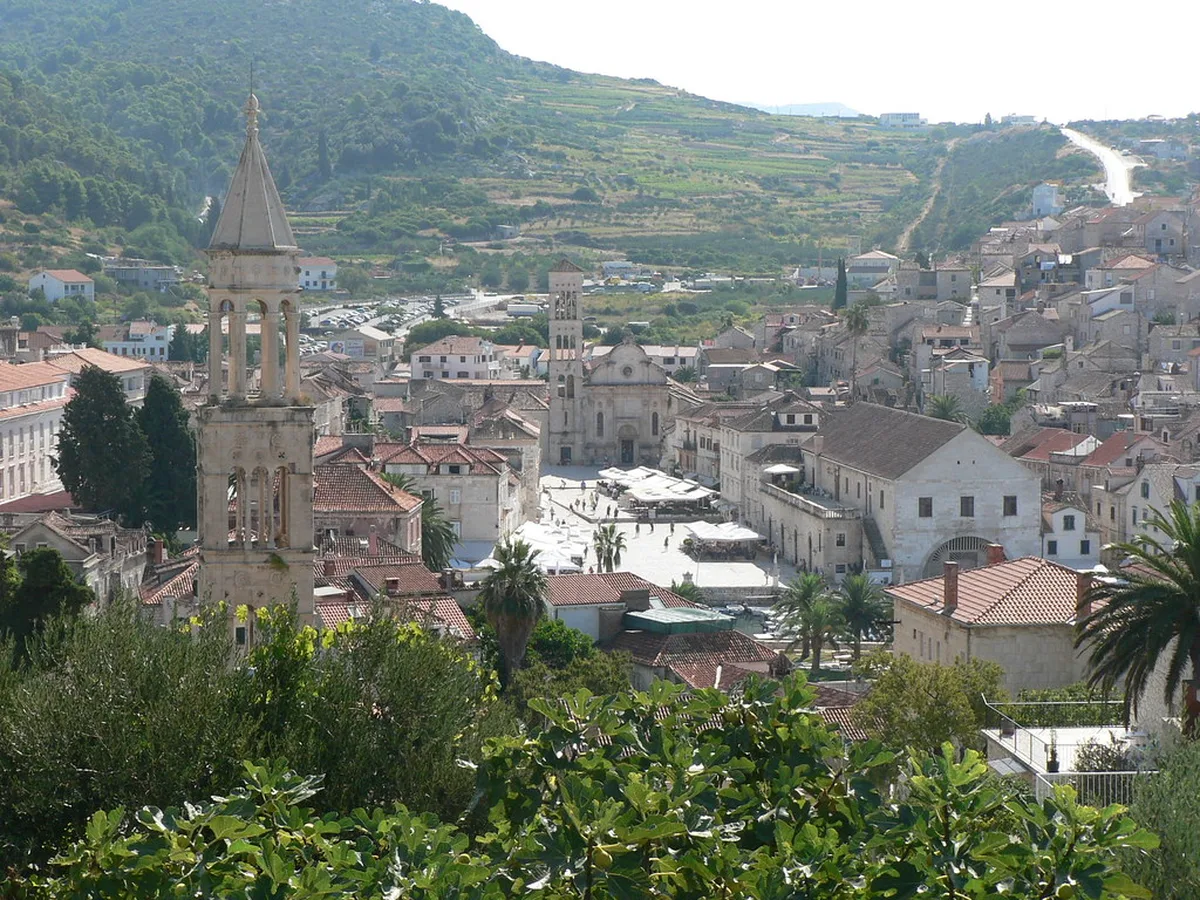
Zaraće offers a genuinely unique landscape: two deep adjacent bays protected by long stone peninsulas that act as natural breakwaters. These rock arms block the wind from almost any direction, keeping the water exceptionally still and calm even when other beaches are choppy. Children can safely snorkel near the inner rock faces to observe small silver fish, sea urchins, and occasional starfish. The village behind the beach has a handful of guesthouses and a small market for provisions. The road in is narrow and steep, so driving slowly and yielding to oncoming traffic is essential. Parking is free at the top of the hill with a short walk down to the shore.
Sea urchins are present throughout Hvar's rocky shorelines — a fact of life in these clean, clear waters. Always equip children and adults alike with rubber water shoes before entering. These are widely available at souvenir shops and waterfront stalls throughout Hvar Town for approximately €10–15. If a spine does penetrate the skin, do not attempt to remove it with tweezers — the local pharmacies (there are two in Hvar Town, open 08:00–20:00) stock a purpose-made cream that safely dissolves the spine within 24 hours.
Shade is scarce on most Hvar beaches in peak summer; the sun is genuinely intense from 11:00 to 16:00. Umbrella rental costs €10–15 for a full day at staffed beaches. Beaches with natural pine tree coverage — including Milna, Jagodna, and parts of the Pakleni Islands — offer free shade. Apply SPF50+ sunscreen every 90 minutes and ensure children are covered even when in the water, as the clear Adriatic reflects UV radiation strongly from below.
Milna and the East Coast: Quieter Alternatives Worth Knowing
The stretch of coast between Hvar Town and the village of Jelsa holds several beaches that most tourists never reach — and the people who discover them rarely tell others. Malo Grablje, a partially abandoned village above a south-facing bay, rewards the 45-minute walk from the coastal road with near-total solitude and water that rivals the Pakleni Islands for clarity. There are no facilities whatsoever, so treat this as a full self-sufficient excursion.
The village of Milna itself (not to be confused with Mala Milna slightly east) has a second smaller beach on its northern side that faces the Pakleni channel. This north-facing orientation means it catches the Mistral breeze in the afternoons, which provides natural cooling that south-facing beaches cannot offer during the hottest part of the day. The trade-off is slightly choppier water on windy afternoons, but for families who find the heat oppressive, this breeze is a genuine blessing.
Zavala beach on the south coast of Hvar is accessible via a tunnel through the mountain from the north coast road — an unusual approach that adds to its off-the-beaten-track character. The beach itself is a long pebbly shore facing Italy across the open Adriatic. Several small restaurants and rental apartments sit directly on the shore. The absence of boat traffic keeps the water extremely clean. Reach Zavala via the tunnel from the Jelsa side or by boat from Split on certain summer ferry routes.
The east coast town of Jelsa has a small harbour beach and several pebbly coves within walking distance, making it a viable base for beach-focused visitors who want to avoid the higher prices and crowds of Hvar Town entirely. Jelsa is connected to Split by direct catamaran (approximately €10–12, 50 minutes) and has a growing selection of family-run restaurants and guesthouses at noticeably lower prices than the western end of the island. From Jelsa you can also reach Vrboska, a tiny canal village 3 kilometres away with its own quiet cove, by cycling the flat coastal road.
For those combining beaches with broader island exploration, the Split 3-day itinerary covers Hvar as a day trip option with practical ferry and catamaran timings from Split harbour.
Essential Hvar Beach Guide: Practical Tips for 2026
All beaches in Hvar are public by law — you can lay your towel anywhere along the shoreline at no charge. Private beach clubs only charge for the use of their specific sun loungers, umbrellas, and deck areas. Avoiding beach club furniture entirely (by finding a flat rock section or bringing your own mat) is a perfectly comfortable and genuinely popular option among locals and experienced visitors. In 2026, sun lounger hire across the island ranges from €8–10 at informal setups to €40–60 for premium double sunbeds at Bonj Beach's hotel concession. Umbrella hire costs €10–15/day extra at most staffed beaches.
Beach bar prices in 2026 are broadly consistent across the island. A local Karlovačko or Ožujsko beer costs €5–7 at beach bars. A short espresso or macchiato is €3–4. A glass of local wine runs €4–6. Fresh coconut water and premium bottled water from Italian brands are €3–5. Cocktails at the more established beach clubs (Carpe Diem, Amfora) range from €12–18. Bringing your own cold drinks in a soft cooler bag is entirely acceptable at free public beach sections and saves considerable money over a full beach day.
Peak season runs July and August: warmest water (26–28°C), biggest crowds, highest prices. June and September offer a genuinely better experience for most visitors — the sea is still warm (22–25°C in June, 24–26°C in September), prices drop 15–25%, and beaches are far less crowded. The water remains swimmable well into early October (20–22°C). Early June and late September represent the sweet spot for independent travellers who prioritize experience over peak-season amenities.
Packing a snorkel and mask significantly expands the value of every beach visit. The high salt content of the Adriatic makes floating near-effortless — even poor swimmers find the buoyancy surprising. Rocky margins around headlands consistently produce the best snorkelling (sea bream, wrasse, damselfish, occasional octopus), while open sandy bays offer better swimming but fewer marine life encounters. A basic snorkel set is available at waterfront shops in Hvar Town for €15–25.
Always carry a mix of cash and card. Water taxis, small beach bars, and remote parking operators routinely accept cash only. ATMs (Erste Bank and OTP Bank) are available in Hvar Town main square but rare near remote beaches. Croatia operates in EUR (joined the Eurozone in January 2023) — there is no need to exchange currency or worry about the old kuna. Most larger restaurants and all hotels accept Visa and Mastercard.
Frequently Asked Questions
Are there any sandy beaches in Hvar?
Most beaches on Hvar are pebble or limestone rock, which is what keeps the water so exceptionally clear. The nearest thing to a sandy-bottom beach is Palmižana on the Pakleni Islands, where the seabed transitions to fine sand a few metres from shore. Jelsa on the east coast also has areas of coarser sand near its harbour beach. If a genuine sandy beach is essential, the best nearby options are on the mainland near Split or on the island of Brač.
Do I need water shoes for Hvar beaches?
Yes, water shoes are strongly recommended for all Hvar beaches. The shorelines are predominantly pebble and sharp limestone, and sea urchins are common in the rocky shallows throughout the island. A basic pair costs €10–15 at souvenir shops in Hvar Town. Rubber-soled water shoes also make the coastal walking paths between beaches much more comfortable than flip-flops.
How much does a sunbed rental cost in Hvar in 2026?
Sunbed hire in Hvar in 2026 ranges from €8–12/day at informal beach setups and local operators up to €40–60 for a pair of premium sunbeds at Bonj Beach (the hotel-managed beach club). Umbrella hire is typically €10–15/day extra. Loungers are not obligatory — all beach areas are publicly accessible and you can always lay a towel on any free rock or pebble section at no cost.
Can I reach the Pakleni Islands without a private boat?
Yes. Regular water taxis depart from Hvar Town harbor every 20–30 minutes throughout the day during summer (approximately 09:00–19:00). In 2026, a one-way ticket costs €5–8 depending on which island you choose — Jerolim is the closest and cheapest (€5 one-way), Palmižana costs €7–8. Tickets are bought directly at the pier. No advance booking is needed for the standard taxi boats.
Which Hvar beach is best for snorkelling?
Dubovica and Jerolim (on the Pakleni Islands) are the top choices for snorkelling near Hvar in 2026. Both have clear, calm water with rocky margins that shelter sea bream, wrasse, damselfish, and occasional octopuses. The water visibility at Dubovica often exceeds 15 metres on calm days. Palmižana's sandy-bottomed bay is better for relaxed swimming than snorkelling. Bring your own mask and snorkel or buy a basic set in Hvar Town for €15–25.
Does Croatia still use the kuna? What currency do I need for Hvar beaches?
Croatia joined the Eurozone in January 2023 and now uses the euro (EUR) as its official currency. There is no need to exchange money or carry Croatian kuna. All beach bars, water taxis, and beach facilities on Hvar in 2026 price in euros. Carry some cash for small operators — water taxis and informal beach bars often prefer cash — but larger restaurants and hotels accept Visa and Mastercard without surcharge.
How do I get to Dubovica Beach and how far is it from Hvar Town?
Dubovica Beach is 7 kilometres south of Hvar Town along the coastal road towards Milna and Jelsa. Drive or take a taxi to the small roadside car park (free parking), then walk down a steep rocky path for 15–20 minutes to reach the shore. Entry to the beach itself is free — there is no gate or admission charge. A small beach bar at the far end of the bay serves cold drinks and snacks, and sunbeds rent for €15–20 per pair in 2026. The beach is best visited in the morning before the descent gets crowded; south-facing orientation means it catches sun all day.
How do I get from Hvar Town to Milna Beach by bus, and what does it cost?
Milna Beach is 12 kilometres west of Hvar Town and is served by a local bus from Hvar Town bus station. In 2026, the fare is approximately €3 per person each way, with buses running roughly every 40–50 minutes during summer peak season (July–August). The journey takes around 20 minutes. Milna is the best family-friendly beach on Hvar: the bay is sheltered, the water depth increases very gradually (safe for young children to wade), and there are three waterfront restaurants with full menus including grilled fish (€18–24) and pizza (€10–14). Return buses run on the same frequency until early evening.
Hvar remains one of Europe's premier beach destinations, and the range on offer is broader than most first-time visitors expect. From the glamorous sunbed decks of Bonj Beach and the open-air nightlife of Carpe Diem on Stipanska to the silent white pebbles of Dubovica and the calm family waters of Milna, every bay on this island tells a different story. The Pakleni Islands add an entirely separate dimension — a short €5–8 water taxi ride unlocks a different world of clear water and pine-scented air.
Use this Hvar beach guide to navigate the island's stunning coastline with confidence. Check the wind forecast before committing to a south-facing cove, pack water shoes and a snorkel, carry some EUR in cash, and arrive early at the most popular spots. Whether you are making this a standalone beach holiday or combining it with a broader Split beach guide exploration, your 2026 Adriatic trip will reward careful planning with unforgettable sun, salt, and scenery.