The Perfect Split 3-Day Itinerary for Your 2026 Trip
Diocletian's Palace in Split is free to enter at any hour through any of its four gates; the bell tower climb costs €5 and the Riva waterfront promenade is always free — making Day 1 easy on any budget.
Day 2 includes a Hvar island day trip by catamaran ferry for €15 return, while Day 3 covers the UNESCO town of Trogir by local bus for just €5 return — both reachable directly from Split harbour or bus station.
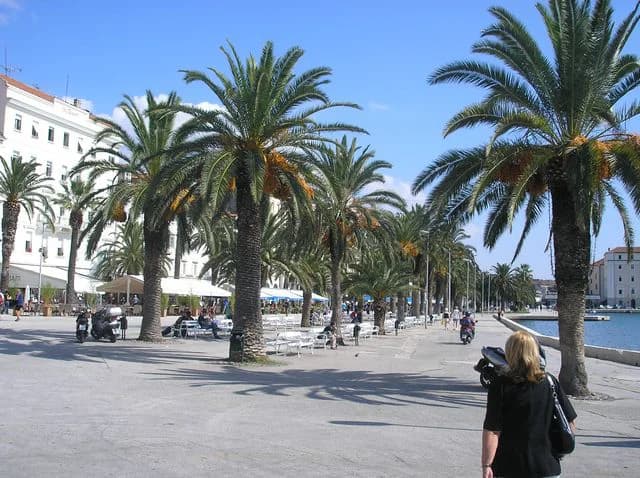
Split offers a unique blend of ancient Roman architecture and a vibrant Mediterranean lifestyle that captivates every visitor. Following a structured split 3-day itinerary ensures you see the palace ruins and the stunning coastline without feeling rushed. Ancient stone walls tell stories of emperors while modern cafes buzz with energy along the scenic Riva promenade. Planning ahead allows you to discover the best things to do in Split's Old Town during your short stay without wasting precious hours backtracking.
Split is Croatia's gateway to the islands, and the palace here is extraordinary. Croatia joined the Eurozone in January 2023, so all prices are now firmly in euros — no currency exchange needed if you're arriving from another EU country.
Day 1: Exploring Diocletian's Palace and Old Town
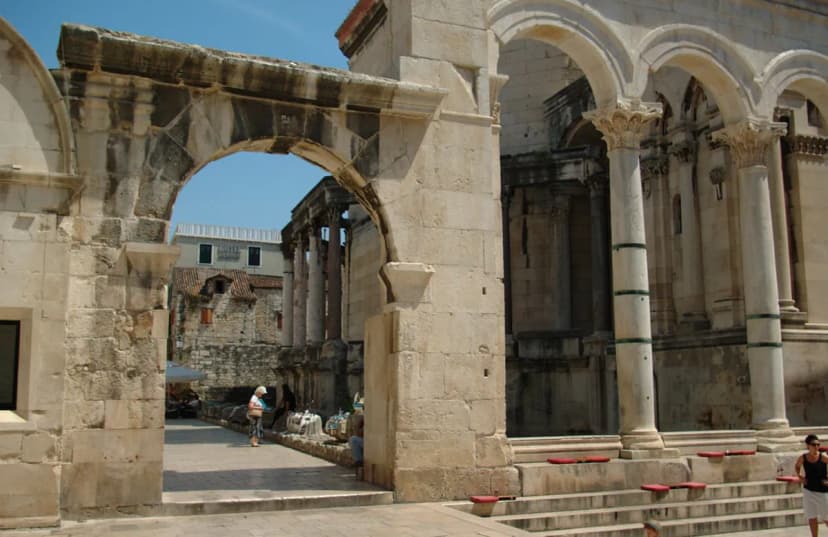
Start your morning as early as 8 AM inside the massive walls of Diocletian's Palace, which serves as the living heart of the city today. The palace complex is free to enter and explore at any hour — you can simply walk through the Golden Gate or Silver Gate and begin wandering the limestone streets. The corridors and squares are far quieter before the cruise ship crowds arrive at around 10 AM, giving you the best light for photographs and real space to appreciate the scale of what Emperor Diocletian built in 305 AD.

Walking through the narrow streets reveals hidden courtyards and ancient shops that have existed for centuries. Most visitors start at the Peristyle square where Roman soldiers once stood guard over the emperor's private quarters. This central courtyard is the social and geographic heart of the Old Town — cafes set out chairs here by 9 AM, and locals use the steps of the Cathedral as a meeting point throughout the day. Joining a Split walking tour (typically €15–20 per person, 90 minutes) is the most efficient way to understand the layered 1,700-year history of these structures without getting lost in the maze of alleyways.
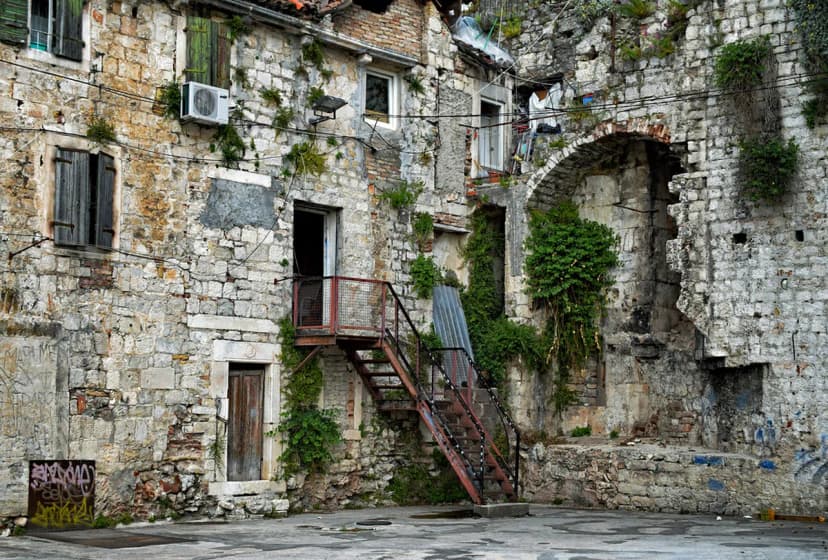
After the palace interior, walk north through the Iron Gate to explore the neighbourhood of Varoš, an authentic residential district of whitewashed stone houses and tiny family-run restaurants that few tourists reach. Return for lunch on the Riva waterfront promenade — a simple grilled fish plate at a harbour tavern runs €12–16. The afternoon is well spent at the Diocletian's Palace complete visitor guide sites below.
- The Saint Domnius Cathedral and Bell Tower
- Cost: €7 for bell tower access, €5 for cathedral only, combined ticket €10
- Time: Allow 45–60 minutes including the tower climb
- View: 360-degree panorama over the Old Town and Adriatic
- Tip: Wear sturdy, closed-toe shoes — the medieval spiral staircase is steep and uneven
- Note: The cathedral was originally Diocletian's mausoleum, making it one of the oldest functioning cathedrals in the world
- The Palace Substructures and Cellars
- Cost: €10 for the underground cellars (museum entry)
- Significance: Preserved Roman vaulted halls used as storage; several scenes from Game of Thrones were filmed here
- Where: Enter via the Vestibule passage off the Peristyle or from the Riva waterfront gate
- Best for: History enthusiasts and GoT fans; the vaulted chambers are atmospheric and well-lit
- Time: 30–40 minutes is enough for the full loop
Day 1 budget estimate: Cathedral tower €7–10, cellars €10, lunch €12–16, dinner at a konoba €18–25, drinks €8–12. Total: approximately €55–73 excluding accommodation.
Day 2: Hvar Island Ferry, Marjan Hill, and Beaches
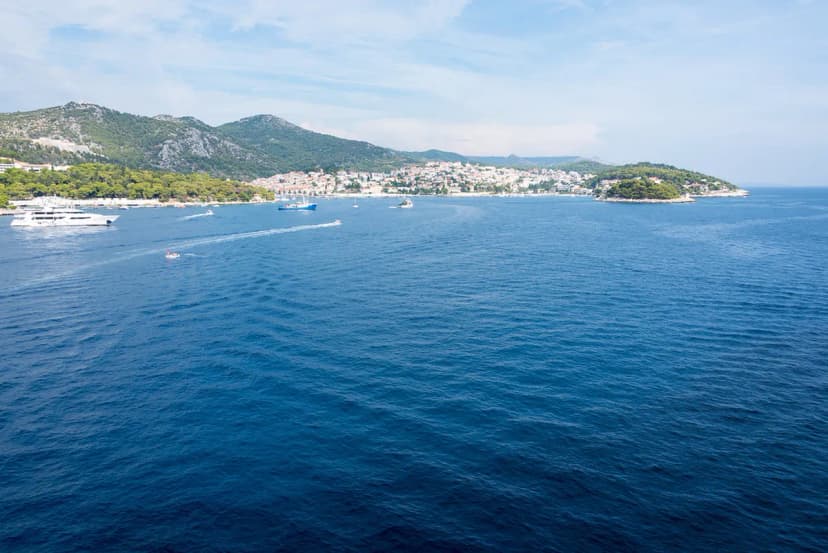
Begin Day 2 with an early start at Split harbour for the Krilo or Kapetan Luka catamaran to Hvar Town, departing around 9 AM. The return ferry ticket costs €15 — book online the evening before in peak season to guarantee your seat. The crossing takes 60–75 minutes and arrives directly at Hvar's main harbour, putting you in front of one of Croatia's most beautiful old towns by mid-morning. Spend 9:30 AM to 1:30 PM exploring Hvar's Venetian square (Trg Sv. Stjepana), the loggia, and the Cathedral of St. Stephen (free entry). Walk uphill to the Fortica Spanish Fortress — the entrance costs €6 but the 360-degree views over the harbour and Pakleni Islands are among the finest in the Adriatic. Return to Split on the 3 PM or 4 PM catamaran, arriving back in time for an evening walk.
Alternatively, if Hvar feels too rushed for a half-day, dedicate the morning to Marjan Hill instead, then spend the afternoon at the beaches. Marjan Hill is the forested peninsula rising directly west of the Old Town. The hike to the summit viewpoint is free, takes around 25–35 minutes at a comfortable pace, and rewards you with a panoramic view stretching from the Mosor mountain range behind the city to the island of Brač across the channel. The forest paths are shaded by Aleppo pines and dotted with small medieval churches, making this an early-morning escape that locals use daily before the day heats up.
Start at the Špinut beach car park on the western edge of town and follow the marked path uphill. The Telegrin summit viewpoint (178 m above sea level) is the highest point; a second, easier lookout at Marjan's mid-slope chapel of Sveti Jere (Saint Jerome) can be reached in 15 minutes and is equally rewarding. Bring water — there are no facilities on the hill. After descending, the Kasjuni Beach cove sits directly at the base of the hill and is one of the best swimming spots in Split, accessible by bus line 12 from the centre (€1.50 single fare) or a 30-minute walk along the coastal path. For quieter conditions, review the Split beach guide for more secluded pebble coves like Bene and Žnjan.
Sandy shores and clear blue waters define the afternoon of your second day. Bačvice Beach sits just a short walk south of the ferry terminal and hosts the local game of picigin — a uniquely Dalmatian tradition where locals leap through shallow water to keep a small ball airborne. Watching and attempting this game is a quintessential Split experience whether you choose to spend the afternoon here or have just returned from Hvar.
- Hvar Island Day Trip by Catamaran
- Ferry cost: €15 return (Krilo or Kapetan Luka catamaran); book online evening before in summer
- Journey time: 60–75 minutes each way
- Highlights: Hvar old town Venetian square, Cathedral of St. Stephen (free), Fortica Spanish Fortress (€6 entry)
- Tip: Take the 9 AM departure and return at 3 PM or 4 PM to have 4–5 hours on the island without an overnight stay
- Relaxing at Kasjuni Beach (if staying in Split)
- Access: Bus line 12 from the city centre (€1.50 single) or a 30-minute coastal walk
- Cost: Free entry to the beach; sun lounger rental €8–12 per day in high season
- Vibe: Sheltered pebble cove with deep clear water and a small beach bar
- Tip: Arrive before 10 AM in July–August to claim a good spot without the crowds
- Dinner at a Traditional Konoba
- Where: Varoš district, west of the palace walls, has the best concentration of authentic konobas
- What to order: Slow-cooked octopus (hobotnica ispod peke), black squid ink risotto (crni rižoto), or grilled sea bream (orada)
- Price: Mains €15–22; a full dinner with wine runs €30–40 per person
- Reservation: Essential in July–August; phone ahead the morning of your visit
- Evening Drinks in the Varoš District or Palace Bars
- Atmosphere: Traditional stone houses in Varoš; cave-like bars built into Roman walls inside the palace
- Drink: Local craft beer (€4–5), Plavac Mali red wine by the glass (€6–9), or a spritz
- Best for: Casual early evening before heading to the Riva strip for late-night drinks
Day 2 budget estimate (Hvar option): Hvar ferry €15 return, Fortica entry €6, lunch on Hvar €12–16, konoba dinner in Split €30–40, evening drinks €10–15. Total: approximately €73–92. Day 2 budget estimate (beach option): Marjan Hill free, bus €1.50, lunch €10–14, beach bar drinks €10, konoba dinner €30–40, evening drinks €10–15. Total: approximately €62–81.
Day 3: Klis Fortress, Trogir, or an Island Day Trip
Your third day offers three distinct options depending on your interests: the dramatic hillfort of Klis Fortress inland, the UNESCO medieval city of Trogir along the coast, or a full island day trip to Hvar or Brač. Most visitors with only 3 days in Split benefit most from Klis in the morning combined with a Trogir afternoon, as both are reachable by local bus and fit comfortably into a single day without an early alarm call.

Klis Fortress (recommended): Perched on a dramatic rocky outcrop 9 km north of Split, Klis Fortress commands views over the entire Split hinterland and the Kaštela bay below. It costs €8 to enter and is one of the most visually striking sites in the region. Game of Thrones fans will recognise it immediately — the fortress served as the city of Meereen where Daenerys freed the slaves in Seasons 3 and 4. Take bus line 22 from the city centre (€1.50, approximately 25 minutes), walk up the steep access road (15 minutes), and allow 1.5–2 hours inside. There is a small café at the entrance and a gift shop selling GoT-branded souvenirs. Morning visits between 9–11 AM avoid midday heat and tour groups.
Checking the full day trips from Split list ensures you pick the right option for your interests. Ferry whistles signal the start of a day spent exploring the stunning islands of the Dalmatian archipelago. Local boats depart frequently from the main harbour for destinations like Brač, Hvar, or the island of Vis. Choosing between a fast catamaran or a slow car ferry depends on your budget and desired travel time.
- Klis Fortress
- Distance: 9 km north of Split centre
- Transport: Bus line 22 from Domovinskog rata stop (€1.50 single, 25 min)
- Entry: €8 per adult
- Best for: Game of Thrones fans, history buffs, panoramic photography
- Time needed: Allow 2–2.5 hours including travel and exploration
- Hvar Town and Spanish Fortress
- Travel: 1 hour by Krilo or Kapetan Luka catamaran from Split harbour
- Ferry cost: €15 return; book online 1–2 days in advance in summer
- Activity: Walk uphill to the Spanish Fortress (Fortica, €6 entry) for panoramic views over the town and Pakleni Islands
- Best for: Those who want glamour, nightlife, and a beautiful harbour town feel
- The Medieval Town of Trogir
- Travel: Bus line 37 from Split bus station (€5 return, single journey ~€2.50, 30 minutes); runs every 20–30 minutes
- Type: UNESCO World Heritage Site; a compact island city connected by two short bridges
- Cost: Free to walk the historic core; cathedral entry €3
- Best for: Architecture lovers who want a calmer alternative to Hvar's party scene
- Combine with: An afternoon swim at the Trogir Riviera beaches (15 min walk from the old town)
Day 3 budget estimate (Klis + Trogir): Bus to Klis €3 return, Klis entry €8, lunch in Trogir €12–16, Trogir bus €5 return, cathedral €3, snacks €5. Total: approximately €36–40 — the most affordable day of the three.
Per-Day Budget Breakdown for Split in 2026
Croatia's switch to the euro in January 2023 simplified budgeting for EU travellers, but prices have risen incrementally each year since. In 2026, Split sits firmly in the mid-range tier of Adriatic destinations — more affordable than Dubrovnik by roughly 20%, but noticeably pricier than inland Croatian cities. Here is a realistic breakdown across three budget tiers so you can plan your spending before arrival.
Budget traveller (€60–100/day): Stay in a hostel dorm or private room in a guest house (€25–40), eat a sit-down lunch at a local konoba away from the waterfront (€10–14), grab pizza or burek for dinner (€6–9), visit one paid attraction per day (€7–10), use local buses only (€1.50 per journey). This tier works well for Days 1 and 3 which are naturally low-cost. Beaches and Marjan Hill are free.
Mid-range traveller (€100–150/day): Stay in a comfortable apartment or three-star hotel (€60–90), eat two sit-down meals per day at decent restaurants (€15–22 per main), enjoy a daily coffee on the Riva (€2–3), do one paid activity or tour per day (€15–20). This is the most common spend level for independent travellers visiting in June or September. July–August accommodation prices increase by 40–60% above these figures.
Comfort traveller (€150–220/day): Boutique hotel or apartment inside the palace walls (€100–160+), dinner at a top seafood restaurant (€35–50 per person with wine), one private boat or guided tour per day (€35–60), cocktails on the Riva terrace (€10–14 each).
Key money-saving tips for 2026: Buy supermarket breakfast groceries the night before (Konzum and Spar are both within the palace walls). Eat lunch at a bakery (pekara) for €3–5. Avoid waterfront restaurants on the Riva — the same dish costs 30–40% more than at an identical konoba one street back. Use the Promet Split app to buy bus tickets at the reduced digital fare.
- Restaurant price tiers
- Budget (local bakery / fast food): €3–7 per meal
- Mid-range konoba: €12–22 per main, €25–40 full dinner with wine
- Top seafood restaurants: €35–55 per person with a carafe of house wine
- Attraction costs at a glance
- Diocletian's Palace cellars (museum): €10
- Cathedral bell tower: €7; combined ticket €10
- Klis Fortress: €8
- Marjan Hill hike: Free
- Trogir day trip (bus + cathedral): €6–7 total
- Hvar catamaran (return): €15
Essential Logistics for Your Split 3-Day Itinerary
Finding a spot for your car can be incredibly difficult in the historic centre during peak summer months. Consider reviewing a guide on parking in Split to avoid expensive fines or unexpected towing. The largest public car parks are located near the ferry port (Parking Luka, around €1.50–2.00/hour) and just north of the bus station. Street parking in the centre requires a zone permit that short-stay visitors cannot obtain, so garages are the only viable option. The alternative is to leave your car at a cheaper peripheral car park (€5–8/day) and walk or take the bus into the centre.
Getting around the city on foot is straightforward — the entire Old Town is fully pedestrianised and most sights are within a 15-minute walk of each other. The Promet Split bus network covers the entire city and the surrounding municipalities, with a single journey costing €1.50 if bought via the app or €2.00 on board. The app also shows real-time bus positions, which is useful for planning beach trips to Kasjuni (line 12) or visits to Klis (line 22).
Split Airport (SPU) is 25 km west of the city centre. The Croatia Airlines bus shuttle runs every 30–60 minutes and costs €7 one-way, dropping passengers at the main bus station. Taxis and ride-shares cost €25–35 depending on traffic. Book the shuttle in advance during July–August as it fills quickly on arrival days.
- Avoiding Large Cruise Ship Crowds
- Tip: Check port arrival schedules at splitcruiseport.com — ships are listed by date
- Peak crowd hours: 10 AM to 4 PM, especially Tuesday through Saturday in summer
- Strategy: Visit the palace and cathedral first thing in the morning, then switch to beaches or Marjan Hill during peak hours
- Benefit: Better photographs, space to breathe, and more attentive service at cafes
- Public Water Fountains and Hydration
- Location: Multiple free fountains on the Riva and inside the palace squares
- Quality: Safe, cold, potable tap water — Split's municipal water is excellent
- Tip: Bring a refillable 750 ml bottle; refill it at fountains rather than buying €2 plastic bottles at tourist kiosks
- Connectivity and SIM Cards
- EU roaming: If you have an EU-based SIM, standard EU roaming applies in Croatia — no extra charges
- Non-EU visitors: Croatian SIM cards with 10 GB data cost €10–15 at the airport kiosks (A1, T-Mobile, Telemach)
- Wi-Fi: Most cafes and restaurants offer free Wi-Fi; the Riva has public municipal Wi-Fi
Best Places for Local Dining and Drinks
Fresh seafood and seasonal vegetables dominate the menus of the most authentic restaurants in Split. Traditional taverns known as konobas offer a cosy atmosphere and dishes like slow-cooked octopus (hobotnica ispod peke, €18–22), black squid ink risotto (crni rižoto, €14–18), and grilled sea bream (orada, €16–20). Reservations are strongly recommended during July and August to secure a table at popular spots in the Split Old Town area. Many smaller establishments are cash-preferred, though all are legally required to accept card payments since 2023.
The best konobas are concentrated in two areas: the Varoš neighbourhood immediately west of the palace walls, and the quieter streets north of the Golden Gate. Konoba Fetivi on Tolstojeva Street and Konoba Hvaranin near Pazar market are both consistently rated among the best-value places in the city — expect to pay €15–22 for a main and €6–9 for a glass of Plavac Mali red or Pošip white. Arrive at 7 PM when they open to avoid a wait; by 8:30 PM both are typically full.
For a budget lunch, head to the open-air Pazar market on the east side of the palace and buy fresh seasonal produce, olives, and local cheese directly from farmers — a full market lunch costs €4–7. The covered fish market (ribarnica) adjacent to Pazar sells grilled fish sandwiches at lunchtime for €5–7, giving you the freshest possible seafood at the lowest price.
- Sampling Local Dalmatian Wines
- Varieties to try: Plavac Mali (robust red, Dalmatia's signature grape), Pošip (dry white from Korčula island), Grk (rare white from Lumbarda)
- Where: Wine bars near the Peristyle square and in the Varoš district
- Cost: €6–9 per glass; a carafe (0.5L) of house wine at a konoba runs €10–14
- Best for: Pre-dinner drinks on the Peristyle steps or the Riva waterfront
- Restaurant Picks by Price Tier
- Budget: Falafel and burek stalls on Marmontova Street (€3–5); Pazar market fish sandwich (€5–7)
- Mid-range konoba: Varoš district — mains €15–22, full dinner with wine €30–40/person
- Higher end: Waterfront seafood restaurants on the Riva — grilled whole fish priced by weight (€35–55/kg), excellent quality but tourist premium pricing
- Late Night Fun and Dancing
- Guide: Split nightlife guide for full venue listings
- Popular venues: Bačvice beach club district (10 min walk south of centre), bars inside the palace walls
- Timing: Things get going after midnight and run until 4–5 AM in peak season
- Entry: Most clubs charge €5–10 on weekends in July–August; midweek is often free
Split in 3 Days: Essential Tips for First-Time Visitors in 2026
First-time visitors to Split frequently underestimate two things: how compact the Old Town is, and how quickly the crowds descend after cruise ships dock. Both issues are easy to manage with a few tactical adjustments. The following tips are drawn from the most common mistakes travellers make and the habits that consistently result in a stress-free three-day stay.
Arrive by 8 AM at Diocletian's Palace on Day 1. Cruise ships typically dock between 9 AM and 10 AM and disgorge thousands of passengers simultaneously into the palace streets. If you are staying in or near the Old Town, setting your alarm early gives you an hour of near-solitude inside the palace gates — the best light for photography, quieter café service, and genuine space to appreciate the scale of a living Roman monument. The Peristyle square in particular becomes extremely crowded by 11 AM on busy summer days.
Book the Hvar catamaran ticket the night before. The Krilo and Kapetan Luka ferries to Hvar Town operate limited seat capacity and frequently sell out for peak morning departures in July and August. Booking online at 9 PM the previous evening takes under 5 minutes and costs the same as an on-the-day ticket (€15 return). There is no price advantage to queuing at the harbour — only the risk of missing your preferred departure.
Use the Promet Split app for all local bus journeys. The app (iOS and Android, free) shows real-time bus positions and sells reduced-fare tickets (€1.50 versus €2.00 on board). This matters most for Day 2 beach trips (line 12 to Kasjuni) and Day 3 Klis visits (line 22). Download it before leaving your accommodation each morning. The app also alerts you if a bus is delayed, which occasionally happens on the Klis route during school term time.
Eat one step back from the waterfront. Riva waterfront restaurants charge a 30–40% premium for the view. A virtually identical grilled fish plate costs €12–16 at a konoba in the Varoš neighbourhood 3 minutes' walk inland, compared to €18–25 for the same dish on the Riva terrace. The food is often better at the konoba too — tourist-facing waterfront restaurants rarely have the same kitchen standard as family-run Varoš establishments.
Plan your itinerary around the Dubrovnik vs Split decision early. Many first-time visitors to Croatia try to do both cities in a single trip. If you are debating where to allocate more time, the Dubrovnik vs Split comparison guide breaks down the trade-offs by travel style, budget, and interests. Split suits travellers who want a living, working city combined with beaches and island day trips; Dubrovnik suits those prioritising the most dramatic walled city in Europe with fewer distractions.
- Packing for 3 days in Split
- Footwear: Comfortable, closed-toe shoes for the palace's uneven limestone streets and the bell tower's spiral staircase; flip-flops or water shoes for rocky beaches
- Clothing: Modesty required to enter the Cathedral — carry a scarf or light layer for shoulders
- Bag: A small daypack fits everything needed: sunscreen, refillable water bottle, light jacket for evenings, and a camera
- Cash: Most places accept card, but small bakeries, market stalls, and some bus drivers prefer cash — carry €20–30 in small notes
- Safety and health basics
- Sun: The Adriatic sun is intense May–September; SPF 50 sunscreen is essential for beach days and the Marjan Hill hike
- Pickpockets: The palace interior is crowded in peak season — use a crossbody bag and keep phones in front pockets near the Peristyle
- Pharmacy: Several pharmacies (ljekarna) operate inside and near the palace walls; open Monday–Friday 8 AM–8 PM, Saturday 8 AM–2 PM
- Emergency: Croatia's emergency number is 112 (European standard); English spoken
- Seasonal planning at a glance
- Best value months: May, June, September — warm, swimmable, 20–40% cheaper than peak
- Peak season: July–August — hotter, busier, priciest accommodation; book 2–3 months ahead
- Shoulder season: April, October — excellent for sightseeing, cooler sea temperatures, many island ferries on reduced schedules
- Off-season: November–March — very quiet, some restaurants close, but palace atmosphere is atmospheric and crowd-free
Frequently Asked Questions
Is 3 days enough time to see Split?
Yes, three days is enough to cover Split's main highlights. Day 1 covers Diocletian's Palace and the Old Town, Day 2 covers Marjan Hill and the beaches, and Day 3 allows for a day trip to Klis Fortress (€8, Game of Thrones filming location) or the UNESCO city of Trogir (€3 by bus). You will not feel rushed if you start sights by 8–9 AM each morning.
What does a 3-day trip to Split cost in 2026?
Budget travellers spend €60–100 per day including accommodation in a hostel or guest house (€25–40), meals at local konobas (€10–22 per sitting), and one paid attraction per day (€7–10). Mid-range travellers spending on a hotel and two restaurant meals per day should budget €100–150 per day. Croatia uses the euro since January 2023, so no currency exchange is needed from other Eurozone countries.
What is the best way to get around Split?
Walking is the most efficient way to navigate the historic centre, which is entirely pedestrianised. For longer trips to Marjan Hill or distant beaches, use the Promet Split bus system (€1.50 per journey via the app, €2.00 on board). Bus line 12 serves Kasjuni Beach and bus line 22 goes to Klis Fortress. Ferries for island day trips depart regularly from the main port — Hvar costs €15 return by catamaran; Brač and other islands vary by route.
When is the best time to visit Split for a 3-day itinerary?
May, June, and September offer the best balance of warm weather, swimmable sea temperatures, and manageable tourist crowds. July and August are hotter (30–35°C), busier, and 40–60% more expensive for accommodation. April and October are ideal for sightseeing without crowds, though the sea is cooler and some island ferries run reduced schedules. Avoid visiting on days when multiple cruise ships are docked — the palace becomes very crowded between 10 AM and 4 PM.
Is Diocletian's Palace free to visit?
Yes, walking through Diocletian's Palace is completely free — the palace complex is a living neighbourhood and you can enter through any of the four gates (Golden, Silver, Iron, or Bronze) at any time of day or night. Individual paid attractions within the palace include the underground cellars and museum (€10), the Cathedral of Saint Domnius bell tower (€7), and the cathedral itself (€5). A combined ticket covering both the tower and cathedral costs €10.
Should I visit Klis Fortress or Trogir on my third day in Split?
Both are excellent and you can combine them in one day. Visit Klis Fortress in the morning (bus line 22, €1.50 each way, entry €8) — it is 9 km inland and best before 11 AM to avoid heat and tour groups. Then return to Split, catch the Trogir bus (line 37, €5 return, 30 minutes), and spend the afternoon exploring the UNESCO old town and swimming at the Trogir Riviera beaches. Game of Thrones fans should prioritise Klis; architecture lovers will prefer an extra hour in Trogir.
A well-planned Split 3-day itinerary balances ancient Roman history with the natural beauty of the Adriatic Sea. From the depths of the Diocletian's Palace cellars (€10) to the panoramic summit of Marjan Hill (free), and from the Game of Thrones battlements of Klis Fortress (€8) to a sunset dinner at a Varoš konoba (€15–22 per main), three days in Split delivers enormous variety at a cost that suits most budgets. Croatia joined the Eurozone in 2023 making financial planning straightforward — budget €60–100 per day for a comfortable, memorable experience.
Pack comfortable walking shoes, download the Promet Split bus app before you arrive, and book your konoba dinner reservation a day ahead in high season. For more on what to explore after your three days, the Split beach guide and the day trips from Split page will extend your itinerary further.