The Ultimate Guide to Finding Parking in Split, Croatia (2026)
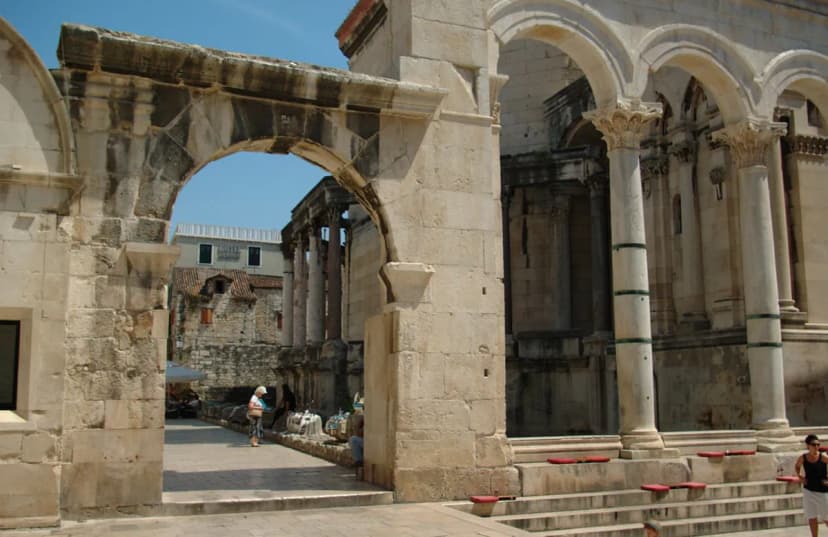
The Gripe garage on Gundulićeva is the closest paid option to Split Old Town at €1.50/hr, a 5-minute walk from Diocletian's Palace; no private cars are permitted inside the Palace walls under any circumstances.
Street parking runs €1–2/hr across Zones 1–3 in Split city centre; the Sukoišan open lot on Lička ulica charges €1/hr with ~500 spaces, while the port area 2+ km south of the Old Town offers free or low-cost roadside bays in EUR with no time limit.
Navigating the narrow stone streets of this coastal city requires patience and a solid plan for your vehicle. Most visitors find that finding parking in Split becomes the most challenging part of their Croatian road trip. The city center remains largely pedestrianized to protect the ancient architecture and local atmosphere. Exploring the Split Old Town guide helps you understand why driving inside the walls is impossible.
Drivers must choose between expensive street spots, secure garages, or distant free residential areas. Prices often fluctuate depending on the season and proximity to the famous Diocletian's Palace. Planning your arrival time can save you both money and significant stress during the busy summer months. This guide provides the latest 2026 rates and locations to ensure your car stays safe while you explore.
Understanding Street Parking Zones and Costs in 2026
Split divides its street parking into four distinct zones marked by different colored signs, and knowing exactly which zone you are in will save you money and prevent a painful fine. Zone 1 — the red zone — covers the area immediately surrounding Diocletian's Palace, the Riva promenade, and the Meštrović Gallery area to the west of the center. This premium belt commands the highest rate in the city at €1.50 per hour, and warden patrols here are frequent and unforgiving. If you park in Zone 1 without paying, expect a fine in the €100–200 range rather than the nominal €10–20 cited on older blogs — enforcement has tightened considerably since Croatia adopted the Euro in January 2023.
Zone 2, marked with blue signs, covers the districts of Spinut to the north and Zenta to the east of the palace. These are genuinely useful neighborhoods for day visitors: the streets are wider, bays are more plentiful, and the walk to the Peristyle takes roughly 10–15 minutes. The 2026 rate here is €1.00 per hour. Most Zone 2 machines and meters now accept contactless Visa and Mastercard in addition to coins, making payment straightforward for tourists without local currency on hand. Always check the blue sign on your specific street — some bays convert to resident-only permits after 20:00, and returning to find your car gone is a genuine risk during summer evenings.
Zone 3 is indicated by green signs and spreads across neighborhoods like Meje to the west and Pazdigrad to the east. The hourly rate drops to €0.70, and some stretches permit up to two or three hours without a ticket, making Zone 3 a sensible choice for quick visits when the Zone 1 and 2 machines are all occupied. From Zone 3 on the western side, you can walk along the pleasant seafront promenade toward the Meštrović Gallery and then continue into the Stari Grad on foot in about 20 minutes. Zone 4, the yellow zone, encompasses the city's outer residential grid and typically charges €0.50 per hour. Availability is far better out here, and wardens pass less frequently — but the walk to the palace is 25–35 minutes and offers little shade in midsummer heat, so wear comfortable shoes and bring water.
Street parking in Zones 3 and 4 is generally free on Sundays and Croatian public holidays. Always check the digital displays on parking machines to confirm the current charging period for your exact location, as rules vary street by street. The machines display instructions in Croatian, English, and German. If a machine is broken — a not-uncommon occurrence on older street blocks — photograph it with your timestamp clearly visible before walking to the next one. This protects you if a warden issues a ticket while you were searching for a working machine. Failure to pay correctly results in a ticket (nalog za plaćanje) placed under your windshield wiper with a QR code linking to the online payment portal, where fines can be settled within 8 days at the reduced rate before escalating to full enforcement value.
Time limits apply to virtually all central bays. Zone 1 bays near the Riva are frequently capped at 1 or 2 hours maximum regardless of payment, designed to ensure turnover rather than all-day occupation by tour bus drivers or early-arriving cruise passengers. Check the small white plate mounted beneath the main zone sign; it will state "max. 1h" or "max. 2h" in clear text. Overstaying a time limit — even with a paid ticket — can still result in a fine because you are violating the occupancy cap, not the payment rule. Using a Split 3-day itinerary helps you plan arrivals and departures so you never need all-day street parking in the center.
Top Public Parking Garages in Split
Public garages in Split offer the highest level of security and protection from the intense Mediterranean sun, which can bake interiors to damaging temperatures in July and August. These facilities are the best choice for travelers who prefer covered spaces and automated payment systems, especially when carrying luggage or expensive gear. Most garages operate twenty-four hours a day, seven days a week, and provide ample lighting for late-night arrivals after a long drive down the Dalmatian coast. Choosing a garage eliminates the frustration of circling narrow blocks looking for an open street spot during the morning rush, when every Zone 1 bay fills up within an hour of the wardens starting their shift.
The Sukoišan open lot on Lička ulica is one of the largest and most centrally located facilities in Split, positioned just a five-minute walk from the Golden Gate of Diocletian's Palace. With roughly 500 spaces across its open-air surface, it retains availability even during the crowded July and August peak when street options evaporate by 8:00 AM. The 2026 rate is €1.00 per hour, making it the most affordable of all central options, with a daily cap of around €10–12 for vehicles left overnight. Barrier entry systems accept both contactless cards and cash. Sukoišan is the go-to recommendation for travelers arriving by car with the intention of leaving the vehicle for the duration of their stay in Split.
The Diocletian Palace Underground Garage, accessed via the basement vaults (Podrumi) south entrance, is the most dramatically located parking in all of Dalmatia. Your car sits in the actual Roman substructure beneath the palace — an experience in itself. The first hour is free, making it ideal for visitors popping in briefly to the Peristyle or the Cathedral of Saint Domnius. After the first hour, the rate rises to €2.00 per hour, which is among the highest in the city. Space is limited to around 60 vehicles and the entrance height bar is 1.9 m, ruling out SUVs and tall vans. Do not expect to find a bay here after 10:00 AM in summer without considerable luck.
The Aponia Garage near the ferry port on Sunčana ulica is the most logical choice for travelers who plan to take a boat to Hvar, Brač, or Vis. It operates with video monitoring around the clock and charges approximately €2.00 per hour, with better daily flat rates available for stays of more than 24 hours — typically around €12–14 per day if you negotiate or book ahead at the attendant booth. The short walk to the Jadrolinija pier takes under five minutes, which is a meaningful advantage when you are hauling bags in summer heat. Security is reliable; rental cars, campervans (height permitting), and motorcycles are all accommodated.
Shopping malls on the city's periphery offer a useful free parking alternative for visitors who do not mind a twenty-minute walk or a bus ride to the center. Joker Mall on Put Brodarice provides covered, climate-controlled bays that are free for shoppers, and the mall sits within a manageable walking distance of the Old Town. City Center One to the north offers a larger car park with free parking validated at the mall entrance. Both locations are useful arrival points if you drive in during peak hours and want to regroup before navigating the congested center streets.
- Sukoišan Open Lot — Lička ulica
- Rate: €1.00/hr, daily cap ~€10–12
- Capacity: ~500 spaces
- Walk to palace: 5 minutes
- Access: 24/7
- Diocletian Palace Underground
- Rate: 1st hour free, then €2.00/hr
- Capacity: ~60 spaces, height limit 1.9 m
- Walk to Peristyle: 1 minute
- Access: daylight hours only
- Aponia Garage — Sunčana ulica
- Rate: €2.00/hr, ~€12–14/day flat
- Best for: ferry departures to islands
- Security: video monitoring 24/7
- Joker Mall — Put Brodarice
- Cost: Free for shoppers
- Walk to center: 20 minutes
- Type: Covered, climate-controlled
Park-and-Ride Options: Getting In Without Driving to the Centre
The single most cost-effective strategy for visiting Split by car in 2026 is to use one of the city's Park-and-Ride facilities on the urban fringe and take public transit into the center. This approach costs a fraction of central parking, eliminates the stress of navigating narrow streets, and often gets you to the Riva faster than hunting for a spot by car. The two established P+R areas are at Brodarica on the south-eastern edge of the city and Trstenik slightly to the west of Brodarica, both positioned along the coastal road approaching Split from the Omiš direction.

The Brodarica P+R area is a large open-air lot situated alongside the beach road, approximately 4 kilometers from the Old Town. In 2026 it operates effectively as free or near-free parking (some sections charge a nominal €1/day during peak season), with city buses running every 10–15 minutes to the center. Bus number 60 and several express services stop directly at the lot entrance and deliver passengers to the Riva in under 20 minutes. For travelers arriving from the south — from Makarska, Omiš, or beyond — stopping at Brodarica and switching to the bus is far more practical than attempting to drive all the way to the palace and search for a Zone 1 bay.
Trstenik offers a similar arrangement slightly further west, with additional free lots near the Trstenik beach area. Both locations have basic toilet facilities during summer and are monitored by security cameras. Neither offers covered bays — shade is minimal and interiors heat up quickly in afternoon sun — so windscreen sun shields are strongly recommended if you are leaving the car all day. Motorcycles and bicycles are welcome at both lots without charge at any time of year.
For visitors arriving from Split Airport, note that there are no formal P+R connections between the airport and the city center — the airport is in Kaštela, 25 kilometers northwest of Split. Long-term airport parking costs approximately €8–10 per day in the official airport lot, with cheaper third-party facilities nearby at €5–7/day. Airport bus line 37 connects Kaštela to the Split bus terminal in about 30–40 minutes for a flat fare of around €5. This is the recommended approach for visitors who fly in, want to hire a car for day trips to day trips from Split, and then return the vehicle before flying home.
Where to Find Free Parking Near the Centre
Finding genuinely free parking in Split requires local knowledge and a willingness to walk 15–30 minutes, but it is entirely possible outside the peak July–August weeks. Residential neighborhoods outside the immediate zoned perimeter often have streets with no painted lines and no designated parking zones. The Gripe district, rising above the bus terminal to the north-east of the Old Town, is a well-known local favourite: streets are quiet, spaces are abundant outside morning hours, and the downhill walk to the palace gates takes about 15 minutes through pleasant apartment-block streets. Arrive before 9:00 AM on weekdays to claim a spot before local commuters fill the useful ones.
Areas fringing the Split beach guide locations sometimes offer free spots during the off-season months of October through April. The streets behind Bačvice beach have several side roads where parking is permitted without a ticket or resident permit outside the summer zone. Be careful not to block private driveways or garage entrances, as towing is strictly enforced in Split — the recovery fee from an impound lot runs approximately €150 plus a daily storage charge, making it significantly more expensive than the most expensive legal parking option.
The neighborhood of Spinut near the Poljud Stadium — home of Hajduk Split — offers large open-air areas that are free outside of match days. On evenings when Hajduk is playing at home, the entire Spinut district fills completely, and some sections become restricted for resident permit holders. Outside match days, Spinut is one of the quietest and most reliable free options in the city. A 12-minute walk down Spinutska ulica delivers you to the northern edge of the Old Town near the Vestibule.
Always look for the absence of white or blue painted lines on the asphalt to identify genuinely free unzoned spots. A sign with a red circle and a crossed-out "P" means parking is prohibited entirely on that stretch. Locals sometimes park two wheels on the pavement to clear traffic lanes, but rental car drivers should avoid this practice: rental agreements typically require drivers to park legally, and a photo of your car on the kerb is sufficient evidence for the rental company to charge you for any resulting fine. Checking the surrounding cars for resident permit stickers (godišnja dozvola) visible on the dashboard will indicate whether a zone is in fact residents-only despite lacking obvious painted markings.
Payment Methods and Mobile Parking Apps
Paying for street parking in Split has become significantly more convenient since the Euro transition in January 2023, which standardized pricing displays and removed the need to calculate kuna-to-kuna conversions on the fly. The primary digital tool for visitors is the EasyPark app (available on iOS and Android), which works across all four Split parking zones and allows you to start, extend, and stop sessions remotely from your phone. You register your car's license plate and a payment card once, and thereafter tapping "Start Parking" and selecting your zone is all that is required. EasyPark charges only for the minutes you actually use, meaning you save money if you return earlier than planned — unlike a pre-paid printed ticket where unused time is lost. The app is well-suited to tourists precisely because it requires no local SIM card and functions on any international data connection.
The official Split Parking app is the municipality's own alternative and covers the same zones with a similar feature set. It displays a live map showing occupancy estimates for the main central garages, which is useful when approaching the city and trying to decide which area to aim for. Both apps are accepted as valid proof of payment by parking wardens; showing the active session screen on your phone is sufficient, and no physical ticket is needed on your dashboard when using either digital option.
SMS payment remains available for those with a Croatian or EU mobile number registered for short-code billing. Each zone has a four-digit code displayed on the nearest parking sign. Text your license plate without spaces to that code, and you will receive a confirmation SMS within a minute. This method is less convenient for most international visitors whose carriers block short-code international billing, but European SIM card holders typically find it works without issue.
Traditional parking machines remain available on most streets in Zones 1 and 2. Post-2023 machines accept Euro coins (€0.10, €0.20, €0.50, €1.00, and €2.00) and most now have a contactless card payment option. Insert your card, select your desired duration, and collect the printed ticket to display on the dashboard. Machines that have not yet been upgraded to accept contactless payment display a coins-only symbol on the front panel. If the machine is clearly broken — no screen, no ticket output — photograph it and move to the next one before parking. A non-functioning machine does not exempt you from payment; wardens are not required to accept "the machine was broken" as a defence unless you can show photographic evidence.
Parking Near the Split Ferry Port
Many travelers leave their cars in Split while they take a ferry to Hvar, Brač, Šolta, or Vis for a day trip or multi-day island stay. The ferry port area has several dedicated lots designed specifically for long-term vehicle storage, and knowing which one to use will save you money and walking distance when you return late from the islands. Consulting the guide on day trips from Split helps you plan whether you actually need a car for your island excursion or can rely on local ferries and island buses.
The port parking lot directly adjacent to the Jadrolinija terminal on Obala kneza Domagoja is the most convenient option, but it is also the most expensive central lot at around €2.00/hr or a flat rate of €10–12 per day in peak summer. This lot is supervised, open 24 hours, and the five-minute walk to the boarding gates is its key advantage when you are hauling luggage. Book or arrive early: spaces fill completely by 8:00 AM on peak summer mornings when multiple ferries depart within an hour of each other.
The railway station parking lot on the same harbour road provides a slightly cheaper flat daily rate of around €8–10 per day for multi-day stays. Staff are usually present during daylight hours. The walk to the Jadrolinija main terminal is under ten minutes along the flat quayside, manageable with rolling suitcases. This lot is a sensible compromise for visitors staying two to five days on an island and wanting a reliable, affordable central base for their car.
For the best value ferry-trip parking, use the Aponia Garage on Sunčana ulica (described in the garages section above) or park at Brodarica P+R and take the bus to the port. The Brodarica lot is well-suited to island day-trippers traveling light, since bus 60 deposits you within 10 minutes' walk of the Jadrolinija gate. Arriving by 7:30 AM ensures you get a P+R spot and reach the ferry terminal in time for the first morning departures to Supetar (Brač) and Stari Grad (Hvar).
Arriving at the port at least one hour before your ferry departure is essential during summer regardless of which parking option you choose. Traffic congestion around the harbour can be severe from 7:00 to 9:00 AM and again from 17:00 to 19:00 PM, and it frequently leads to missed boat connections. The large blue "P" signs near the train station are clearly visible from the main approach road and direct you efficiently to the most accessible port lots. Remember that Jadrolinija does not hold ferries for late vehicles — if you miss the boat, the next crossing may be hours away during off-peak schedules.
Campervans, Motorhomes, and Oversized Vehicles
Parking a campervan or motorhome in Split itself is genuinely difficult, and the city actively discourages overnight stays in vehicles within the urban area. Most central garages have a height limit of 1.9–2.0 m, which excludes the majority of motorhomes and high-roof vans. Street parking is technically legal for campervans in the standard zones if they fit within a single bay and pay the applicable zone rate, but city ordinances prohibit camping (sleeping in vehicles) on public streets throughout the municipality — fines for overnight campervan stops on city streets have been increasing and can reach €100–150 per night.
The recommended approach for motorhome visitors is to use one of the dedicated campervan areas on the outskirts. Camping Stobreč, approximately 7 kilometers east of the city center, is the closest established campsite with motorhome services including electrical hookups, fresh water, and grey-water disposal. It sits directly on the beach road and operates from April through October with 2026 rates of roughly €25–35 per night for a vehicle plus two adults in high season. A direct city bus (line 60) connects Stobreč to the Riva in about 20–25 minutes, making it a fully workable base for exploring Split on foot.
Camping Split near Solin to the north of the city offers similar facilities at a slightly lower price point (approximately €20–28 per night in peak season) and is better positioned for visitors who also want to explore Solin's Roman ruins and the northern Dalmatian hinterland. Both campsites require advance reservations in July and August — walk-in arrivals are frequently turned away during the peak weeks of the season.
For day visits only, large motorhomes can use the open-air sections of the Brodarica P+R area, which has no height restriction. Day-use parking here costs €1–2 for the full day during summer and nothing in the shoulder season. The downside is that Brodarica's surface is uneven gravel in parts, and shade trees are sparse — arrive with full water tanks and leave curtains and reflective panels in place. For motorhome travelers intending to explore the wider Dalmatian coast, Split makes an excellent transit hub rather than a multi-night base: park at Stobreč for one night, explore the city via bus, then continue south toward Dubrovnik or north toward Zadar.
Free Parking Near Split Old Town: Where to Park for Free in 2026
Free parking within a reasonable walk of Split's Old Town does exist in 2026, but it requires timing, local knowledge, and a willingness to arrive early. The zones immediately surrounding Diocletian's Palace are all paid during daylight hours, but venture fifteen to twenty minutes on foot and you will find residential streets where no painted lines, no zone signs, and no parking meters appear. These spots are genuinely free and legal — as long as you do not block a driveway, obstruct traffic, or overstay in a district where resident permits apply after 20:00.
The Gripe neighborhood, located uphill and northeast of the bus terminal, is the single most reliable free option close to the Old Town. The streets of Gripe sit just outside the zoned perimeter, and the downhill walk to the Golden Gate of Diocletian's Palace takes approximately 12–15 minutes. Spaces are abundant before 9:00 AM on weekdays, but fill progressively as the morning progresses. On Saturday mornings the competition is slightly less fierce since many local commuters do not work weekends. Look for the residential streets along Ulica Kralja Zvonimira and the side roads branching off it — these have no zone markings and no machines. Do not park on any stretch where a blue zone sign appears even briefly; the zone boundary can shift mid-street.
The Spinut district near Poljud Stadium offers another reliable free zone, approximately 12 minutes' walk from the northern edge of the Old Town via Spinutska ulica. This area is quiet and open outside Hajduk Split match days. On evenings when a home game is scheduled, the entire neighborhood fills from 90 minutes before kick-off and some streets become residents-only with enforcement. Check the Hajduk Split fixture list before choosing Spinut as your parking base. Outside match days, you can usually park here from mid-morning without difficulty.
Sundays and Croatian public holidays are the best days to park near the Old Town for free. All four paid street zones in Split — including Zone 1 directly adjacent to the palace — revert to free parking on these days. This means you can park on the Riva itself on a Sunday morning without paying anything, though bays fill quickly once visitors arrive after 9:00 AM. National holidays where zones are free include Corpus Christi, Assumption Day (15 August, which falls during peak summer), All Saints' Day, and Christmas. Check the Split Parking app for a real-time list of holiday exemptions before you drive.
The port area beyond Sukoišan, approximately 2 kilometers south of the Old Town along Domovinskog rata, has stretches of roadside parking that are unzoned and free throughout the year. This part of the harbour road is outside the tourist core and serves the working port facilities, so the character is more industrial than scenic — but the parking is legal, unlimited in duration, and costs nothing. The flat walk north along the seafront promenade into the Riva area takes 25–30 minutes, which is manageable for visitors traveling light. Driving into the center and walking back is not recommended; instead, park here first and walk in from the start of your visit.
For motorists arriving after 20:00, the enforcement window closes for most zone machines and warden patrols end, creating a de facto free parking window in Zones 2 and 3 that persists until approximately 7:00 AM the following morning. This is particularly useful for visitors staying overnight who need to park somewhere accessible but affordable. Return to your car before 7:30 AM or purchase a digital ticket via EasyPark before the zone activates to avoid a fine. Zone 1 enforcement near the Riva restarts promptly at 7:00 AM in peak season, so do not rely on the overnight window for Zone 1 bays. Visiting the Diocletian Palace complete visitor guide gives you a clearer picture of the palace perimeter so you can judge which zone boundary your free spot falls into.
Frequently Asked Questions
Is it easy to find parking in Split during the summer?
Finding central street parking in July and August is genuinely difficult. Zone 1 bays near the palace fill by 8:00 AM on peak days. The most reliable approach is to use the Sukoišan open lot on Lička ulica (500 spaces, €1.00/hr, 5-minute walk to the palace) or to park at the Brodarica Park-and-Ride lot on the city outskirts (free to €1/day) and take city bus 60 into the center in under 20 minutes.
How much does a parking fine cost in Split in 2026?
Parking fines in Split's core zones (Zone 1 and Zone 2) range from €100 to €200 for unpaid or overstayed parking as of 2026. This is significantly higher than the nominal €10–20 figures on older tourist blogs, reflecting enforcement tightening since Croatia joined the Eurozone in January 2023. Fines can be paid via the QR code on the ticket within 8 days at a reduced rate, or at local post offices and through the official Split Parking mobile app.
Can I pay for parking in Split with a credit card or app?
Yes. The EasyPark app works across all four Split parking zones and requires no local SIM — just a registered card and your license plate. The official Split Parking app offers the same coverage with a live garage occupancy map. Most parking machines installed after 2022 also accept contactless Visa and Mastercard. Older street machines in Zones 3 and 4 may still require Euro coins, so carrying €2–3 in small change is advisable as a backup.
Where is the best parking for taking the ferry to Hvar or Brač?
For ferry passengers, the best value is the railway station parking lot on Obala kneza Domagoja at €8–10 per day, a 10-minute flat walk to the Jadrolinija terminal. The adjacent port lot is more convenient but costs €10–12 per day. For trips of 2+ days, the Aponia Garage on Sunčana ulica offers secure video-monitored parking at around €12–14 per day. All three are within easy walking distance of the main ferry piers. Arrive at least one hour before departure in summer to account for congestion.
Is there free parking near Split's Old Town?
Free street parking exists in the residential districts of Gripe (15-minute walk to the palace) and in parts of Spinut near Poljud Stadium (12-minute walk). Arrive before 9:00 AM on weekdays to claim a spot before locals fill them. Street parking in all zones is also free on Sundays and Croatian public holidays. The Brodarica Park-and-Ride lot is free or costs €1/day and connects to the center via city bus in under 20 minutes — arguably a better deal than the closest free street spot.
Can campervans and motorhomes park in Split?
Most central garages have a 1.9–2.0 m height limit, excluding most motorhomes. Overnight sleeping in vehicles on Split's public streets is prohibited and fines reach €100–150 per night. The recommended option is Camping Stobreč, 7 km east of center, at €25–35/night in peak season with electrical hookups and direct bus access to the Riva. For day visits only, the open-air Brodarica P+R area has no height restriction and costs €1–2 for the day.
Can I drive or park inside Diocletian's Palace in Split?
No — private cars are not permitted inside Diocletian's Palace under any circumstances. The entire palace precinct is fully pedestrianized, and the narrow historic gates (Porta Aurea, Porta Argentea, Porta Ferrea, Porta Aenea) physically block vehicle access. The closest paid parking to the Palace is the Sukoišan open lot on Lička ulica at €1.00/hr, a 5-minute walk from the Golden Gate; the Diocletian Palace Underground Garage (accessed from the south via the Podrumi vaults) is closer still but costs €2.00/hr after the first free hour and is very limited in capacity (60 spaces, 1.9 m height limit).
Securing parking in Split in 2026 is most straightforward when you plan before you drive. For short visits, the Sukoišan open lot on Lička ulica or the Diocletian Palace Underground give you the best proximity to the sights. For day-trippers or budget travelers, the Brodarica Park-and-Ride offers the lowest cost and eliminates central congestion entirely. Ferry passengers are best served by the railway station lot or the Aponia Garage, both a short flat walk from the Jadrolinija piers. Motorhome travelers should book a pitch at Camping Stobreč in advance and treat the city bus as their primary transport link. Whatever your vehicle, pay with EasyPark or a contactless card to avoid scrambling for coins, and always check the time-limit plate beneath the zone sign — overstaying a 1-hour bay with a paid ticket still earns you a fine in the €100–200 range. Enjoy Split knowing your car is parked legally and your day is free for the palace, the beaches, and the Riva.